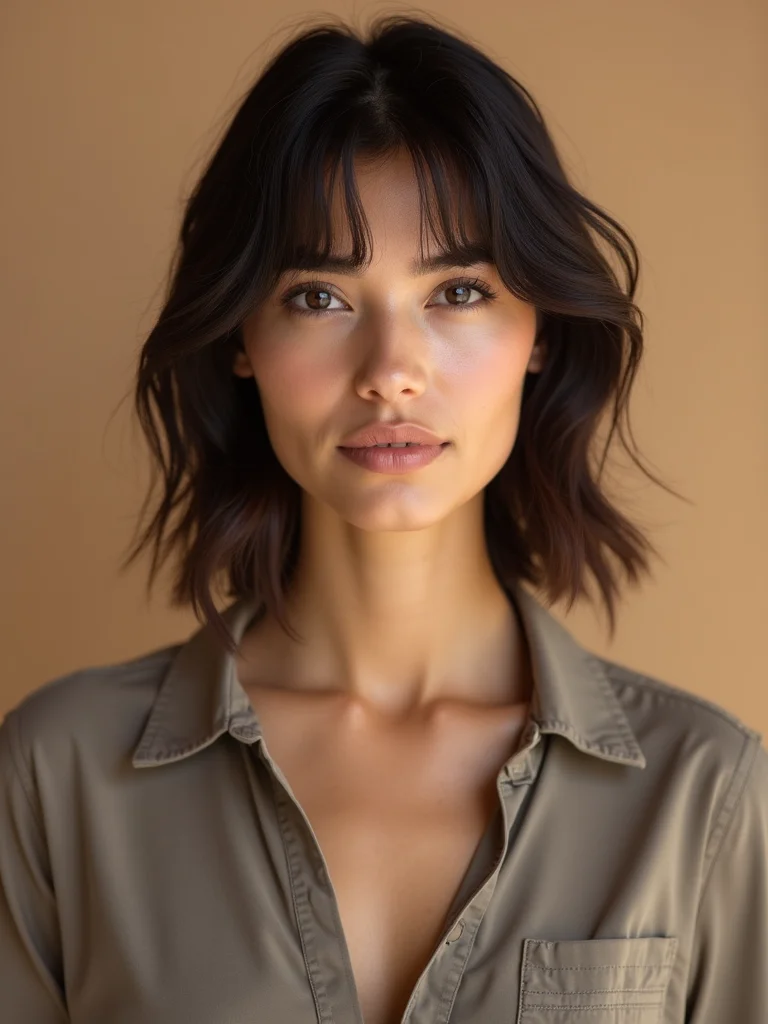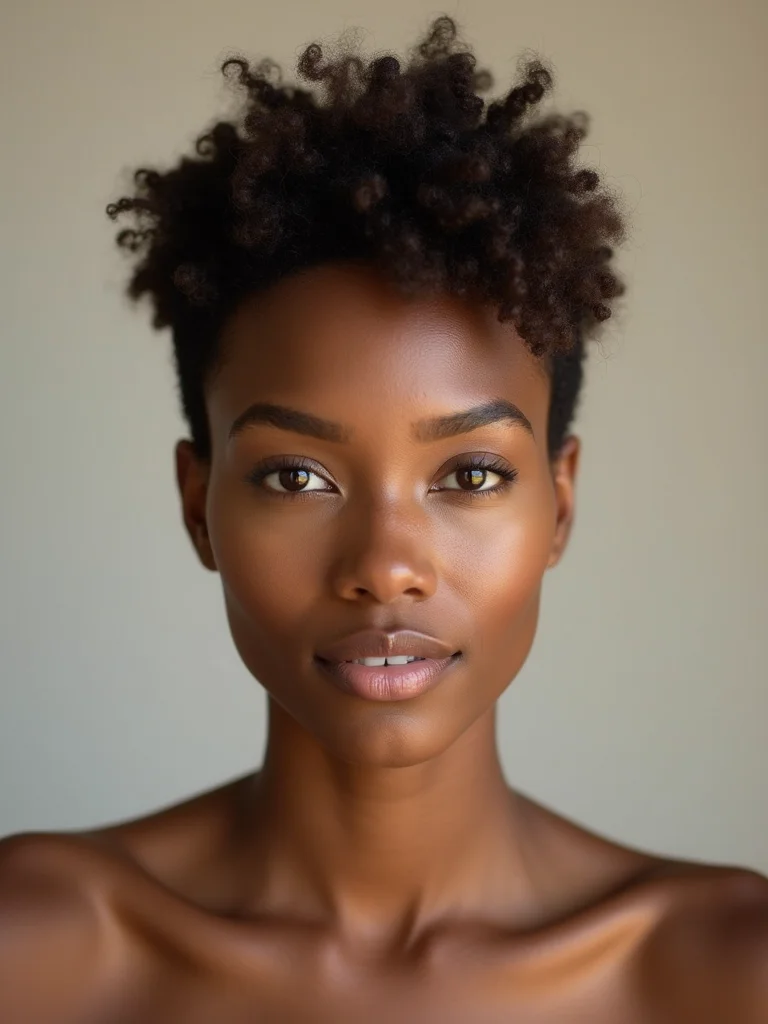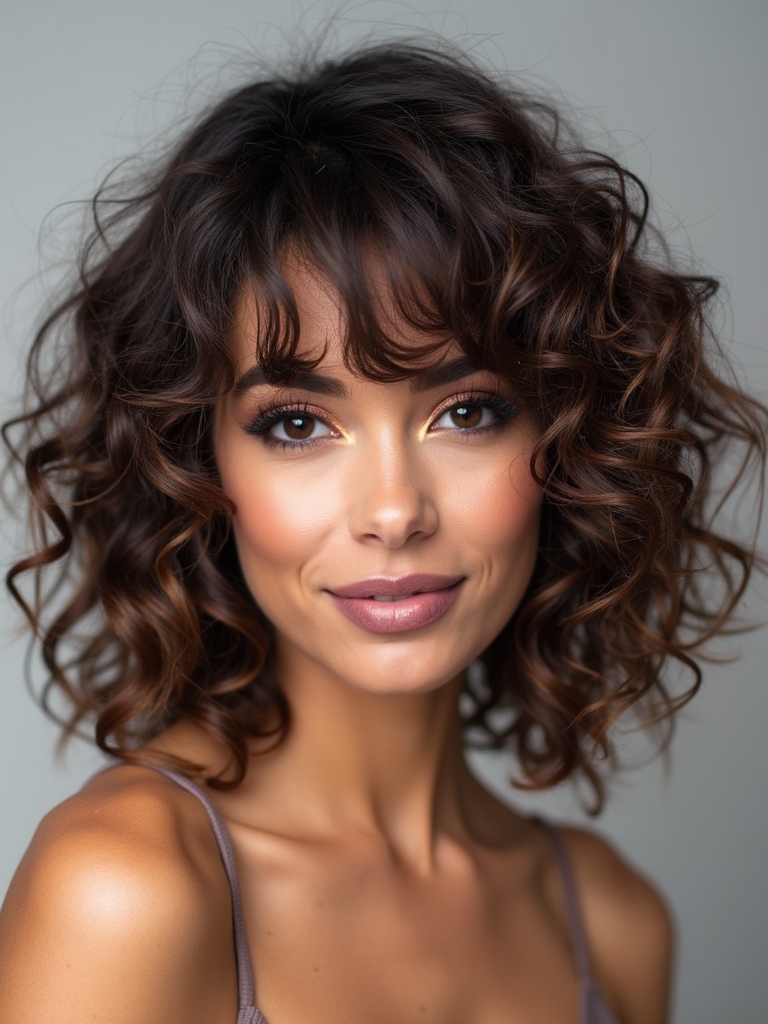
A client once told me her curls were the problem. They were not. She had worn the same heavy, one-length cut for a decade, and the weight was crushing every coil flat. We layered it into a shag, and she watched her own hair spring up off her shoulders for the first time in years.
That is what a curly shag haircut does. The cut and the curl pattern pull toward the same goal: volume, definition, and easy movement. Below are sixteen versions matched to every texture, from loose waves to tight 4C coils, with what each one does and how to style it.
The Short Version
The shag removes the weight that flattens curls, so each coil can spring, define, and gain volume. It has to be cut dry and in pattern, so every curl lands where it actually springs. The cut then shifts with your texture: fine curls want light layering, thick curls want heavy debulking or a hidden undercut, and mixed patterns want staggered layers placed section by section.
It is a true wash-and-go cut, with a trim roughly every two months to hold the shape. Get the cut matched to your texture and the daily routine stays small.
Classic Shag for Loose Waves

On loose waves, the classic shag is the easy win. The heavy layering breaks up any weight that would flatten the pattern and lets the waves bend and bounce freely. It is the gateway curly shag, and the one I hand most wavy clients first.
The shattered, layered ends give loose waves visible separation and movement, so the hair looks alive rather than limp. It suits the wavy end of the spectrum best.
- Heavy layers free the wave to bend and bounce
- Shattered ends add visible separation and movement
- Scrunch a light mousse through wet hair, then air-dry
The Curly Wolf Cut

The wolf cut blends shag and mullet into a heavily layered, voluminous shape. It gives curls maximum height at the crown and wild, airy texture through the lengths. It is the boldest cut here, full stop. The airy layering keeps all that volume from sitting blocky, so the curls look edgy and free. It thrives on being diffused and then left completely alone.
- Maximum crown height and disconnected, airy layers
- Bold and edgy, for someone who wants a statement
- Diffuse it, then do not touch it while it dries
👍Why curls love a shag
- +Removes weight so curls spring, define, and gain volume
- +A true wash-and-go once it is cut to your pattern
- +Grows out softly, since texture hides the in-between
👎What to weigh first
- –Needs a dry, in-pattern cut from a curl specialist
- –A trim roughly every two months to hold the shape
- –Dry curls fall flat, so moisture is non-negotiable
Micro Shag for Short Springy Coils

Cropped close and heavily layered, the micro shag lets short coils spring into their tightest, bounciest form. The cut takes off weight so the curls lift and pack with energy. Because the shape is so short and the layers do the work, it stays one of the lowest-effort ways to wear springy coils with real personality.
- Short, heavy layers free coils to spring and pack tight
- Very low daily effort once it is cut right
- A curl cream on damp hair sets the bounce
Shoulder-Grazing Shag With Face-Framing Curls

At shoulder length, the curly shag is at its most wearable. Face-framing curls are carved to spring around the cheeks and jaw. It is long enough to tie back and layered enough to stay full of movement.
Those shorter front curls draw the eye up to your features and add a soft, rounded frame. The layering keeps the lengths from dragging the pattern straight. Of everything on this list, this length flatters the widest range of face shapes.
Here is what I tell every client booking one: with curly hair, you never cut to a length, you cut to the curl. Every coil gets shaped where it sits dry, in its own pattern.
The wash-and-go routine that keeps a shag defined:
1Define on soaking-wet hair
Rake leave-in and curl cream through, then scrunch upward to clump the curls.
2Add hold
Smooth a gel over the top, scrunch again, then air-dry or run the diffuser on its lowest heat.
3Finish dry
Once fully dry, scrunch out the gel cast and gently fluff the roots for volume.
Voluminous Shag for Thick, Dense Curls

Thick, dense curls need layering more than any other texture. Without it, the sheer volume piles into a heavy, shapeless mound. A voluminous shag carves that weight out from the interior, so the curls stop fighting each other and start to define.
It turns dense hair from a daily battle into a full, shaped style while keeping every bit of its thickness. This is the cut I make most often on a heavy curly head that has lost its shape.
- Weight comes out of the interior, not the surface
- Dense curls gain definition without losing thickness
- Best placed by a stylist who knows curl debulking
Soft Shag for Fine, Delicate Curls

Fine curls are delicate, so the shag here stays soft and light. You want just enough layering to add airy volume, without removing the weight that keeps the ends from going wispy. Restraint is everything.
Ask for the layering kept subtle and high, scrunch in a lightweight cream, and diffuse gently. Over-layered fine curls lose density fast, and I have had to grow out more than one heavy-handed cut from another salon.
- Keep the layering subtle and placed high
- A lightweight cream defines without dragging the curl down
- Over-layering thins fine curls, so a light hand wins
Which shag fits your texture? Start with your density.
🎯Fine or delicate curls
A soft shag with subtle, high layering adds airy volume without thinning the ends.
🎯Thick, dense curls
A voluminous shag or a hidden undercut carves out interior weight so the curls define.
🎯Tight 4A to 4C coils
A sculpted, in-pattern shag shapes the silhouette around a twist-out or wash-and-go.
Shag With Curly Curtain Bangs

Curtain bangs work nicely on a curly shag, because the curl gives them built-in body and bend. The center-parted, face-framing curls sweep the cheekbones and melt into the layers.
The easiest fringe on textured hair
They grow out so forgivingly that they stay the easiest fringe to wear on textured hair. There is no awkward stage, just a gradual blend back into the shape.
Plan the fringe with our curtain bangs guide if you want to see the range. Cut dry and a touch long, they land right once the curl springs.
Shaggy Lob for Defined Ringlets

The shaggy lob keeps curly length at the collarbone while layering it enough to let ringlets spring into clean, defined spirals. It is the version for anyone who wants texture without going truly short.
The layering gives each ringlet room to coil and define, so the lob looks bouncy. It is the most versatile length here. Our curly bob guide covers the longer end if you want more weight.
- Collarbone length keeps the look grown-up and versatile
- Layers free each ringlet to coil and define
- Bouncy rather than heavy, even at length
Cut Dry, Always
A curly fringe or shag cut wet is a gamble. Curls shrink hard as they dry, so wet hair hides where each one lands. Ask for a dry, in-pattern cut, and your shag finishes where you expect instead of springing up shorter and choppier.
Pixie Shag With Tousled Texture

The pixie shag crops the shape short and choppy, letting the curls tousle into a free, textured halo with maximum lift and minimum upkeep. The heavy layering builds the volume on its own.
Even the shortest coils get bounce and grit, which makes this the boldest, most carefree way to wear short curly hair. Our curly pixie guide covers the crop in more detail.
- Short, choppy layers build a free, textured halo
- Maximum lift with minimal daily upkeep
- A scrunch of product is the whole routine
Shag With a Hidden Undercut

For very thick or heavy curls, a subtle undercut hidden beneath the layers removes serious weight from underneath. It lightens the whole head without changing the surface shape. The curls on top stay full while the bulk disappears.
- Takes real weight out from underneath, invisibly
- The layered top hides it completely when you want
- Makes dense curls far lighter and faster to dry
Mid-Length Shag With Crown Lift

A mid-length shag with extra crown lift solves the most common curly complaint: flat roots. It fixes it in a few ways, all built into the cut and the drying.
- Layers placed high build height where curls fall flattest
- Diffusing with the head flipped sets that root volume
- Clipping the roots while drying locks lift that lasts all day
Staggered Layers for Mixed 3A to 3C Patterns

Many heads carry more than one curl pattern, looser 3A waves up top and tighter 3C spirals underneath. A well-cut shag is the answer. Staggered layers are placed to suit each section, so the looser curls get definition and the tighter ones get room to spring.
It brings uneven patterns into one cohesive, balanced shape instead of letting them compete. This is detailed work, so it rewards a stylist who reads the whole head before cutting. I spend the first few minutes of these appointments just mapping where each pattern sits before I pick up the scissors.
Twist-Out Shaping for 4A to 4C Coils

On tight 4A to 4C coils, the shag is cut to enhance definition and create a rounded, sculpted silhouette. The layering is placed to give the coils volume and shape, not just to remove length. It celebrates the natural pattern.
These textures often look best shaped around a twist-out or wash-and-go, with the layers refining the outline. A dry, in-pattern cut is essential so the coils land where they spring, and deep conditioning keeps the shape springy. When a 4C client tells me a past stylist stretched their hair to cut it, I know exactly why the shape never sat right.
Shag With Feathered, Shattered Ends

Shattering the ends into a soft, broken finish gives a curly shag its airiest movement. The tapered tips let the curls flick and flow rather than sitting blunt and heavy.
Airy on the right texture
It suits looser curls and medium-to-thick textures nicely. Very fine or tightly coiled hair wants the technique used sparingly, so the ends keep their definition.
This is one to discuss with your stylist before they start. Shattered right, it feathers beautifully. Overdone, the ends can frizz, so it is a judgment call for experienced hands.
Low-Maintenance Shag for Wash-and-Go

The curly shag may be the ultimate wash-and-go cut, because the layering builds the shape so your routine can stay tiny. The cut does the structuring, and you do very little.
Apply leave-in and curl cream to soaking-wet hair, raking then scrunching. Add a gel for hold, scrunch again, then either let it air-dry or run a diffuser on the lowest heat.
Once it is fully dry, scrunch out the gel cast and fluff the roots for volume. That is the whole thing, most mornings in under five minutes.
Color-Popped Shag With Balayage

Color and curls are a strong match on a shag, because every coil catches the light. Soft balayage and highlights make the texture look sunlit and dimensional, and the movement of the shag multiplies the effect. Keep any lightening gentle and well-conditioned, since curls are more fragile and show damage faster. A partial balayage usually runs $120 to $250 depending on your area.
- Every coil catches the light, so color reads dimensional
- Lean on bond-building treatments to protect the pattern
- Face-framing brightness makes the front curls pop most
Maintenance & Care
A curly shag is easy day to day, but it asks for two real commitments. The first is the salon: plan on a trim about every two months to keep the shape sharp, sooner for a shorter or coily version with crisp edges. Booking with someone who specializes in curl work typically runs $70 to $130 for the cut, depending on your area.
The second is moisture. Hydrated curls spring and define, while dry curls fall flat and frizz. Lean on a leave-in, a weekly deep conditioner, and satin at night to keep the shape soft. A spritz of water and a little cream wakes the curls up between washes, so you rarely restyle from scratch.
Curly Shag Haircut Questions, Answered
?Why is a shag good for curly hair?
The heavy layering removes the internal weight that flattens curls into a shapeless mass, so each coil can spring into defined, voluminous shape. The piecey ends also suit the natural irregularity of curls, so the cut looks deliberate. For most curl types it delivers more volume and movement than almost any other cut.
?Should a curly shag be cut wet or dry?
Dry, and in the curl’s natural pattern. Curls shrink hard as they dry, so a wet cut usually finishes shorter and choppier than planned. A dry cut lets the stylist shape each curl where it actually sits.
?How does the cut change for my texture?
Fine curls want light, high layering to protect density. Thick curls want heavy interior debulking or a hidden undercut. Mixed patterns want staggered layers placed section by section, and tight coils want a sculpted, in-pattern shape.
?How often does a curly shag need a trim?
About every two months holds the shape best, since the texture hides grow-out and the cut is meant to look a little undone. A shorter or coily shag with crisp edges may want a tidy sooner.
A Cut That Works With Your Curls
The reason the curly shag wins is simple. The cut and the curl want the same thing, so they stop fighting and start working together. Matched to your texture, dry-cut, and kept hydrated, it gives back volume, definition, and movement for very little daily effort.
So before you book, think about your own hair: is it fine or thick, one pattern or several, worn short or long? The right shag is the one cut for that exact texture, not a photo of someone else’s. Bring your honest answer to a stylist who cuts curls dry, and the rest follows.
More to Explore