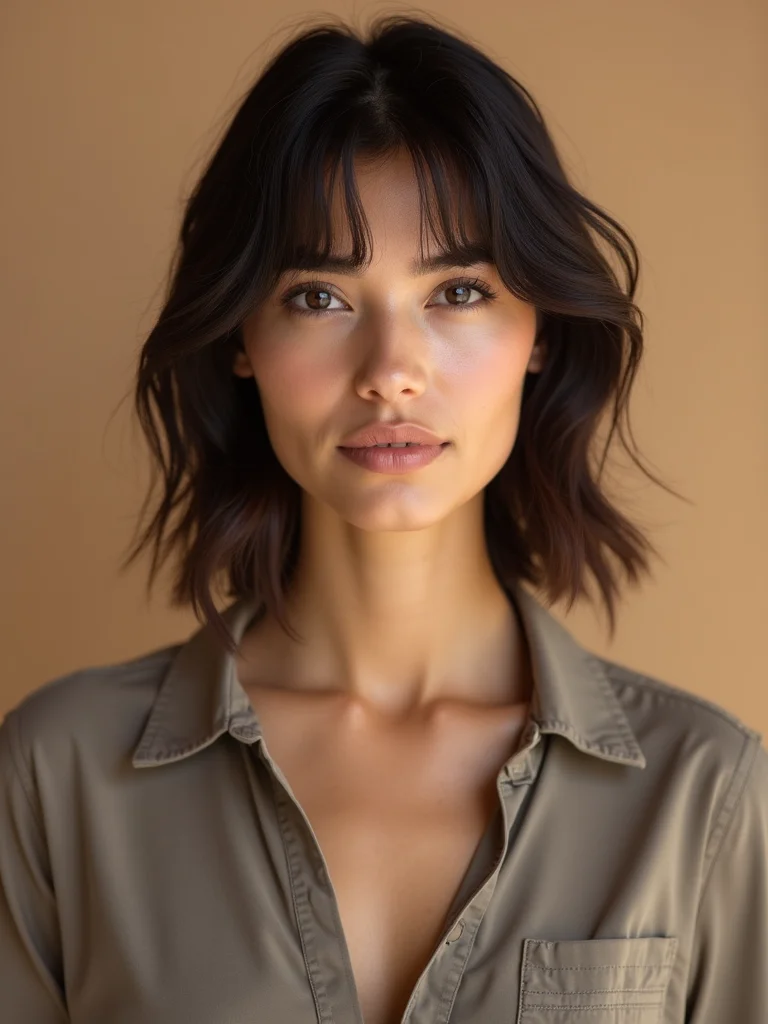
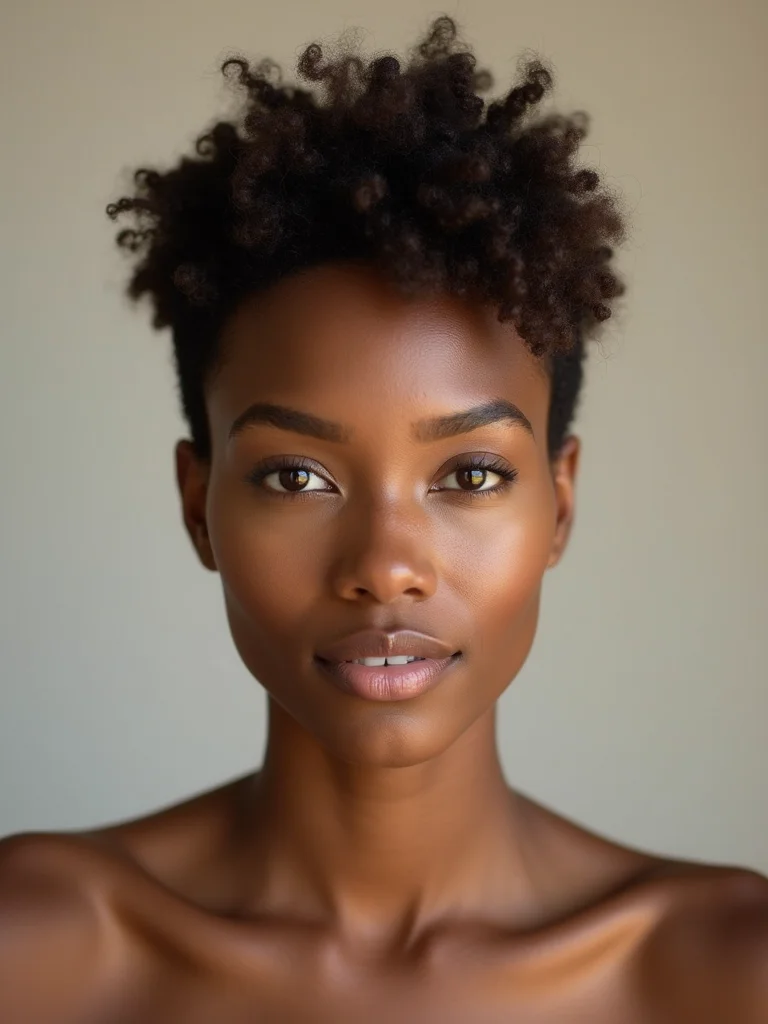
Plenty of haircuts photograph well and then fight back every morning at home. The medium shag cut rarely does that: the same shape that looks low-key in a photo mostly behaves that way in real life too, once it’s cut for the right texture.
Fifteen versions follow here, sorted by how much they ask of a morning routine and how often they need a trim. A few are near-zero effort. A couple are real commitments. Both kinds are worth knowing before booking either one.
Shag Cuts, Sorted by Effort
- Low effort: classic mid-length, low-maintenance grown-out bangs, blunt-edge internal layers.
- Higher effort: wolf-shag hybrid, shattered ends, modern rock-and-roll.
- Needs a specialist: curly shag, cut fully dry in the natural pattern.
- Typical trim window: five to seven weeks for choppier versions, longer for softer ones.
- Cost tiers vary by skill needed: a basic reshape at a walk-in salon runs about $35, while a stylist who specializes in curly or choppy shags often charges closer to $85.
- A photo that matches the current texture matters more than the exact look chosen.
Classic Mid-Length Shag

The classic version runs feathered layers through a chin-to-collarbone shape, so the ends separate and move without much help. It’s the safest first booking for anyone nervous about committing to a shag at all.
Where the Payoff Comes From
The layers do the actual styling. A finger-dry with a mist of texture spray finishes it in a few minutes most mornings, and the shape holds through most face types and textures without much adjustment.
A shag this soft can start to look shapeless once it’s skipped past its trim window; a reshape around the six-week mark keeps the layers from blending back into one length.

Wispy Curtain Bangs

Curtain bangs are the single easiest upgrade to add to a shag. They open the face and bring movement to the front, folding straight into the piecey layers already there. More on the fringe alone lives at curtain bangs.
- The bang trim itself runs on a faster schedule than the rest of the appointment, often worked in free between full cuts.
- Ask for wispy, face-framing pieces parted from a center split, not a blunt, straight-across curtain.
- Suits nearly every face shape, since the soft fringe leaves the forehead mostly open.
A couple of terms worth knowing before asking for this fringe:
📖Curtain bangs
A fringe parted at the center that sweeps toward both sides of the face.
📖Piecey
Separated strands with visible texture and gaps between them.
The Wolf-Shag Hybrid

This version pushes the classic shape toward heavier, choppier layering with a disconnected crown, and it lands as a bolder, more dramatic booking than the softer versions on this list.
The Honest Upkeep
Here’s the trade for the drama: the disconnection that makes it look sharp also grows out fast, so this version needs a reshape closer to the five-week mark to stay crisp.
It suits fine to medium hair especially well, since the heavy layering builds volume where there wasn’t much. Very thick hair needs extra internal thinning so the crown doesn’t balloon outward. For the full-length version of the cut, see the wolf cut.
Shoulder-Grazing With a Soft Frame

Shoulder-grazing length is the safer big change for anyone craving a real difference without giving up much length. It still reaches a ponytail on a rough day, yet it feels like a genuine shift in the mirror.
Who This Length Actually Suits
Soft face-framing layers around the cheeks do most of the flattering work here, which is why the cut suits such a wide range of face shapes without much customizing.
It’s low-commitment to maintain; a reshape every seven weeks or so keeps the frame from growing out flat. More shoulder-length shag options live at shoulder-length shag.
A Curly Shag, Cut Dry

On curls and coils, this cut only works with the right approach: dry-cutting, one curl section at a time, so each layer settles where the coil actually springs up to. Cut on wet hair, and the same layers shrink up shorter and blockier than planned once they dry.
Done well, it lets curls stack and bounce instead of piling into one heavy triangle. Finding a stylist who lists dry cutting for textured hair specifically is worth the extra search. More curl-specific cutting notes live at curly shag haircut.
- Ask for layers shaped around the actual curl pattern, not a generic layer count.
- Trims stretch longer than most shag versions, since the cut holds its shape well between visits.
- Working a leave-in through first, then a curl cream, while hair is still soaking wet keeps the shape defined between washes.
Not sure if a curly shag is the right ask? Run through this first:
1Has a past stylist cut your curls wet before?
That’s often why a previous shag felt too short or boxy: wet curls shrink up after the cut, taking more length than expected.
2Do you mostly wear your curls in their natural pattern?
This cut is built around that pattern, so it suits someone who wears curls loose most days.
Wavy With Airy Ends

For hair with a natural bend already, this booking practically pays for itself. The layers keep the ends light so the wave has room to move, which makes a wash-and-go day look like an actual finished style.
- Rake a wave cream through soaking-wet hair, then scrunch upward toward the roots.
- Let the shape set on its own, or run a diffuser on low heat for a faster finish.
- Separate the waves apart with fingers once dry, then work a small drop of oil into just the ends, rubbing it in with fingertips.
Blunt-Edge With Internal Layers

Anyone worried a shag will thin out the ends should book this version instead. A strong, near-blunt perimeter holds density at the bottom while the internal layers underneath do the moving.
That combination gives fullness and texture in one cut, and it’s the better call whenever the ends look thin or wispy and could use some visible substance at the hemline.
- Ask for a blunt or near-blunt hemline to keep the ends looking dense.
- Internal layers only, starting below the crown, so the perimeter stays intact.
- A few soft face-framing pieces keep the front from looking too heavy.
🅰️Blunt-Edge Shag
Dense, weighted ends with movement only on the inside. Best for fine hair that needs visible thickness at the bottom.
🅱️Wolf-Shag Hybrid
Heavy layering all the way through, disconnected crown included. Best for anyone chasing drama over density.
Bottleneck Bangs

Bottleneck bangs are worth considering when curtain bangs feel too open. They’re fuller and rounder through the middle, then taper out to longer pieces at the sides.
They frame the eyes while still blending into the shag underneath, and they flatter longer face shapes especially well, since the fuller center adds visual width where it’s needed.
Where this asks more: bottleneck bangs need shaping every few weeks to hold their round line, more often than a curtain fringe does. Style them by drying down and slightly under so the center stays full.
Choppy Layers for Fine Hair

Fine hair and a lightly choppy shag are a good match, since broken-up layers trick the eye into seeing more strands and movement than are actually there.
Ask for Restraint
The note that matters most here is restraint. Layers should stay soft and the perimeter close to blunt, so the ends keep their weight; go too choppy on fine hair and it just looks sparse.
Style with a root mousse and a light texture spray, keeping heavier creams out of the routine entirely. For an even shorter take on the same idea, see shaggy bob for fine hair.
A Voluminous Cut for Thick Hair

For thick, dense hair, internal layering is what finally lets it move. Removing the weight that pins dense hair flat means it starts to swing and breathe on its own, rather than sitting like one heavy slab.
- Ask for internal thinning that keeps the surface looking full, with all the thinning done underneath.
- The payoff is lighter, freer hair with volume built into the cut itself.
- A reshape around the eight-week mark keeps the bulk from creeping back in.
Shattered Ends, Lifted Crown

This version is built for serious texture and height. Shattered, point-cutting through the ends paired with shorter crown layers builds lift up top, so the whole shape stands taller and carries more movement than the classic cut.
It suits flat or fine hair looking for body, and it takes especially well to a rough, upside-down dry.
- Shattered ends through point-cutting build piecey, separated movement.
- Shorter crown layers add height exactly where it’s wanted.
- Style with mousse and a rough finger-dry, head flipped over, for maximum lift.
👍Where the Drama Pays Off
- +Builds real height without extensions or a perm
- +Feels more current than the classic shape
- +Suits fine hair that needs visible body
👎What It Asks in Return
- –Needs a reshape more often than the softer versions
- –Loses its lift fastest of anyone on this list without styling
- –Not the easiest first shag for a nervous client
Center Part With a Bang Veil

For anyone who wants a fringe but not the commitment, a bang veil is the gentlest way in. No big decision required. A center part drops a soft veil of fringe at the front that frames the face without the upkeep a true, full bang demands.
- Grows out softly, with no awkward stage to manage along the way.
- Needs almost no separate trimming between regular cuts.
- Frames the eyes while leaving the rest of the shag completely untouched.
Modern Rock-and-Roll

For anyone chasing the bold end of this list, the rock-and-roll version turns the volume all the way up with heavy, edgy layering and a lifted crown that nods to the cut’s original roots.
- Build crown height with mousse and a rough dry, head flipped forward.
- Separate the layers with a matte paste for piecey edge.
- The crisp shape depends on staying close to five weeks apart between reshapes, with little wiggle room.
Low-Maintenance With Grown-Out Bangs

This version suits the busiest schedule on this list. Easy layers paired with longer, grown-out bangs give a framed face with the least upkeep of any option here, since the bangs blend into the layers and skip a separate appointment entirely.
- Scrunch a lightweight cream through damp hair, then leave it alone to dry on its own most days.
- Tuck the longer bangs into the front layers, or sweep them aside entirely.
- Trims stretch out further than almost any other version, since the blended layers grow out softly.
Polished, Sleek and Smooth

This version proves a shag isn’t reserved for undone days only. Smoothed out and finished with a touch of shine product, the same cut cleans up for work or an evening out, the layers lying flatter while still keeping a little movement underneath.
It’s not a different cut, just a second way to wear the one already booked. Work through the hair in small sections, rolling each one under with a paddle brush while blow-drying, then press a small amount of light serum between palms before smoothing it over the surface. The layers are what keep even this smoother version from going flat by the end of the day.
Match the Version to the Life, Not Just the Photo
Every cut on this list earns its chair time, but not all of them suit the same person. The classic and low-maintenance versions reward someone who wants ease above all else. The wolf-shag, shattered ends, and rock-and-roll versions reward someone who wants drama and doesn’t mind the extra trims that come with it.
The curly and blunt-edge versions mostly come down to finding the right specialist for the job. Whatever the choice, bringing a photo of hair that actually matches the texture booked in the chair matters more than the specific look chosen.
More Ideas Here