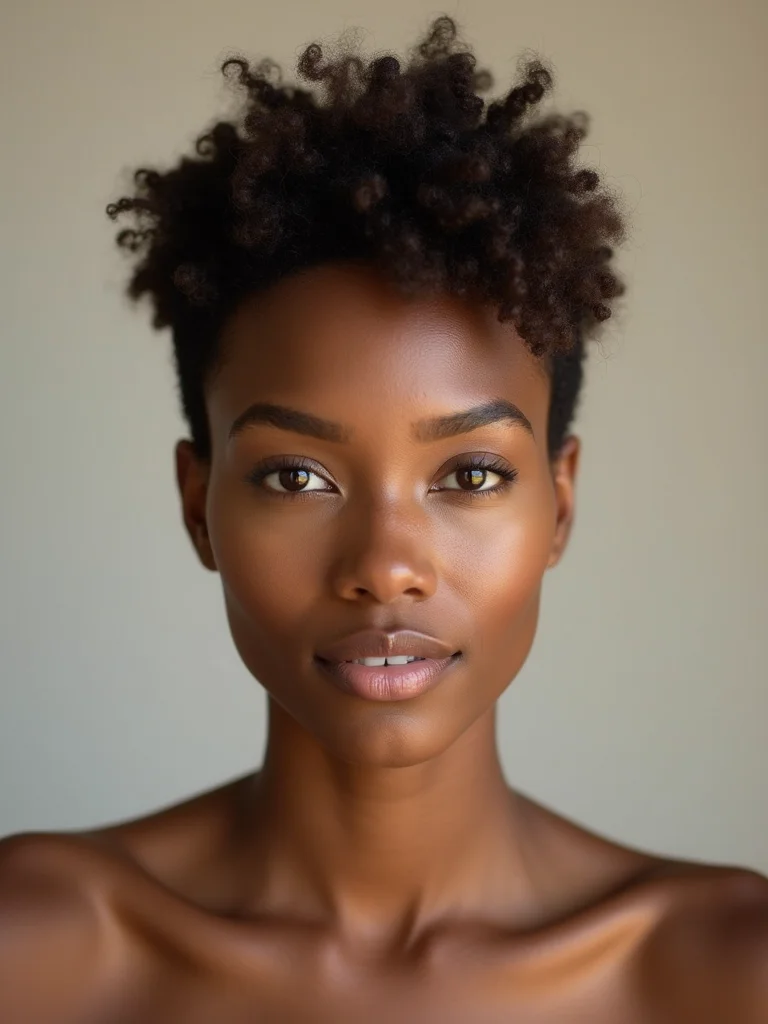
Thinking about a wavy shag but not sure what you are actually signing up for? Fair question, because the shag is a cut that lives or dies on two things most photos do not show you: how it is layered, and how you maintain it. Get those right and it is the most forgiving cut you can own.
Fifteen looks follow, each with what to actually ask your stylist for and who it suits, not just a photo to point at. A shape-up for the cut itself typically runs $50 to $90, less than most people expect for how much personality it delivers.
Wavy Shag, the Practical Basics
What makes a haircut a shag? Choppy, stacked layers from the crown down, with the shortest layers up top. The layers build the volume and movement; the wave brings it to life.
Is it high-maintenance? Day to day, no, since it air-dries and forgives a lot. The trade is a real trim habit, since the layers blur out of shape faster than a blunt cut would.
Will it suit my hair? Almost certainly. The shag works at every length and texture, though stick-straight hair needs a little styling to add the wave.
Classic Collarbone Wavy Shag

If you are not sure where to start, the collarbone shag is the safe, flattering default. It hits at the collarbone with airy layers, long enough to feel familiar but short enough to move, and it suits nearly every face and texture. When a client comes in unsure, this is the version I sketch out first.
- Ask for choppy layers starting at the cheekbone, graduating to the collarbone.
- Request the volume concentrated up top, where the shortest layers sit.
- Easy to style and grow out. See our medium shaggy haircuts for length ideas.

Curtain-Fringe Wavy Shag

Asking for curtain bangs with your shag is the single easiest upgrade to the cut. The parted fringe opens at the cheekbones and flows into the layers, framing the face without any hard line. It is the detail that makes a shag feel finished, and it is forgiving enough that even fringe-nervous clients tend to love it.
What to ask for so the fringe blends
When you book, ask specifically for the fringe to be cut into your face-framing layers so it grows out as one piece. That is the difference between a fringe that melts into the cut and one that sits awkwardly on top. Tell your stylist your natural texture too, since curly curtain bangs are cut differently than straight ones.
Living with it is simple: round-brush the front pieces back as the waves dry, and trim the fringe every few weeks if you want it crisp. Our curtain bangs guide covers the fringe in depth.
📋A wavy shag haircut is right for you if
- ✓You want volume and movement without a daily styling routine.
- ✓You’re fine keeping a steady trim habit instead of stretching appointments out.
- ✓You have some natural wave, or you do not mind styling one in.
Tousled Midi Wavy Shag

The midi length, sitting between the shoulder and the collarbone, is the sweet spot a lot of people land on, and tousled waves suit it perfectly. It is long enough to tie back and short enough to keep its shape, with face-framing pieces that draw the eye to the face. Worn tousled, it looks relaxed and put-together at once.
What to expect day to day: a sea-salt spray scrunched into damp hair is close to the entire routine, since the length sits right where the wave naturally wants to break. The face-framing pieces want a trim a little more often than the rest to stay sharp, but the overall shape is forgiving as it grows. If you can only describe one length by pointing at your collarbone versus your shoulder, this is the one that splits the difference.
Long Wavy Shag With a Beachy Bend

Worried a shag means cutting off your length? It does not have to. A long shag keeps your length and adds layers and a soft beachy bend so the hair finally moves, which is the version I cut for clients who want texture but are not ready to lose the inches. The layers sit low so the overall length stays.
- Ask for long, soft layers that start below the chin to keep length.
- Request face-framing pieces so the front has shape and movement.
- Holds a wave well thanks to the length. More in our layered haircuts guide.
💡Stylist Tip
On a long shag, the most common mistake is layering too high, which can leave the lengths looking thin. Ask for the shortest layers to start no higher than your chin, so the top has volume but the lengths keep their density and weight.
Choppy Wavy Shag Bob

Going shorter, the shag bob crops the cut to a swingy bob length while keeping all the choppy, textured layers. It is bold and modern, with the kind of built-in volume a blunt bob never has. The swingy ends and choppy texture give it a cool, undone attitude in a short, manageable shape.
What the upkeep really looks like
Expect this to be the most precise of the shorter shags, so book a stylist who knows how to layer a bob. The shorter the cut, the faster those layers lose their shape, so the trims land close together, about one every seven weeks. The trade-off is almost no daily styling, just a scrunch and go.
It is a flattering pick for anyone who wants short hair with real body. The choppy layers also disguise fine or thinning areas, since the volume sits high on the head.
Soft Wolf-Cut Wavy Shag

The wolf cut is the shag turned up to its boldest: heavier layering, a shorter and more dramatic crown, and longer wispy lengths below. A softer, waved version keeps the edge while toning down the most extreme, mullet-like proportions, so it reads modern and cool without being a costume. It is the most fashion-forward cut on this list.
Be honest with yourself about whether you want this much drama, because it is a commitment to a strong shape. It is also the hardest to fix if it goes wrong, so this is one to take to a stylist with wolf-cut photos in their portfolio. Ask to see their work before you sit down.
Once cut, it is wash-and-go like any shag, styled with a texture spray and a rough dry. The bold shape does the talking, so the styling stays minimal. See our wolf cut guide for the full shape.
ℹ️Good to Know
Growing a wolf cut back toward a standard shag takes longer than most people expect, since the crown has to catch up to the rest of the layers first. Budget two or three cuts for the transition, not one, if the drama stops feeling right.
Curly-Wavy Hybrid Shag

If your hair sits between wave and curl, the shag was made for it, and the most important thing to ask for is a dry cut. Because your texture shrinks and shifts as it dries, a stylist needs to shape it in its real, dry state so the layers land where you want them. This is non-negotiable on curly-leaning hair, and worth seeking out a specialist for.
Living with a curly-wavy shag is easy once the cut is right: a curl cream worked through wet hair, scrunched, and left to dry. The layers free your pattern to spring up with shape and definition. Our curly layered haircuts guide goes deeper on cutting curls into a shag.
- Insist on a dry cut so the layers suit your real texture.
- Define with a curl product on wet hair, then leave it to dry.
- Seek out a stylist who specializes in cutting curly texture.
Micro-Bang Wavy Shag

For a bold, retro twist, pairing a tiny micro fringe with a wavy shag is about as fashion-forward as the cut gets. The high, blunt little fringe contrasts the loose, shaggy texture for a striking, editorial effect. Before you commit, a couple of things are worth knowing about living with bangs this short.
- Micro bangs need a fresh trim about every fourteen days to hold the line.
- They flatter oval and heart faces; a fuller forehead may feel exposed.
- Tell your stylist about any cowlick, which can split a micro fringe.
“When a client brings me a shag photo, the first thing I ask is how often they can realistically get to a salon. A shag is low-effort to style but needs regular shaping, so if you can only come every three months, I will cut the layers softer and longer so it grows out kindly rather than falling apart.”
Layered Pixie-Shag

At the shortest end, the pixie-shag brings the shag’s choppy layers to a pixie length for lightweight, textured volume. It is shorter and edgier than a shag bob but fuller than a classic pixie, which makes it a great in-between for anyone torn between the two. The waved, layered texture keeps it soft rather than severe.
This one pulls you back to the chair more than any other version here, a trim every four to six weeks, since the short length blurs out of shape fastest. In return you get the lowest daily styling, often under two minutes. Ask for enough length on top to keep the wave, and a texture paste is all you need to finish it.
- A great middle ground between a pixie and a shag bob.
- Keep enough length on top so the wave has somewhere to bend.
- Highest trim frequency, lowest daily styling, of the bunch.
Center-Part Wavy Shag

A center part gives a wavy shag a clean, modern symmetry, with feathered ends that frame the face evenly on both sides. It is the cooler, more minimalist way to wear the cut, letting the layers and texture do the talking without a dramatic sweep. It suits balanced features and a polished, current aesthetic.
- A center part flatters even, symmetrical features best.
- Feathered ends keep the front soft and face-framing.
- Tuck one side behind an ear to break the symmetry when you want.
High-Volume Crown Wavy Shag

If volume is your goal, this version concentrates the shortest, choppiest layers at the crown to build serious lift exactly where hair tends to fall flat. The high-volume crown gives the whole shape height and presence, and the waves keep it from looking stiff. Fine hair reads noticeably fuller once the crown carries this much lift.
- Ask for short, stacked crown layers to build the lift.
- Dry the roots against the way they grow, then settle them back.
- A volumizing powder at the roots locks in the height all day.
Piecey Shoulder-Length Wavy Shag

Shoulder-length with piecey, tapered layers is the version that reads most like the cool-girl shag everyone pins. The tapered layers fall in distinct, separated pieces, and the shoulder length keeps it easy to wear and style. It is relaxed, textured, and flattering on a wide range of faces and hair types.
To get the piecey effect, ask for tapered or point-cut ends, which create that separated, worn-in texture. A matte product defines the pieces without weighing them down, and most days that’s the entire routine start to finish.
- Ask for tapered, point-cut ends for the piecey separation.
- A matte product defines the pieces without flattening them.
- Handles color especially well, since the separated pieces catch light and dimension.
Side-Swept Wavy Shag

A side-swept fringe brings an asymmetric balance to a wavy shag, sweeping across the forehead on a soft diagonal. It is a flattering, low-commitment way to add a fringe, since the long sweeping pieces tuck away easily and grow out without an awkward stage. The diagonal softens a round or strong face beautifully.
- The long side-swept pieces tuck behind an ear when you want them gone.
- Sweep toward your higher eyebrow for the most flattering diagonal.
- Grows out gracefully into face-framing layers.
Razor-Cut Wavy Shag

Ask for this by name, since not every stylist reaches for a razor by default: the blade shaves down the ends at an angle instead of cutting them straight across, which is what gives this version its featherweight edge. It reads noticeably different from scissor-cut layers in person, especially under direct light, where the tapered ends practically disappear into each other.
The trade-off worth knowing before booking: a razor works the cuticle harder than shears do, so a stylist may steer you toward point-cutting instead if your strands are already dry, over-processed, or prone to breakage. Ask directly whether your hair history makes you a good candidate.
- Best reserved for hair in good condition; skip it on chemically treated or brittle strands.
- Expect a shorter appointment than a full scissor-cut layering session takes.
- Reapply product every day or two, since razored ends lose their shape faster than blunt ones.
Sun-Kissed Wavy Shag

Adding soft, sun-kissed highlights around the face is the finishing touch that makes a wavy shag glow. The lighter pieces catch the movement of the layers and waves, so the texture looks richer and more dimensional, and the brightness draws the eye toward your face. Color and cut work together here instead of one competing with the other.
- Place highlights around the face and through the mid-lengths.
- A soft balayage keeps the grow-out low-maintenance.
- Plan on roughly $150 to $250 for a partial, with a refresh a few times a year.
What to Expect
Here is the honest reality of living with a wavy shag, the parts the photos leave out. The daily styling really is minimal, usually a product on damp hair, a scrunch, and an air-dry, which is the cut’s biggest selling point.
But the cut is built on its layers, and layers grow. Within six to ten weeks, depending on length, those choppy layers start to blur and the shape goes soft, so the trim schedule is non-negotiable if you want it to keep looking like the photo.
The other thing to expect is that the shag rewards the right stylist and punishes the wrong one. A well-layered shag falls into place on its own; a badly layered one looks shapeless and is hard to rescue.
So bring clear photos, ask to see a stylist’s previous shag work, and be specific about your texture and the length you want. Do that, and a wavy shag is honestly among the most low-fuss, high-payoff cuts you can wear. Get it wrong, and you are counting the weeks until it grows out.
Wavy Shag Haircut Questions
?How often does a wavy shag need trimming?
Every six to ten weeks for most lengths, since the layers are what make the cut work and they grow out of shape. Shorter versions like a shag bob or pixie-shag need it closer to six weeks, while a long shag can go a couple of months longer between visits.
?Will a wavy shag work if my hair is straight?
Yes, though you will style the wave in rather than getting it from the cut. The layers give you the shape, and a sea-salt spray, a wand, or a heatless overnight set adds the bend. A heatless set tends to hold on fine hair longer than a hot-tool curl does, since fine strands simply don’t have the weight to keep a hot-tool curl from dropping by afternoon.
?What should I ask my stylist for?
Name the specifics: choppy layers starting around the cheekbone, the shortest layers at the crown for volume, and face-framing pieces. Bring clear photos, mention your natural texture, and be honest about how often you can get trims so they can adjust the layers.
?Is a wavy shag hard to grow out?
This cut grows out more gracefully than most, since the layers soften gradually instead of leaving a hard line. A few shaping trims along the way keep it flattering, and the natural bend hides the in-between stage better than a blunt cut ever could.
Waves on Your Terms
The wavy shag really comes down to a fair trade: a little commitment to regular trims in exchange for a cut that takes almost no daily effort and looks good through wind, humidity, and rushed mornings. If that trade sounds right to you, there is a version here for every length and texture, and the only real homework is finding a stylist who knows how to layer it.
So pick the length and the fringe that fit your face and your routine, save a clear photo or two, and book a consultation before the cut. Ask the practical questions, about upkeep, about your texture, about the grow-out, and you will walk out with waves on your terms and the easiest good-hair days you have had in a long time.
More to Explore