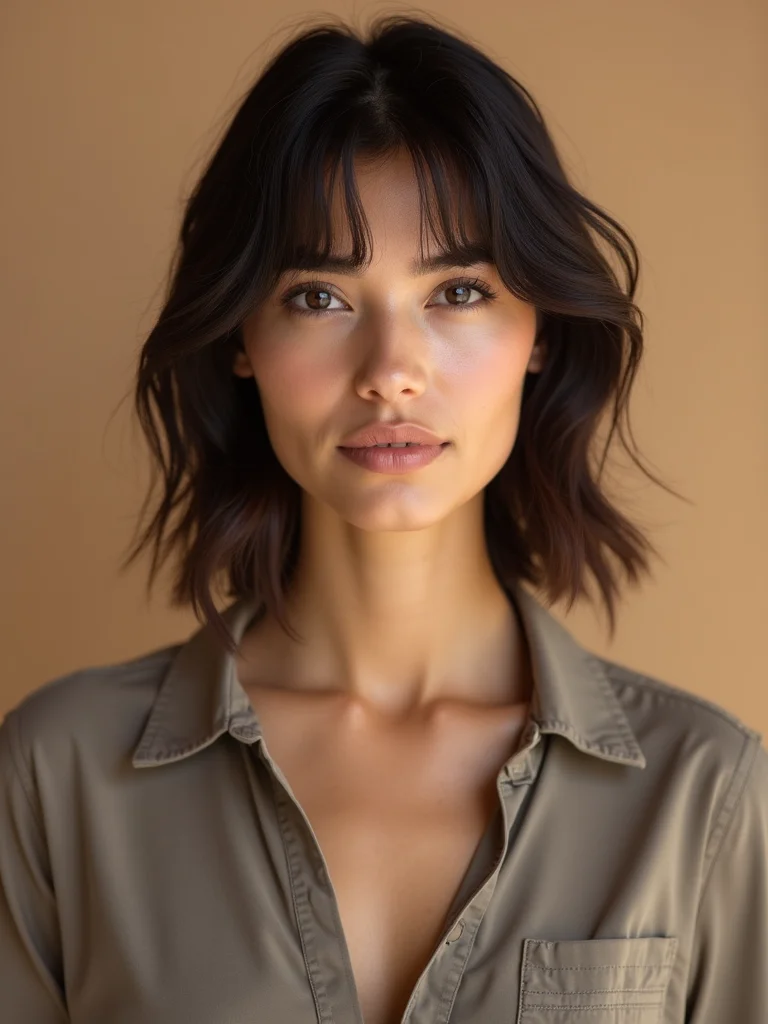
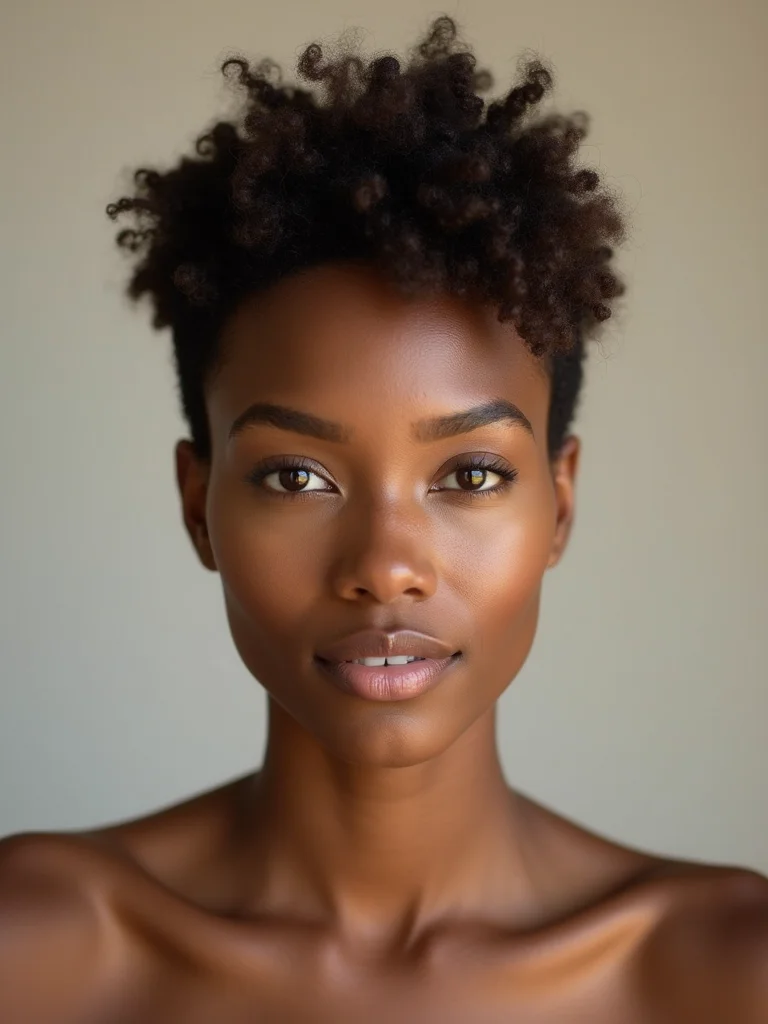
Two clients sat in the chair the same week last spring, both pointing at the same saved photo: a choppy crown, longer disconnected ends, somewhere between a shag and a mullet. One had pin-straight hair down to her waist. The other had a chin-length bob she wanted to grow into something wilder. The wolf cut worked for both, just not in the same way.
The wolf cut takes a shag’s all-over choppy layers and crosses them with a mullet’s short-crown, long-ends contrast, then pushes the gap between the two as far as it will go. Face shape, hair type, and length all shift how it lands, and a version cut wrong looks unintentional. What follows covers the shapes, the technique behind them, and exactly how to describe the cut so a stylist gets it right the first time.
Three Quick Answers Before You Commit
What actually separates a wolf cut from a shag? The core difference: a shag layers fairly evenly across the whole head, while a wolf cut adds a distinctly shorter, more voluminous crown and pushes for real separation between that crown and everything below it, which is what gives it the sharper, bolder edge.
What should this actually cost? Plan on around $90 for the cut itself at a mid-range salon, more with a stylist who specializes in texture work or heavy layering. Color placement runs as a separate service on top of that.
Does it work on hair that’s never been layered before? It can, though jumping straight to a short, dramatic crown from one-length hair is a bigger leap than most people expect. Starting with a longer version and adding crown volume gradually over a couple of visits usually lands better than going all-in immediately.
What Makes a Wolf Cut a Wolf Cut
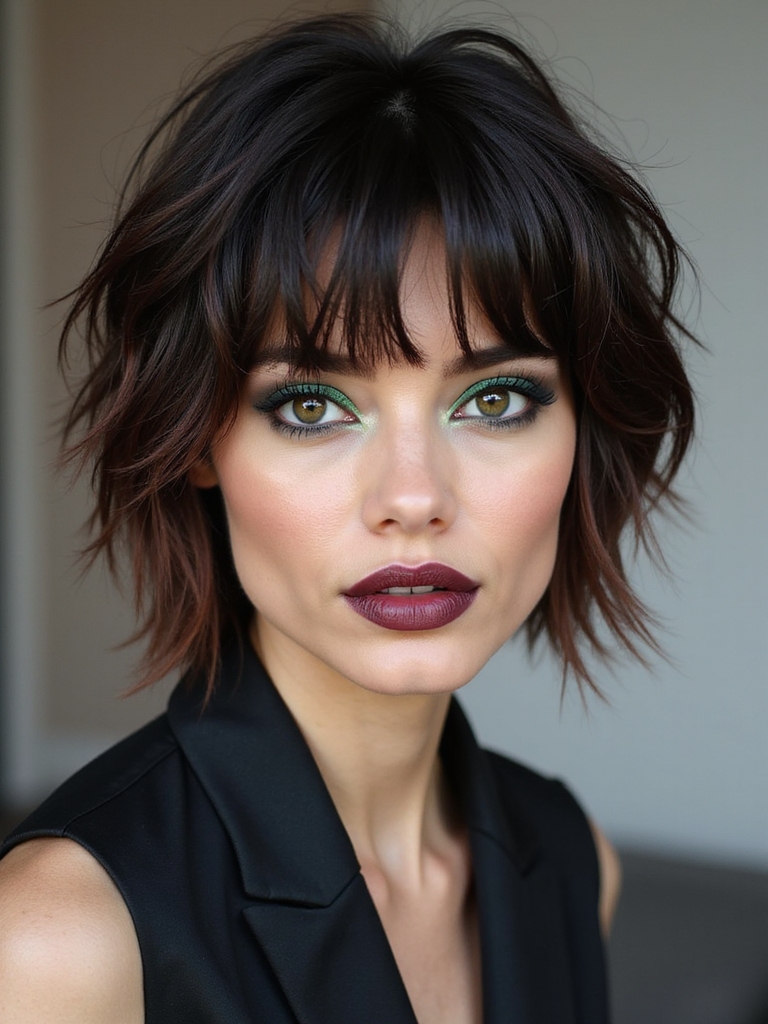
A wolf cut blends two very different haircuts into one shape: a shag’s loose, all-over layering and a mullet’s short, voluminous crown set against longer ends. Neither parent cut disappears completely. The choppy texture running through the whole head comes from the shag side, while the deliberate imbalance between the top and the length comes from the mullet.
Disconnection Is the Whole Point
The crown gets cut short and heavily layered for lift, then the rest is left considerably longer, with no blending between the two zones. That gap is intentional. Smooth the transition out and the cut settles back into an ordinary layered shag.
Plan on a reshape around every ten weeks to keep that gap crisp, since disconnection is the first thing to soften as hair grows. Styling stays simple day to day; the shape itself carries the look, and a little paste finishes it.
Matching the Layers to Your Face Shape
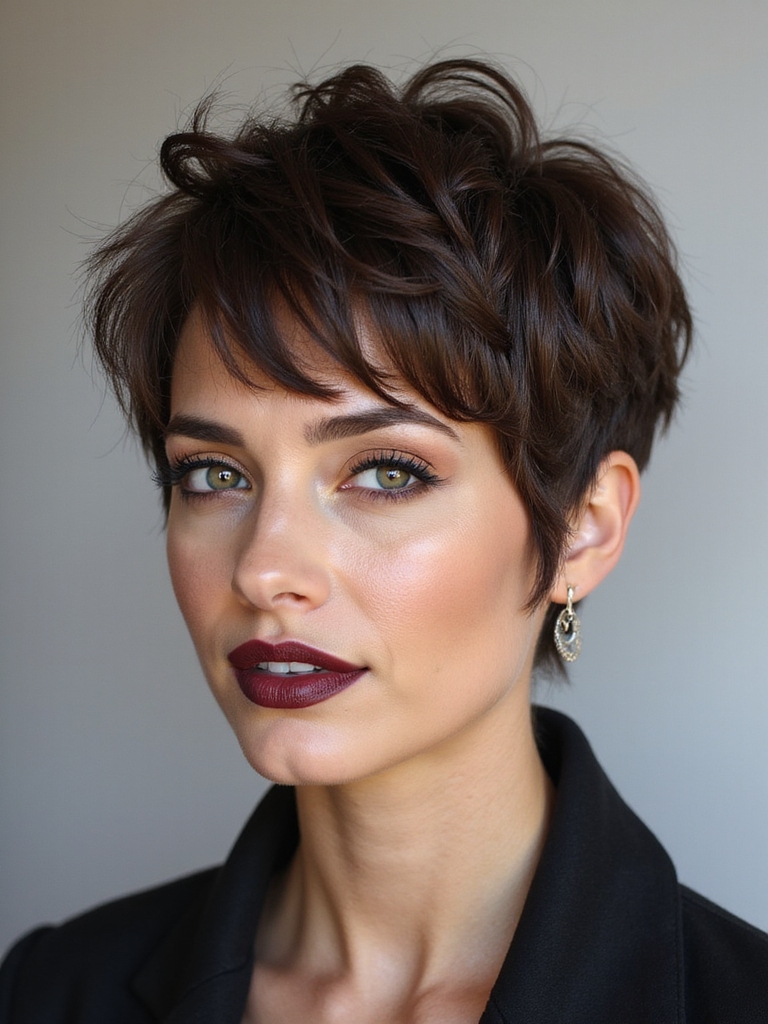
Layer placement is what lets a wolf cut adapt to different face shapes, since the shortest pieces can sit higher or lower depending on what needs balancing. A stylist who cuts the same crown height on every client ends up with a cut that flatters only about half the people who ask for it.
- Round faces do best with lift concentrated at the very top and front pieces left a bit longer, which visually stretches the face.
- Square faces soften with wispy, angled face-framing pieces around the jawline.
- Heart-shaped faces balance out with a fuller, slightly longer fringe that fills in near the chin.
Picking a Length: Short, Medium, or Long
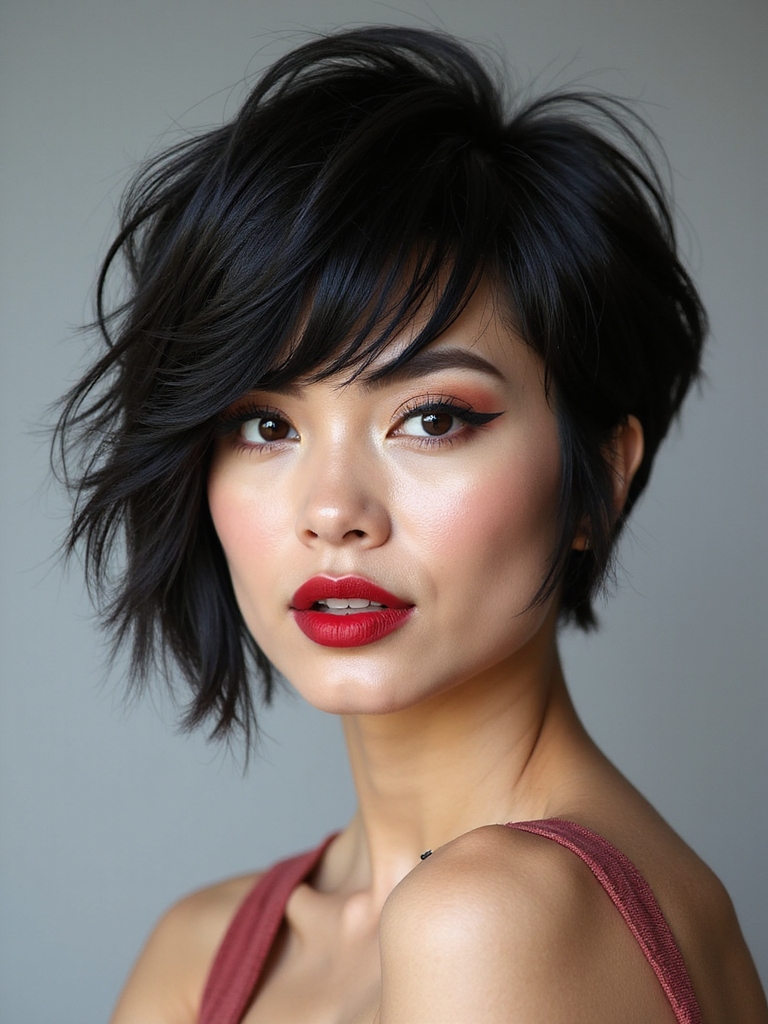
Length changes the wolf cut’s whole personality before any layering decision gets made. A short version, cropped close with a spiky crown, is the boldest and lowest-maintenance option, closest to a true pixie-wolf hybrid.
A medium length landing around the collarbone tends to be the most requested, since it holds enough weight to tie back on a bad day but still shows real movement loose. Long versions keep nearly all the original length, adding only the crown volume and face-framing, which makes this the easiest entry point for anyone unsure about short layers.
📋Before Choosing a Length
- ✓You want visible texture and movement over a tidy, uniform shape.
- ✓You’re fine committing to a trim roughly every ten weeks.
- ✓A single, blunt length currently feels flat and predictable.
Curtain Bangs Versus a Micro Fringe
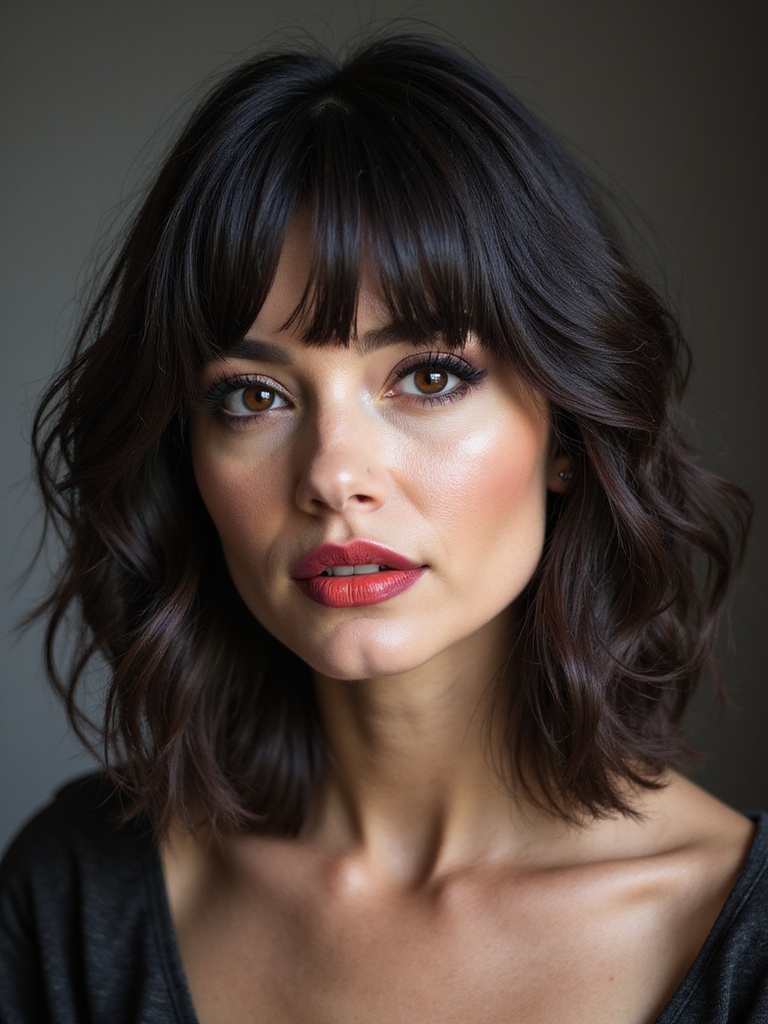
Bangs finish the wolf cut, and the two most common choices push it in different directions. Soft curtain bangs part in the center and blend straight into the face-framing layers, adding almost no extra upkeep beyond the cut’s normal rhythm.
A blunt micro fringe does the opposite: it sits high and sharp above the brow, turning the whole cut into a bolder, fashion-forward statement. It also asks for more frequent attention, since a fringe this short grows into the eyes faster than any other part of the shape.
Clients who want the wolf cut without committing hard tend to land on curtain bangs. The micro fringe is the version that turns heads on the street. Anyone weighing a longer, gentler alternative can compare it against the shoulder-length wolf cut, where the bangs question plays out a little differently.
The Cutting Technique That Makes It Work
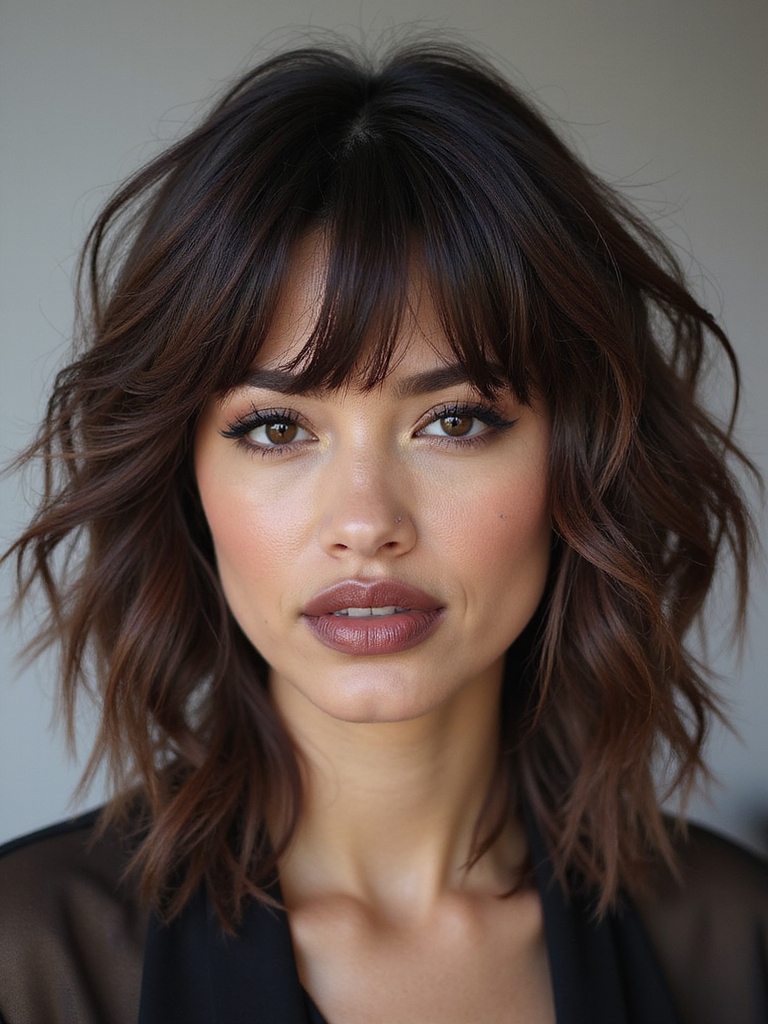
The technique behind a wolf cut matters as much as the shape itself. A stylist point-cuts into the ends at an angle, softening the line and removing weight to build the broken, piece-y texture running through the whole cut.
Why Disconnection Takes a Steady Hand
Disconnection means leaving certain sections deliberately unblended, so the crown and the lengths keep their own distinct shape. Done well, it looks deliberate. Done carelessly, the same technique looks like a haircut that simply grew out wrong.
Anyone booking this for the first time should ask directly whether the stylist has real experience cutting wolf cuts specifically, beyond layered shags. The vocabulary overlaps; the execution takes separate practice.
Wolf Cuts on Fine Hair
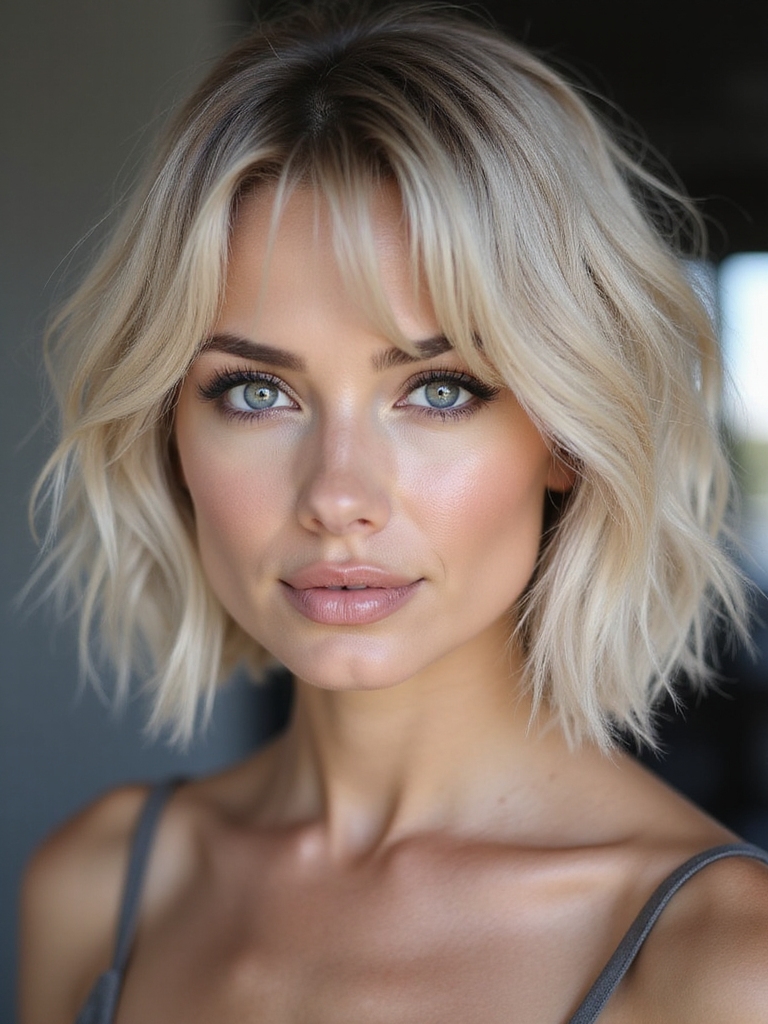
Fine hair and a wolf cut pair better than most people expect. The short, spiky crown layers lift the roots, and the choppy texture breaks up thin strands so the whole head looks fuller than the actual density.
The risk sits at the perimeter. Too much thinning at the ends leaves fine hair looking sparse; keeping enough weight and length around the edges is what separates a wolf cut that looks properly full from one that just looks thin.
A volumizing spray at the root, followed by a light scrunch while air-drying, is usually enough styling for this version. Heavier creams or oils tend to work against fine hair here, since they weigh down exactly the lift the cut is built to create.
Wolf Cuts on Thick, Dense Hair
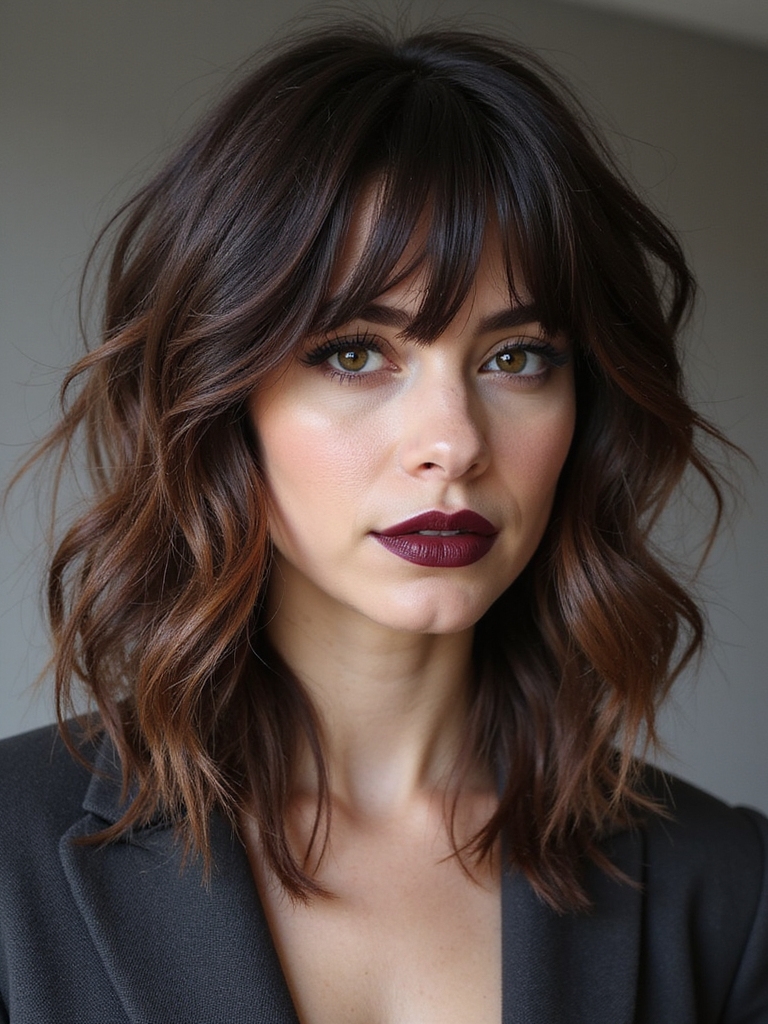
Thick, dense hair carries this cut with almost no effort, since there’s already enough volume present to fill out the disconnected layers without looking sparse anywhere.
The real work happens on the inside. Heavy internal layering removes bulk from underneath so the surface stays full while the shape moves rather than sitting like one solid block. Ask specifically for interior debulking; surface thinning alone won’t produce the same movement.
Appointments run longer on thick hair simply because there’s more of it to layer correctly. A reshape on roughly a ten-week rhythm keeps the movement from settling back into one heavy mass, a problem that shows up even faster on the long-layered wolf cut version if trims get pushed too far.
Curly and Wavy Texture Changes the Shape
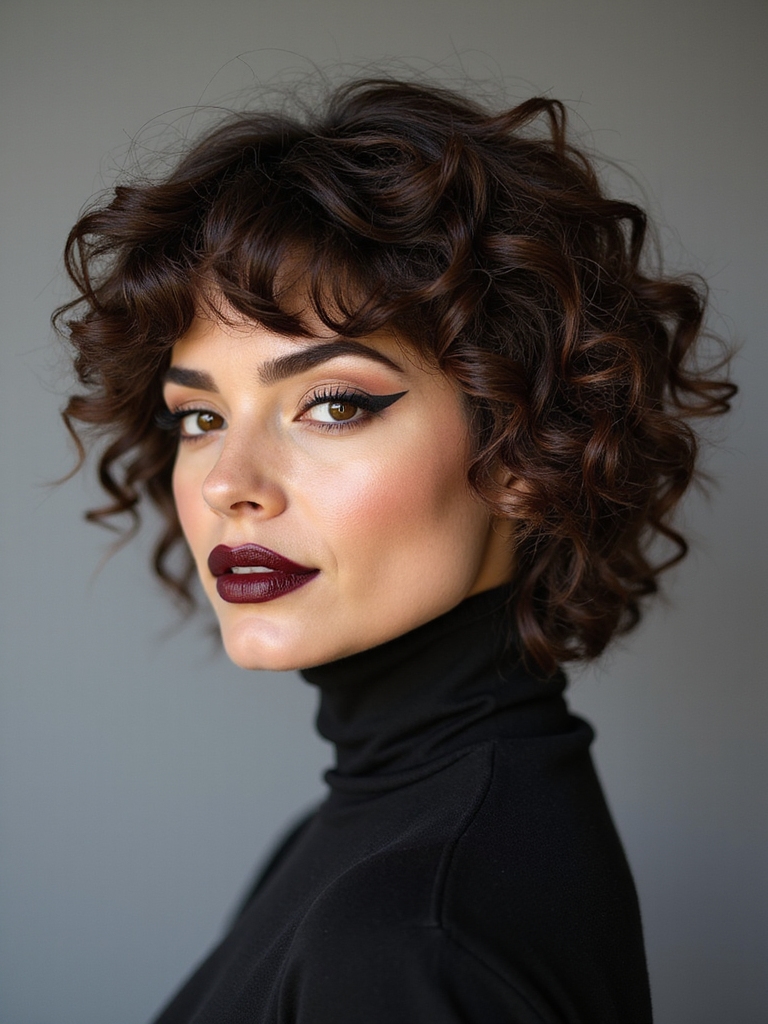
Curly and wavy texture turns a wolf cut into something closer to a halo than a haircut. The layering frees each curl to spring and clump on its own, clear of any dense, triangular buildup.
Cutting dry is close to mandatory here. A curl’s resting shape only shows up once it’s fully dry, and cutting into wet curls means guessing at where the layers will land once the shrinkage happens. A stylist working blind on wet curls is the single most common reason a curly wolf cut disappoints.
Styling stays flexible: a curl cream worked through with a diffuser gives definition, and an air-dry-and-scrunch routine works almost as well on a good hair day. A trim on roughly a twelve-week rhythm is usually plenty, since curl pattern hides regrowth better than straight hair does.
Color That Makes the Layers Read Deeper
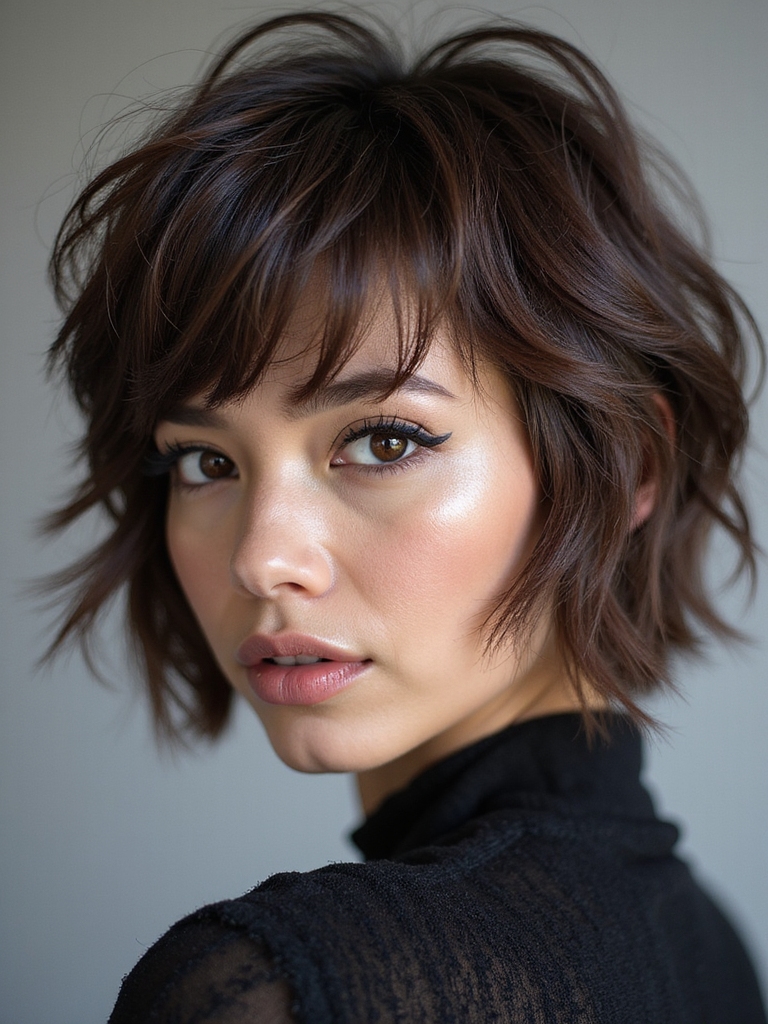
Color can make the layering in a wolf cut look even deeper, since lighter pieces catch light differently depending on how each layer falls. Placement matters more than shade choice here.
Face-framing highlights around the front pieces brighten the whole cut and pull attention toward the layering itself, while a soft root shadow keeps the regrowth line from demanding constant upkeep.
- A dimensional highlight service typically runs separately from the cut, often landing in a similar price range.
- Ask for foils placed along the layer lines specifically, which follows the movement more closely than an even, all-over placement would.
- A gloss between color appointments keeps the tone from drifting warm or brassy.
🅰️Face-Framing Highlights
Brightens just the front pieces and pulls focus toward the layering; lower commitment, easy to grow out.
🅱️All-Over Dimension
Highlights woven through the whole length for maximum depth; more maintenance, more visual impact.
Air-Drying Without Losing the Shape

One of the wolf cut’s quieter advantages is how well it holds up without any heat at all. The choppy layering already shapes most of the look on its own, so a simple air-dry routine can carry an ordinary morning without much effort.
- Mist damp hair with a texture or sea-salt spray before it starts drying.
- Scrunch the length while rough-drying the crown lightly with fingers.
- Leave it alone once it’s mostly dry; over-touching flattens the separation.
Building Bend Overnight, No Heat
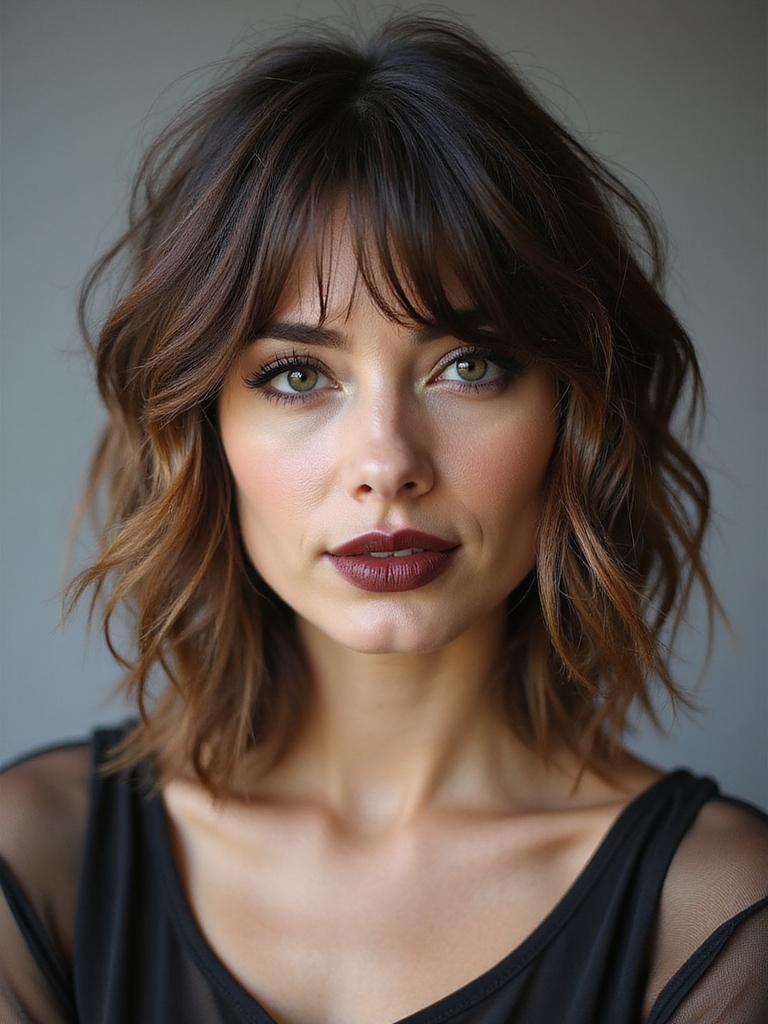
Overnight styling tricks add a little bend without touching a hot tool, which suits a cut that already leans on texture over sleekness.
Braiding or twisting damp, not soaking, hair into two or three loose sections before bed gives soft, undone waves by morning that match the wolf cut’s relaxed energy.
- Sleep on a silk or satin pillowcase to cut down on frizz and friction.
- Shake the waves out with fingers once awake; skip the brush entirely.
- Add a touch of paste afterward to redefine any pieces that fell flat overnight.
The Texture Products That Actually Work
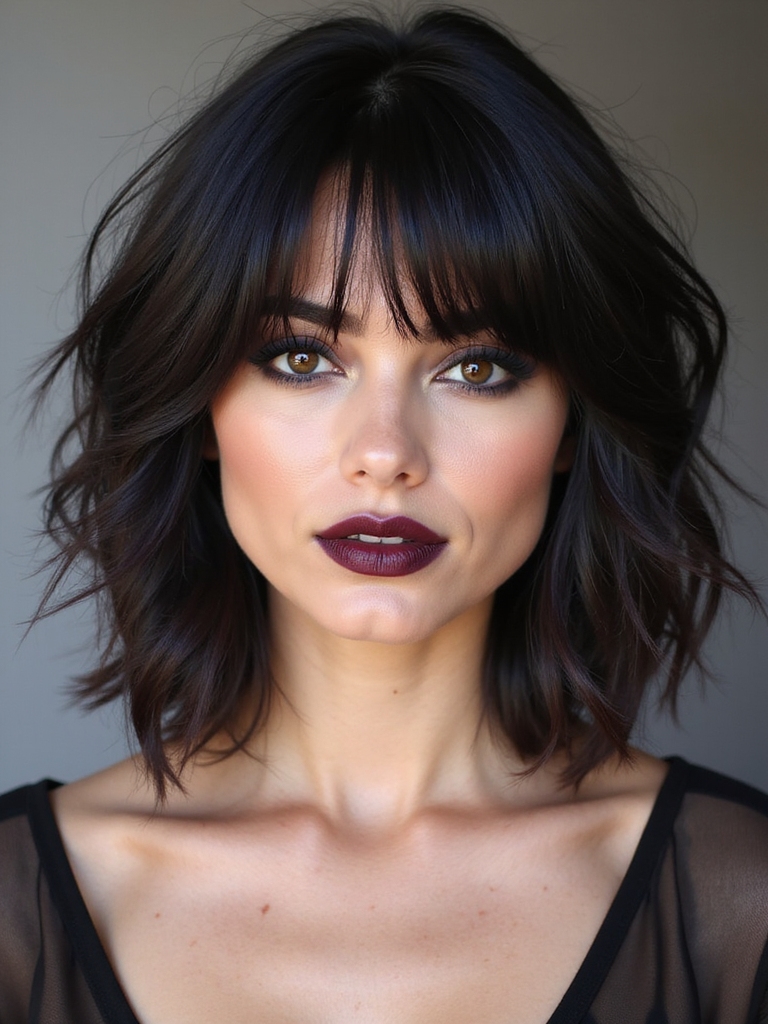
A wolf cut doesn’t need a full shelf of products, just a few that actually match the texture. The goal is touchable separation, so matte and flexible formulas win over anything stiff or shiny.
Three Products That Cover Nearly Everything
A texture or sea-salt spray on damp hair builds grip and volume before anything else goes in. A matte paste or clay comes next, worked through dry ends to define individual pieces.
Dry shampoo earns its place too, not for oil control alone but for reviving crown volume between washes, since a flat crown undercuts the whole point of the cut faster than anything else.
Building the everyday finish takes three quick moves once hair is mostly dry.
1Spray first
Work a texture or sea-salt spray through damp lengths before any other product goes in.
2Define with paste
Rub a pea-sized amount of matte paste between palms, then work it through the ends only.
3Revive at the crown
A light dust of dry shampoo at the roots brings lift back on day two or three.
Bringing the Right Reference Photo
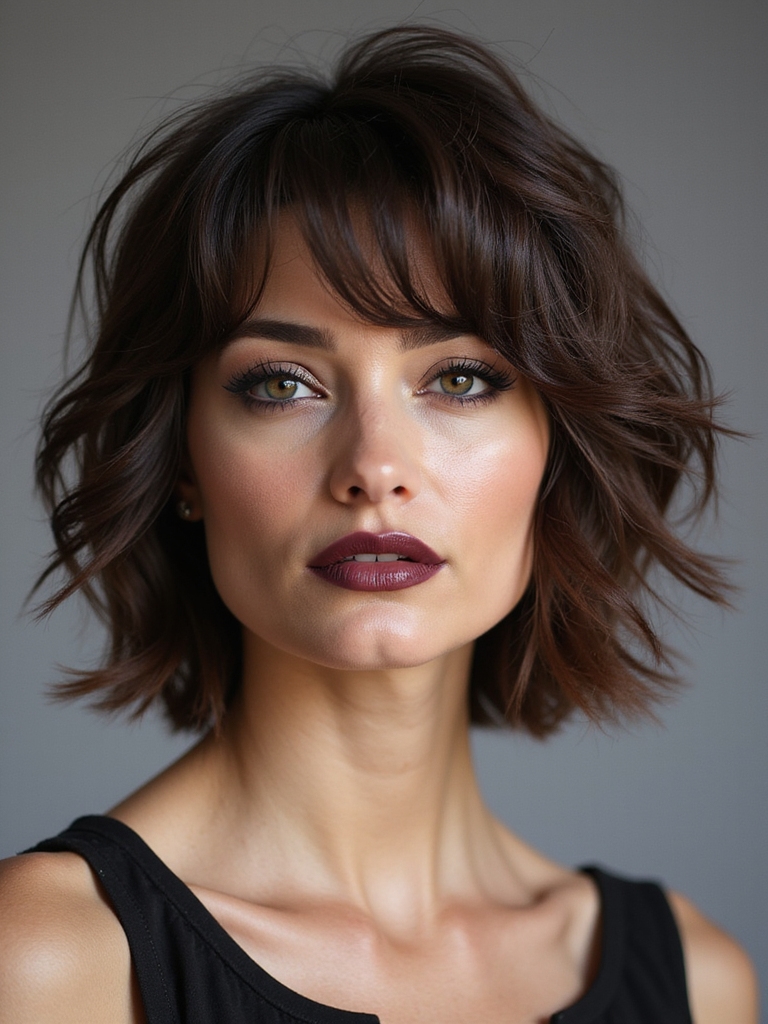
Communication decides more about the final result than most people expect, mostly because the phrase wolf cut means slightly different things to different stylists.
Vocabulary That Actually Helps
Bringing two or three reference photos from different angles gives a stylist more to work with than a single front-facing shot ever will. Naming the technique directly, saying disconnected, choppy crown, or point-cut, signals real familiarity with the request.
Clarity on length, bangs, and how much crown volume feels right closes the gap between what’s pictured and what actually gets cut. A five-minute conversation before the first snip heads off most of the regret that shows up after.
Trim Timing That Keeps the Shape Sharp
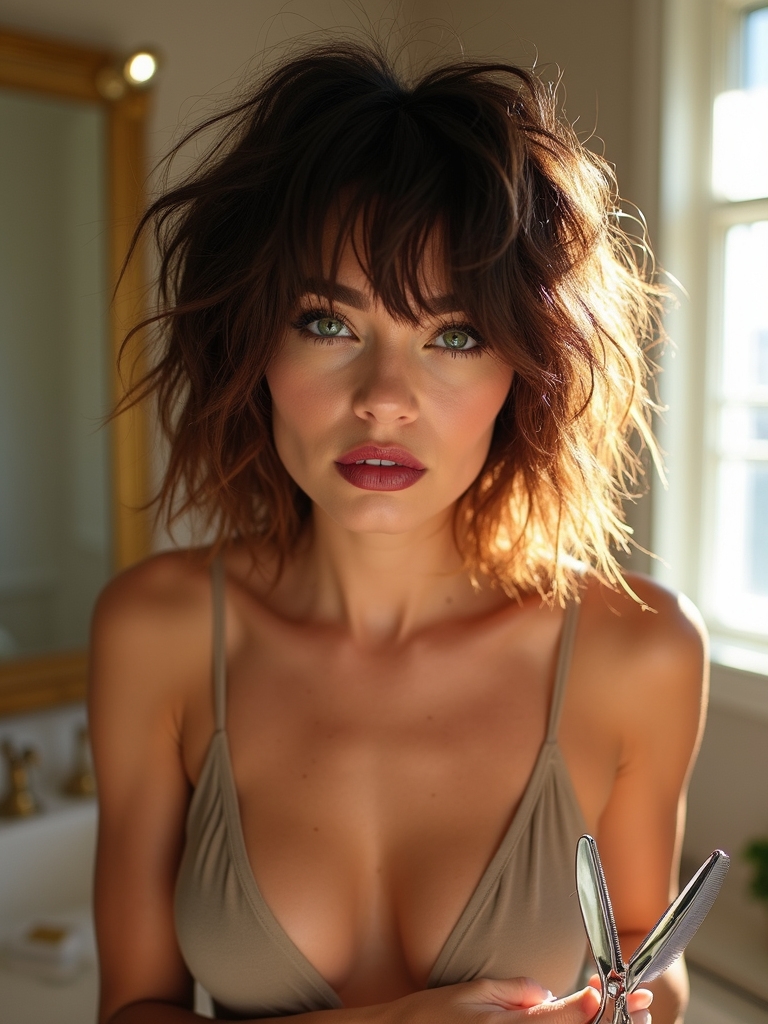
A wolf cut stays low-effort between visits day to day, but it leans on regular trims more than a simple one-length cut would, since the disconnection is exactly what softens first as hair grows.
Left too long, the sharp contrast between the short crown and the longer ends gradually blurs into an ordinary shaggy layer job, losing the edge that made the cut worth getting.
- Shorter crowns and fringe versions need trims on the tighter end of the range.
- Longer, gentler versions can stretch noticeably further between visits.
- Home upkeep stays cheap; the cut itself is what carries the look.
A wolf cut that’s overdue for a trim doesn’t look edgy anymore. It just looks unfinished.
How Bold the Boldest Wolf Cut Looks Get
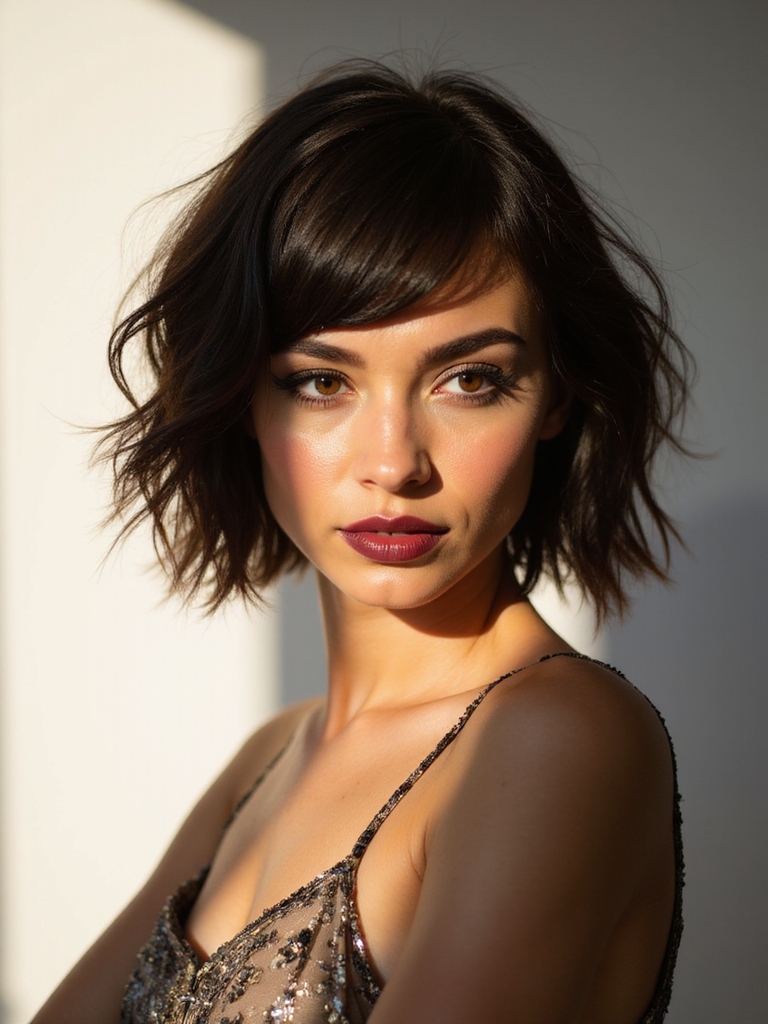
Some versions of the wolf cut lean all the way into the boldness: maximum crown height, heavy disconnection, and a sharp, committed fringe.
Building a Reference Board Worth Trusting
A rock-inspired shag-mullet hybrid looks completely different from a softer, runway-leaning take on the same cut, even though both technically qualify as wolf cuts. Saving a handful of photos that share one clear energy gives a stylist a much cleaner target than one of each style.
The clearer the inspiration, the closer the result tends to land to what was actually pictured. Anyone drawn to a gentler version can look at a classic modern shag haircut instead, which keeps the layering without the sharp crown contrast.
Who It Suits Best
This cut suits people who want their hair to look intentional rather than tidy: real texture, visible movement, and a shape that photographs with energy even on an ordinary day. Fine hair looks fuller, thick hair moves lighter, and curly or wavy texture becomes a feature the cut leans into.
It works less well for someone who wants a wash-and-forget routine with long stretches between salon visits, since the disconnection does need upkeep to stay sharp. A preference for a single, uniform length over visible layering points toward a softer, all-over shag.
Wolf Cut Questions People Actually Ask
?Is a wolf cut just a trendy name for a shag?
Not quite. A shag stays fairly uniform in its layering from front to back. A wolf cut deliberately shortens and lifts the crown while leaving the rest longer, creating a contrast a classic shag doesn’t have. The two share DNA but look different once finished.
?Will the disconnected crown eventually just grow into a normal shag?
Eventually, yes, if trims get skipped long enough. The short-crown-to-long-ends contrast is the first thing to soften as hair grows, and it settles into an ordinary layered look within a few months without a reshape.
?Can a wolf cut work with a side part?
Yes, and it often looks even more asymmetric and edgy that way. A side part shifts more crown volume to one side, which plays well with face-framing highlights or a micro fringe styled off to one side.
?Is this a cut a beginner stylist should attempt?
It’s a risky first attempt at layering. Point-cutting and intentional disconnection both take practice to execute cleanly, and a rushed or inexperienced version tends to look accidental. Asking about specific wolf-cut experience before booking is worth the extra question.
Where to Take This Next
The wolf cut earns its popularity honestly: it makes volume and visible texture the whole point. There’s a workable version for nearly every length, density, and texture, which is rare for a cut this bold.
Anyone still deciding how far to take it might start by browsing a medium wolf cut for a gentler entry point, or look at how the shape settles on wolf cuts for curly hair before booking anything permanent.
You Might Also Like