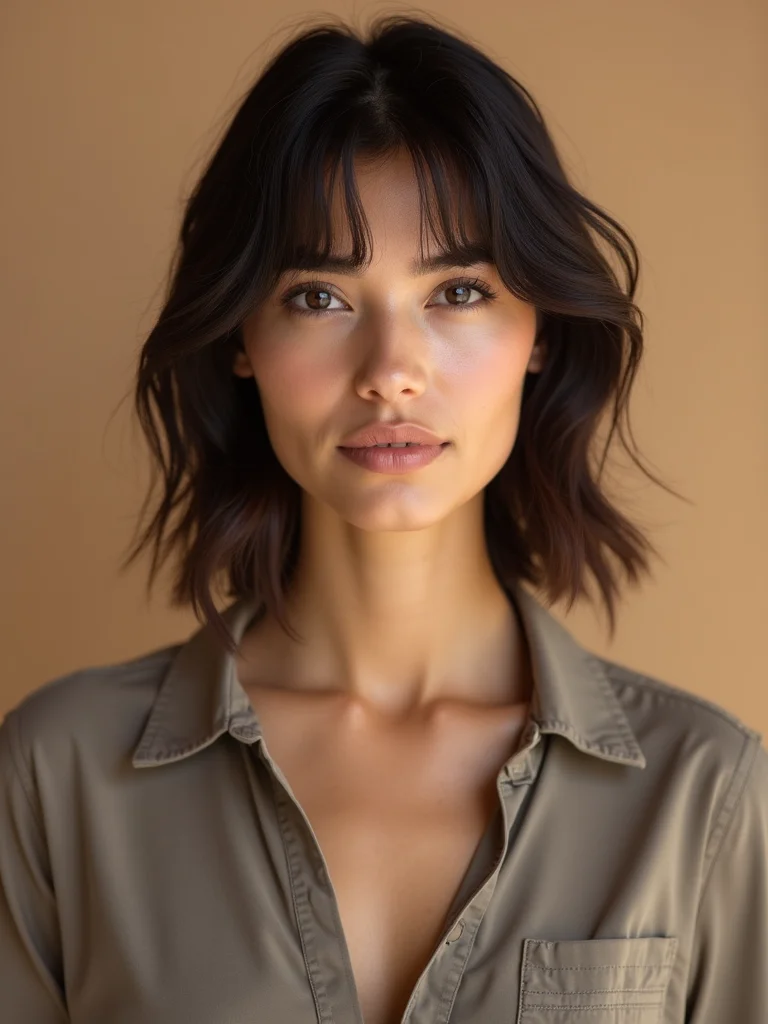
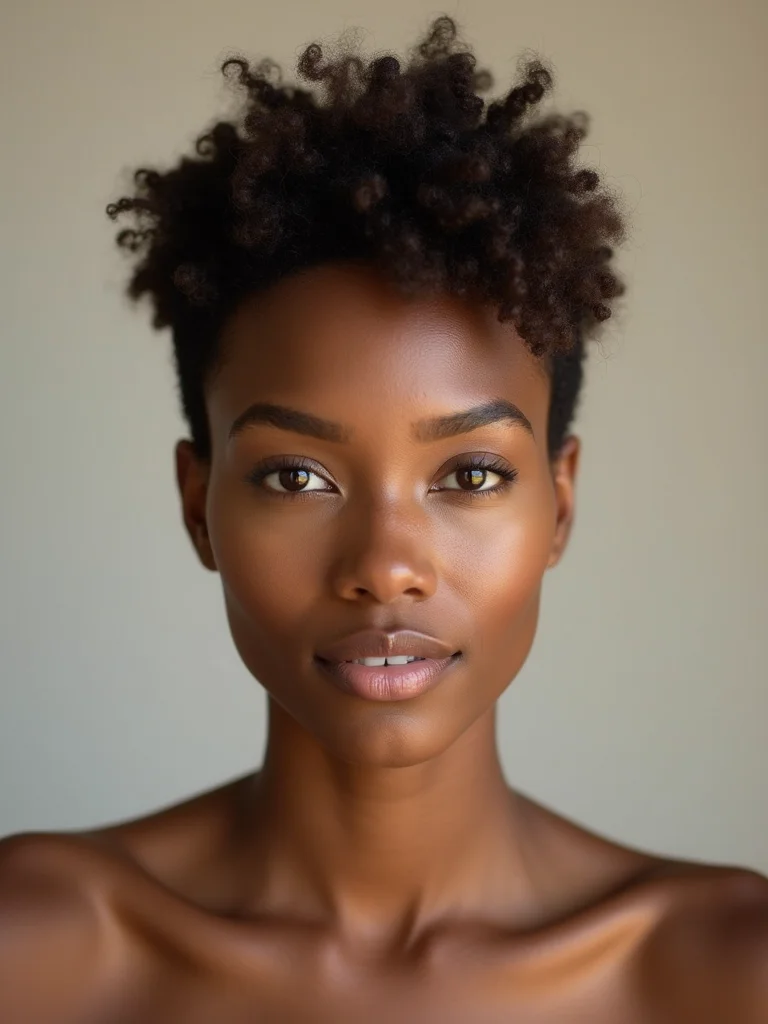
You can almost hear a good wolf cut work, the soft swish of choppy layers settling as someone turns their head. That movement is the whole point. Of all the wolf cut hairstyles I shape in a week, the ones that land share it: lift at the crown, a face-skimming front, and airy motion that never looks fussed over.
Below are twelve versions worth knowing, who each one flatters, and how to style it in a few minutes. We will start where most people go wrong, which is the texture, and end with the upkeep nobody warns you about.
At a Glance
| Look | Best for | Style in |
|---|---|---|
| Classic medium chop | Most face shapes | Mousse and scrunch, 5 min |
| Curly ringlets | 3a to 3c curls | Curl cream and diffuse |
| Fine-hair airy | Flat, fine hair | Root spray and rough-dry |
| Color-blocked | A bold statement | Gloss and a flat-iron bend |
Choppy Layered Wolf for Medium Length

The medium-length version is the workhorse of the whole family, and the one I get asked to fix most after someone attempts it at home. Done right, the choppy crown lifts on its own while the tapered ends keep the movement light. It frames the cheekbones and plays well with almost any natural texture. That is the appeal in a sentence.
Styling is a five-minute job: a coin of mousse, a scrunch, and you are done. If you want it sharper, run a soft bend through the lengths with a flat iron.
- Best on most face shapes and medium-density hair
- Ask for a choppy crown and tapered ends so it moves
- A medium wolf cut is the easiest length to wear up or down
Soft, Wispy Layers for a Feminine Finish

If the choppy look feels too harsh, a softer take swaps the hard edges for wispy, face-framing layers. The crown still lifts, but the ends feather out gently so the whole thing reads delicate. It is the version brides and event clients tend to pick.
Why the face frame does the work
The detail that matters here is the face frame. I leave the front pieces long enough to graze the jaw, which softens a strong chin and draws the eye down.
Style it with a light mousse and a round brush, curving the front pieces toward the face. A drop of serum on the ends keeps the wisps from looking dry.
Skip the home job
The medium wolf is the cut I repair most after a kitchen-scissors attempt. The layers rely on vertical, point-cut technique that is hard to judge on your own head, and over-texturizing leaves it thin and stringy. If you must tidy up between visits, only dust the fringe, never the layers.
Curly Wolf Cut With Defined Ringlets
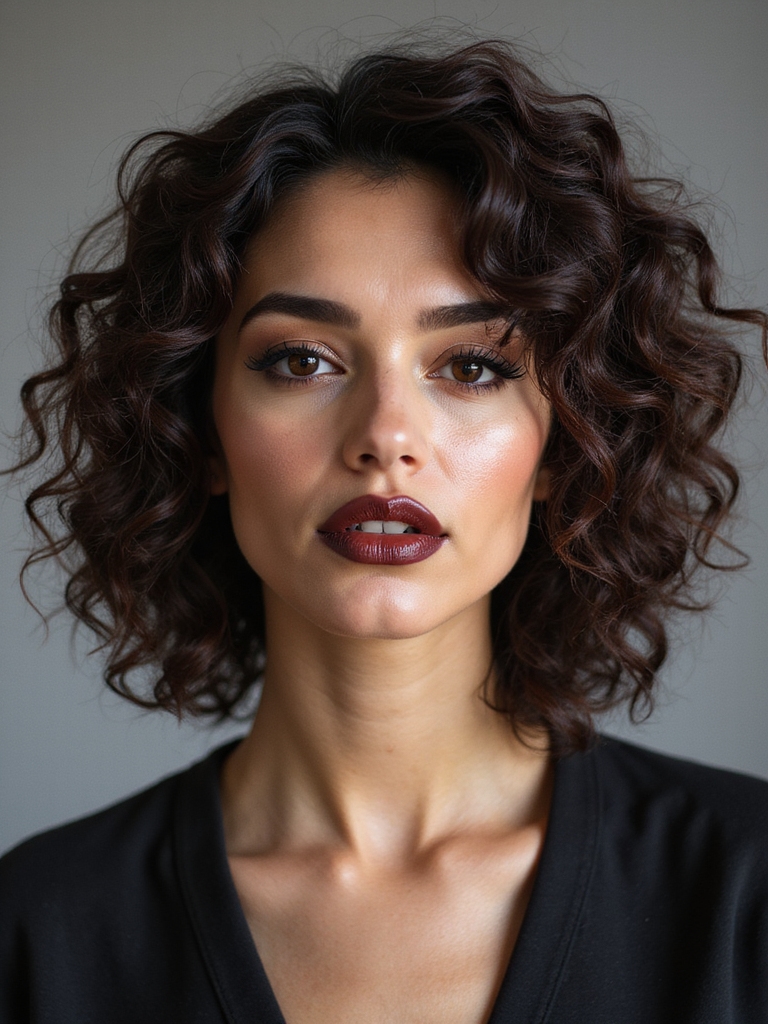
Curly clients are the ones who light up most when the cut dries, because they finally see real shape instead of a pyramid. For 3a to 3c curls, graduated layers let each ringlet stack and spring, and the cut is shaped dry so the curl pattern guides every snip.
A gel cast is what makes the ringlets pop: rake curl cream through wet hair, smooth a light gel over the top, dry without touching, then scrunch the cast soft once it sets.
- Ask for a dry cut so the layers follow your real curl
- Define with curl cream and a light gel, then a diffuser
- A curly wolf cut wants a pineapple at night to keep the spring
Short Wolf Crop With Micro Bangs

Crop the wolf short and add micro bangs, and you have the boldest look on the list. The blunt fringe sits high on the forehead and plays hard against the choppy crop, which photographs sharp and turns heads in person.
What to know before you cut micro bangs
This one rewards bold features and a bit of nerve. Keep the crop piecey and the bangs blunt so the contrast stays crisp.
Fair warning on upkeep: micro bangs grow into your eyeline fast and want a trim every two to three weeks. A short wolf cut like this is a commitment, not a whim.
💡Pro tip
Rough-dry the crown first, while the rest is still damp. That front-loads the volume where a wolf cut needs it most, so the lift is set before you ever reach for a product.
Long Wolf Cut With Face-Framing Layers

You can keep nearly all your length and still get the shag movement. Internal layers do the work inside the hair while the outer length stays long, and face-framing pieces around the jaw give it shape up front. It is the safest first step if scissors make you nervous.
Scrunch a mousse through damp hair, rough-dry with your hands, and pinch the tips with a pea of cream.
- Keep the layers internal so the length still reads long
- Add jaw-length face-framing pieces for shape
- A long wolf cut grows out clean, with nothing odd to wait through
Textured Wolf Cut for Thick Hair

Thick hair carries this shape better than almost anyone, once the weight is taken out from the inside. I carve interior layers so the hair falls close at the sides and moves freely, which keeps it from spreading into a wide triangle by midday.
Diffuse on low to lift the texture, then scrunch a curl foam and a touch of cream for hold. Book a shape-up around the two-month mark, because thick hair fills back in quickly.
ℹ️Good to Know
On curly and coily hair, the wolf cut is shaped dry so your stylist can see the true curl and account for shrinkage. Cutting it wet is the top reason a curly version comes out far shorter than the photo.
Fine-Hair Wolf Cut With Airy Volume

Fine hair gains the look of more hair from a wolf cut, as long as the layers build height at the root, where fine hair needs it. I keep volumizing powder in my kit specifically for these cuts. A dust at the roots holds the lift all day.
Ask for gentle crown layering and the lightest possible thinning, with the perimeter left full. Heavy thinning is what leaves fine hair stringy.
Style with a root spray, a rough-dry upside down, and a mist of flexible hairspray. Skip oils, which drag fine roots flat by lunchtime.
Shaggy Wolf Cut With Curtain Bangs

Add curtain bangs to a shaggy base and you get the most-photographed wolf of the past few years. The center-split fringe sweeps toward the cheekbones and softens the forehead, while the shag adds the lift and swing behind it. It is the crowd favorite for a reason.
Cut the bangs dry and a touch long, since they spring up as they settle. Twist them away from your face while damp to set the soft swoop.
Refresh the fringe with a flat iron on low and a drop of serum between washes. A shag wolf cut with bangs flatters more faces than any other version here.
Wavy Wolf Cut With Broken-In Texture
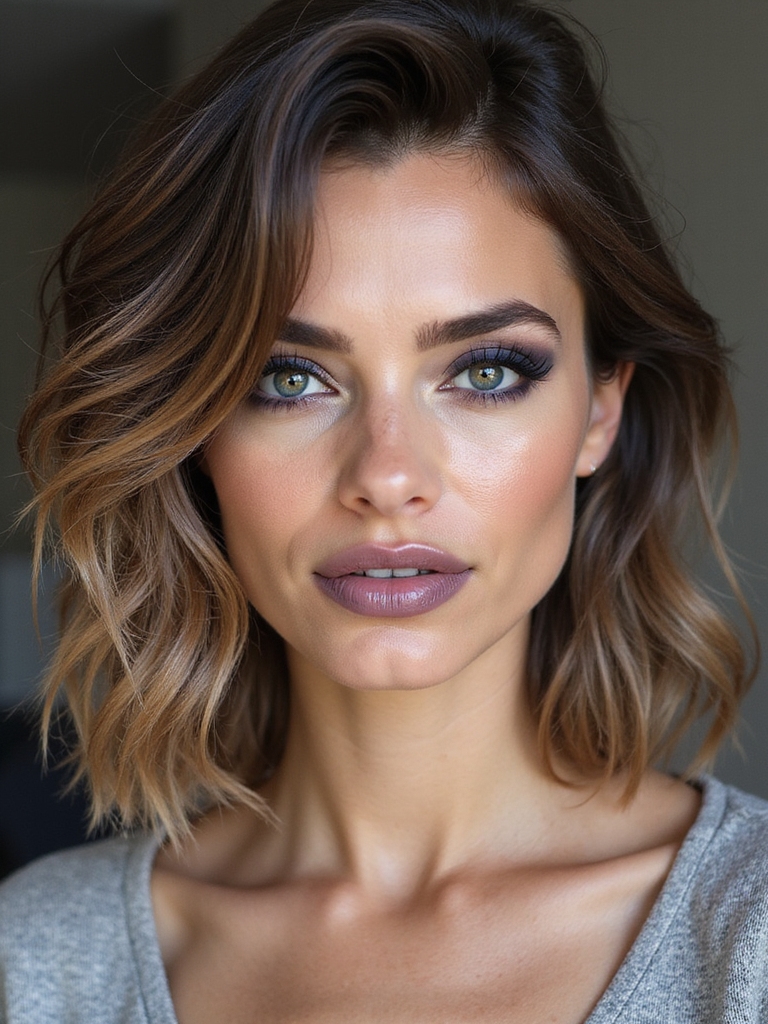
Wavy hair gets the most relaxed version, the kind that looks broken-in by the second day. The wave does the styling. So the layers just disperse weight and add bounce. I keep them mid-to-long on wavy heads, which stops the sides from widening out.
Scrunch a salt spray and diffuse on low, or air-dry for the softest finish. Hands off once it is drying, though. Brushing waves out the moment they set is the fastest way to turn them to frizz, so finger-style only. A wavy wolf cut is the lowest-effort look on this whole page.
Bold Wolf Cut With a Choppy Fringe

When curtain bangs feel too soft, a choppy fringe sharpens the whole cut. Shattered, uneven fringe pieces give it grit and let you wear it textured and undone. It is the rocker cousin of the curtain-bang version, and it suits people who want their hair to make the first statement in the room.
- Ask for a shattered, point-cut fringe, not a blunt line
- Pinch matte paste through the fringe and ends for grip
- Trim the fringe roughly every three weeks to keep it out of your eyes
Color-Blocked Wolf Cut for High Contrast
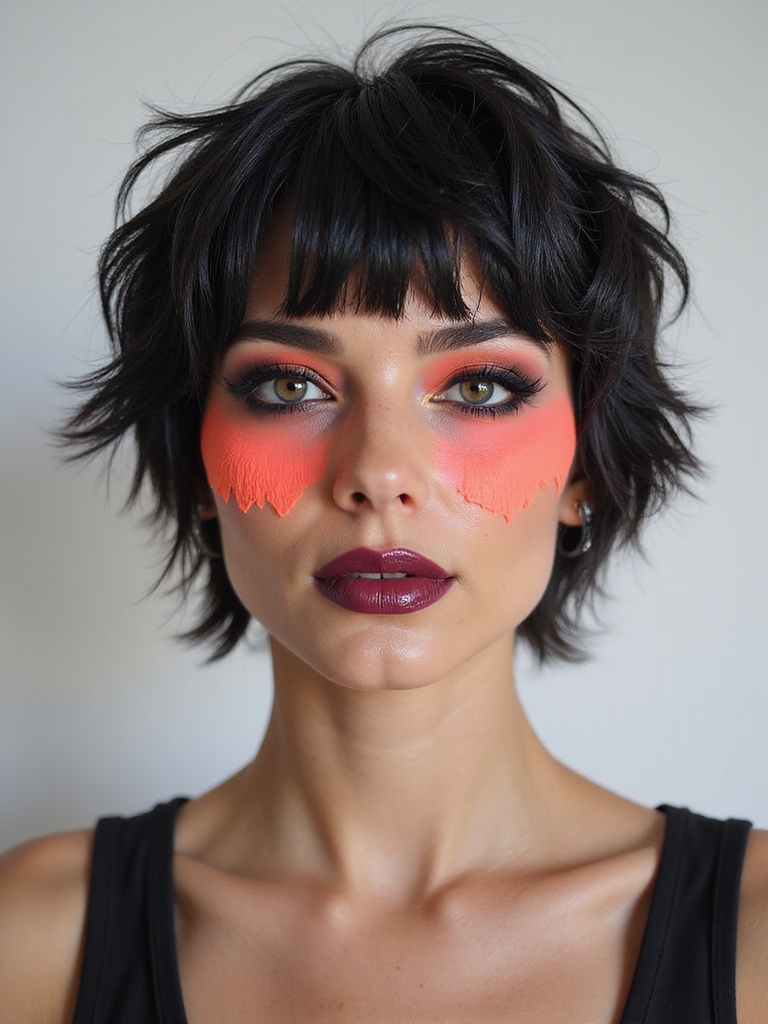
Color-blocking turns the wolf cut into a statement piece. Bold panels, a contrasting underlayer, or a money-piece front make the choppy layers pop every time they move, and the texture keeps hard color lines from looking flat. It is the most personal way to wear the shape, since the placement is yours to design.
- Place the brightest panel at the face frame for the most payoff
- Expect a color-block to run $130 to $220 depending on placement
- Glaze every few months so the contrast stays crisp
Low-Maintenance Textured Shag With Fringe

If you want the look without the fuss, the everyday shag with a soft fringe is built for real mornings. The forgiving shape means a quick scrunch is all it takes, and a stray frizz or two just reads as texture.
This is the version I point toward anyone who tells me they will not spend more than two minutes on their hair.
- Scrunch a curl cream or salt spray into damp hair and go
- Wake up day-two roots with dry shampoo
- Keep a satin pillowcase to protect the shape overnight
Maintenance & Care
The clients who keep this cut looking sharp are the ones who book a standing trim. Choppy and cropped versions want a shape-up around every eight weeks, while longer layered versions stretch to twelve. A full cut runs roughly $75 to $125 depending on your salon and city, and a standalone fringe trim is often free if you booked the cut there.
At home, the routine is short. Sleep on satin to cut friction, shampoo less and co-wash midweek to protect the texture, and clarify about once a month. If you color, a gloss keeps the tone fresh between appointments, and a bond-builder is worth it on any lightened pieces.
Wolf Cut Styling Questions
?How do I keep a wolf cut from looking messy?
The line between textured and messy is product placement. Build volume at the crown, then define only the ends and fringe with a small amount of paste or cream. Messy usually means too much product through the mid-lengths, or layers that were over-thinned in the cut.
?How often should I trim a wolf cut?
Cropped and choppy versions hold their shape for about eight weeks, while longer layered ones can go twelve. If you have a fringe, plan a quick fringe trim every two to three weeks, since it grows into your eyeline first.
?Can I style a wolf cut without heat?
Yes, and most versions prefer it. Set the shape on soaking-wet hair with whatever styler suits your texture, clip the roots for lift, and let it dry fully before you touch it. The layers fall into place on their own.
Where the Wolf Cut Goes Next
The wolf cut has stopped being a passing trend and settled into a staple, the way the shag and the lob did before it. What keeps it current is exactly this range: it can be a soft, wispy event look or a color-blocked statement, a five-minute everyday shag or a sharp micro-bang crop. The shape stays the same while the styling and color carry the mood.
Pick the version that fits your texture and your week, take a clear photo to your stylist, and start with the texture conversation. That is the part most people skip, and it is the difference between a wolf cut that looks intentional and one that just looks grown-out.
You Might Also Like