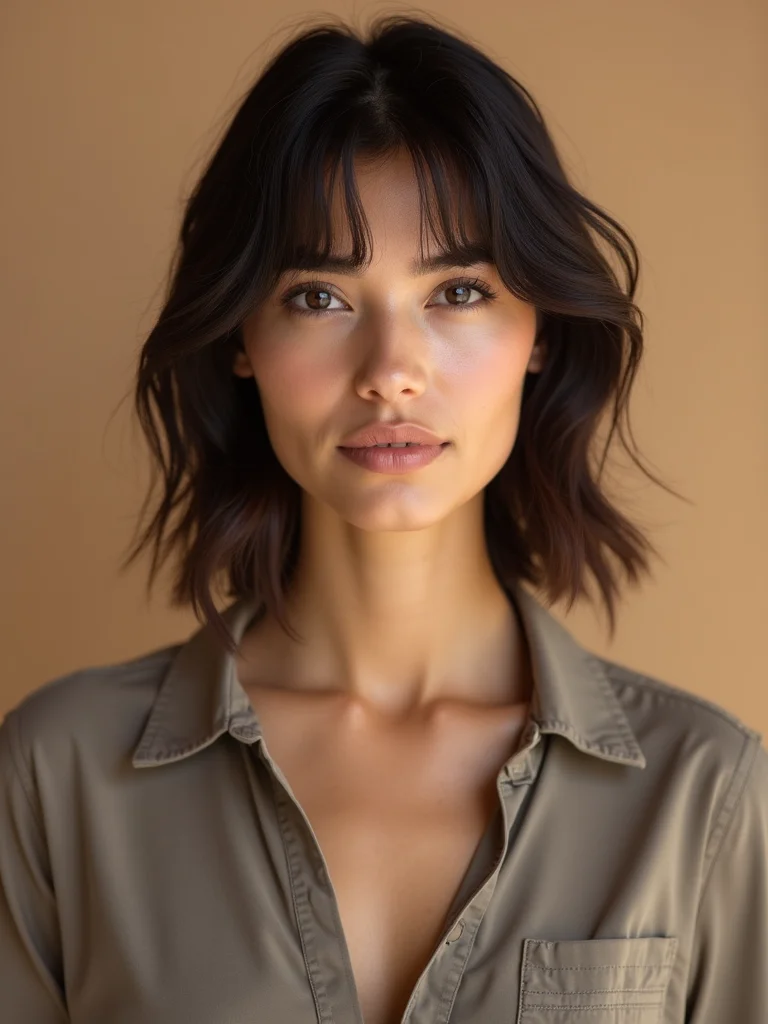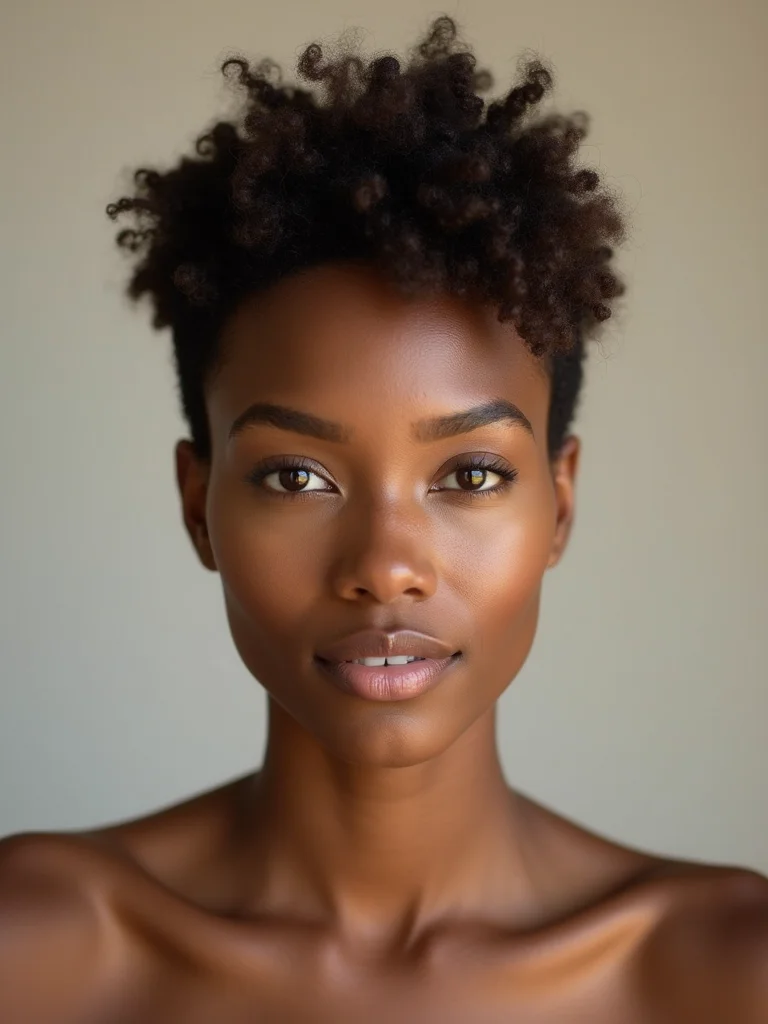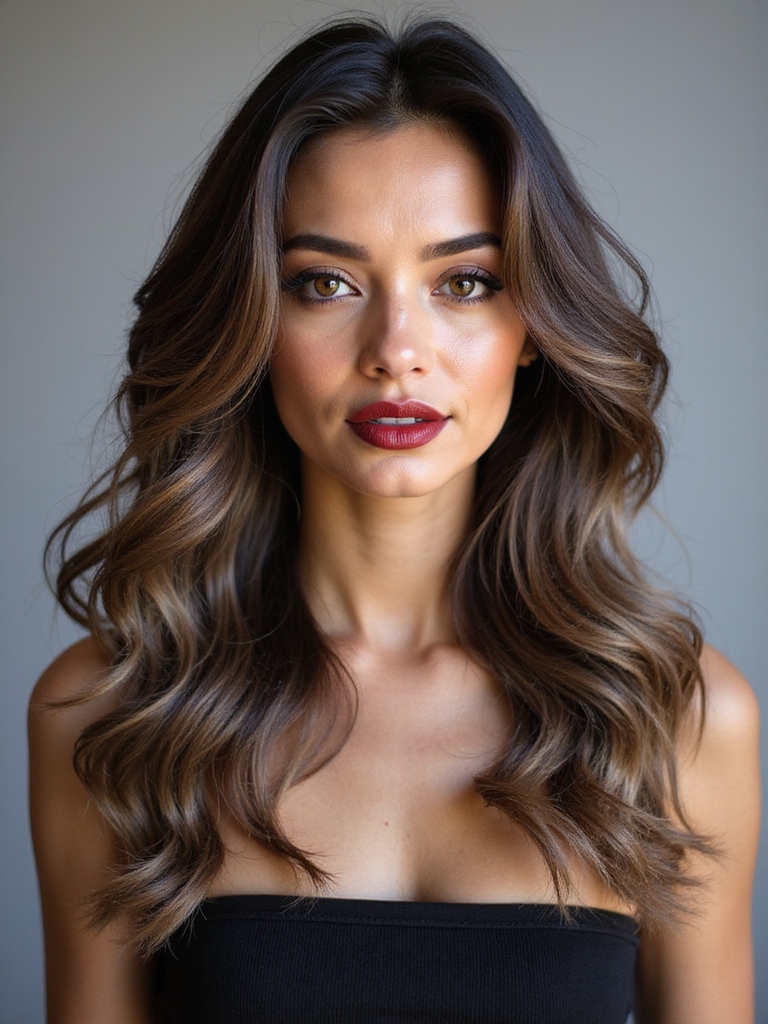
Run a hand from the crown down through a long wolf cut and the difference is immediate: short, choppy layers up top give way to length that keeps going well past the shoulders. Nothing about the length changes; everything about how it moves does.
That combination, real crown height paired with length most short cuts sacrifice, is the entire draw. What follows is organized by texture, technique, and finish, each built around that same central trade.
Volume at a Glance
| Priority | Best Layer Placement | Upkeep |
|---|---|---|
| Maximum crown lift | Short, disconnected layers at the crown only | More frequent shape-ups to keep the disconnection crisp |
| Subtle body, minimal drama | Long, blended layers throughout | A standard trim schedule, nothing extra |
| Curl or wave definition | Layers cut to follow the natural pattern | A stylist experienced with the specific texture |
Why This Layered Wolf Cut Builds Volume

Most pros point to the same reason this cut keeps getting requested over a perm or root-teasing: it delivers volume that lasts through washes and humidity instead of fading by lunchtime. No chemical processing and no daily backcombing required, just a cutting technique that keeps working every time the hair dries.
- Works on straight, wavy, curly, and coily textures alike.
- Reads modern rather than dated, unlike some earlier shag revivals.
- Requires no ongoing product commitment the way a volumizing perm does, and it grows out into something wearable rather than a chemical process you have to fully undo.
How Long Layers Create Lift Without Losing Length

It’s all in where the weight comes out. Removing bulk from underneath the crown, rather than shortening the visible length, is what gives this cut lift without the trade-off a typical short layer forces. Most clients notice the difference the first time they run a brush through it: the crown holds shape while the ends still swing freely.
- The interior gets thinned; the perimeter stays close to full length.
- Most of the visible drama happens at the root, not the ends.
- A stylist unfamiliar with this technique may default to shortening length instead; ask specifically for interior lift.
Face-Framing Layers for Instant Definition
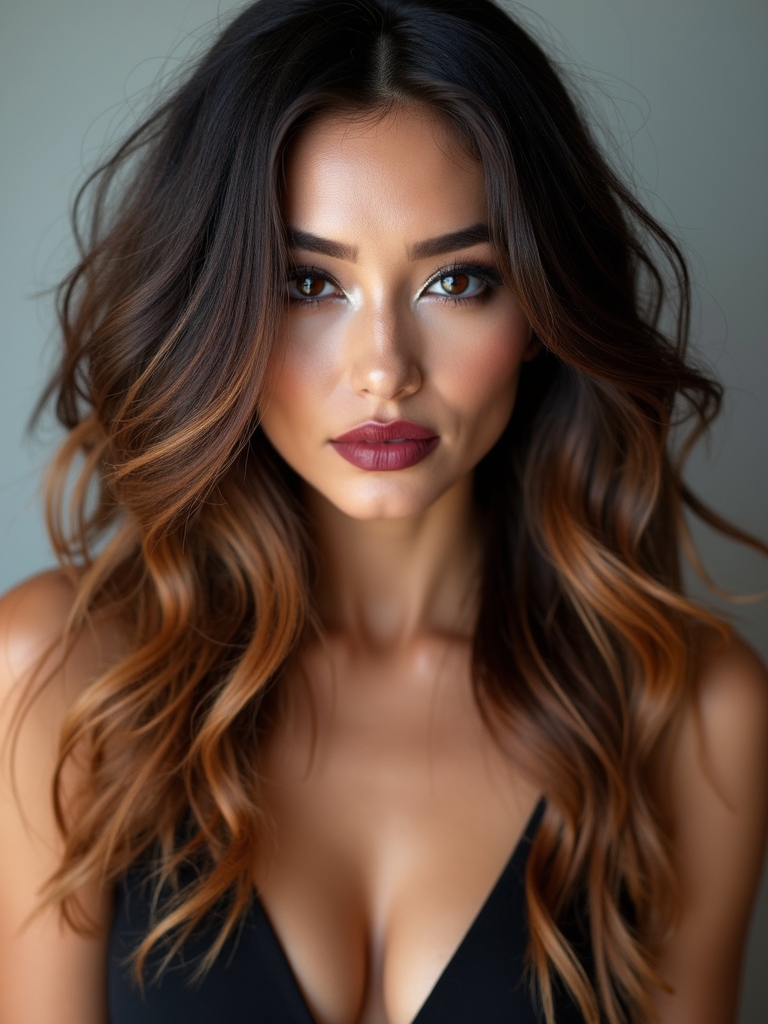
Adding shorter pieces around the face brings the wolf cut’s energy up toward the features, giving the whole style a more finished, intentional look with almost no extra cutting elsewhere. It’s a small addition with an outsized effect on how the whole cut reads in photos.
- Shortest pieces typically land at or near the cheekbone.
- Works as an addition to any of the versions below.
- Grows out on a faster timeline than everything behind it.
Soft, Feathered Layers for Subtle Fullness
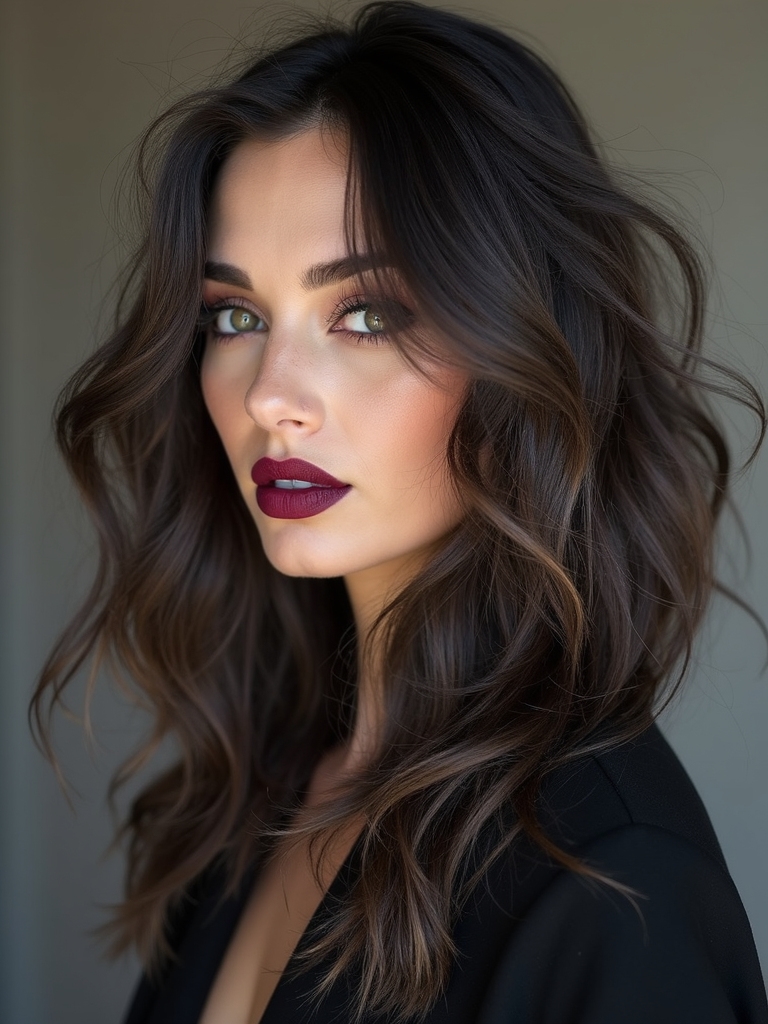
Not everyone wants the crown-height drama of a full wolf cut. Feathering the layers instead of cutting them choppy dials the whole effect down to something office-appropriate, while still giving fine or medium hair a noticeable lift at the root.
- A gentler entry point for anyone unsure about going full wolf cut.
- Reads as regular long layers with a bit more lift, not a bold statement.
- Blends more easily into a professional or conservative setting.
A long wolf cut and a short wolf cut solve completely different problems, even though they share a name. One is about maximum drama; the other is about keeping your length while still getting real lift.
Curly and Coily Wolf Cuts for Maximum Body
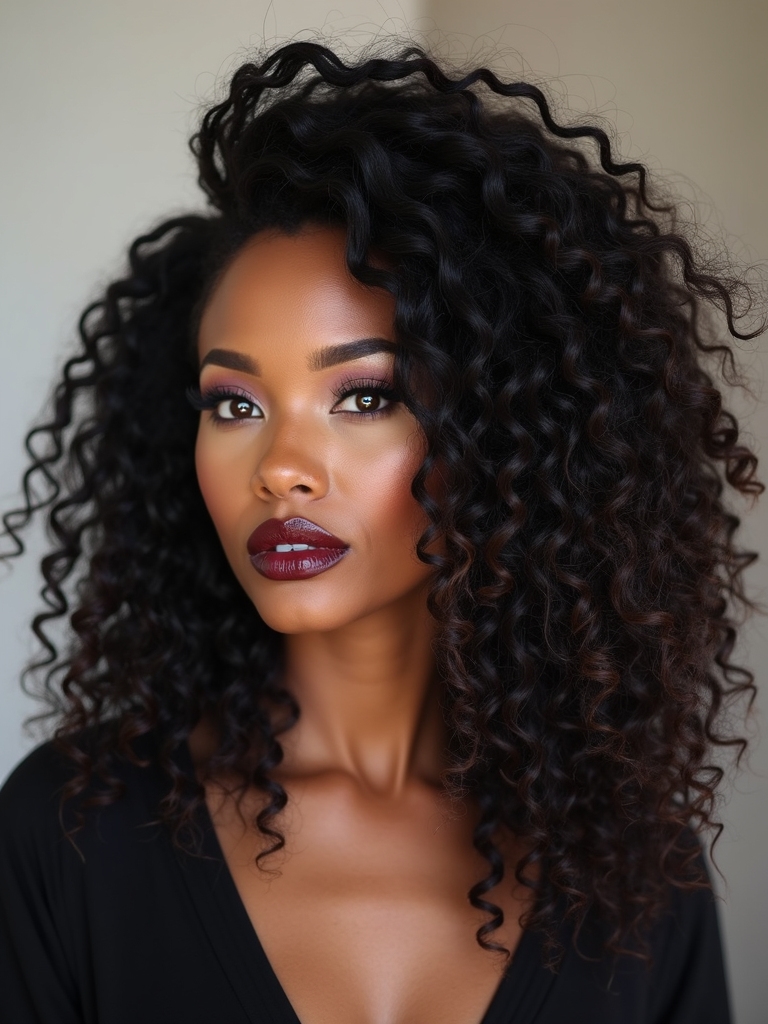
On curly and coily hair, this cut leans into the texture rather than fighting it. Layers cut to follow the curl pattern let each coil stack for volume instead of collapsing into one triangular mass.
Experts map this version to hair that’s been cut wet in the past and came out shapeless; the fix is nearly always cutting dry, in the pattern’s resting state, so the layers land exactly where the curl actually falls.
Wavy Wolf Cuts With Airy Movement

Wavy hair does a lot of this cut’s work automatically. The natural bend already breaks up the surface, so the layers just need to give the wave somewhere to move.
Expect the crown to lift with minimal product on this texture, since wavy hair rarely lies as flat at the root as straight hair does.
A light sea-salt spray on damp hair brings out the airiness without extra heat styling.
Sleek, Straight Wolf Cuts With Feathered Ends
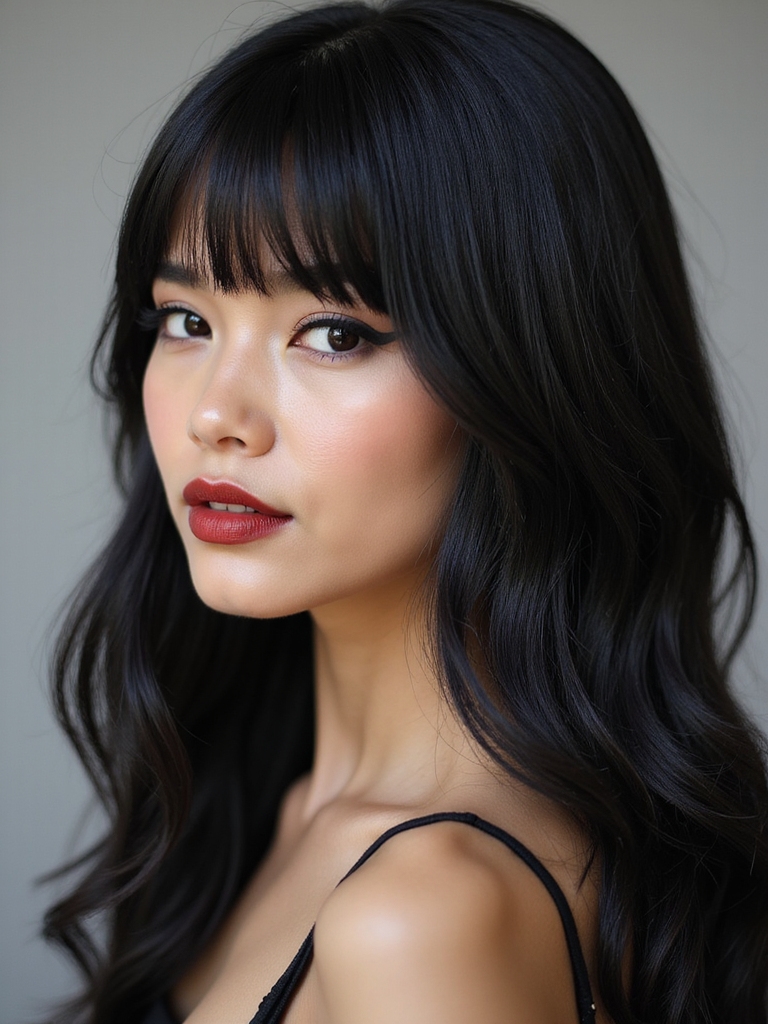
Straight hair needs the most deliberate styling of any texture here, since it has no natural bend to fall back on if the layers aren’t styled. Skip the styling routine entirely and the crown layers can look more like an unfinished trim than an intentional cut.
Razored or feathered ends soften what would otherwise be a stiffer silhouette, giving straight hair some of the softness other textures get for free.
Bangs and Styling: Bottleneck, Curtain, or Wispy
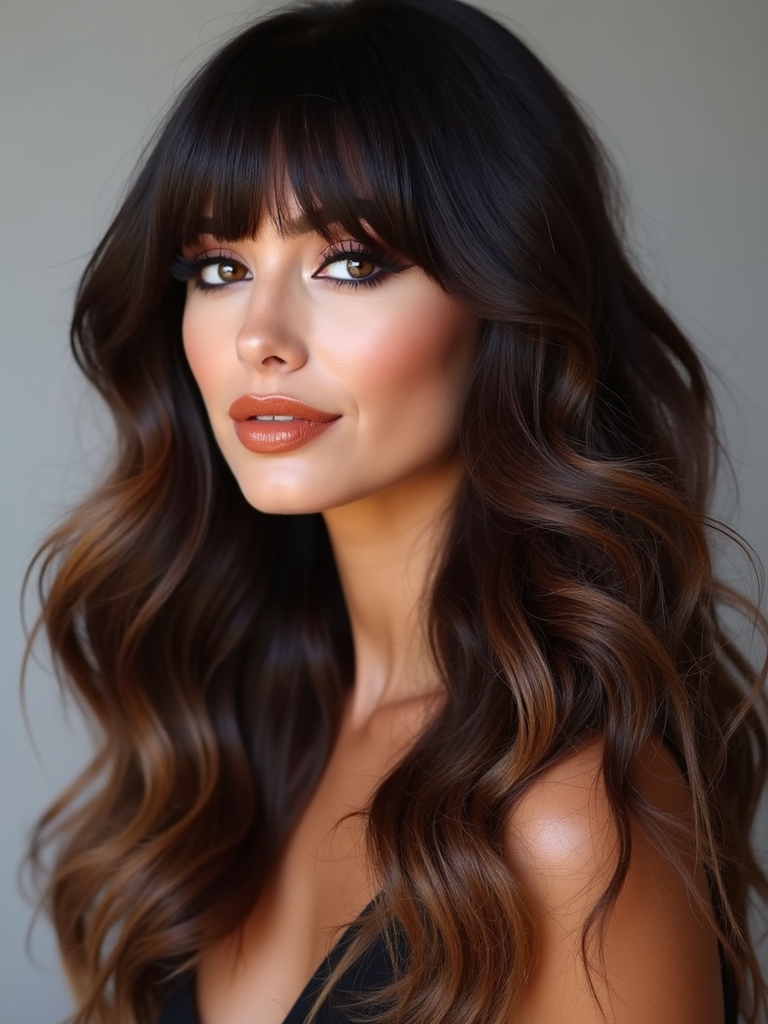
Bangs change the whole front of this cut more than any other single addition, and bottleneck bangs, parted and swept but full through the middle, are the most requested pairing by a wide margin. They blend so smoothly into the crown layers that most people can’t identify where the fringe technically ends.
- Bottleneck bangs blend directly into the crown layers.
- Curtain bangs are a lighter, more grown-out-friendly option.
- Wispy, textured bangs suit the choppier versions of this cut best.
💡Bring a Video, Not Just a Photo
Because so much of this cut’s appeal comes from movement, a still photo only tells half the story. A short video of the style in motion gives a stylist a much clearer sense of how much lift and worn-in texture you actually want.
Strategic Layer Placement for Fine Hair
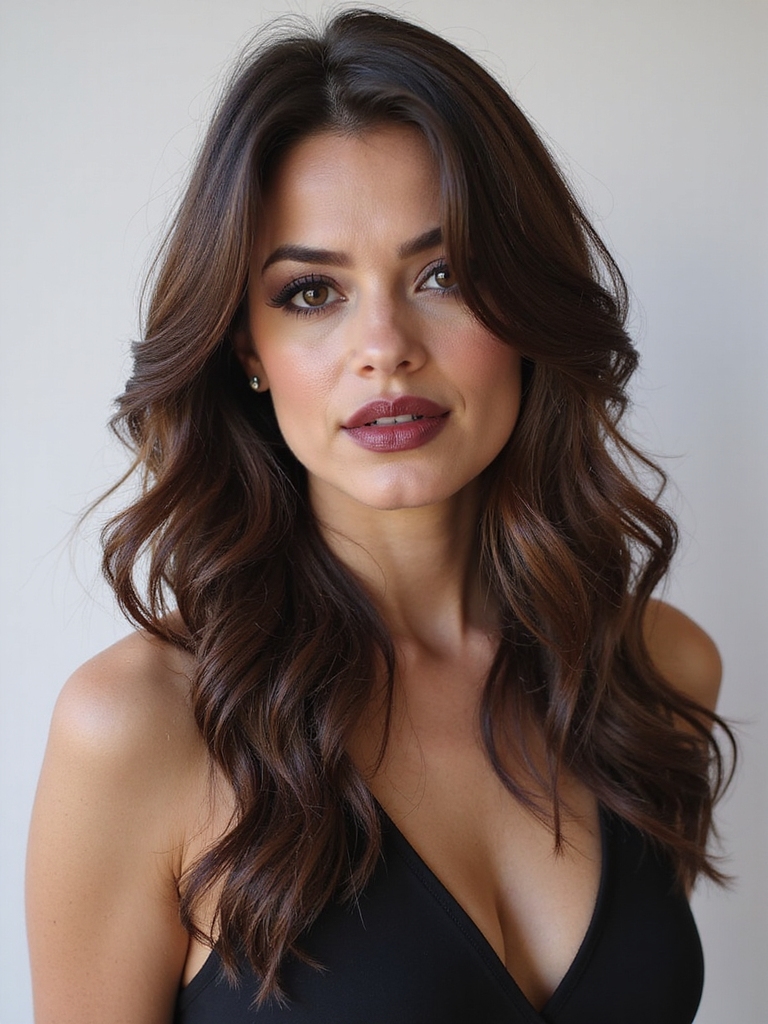
Fine hair can wear this cut, but the layering needs restraint. Too many short layers and fine hair thins out visibly rather than gaining the intended fullness. A stylist unfamiliar with fine hair specifically may default to the same heavy layering they’d use on thick hair, with disappointing results.
The fix is fewer, more strategically placed layers concentrated at the crown, leaving the rest of the length as close to full density as possible.
Texturizing Techniques Stylists Use
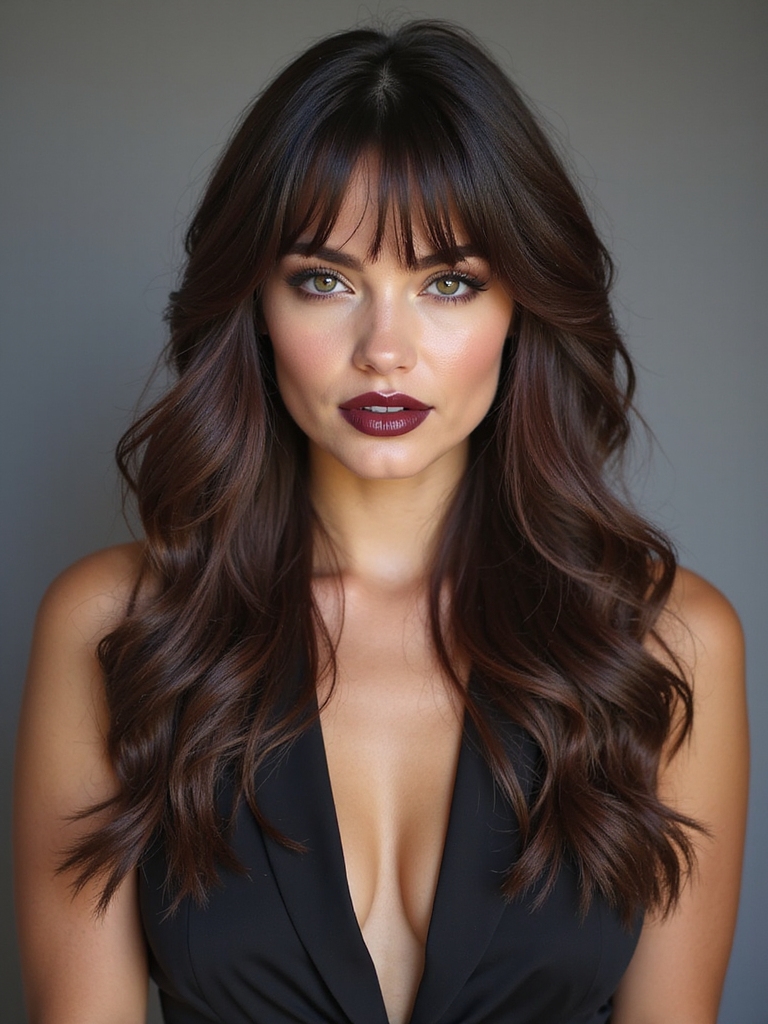
The difference between a wolf cut that moves and one that just sits shorter often comes down to the specific texturizing technique, not the layer placement itself. Two cuts with identical layer maps can look completely different depending on which of these methods finished the job.
Not All Texturizing Is the Same
Slide-cutting removes weight gradually along the shaft for a smooth taper. Point-cutting snips into the ends at an angle for soft, broken pieces. A razor shaves weight fastest but suits resilient, healthy hair better than fragile or heavily processed strands.
A stylist who names the specific technique they’re using, rather than just saying they’ll add texture, is usually a good sign.
📋What to Confirm Before You Book
- ✓Where exactly the shortest layers will start (crown only, or further down)
- ✓Whether the technique is slide-cutting, point-cutting, or razoring
- ✓How your specific texture changes the styling routine
Styling Routines: Blowout, Diffuse, or Air-Dry
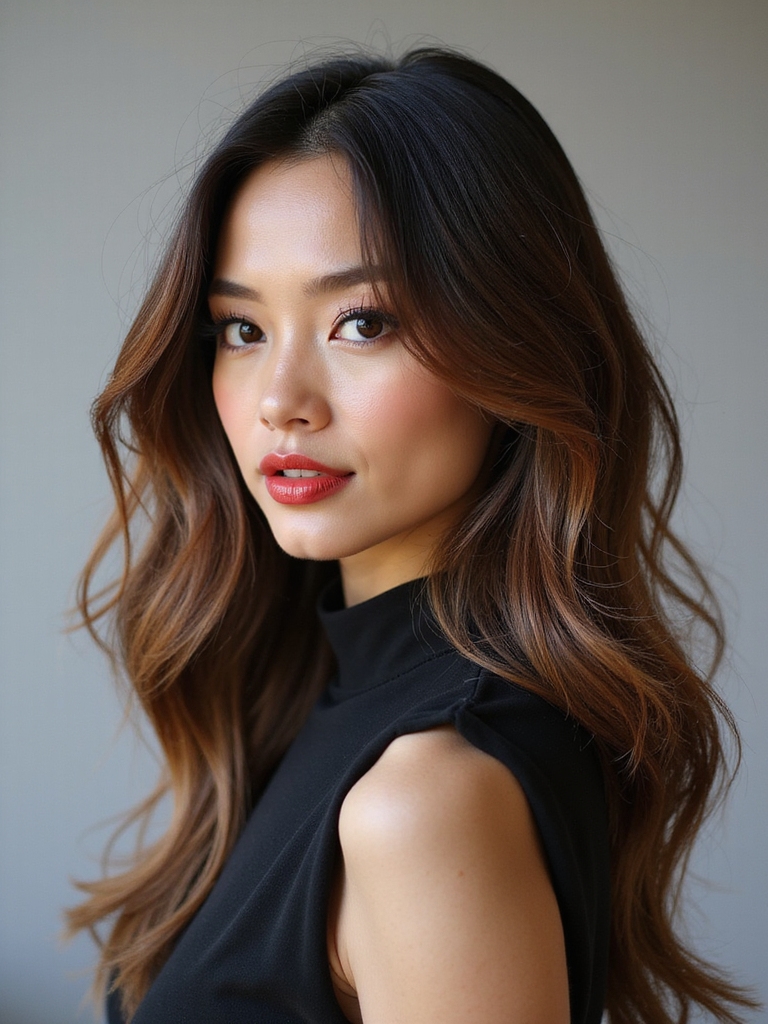
How the cut gets dried changes the outcome almost as much as the cut itself. A blowout with a round brush, sections lifted at the root, produces the most polished, camera-ready version.
A diffuser on curly or wavy textures encourages the natural pattern to do the lifting instead of a brush. Air-drying works best on textures with enough natural movement to shape themselves.
None of these routines takes longer than a standard blow-dry would on any other long haircut.
Products That Build Volume Without Weight

The wrong products flatten exactly the lift this cut is built to create, so lightweight formulas matter more here than on most long haircuts. A single pump of heavy oil at the root can undo an entire blowout’s worth of volume in seconds.
A mousse or foam at the roots, rather than a cream or oil, is what actually builds lift without weighing the layers back down.
- Apply volumizing product to roots only, never through the mid-lengths.
- Dry shampoo at the crown between washes keeps the lift from collapsing.
- Save heavier serums for the very ends only, where they won’t drag down the crown.
Two terms worth knowing before your appointment:
📖Disconnection
A deliberate, visible gap in length between the shortest crown layers and the longer perimeter, rather than a smooth, gradual blend.
📖Interior Lift
Weight removed from underneath the surface layer of hair, which reduces bulk and adds movement without changing the visible outline.
Low-Effort Care and Grow-Out

Once the initial cut is done, this style asks for surprisingly little between visits. The layering is built to grow into itself rather than out of shape, since the crown pieces simply lengthen toward the rest instead of creating a hard line to chase.
- A shape-up trim keeps the crown layers looking sharp between full cuts.
- The perimeter length can go noticeably longer between trims than the crown.
- Grows out into a softer, shaggier version rather than an obvious in-between stage.
Color Pairings That Amplify Dimension

Tone-on-tone color, subtle shifts within the same color family, plays up the texture this cut already has, catching light differently as the layers move.
- Face-framing pieces are a common spot for the lightest tones.
- A deeper root left visible ages more gracefully than a fully lightened one.
- Adds real time and cost to the appointment, often $70 to $150 on top of the cut itself depending on how much lightening the tones need.
A Versatile Cut From Polished to Edgy

The reason this cut has stayed popular longer than most trend haircuts is its range. Smoothed and blown out, it reads polished enough for a formal setting.
Left to air-dry with texture cream scrunched through, the same cut reads undone and a little rock-leaning. No other single haircut covers quite that much stylistic ground.
That range is worth factoring into the decision before committing, since it means the cut rarely needs replacing as your taste shifts season to season.
Long Layered Wolf Cut Questions, Answered
?Can I add wolf-cut layers to hair I’ve been growing out for years without losing much length?
Yes, since the cut’s whole design removes weight from underneath the crown rather than shortening the visible ends. Most of the length stays intact.
?Does a wolf cut work if my hair is color-treated and a little fragile?
It can, though razor texturizing specifically is riskier on compromised hair. Ask for slide-cutting or point-cutting instead, which are gentler on strands that have already been through color processing.
?How is a long wolf cut different from a long shag?
The two overlap a lot, but a wolf cut usually pushes the crown layers shorter and more disconnected, while a shag keeps the transitions softer and more blended throughout.
Length and Lift, Not One or the Other
Every version above solves the same basic tension: real volume at the crown without cutting away the length that took years to grow.
Bring a clear sense of how much drama you want at the top, be specific about texture and technique, and this cut will do more with your existing length than almost anything else on offer.
Keep the Inspiration Going