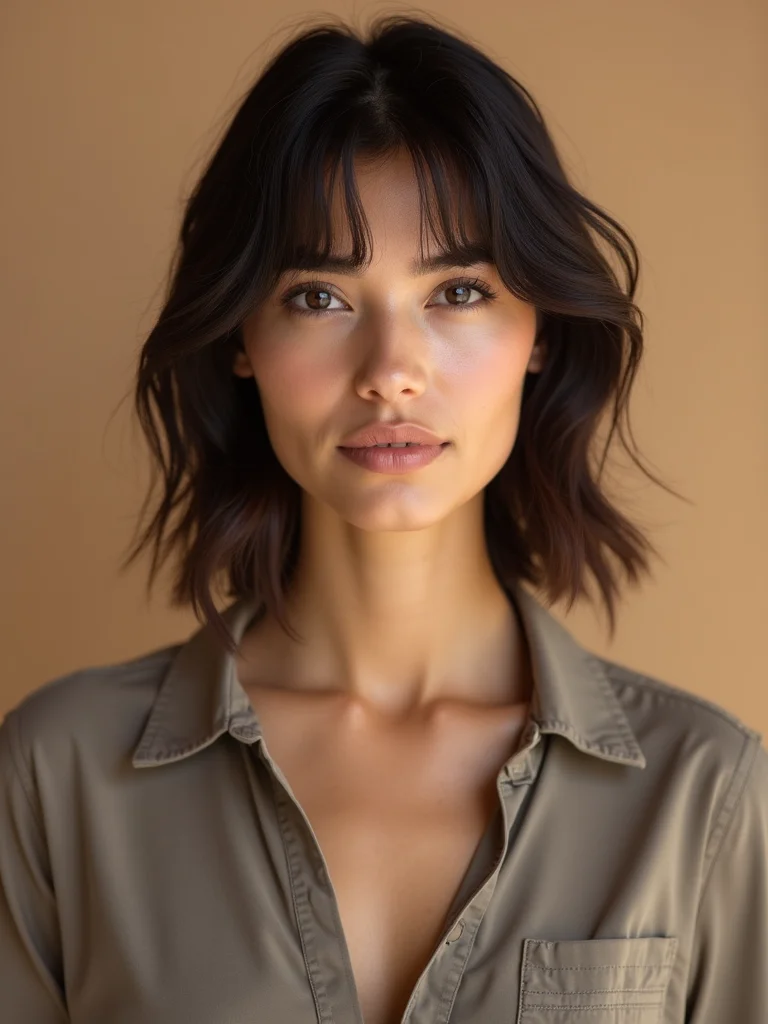
Is the wolf cut with curtain bangs worth all the hype? After cutting more of these than any other shape this year, my answer is yes, with one condition. The combo only works when the bang length and the layer weight are dialed to your face and your texture. Get those two right and it is the most flattering, lowest-effort cut going.
Here is how to choose your version, style it across every texture, and ask for it so you walk out with the cut in the photo. Most of the magic, and most of the mistakes, live in the fringe.
At a Glance
| Question | Short answer |
|---|---|
| Who does it suit? | Most faces, once the bang length matches your features |
| What does it cost? | About $70 to $130, plus quick fringe trims |
| How often to trim? | Full cut every 8 to 12 weeks; fringe every few weeks |
| Best for which texture? | All of them, cut for your wave, curl, or coil |
Shaggy Layers Framing the Face: Why It Works
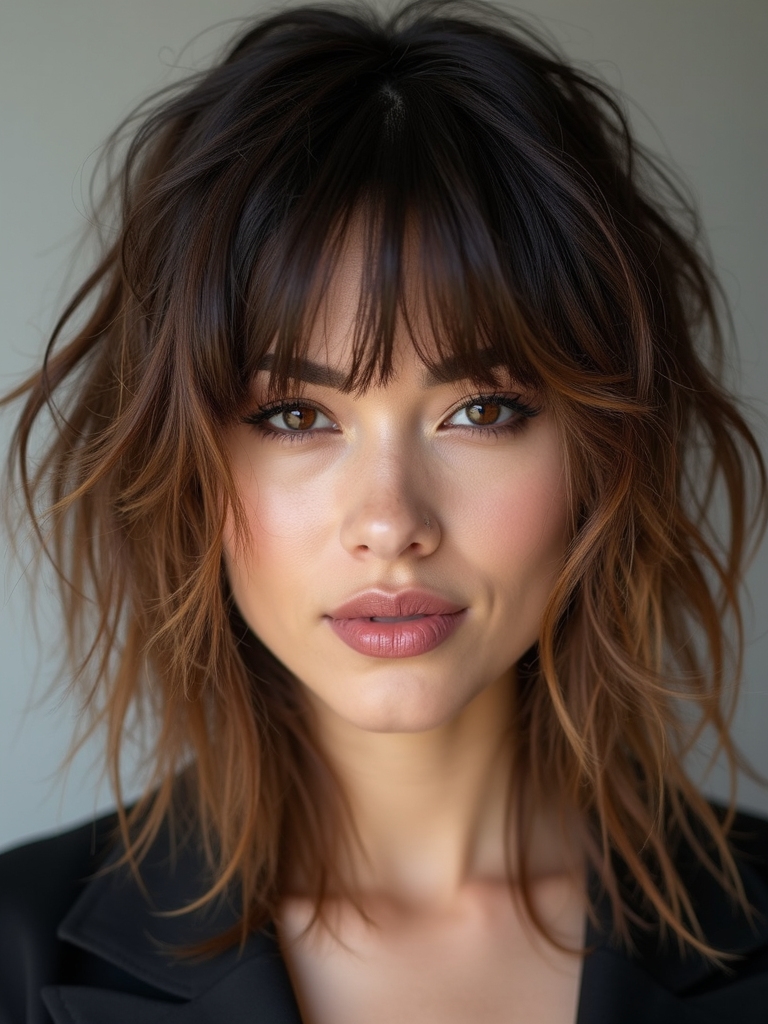
The pairing works because the two halves balance each other. The shaggy, choppy layers bring volume and edge up top, and the soft curtain fringe pulls it all back toward the face, so the look lands cool without going harsh. Balance is the point. One without the other tips too far in a single direction.
The fringe is also the part that does the flattering. It frames the eyes and breaks up the forehead, which is why this combo suits so many people who think bangs are not for them.
- The layers add edge, the fringe adds softness, together they balance
- The center-split fringe frames the eyes and cheekbones
- It flatters most faces, which is why it stays so popular
Choosing the Right Wolf Cut for Your Face Shape
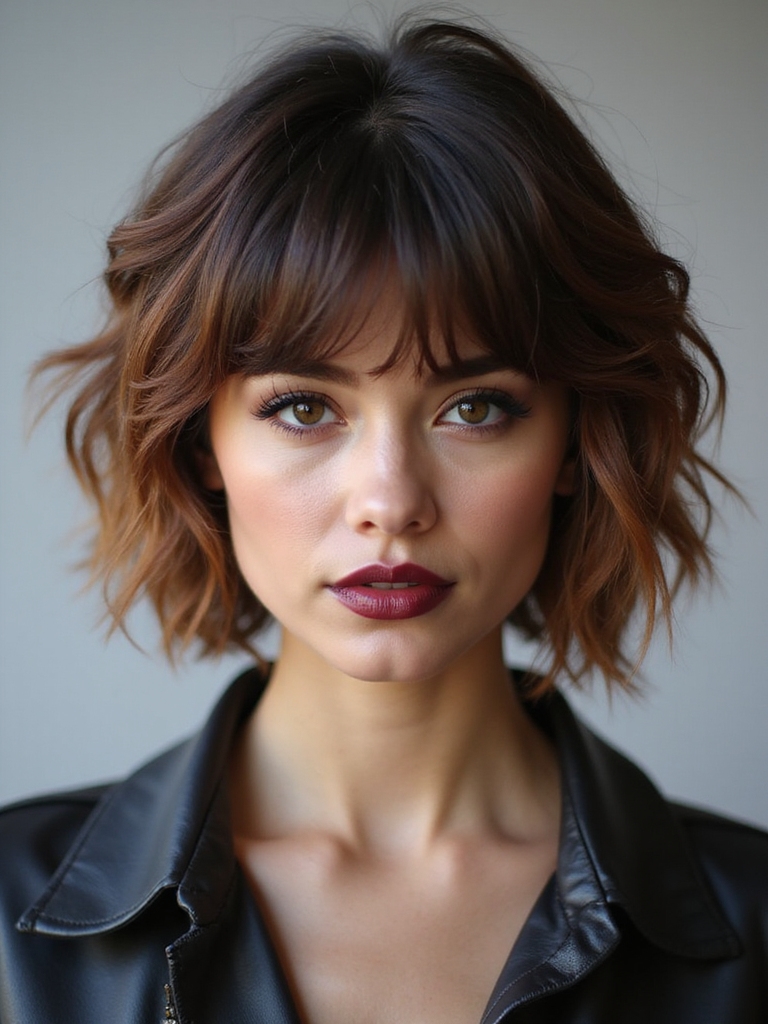
Your face shape points to your best version, and it mostly comes down to bang placement and where the layers start. The wolf cut is flexible enough to flatter every shape once you adjust those two things, so this is the first conversation to have with your stylist.
- Round face: longer, cheekbone-grazing fringe and crown height for length
- Square jaw: wispy, soft fringe and curved face-framing to round the corners
- Long face: a fuller, lower fringe and layers that start higher to add width
- Heart face: a fringe that widens toward the chin to balance a narrow jaw
The fringe is the risk
Almost every wolf-cut regret I fix is a fringe problem, not a layer problem. Bangs cut too short, too blunt, or too heavy turn a soft curtain into a stiff band. Always ask your stylist to start the fringe long; you can take more off at the next visit once you see how it falls on your face.
Soft Wolf Cut With Wispy Curtain Bangs
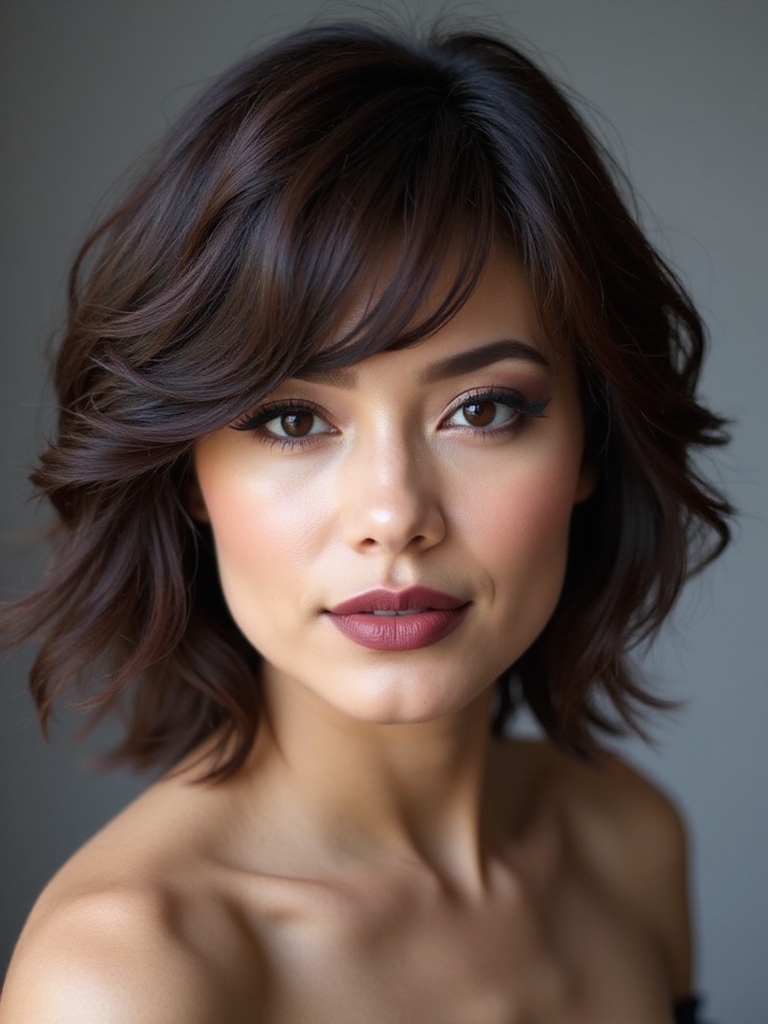
The soft version is the gentle entry point: lighter layers and a wispy, airy fringe that frames the face without much drama. It reads romantic rather than rocker, and it is the one I hand most clients who are nervous about commitment. The wispy fringe in particular is the easiest to grow out if you change your mind.
- Best for a first wolf cut, since it is soft and forgiving
- Keep the fringe wispy and light so it stays low-key
- A soft wolf cut with wispy bangs flatters nearly everyone
Choppy Layers for Maximum Texture and Edge
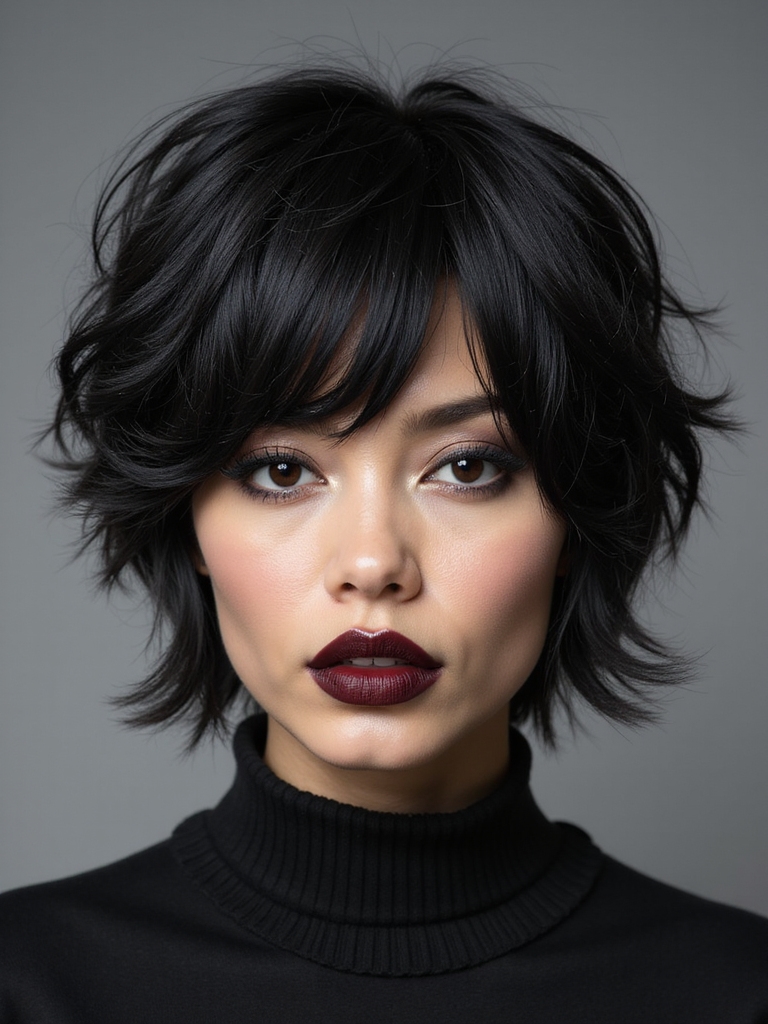
On the bolder end, heavy choppy layers turn the same combo into a real statement. Shattered, piecey layers give the crown grit and movement, and against a soft curtain fringe the contrast looks intentional and editorial. It is a statement. This is the version for women who want their hair noticed first.
- Ask for shattered, point-cut layers for piecey texture
- Pinch a matte paste through the ends for grit
- Keep the curtain fringe soft so it offsets the choppy crown
Pick the fringe first and the rest of the cut falls into place around it. Layers and length you can tweak at the next visit; the bangs are what you will see in the mirror every morning.
Long Wolf Cut With an Airy Center-Split Fringe
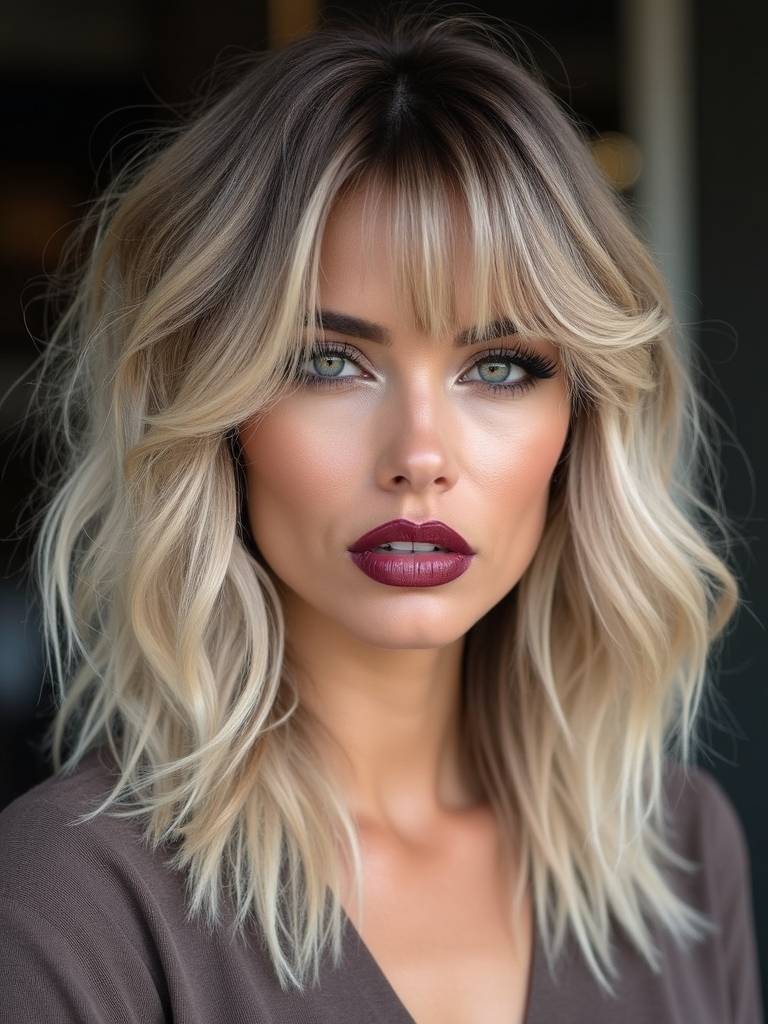
You can keep all your length and still get the combo. A long wolf with an airy, center-split fringe stacks internal layers under the length for movement, while the fringe frames the face up front, so nothing about your length has to go. It is the safest way to try the look if scissors make you nervous.
- Ask for internal layers so the length stays long
- A long wolf cut carries a center-split fringe well
- Cut the fringe to graze the cheekbone for the softest frame
Short Wolf Crop With Bold Curtain Bangs
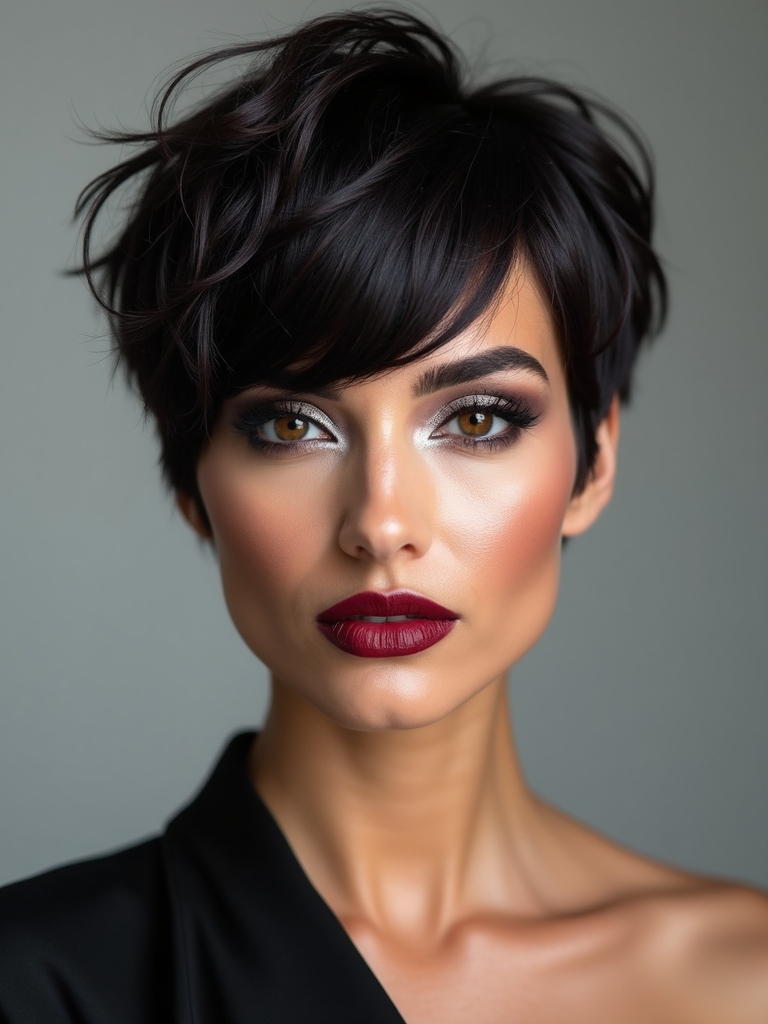
Crop the wolf short and the curtain bangs become the centerpiece. On a short shape there is less length to balance the fringe, so the bangs carry more of the framing, which makes them bolder and more graphic.
Why short shapes lean on the fringe
I love this on women with strong features who want a low-fuss but striking look. Short stays sharp. The fringe keeps it soft.
Style the crop with a little paste and finger-sweep the fringe to the side. A short curtain bang version wants a fringe trim every few weeks to stay shaped.
The two worries I hear most about this combo.
❌ Myth: Myth: curtain bangs need daily heat styling
✅ Reality: Fact: cut for your texture, they air-dry into a soft swoop with little or no heat.
❌ Myth: Myth: curly hair cannot wear curtain bangs
✅ Reality: Fact: curls wear them beautifully when cut dry and left a little long for shrinkage.
Curl-Preserving Cuts for Natural Texture
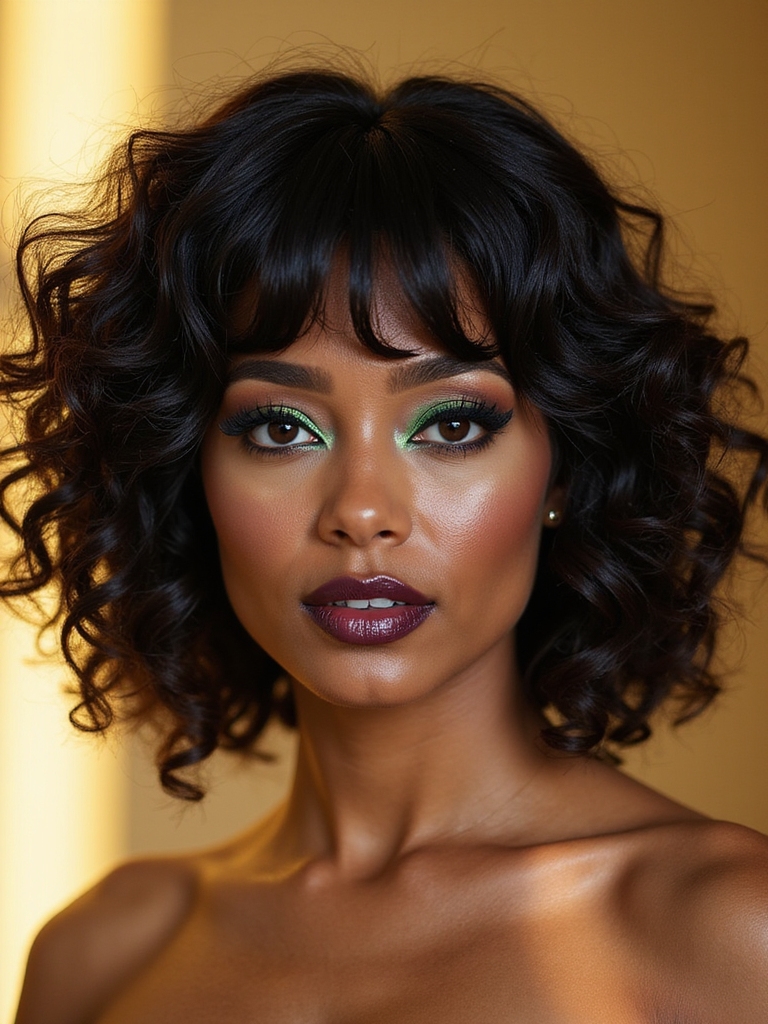
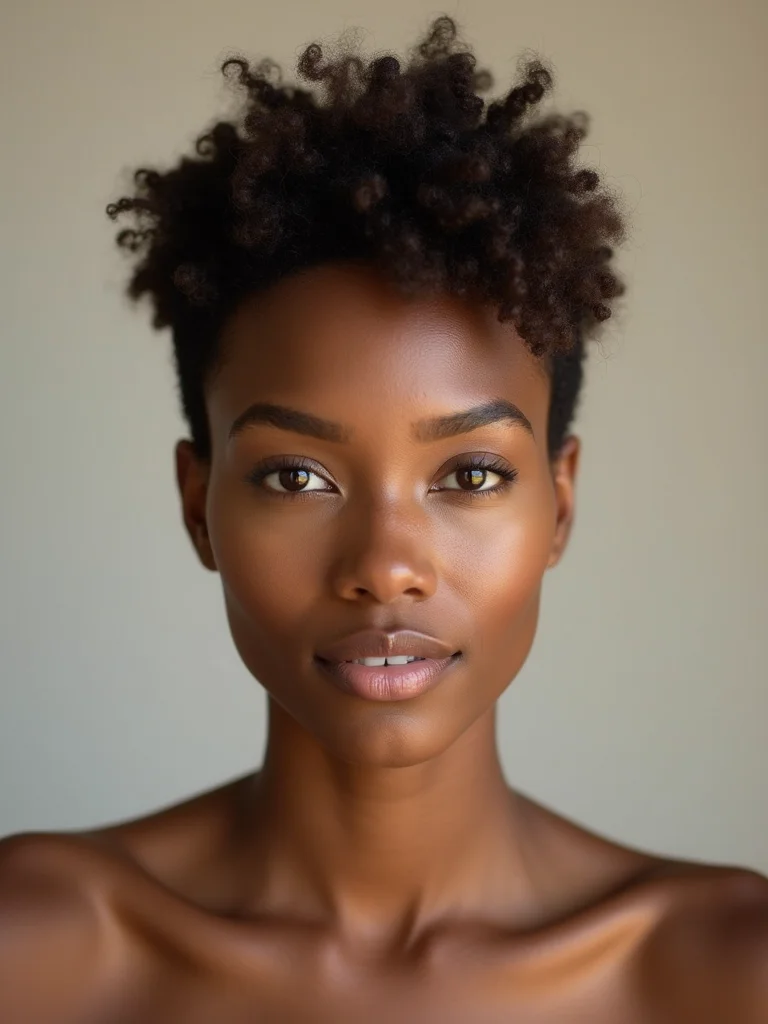
Curls and coils wear this combo beautifully when the cut respects the texture. The work is always done dry so your stylist can read the real curl, the fringe is cut longer to allow for shrinkage, and the bangs become a soft halo around the face rather than a flat curtain. On coily 4a to 4c hair, the perimeter stays dense and the edges are handled gently to keep tension light at the hairline.
- Insist on a dry cut so shrinkage is built into the shape
- A curly curtain bang is cut long and defined with a light gel
- Protect the curl pattern with a satin bonnet at night
A Wavy Wolf Cut That Moves on Its Own
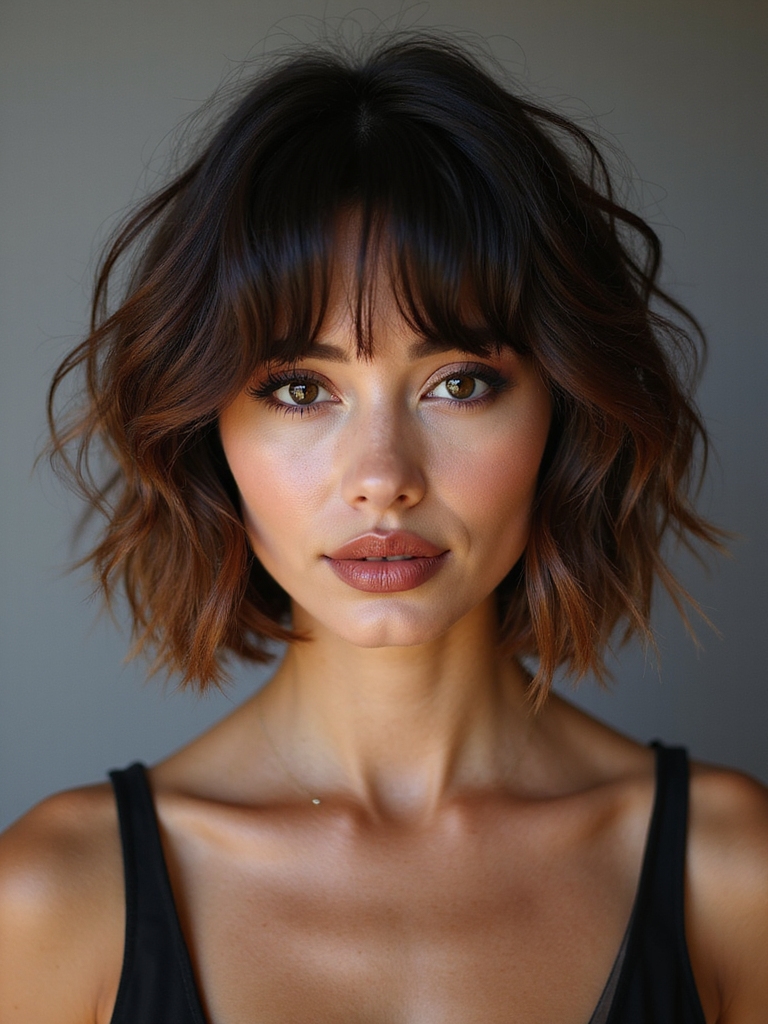
Wavy hair is the natural home for this combo, since the wave does most of the styling. The layers turn the wave into bouncy texture and the curtain fringe air-dries into a soft swoop, so the whole thing comes together with a scrunch and a little patience.
Air-drying the fringe on waves
Keep the layers mid-to-long so the wave does not bulk out at the sides, and let the fringe dry untouched for the cleanest swoop.
Scrunch a salt spray, diffuse on low or air-dry, and you are done. Two minutes, tops. It is the lowest-effort version of the combo.
“When a client says her curtain bangs never sit right, the cause is almost always the dry-down, not the cut. Spend thirty seconds beveling them with a round brush and a cool shot, or finger-coiling them on curly hair, and the swoop falls into place. The fringe rewards that tiny bit of attention more than any other part of the cut.”
Sleek Straight Wolf Cut
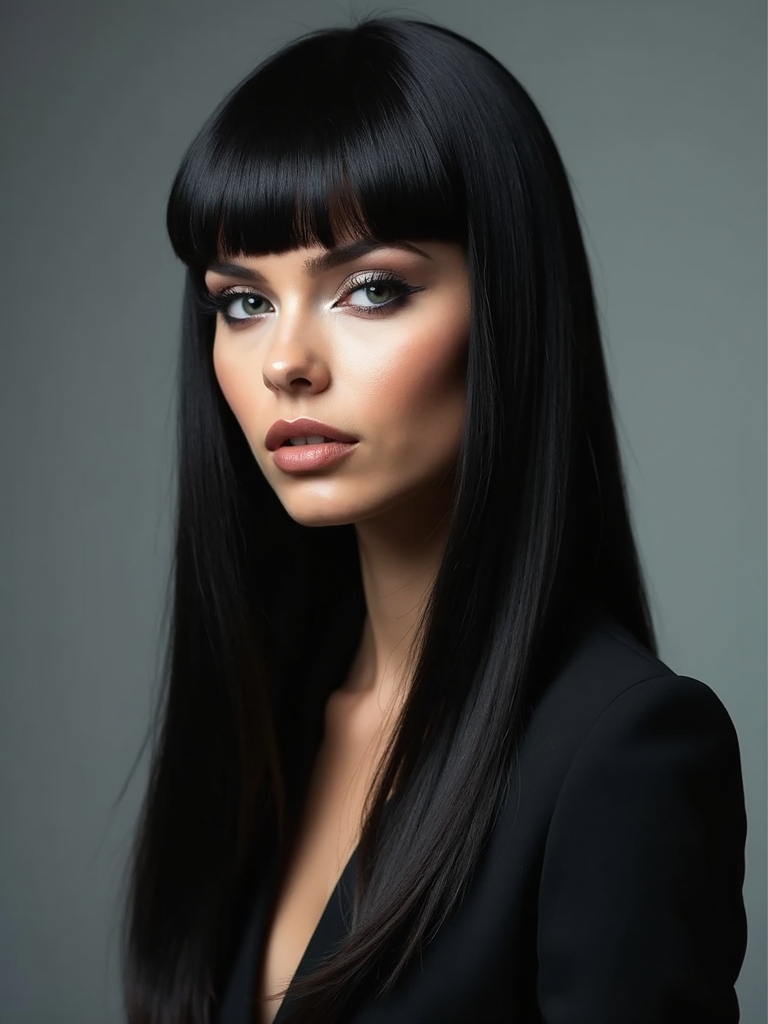
Straight hair takes the combo polished and precise. The layers add the movement straight hair lacks and the curtain fringe sits smooth and glossy, so the look reads sleek and modern. Because straight hair shows every line, the cut has to be exact.
Use a heat protectant and a round brush to bevel the fringe under, and a gloss serum on the ends for shine.
- Bevel the curtain fringe under with a round brush and a cool shot
- Use a heat protectant, since straight hair needs heat to shape
- A precise cut matters most here, since straight hair hides nothing
Face-Framing Color and Pastel Balayage
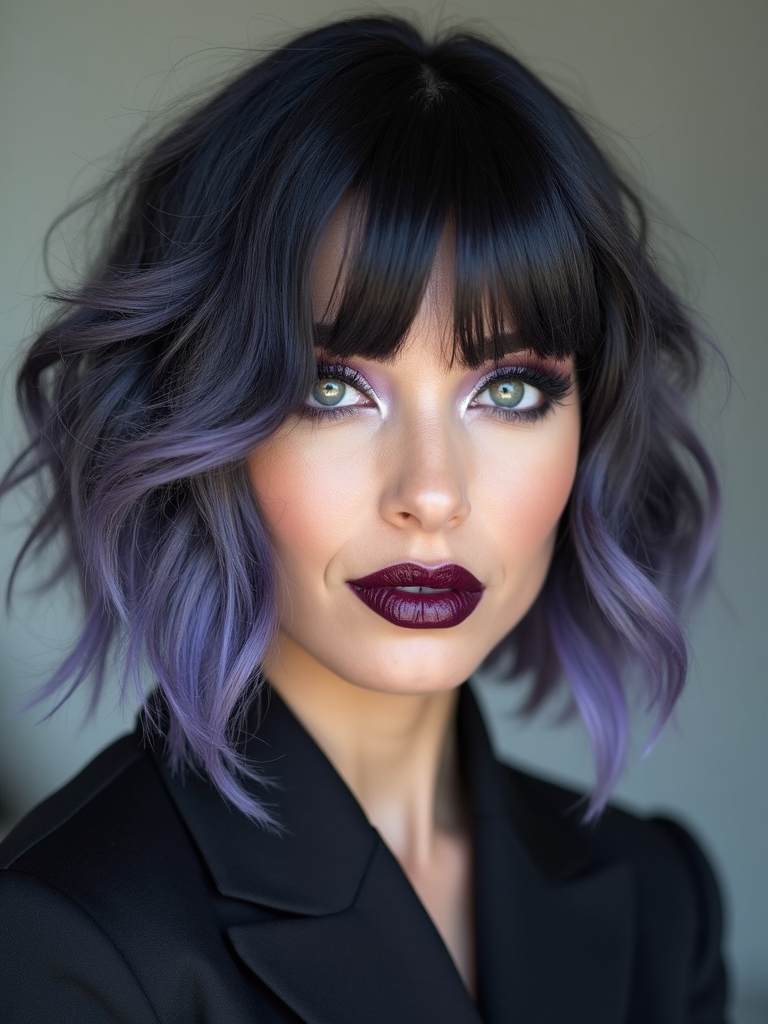
Color makes the combo feel custom, and the fringe is the perfect place to show it. Face-framing highlights or a soft pastel balayage along the curtain bangs catch the light every time they move, and the textured layers hide the regrowth line so the upkeep stays low. Keep the lightening gentle and use a bond-builder, especially on pastels, which need pre-lightened hair.
- Place the brightest color along the curtain fringe for payoff
- Pastels need pre-lightening, so plan for a bond-builder
- Budget roughly $130 to $260 for face-framing color
Tools and Products for Your Styling Routine
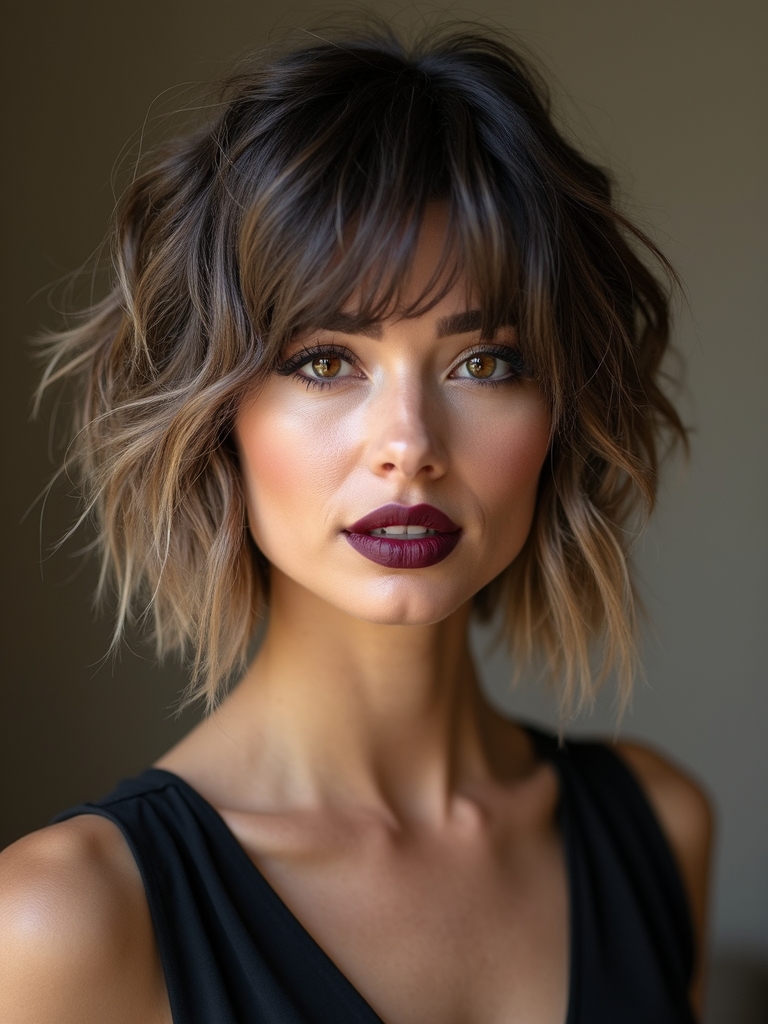
You do not need a drawer full of tools for this cut. A round brush for the fringe, a diffuser for texture, and three products cover almost every version.
Start with a salt spray or mousse for grip and lift, add a light cream or curl product through the mid-lengths, and finish with the smallest amount of paste or serum on the ends and fringe.
The rule I give clients is to build light to heavy and stop early, since the fringe shows product buildup faster than anywhere else.
A Quick Wolf Cut Morning Routine
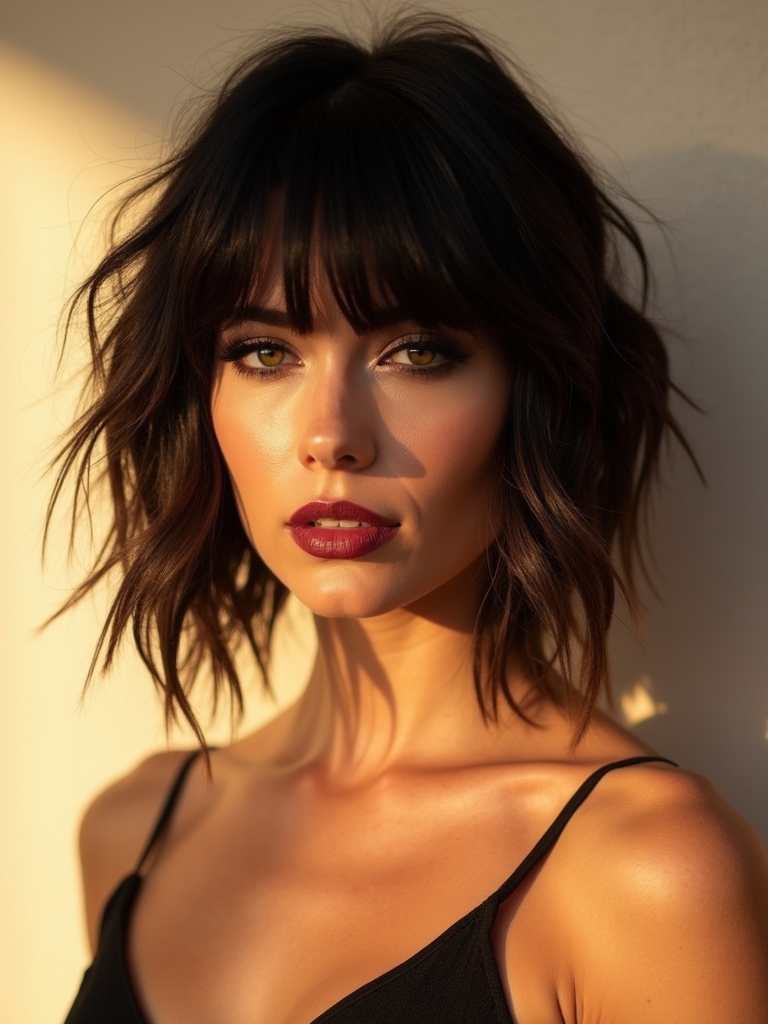
Most mornings, this cut asks for under five minutes. Revive the fringe and layers with a quick mist of water or refresher, finger-style the pieces back into place, and set with a touch of hold.
Reviving day-two bangs fast
The fringe is the part that needs daily attention, since it creases and falls flat overnight. A flat iron on low or a round brush resets it in seconds.
On wash days, the styling happens once, while the hair dries. After that, it is just upkeep. Quick upkeep, at that.
Transitioning and Growing Out the Texture
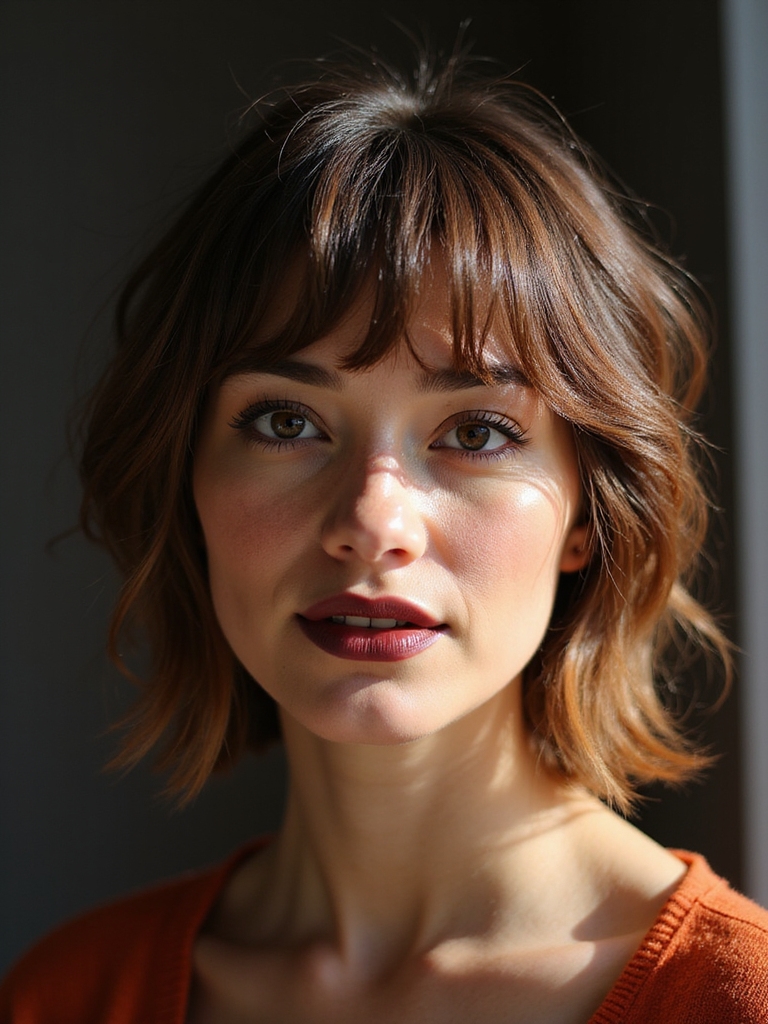
One reason this combo is worth trying is that it grows out kindly. The internal layers blend into longer hair as they grow, so there is no hard line to wait through, and the fringe simply lengthens into face-framing pieces.
When you are ready to move on, your stylist can blend the fringe into the layers in a single visit. Reshape the fringe along the way and the grow-out stays soft the whole time.
Salon Guidance for a Shaggy Wolf Cut
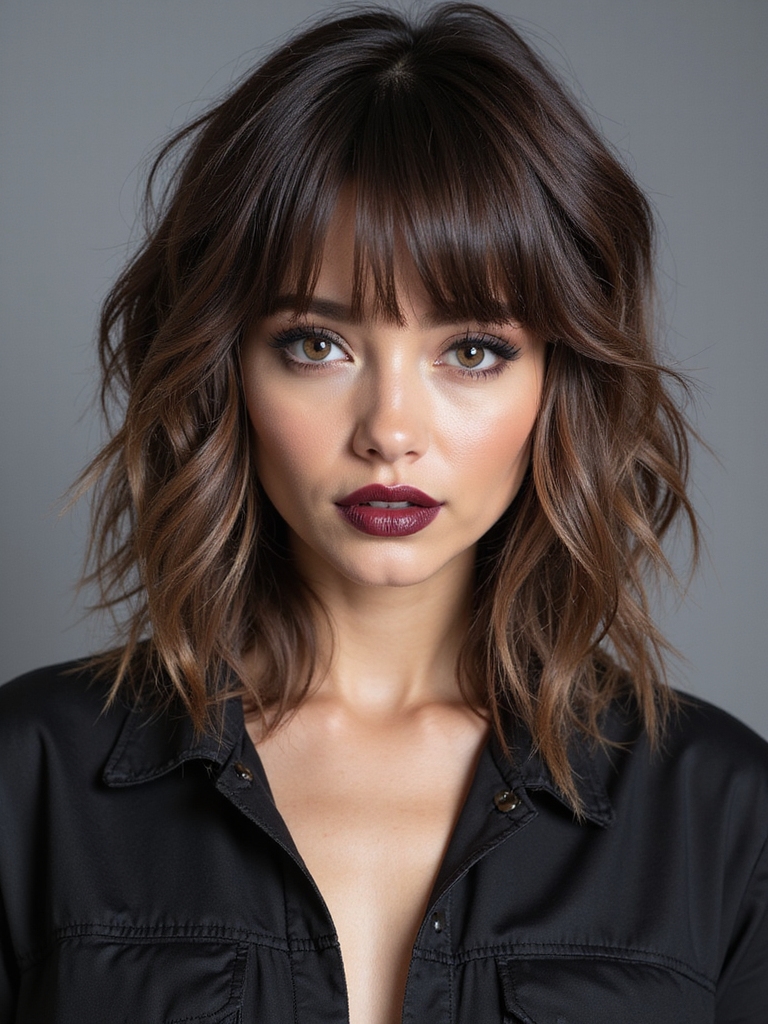
The single best thing you can do is talk specifics with your stylist. Bring two or three photos and name the parts: choppy internal layers, crown volume, and a soft, center-split fringe at cheekbone length.
The words that get the right cut
Then be honest about your texture and your time. If your hair is curly, confirm they cut curls dry; if your mornings are rushed, ask for a fringe length you will actually keep up with.
Ask to keep the first fringe a little long. You can always trim more, but you cannot add it back for weeks.
How the Texture Catches Natural Light
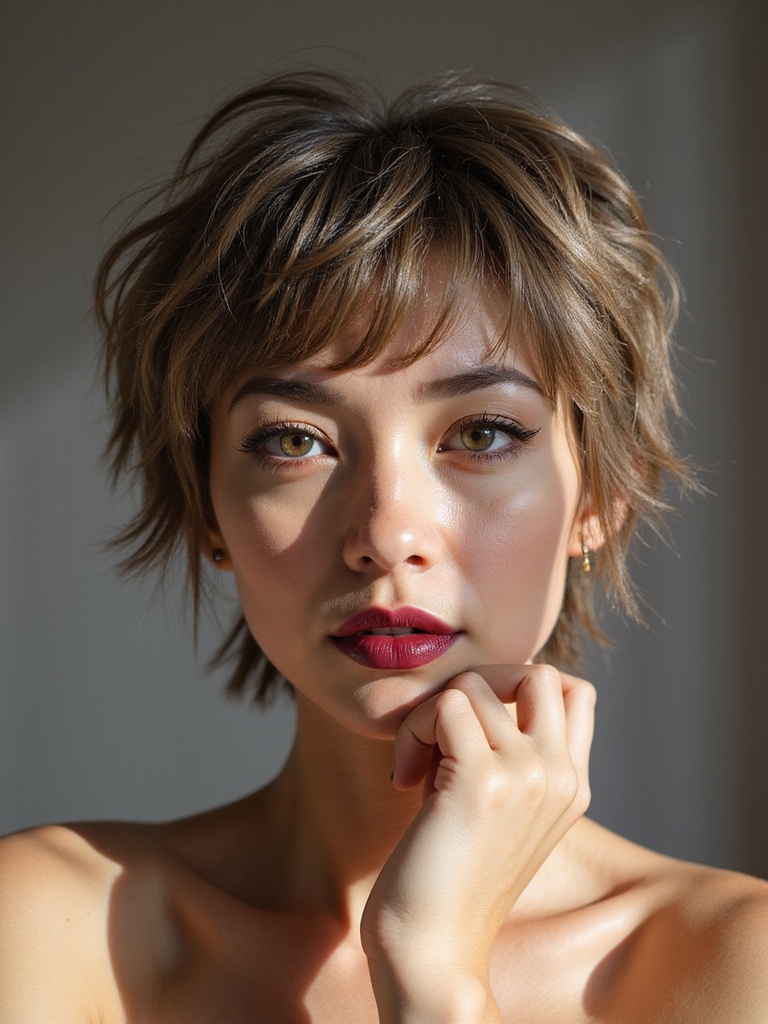
Here is a small thing that makes a big difference: the choppy layers of a wolf cut catch light in a way blunt cuts cannot. The piecey ends and the movement break up the light into highlights and shadows, which is why the cut photographs so well and looks expensive in person.
Texture, light, and why it photographs well
Color amplifies this, but even on a single shade, the texture alone gives the hair dimension. It is part of why the combo reads so polished with so little effort.
If you want that glossy, dimensional finish, a shine spray over defined texture is the fastest way there.
Who It Suits Best
The honest answer is that the wolf cut with curtain bangs suits more people than almost any other trend cut, because the two adjustable parts, the layers and the fringe, can be tuned to any face and texture. Round and square faces lean on the fringe to balance their proportions, while oval and heart shapes can wear nearly any version. Fine hair gains fullness, thick hair gets movement, and every curl pattern has a version that works.
Who should think twice? If you wear your hair pulled back most days, the fringe will fight a tight ponytail and need pinning. And if you will not commit to a quick fringe trim every few weeks, the bangs grow into your eyeline fast. Be honest about your routine, and the cut will love you back.
Soft Fringe, Bold Layers, Your Move
The wolf cut with curtain bangs stays popular for a simple reason: it bends to whoever wears it. The same two ingredients, choppy layers and a soft split fringe, read romantic on one person and rocker on the next, depending on how you set the bang length and the layer weight. That range, plus how little it asks of you each morning, is the whole appeal.
So which version fits the face you see in the mirror and the mornings you actually have? Decide on the fringe first, take a clear photo to a stylist you trust, and ask them to start it long. That single conversation is what turns a screenshot into a cut that feels like yours.
Keep the Inspiration Going