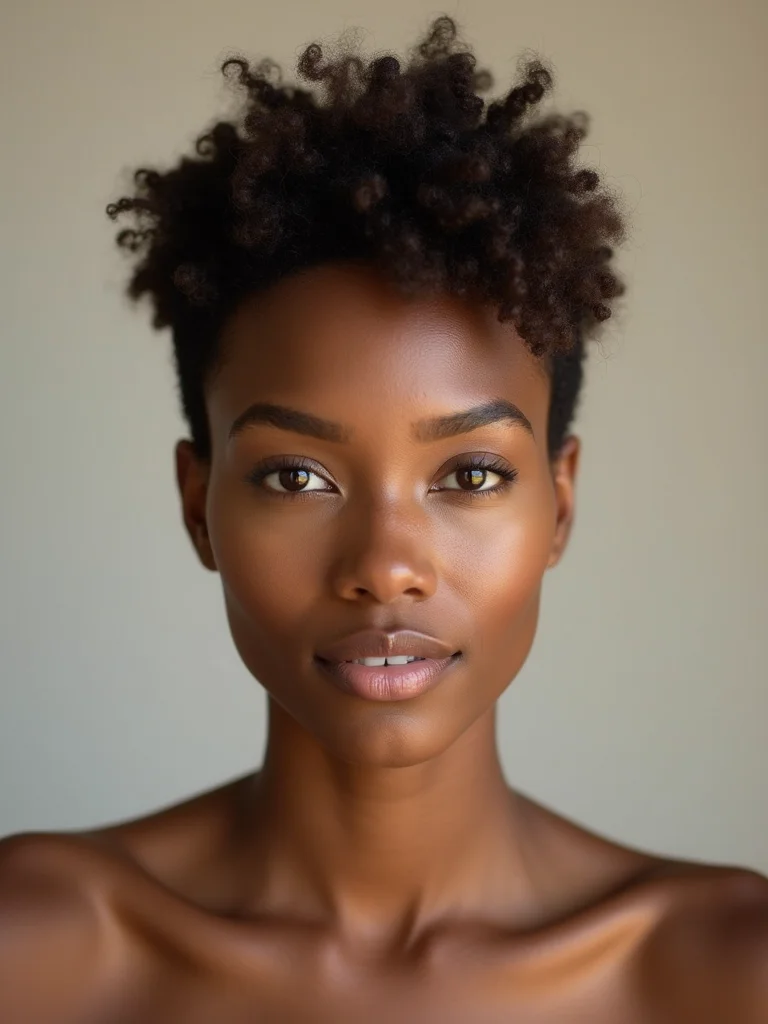
You almost never see the back of your own haircut, but everyone behind you does. I’ve had clients love the front of a pixie in the mirror, then catch the nape in a two-mirror view and realize that’s where a crop is truly made or lost. The neckline is the quiet half of the haircut, and it decides whether the whole thing lands sharp or shaggy.
The back of a pixie can be finished a dozen ways, from a soft taper that grows out invisibly to a shaved design that turns heads. Each changes how the cut sits, how often you’ll trim it, and how it flatters your head and neck. Here are eight necklines worth knowing, how to ask for each, and the mistakes that undo them.
Necklines at a Glance
Why does the back of a pixie matter so much? It’s what everyone else sees, and it sets how the cut grows out. A clean neckline looks polished; a neglected one makes the whole crop look shaggy fast.
Which neckline is lowest-maintenance? A soft taper, because it blurs as it grows instead of leaving a hard line, so you can stretch weeks between shape-ups.
How often does the nape need tidying? Sharper, buzzed, and faded necklines want a clipper touch-up every two weeks or so; softer tapers can wait longer.
The Soft Tapered Nape

The soft taper is the most forgiving neckline there is, and the one most stylists reach for by default. The hair is graduated shorter and shorter as it reaches the hairline, so it fades gently into the skin. The magic is in the grow-out. With no blunt line to turn fuzzy, the nape simply softens as it grows, never sprouting an awkward shelf. It’s the low-fuss default on a classic short pixie. Why it’s the easy choice:
- It grows out with no hard line, so you can stretch weeks between trims.
- The gradual fade flatters almost every head and neck shape.
- It stays polished and neat without ever looking severe or barbered.

A Clean Straight-Line Neckline

At the opposite end sits the crisp, straight-across neckline, cut in one clean horizontal line at the nape. It’s minimal, sharp, and graphic. This is the choice for anyone who loves a precise, architectural edge.
Sharp, But Demanding
The catch is upkeep. A blunt line looks immaculate the day it’s cut, but grows out into a fuzzy edge fast, since every millimeter of new growth shows below that hard line. This is a high-maintenance neckline that demands frequent tidying.
It suits straight, dense hair best, where the line stays crisp, and rewards anyone happy to visit for a nape clean-up often. On the right head it’s the sharpest look on this list.
Keeping a crisp straight-line nape sharp between cuts:
1Book a nape tidy
On a two-week rhythm, ask for a quick neckline clean-up; many salons do it fast and cheap between full cuts.
2Or trim at home carefully
Use a two-mirror setup and trimmers to tidy stray growth below the line, taking off very little at a time.
The Sculpted V-Shape Nape

Cut the neckline to a point down the center and you get a V-shape, a sculpted little detail that draws the eye down and makes the neck look longer. The point itself does the work. Small detail, real payoff. It’s a favorite for adding a touch of elegance and drama to the back of a crop, and it takes only a few extra minutes in the chair to shape. What it does:
- The downward point visually lengthens and slims the neck.
- It adds a deliberate, sculpted detail without a full shave.
- It works beautifully with a longer nape you want to feature.
A Subtle Curved Nape

A gently curved neckline splits the difference between a hard straight line and a soft taper. The hair follows the natural curve of the nape, rounding in slightly at the sides, which softens the finish while keeping it defined and tidy.
This is a wonderfully balancing option, since a rounded nape can offset a flat head shape or a strong jaw, adding a little shape where you want it. It’s neat and feminine without being severe, a middle-ground neckline that flatters a wide range of people. It pairs naturally with a rounded pixie cut shape up top.
| Neckline | Grows out | Upkeep |
|---|---|---|
| Soft taper / point-cut | Blurs softly, no hard line | Low; stretch between trims |
| Straight line / V-shape | Shows a fuzzy edge fast | High; frequent tidying |
| Fade / shaved design | Blurs within a week or two | Highest; clipper touch-ups |
The Disconnected Undercut Nape

For edge and for bulk removal, an undercut nape buzzes the hair at the neck very short, disconnected from the longer length above by a deliberate, clean break. It’s bold, modern, and seriously practical on thick hair.
Edge Plus Function
The gap is the whole point. A clean break between the buzzed nape and the longer crop looks graphic and intentional. On thick or coarse hair, it also removes the weight that makes a nape puff out, so the whole crop sits closer and cleaner.
Worn tucked, the buzzed section shows; worn down, the length covers it. Anyone drawn to it should look at a full undercut pixie for how far to take the shave, and know the buzzed part needs frequent upkeep.
A Textured, Point-Cut Nape
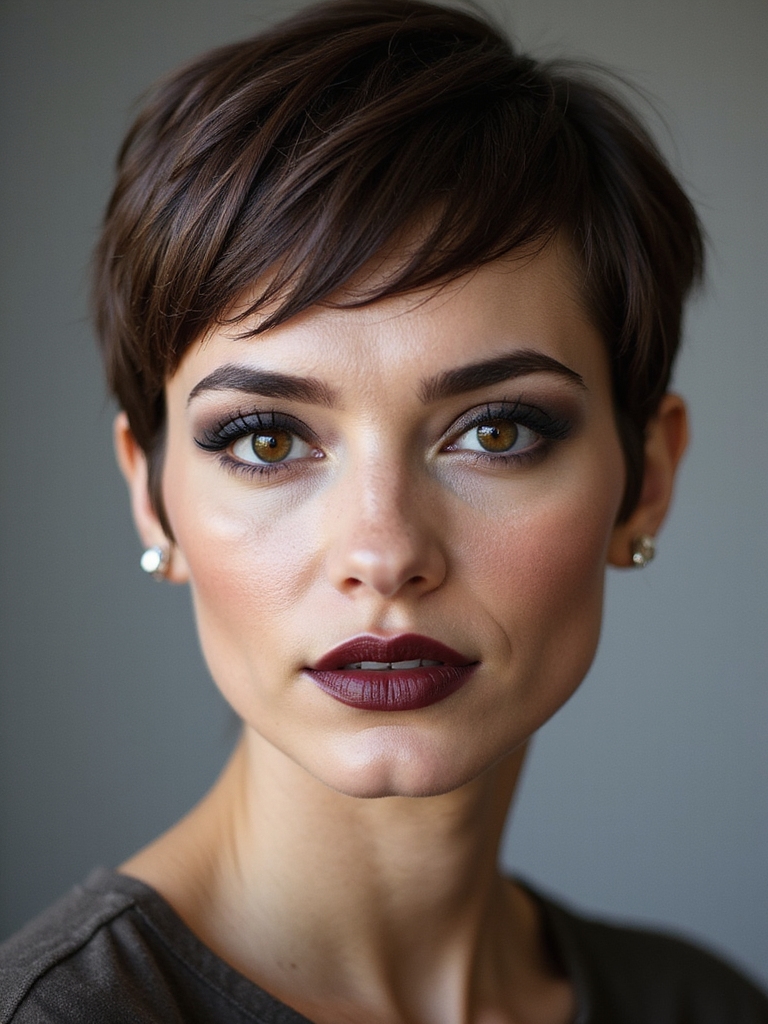
A point-cut nape is finished with the scissors angled into the hair instead of straight across, breaking the line into soft, feathery pieces. It trades a crisp finish for a broken-up, textured one that comes across undone and modern.
The big practical win is grow-out: a broken, textured edge blurs far more gracefully than a blunt line, so it doesn’t turn into a fuzzy shelf between visits. It’s a smart pick for anyone chasing a softer look with fewer trips to the salon.
It also suits finer hair, where a little texture at the nape adds the illusion of movement. The finish stays relaxed and soft, and it forgives a lot as it grows, which makes it a natural nape as a crop lengthens toward a pixie-bob.
The Low Drop-Fade Nape
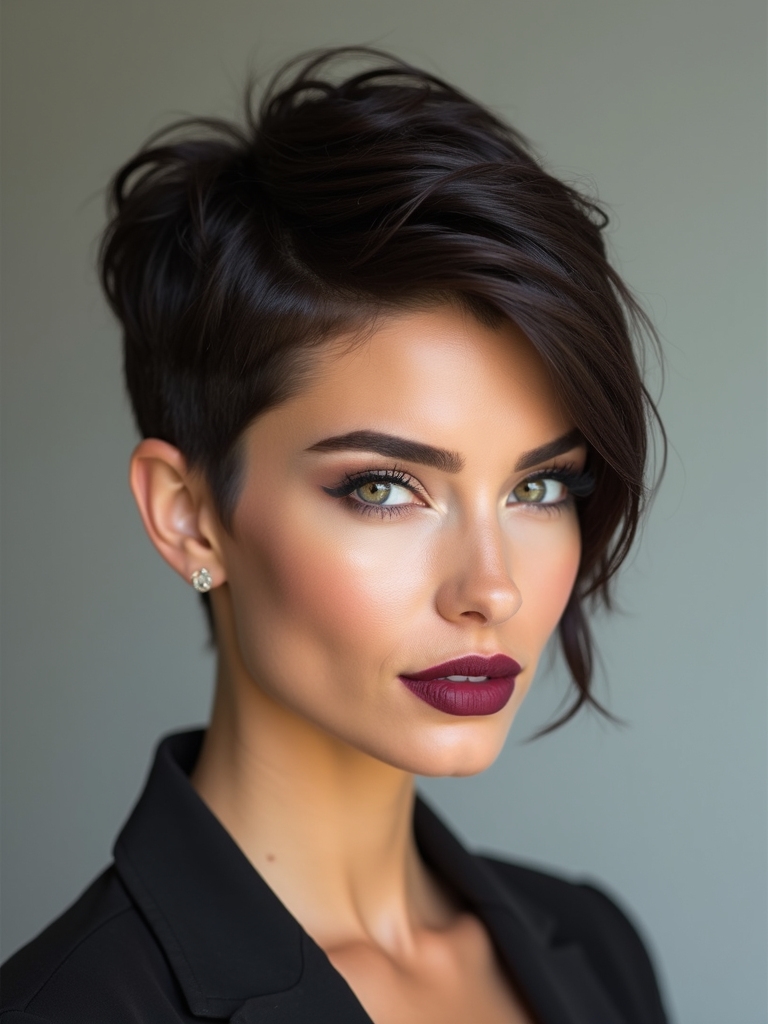
Borrowed from barbering, a low drop fade takes the hair down to skin at the very bottom of the nape and blends it up into length, dropping lower behind the ears. It’s the most polished, gradient finish here, all smooth transition and no hard lines.
It’s precise, modern, and truly flattering, hugging the curve of the head and looking immaculate from every angle. The trade is that a fade, like any barbered detail, blurs quickly, so it needs a touch-up on a tight schedule to stay clean.
- The skin-to-length gradient is smooth, sharp, and very modern.
- It hugs the head shape and looks clean from every angle.
- A fade blurs fast, so plan a clipper tidy roughly every two weeks.
Which neckline fits your routine?
🎯Want to forget about it?
Choose a soft taper or point-cut nape that grows out invisibly.
🎯Happy to maintain it?
A straight line, fade, or shaved design rewards frequent upkeep with maximum sharpness.
A Shaved-Design Nape Accent

The boldest finish of all turns the nape into a canvas. A shaved design, a chevron, a few clean lines, or a small geometric motif, etched into a buzzed neckline makes the back of the crop a personal statement. It’s the most expressive neckline going.
It works across every hair type, since it’s cut right down to the skin, and it can be as subtle or as loud as you like. Fine, curly, and coily hair all take an etched line cleanly, since the design is shaved into the skin rather than cut into the length.
A single fine line stays discreet; a full design becomes unmistakable. It pairs especially boldly with an asymmetrical pixie up top. Either way, a shaved motif needs re-etching often as it grows, so it’s a commitment worth going in with eyes open.
- A shaved motif makes the unseen half of the cut a statement.
- It suits any hair type, since it’s cut to the skin.
- The design blurs as it grows, so plan on frequent re-etching.
Matching the Neckline to Your Head Shape
The neckline that flatters you most is partly about your head and neck, not just the look you like. A flat crown or flat back of the head does better with a rounded or curved nape, which adds a little shape and roundness where the head lacks it. A strong, protruding occipital bone, the bump at the back of the skull, usually wants weight removed with a taper or undercut so it doesn’t look bulky.
Neck length matters too. A long, slender neck can carry a dramatic V-shape or a low fade beautifully, since there’s room to feature the detail. A shorter neck is usually better served by a higher, softer taper that doesn’t cut the neck visually shorter, and by keeping the finish clean and close at the base. Length and weight down there only shorten it further.
None of this is a hard rule, and a good stylist reads your head shape as they cut. But going in aware of it helps: mention any flatness, a prominent nape bone, or a short neck, and ask which finish balances it. The right neckline works with your head, not against it.
Common Mistakes to Avoid
The biggest mistake is neglecting the nape between full cuts. Because you can’t see it, it’s easy to forget. The back grows fastest of all. A fuzzy neckline makes an otherwise sharp pixie look grown-out and messy within days.
A quick nape clean-up, often just a few minutes and around $15 at a salon, keeps the whole cut looking fresh for a fraction of a full appointment. Book those in-between tidies, or learn to trim the nape carefully at home with a two-mirror setup.
The other common error is picking a neckline that doesn’t match your maintenance appetite. A blunt line, a fade, or a shaved design looks incredible fresh but blurs within a week or two, so choosing one and then skipping the upkeep guarantees a scruffy result. Be honest with your stylist about how often you’ll really come in, and match the neckline to that, a soft taper if you want low fuss, a sharp finish only if you’ll maintain it.
Pixie Neckline Questions
?How do I ask my stylist for a specific pixie neckline?
Name the finish and the goal. Say whether you want it to grow out softly (ask for a taper or point-cut nape) or stay sharp (a straight line, V-shape, or fade), and mention how often you can come in. Bringing a photo of the back specifically, not just the front, makes a big difference, since the neckline is easy to describe vaguely.
?Which pixie neckline is best for thick hair?
A disconnected undercut or a tapered nape, because both remove the weight that makes thick hair puff out at the neck. Buzzing or graduating the nape close keeps the back sitting flat and clean, which solves the most common problem thick-haired pixies run into at the neckline: a nape that puffs and bulks out.
?Can I trim my own pixie neckline at home?
Carefully, yes, for a soft taper or to tidy stray growth, using trimmers and a two-mirror setup and taking off very little at a time. Sharp finishes like a straight line, fade, or shaved design are best left to a professional, since they’re hard to keep even on the back of your own head.
?How often should I get my pixie neckline cleaned up?
It depends on the finish. Sharp lines, fades, and shaved designs want a clipper tidy every two weeks or so to stay crisp, while soft tapers and point-cut napes can stretch to a month or more. Many salons offer quick, cheap neckline clean-ups between full cuts for exactly this.
?Does the neckline affect how a pixie grows out?
Enormously. A soft taper or point-cut nape blurs as it grows, so the cut stays wearable for weeks. A blunt line, fade, or shaved design leaves a hard edge that turns fuzzy and obvious fast, which is why matching the neckline to your upkeep habits matters as much as choosing the shape you like.
Mind the Back
The one thing worth remembering is that a pixie is a two-sided haircut, and the side you never see is the one everyone else does. Getting the neckline right, matched to your head shape, your hair type, and how much upkeep you’ll actually do, is what separates a crop that stays sharp from one that goes shaggy the moment you leave the chair.
So next time you’re in the salon, talk about the back as much as the front. Ask to see it in a two-mirror view, pick the neckline that fits both your head shape and your life, and keep those quick nape tidies on the calendar between full cuts. Mind the back, and the whole pixie looks polished from every angle.
More Worth Saving