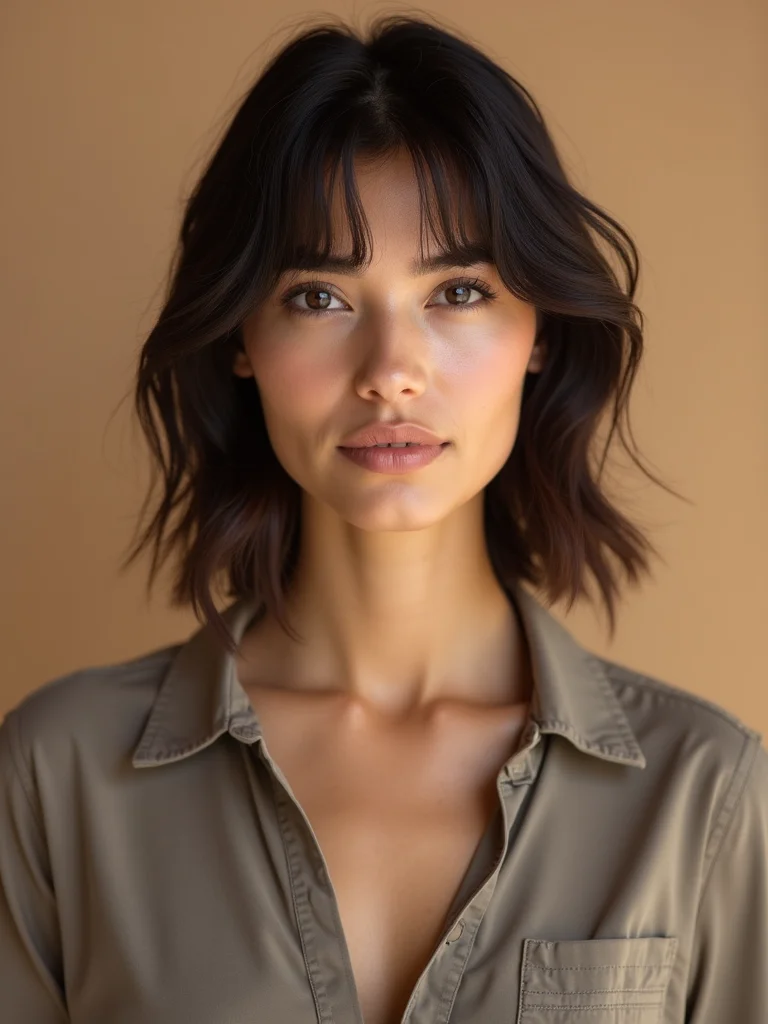
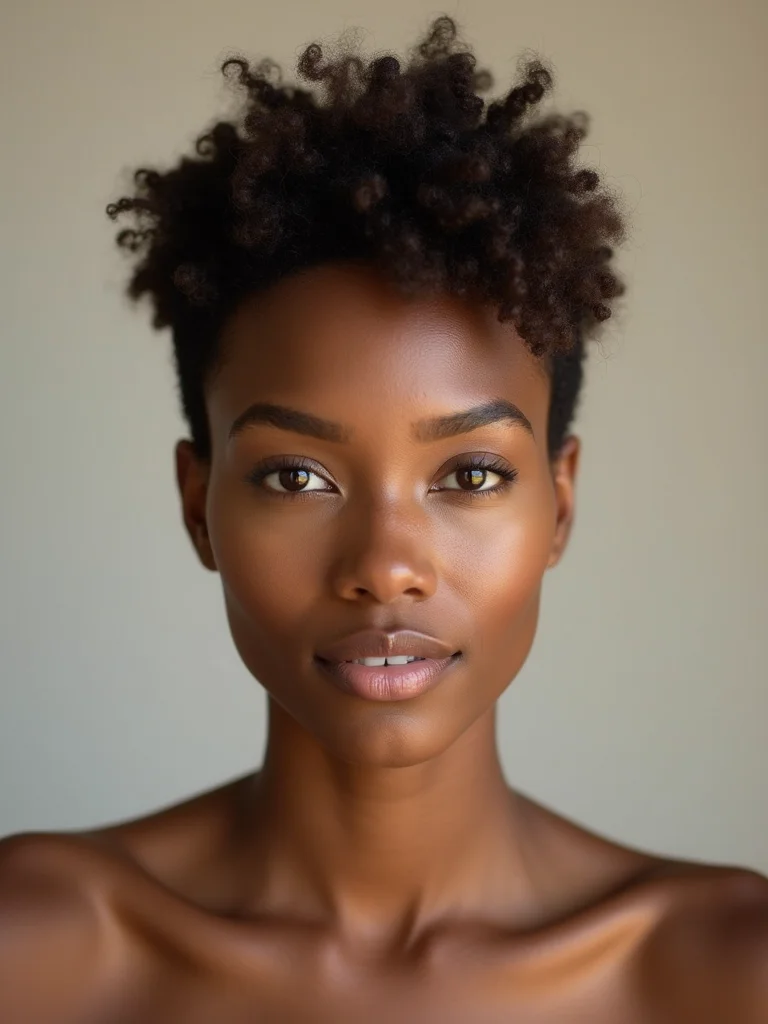
Why does a wavy shag work on almost anyone who tries it? The choppy layers and the natural bend do the styling before a single tool touches the hair, which means it shrugs off the things that wreck a sleeker cut: a damp commute, an unplanned nap, a hat worn all afternoon.
Fifteen versions follow, running from a short shaggy bob to a long, romantic shag, with curtain bangs, a hidden undercut, and a few bolder detours along the way. Each comes with the layering logic and the styling routine that actually makes it work.
What Every Wavy Shag Shares
- Choppy, uneven layers plus natural or styled wave is what defines the shape at any length.
- It works on straight, wavy, and curly hair alike, though the layering gets adjusted differently for each texture.
- Most versions air-dry with a little product; the boldest fringes and sculpted waves ask for more daily attention.
The Classic Mid-Length Wavy Shag

Start with the version everything else here borrows from: choppy, piecey layers from the crown down, shortest up top for volume, longest grazing the collarbone. The wave runs through the whole shape, so it moves as one connected piece.
- Scrunch a texture spray through damp hair and let it air-dry
- The shortest layers at the crown are what build the shaggy volume
- A trim on a steady rhythm keeps the layers from blurring into a blob

A Wavy Shag With Curtain Bangs

Curtain bangs and a wavy shag pair naturally, the soft, center-parted fringe melting into the choppy layers so the whole thing reads as one continuous shape.
The Most-Requested Pairing
The fringe needs to connect directly to the face-framing layers, not sit as its own separate piece, so the wave can carry all the way through it. Style it alongside the rest of the hair, sweeping it back and out as the waves air-dry.
It grows out more forgivingly than most fringe pairings, since it blends straight into the layers without needing its own separate visit.
A Short, Tousled Wavy Shag Bob

Shrink the shag down to bob length and the result is close to a shag bob: a short, high-texture cut with real presence. The layers pack volume and movement into a shorter shape, so it never sits flat or solid the way a blunt bob can.
Styling stays quick: a scrunch of texture spray and a finger-tousle, nothing more technical than that. The shorter length also does fine hair a favor, since there’s less distance for the volume to travel before it registers.
- Choppy layers throughout give a short bob real lift
- Air-dry with fingers, not a brush, to keep the texture separated
- A short cut with real body built in, not just a length removed
A Long, Romantic Wavy Shag

For anyone attached to length, the long wavy shag adds all the texture and movement without taking off the inches. Long, choppy layers and face-framing ends give the length shape and lift, so it moves and swings with its own weight.
- Concentrate the wave through the ends and lower lengths, not the roots
- A curl cream and some air time is close to the whole routine on naturally wavy hair
- Forgiving enough to stretch to ten or twelve weeks between full cuts
A Wavy Wolf Cut

The wolf cut pushes the shag into bolder territory: heavy layering stacked high at the crown, the lower lengths left long and a little ragged, somewhere between a shag and a mullet without fully committing to either. On wavy hair, it turns loud and voluminous fast.
- Heavy crown layering is what builds this much volume
- A texture cream worked in before a rough-dry brings the shape out fully
- Best on hair with some natural body already; fine hair may need extra lift
👍Where It Wins
- +Delivers the tallest crown height of anything covered here
- +Reads as a genuine statement cut on its own terms
- +The ragged lower lengths hide split ends and rough regrowth well
👎Worth Knowing
- –The crown height needs regular trims to keep its shape
- –Takes real confidence to wear, especially the first few weeks
- –Not the easiest shape to soften back down if the mood changes
A Feathered Wavy Shag

Softer than a choppy shag, this version uses light, feathered layers to build volume with a gentler finish. The feathering keeps everything airy, so the shape lands romantic and easy.
It’s a strong pick for finer hair especially, since feathered ends fake fullness without adding visible weight. A light mousse on damp hair supports the finish without weighing it back down.
- Feathered, tapered layers create soft, rounded volume
- A light mousse keeps the airiness intact without weighing it down
- A gentler entry point for anyone drawn to the shag idea but wanting something softer
A Curly-Wavy Shag

The shag shape suits natural texture particularly well, close to what a full curly shag does at longer lengths, since the choppy layers free curls and waves from excess weight that would otherwise drag them into a triangle.
Expect this one to be cut dry, on defined, natural texture, so the layers land where the pattern actually falls rather than where it happened to hang while wet. A curl cream raked through soaking-wet hair, then left alone to dry, is close to the entire routine afterward.
- Tighter patterns benefit even more from the weight removal than looser waves do
- Refresh day-two curls with a spray bottle of water and a small amount of cream
- A stylist unfamiliar with textured cutting can flatten the crown volume by accident
An Airy Fringe on a Shoulder-Grazing Shag

A soft, airy fringe brings the shag’s texture right up to the eyes without adding real commitment. The wispy, see-through pieces blend straight into the layers, so it grows out easily if the fringe ever stops working.
- Let the fringe blend directly into the face-framing layers and waves
- A wispy, see-through finish keeps the front light and airy
- The lowest-commitment fringe pairing on this whole list
A fringe this soft almost never gets a second thought at the trim: it just grows into the layers and disappears, no separate appointment required.
A Choppy Wavy Shag With Lift

For maximum texture, the choppy version delivers. The layers get point-cut into distinct, separated pieces, and the crown stays short enough to stand up on its own, so the whole shape moves with real energy.
Point-cutting is what builds it: the shears work vertically into the ends to nick out weight and leave those separated, spiky points behind. Thicker hair especially shines here, since there’s plenty of hair to carve into distinct pieces without the shape ever going thin on top.
Expect a shape-up close to every seven weeks, faster than the softer versions here, since choppy ends blur into something rounder as they grow.
A Razor-Cut Wavy Shag

Razoring the edges gives a wavy shag its wispiest, most feathered texture of any version here. The razor tapers each end to a fine point, so the layers fall light and piecey with a separated finish only that tool can create.
One caveat worth knowing: razoring suits straight-to-wavy hair best. Very dry, coarse, or tightly curled strands don’t hold up the same way under the blade, so mention your texture at the consult and a stylist can point-cut instead for a comparable wispy result.
A light mousse on damp hair is usually enough to bring out the texture, since the razor work is doing most of the visual heavy lifting already.
🅰️Razor Finish
Softens and dulls the shine on each pass, so a stylist typically works fast and stays a little conservative to avoid overthinning.
🅱️Point-Cut Finish
Takes longer in the chair since it’s built piece by piece, but the control makes it easy to go back in for more texture without a redo.
An S-Wave Wavy Shag

For a more deliberate, retro-leaning wave, this version presses defined S-bends through the layers with the ends flipped out. It’s a more polished take on the shag, all controlled movement and seventies-flavored shine.
- Press defined S-bends in with a flat iron or a large-barrel wand
- Flip the ends out at the finish for the retro effect
- A light-hold spray with some shine keeps the sculpted waves soft, not stiff
A Wavy Shag Built for Fine Hair

Fine hair and the wavy shag are an especially smart match, close to a wavy shaggy bob for fine hair in principle, since the layers and the wave work together to fake a fullness fine hair doesn’t naturally have. The wave lifts the hair away from the head, so a thinner head of hair suddenly reads like it has more going on.
- Keep the perimeter a little fuller so the ends don’t look sparse
- Build volume with a volumizing mousse plus a heatless overnight wave, which fine hair holds longer than a hot-tool set
- A root-lifting spray focused at the roots adds lift exactly where fine hair falls flat first
A Deep Side-Part Wavy Shag

A deep side part adds instant volume and an asymmetrical sweep without touching the cut itself. The part lifts hair high at the root on one side and sends a wave of texture across the forehead, dressing the whole shape up with zero extra tools.
- Set the part well past center for the most root lift
- Sweep the heavier side across and let the waves fall over one eye
- Switch the part occasionally so the roots don’t flatten in one spot
A Wavy Shag With Micro Bangs

Pairing a tiny, high micro bangs fringe with a loose, wavy shag creates a striking editorial contrast: soft shaggy texture against a graphic little blunt line. It’s unexpected, and it anchors all that loose movement around one confident, deliberate detail.
The micro fringe works best on faces with a bit more length to balance, an oval or a soft heart shape especially. The loose waves around it keep the whole look wearable instead of tipping into costume territory.
Fringe Reality Check
A micro fringe this graphic asks for a touch-up close to every two weeks. Skip that window and the sharp, blunt line relaxes into a softer, longer fringe on its own, losing the exact effect this version is built around.
A Wavy Shag With a Hidden Undercut

For thick, heavy hair, a hidden undercut tucked underneath a wavy shag removes weight nobody can see and lets the top layers actually move. The shaved or tapered section sits beneath the shag entirely, so the texture on top sits lighter and lifts higher.
- The undercut removes weight invisibly; it stays covered when the shag is worn down
- A quick buzz over the shaved section keeps it from peeking through as it grows
- A strong option for anyone whose thick hair has always sat heavy no matter how it’s cut
Maintenance & Care
The whole appeal of a wavy shag is low effort, and a few habits keep it looking its best. Work product into damp hair before styling, since the wave sets as the hair dries, and scrunch upward toward the scalp to build root volume.
Match the product to the finish wanted: a salt spray for piecey beach texture, a curl cream for soft natural wave, a lightweight mousse for fine hair that needs lift. A shape-up is priced and timed like most layered cuts, roughly $45 to $85 depending on length and the salon, not a specialty service. Between washes, a wavy shag tends to improve rather than fade, gripping texture on second-day hair that a smoother cut would need a full restyle to fake.
Which Version Actually Fits Your Week
What ties all fifteen together is how little they ask in return for how much personality they deliver: volume, movement, and an easy, undone attitude that a stiffer cut works much harder to fake.
The real question worth sitting with is which trim rhythm and daily routine actually fit the week ahead, not which shag looks best frozen in a single photo.
Don’t Miss These