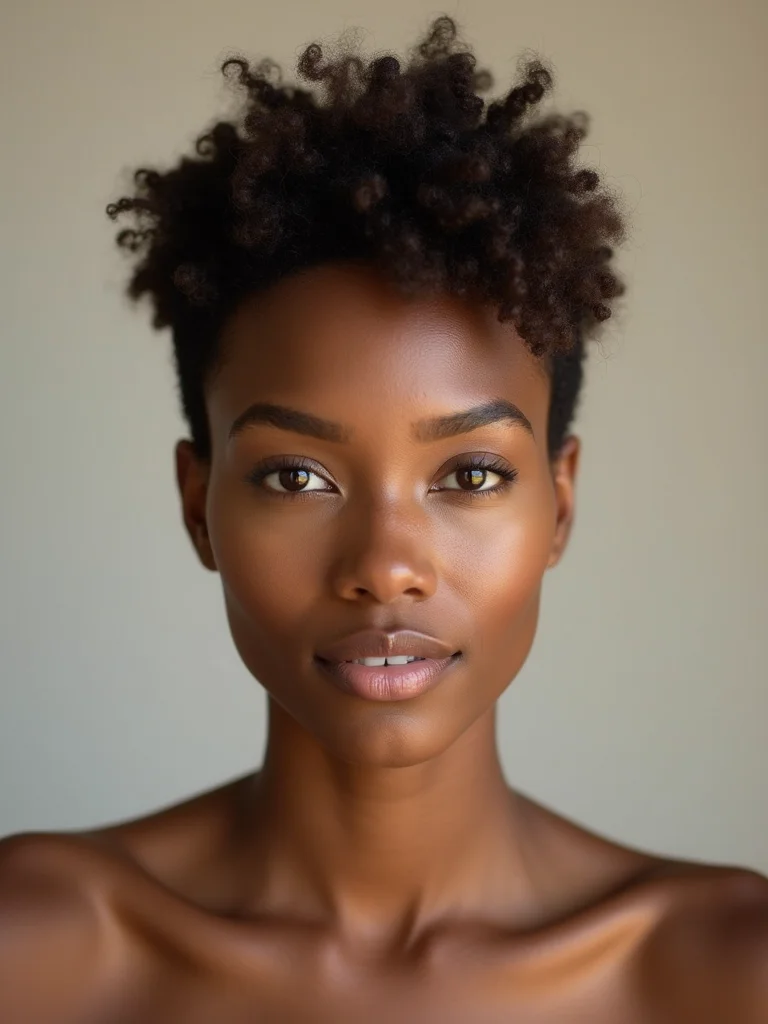
Flat hair has exactly one real fix, and it isn’t a product. It’s where the layers get cut. A shag builds height and body from the root down while its broken-up ends hand plain hair a personality it never had lying in one length, and that double payoff is the reason the cut keeps coming back decade after decade.
Below are fifteen shag haircuts across every length and texture, each chosen for how much volume and attitude it actually delivers, plus exactly how to style and maintain it once you’re home from the chair.
Shag Basics, Fast
- Volume comes from where the layers sit, not from how much length you keep. A long shag can build as much body as a short one.
- Grown-out layers are what kill the shape, so this cut asks for more upkeep attention than a blunt, one-length style.
- Curly and wavy hair needs the least styling effort; straight, one-length hair needs the most product to fake the same texture.
- Bangs, a longer back section, or heavily shattered ends are the dials for turning the attitude up or down.
The Classic Shag, Built for Lift
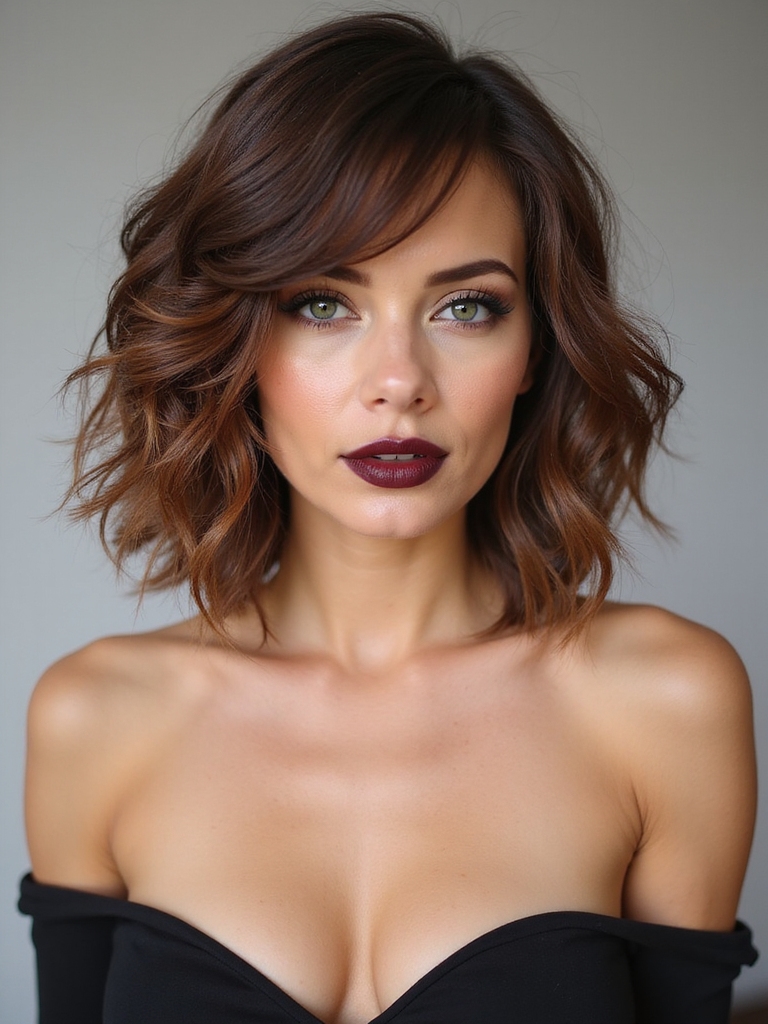
Every version on this list traces back to this one: soft, graduated layers stacked from the crown down, cut to lift the hair at the root and keep moving all the way to the ends. Nothing about it chases a trend, which is exactly why it’s still being cut fifty years on.
The layering does the work that products usually get blamed for skipping. A wash-and-go morning still looks full, because the shape itself builds the body. A light finishing spray on the ends holds the separation without weighing anything down.

A Modern Shag With Curtain Bangs
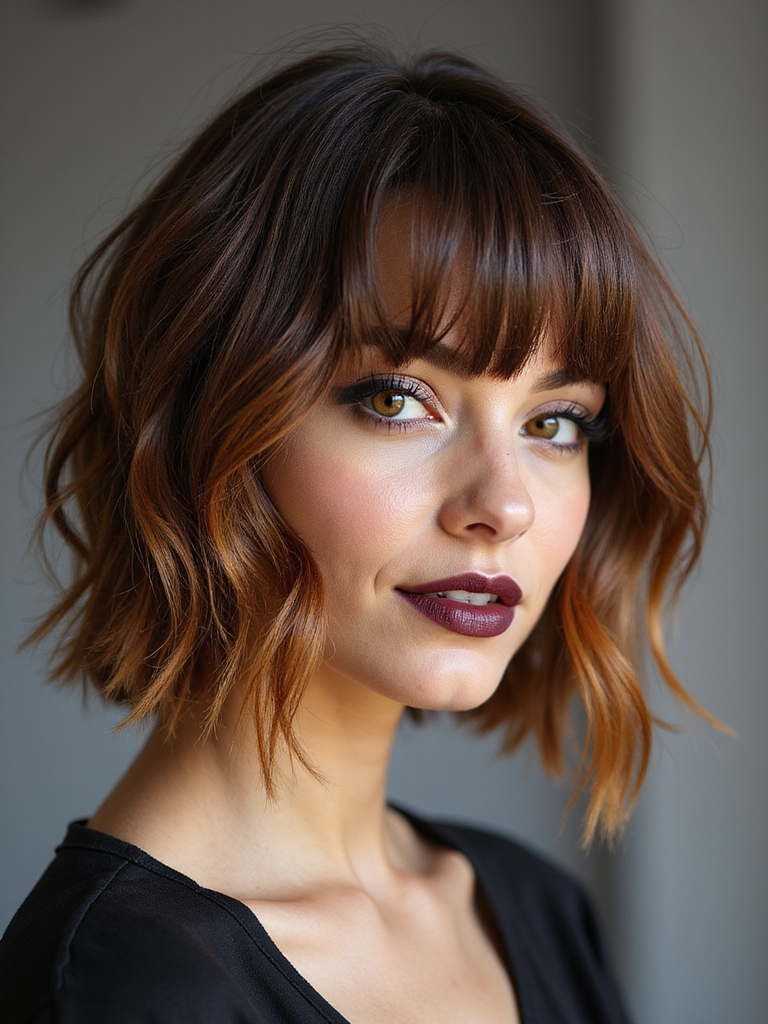
Add a soft, center-parted fringe to the layering and you get the version most people ask for by name. The bangs split naturally around the face and blend into the surrounding layers as they grow, so there’s no harsh line waiting to reappear a few weeks in. It’s forgiving in a way most fringes aren’t, which is probably why it has become the default request.
- Center-parted bangs melt into the layers around them
- Grows out gracefully into face-framing pieces
- Flatters nearly every face shape, which keeps it in constant demand
The basic shag routine, whatever length you land on:
1Flip and dry
Bend forward and rough-dry with just your hands, focused at the crown, before any brush touches it.
2Add texture while wet
Work a small amount of texturizing product through the lengths, focusing on the ends, before it dries.
3Finish, don’t restyle
A light spray or paste at the end separates pieces; avoid brushing it smooth once it’s already dry.
The Short Shag Pixie Hybrid
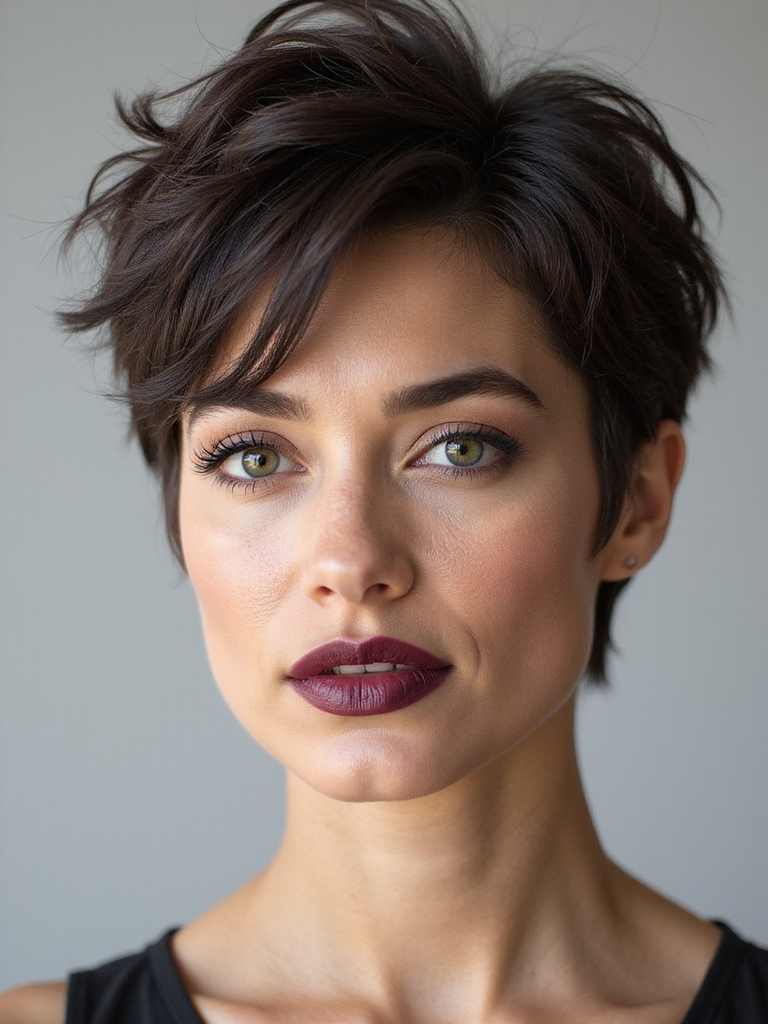
Crop the shag down to pixie length and the volume goes vertical. Choppy layers stack through the crown for real lift, while the sides and nape stay close, so the whole shape lands bold without tipping into severe.
Texture is what keeps a cut this short from feeling helmet-like. Clients with flat, fine hair are the ones I point toward this first, because the layering fakes a density that fine strands rarely manage on their own.
- Lift concentrates at the crown while the perimeter stays close
- Texture keeps a short cut from feeling stiff
- A strong pick for fine hair chasing real density
A Medium Shag With Face-Framing Pieces
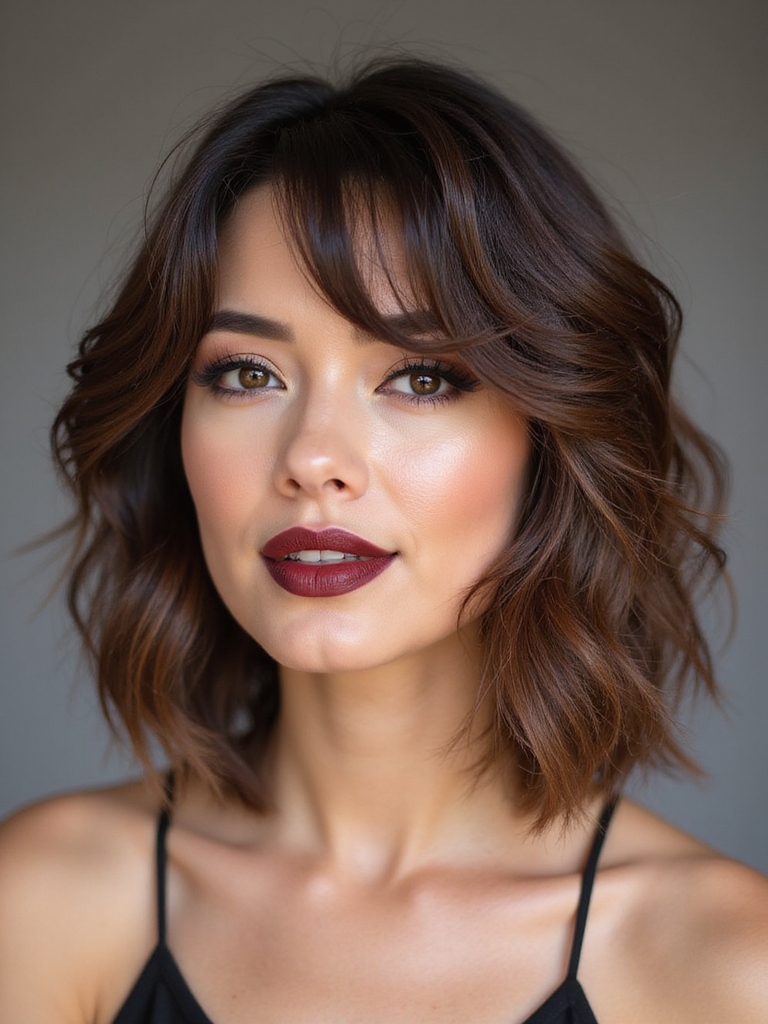
Landing somewhere between the collarbone and the shoulders, the medium shag is the length most first-time clients leave with. It carries enough layering for real body while staying long enough to still pull back on a bad-hair day.
The face-framing pieces do the personality work here: shorter lengths cut around the cheekbones and jaw that soften a strong angle or add width to a longer face.
Style it with a rough blow-dry, lifting at the roots with your fingertips, then break the ends apart with a little paste. It sits comfortably between low effort and full styling. That balance is exactly the point.
| Length | Best for | Trade-off |
|---|---|---|
| Short (pixie) | Fine or flat hair wanting maximum lift | Least length to work with if you change your mind |
| Medium (collarbone) | First-timers wanting body without full commitment | Needs the most consistent trims to hold its shape |
| Long | Anyone unwilling to lose length | Takes longer to reveal its full movement after cutting |
The Long Layered Shag
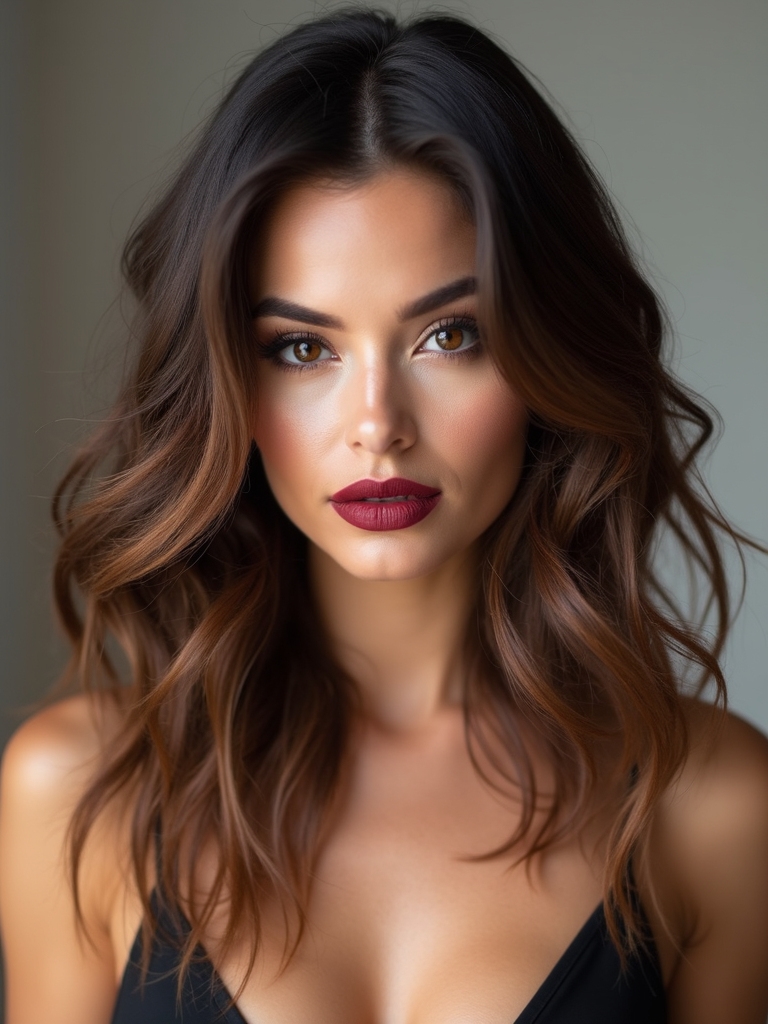
Real length and a shag get along better than most people expect. Feathered layers worked through the lengths keep the drama of long hair while adding movement it would otherwise lose hanging straight down, which is the whole appeal for anyone unwilling to give up inches. A diffuser or a loose air-dry brings the feathering to life without a single hot tool.
- Feathered layers add motion without sacrificing length
- Keeps the security blanket of long hair, minus the flatness
- Air-dries into shape faster than a one-length cut ever could
A Curly Shag for Defined Volume
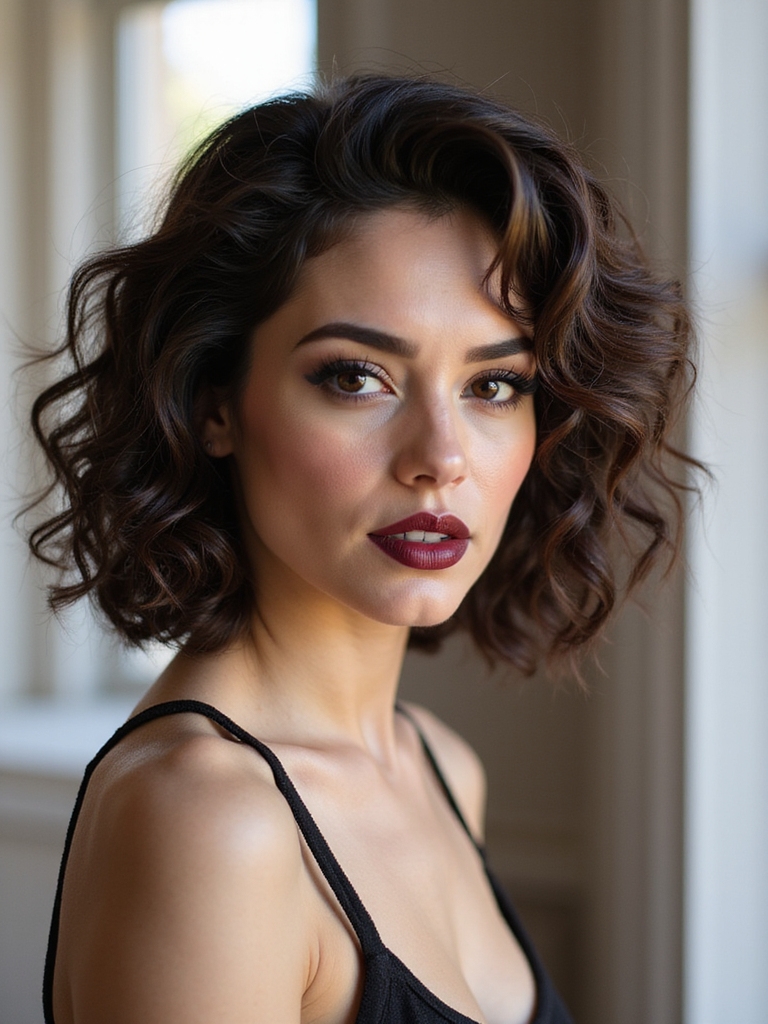
Curls and a shag suit each other naturally. The layering gives every coil room to spring into its full, rounded shape, room it never gets when its own length weighs it down.
Why It Has to Be Cut Dry
The detail that actually matters is booking someone willing to cut the curls dry, not stretched or flat-ironed. Wet curl clings and stretches, so a stylist working on soaked hair is guessing at where each coil will land once it springs back, and that guess is often off by a couple of inches.
A curl cream worked through damp hair and a diffuser on low build the bounce; sleeping on satin keeps the shape intact overnight.
“Not every stylist cuts curly or wavy hair dry, and for a shag it really does change the outcome. Ask directly before you book, and bring photos of the shape you want rather than just a length. A shag lives or dies on where the layers sit, not on the inches removed.”
The Wavy Shag, Tousled and Easy
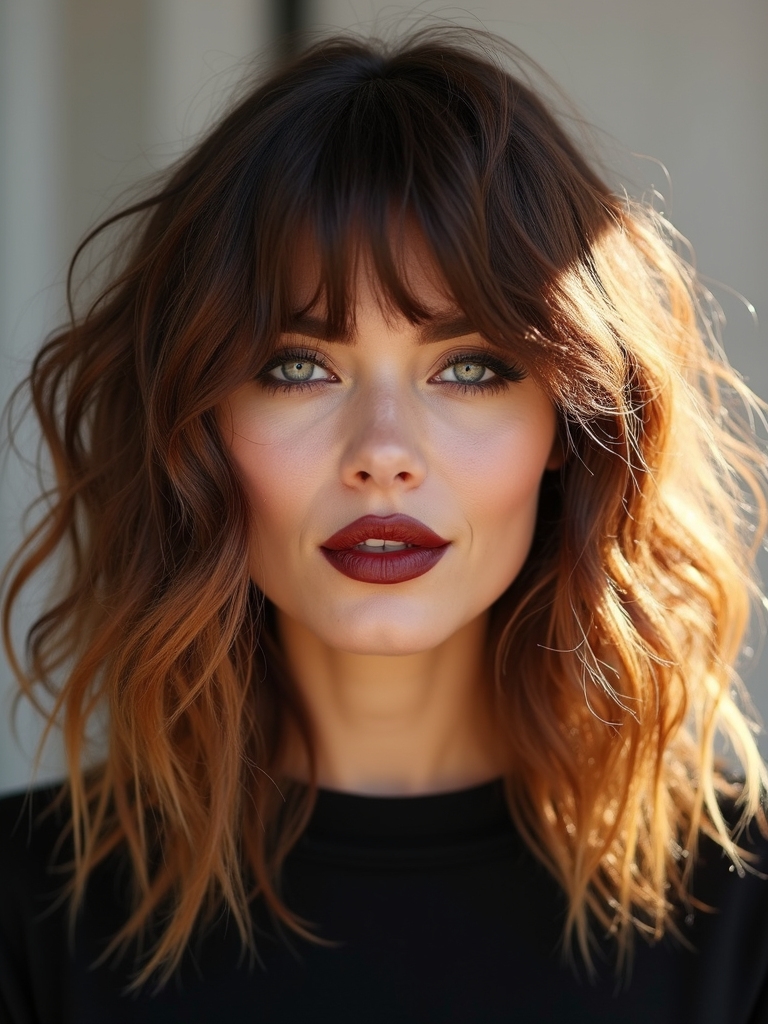
Wavy hair barely has to try with this cut, since the natural bend does half the styling; the choppy layers finish the rest. They break the waves into separated, tousled sections that fall with built-in body, and straight hair can borrow the same effect with a little salt spray and some scrunching.
- Natural wave breaks into full, separated pieces on its own
- Straight hair fakes the same texture with salt spray
- Gets easier to wear as the day stretches on
A Fine-Hair Shag for Lift
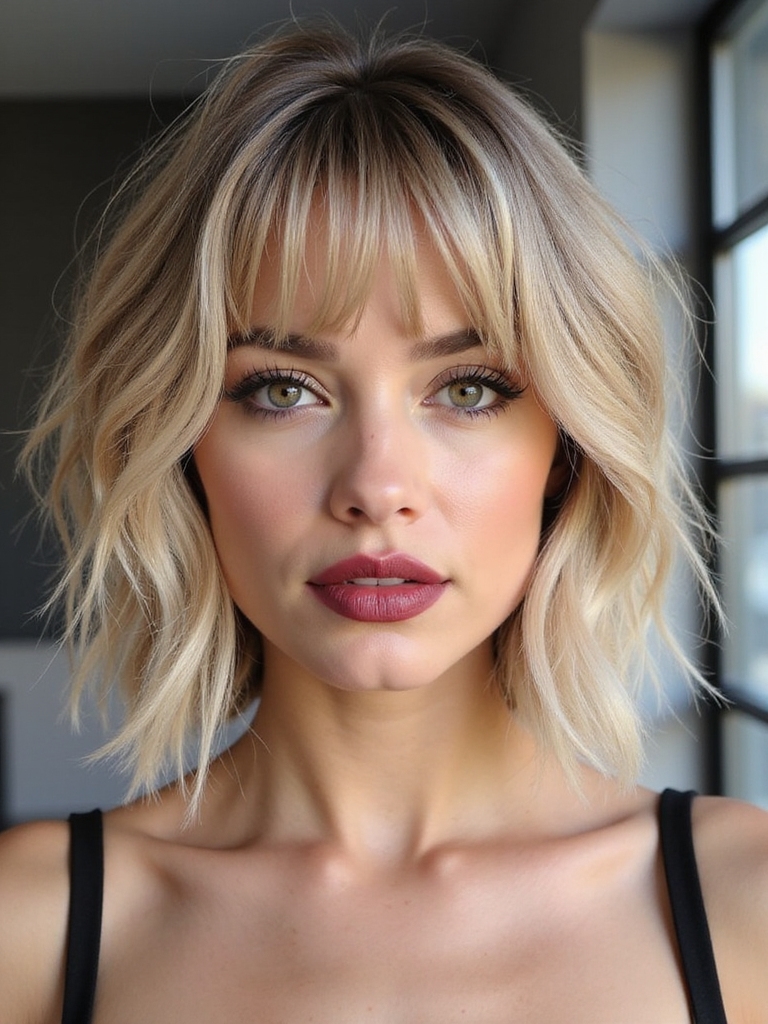
Fine hair gains more from a shag than almost any other texture does. Soft, feathered layers paired with a touch of root lift trick the eye into reading far more density than is actually there.
The Light-Hand Rule
Restraint is the skill here. Layers need to be placed carefully enough to build the illusion of fullness without thinning the ends past the point of looking healthy, so a light hand with point-cutting beats heavy razoring every time.
I’ve watched fine-haired clients walk in convinced they needed extensions, when the right shag did the whole job instead. Keep heavy oils off the lengths. On hair this fine, they flatten everything the cut just built.
A Thick-Hair Shag That Sheds Weight

Thick hair has the opposite problem, and this cut solves it by subtraction. Internal layers and careful thinning pull bulk out from underneath, so dense hair lifts off the head and finally starts to move. Where this struggles is when a stylist over-layers the crown. The real fix sits underneath, in the thinning. That’s the whole trick.
- Internal thinning removes bulk without shortening the visible length
- Weight comes out from underneath, invisible from the surface
- A small smoothing balm tames any frizz the thinning leaves behind
Not sure which version fits your hair? Start here.
1My hair is fine and falls flat by noon
Look at the short pixie hybrid or the fine-hair shag
2My hair is thick and heavy
The thick-hair shag or the wolf cut removes the bulk
3My hair is curly or very wavy
The curly shag lets the natural pattern do most of the work
4I want maximum drama
The shag mullet or micro bang version turns the volume up
A Shag With Micro Bangs
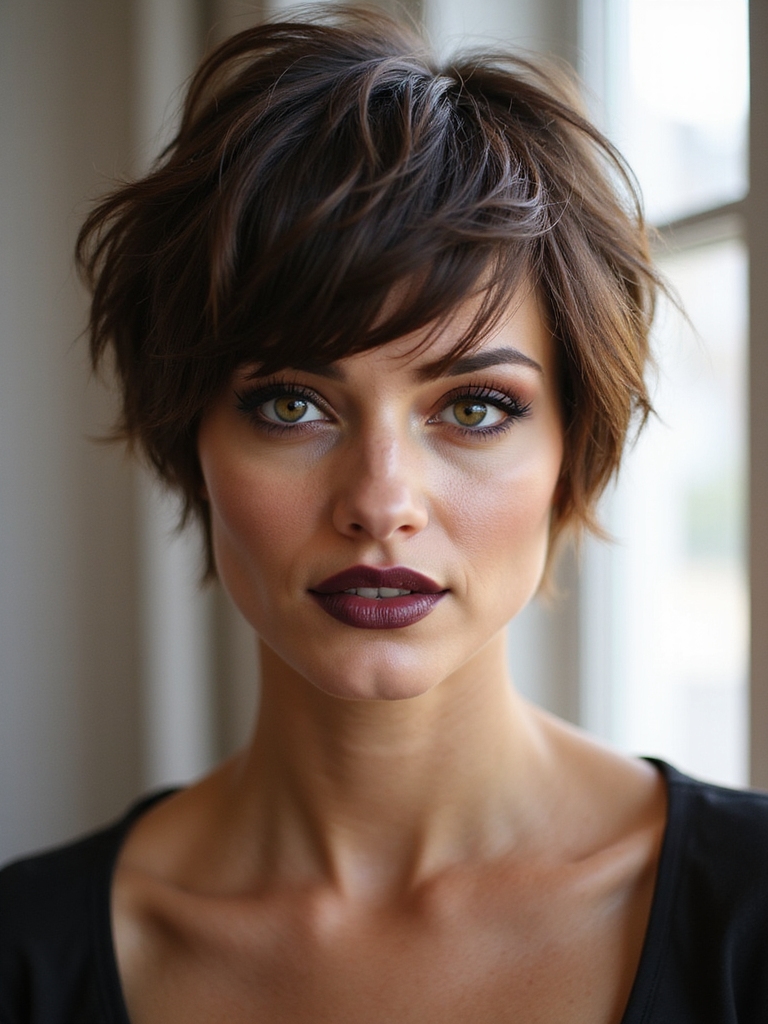
Want maximum personality from a single snip? Micro bangs sit high above the brow and turn a soft shag bold in an instant.
Worth the Commitment?
The short, blunt fringe lays a hard graphic line over the choppy layers underneath, and that contrast between sharp and shaggy is the entire appeal.
This is the highest-commitment look on the list. A grown-out morning leaves nowhere to hide, so it’s worth picturing yourself eight weeks past the cut before you commit. Styling stays simple once it’s grown in: a little pomade smoothed across keeps the line crisp.
The Shag Mullet, Bold and Tapered
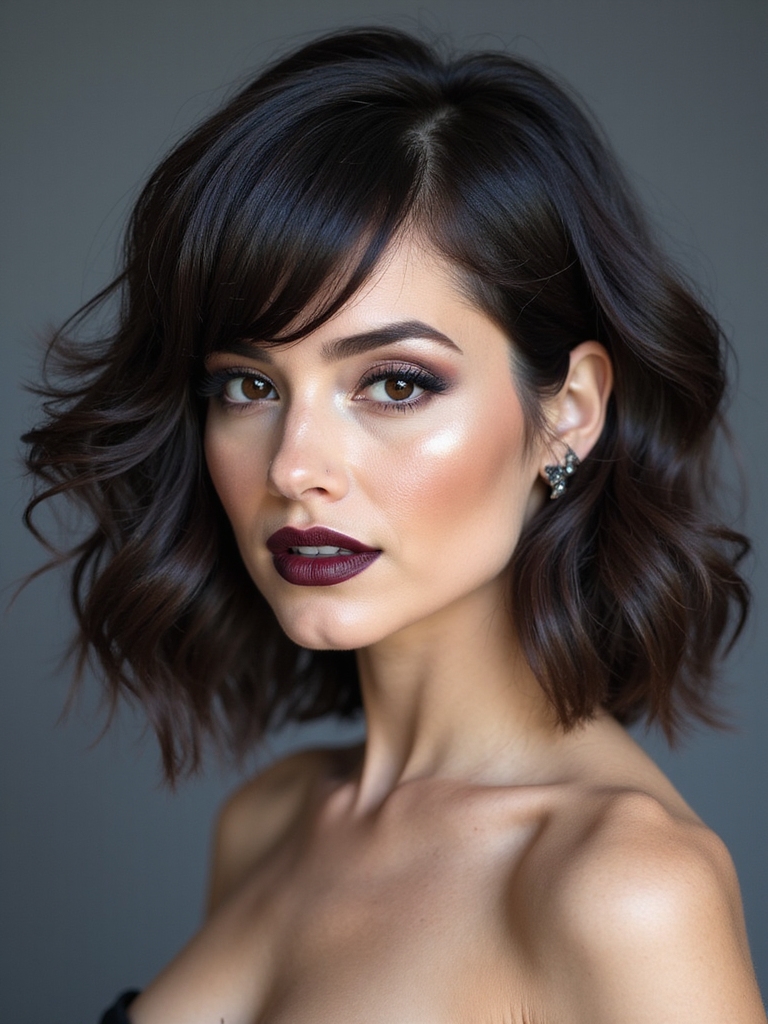
The shag mullet leans all the way into shape: a short, stacked crown and sides for height, a longer back for that unmistakable silhouette, all of it broken up with the same choppy texture that defines every other look here.
Keeping the Mullet Modern
A tapered transition from the short top to the longer back is what separates a current mullet from a costume one. Done with soft, graduated layers, the change in length looks fully intentional.
It’s the boldest volume play in this roundup, serious height up top with real movement trailing behind it. A texture paste smoothed through the ends finishes the look.
The Wolf Cut Shag
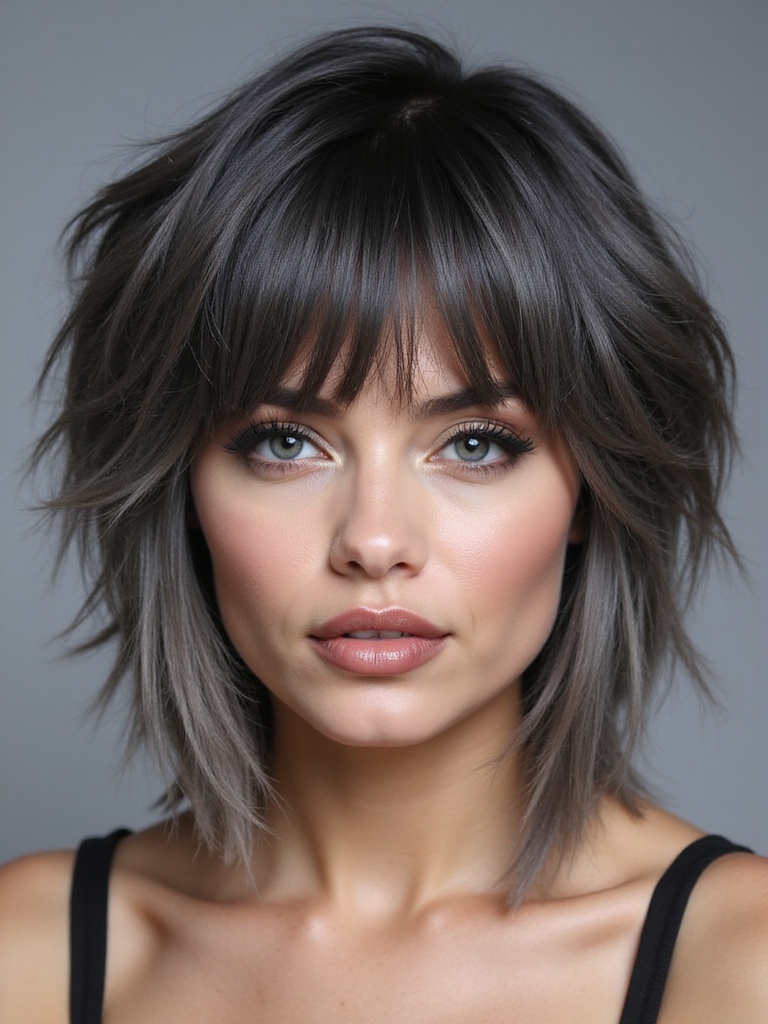
Take the shag and push it as loud as it goes and you land on the wolf cut, which blends shag and mullet influences into heavy, disconnected layering.
Maximum Texture and Edge
The result reads bold and deliberately undone: a spiky, top-heavy crown paired with longer, shredded ends. What keeps it from tipping into messy is a tousled finish that holds the heavy layering together as one shape.
A matte paste roughs up the crown while a light texture spray defines the ends. See our wolf cut guide for the full breakdown of the shape.
A Razor-Cut Shag for Soft Movement
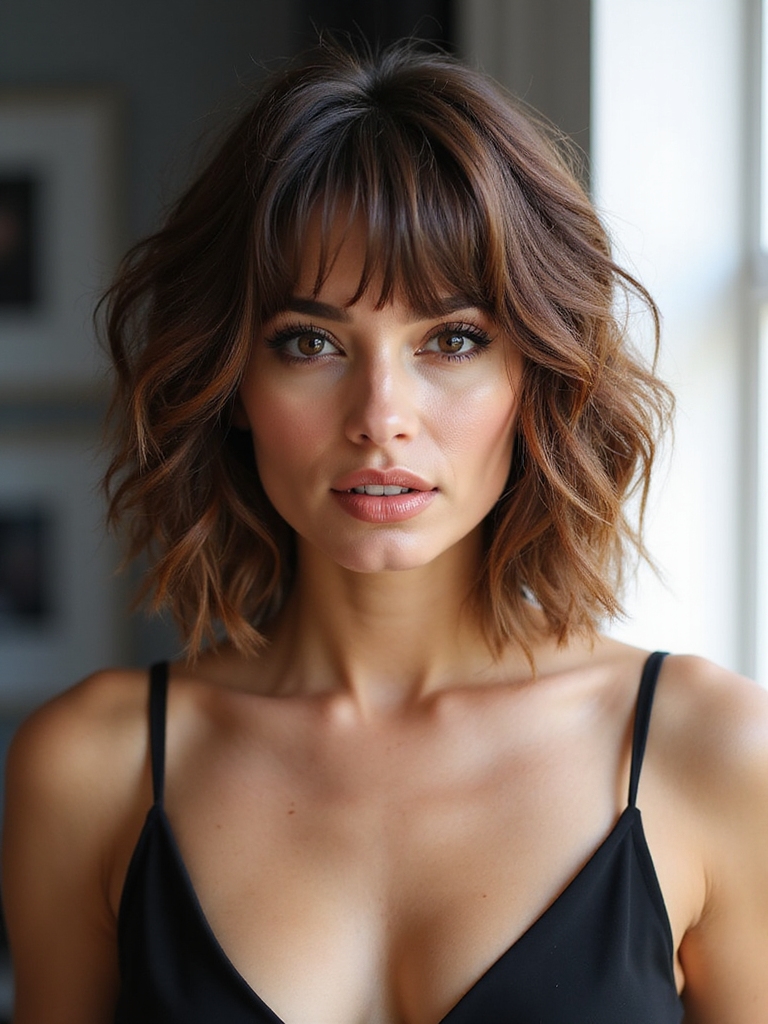
A razor in skilled hands gives a shag its softest, most piecey movement. The blade tapers each section to a fine point, so the ends feather and separate until the cut looks like it holds more pieces than it really does. That flatters fine and medium hair chasing extra motion. Save the razor for straight-to-wavy textures, since a blade can rough up very dry or coily ends more than it helps them.
- Feathers the ends into soft, separated points
- Best suited to straight and wavy textures
- A quick mist of texturizing spray is usually all it needs to finish
A Shattered-End Shag
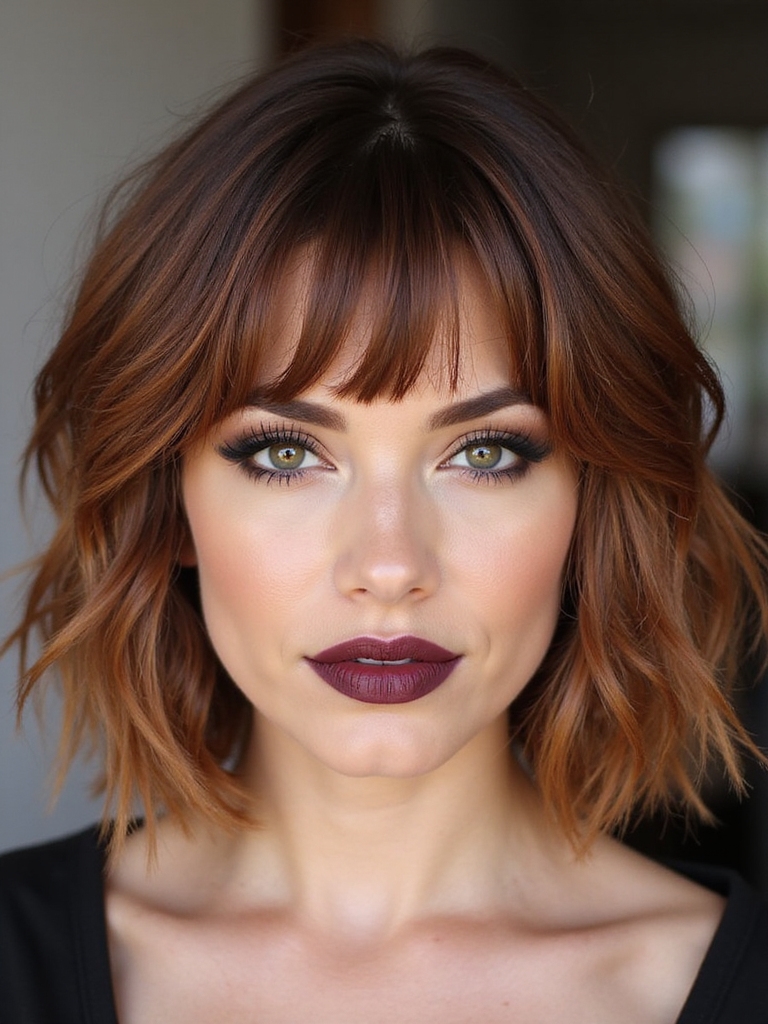
Shattered ends push point-cutting to its extreme, chipping the perimeter into a broken, spiky finish where a clean line would normally sit.
The payoff is maximum texture right where most cuts go blunt and heavy: at the very bottom. Those chipped tips stay light and full of motion, and they’re surprisingly good at hiding split or thinning ends.
It rewards medium to thick hair that can carry the broken texture and still look fully intentional. A drop of lightweight oil on just the ends keeps the shattered tips from looking dry.
The Low-Maintenance Shag
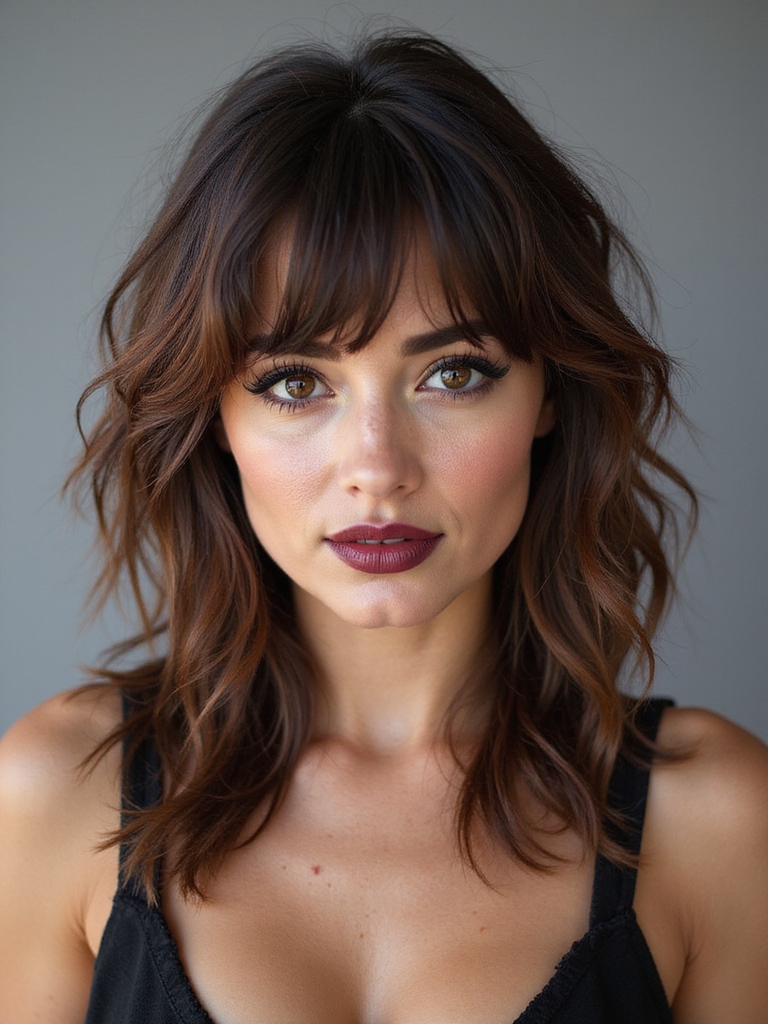
Not every shag needs to be a project. This version cuts the layers a touch longer and softer so they forgive a delayed trim and grow out slowly, holding their shape far longer than a blunt cut would.
It’s built for the wash-and-go crowd: a little product smoothed into damp hair, then a short air-dry finishes the job. A messy day only adds character here. Of everything on this list, it stretches furthest between salon visits.
Styling Tips
Most of what makes a shag look freshly cut comes down to how it dries. Drying it rough, root-first, with nothing but your hands, is what keeps the layers separated and visible. A brush just smooths all of that back out.
Product goes on while the hair is still damp, when it actually absorbs. A small amount worked from mid-length to ends before it fully dries locks the texture in place; add more once it’s already dry and the layers just go heavy.
Budget for a shape-up appointment roughly every six weeks too. It’s a quick 30-to-45-minute visit, really the only maintenance a shag asks for, typically $45 to $70 depending on length. Skip too many of those and the layers blur into a shapeless grow-out.
Fifty Years of Volume, Still Not Done
Trend cycles come and go, but the shag never really leaves for long. Few cuts add this much lift and personality in a single visit. Whatever your length or texture, there’s a version here built to lift flat hair or give plain hair some attitude, from a soft classic to a bold mullet to a barely-there low-maintenance take.
So which one actually fits the hair you’ve been fighting with: the easy everyday shag, or the bold cut you keep talking yourself out of?
Keep Reading