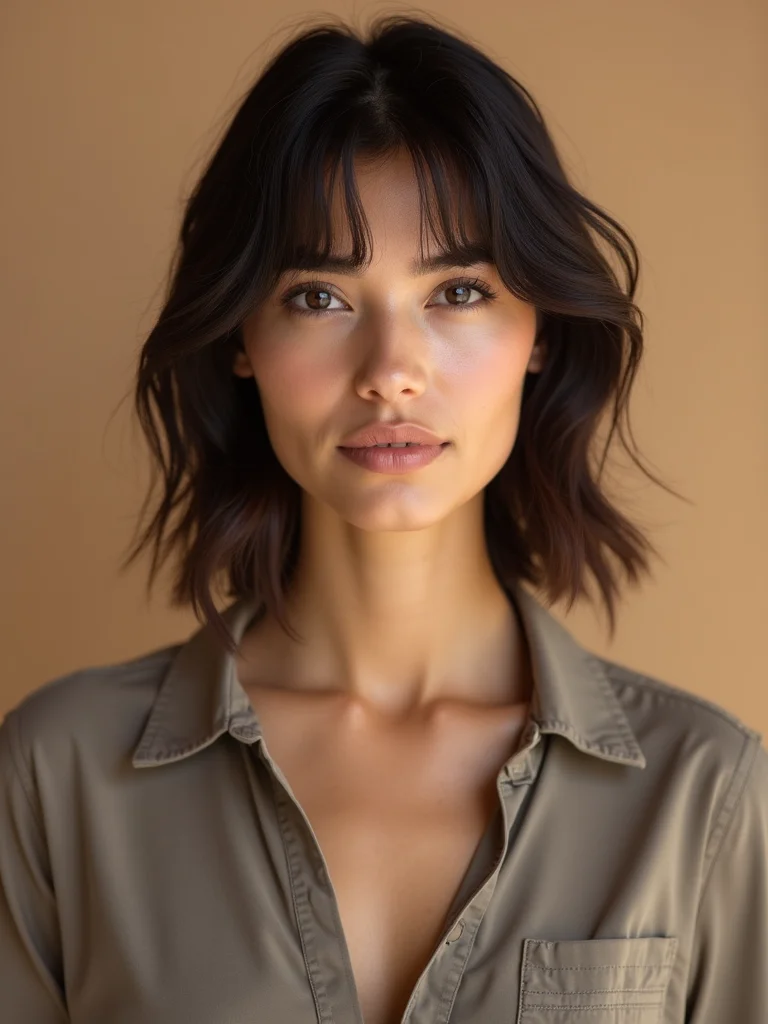
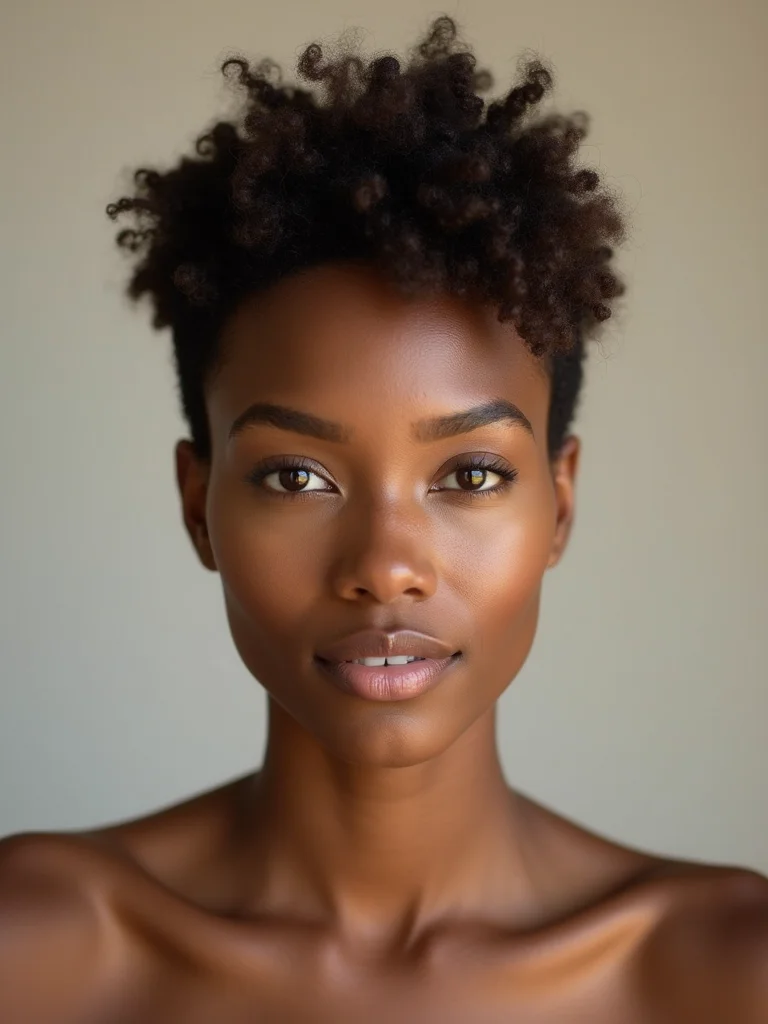
Most haircuts ask you to pick a side: edgy or soft, big volume or low effort, statement or wearable. The wolf cut refuses to choose. It fuses shaggy texture with face-framing polish, so the same cut can look rocker on Saturday and boardroom-ready on Monday. That range is why it has stuck around long past its viral moment.
What makes it work for so many women is how much it adapts. Fine, thick, wavy, straight, curly, short, or long, each gets a slightly different version while the shape stays recognizable. Here are fifteen takes, sorted by hair type and length, with styling and honest upkeep for each.
Find Your Match
| Hair type or length | Best wolf version | Styling base |
|---|---|---|
| Fine hair | Soft, subtle layers | Light mousse, low diffuse |
| Thick hair | Debulked textured layers | Salt spray, rough-dry |
| Curly or coily | Sculpted crown layers | Curl cream, diffuser |
| Straight hair | Sleek layered wolf | Heat protectant, round brush |
Classic Shaggy Wolf Cut With Face-Framing Layers

The classic shaggy wolf is the version most people picture first, and it is the best place to start. It pairs airy crown volume with soft, face-framing layers that skim the cheekbones, so you get swing and built-in edge without much fuss. Ask your stylist for textured, razored ends and a slightly shorter, shattered fringe.
I style mine with a lightweight mousse, a diffuser, and a quick bend of the flat iron for piecey separation. It is the cut I recommend when a woman wants real change but feels nervous about committing. Start here, then go bolder later.
- Best on medium-density wavy or straight hair that holds texture
- Ask for shattered, razored ends so the layers move
- Trim it roughly every two months so the fringe and shape stay crisp
Soft, Airy Layered Wolf Cut for Fine Hair
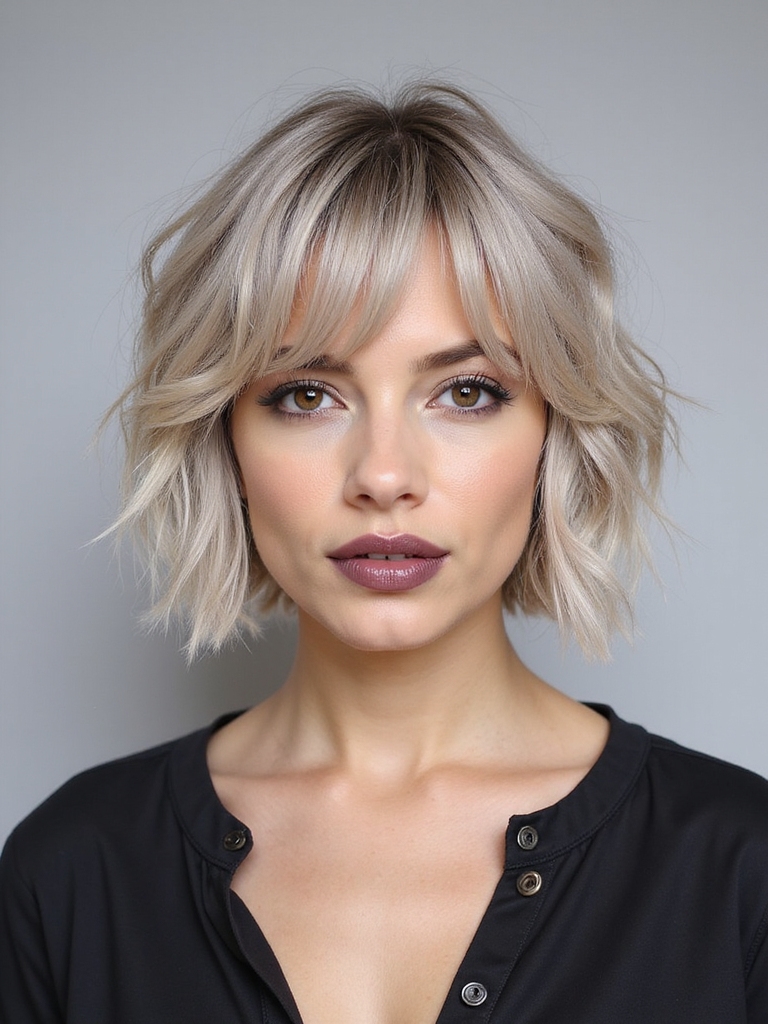
Fine hair is often told to skip the wolf cut, and that is backwards. The soft version flatters fine hair by leaning on airy layers and feather-light texture, with the thinning kept to a minimum. I ask for gentle crown lift, micro-texturizing at the ends, and barely any removal at the perimeter so you keep your fullness.
This is the cut I talk more fine-haired women into than any other. Style it with a light mousse, dry on low, and set it with a quick mist of flexible hairspray. The hair keeps its density and finally moves.
- Keep perimeter weight to protect fullness on fine hair
- Skip heavy oils that flatten the roots
- A soft wolf cut suits fine hair better than a blunt bob that falls flat
Not sure which version is yours? Start with your hair.
1If your hair is fine and falls flat
Go subtle: gentle crown lift and minimal thinning to keep fullness.
2If your hair is thick and heavy
Go textured: carved internal layers and shaggy ends to release weight.
3If your curls shrink a lot
Go sculpted: a dry cut with layers that stack the coils.
Tousled Wolf Cut With Curtain Bangs

The fastest way to modernize a wolf cut is to add breezy curtain bangs. The tousled layers frame the eyes and soften the cheekbones while the split fringe sweeps toward each cheek. It is the most-requested combination I cut, and for good reason.
Style it with a salt spray, diffuse, then pinch the ends with a lightweight cream. The bangs air-dry into a soft swoop if you twist them away from your face while damp.
Balance a high forehead with a fuller fringe, or open a round face with a wispier one. Pair it with a wolf cut for short hair if you want the bangs to do more of the framing.
Debulked, Tousled Texture for Thick Hair

Thick hair gets the most dramatic wolf cut of anyone, but only if it is debulked correctly. I cut strategic internal weight lines to release the weight while the richness stays, so you get tousled volume that moves rather than a heavy triangle. I see thick-haired clients fight their density for years before a good wolf cut finally lets it swing.
- Ask for carved internal layers, not surface thinning that frizzes
- Shape shaggy, face-framing ends to soften the jaw
- Book a shape-up about every eight weeks, since thick hair regains bulk fast
The wolf cut earns its keep because it is really one shape with a dozen settings. Change the layering and the bangs, and it becomes a different haircut for a different woman.
Wavy Wolf Cut With Long Layers
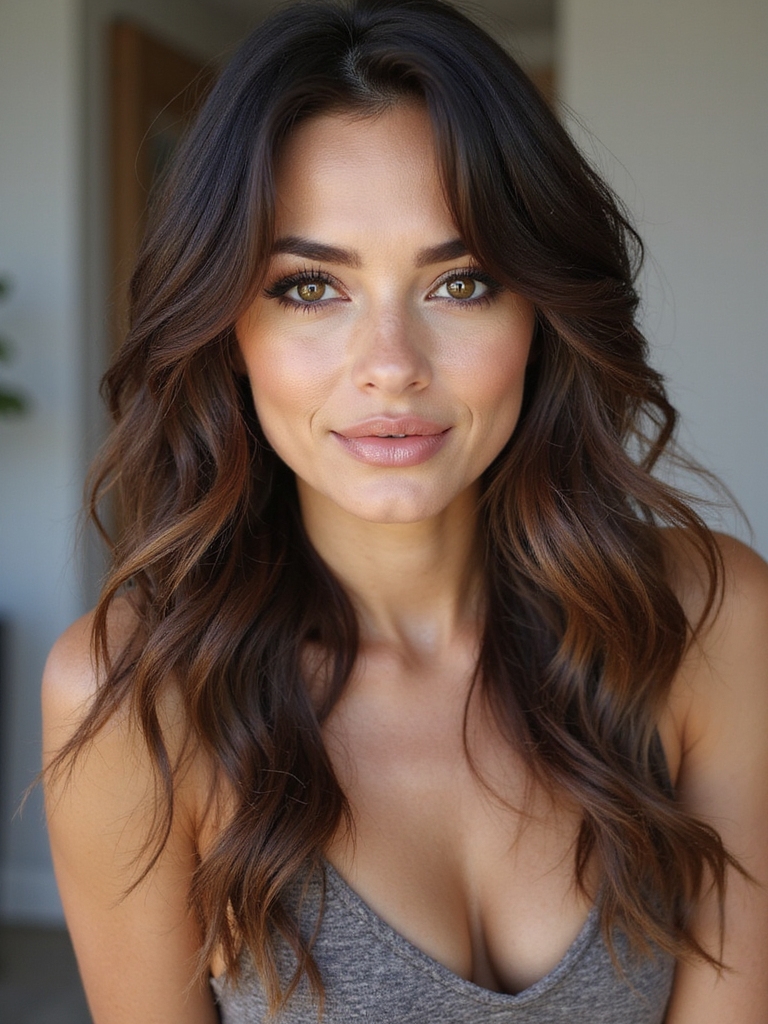
A wavy wolf cut with long layers softens the edge while it keeps the movement that makes the shape iconic. Long, feathered tiers disperse weight, boost bounce, and flatter the cheekbones, so wavy hair looks fuller and lighter at once.
Have your stylist build internal layering and texture the ends. At home, work a mousse through damp lengths, dry on low with a diffuser, and finish with a touch of flexible spray. It takes five minutes.
This is the gentlest way into the trend for long-haired women who do not want to lose length. A long wolf cut keeps the layers internal so your length stays intact.
Sculpted Volume for Natural Curls and Coils

Curls and coils get their own architecture. I use sculpted, strategic layers to release natural volume and shape, placing crown and face-framing layers so the curls stack, spring, and stay balanced. The cut is always read dry, because shrinkage decides where every layer lands.
Style it by diffusing with a curl cream and a light gel, then leaving it alone to set. On coily 4a to 4c hair, keep the perimeter dense for shape and ask your stylist to keep tension light around the edges. A curly wolf cut rewards smart trims that protect definition week to week.
The objection I hear most before a first wolf cut.
❌ Myth: Myth: you need thick hair to pull it off
✅ Reality: Fact: fine hair wears a soft version beautifully with light layers and crown lift.
❌ Myth: Myth: it is high maintenance
✅ Reality: Fact: cut for your texture, most versions air-dry into shape with a quick scrunch.
Short Wolf Cut With Cropped Layers
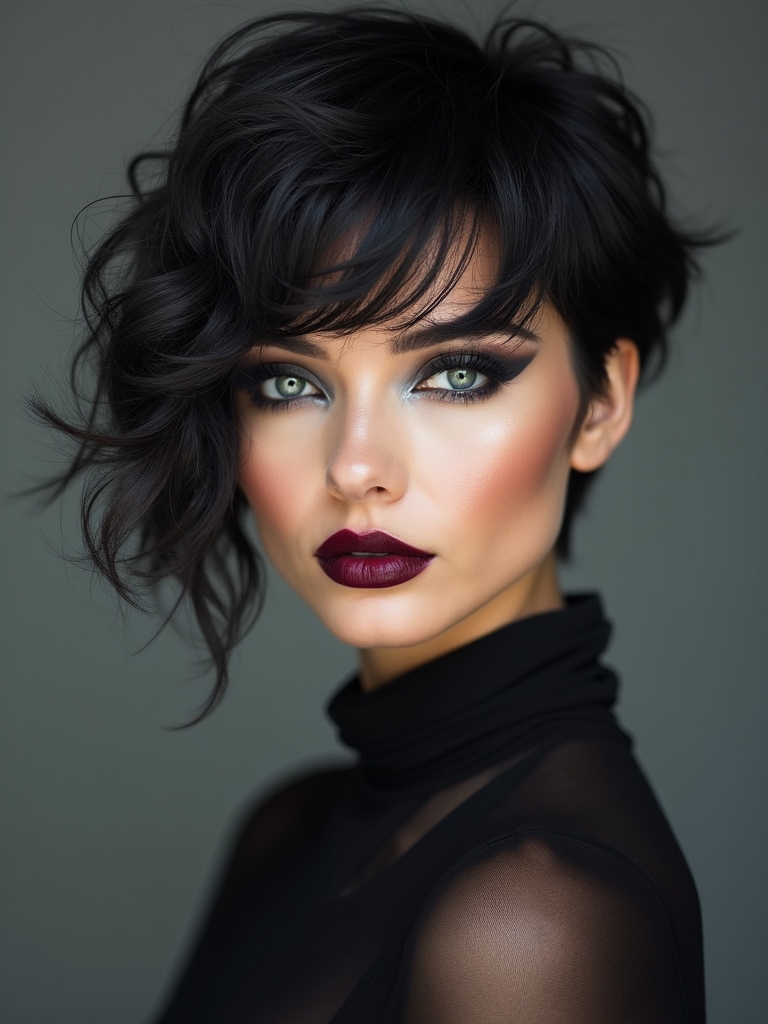
A short wolf cut with cropped layers delivers that tousled edge with the least styling time on the list. The choppy crown builds lift while the tighter ends keep it sharp and modern, so short hair reads intentional rather than grown-out.
Mist sea-salt spray, scrunch, then diffuse, or air-dry for grit. Ask for internal texturizing and book a shape-up every six to eight weeks. It is the busiest-schedule cut here.
Medium Wolf Cut With Feathered Ends
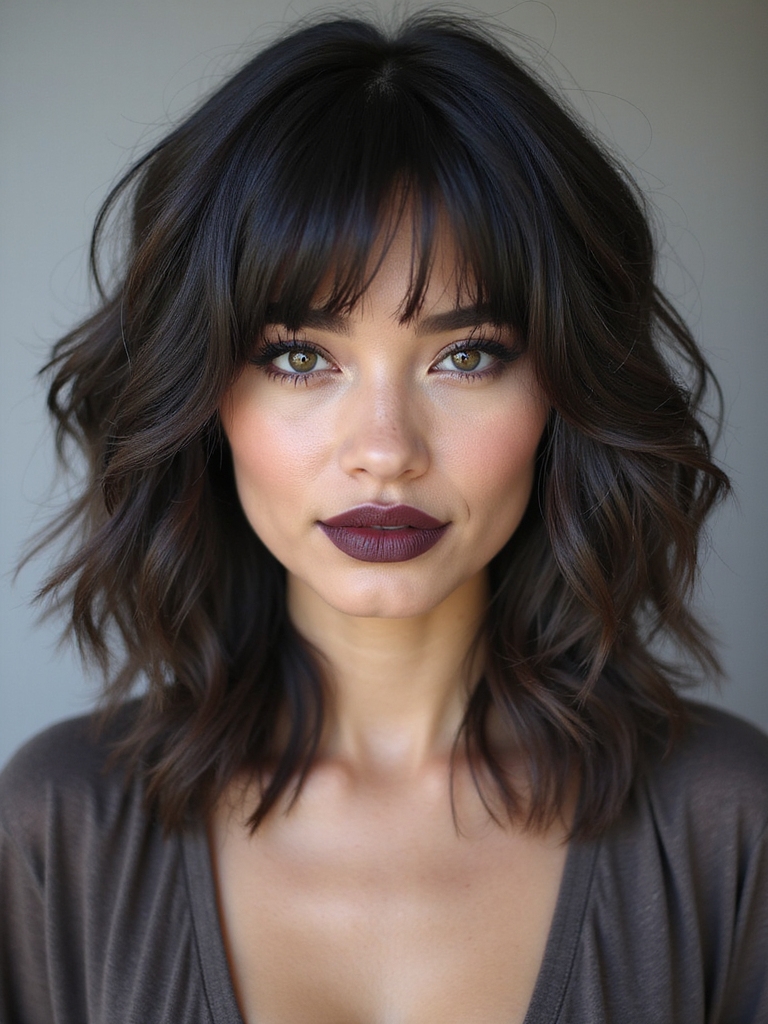
Medium length is the sweet spot for a lot of women, and feathered ends give it airy, face-framing movement without losing attitude. Soft razored layers lift the crown and float through the mid-lengths, so the cut swings when you move.
Have your stylist add interior thinning and feathered tips. Style it with a round brush, a light mousse, and a flexible spray for swishy volume. A medium wolf cut is the easiest length to wear both up and down.
The fringe decision that changes the whole mood.
🎯Curtain bangs
Soft and face-framing; they flatter most face shapes and grow out easily.
🎯Micro bangs
Bold and graphic; best with strong features and a higher upkeep tolerance.
Long Wolf Cut With Piecey Dimension
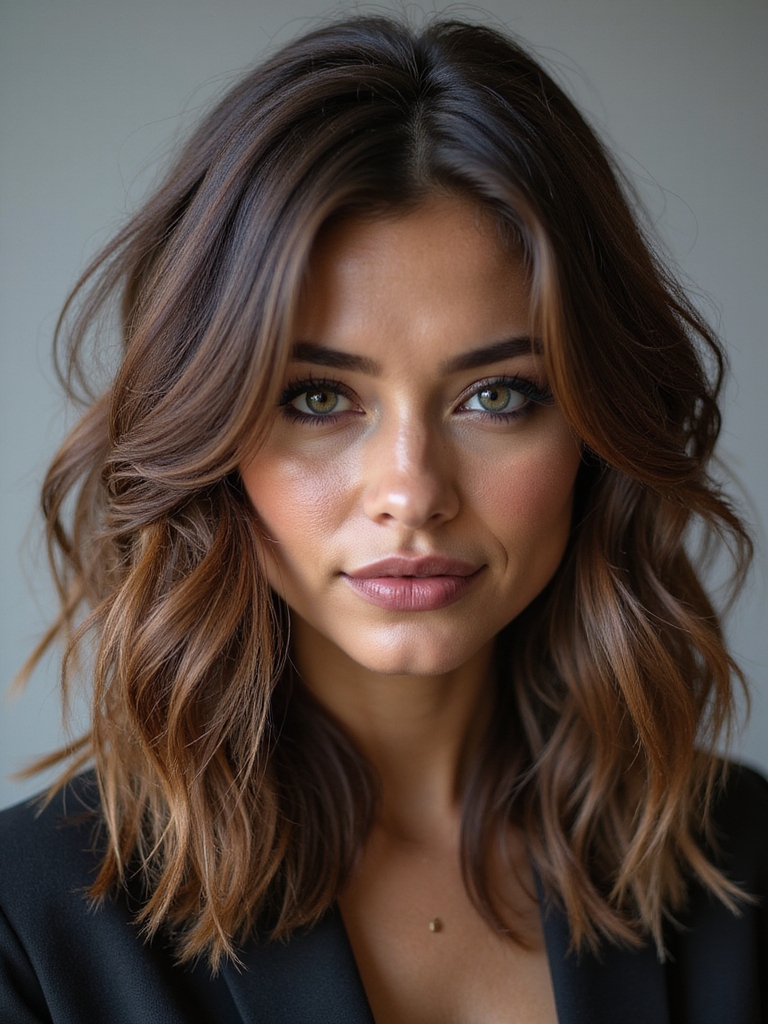
A long wolf cut balances layered length with soft, piecey texture, so your hair looks full and airy without sacrificing the length you have grown. I recommend long, blended layers and face-framing bits that hold weight where you want it while the ends shatter for movement.
Style it low-effort. Scrunch in a mousse or salt spray, rough-dry with your hands, then pinch the tips with a pea of texture cream.
- Keep the layers long and blended so the length still reads
- Add face-framing pieces around the jaw for shape
- Rough-dry upside down for body, then define the tips only
Wolf Cut With Micro Bangs for Bold Edge
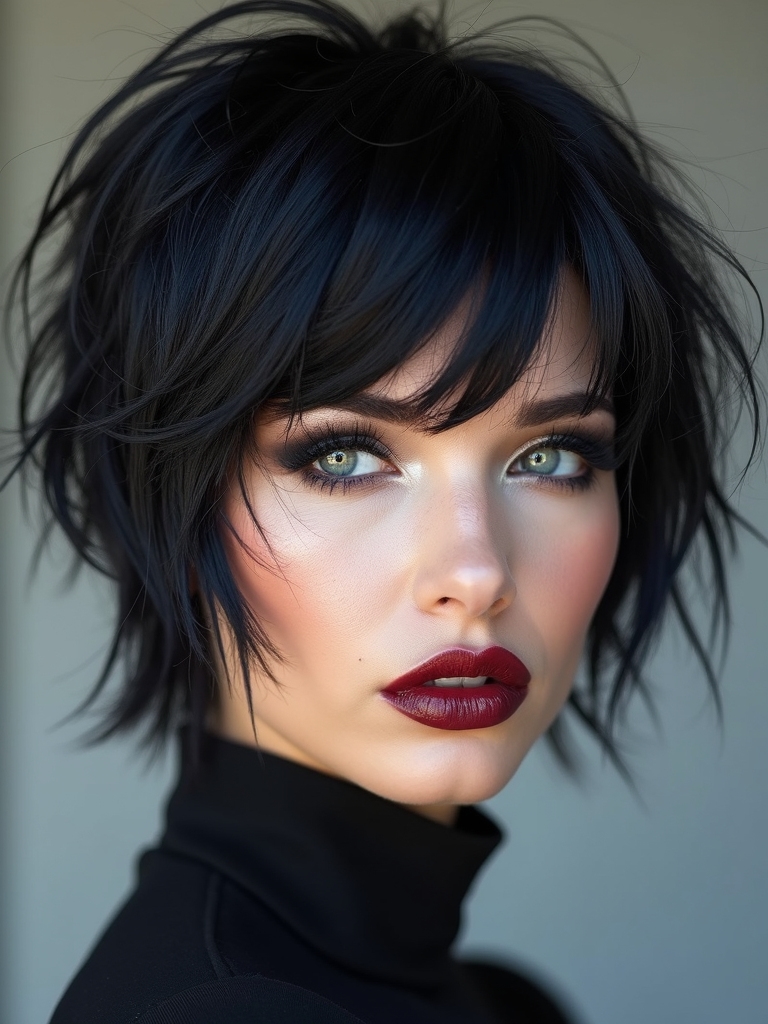
When you want the boldest version, micro bangs sharpen a shaggy wolf into a statement. The short, blunt fringe at mid-forehead plays against the soft, textured length for a graphic contrast that photographs hard. It is not subtle.
Are micro bangs worth the upkeep?
This one suits strong features and confident wearers. Ask for a cropped fringe and keep the rest shaggy so the bangs stay the focal point. Style the fringe flat and the length tousled.
Micro bangs are high commitment, since they grow out slowly and want a trim every two to three weeks. Be sure before you sit down, because there is no quick reversal once they are cut.
Tousled, Low-Maintenance Layers for Busy Mornings
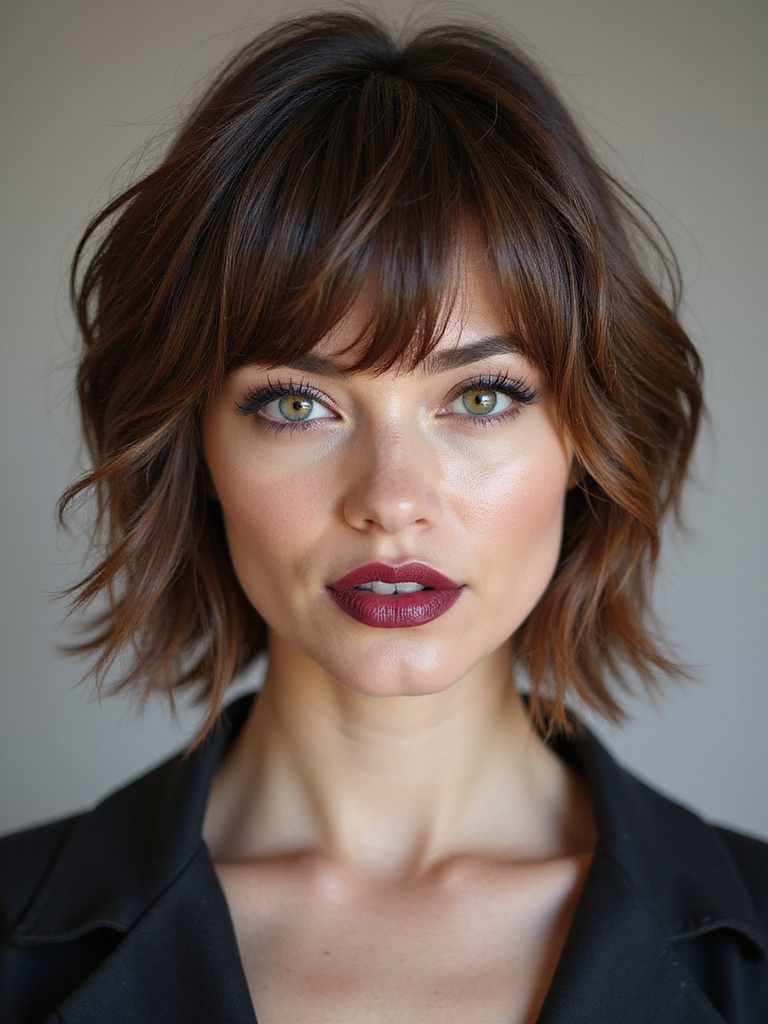
Some mornings there is no time, and this version is built for them. Airy, tousled layers and a forgiving shape mean your texture does the work, so a quick scrunch and you are out the door. What I tell every busy client is to let a little imperfection pass as movement.
- Scrunch a curl cream or salt spray into damp hair and go
- Refresh day-two roots with dry shampoo for instant lift
- Sleep on a satin pillowcase to wake up with the shape intact
Wolf Cut With Crown Volume and Lift

If your hair falls flat, a wolf cut built for crown volume changes your whole profile. Light, airy layers stacked through the crown create height, and the lift starts at the roots with a targeted spritz and a quick blast from the nozzle.
Over-direct the top sections and roll them off a round brush, then clip them up to cool so the height sets. The crown is the one place worth chasing volume on most hair.
This suits round and heart faces especially well, since the added height lengthens the face. Keep it going with a root-lifter and a light hand on conditioner near the scalp.
Sleek Wolf Cut for Straight Hair

Straight hair can absolutely wear a wolf cut; it just leans sleek. The layers give it movement while a smooth finish keeps it polished, so the shape reads modern on pin-straight hair.
Use a heat protectant, a gloss serum, and a round-brush pass to bevel the ends and bangs under. A straight-hair wolf cut shows every line, so precision in the cut matters more here than it does on textured hair, where the wave forgives a slightly uneven layer or two.
Color-Enhanced Wolf Cut With Highlights
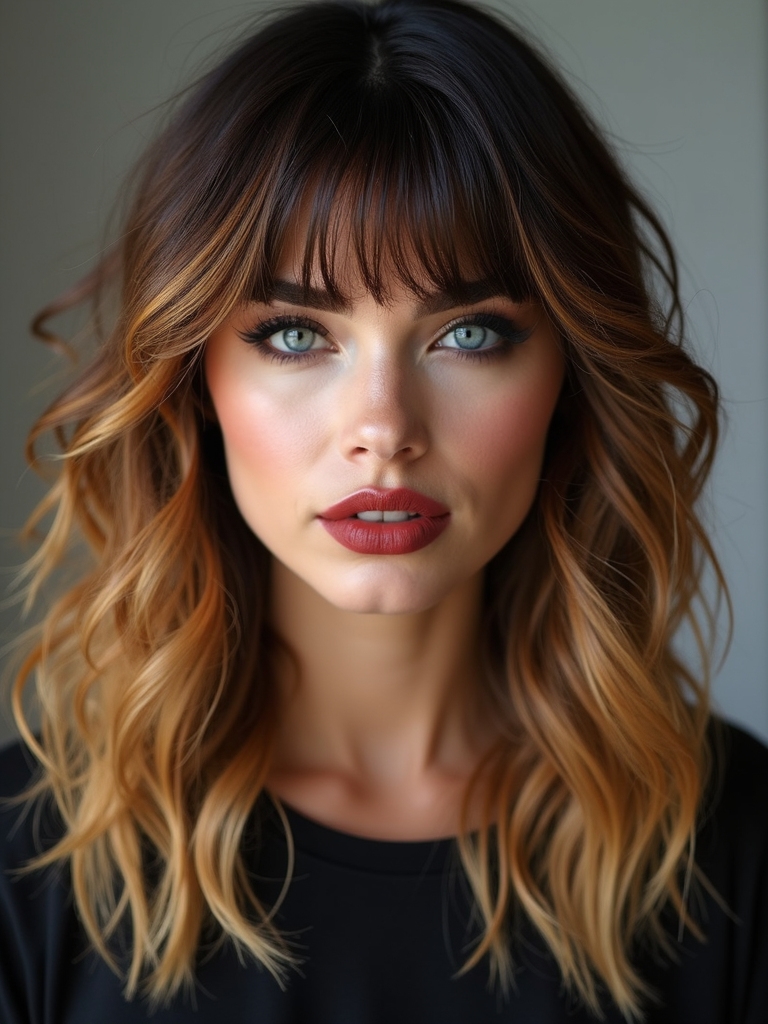
Color is the upgrade that makes the shape look custom. Bright, face-framing highlights along the crown and front layers catch the light every time the hair moves, and a shadow root keeps the grow-out soft.
Placing highlights for the most movement
The texture of a wolf cut hides regrowth well, so you can stretch color appointments longer than you would with a blunt cut. Think honey, caramel, or a soft copper, matched to your undertone.
Highlights add roughly $120 to $250 on top of the cut. Ask for a bond-building treatment if you are lifting more than a couple of shades.
Air-Dry Friendly Wolf Cut Styling

The best part of a good wolf cut is that it air-dries into shape, no heat required. Set it while it is wet, leave it alone, and the layers fall where they were cut. This is the routine I give clients who are trying to give their hair a break from the dryer and the iron after a long stretch of daily heat.
- Apply product to soaking-wet hair, then scrunch and twist the face pieces back
- Clip the roots for height and let it dry completely before touching
- Fluff at the roots once dry, and never rake through the set
Wolf Cut Questions Women Ask
?Will a wolf cut suit fine hair?
Yes, as long as your stylist keeps the thinning light and builds lift at the crown rather than removing weight at the perimeter. Fine hair wears the soft version well and gains movement while it keeps its fullness.
?How often does a wolf cut need trimming?
Short and cropped versions want a shape-up around every two months, while longer layered versions can stretch to 12 weeks. Micro bangs, if you have them, need a quick trim every two to three weeks.
?Is a wolf cut hard to style day to day?
For most textures it is one of the easier cuts to live with, since it air-dries into shape. A scrunch of mousse or salt spray and a low diffuse is enough on busy mornings.
One Cut, Fifteen Ways to Wear It
The reason the wolf cut works for so many women is that it is less a single haircut than a flexible shape. Fine hair gets soft lift, thick hair gets debulked movement, curls get sculpted layers, and straight hair gets sleek polish. The silhouette stays recognizable while everything else bends to your texture, your length, and your morning routine.
Find the version that matches your hair and your schedule, save the photo, and bring your stylist specifics: your texture, your styling time, and how much length you want to keep. That conversation is what turns a trendy cut into one that fits your life.
Browse More Looks