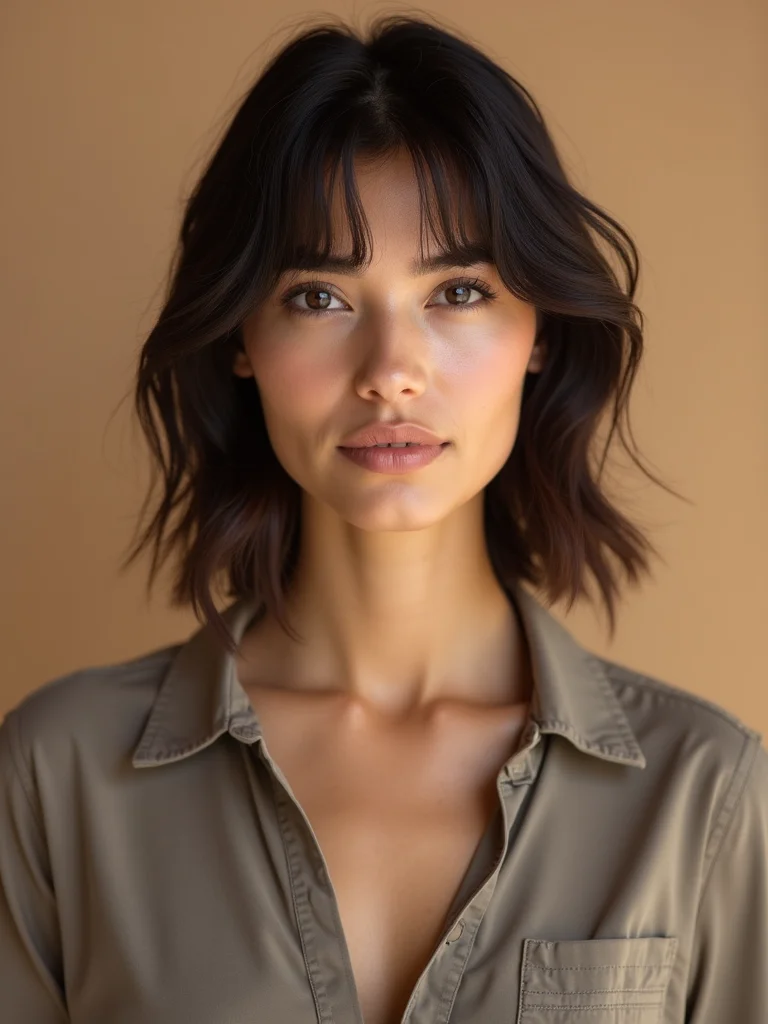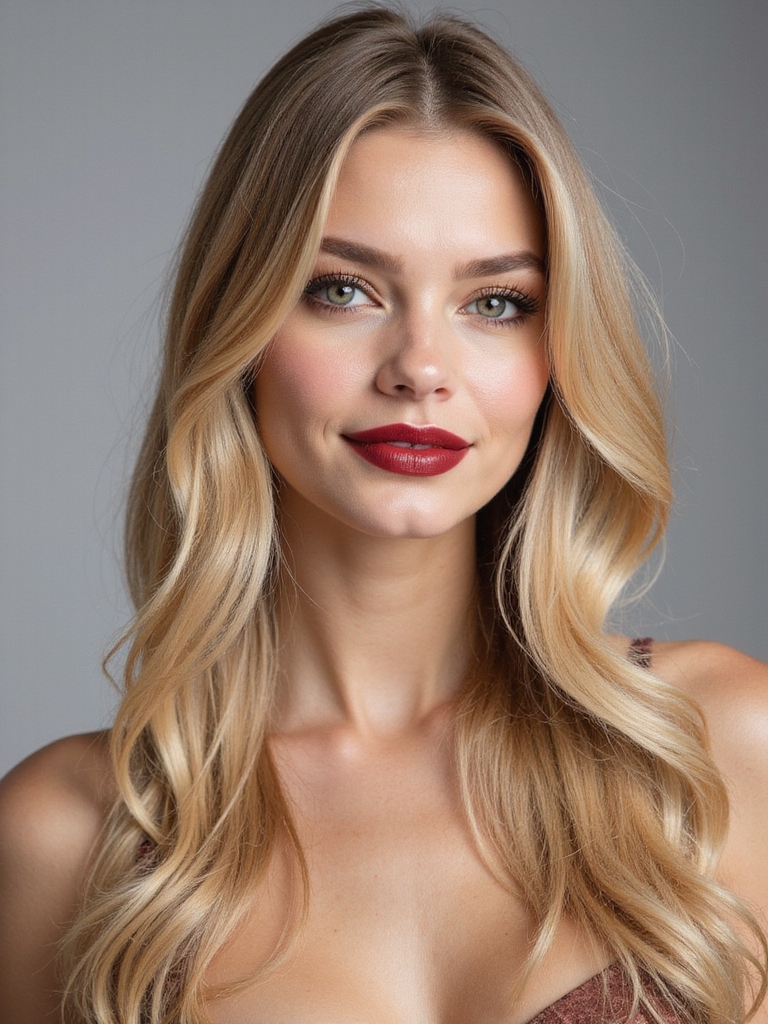
Watch straight hair fall under studio lighting and you’ll notice it does one thing: it hangs. Every strand runs parallel to every other strand, so light slides off in a single flat sheet instead of catching at different angles the way it does on wavy or curly hair.
Layers are the fix, cut in specifically to break up that uniform fall. Below are sixteen ways to do it, from barely-there face-framing to a full butterfly cut, plus what each one asks of you between salon visits.
Read This Before You Sit Down
- Straight hair shows every layer line clearly, so precision matters more here than on textured hair that can hide an uneven cut.
- Shorter, higher layers add the most visible movement; longer, lower layers add the least and are the easiest to grow out.
- Fine straight hair and thick straight hair need almost opposite layering strategies, so be specific with your stylist about which one you have.
Why Layers Work So Well on Straight Hair

Where curly or wavy hair gets its shape from the strand itself, straight hair depends entirely on the haircut to create any shape at all. That’s the whole case for layering: cut in shorter pieces at different lengths, and each one behaves slightly differently as it falls.
The trade-off is precision. On textured hair, a slightly uneven layer often disappears into the natural bend of the strand. On straight hair, that same unevenness shows up as a visible step, which is why this cut rewards a stylist who works carefully rather than fast.
How to Choose Your Ideal Layer Length

Before picking a specific look, decide what you actually want the layers to do. Shorter, higher layers concentrated near the crown add the most visible lift and movement. Longer layers that start below the chin add far less, keeping most of your length intact.
Match the Length to the Effort You Want
There’s no wrong answer here, only a trade-off: more movement generally means more styling required to keep it looking deliberate, while longer, gentler layers tend to style themselves.
Bring a specific reference photo and describe your own hair’s density and thickness honestly. The same layer length behaves very differently on fine versus thick straight hair.
Face-Framing Layers for Soft Movement
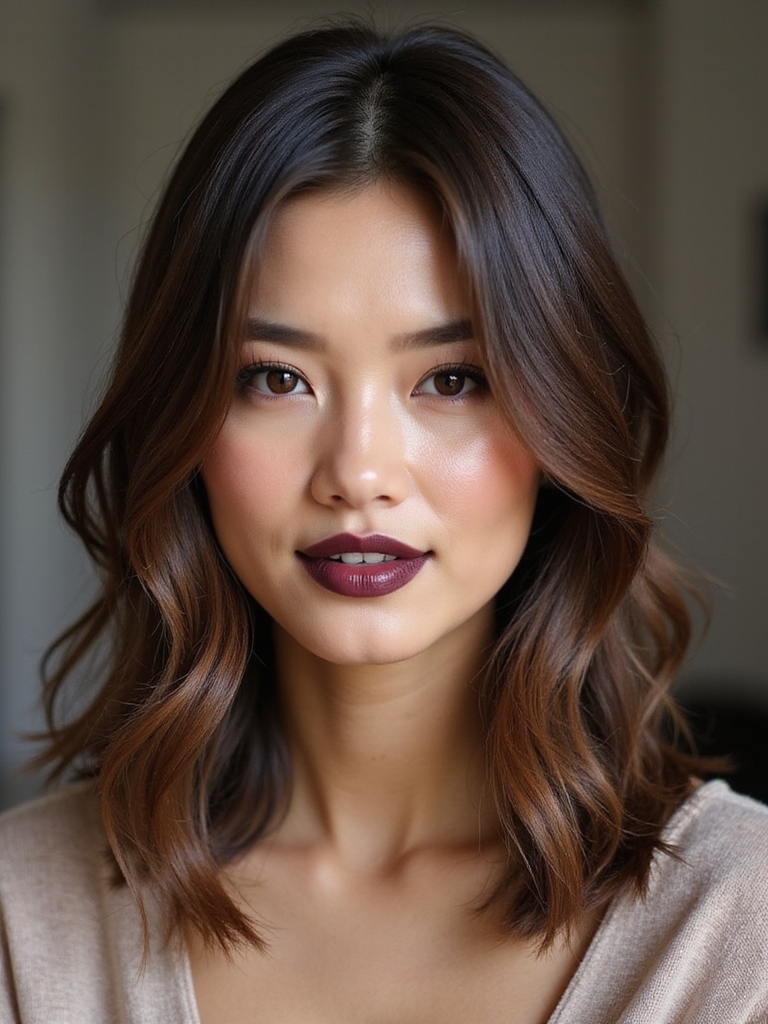
Face-framing layers add the smallest possible dose of movement, cut only around the front of the face while the rest of the length stays untouched. It’s the version to start with if you’ve never had layers before and want to test the idea without much risk.
- The lightest-commitment layering option on this list.
- Pieces typically land between the cheekbone and the collarbone.
- A flat iron with a slight bend at the ends brings the frame forward.
🅰️Face-Framing Only
Subtle movement around the face, rest of the length untouched, minimal upkeep.
🅱️Full Butterfly Cut
Heavy layering throughout the crown, dramatic movement, more frequent shape-up visits.
Long Layers That Keep Your Length

Long layers cut throughout the length remove enough weight to let straight hair swing, without shortening it in any noticeable way. Anyone who’s spent years growing their hair out tends to gravitate toward this option specifically because it doesn’t undo that progress.
- Best for anyone unwilling to lose visible length.
- The layers start well below the shoulder, often past the chest.
- A round brush at the ends adds a soft bend without heavy styling.
Invisible Layers for Airy Lift
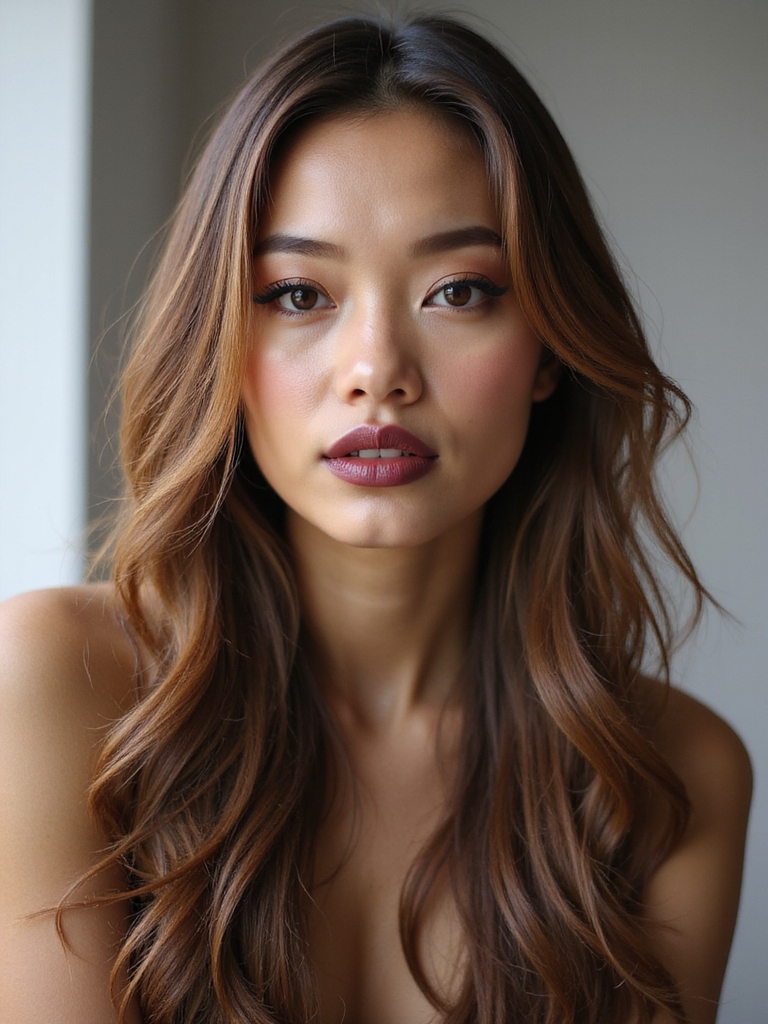
Invisible layers are cut deep inside the hair, well below the surface, so the outline of the cut never changes while the weight underneath quietly disappears.
- Best for anyone who loves their current length and shape exactly as is.
- Removes bulk without adding any visible layer lines.
- A skilled hand is worth seeking out; this technique is easy to do poorly.
A Butterfly Cut for Floaty Ends

A butterfly cut layers heavily around the face and crown while leaving the back longer, creating ends that separate and float rather than fall in one solid curtain.
- The most dramatic weight removal of any cut on this list.
- Best on hair with at least medium density; it can thin out fine hair too much.
- A texture spray at the roots keeps the crown from sitting flat.
A Shag-Lite Cut for Easy Texture

A shag-lite cut borrows the choppy, piecey layering of a full shag but keeps it toned down, working better on straight hair that isn’t ready for the boldest version of that look.
Where a true shag leans into visible chaos, this version keeps the shape clean at the perimeter while still breaking up the surface with shorter internal pieces.
A little matte paste worked through dry ends brings out the piecey texture without extra heat styling.
ℹ️Shag-Lite, Not Full Shag
A true shag layers the entire head aggressively for maximum texture. Shag-lite keeps the perimeter cleaner and concentrates the choppy layering higher up, which makes it far more forgiving to grow out than a full shag.
U-Shape and V-Shape Cuts for Flow

A U-shape cut rounds the perimeter into a soft curve, while a V-shape drops to a point at the center back; both use the shape of the hemline itself to build in movement.
The catch is that neither one relies on internal layering the way most cuts here do. The flow comes almost entirely from how the ends are shaped, so precision at the perimeter matters even more than usual.
A round brush during blow-dry curves the shape further, rolling the U inward or emphasizing the V’s point.
Layering Strategies for Fine Hair

Fine straight hair needs a different approach than most of the cuts above: too many short layers and the hair thins out until it looks sparse rather than textured.
Less Layering Is More on Fine Hair
Where this struggles most is at the ends. Keep the layers soft and set them higher, closer to the crown, and leave the perimeter nearly solid so it still reads full at a glance.
A root-lift mousse on damp hair, dried upside down, builds the volume fine straight hair often lacks on its own.
Not sure which layering strategy fits your hair? Start here:
🎯Roots go flat within a few hours of styling
Keep layers high and soft; leave the perimeter close to solid for density.
🎯The ends feel heavy and won’t move on their own
Ask for interior debulking throughout, not just thinning at the ends.
Debulking Layers for Thick Straight Strands

Thick straight hair has the opposite problem: too little layering and it sits as one dense, heavy block that refuses to move no matter how it’s styled. The fix isn’t more length removed from the ends; it’s weight removed from underneath, where it actually counts.
- Ask specifically for interior debulking, not just thinning shears at the ends.
- The perimeter can stay fuller here without looking blunt or stiff.
- A smoothing cream on damp lengths keeps the debulked ends glossy rather than fluffy.
Bangs to Pair With Layers

Bangs and layers are built to work together on straight hair, since the fringe blends straight into the shortest layer instead of sitting as a separate piece.
- Curtain bangs blend into face-framing layers with almost no visible seam.
- Blunt, full bangs pair better with longer layers to balance the weight.
- Ask your stylist to cut the fringe last so it lines up with the finished layers.
Heat-Styling for More Movement

Layers give straight hair somewhere for a curling wand or round brush to grip, which is exactly what makes heat styling more effective on a layered cut than an unlayered one.
A loose wave through the ends, alternating direction section by section, brings out the layering more than any single-direction curl. Keep the tool at a moderate temperature, since straight hair often runs finer and more heat-sensitive than it looks.
Low-Maintenance Styling With Minimal Products

Not every layered cut demands a full styling routine. Longer, softer layers in particular can air-dry into a wearable shape with barely any product.
- Apply a lightweight cream to damp ends before air-drying.
- Skip heavy oils, which flatten straight hair fast.
- A quick shake-out once dry is usually all the styling it needs.
Grow-Out Tips and Maintenance Schedules

Layered cuts on straight hair grow out more visibly than a one-length cut, since the shortest pieces lengthen at the same rate as everything else but start from further behind.
A shaping trim on a roughly two-month cycle keeps the layers from blurring into an undefined, in-between shape.
- The shortest layers near the face show grow-out first.
- A trim doesn’t need to remove length, just refresh the shortest lines.
- Ask for a ‘dust and shape’ visit if you’re only maintaining, not changing, the cut.
Two claims worth clearing up about layers on straight hair:
❌ Myth: Layers always make straight hair look thinner.
✅ Reality: Only if they’re cut too short or too dense in one area. Placed correctly, layers redistribute weight rather than remove it outright.
❌ Myth: Once you have layers, you can’t go back to one length.
✅ Reality: You can; it just takes one or two trims to grow the shortest pieces out level with the rest.
What to Ask Your Stylist

The single most useful thing to communicate is how much movement you actually want day to day, not just which photo caught your eye. Two people can point to the same picture and want completely different amounts of daily styling.
Bring a photo, but also describe your hair’s real density, whether it’s fine, medium, or thick, and how much time you’re willing to spend with a brush or a wand each morning.
Maintenance & Care
A basic layered trim runs about the same as any standard haircut at your salon, typically $40 to $70. A more involved debulking or precision cut on thick hair sits a step above that, closer to what you’d pay for a specialty service than a routine trim.
Between visits, a heat protectant is worth the few extra seconds if you’re styling with hot tools regularly, since layered ends are thinner than a blunt perimeter and show heat damage faster. Book a shape-up close to the two-month mark rather than waiting until the layers have fully blurred together.
Layered Haircuts for Straight Hair, Answered
?Will layers make my straight hair look uneven if I don’t style it?
Soft, longer layers generally fall fine on their own. Short, heavily concentrated layers, like a butterfly cut, tend to need at least some styling to look intentional rather than choppy.
?How short can layers go on straight hair before it looks like a mullet?
The risk shows up when short crown layers aren’t blended into the length below them. A gradual transition, not a hard step, is what keeps heavy layering from reading as a mullet.
?Do layers help straight hair hold a curl longer?
Yes, somewhat. Layers give a curling iron separate sections to grip, so curls tend to hold with more shape and separation than on one solid length of hair.
?Can I get layers if my straight hair is color-treated or a little damaged?
Usually, though heavy layering combined with fragile hair increases the odds of split or thinning ends. Mention the color history so your stylist can gauge how aggressive to get with the layering.
Movement Is a Choice, Not a Given
Straight hair doesn’t create its own movement the way other textures do, so every bit of it in these sixteen cuts comes from a deliberate decision made with scissors.
Decide first how much of that movement you actually want to manage day to day, then let that answer, more than any single photo, guide which layer length and placement you ask for.
You Might Also Like