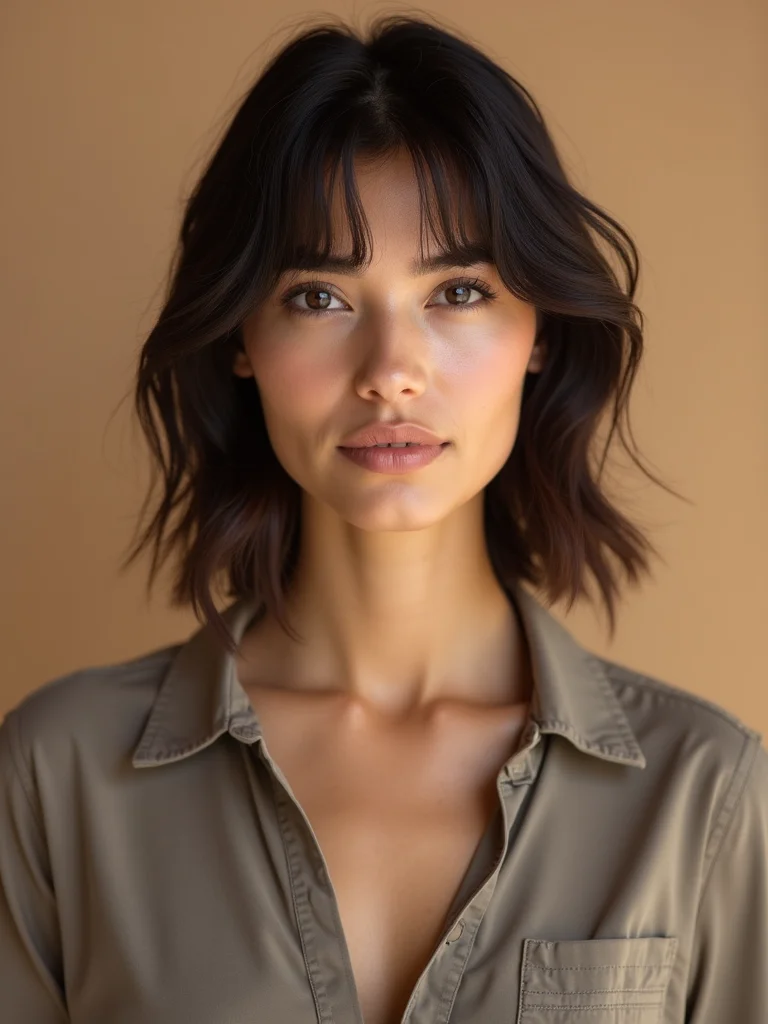
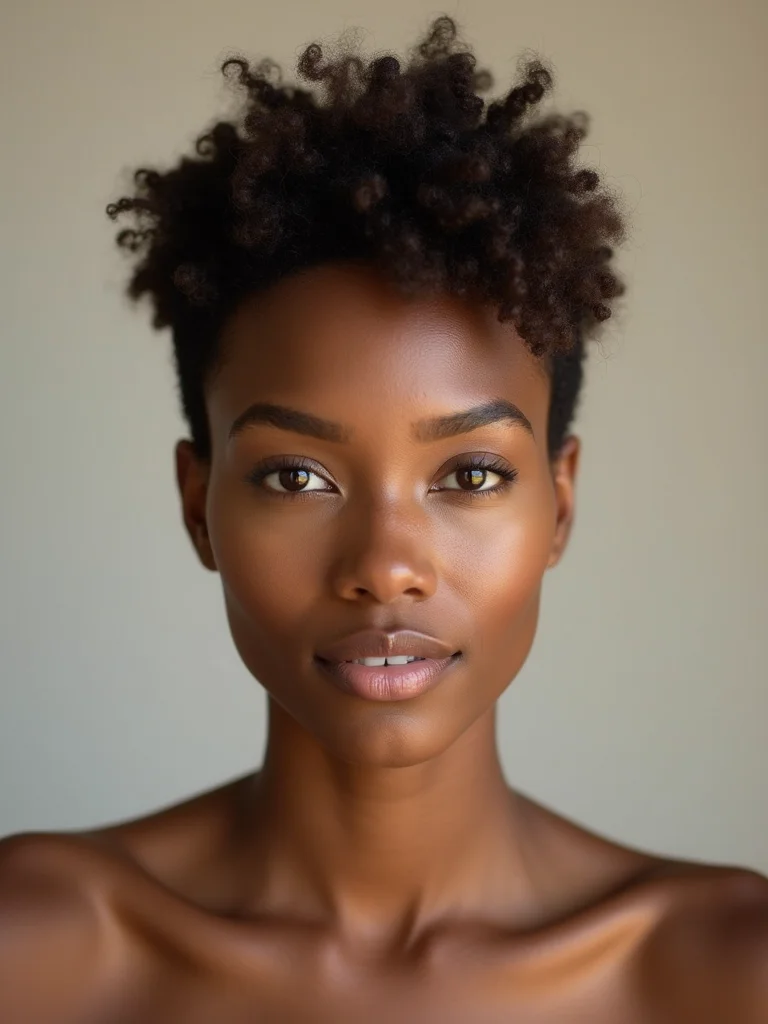
Why does the same layered cut look expensive on wavy hair and slightly wrong on straight hair? Because straight hair hides nothing. Wave breaks up a line before your eye can follow it, and a smooth strand carries every cut end all the way down in plain sight.
That single property is what makes straight layered hair the hardest texture to layer well, and it is why the useful way to sort these fifteen looks is by the specific problem each one avoids: a visible step, thin ends, a shelf at the shoulder, or a shape that goes flat by noon.
What Straight Texture Does to Layers
- Straight hair shows every transition, so long graduation matters more than layer count. A layer that travels three inches disappears; one that travels one inch becomes a step.
- Your straight hair has a type, and it changes the answer. Fine and silky needs layers kept high and few; medium takes almost anything; coarse and dense needs weight removed from underneath rather than length taken off the outside.
- Ends decide the whole impression. A tapered end looks soft, a blunt one looks sharp, and a razored one goes weightless, so name the finish you want before anyone starts cutting.
Long Face-Framing Layers
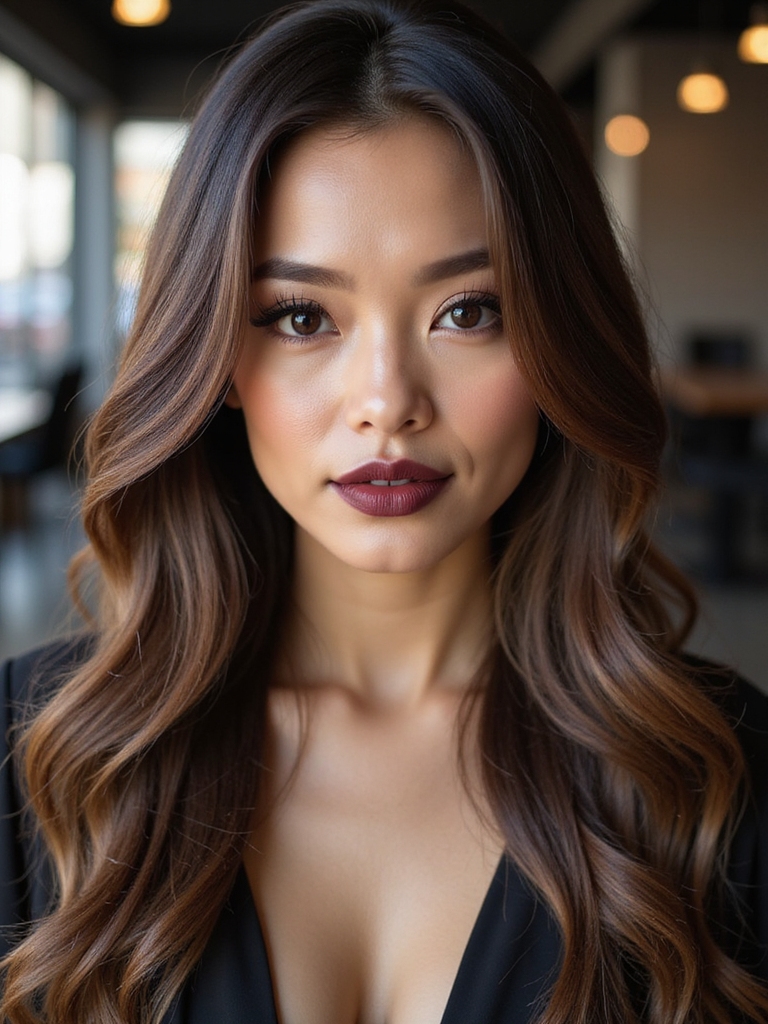
The safest layered cut for straight hair puts everything at the front and nothing in the back. Two or three pieces beginning at the cheekbone and traveling down past the collarbone give the face somewhere to sit inside, and because the pieces are long, the transition is spread over enough inches that no eye can pick out where it started.
That long spread is also what answers the most common complaint about this texture and layers, which is that they show. A framing piece that lengthens gradually into the hair behind it has no edge for the eye to find. Our long layered hair notes cover the fuller version once this feels too cautious.
Feathered Framing at Mid-Length
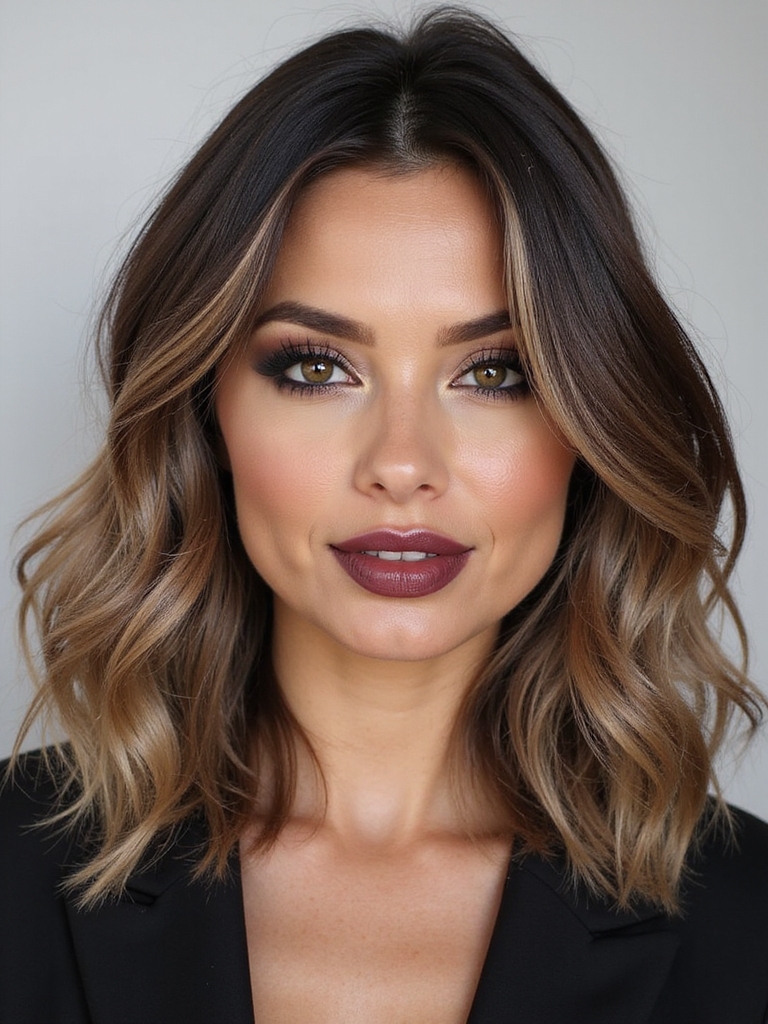
Mid-length is where straight hair goes flattest, because there is enough weight to pull the root down and not enough length to create movement on the way. Feathered framing addresses that at the only place a viewer looks first.
Why Mid-Length Falls Flat
The word feathered describes what happens at the tips rather than where the layer sits. Each section is tapered so its strands finish at slightly different points, and the resulting soft edge is what keeps the front from looking cut with a ruler.
Ask for the shortest framing piece at the cheekbone and the transition spread across at least four inches. On straight hair anything steeper announces itself. There is more on this length in our medium length layered hair collection.
Blunt Ends at Shoulder Length
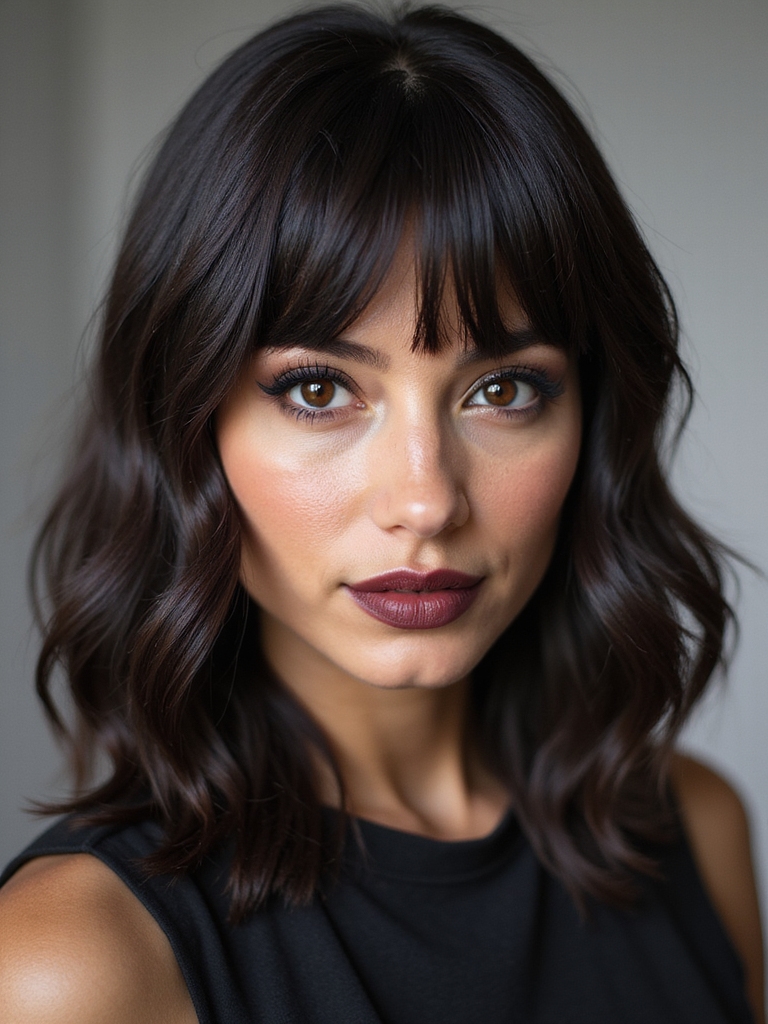
Blunt ends at this length are doing structural work. Weight at the perimeter is what holds the ends pointing downward, and every inch of that weight you remove makes the last inch of hair lighter and more inclined to travel.
Put the movement into a few interior layers instead and the outline keeps its authority. I have talked more clients out of layering this exact length than any other, and the ones who kept the blunt line have all been happier six weeks later.
- Keep the perimeter blunt and take all the movement from inside
- Ask for the interior layers to start below the ear so nothing shows at the surface
- Sleeping on it damp is what sets the flip, so dry the last inch before bed
The Shoulder Flip Is Physics
Hair cut to land exactly on the shoulder has nowhere to go, so it rides up and kicks outward, and no amount of ironing holds it down past midday. This is not a styling failure and it is not your hair being difficult. Ask for the length to clear the shoulder by an inch or stop above it, and the problem disappears at the cut rather than every morning.
Invisible Layers That Add Lift
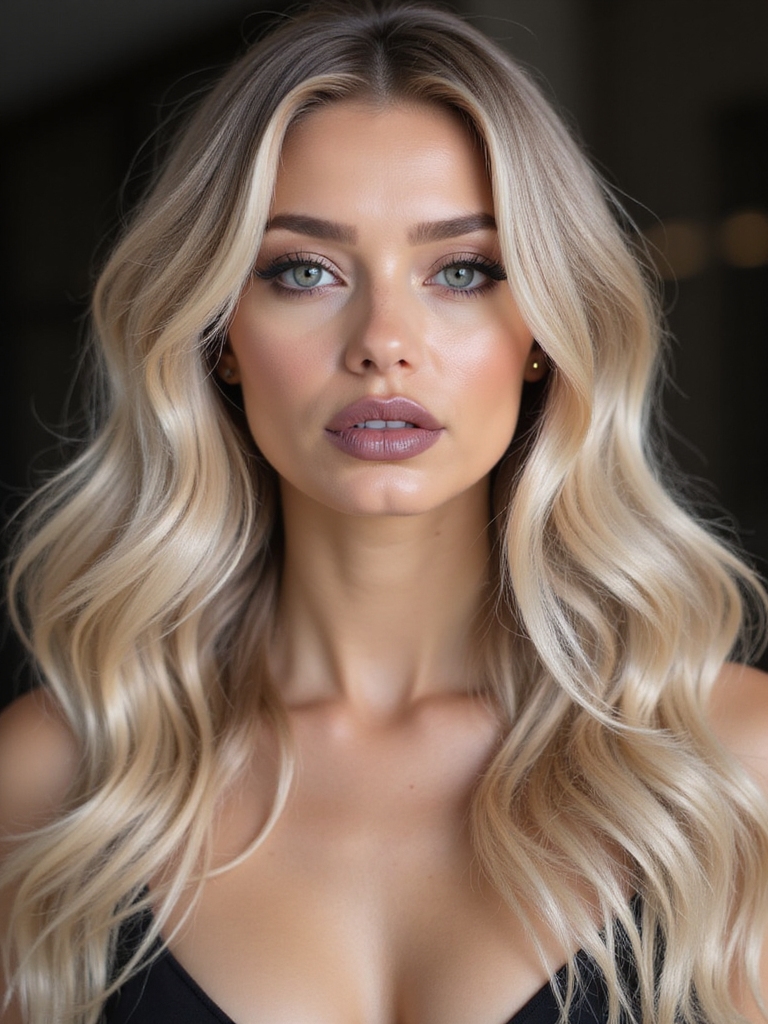
Fine straight hair gets burned by layering more often than any other type, since a head with little density to begin with cannot afford to give any away. Invisible layering solves the arithmetic by putting the work underneath, where nothing can be seen and nothing thins the visible outline.
- Ask for internal or invisible layers with the top inch and the perimeter left untouched
- Two or three layers is the whole prescription on fine hair; more starts costing you density
- Dry the roots upward with fingers first, then smooth the surface, so the lift survives
Long Layers With Curtain Bangs
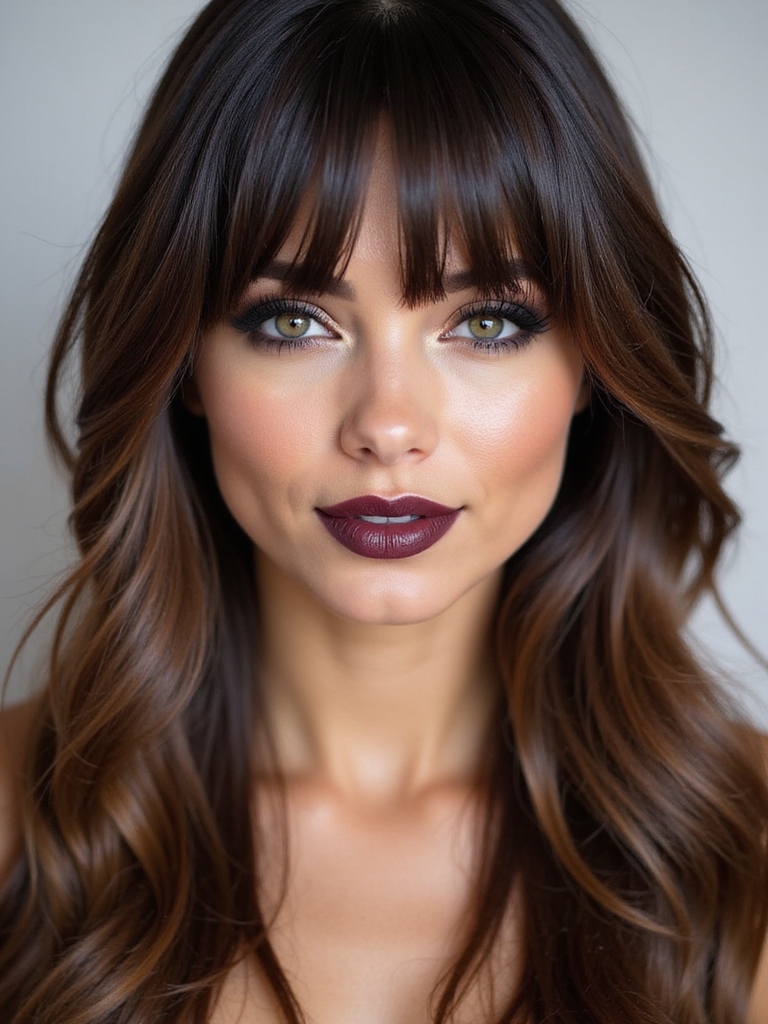
A fringe changes what layers are doing. Without one, long layers here are read simply as length with movement. With curtain bangs, the same cut becomes a frame, and the eye stops traveling down and starts sitting on the face. Our curtain bangs write-up handles the shaping in detail.
- Have the bangs cut to blend into the first framing layer with no gap between them
- Straight hair takes a curtain shape well, since there is no wave fighting the sweep
- Dry each half outward over a large round brush before touching the length
A Sleek Lob With Subtle Layering
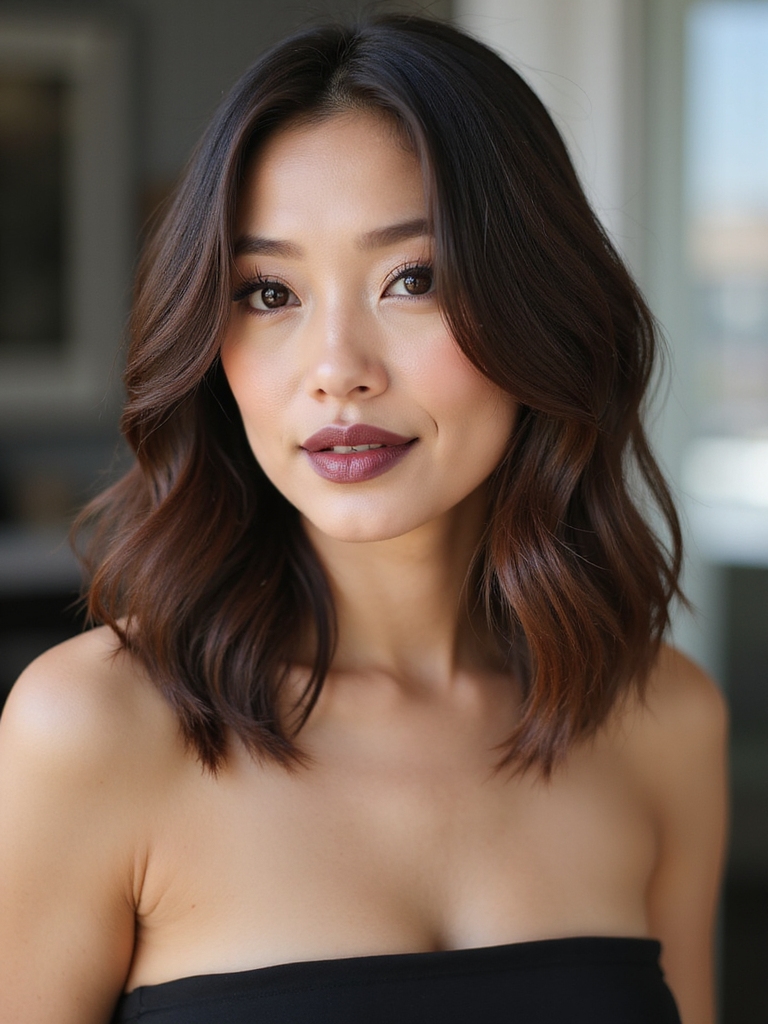
A collarbone lob is the length that flatters the most straight-haired people, and the layering inside it should be almost undetectable. Two or three long internal layers stop it hanging as a solid slab.
Straight hair rewards this restraint. On wavy hair a lob can carry visible layering and still look intentional, because the wave scrambles the line; smooth texture turns the same cut into a stack of visible tiers.
The finish sells it. A smoothing cream through damp lengths and one slow pass with a wide iron gives the glassy surface that lets subtle layering show at all. Our layered bob guide covers the shorter version.
Softly Tapered, Feathered Ends
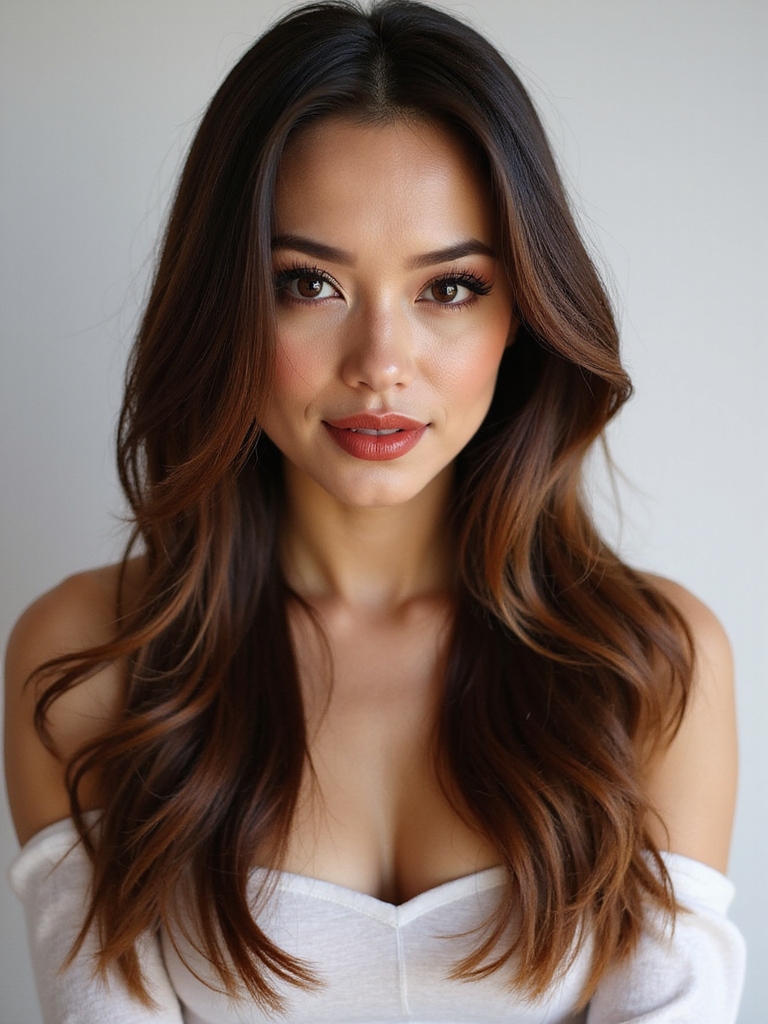
This is a finish applied to any of the cuts above, and on straight hair it does more visible work than the layering plan does. The tips of each section are thinned gradually so the very bottom of the hair ends in a soft haze rather than a hard line.
It has a limit. Feathering removes weight from the last inch, and on fine straight hair that is exactly the inch you cannot spare, so the technique belongs at the front sections only. On medium or coarse straight hair it can run all the way through.
How a feathered end is actually built
1Set the length first
The perimeter is cut and checked while the hair is dry and hanging naturally, so the finished line is decided before anything is softened.
2Point into the tips
The shears go into the very ends at an angle, tip-first, taking a quarter inch at most and leaving each strand at a slightly different stopping point.
3Check it dry, in movement
The stylist shakes the section out and looks at it falling, then repeats on the pieces that still land as a block. This is why feathering takes longer than a blunt cut.
Soft Chin-Grazing Tapered Layers
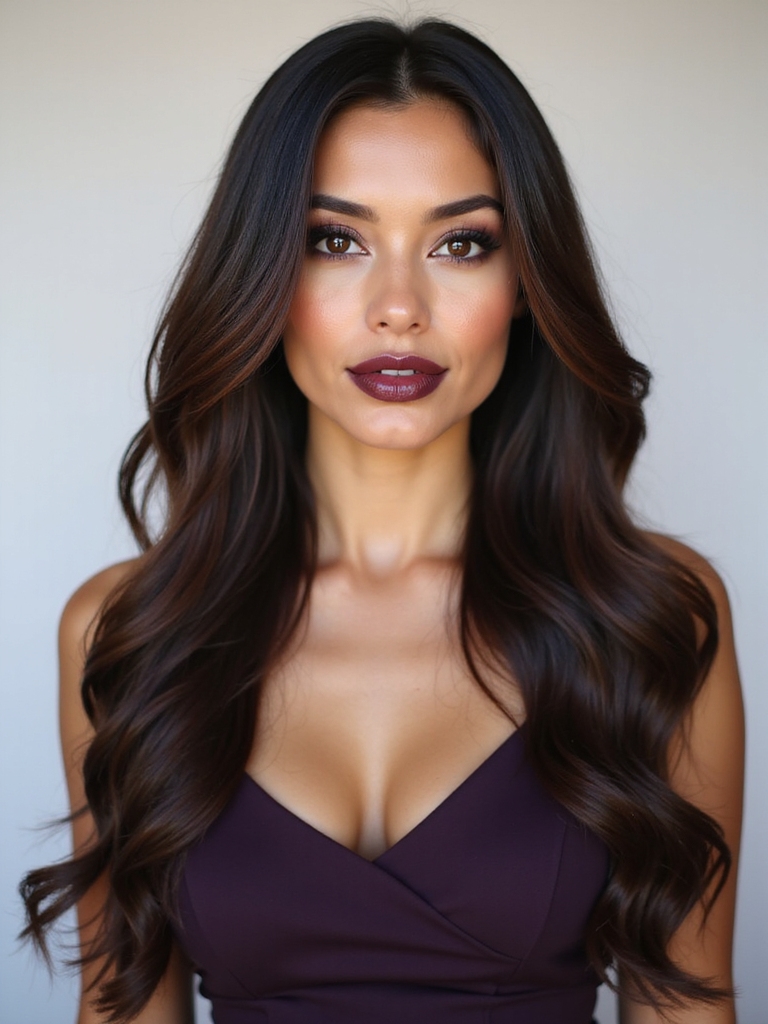
This one is about the jaw specifically. Bringing the shortest framing layer up to the chin puts a moving edge right beside the widest point of most faces, which softens a square jaw and adds width to a narrow one. It is the framing decision I make when someone dislikes their profile, and it works faster than any other adjustment.
It is also the point where mistakes get expensive. A chin-length layer cut too blunt sticks straight out sideways, and no product solves a badly angled short piece.
Ask for the chin piece to be tapered and connected to the length behind it. Connected is the word that matters, since a disconnected short layer on straight hair reads as a mistake for about four months.
The U-Shaped Cascade
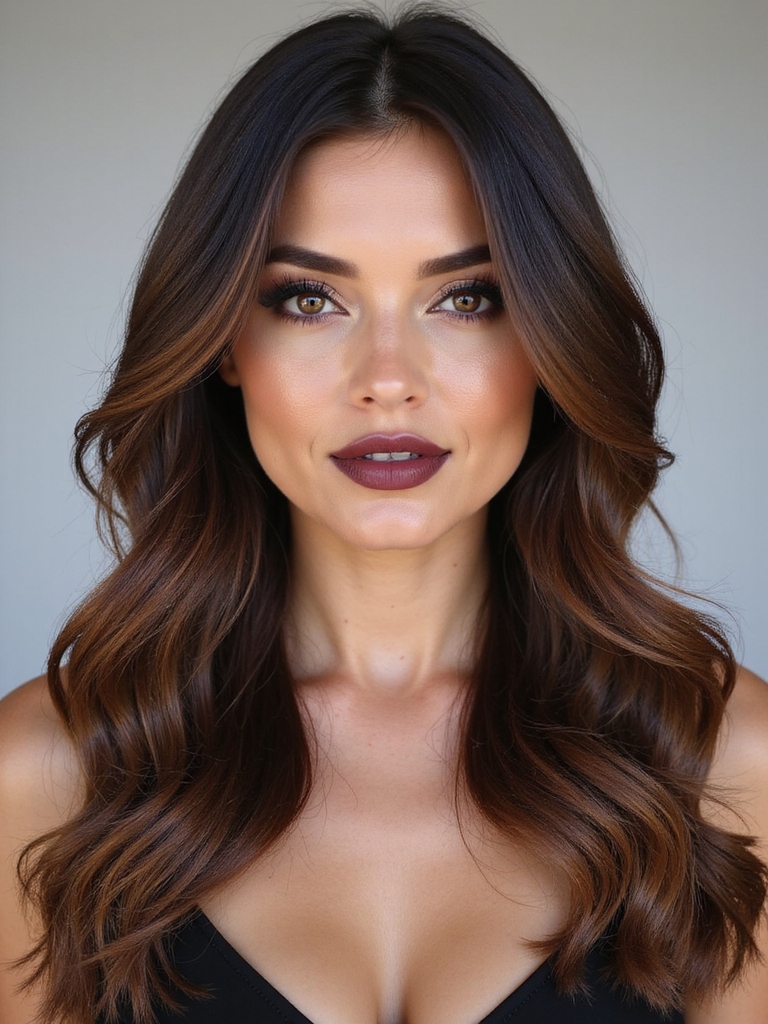
Cutting the perimeter into a shallow curve, longer in the middle of the back than at the sides, gives long straight hair the appearance of layering without any layers inside it. The curve does everything, and because the transition is gradual across the whole width of the head, there is nothing for the eye to catch. This is the cut for anyone whose last layered attempt left visible steps.
- Ask for a shallow curve through the perimeter rather than layering through the interior
- It keeps almost all of your length, since only the sides come up
- Best on hair past the shoulder blade, where the curve has room to develop
The V-Cut and Its Elongated Silhouette
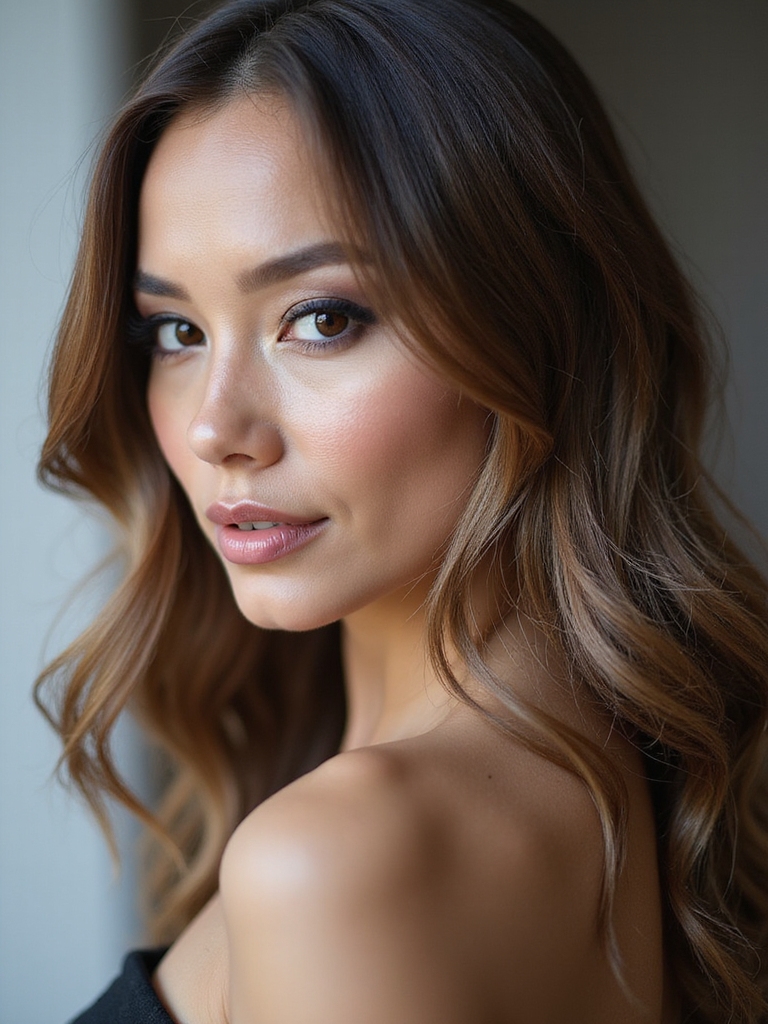
The V takes the same idea further and sharpens it into a point at the center back. The silhouette stretches vertically, which is why it turns up so often on very long straight hair.
It is a stronger effect and a narrower one. A deep V concentrates all your remaining density into a spike at the center, so it needs enough hair to survive the taper. On fine hair the point ends up wispy.
- Ask for a soft V on medium hair and a deeper one only if your density can carry it
- The sides come up considerably, so plan for less hair to tie back
- Pairs well with framing layers; skip interior layering or the shape gets busy
Micro-Layering for Bulk Reduction
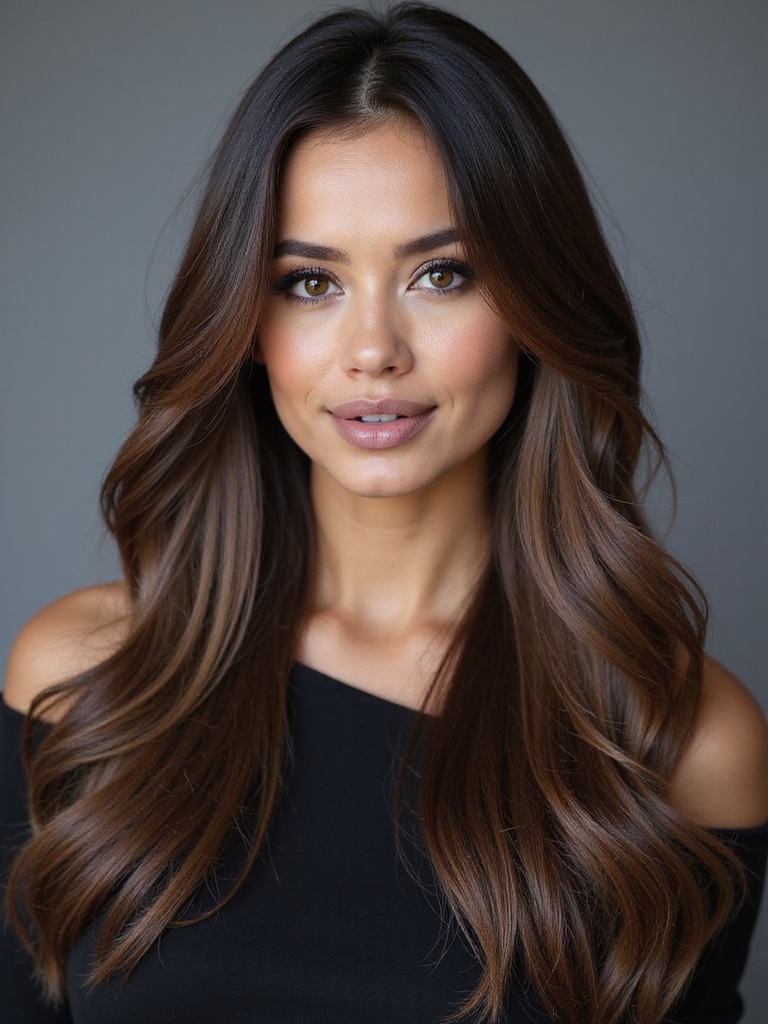
Coarse, dense straight hair has the opposite problem to fine hair. There is too much of it, it sits away from the head in a solid block, and taking length off the bottom changes nothing about the volume.
Where Thinning Shears Go Wrong
Micro-layering removes small amounts throughout the interior, spread evenly across the whole head. Done properly the surface is untouched and the block collapses into something that moves. It adds real time in the chair, which is why a cut like this prices closer to $80 than the $45 you would pay for a straight trim.
The critical instruction is no thinning shears near the hairline or the crown. Notched blades cut strands at random points along the shaft, and on this hair type the regrowth stands straight up along your part about two months later.
📋Describe the ends you want, not just the layers
- ✓Blunt: cut straight across, maximum weight, sharpest line, no softening at all
- ✓Point-cut: shears angled into the tips, softens the edge without losing density
- ✓Notched or thinned: fast, cheap, and the one to refuse, since it regrows as fuzz along your part
- ✓Slide-cut: shears travel down the section with the blades open, thinning gradually without a razor
Side-Swept Face-Framing Layers
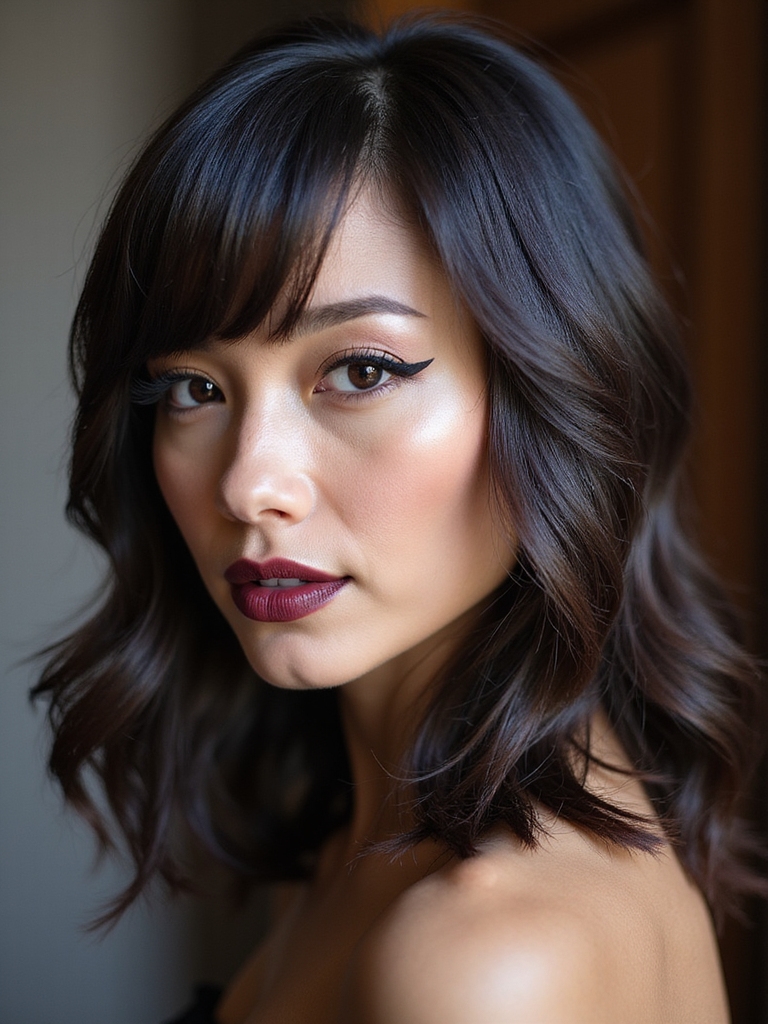
Moving the part off-center changes the job of the framing layers entirely. Instead of two matching pieces falling either side of the face, one heavier sweep crosses the forehead on a diagonal, and a diagonal is the one line smooth hair does not flatten out.
It suits round and square faces particularly well for that reason. The layers should be cut with the part already in its final position, since a framing piece cut on a center part sits an inch wrong once you move it. Our side-swept bangs piece takes on the fringe end of this.
A Delicate Collarbone-Length Shape
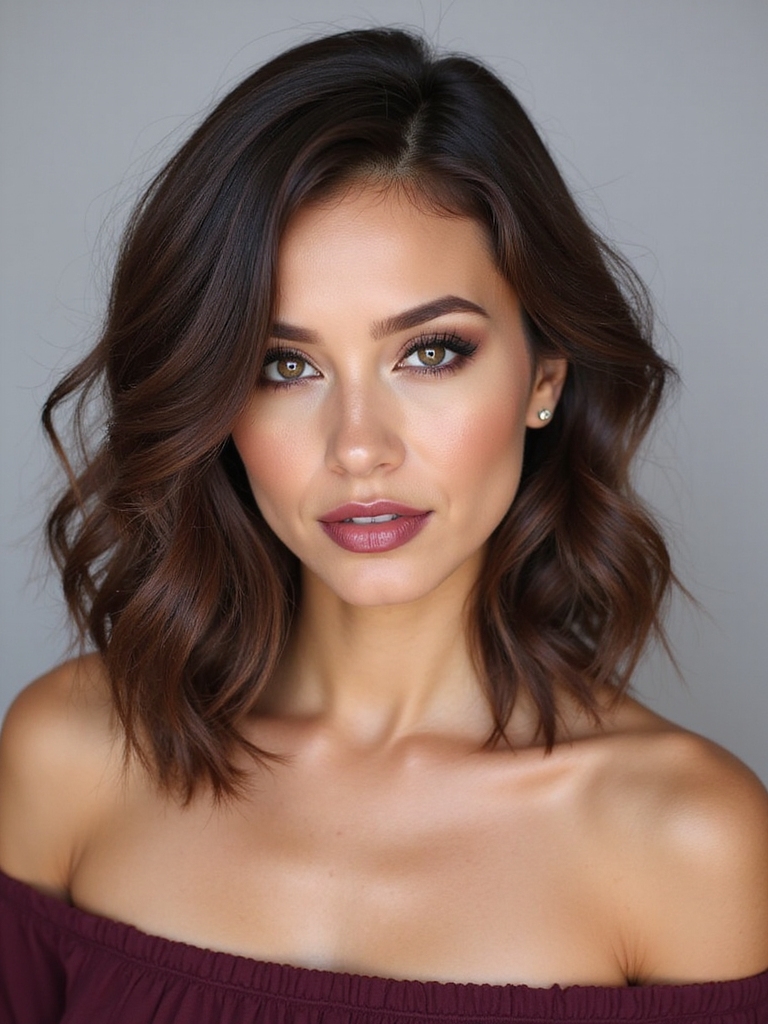
Collarbone length is the most forgiving place on the whole head to put layers, because there are several inches above the ends for a transition to disappear into. Delicate is the operative word, since heavy layering here undoes the clean line the length is providing for free.
Two or three long interior layers and a pair of framing pieces is the entire recipe, and it is the one I write on the card most often for someone who has been burned by a layered cut before.
- Longest layer at the collarbone, shortest around the jaw, nothing between them abrupt
- It air-dries into shape better than any other length on straight hair
- Ten to twelve weeks is long enough for the transition to hold before it needs reshaping
Straight hair is the honest texture. Whatever the shears did, it will show you, in daylight, for the next four months.
One Length With Hidden Underlayers
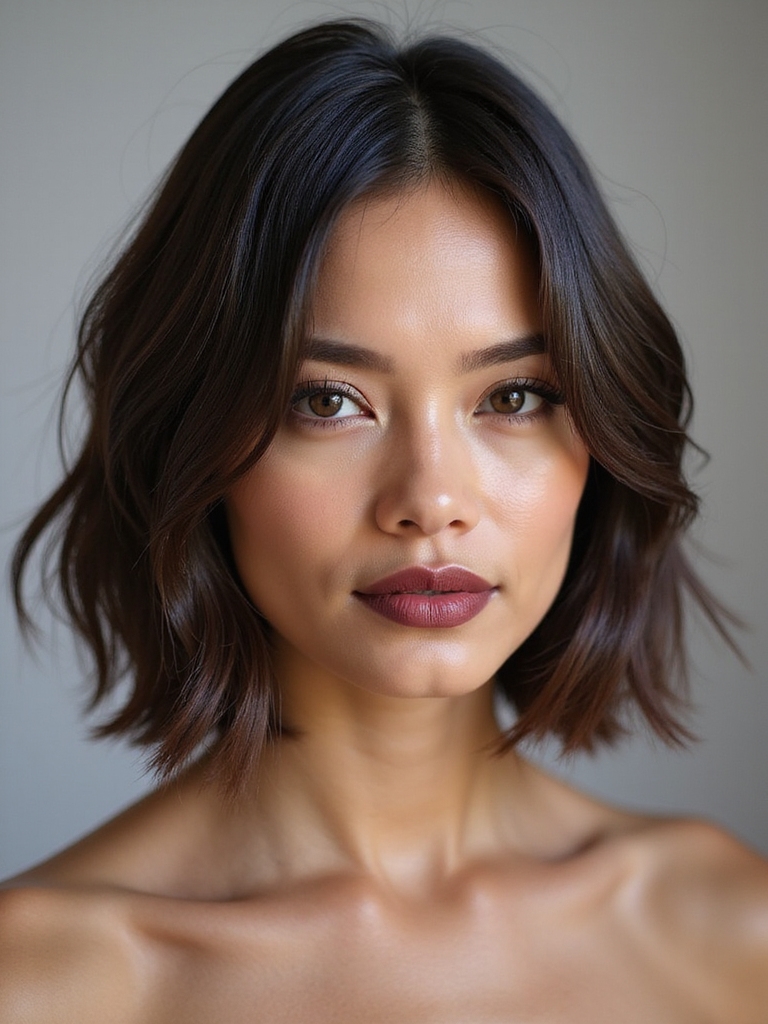
For anyone who likes a blunt line and dislikes everything about layering, this is the compromise that keeps both. The top section is set aside, the hair beneath it is layered, and when the top comes back down the surface is untouched and blunt.
The movement is real even though nothing is visible. Weight has left the interior, so the whole length swings differently, and the outline that made you like a blunt cut is still exactly where it was.
- Ask for layers cut beneath the top section only, with the surface and perimeter blunt
- The right call if your last layered cut came out messier than you wanted
- Nothing about the grow-out is awkward, since nothing was ever visible
A Guarded Razor Finish
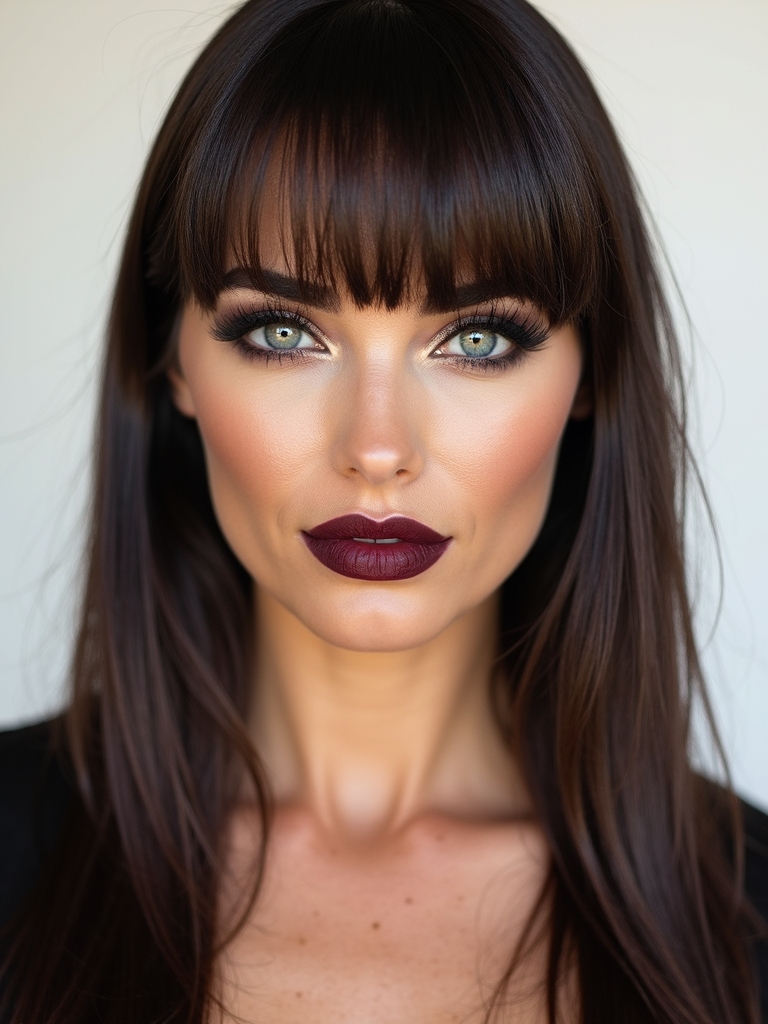
A guarded razor thins each strand gradually along its length, producing a whispery, weightless edge that is hard to imitate with scissors. Smooth texture shows that taper perfectly, so the effect here is dramatic.
It is also the technique most easily done badly. An unguarded razor or an unpracticed hand shreds the cuticle, and smooth hair displays that damage as frizz along the last two inches within a couple of weeks. Ask directly whether your stylist razors regularly, and expect it to add twenty minutes and a little cost to the appointment, since it is done section by section.
- Best on medium to coarse straight hair with healthy, uncolored ends
- Avoid on fine or bleached hair, where the taper thins an already fragile end
- Sharp blade and a guard, or scissors instead; there is no acceptable middle
Straight Layered Hair Questions
?My last cut left a visible step. Can it be fixed without losing length?
Usually, and it is a smaller job than people fear. A stylist blends the step by point-cutting into the shorter layer’s ends and extending the transition down into the length below it, which softens the shelf without touching your perimeter. Book it as a corrective and say the word step out loud, since a standard trim will not address it.
?How long before new layers settle into place?
About two washes. Freshly cut ends sit unnaturally high straight out of the salon because they have been blown out under tension, and the shape you actually own is the one you see after the second time you wash and dry it yourself. Judging a layered cut on day one is how people end up asking for changes they did not need.
?Are professional layers worth it, or can I trim my own?
Face-framing pieces are the one thing worth attempting at home, and even then only by pointing into the tips of hair pulled forward. Everything else on this page depends on elevation, the angle at which hair is held while cut, and that is impossible to control on your own head. A $12 boar-bristle brush will change how your existing layers sit more than any home trim will.
Transitions, Not Layers
If one idea from this page is worth taking to a salon, it is that straight hair does not object to layers. It objects to short transitions.
So bring two words with you: transition and end-type. Say you want the first one long and name the second out loud, then let your stylist pick the layering plan that delivers both. That forty-second conversation changes more than any photograph you could hand over.
Keep the Inspiration Going