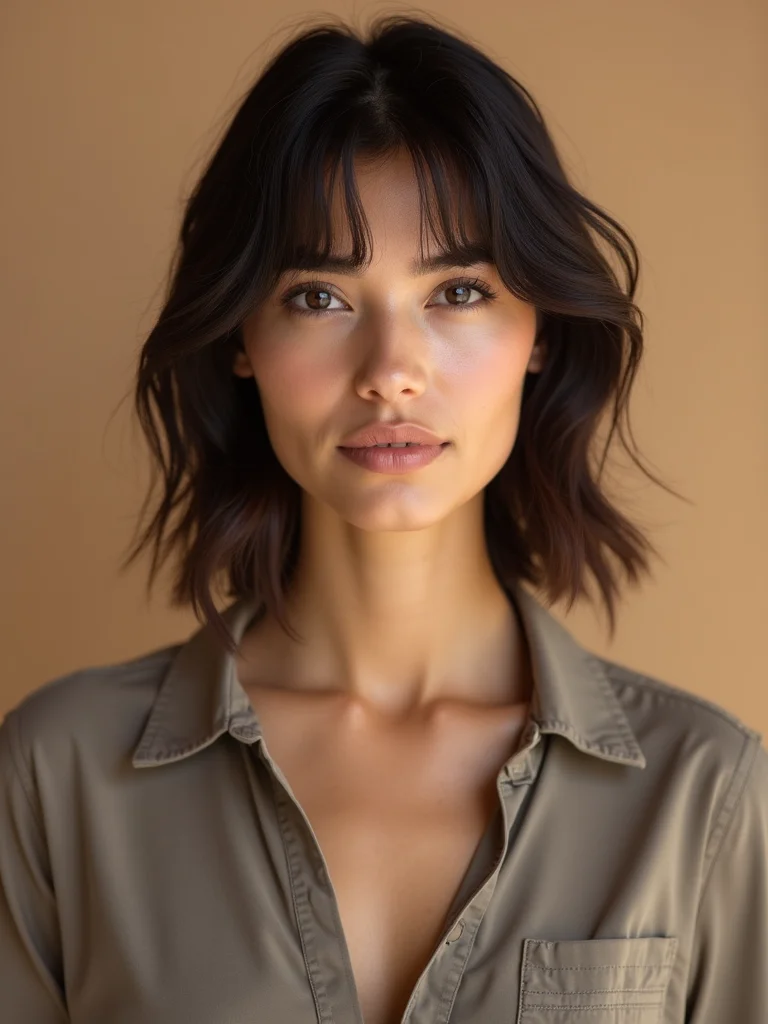
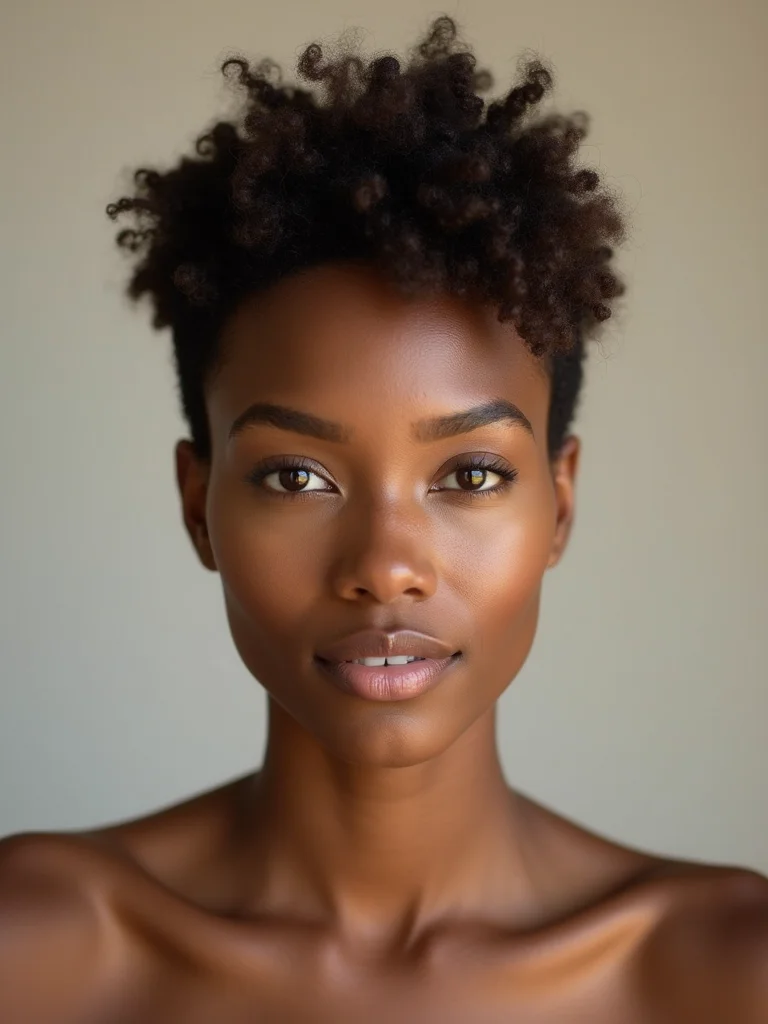
Cutting it all off is not the fix most women over 50 think it is. Medium length with the right layers builds more volume, movement, and softness around your face than a short crop typically can, since length you can actually style is what layers need to work with.
Sixteen layered shapes follow, plus the two mistakes I see undo almost any of them. Each entry covers what the layering is actually doing, who tends to love wearing it, and roughly what it takes to keep up.
Layers, Matched to What Your Hair Is Actually Doing
- Thinning hair wants layers concentrated at the crown, not scattered evenly through the ends.
- Coarse or thick hair wants weight removed internally, low and hidden, not chopped off the top.
- Going gray wants movement and shine more than coverage; soft layers and a gloss do both at once.
Shoulder-Grazing Shag

A soft shag landing at the shoulders suits an unusually wide range of hair types, from fine and flat to thick and wavy, which is why it’s usually the first thing I suggest to a client who isn’t sure what she wants. Stacked, feathered layers build movement through the length, and the slightly undone finish looks current rather than fussy.
- Adds volume that flat, one-length hair tends to lose over time
- Air-dries into texture with a light sea-salt spray
- Forgiving to grow out, since the shape has no single hard line to protect

Long Bob With Light Layers

Sitting between the chin and collarbone, a long bob with light layering is the polished, put-together option. The layering keeps the shape from looking heavy or flat while preserving a clean, grown-up line.
Two Ways to Style the Same Lob
Because the layering stays subtle, this shape holds its line longer between visits than a heavily layered cut does, often stretching close to the ten-week mark before it needs a real reshape.
A round-brush blowout gives it polish; left to air-dry, the same cut looks more relaxed. Either approach works, which is part of the appeal.
Two finishes for the same long bob, and how long each actually lasts:
🎯Blown out smooth
Holds through a full day, but humidity or rain can undo it fast without a touch-up.
🎯Air-dried
Holds up better in humid weather and needs zero heat tools, though it takes longer to fully dry on thicker hair.
Feathered Pixie With Bangs
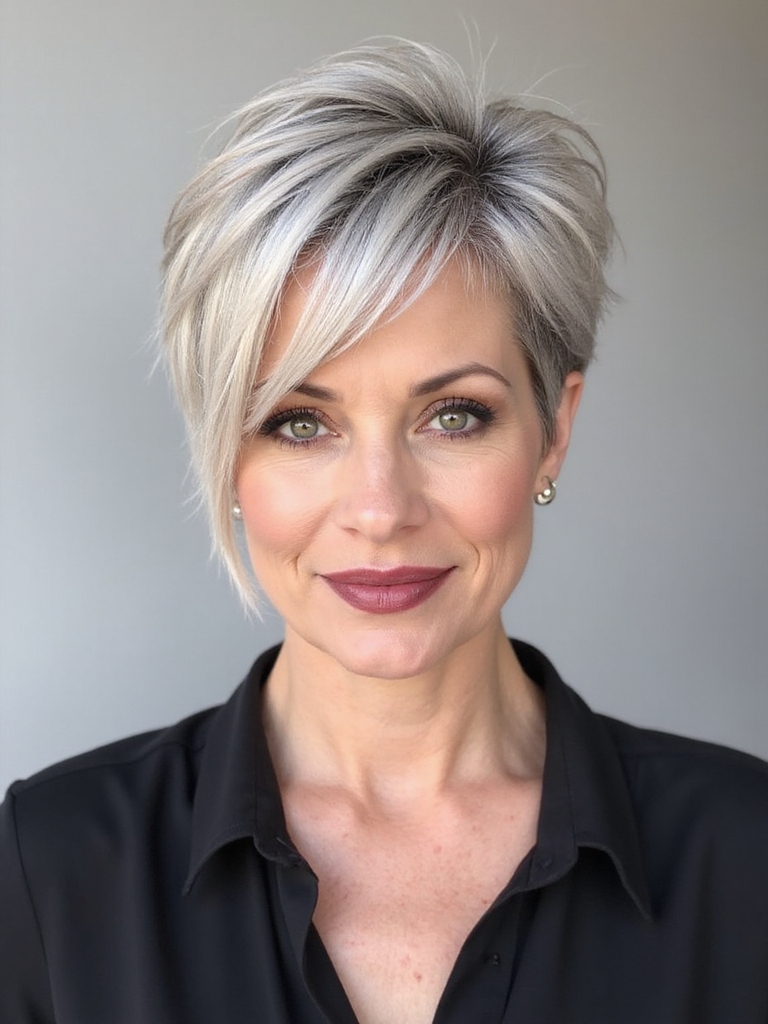
If a short cut still ends up being the right call after weighing the options above, a feathered pixie with soft side-swept bangs keeps most of what layers give you, just at a shorter length. Feathered layers keep the shape from reading severe, adding lift all through the crop.
The Trade-Off With Short Layers
The bangs frame the face and soften the forehead, which is most of the point of choosing this version over a blunter pixie.
It’s low-fuss to style day to day, but higher-maintenance to keep, since short shapes grow out fast and need attention sooner than medium-length cuts do. It suits fine hair particularly well, since the layering creates fullness fine hair often loses with length.
Face-Framing Medium Layers

Face-framing layers are one of the most flattering additions you can make to medium hair at any age. Shorter pieces around the face lift and draw the eye upward, softening the jaw and cheekbones without touching the length everywhere else.
- Ask for the framing pieces to hit near the cheekbone for the most universally flattering placement
- They blend into the longer length, so there’s no hard line to manage
- An easy change to grow out later, since nothing drastic gets cut
Collarbone Cut for Fine Hair

Fine hair over 50 runs into a specific problem: too much length and it hangs limp, too little and it can look sparse. A layered cut ending at the collarbone threads that gap.
Length stays feminine while carefully placed internal layers build the appearance of body, so the hair looks fuller than it technically is. A blunt-ish perimeter with soft internal layering keeps fine hair from looking over-thinned at the ends.
- Keep layers light; fine hair can’t afford to lose density at the ends
- A root-lifting mousse before drying adds volume that holds through the day
- Avoid heavy thinning shears here; they weaken already-fine strands
Tousled Layers for Natural Waves

Layering is what lets natural wave move and spring into its own shape. A tousled, medium-length layered cut lets waves settle into soft, undone texture, and it sits among the lower-maintenance options on this list.
Working With the Wave, Not Against It
The layers give your wave room to move, so hair falls into place largely on its own, with very little daily coaxing needed.
A curl cream worked through damp hair defines the texture without stiffness. Air-dry or diffuse, then leave it alone; the undone finish is the intended result.
Long Layers With Curtain Bangs

Curtain bangs paired with long layers have held on for a long stretch now, and they suit women over 50 just as well as anyone younger. A center-parted fringe sweeps softly to both sides while the long layers carry movement all the way down the length.
Together they soften features without requiring any drastic change to the underlying cut.
Keep the fringe grazing the cheekbones so it grows out easily, and round-brush each side back and away from the face to set the sweep. Our curtain bangs guide covers the styling specifics in more depth.
Layered Bob With Subtle Stacking

A little stacking at the back of a layered bob builds volume exactly where it tends to go missing with age: the crown and the back of the head. Stacked layers create lift and a rounded shape, so hair carries body without extra effort each morning.
How Much Length to Keep
Keeping the stacking soft rather than sharp is what keeps this version looking modern.
A round-brush blowout, directing the back up and under, gives the fullest version of the shape. Length underneath can flex depending on how much volume matters versus how much length is worth keeping.
Chin-Length Bob With Textured Ends

A chin-length bob is a bold, confident choice that frames the face directly, and texturing the ends keeps that strong line from looking blunt or severe. Point-cut, textured ends add movement and a little softness so the shape still feels approachable.
- Draws attention to the eyes and cheekbones more than longer lengths do
- A drop of serum on the ends keeps them piecey and smooth
🅰️Blunt chin-length bob
Best on straighter, denser hair, where the weight of a blunt line reads intentional rather than heavy.
🅱️Textured chin-length bob
Best on fine or wavy hair, where broken-up ends add the illusion of density a blunt line can’t fake.
Layered Lob With a Side Part

Switching to a deep side part is a small change that adds real volume at the root, and on a layered lob it does a disproportionate amount of flattering work. The part lifts hair off the scalp and creates an asymmetrical sweep across the forehead. It’s the cheapest fix I know for hair that’s gone flat at the crown, since it costs nothing but a comb.
- Builds root volume and a flattering diagonal line with zero extra cutting
- Switch the part occasionally so roots don’t flatten in one spot permanently
- Works on most hair types; tuck one side back for a more polished finish
Volumizing Crown Layers for Thin Hair

Thinning at the crown is the concern I hear about most after 50, and layering built specifically for that area actually helps. Shorter layers concentrated at the crown create lift right where hair tends to thin first, so the top of your head looks fuller before any product ever gets involved. Expect a reshape roughly every seven to eight weeks to keep that structure doing its job.
- Layers underneath are cut shorter on purpose, propping up the top ones like scaffolding
- The cut does most of the lifting; styling just finishes what’s already built in
- Dry the roots lifted, directing airflow upward, to make the most of that structure
Curly Layered Cut for Defined Ringlets
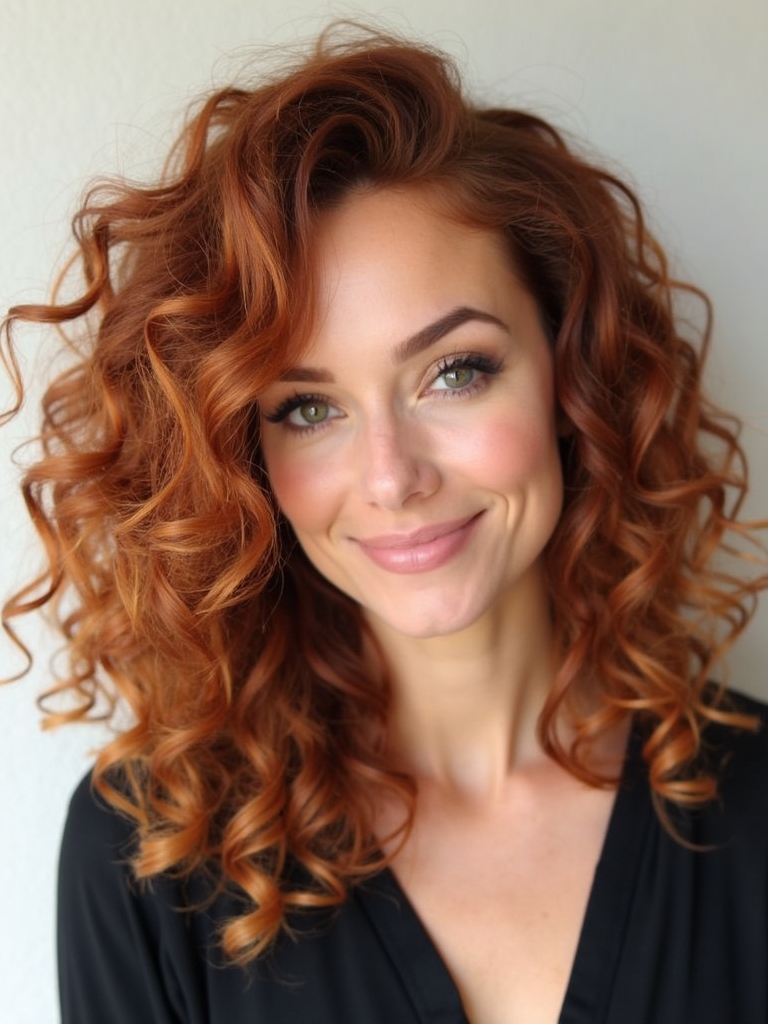
Curly and coily hair tends to improve with layering rather than suffer from it, since the right layers free curls from excess weight and let them spring into more defined ringlets.
After 50, when curl pattern can lose some of its bounce, layering is one way to give it energy back. A medium length lets curls form fully without dragging the whole shape down.
I book these dry, section by section, and check each curl as it springs up rather than measuring while it’s stretched. A stylist who cuts curls wet is guessing at where they’ll actually land; a dry cut removes that guesswork, and it’s worth asking for by name at the consultation.
ℹ️Curl-Specific Detail
Worth naming at the consultation: whether curls clump into loose ringlets or coil tightly changes where a stylist concentrates the layering, so describing the pattern matters as much as showing a photo.
Layered Cut to Reduce Bulk in Thick Hair

Thick, coarse hair is a lot to work with, and without layers it can sit heavy and wide, almost block-like. Internal layering removes weight from underneath so hair moves freely and sits closer to your head.
After 50, when coarse hair often turns drier too, that lightness makes the whole shape noticeably easier to manage day to day. Most clients with this texture are back in my chair around the eight-week mark, sooner if the ends start feeling heavy again.
- Ask for layers cut low and internally, with the top layers left longer
- That placement lets bulk leave from the bottom, where it actually needs to go
- Done wrong, thinning from the top creates a puffy, unbalanced silhouette
Gray-Blending Layers With Highlights

For anyone growing out or fully embracing gray, layering pairs well with a few soft highlights to make the transition look considered rather than accidental. Highlights blend silver and pigmented hair together so regrowth looks intentional, while layers add movement that catches light across the mixed tones.
Gray texture itself often grows in coarser and wirier than the hair around it, so soft layers paired with a glossing treatment keep it moving and shiny.
- Highlights placed to blend, not to hide, make gray look chosen
- A gloss treatment adds shine that gray hair doesn’t produce on its own
- Layers add the movement that keeps mixed tones from looking flat
Air-Dry Friendly Layers

Not everyone wants to spend twenty minutes with a round brush each morning, and a cut built specifically to air-dry means you don’t have to. Layers cut for this purpose fall into shape largely on their own, which frees up real time on busy mornings.
Tell your stylist directly that air-drying is the plan, and describe your natural texture honestly, so they layer the cut to work with how your hair actually dries rather than how you wish it dried. A trim every eight weeks or so keeps the layers from growing past the point where they still fall right.
💡One Product Rule
A leave-in cream worked through damp hair before it starts drying is usually the only product this cut needs. Adding more products after the hair is already dry mostly just weighs it down.
Sleek Layered Blowout for Occasions

For weddings, parties, and anything photographed, a sleek layered blowout is the polished, camera-ready version of the same medium-layered cut you wear every other day.
Layers give a blowout its shape and movement, so the smooth finish still looks full and dimensional. Nothing about the haircut itself changes for this look, only the styling.
A volumizing mousse at the roots and a smoothing product on the ends, finished with a round-brush blowout, is what I reach for on most clients. Booking a professional blowout for a big event typically runs about $45, roughly half of what a full color service costs, and skips the at-home effort entirely.
Where People Go Wrong
Frustration is what usually drives the impulsive chop. Hair starts thinning or losing body, and cutting it all off feels like the decisive move, when what actually happens is losing the exact length layers need to build volume and frame the face. I’ve talked more than one client out of that appointment and into a reshape instead, and it’s rarely the wrong call.
Overcorrecting the other way causes just as much regret: piling too many layers, cut too high, onto hair that’s already fine. The ends end up sparse and stringy instead of full. Fine hair almost always does better with soft, conservative layering and a perimeter left mostly intact.
Layered Cuts After 50, Answered Honestly
?Will layers make already-thinning hair look even thinner?
Not if they’re placed correctly. Layers built up at the crown, with a fuller perimeter left intact and the ends kept from over-thinning, tend to make thin hair look fuller and healthier overall, especially once styling settles in over the first few weeks.
?Is medium length actually more flattering than going short after 50?
For most people, yes, mainly because medium length gives layers something to work with. A very short cut can suit certain face shapes and textures beautifully, but it isn’t a requirement, and it removes the length that builds volume and movement.
?Can a heavily layered cut still be grown out into one length later?
Yes, though it takes patience and a few trims along the way to blend the transition. Layers grow out unevenly by nature, so regular shaping appointments during the grow-out phase keep the in-between stages from looking ragged.
Start With What Your Hair Is Doing Now
The number on a birthday cake matters far less than what hair is actually doing day to day, and the cut that works best is almost always the one chosen for the texture in front of the mirror rather than a milestone birthday.
Pick two or three versions that match the current texture and routine, and try the styling approach at home before booking anything permanent, since the same cut can look noticeably different styled two different ways.
More Ideas Here