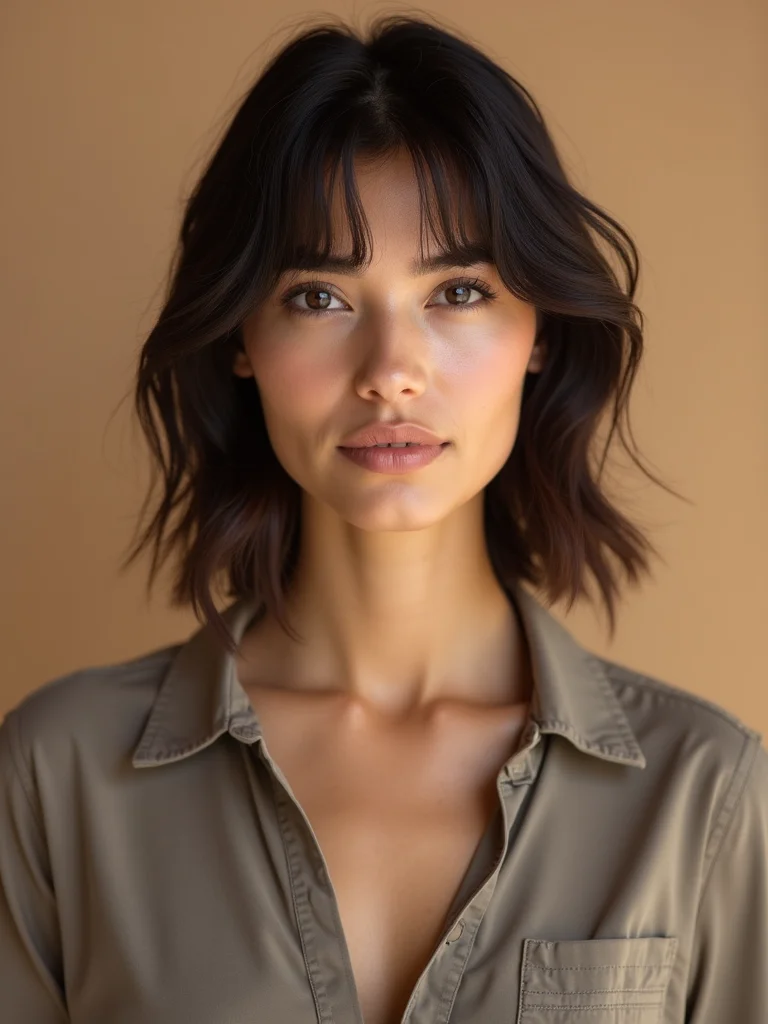
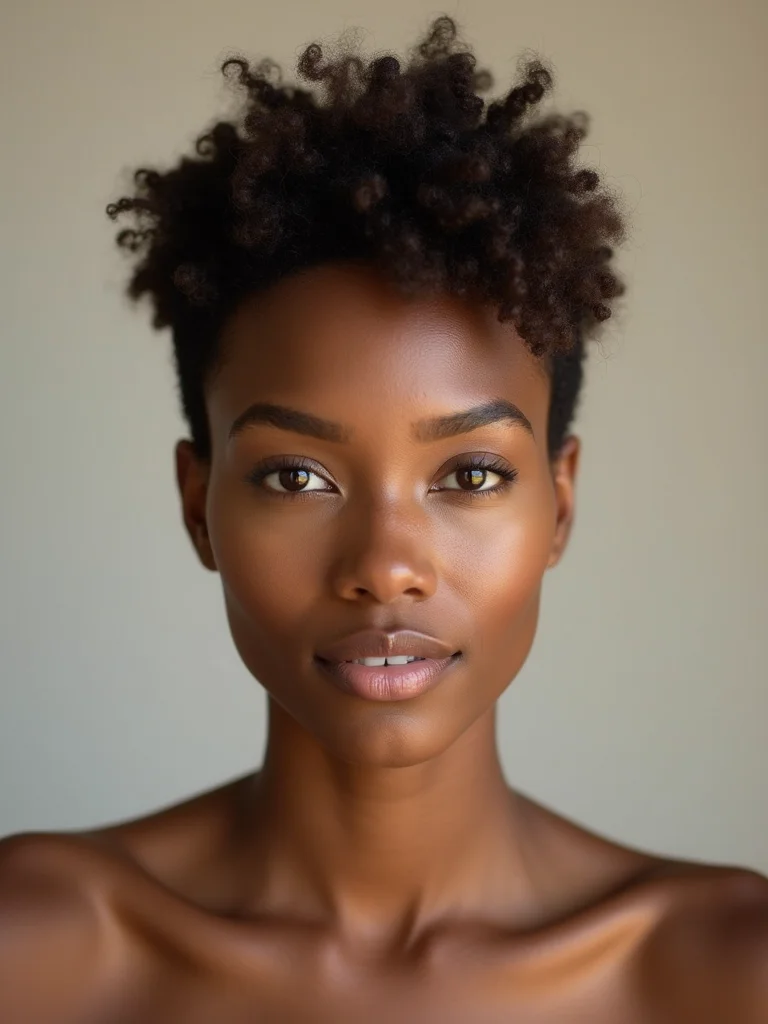
Every few years a client pulls up a photo from the nineties, half-apologizing, sure the layered, face-framed cut they love is too dated to ask for. It never is. 90s layered hair, all bouncy face-framing and blown-out body, is back near the top of the request list, softer and easier to live with than most people remember.
The nineties version isn’t the tight, teased layering of decades before. It’s softer, longer, and built around movement: layers that frame the face, flip at the ends, and give mid-length hair real body. These sixteen looks show the range, from the iconic face-framed cut to wispy razored texture, with who each flatters and how to get it.
What Makes Nineties Layers Different
What sets nineties layers apart is where they sit. The volume moves away from the crown to frame the face and lighten the mid-lengths, so hair swings and flips with real motion. That makes the look most at home on shoulder-length to long hair, where the layers have room to move.
Almost any texture works, though straight and wavy hair show the blowout versions off best, while curls get a softer, shaped take. The one rule: layered hair needs a blow-dry or a diffuse to come alive, since the whole point is body. Two months before layers grow soft and need a fresh shape-up is a realistic window.
The Soft, Face-Framed Layered Cut
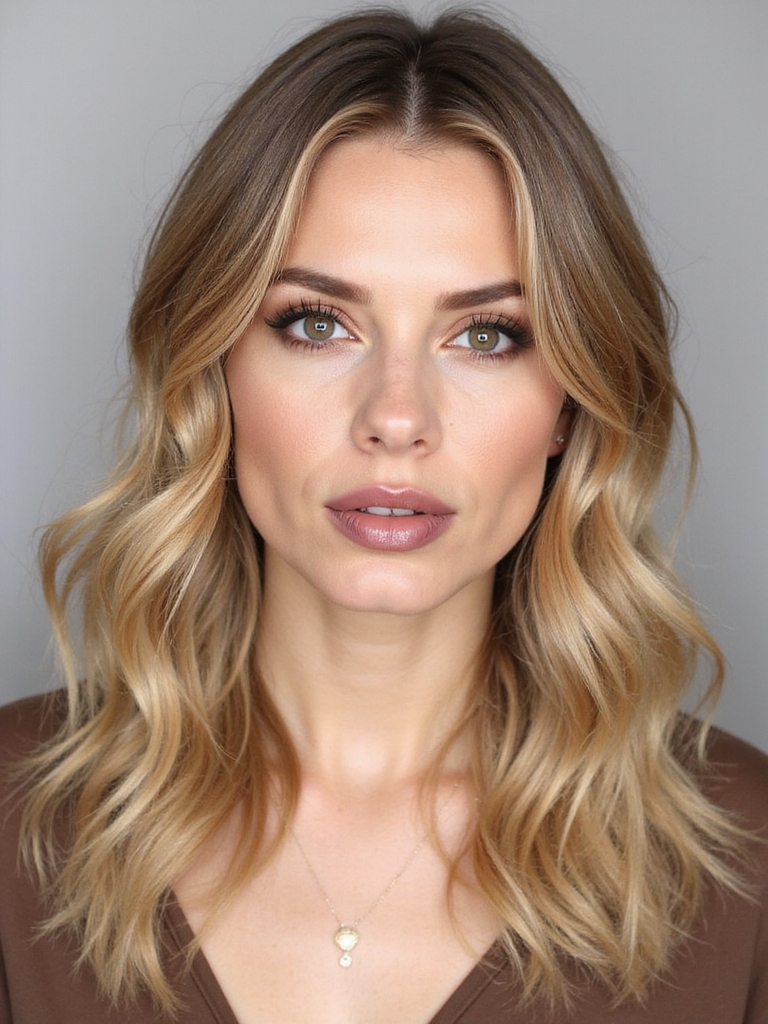
Start with the layered cut that launched the whole trend: soft, face-framing layers on shoulder-length hair, tapered to sweep back from the cheekbones. It’s the look everyone pictures when they think nineties, and it’s back for a simple reason, since it flatters nearly every face.
Why It Flatters Everyone
The magic is in the front layers. Cut to fall around the cheekbones and angle back, they draw the eye to your features and give the whole cut its signature movement. The modern version is softer than the original, less structured and more relaxed, so it reads as current, everyday styling.
It works on nearly every face because the framing is adjustable. Place the shortest piece at the cheekbone to highlight the eyes, or lower toward the jaw for a softer frame, and either way the layers pull attention exactly where you want it.
A Softer Shag With Face-Framing
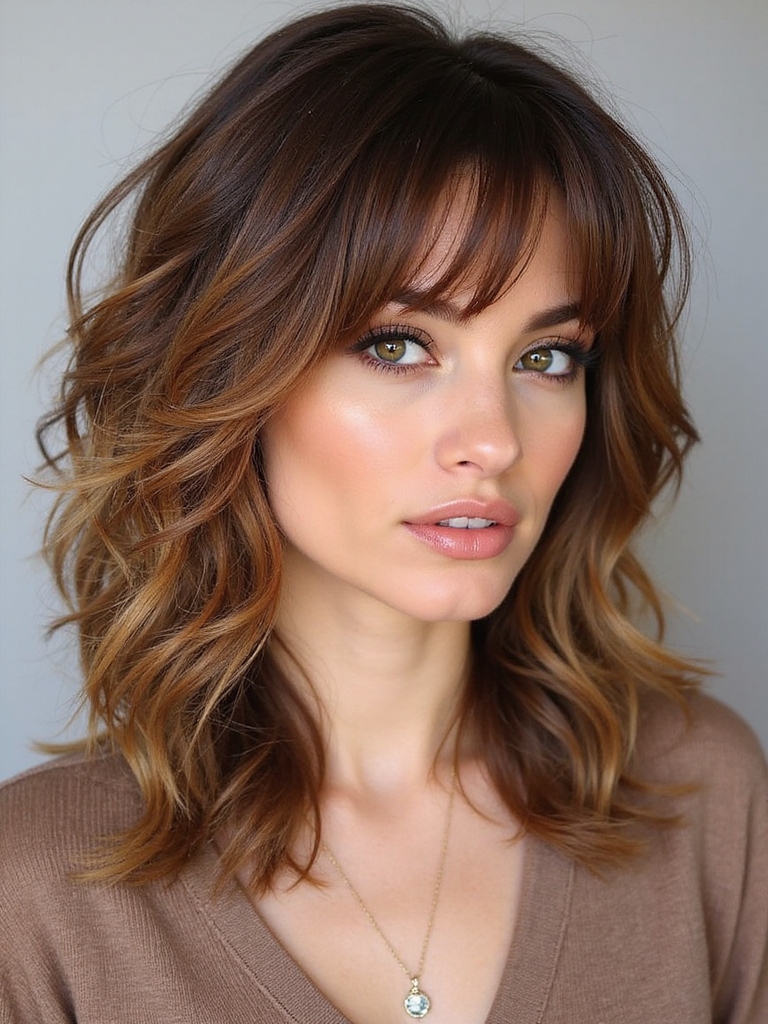
Push the layers choppier and you get the nineties take on a shag, softer and more face-framed than the seventies original. It keeps the piecey, textured layering but pairs it with gentle framing that stops it looking severe.
This is the layered look for people who want more edge than the classic face-framed cut but less commitment than a full shag. The choppiness lives mostly through the mid-lengths, down toward the tips, while the framing up front keeps it flattering.
It’s a strong match for fine to medium hair that wants texture and movement. Wavy hair especially takes to it, since the layers give the wave definition. Style it with a texture spray, then a rough-dry, for that undone, cool-girl finish.
A Feathered Blowout With Flipped Ends
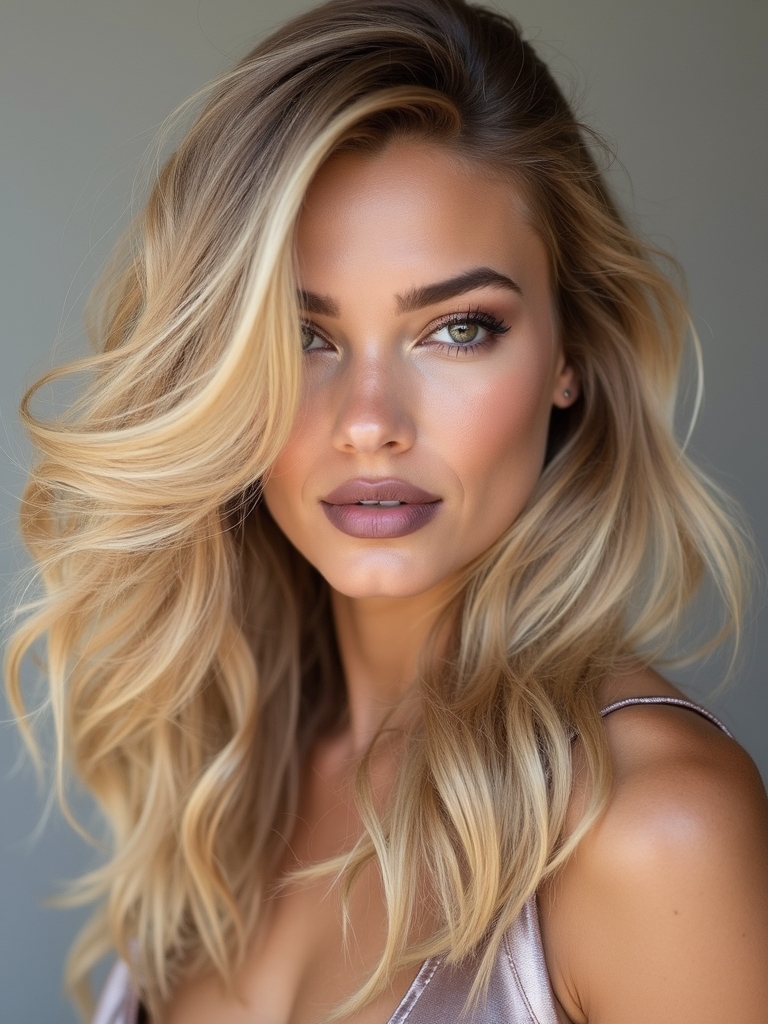
Here’s the look at its most glamorous: a full, feathered blowout with the ends flicked up and out. It’s the version that turned nineties layers into an icon, big, bouncy, and impossible to miss.
The feathering and the flip work together. Layers cut to taper let the ends kick out cleanly, while a round-brush blowout builds the body underneath. It’s more effort than the everyday versions, but the payoff is pure drama.
It flatters oval and heart faces beautifully, and it’s the pick when you want your hair to make an entrance. Straight and wavy hair hold the blowout longest; a little hairspray keeps the flip up through the night.
A feathered blowout is the most nineties thing you can do to your hair. Get the flip right and it doesn’t look like a costume, it looks like confidence.
Cheekbone-Grazing Center-Part Layers
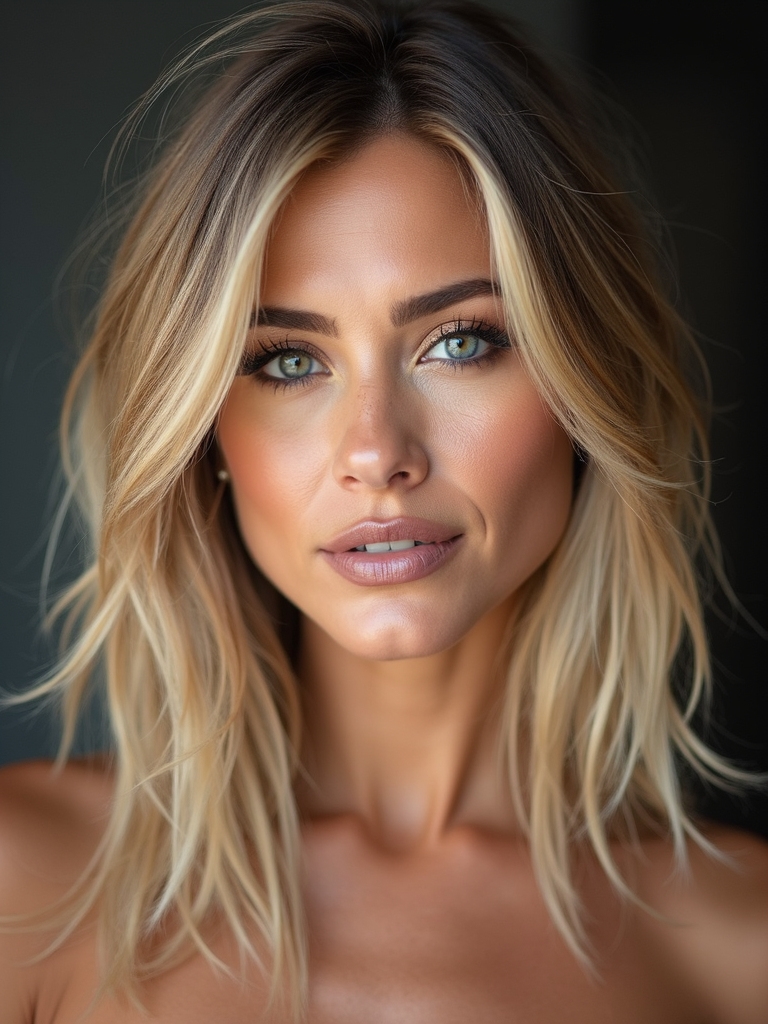
Part the hair down the middle and let the front layers graze the cheekbones on each side, and you get the clean, symmetrical version of the look. It’s the quieter, more modern way to wear nineties layers, all framing, no fuss.
The center part does the framing here, splitting the front layers evenly so they hug both cheekbones, and it looks polished and intentional, especially when the shortest layers land right at the cheekbone.
It suits balanced and heart-shaped faces most, and it’s the easiest version to wear day to day. A medium-length layered cut with a center part and cheekbone framing is about as universally flattering as hair gets.
Choppy Midi Layers With Razored Ends
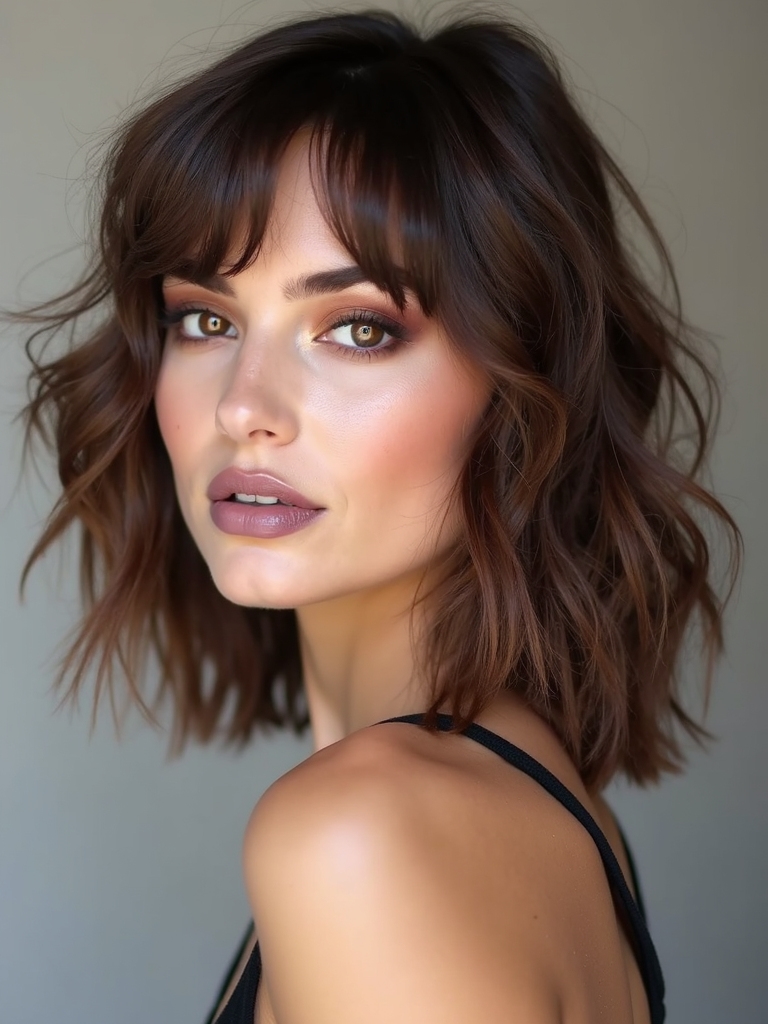
For a cooler, more undone take, choppy layers on midi-length hair with razored ends hit the sweet spot between polished and grungy. The razor leaves the ends airy and piecey, so the whole thing looks textured and a little rebellious. How to get it:
- Ask for choppy layers all the way through the mid-lengths.
- Have the ends razored for a piecey, separated finish.
- Style with a texture spray and finger-drying for the undone effect.
A Round, Voluminous Blowout
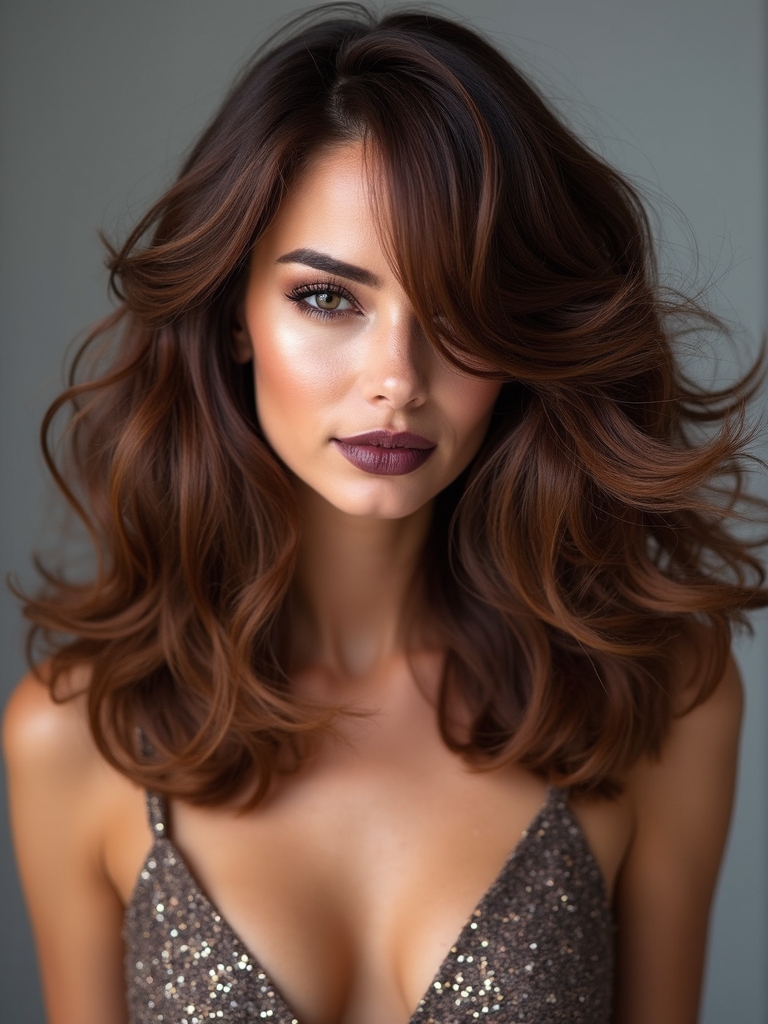
This is layered hair at full volume: a big, round blowout that curves the layers under into a smooth, bouncy dome. It’s the polished, salon-fresh version, all body and shine, and it’s the look people book for events.
The layers make the volume possible, giving the blowout somewhere to build. It takes a round brush and steady sectioning, but nothing looks quite so done.
- Best on hair with some length for the layers to curve under.
- A large round brush and neat sections build the rounded volume.
- A cool shot sets the shape so the bounce holds all day.
Is a round blowout worth the effort for you?
1Have ten minutes and a round brush most mornings?
Then the blowout rewards you with the fullest, most polished version.
2Would you rather wash and go?
Skip it; the tousled and razored versions give movement with no heat.
Sleek Layers With a Single Flip
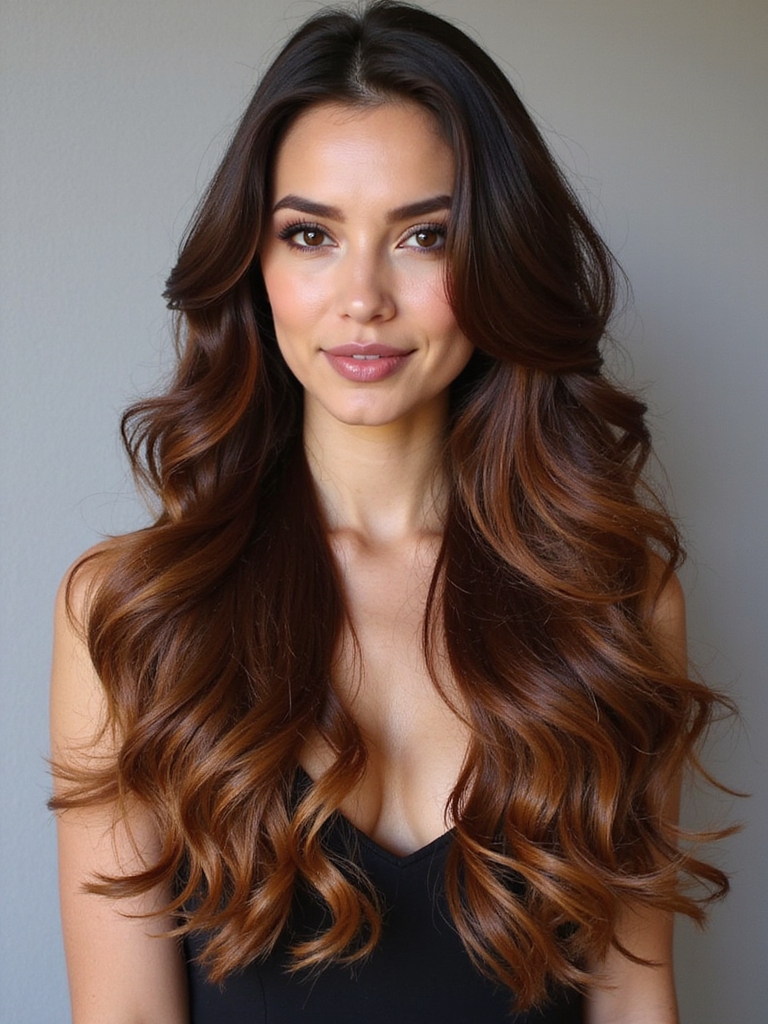
Not everyone wants volume. Worn sleek and straight, layered hair shows its shape only at the very ends, where a subtle flick hints at the layers underneath. It’s the minimalist, polished way to wear the look. To style it:
- Flat-iron the lengths smooth, leaving just the ends to turn out slightly.
- A drop of serum keeps the sleek surface glossy and frizz-free.
- It flatters long faces, where the straight length balances the shape.
The Layered Lob With Movement
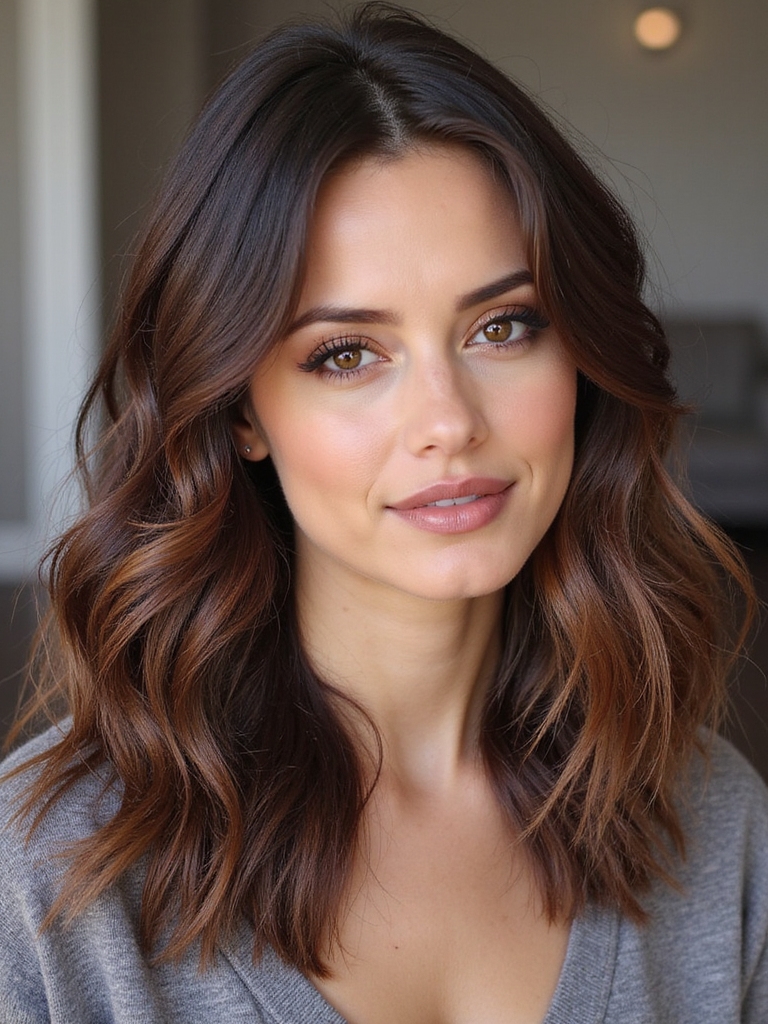
Drop the length to the shoulders and nineties layers become a layered lob, the most wearable version of the whole trend. Long enough to feel grown-up, short enough to move, it’s the length most people actually keep.
Why the Lob Is the Easy Choice
The layers give a lob the swing it needs, stopping it hanging like a blunt curtain. Face-framing pieces at the front tie it to the nineties, while the shoulder length keeps it easy.
It’s forgiving on grow-out too, drifting gracefully into longer layers as the shape keeps its integrity, which makes it a safe first step into the look. Wavy and straight hair both wear it beautifully with barely any styling.
📋What to bring to the consultation
- ✓A photo of the exact length and framing you want
- ✓Honest notes on how much time you spend styling
- ✓Whether you want a fringe or just face-framing
Middle-Part Tousled Layers
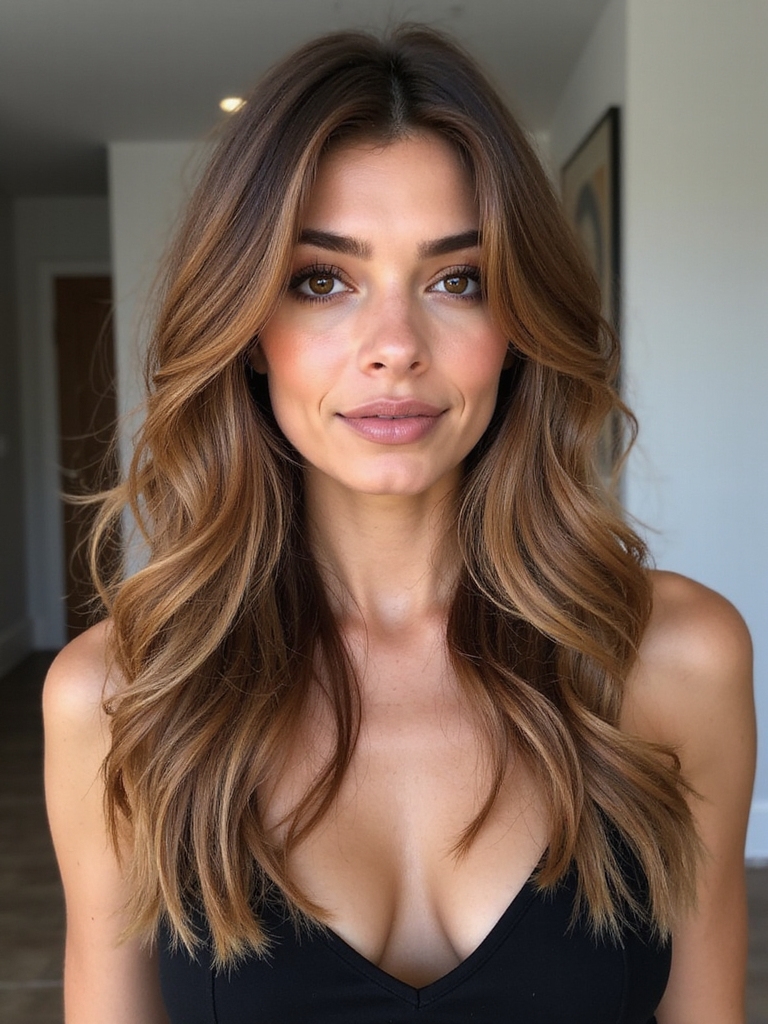
For the off-duty version, part the layers down the middle and rough them up into loose, tousled texture, landing on the grungier, cool-girl end of nineties hair, less blowout and a lot more slept-in body.
The tousling plays up the layers’ natural movement, so this one works best on hair with a bit of wave or bend. A texture spray and your fingers are all it takes, no round brush in sight.
It’s the easiest version to live with, and it flatters most faces since the soft, undone texture is forgiving. Anyone who wants nineties layers without the daily styling should start here.
Chunky Face-Framing Highlights

Color makes layered hair pop, and the nineties went bold and chunky with it, no soft blending in sight. Placed around the face, thick ribbons of lighter shade lit up the framing layers and leaned all the way into the era. To wear it now:
- Concentrate the brightest pieces around the face, where the layers show them.
- Go bolder and chunkier than blended highlights for the true retro effect.
- Budget for the color, usually around $130 to $200, plus a gloss to keep it crisp.
Soft, Tapered Textured Layers
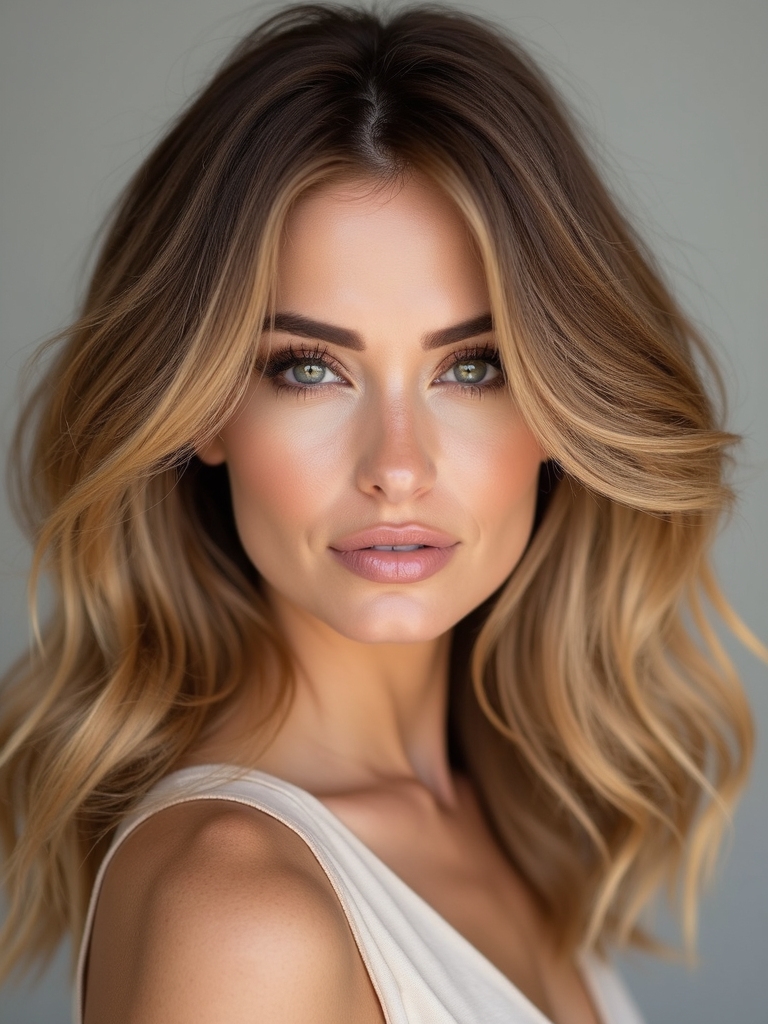
If choppy feels too much, soft tapered layers give texture without the edge. The ends taper gently in place of anything blunt or razored, so the texture is there but the whole thing stays soft and blended.
It’s the most flattering middle ground, movement and body without any harshness, and the tapering suits fine hair especially, adding the look of fullness without stripping any weight.
This is the version that photographs soft and feminine, and it grows out without a hard line. A little mousse and an air-dry bring out the gentle texture; a round brush takes it dressier.
An easy air-dry for soft layers:
1Work mousse through damp hair
concentrating on the roots and mid-lengths for body.
2Scrunch and air-dry, then shake it out
so the tapered layers fall soft and separated.
Micro Layers for Crown Lift
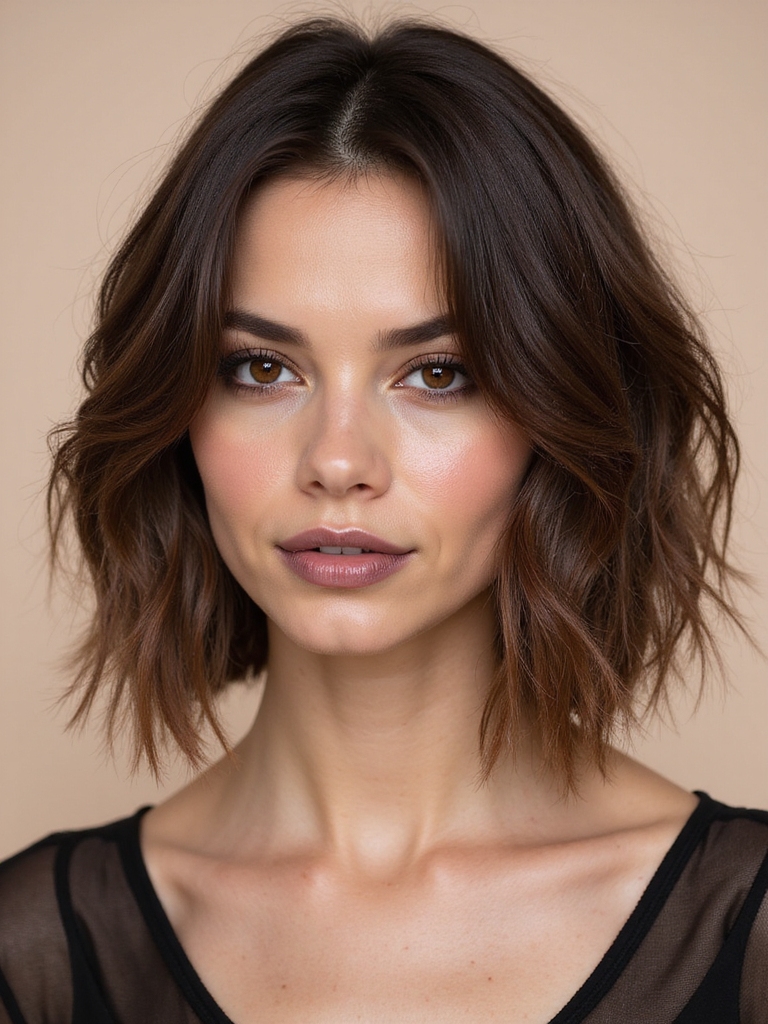
Some of the best nineties layering is invisible. Short crown layers cut into the top add hidden lift, so flat, heavy hair gets root volume without any obvious layered look on the surface.
Volume Without the Shape Change
It’s the trick for anyone whose hair falls flat at the top, since the micro layers sit underneath and prop up the length above them, so you get real body without changing the shape you already like.
It works on nearly any length and texture, and it pairs well with the face-framed and lob versions. Ask specifically for short crown layers for lift, and keep them hidden so the surface stays smooth.
Layered Hair With Bangs

Add a fringe and the layers gain an anchor. A bang, whether a soft curtain or a wispy fringe, ties the face-framing together and doubles down on the nineties mood.
Because the fringe grows straight out of the front layers, it softens into more framing over time with no awkward blunt-bang stage. That makes it a low-risk way to add a fringe to layered hair.
Curtain bangs suit almost everyone and are the easiest to wear, while a wispy micro fringe is bolder and best on balanced foreheads, and either way the fringe needs trimming more often than the surrounding layers to hold its shape.
Crown-Focused Layered Volume

Styling is where nineties volume really happens, and it all centers on the crown. Even a good layered cut falls flat if you don’t lift the roots, so the whole look depends on how you dry the top.
Where the Volume Comes From
The technique is simple but makes all the difference. Lift the crown sections up and back as you blow-dry, or flip your head over and dry the roots against their natural fall, and the layers spring to life.
A root-lifting spray at the crown holds the volume longer, and a gentle backcomb at the roots adds even more for a big night. Everywhere else can stay simple — the crown alone is where the era’s body comes from.
Choppy, Wispy Razor-Cut Layers

At the airiest end of the trend, razor-cut wispy layers dissolve the ends into fine, feathery pieces. It’s the most undone, weightless version, all separation and softness, with almost no visible line anywhere.
The razor is what makes it work, slicing the layers thin so they float free of any real weight. It’s a dream on thick hair that wants weight gone, but it needs healthy ends, since the razor exposes any damage.
It’s made for the texture-without-volume crowd, a flatter, softer alternative to the blowout looks. Style it with a light texture spray and your fingers, and let the wispy ends do the rest.
Featherlight Shoulder-Length Layers
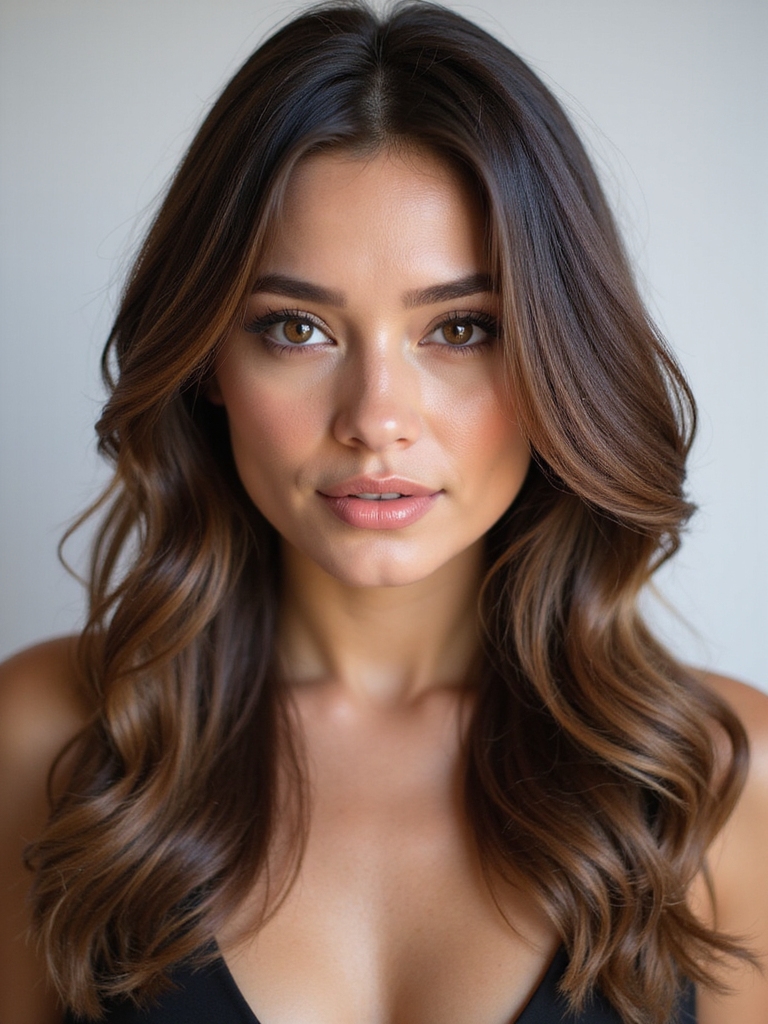
To close, the most fuss-free version of them all: light layers on shoulder-length hair, cut to keep the whole thing soft and sleek. It’s the pared-back take, just enough layering to add movement, nothing that demands work.
This is the version for people who want the nineties feel without any of the fuss. The layers are subtle, the length is easy, and it suits nearly every face and texture.
- Light layering for movement without heavy styling.
- Shoulder length keeps it versatile and easy to grow out.
- Air-dries into shape with a little product and no heat.
Common Mistakes to Avoid
The most common mistake is skipping the styling. Nineties layers are built for body, so a layered cut left to air-dry flat misses the whole point; even the low-effort versions want a little product and a rough-dry. The second is over-layering fine hair, which turns full into thin, so ask for restraint if your hair is delicate.
The last is copying a photo without matching it to your hair. The iconic face-framed cut looks different on straight, wavy, and curly textures, and a length that flatters one face fights another. Talk through your texture, your face, and how much time you’ll really spend styling before anyone starts cutting.
Layers That Keep Coming Back
Nineties layers have outlasted every trend cycle since, and it’s easy to see why: they frame the face, add movement, and flatter almost everyone, without locking you into a single shape. Whether you go full feathered blowout or featherlight and shoulder-length, the idea is the same, layers that move.
The look isn’t going anywhere this time either. Match the look to your length and your patience level, bring a photo, and be honest with your stylist about how much styling you’ll actually do. Get that right, and these are the layers you’ll keep coming back to for years.
Next Up