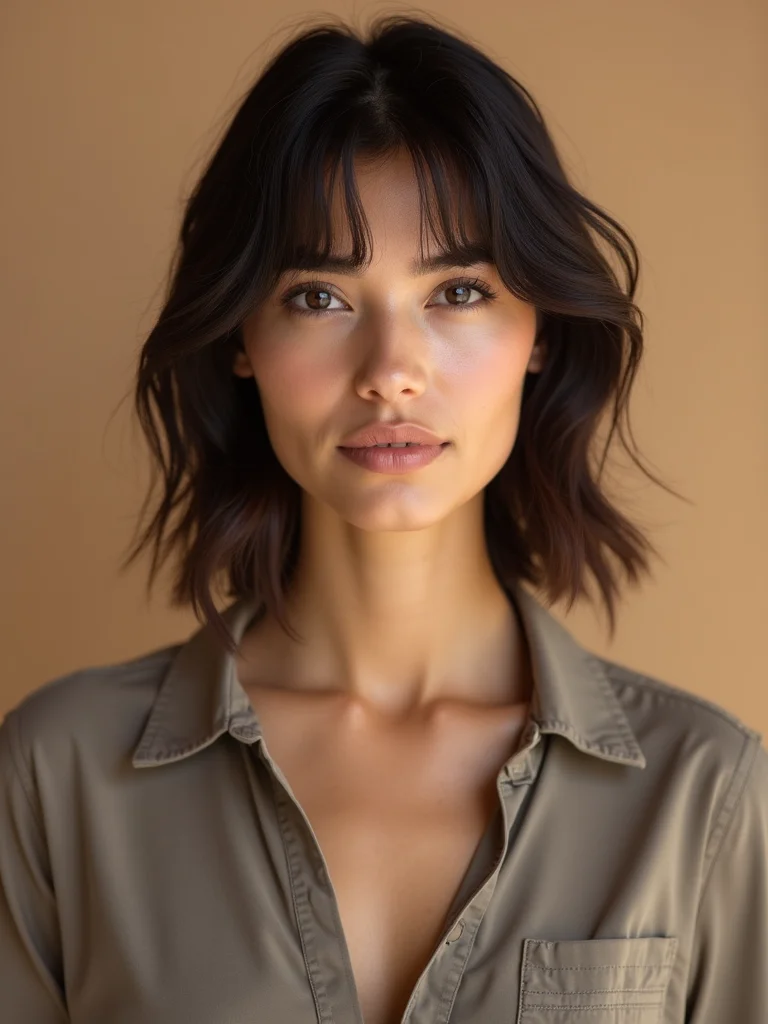
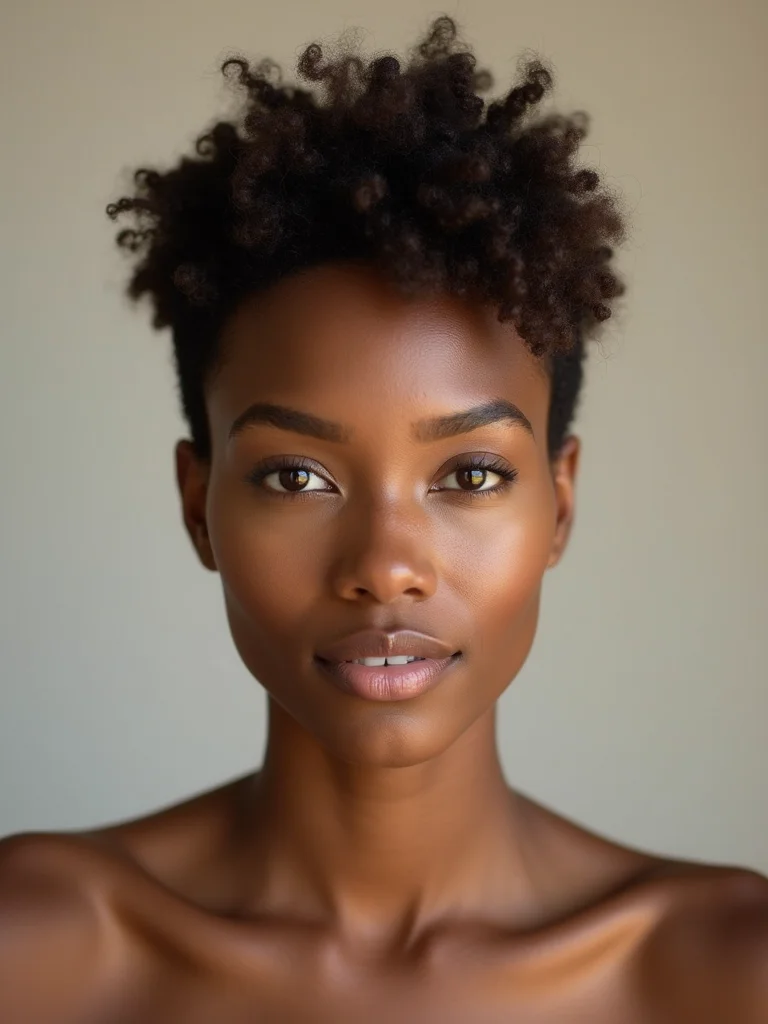
The sixties built volume the hard way, and it shows. Before a blow-dryer lived in every bathroom, women set their hair on rollers overnight, teased the crown by hand, and pinned it into shapes that stood up on their own. 60s layered hair took all of that lift and stitched it straight into the cut, so the body came from the layers instead of an hour of backcombing.
Fifteen looks here, pulled from that decade and trimmed for how we actually wear hair now: softer at the root, quicker to keep, still tall where it counts. Each one comes with the cut, the at-home styling, and who it flatters. Some go full retro; others just steal a little sixties height.
Sixties Volume, Boiled Down
- The lift is built into the layers and the crown, not into length, so these looks work short through long.
- Curtain bangs and feathered face-framing are the softest way in; a teased crown or roller set is the fullest.
- Fine and medium hair get the biggest payoff; thick, coarse hair needs extra thinning so the volume doesn’t turn to bulk.
Voluminous Curtain Bangs With Soft Layers
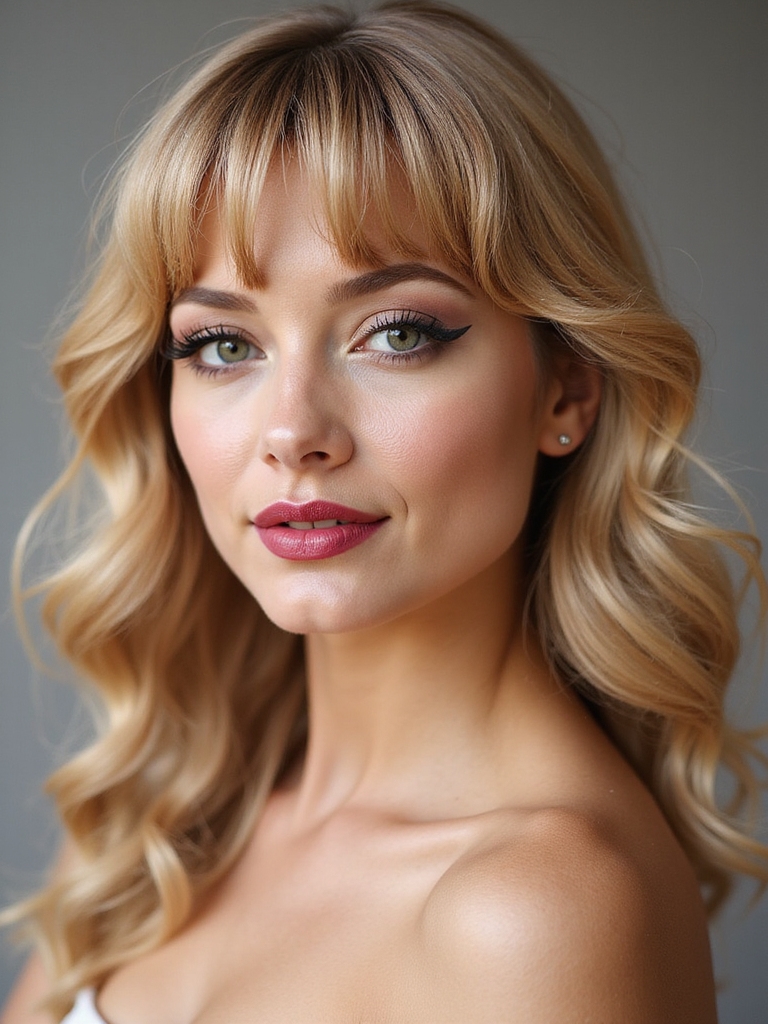
Curtain bangs are the gentlest way into sixties hair. The fringe splits down the middle and feathers back toward the cheekbones, and a few soft layers behind it keep the whole shape from collapsing flat by afternoon. It grows out kindly too, softening into face-framing pieces over a few months so you never hit an awkward stage. Here’s the order I’d cut and set it in:
- Cut the fringe to land between the brow and cheekbone, longest at the outer edges so it sweeps back.
- Add a few long layers through the mid-lengths for movement, keeping the ends thick.
- Set the bang over a large round brush, rolling up and away from the face, then let it cool before you release.
A Feathered Crown With Lifted Ends
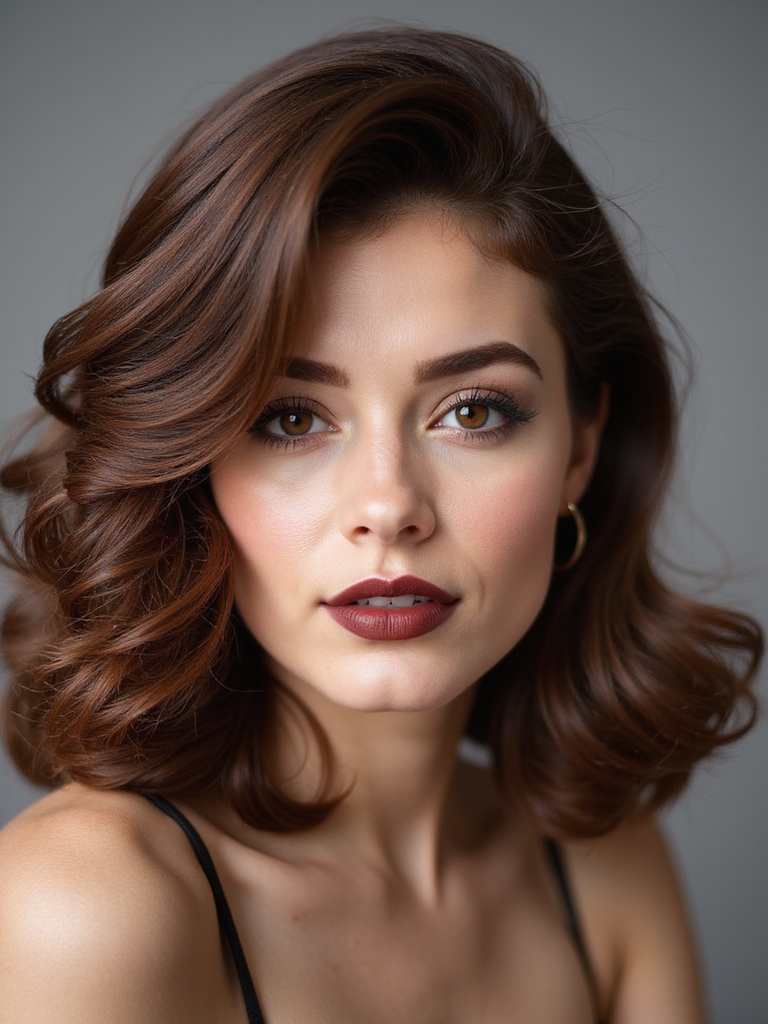
You’ve seen it a hundred times. This is the look most people picture when they hear sixties: the softly rounded crown with ends that feather out like petals. Layers are cut short through the top and graduate longer toward the perimeter, so the crown puffs up while the ends stay light enough to flick.
It looks polished and current because the modern version skips the lacquer entirely. A little lift at the root and a curl of the ends is all it really takes.
- Best on fine to medium hair that holds a shape; very heavy hair drags the crown down.
- Works with round and heart faces, softening the jaw with those outturned ends.
- Keep a light hand with product so the feathering stays soft and separated.
ℹ️The Fringe Catch
Curtain bangs need a quick trim every five to six weeks to keep their sweep. Let them grow past that and they slide into your line of sight, and the soft lift goes with them.
Swingy Face-Framing Layers for Medium Hair
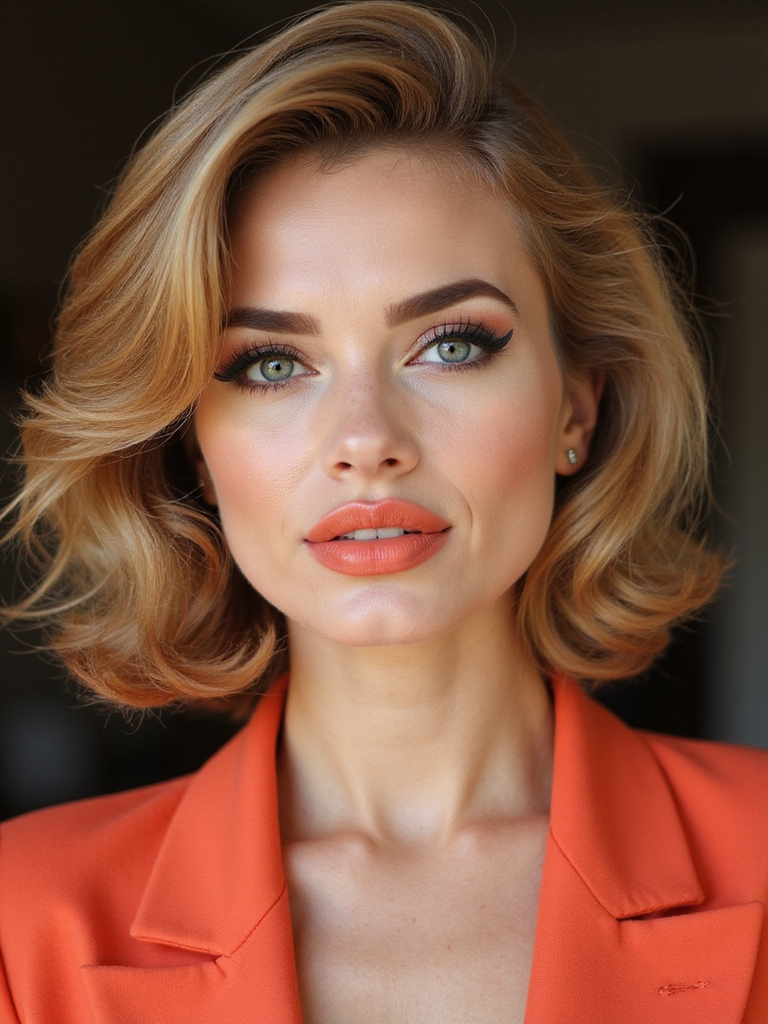
Face-framing layers were how sixties stylists made a plain mid-length cut move. The shortest pieces start around the cheekbone and lengthen down past the chin, so they swing forward when you turn your head and settle back into the shape.
On medium hair this is the most wearable sixties look of the bunch. It flatters nearly every face because you can place the shortest framing piece wherever you want to draw the eye.
- Point-cut ends keep the framing soft instead of shelf-like.
- Ask for the first layer at the cheekbone for lift, lower for a gentler frame.
- A center or slightly off-center part suits the retro mood best.
A Long Shag With Sixties Movement
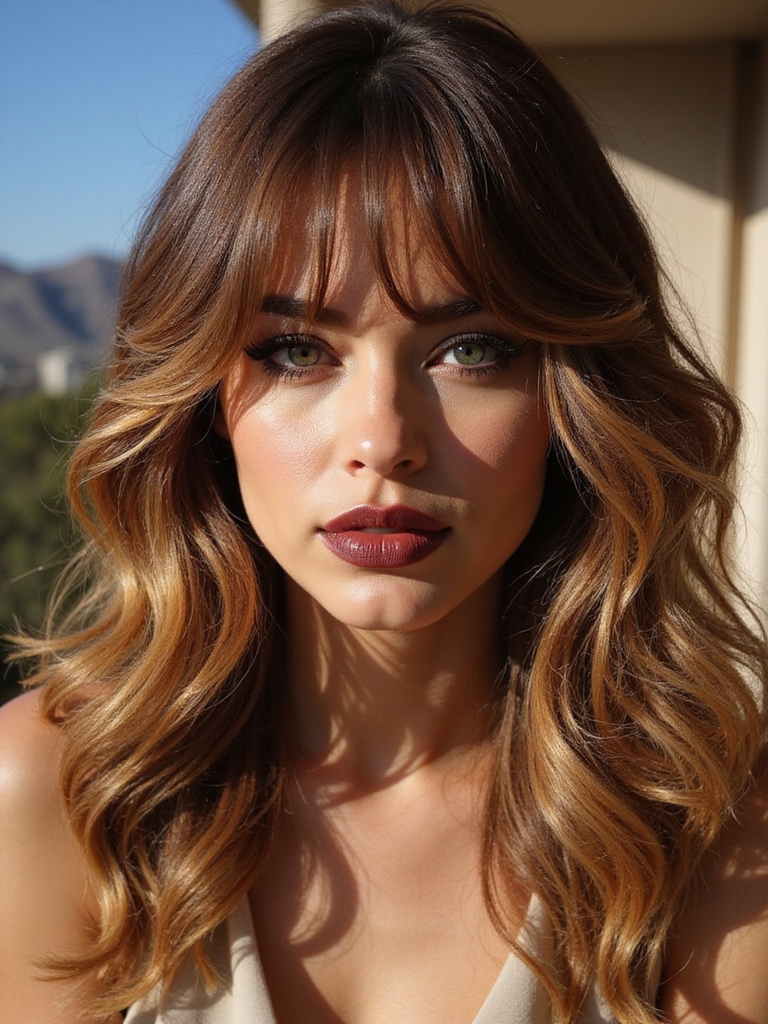
The shag got its start in this era, and on long hair it’s pure sixties energy without the fuss. Layers run from the crown all the way down, short and dense up top, longer and wispier at the ends, so the whole length looks like it’s in motion even when you’re standing still.
The trade-off is honest: a true shag needs the layers refreshed as it grows, or the shape blurs into a plain long layered cut. Plan on a shape-up every few months, usually around $60 to $90 at a mid-range salon, to keep the movement crisp.
- Ideal for thick hair that needs weight removed without losing length.
- Curly and wavy textures wear it beautifully; the layers let the curl spring.
- Fine hair should keep the layering subtle so the ends don’t look stringy.
A fast way to get the swing at home:
1Rough-dry to about 80 percent
so the framing layers don’t go limp under the brush.
2Wrap the front pieces forward, then back
over a round brush, to build the sway in both directions.
A Layered Lob With a Touch of Bouffant
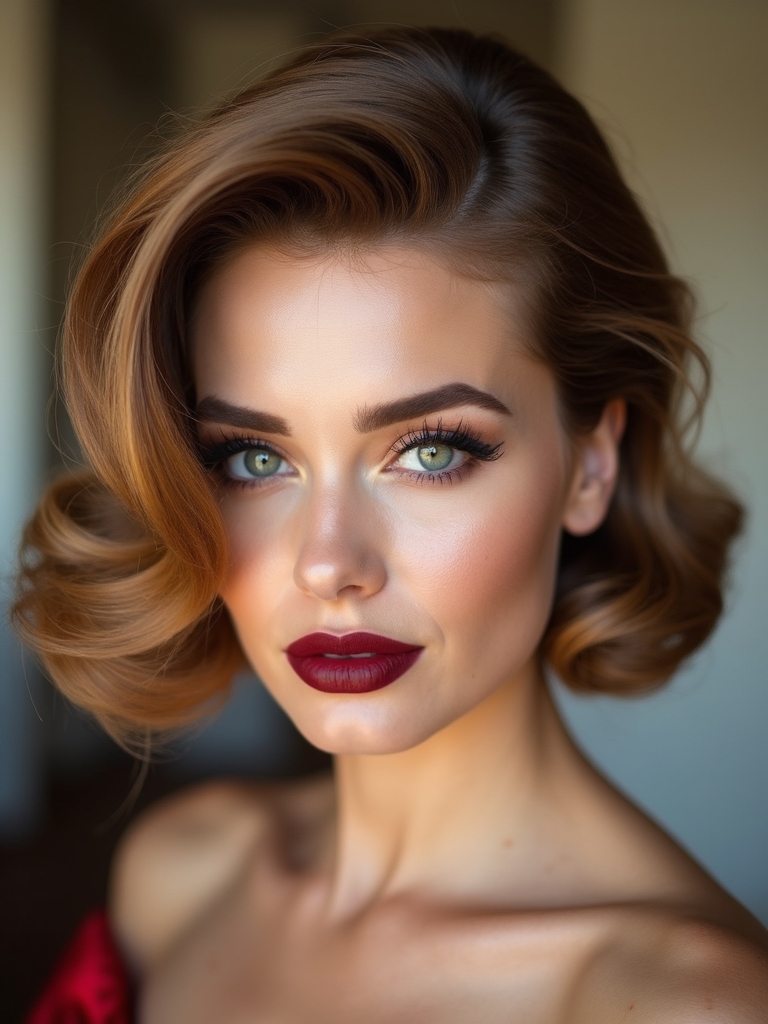
Take the sixties crown height, set it on a shoulder-grazing lob, and you land somewhere office-appropriate. Call it the compromise cut. The layers sit mostly through the top and crown to lift the roots, while the lob’s blunter perimeter keeps the whole thing current.
Bouffant sounds intimidating, but the modern amount is small, just enough lift to round out the crown. Backcomb lightly at the base of a few crown sections and smooth the surface over the top, and that’s the entire trick.
This suits long faces especially well, since the width up top balances the length. Straight and wavy hair both take it; you’ll just work a little harder for lift on stick-straight strands.
Swooped Side Bangs Over Tapered Layers
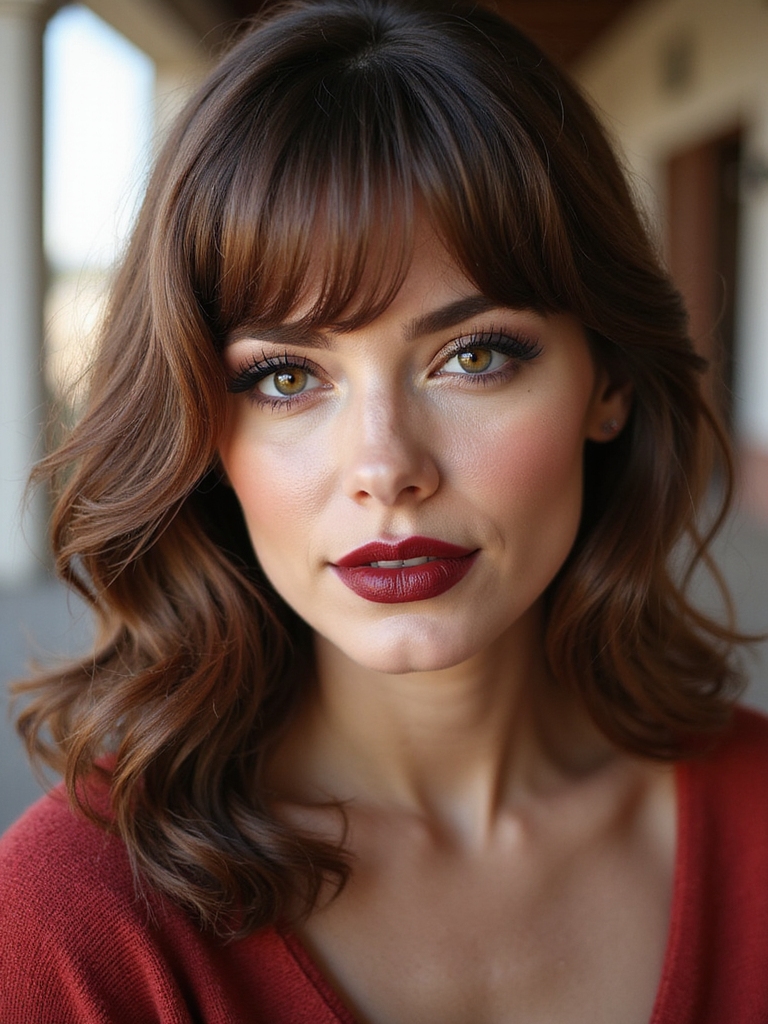
Not everyone wants a center part, and the sixties had a side-swept answer. A deep side bang sweeps across the forehead and blends into layers that taper down the sides, so the whole thing feels like one long diagonal line.
The taper is what sets it apart. Instead of choppy steps, the layers get progressively longer and softer as they fall, which keeps the whole line elegant and deliberate.
Square and round faces wear this particularly well; the diagonal line cuts a wide brow or a square jaw and softens it fast. Texture decides how long it lasts through the day, coarse strands hold the angle for hours, while finer hair drifts back toward center and wants a light paste to stay put.
A Big Layered Blowout for Maximum Lift
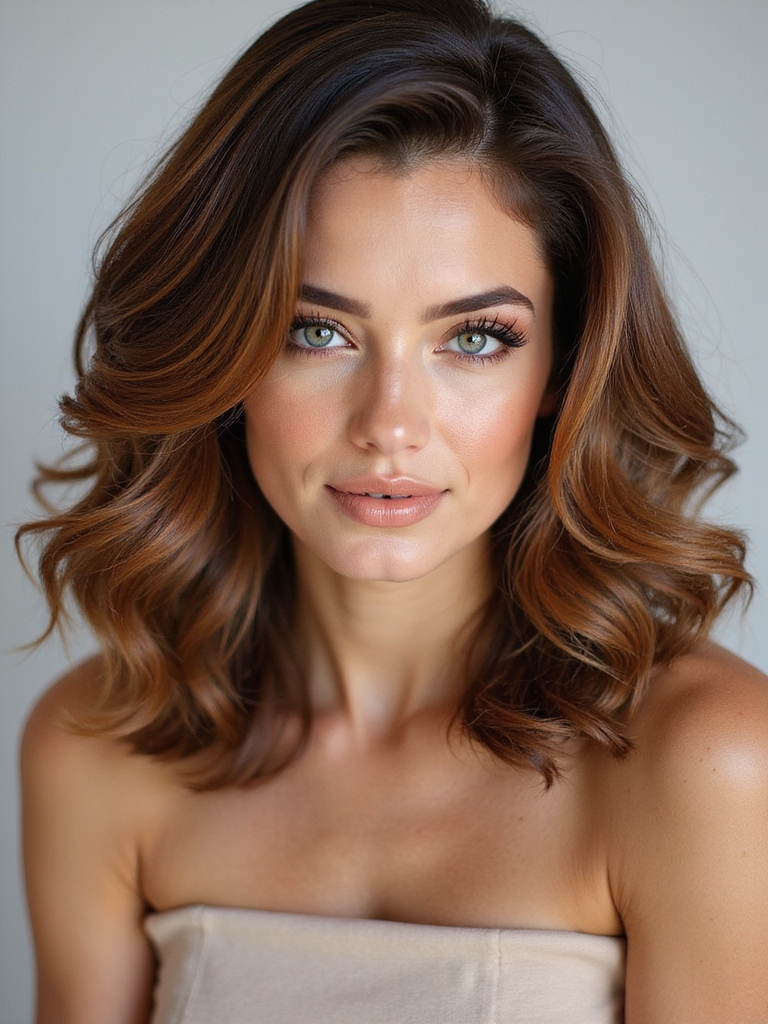
When you want the volume dialed all the way up, this is the one. Every layer gets rolled up and away at the root, then brushed out into one enormous, rounded cloud of body. It’s the look for a night out, a portrait, a wedding where you want your hair to read as an event in itself.
- Big Velcro or hot rollers set at the crown give the tallest, longest-lasting lift.
- A texturizing spray before you roll gives the layers something to grip.
- Finish upside down with a cool shot to lock the height before it settles.
A Voluminous Layered Pixie Throwback
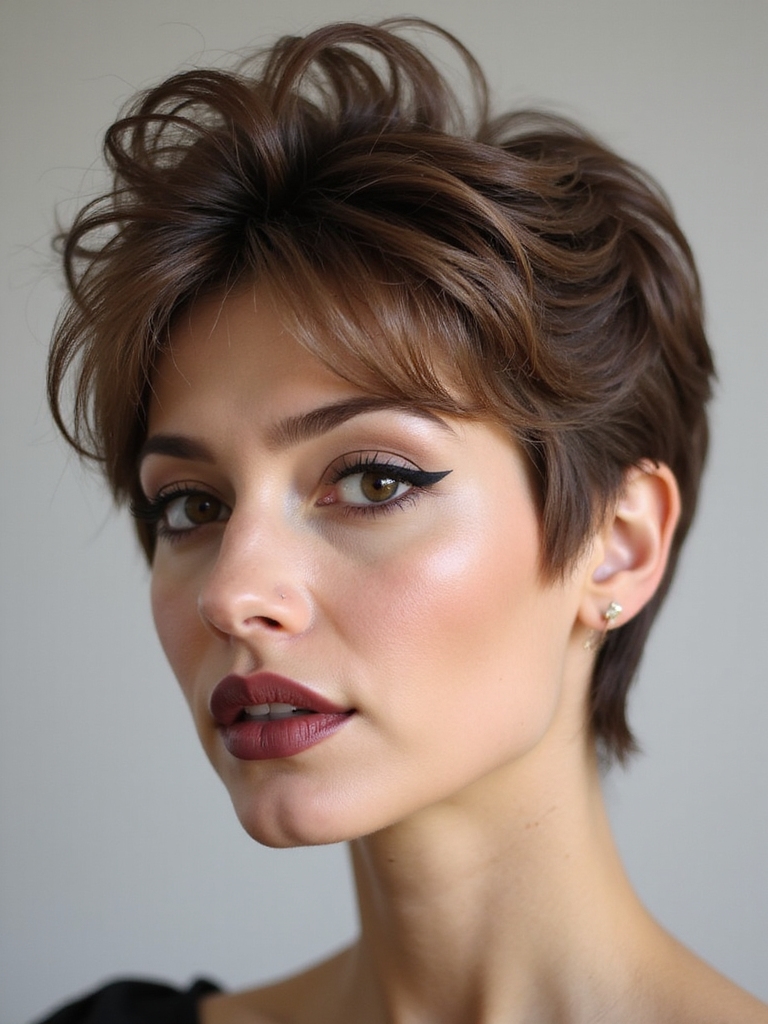
The sixties loved a bold crop, and the layered pixie carries that nerve. It takes some guts. Short layers all over let the crown stand up and the sides tuck close, a shape that’s equal parts gamine and glamorous depending on how you style it.
For the retro version, lift the crown with a little backcombing and leave the fringe long enough to sweep. For everyday, just push it forward with a matte paste and go.
This flatters delicate features and slim necks, and it’s a gift for fine hair, which finally gets to stand tall. Round faces should keep height at the crown to lengthen; strong bone structure can wear it sleeker.
“The mistake I see most with big volume is spraying everything stiff at the end. Volume that still moves looks expensive; volume that’s shellacked looks like a costume. Mist the roots only, and leave the lengths free to swing.”
Half-Up Height With Teased Layers
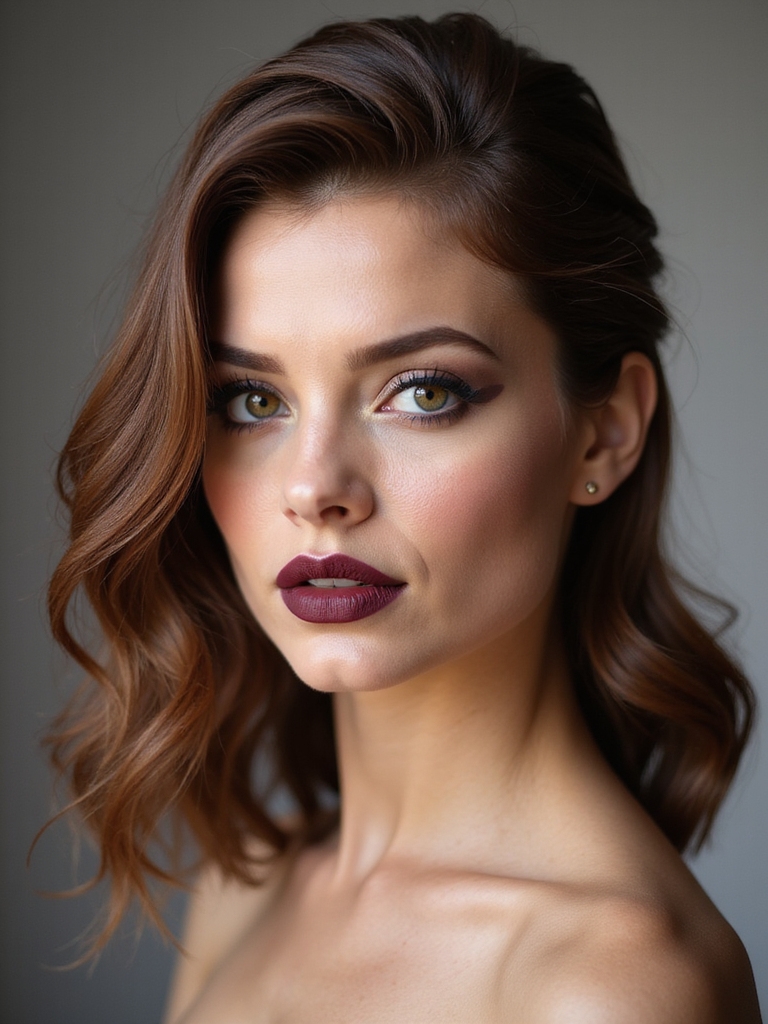
The half-up was the sixties party trick, and it still earns its keep for a little ceremony without going all the way to an updo. Sweep up the crown, give it some height, and pin it back while loose layers stay free below.
Building the Crown Height
Because the volume lives up top, it looks formal from the front and easy from the side, an evening look that somehow takes five minutes.
Tease gently at the base of the crown section, smooth the surface with a soft brush, then pin just behind the lifted part. On coily hair, a pick builds the same height with far less tension than a comb.
A Wispy Fringe With Airy Layers
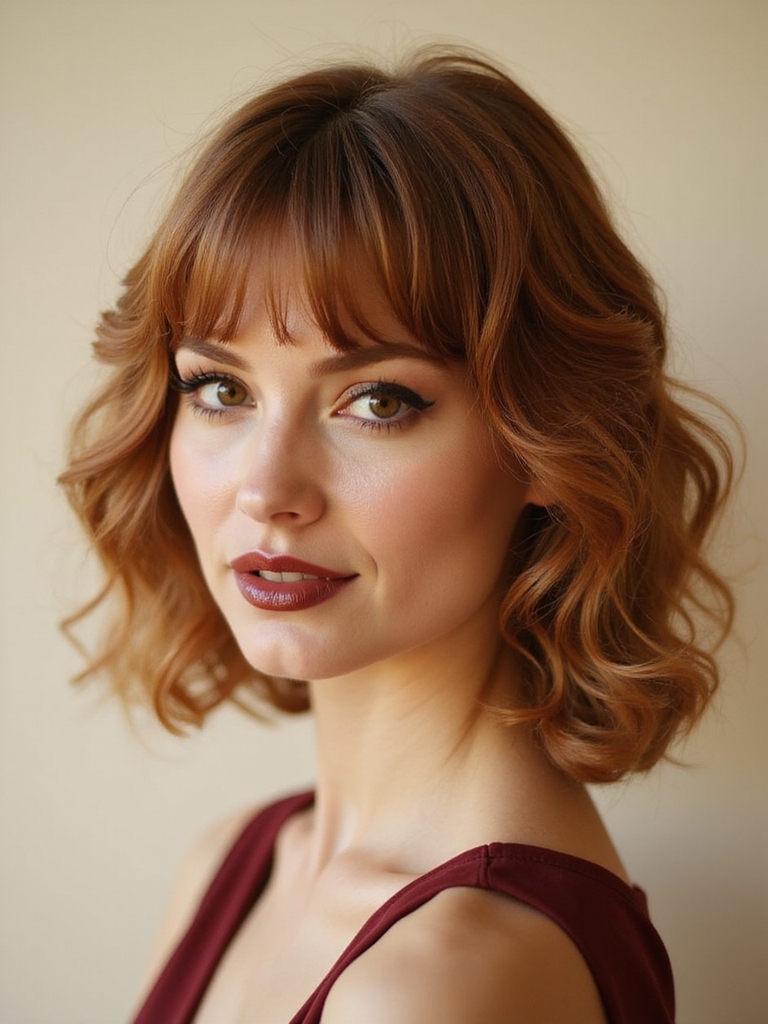
By the end of the decade the heavy fringe had thinned into something softer: a wispy, piecey bang paired with long, airy layers. It’s the boho corner of the sixties, less bombshell, more free spirit, and it’s quietly having a moment again right now.
The bang is cut with lots of separation so it lies light on the forehead, and the layers stay long and barely-there to keep everything soft. It flatters almost everyone because the wispiness is forgiving, but it shines on fine hair, which wears the airy texture without ever looking thin.
Flipped-Out Ends on Mid-Length Layers
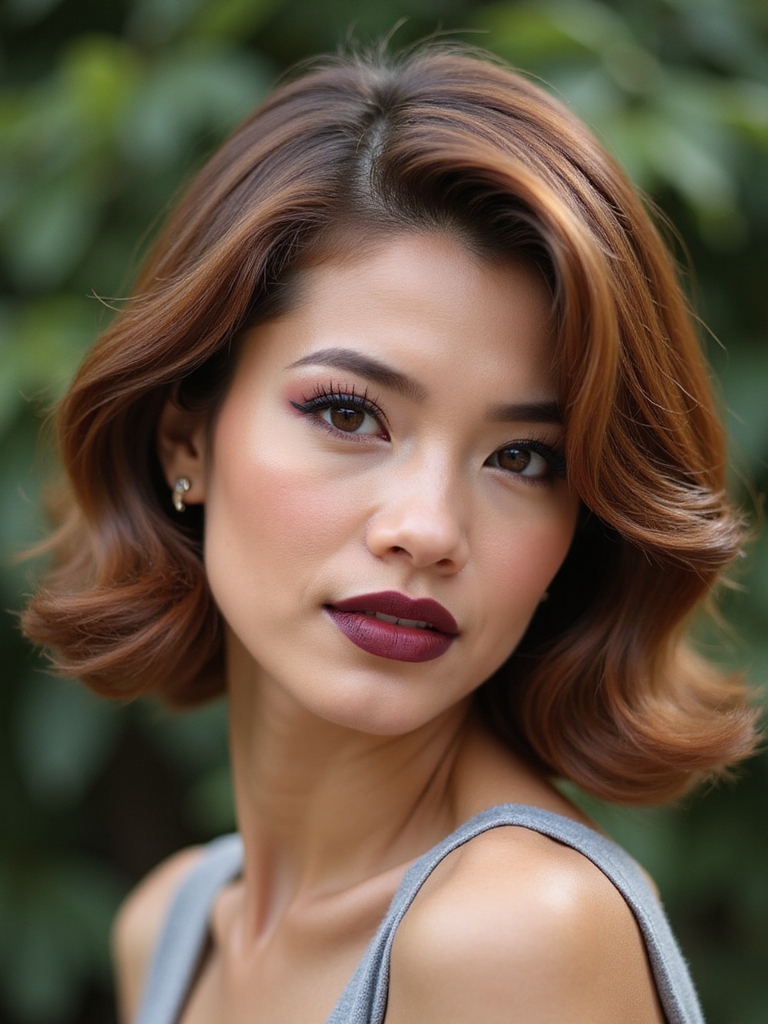
Nothing says sixties quite like ends that flip up instead of curling under. The flip is back. On mid-length layers it turns playful and a little cheeky, the kind of finish that makes a plain cut look styled on purpose, and it’s easier to pull off than it looks, which makes it a fun way to test the retro waters before a bigger commitment.
- Roll the ends up and out over a round brush or large barrel, holding a beat before you release.
- A flat iron works too: turn the ends outward at the last inch for a sharper flip.
- Best on blunter layers; heavily thinned ends flip unevenly.
Teased Roots Over Stacked Layers
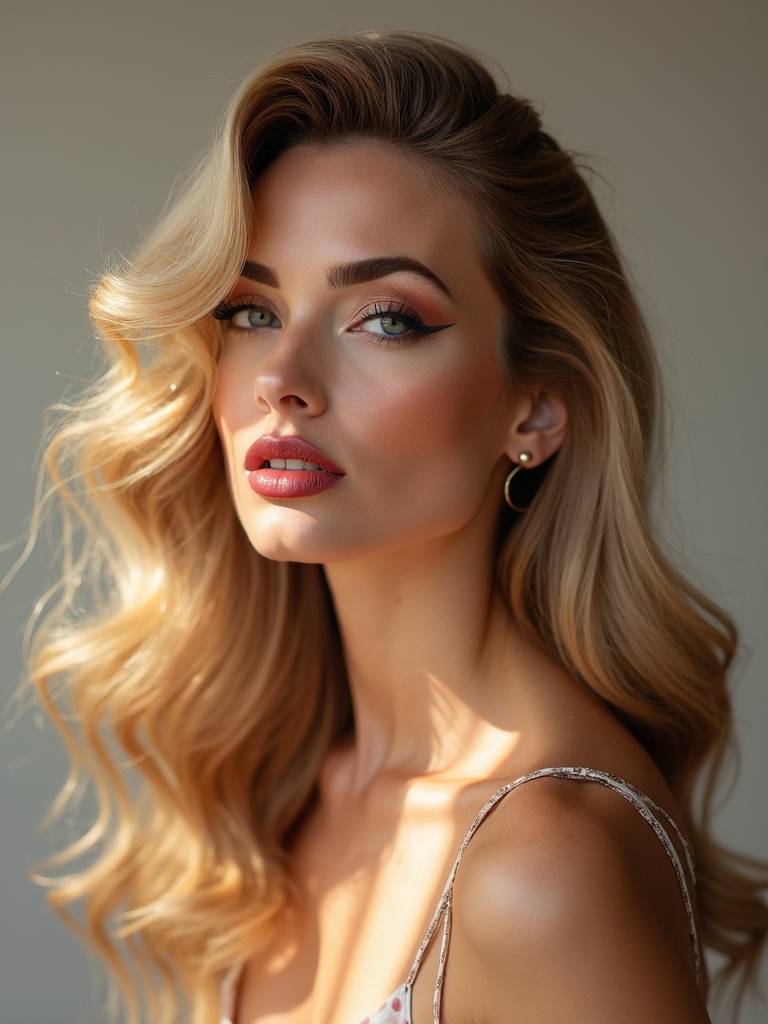
This is the full sixties volume, the stacked-and-teased crown that turned heads across the decade. Layers are built up through the crown so there’s plenty to work with, then teased at the roots to create that tall, rounded silhouette.
It’s the highest-maintenance look here, no way around it, but the payoff is drama. Reserve it for the nights that call for maximum height, and treat the teasing gently so you don’t stress the hair.
- Backcomb only at the root, in small sections, then smooth the top layer over.
- A boar-bristle brush blends the surface without dragging out the tease.
- Loosen it at night with your fingers rather than yanking a comb through.
A Roller Set With Modern Shine
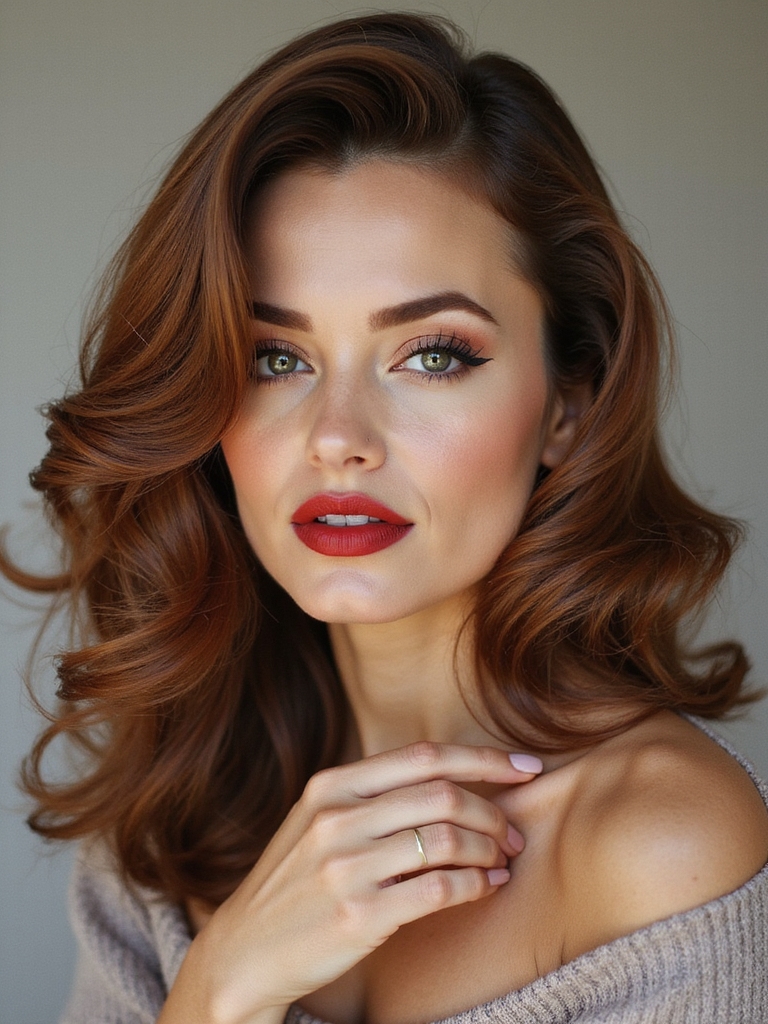
Before hot tools took over, the roller set was how everyone got body, and it’s coming back for a good reason: it builds volume with almost no direct heat. You set damp hair on rollers, let it dry, and brush out soft, bouncy layers that last for days.
Getting the Set to Last
The modern update is all about shine. Where the sixties version could look matte and stiff, a pass of gloss serum through the brushed-out lengths makes it look polished and current.
Let the rollers cool completely before you take them out, then brush through with a bristle brush and set with a light mist. On thick or coarse hair, smaller rollers and a little more dry time keep the wave crisp.
A couple of sixties terms worth knowing before the chair:
📖Backcombing
Teasing the hair toward the root to build volume, sometimes called ratting.
📖Roller set
Rolling damp hair on rollers and drying it in place for bouncy, heat-light body.
Center-Parted Layered Waves
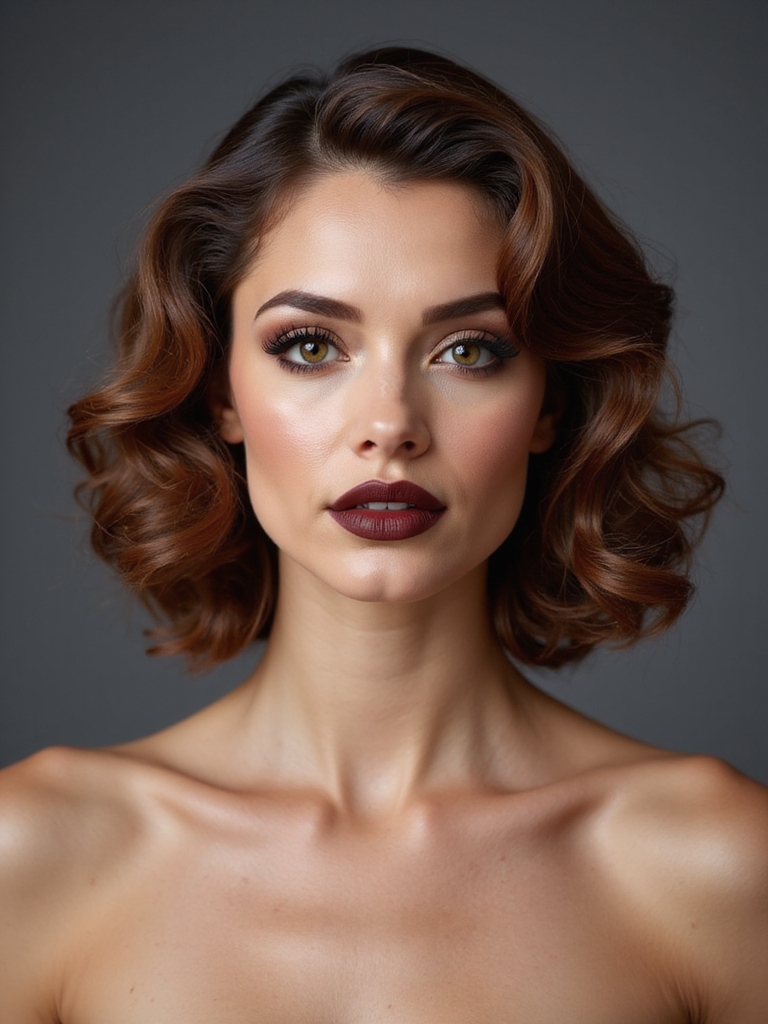
Toward the boho edge of the sixties, the tight bouffant gave way to loose, center-parted waves over long layers. It’s the softest, most romantic look of the group, and the one that translates most directly to now.
The layers keep the waves from sitting flat, giving them somewhere to bend and bounce. A center part frames the face symmetrically, which is why it feels calm and a little bohemian.
This flatters oval and heart faces most, though a center part can lengthen a round face beautifully. Wavy and curly hair are naturals here; straight hair will want a large-barrel wave to fake the bend.
A Lifted Crown With Springy Ends
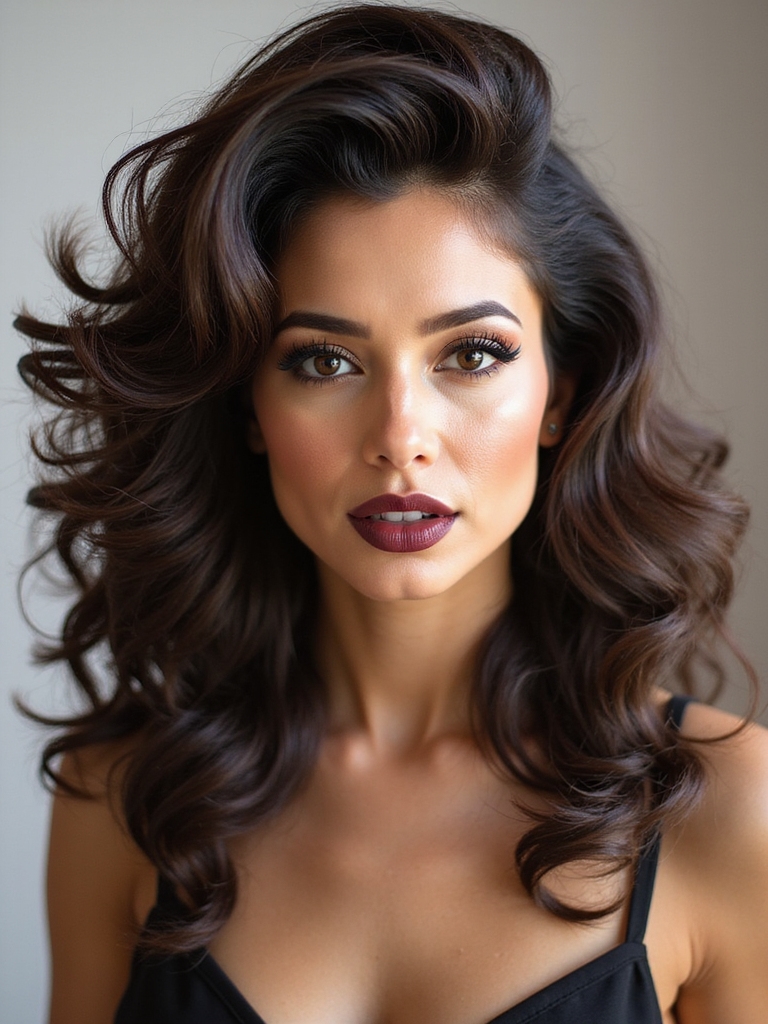
To close the set, here’s the look that ties the decade together: lift at the crown, spring in the ends, and layers doing the work in between. It’s the sixties formula distilled, tall up top and lively at the bottom, and it’s a smart template to bring to your stylist if you like a bit of everything. Build it in this order:
- Cut layers through the crown and mid-lengths so there’s body to lift and ends to bounce.
- Blow-dry or set the crown lifted straight off the scalp for height.
- Curl the last few inches outward, then shake everything loose so it moves.
Common Mistakes to Avoid
The biggest one is chasing the height without the cut to support it. Teasing flat, one-length hair just tangles it; the volume in these looks starts with layers placed to lift, so get the cut right first. The second is overdoing the product. Sixties hair earned its stiff reputation from cans of lacquer, and a modern version dies the same death if you drown it. Mist the roots, free the ends.
The last one is ignoring your texture. A teased bouffant fights coily hair and slides right off fine hair without prep, while a roller set can overwhelm very thick hair if the rollers are too big. Match the technique to what you’re actually working with, and the look does far more of the work for you.
Sixties Layers, Answered
?Do I have to tease my hair to get the sixties look?
Not at all. Curtain bangs, feathered face-framing, and a shag get their movement from the cut itself, so a round-brush blow-dry is plenty. Teasing only comes in when you want the tall, full crown of a bouffant or a formal half-up.
?Will sixties volume work on fine hair?
Fine hair is actually the best candidate. The layers and lift give it the body it can’t grow on its own, and a roller set holds beautifully on fine strands. The one caution is product: use a light hand so you don’t weigh the volume straight back down.
?How do I keep the retro shape from looking like a costume?
Keep it soft. Skip the heavy lacquer, mist only the roots, and let the ends move. A little gloss worked through the lengths looks current, and pairing the volume with a loose, undone finish keeps it from looking like a set piece.
Wear the Volume, Skip the Lacquer
What makes sixties layers worth revisiting isn’t nostalgia, it’s the engineering. The decade worked out how to build body into the cut so the hair holds a shape on its own, and every layered cut here borrows that idea whether it goes full retro or just steals a little height.
Pick the one that matches your length and how much lift you actually want to maintain, from a wispy fringe you can forget about to a teased crown you set for a night out. Bring a photo, tell your stylist honestly what your texture will and won’t do, and let the layers carry the volume so you don’t have to.