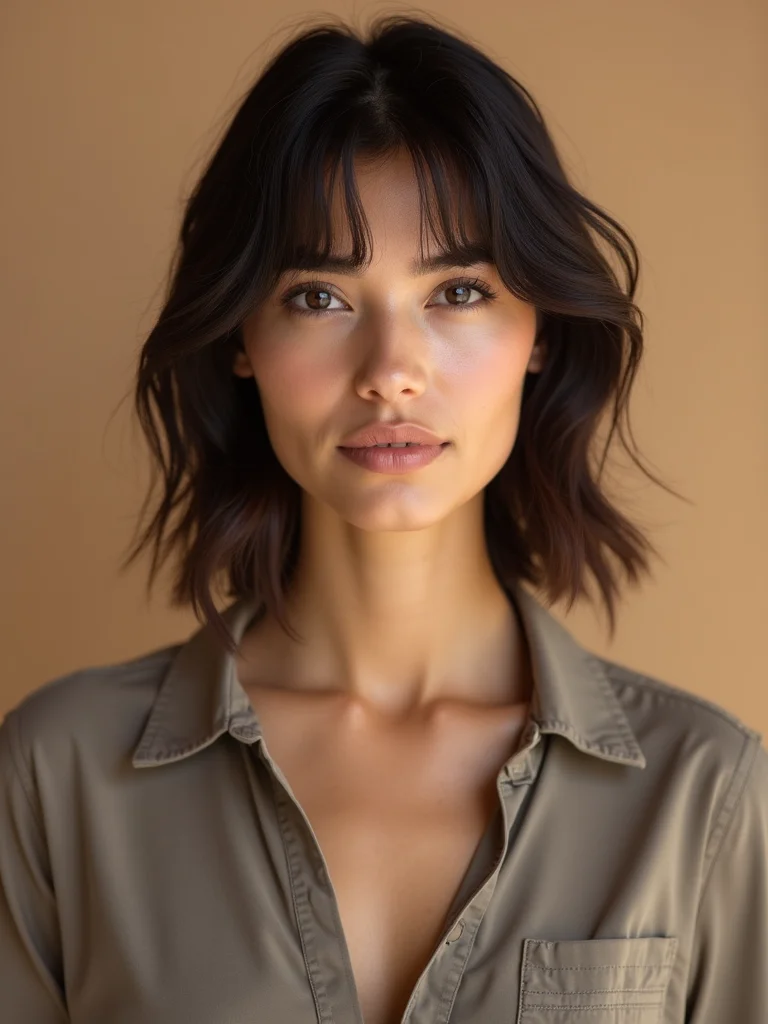
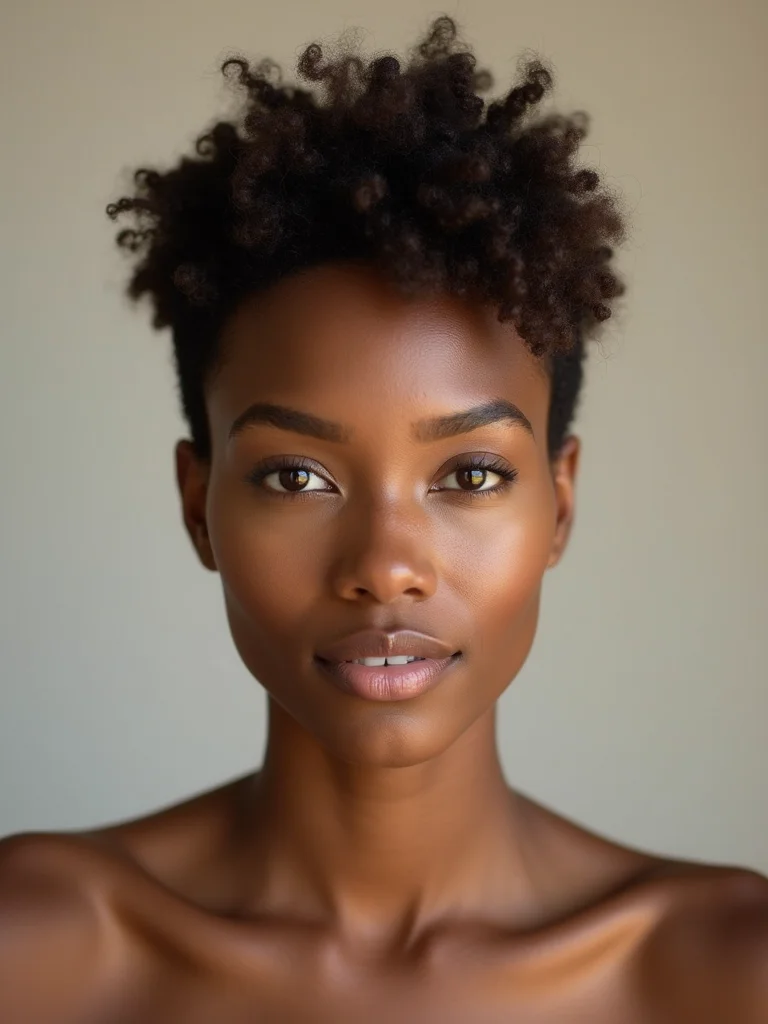
The layered haircut never really goes out of style, and there’s a simple reason why: it’s the closest thing hairdressing has to a universal flatterer. Almost every face shape, hair texture, and length looks better with some weight removed and some movement added back in.
Layered haircut trends right now lean soft, piecey, and worn-in, a clear shift away from the sculpted, stiff blowouts that dominated a few seasons back. But trending doesn’t automatically mean right for your hair, and that’s the part no photo ever shows. Sixteen versions follow, each suited to a different starting point.
What to Know Before You Book
- Current trends favor soft, piecey, worn-in layering over sharp, structured shapes.
- The right version depends on texture and length more than personal taste alone.
- Soft, shaggy layering forgives a missed styling day; sharper, choppier versions ask for more upkeep.
- Budget around $55 to $140 for the cut, with a trim on a six-to-twelve-week window depending on how short and choppy the shape runs.
Soft Face-Framing Layers for Subtle Movement
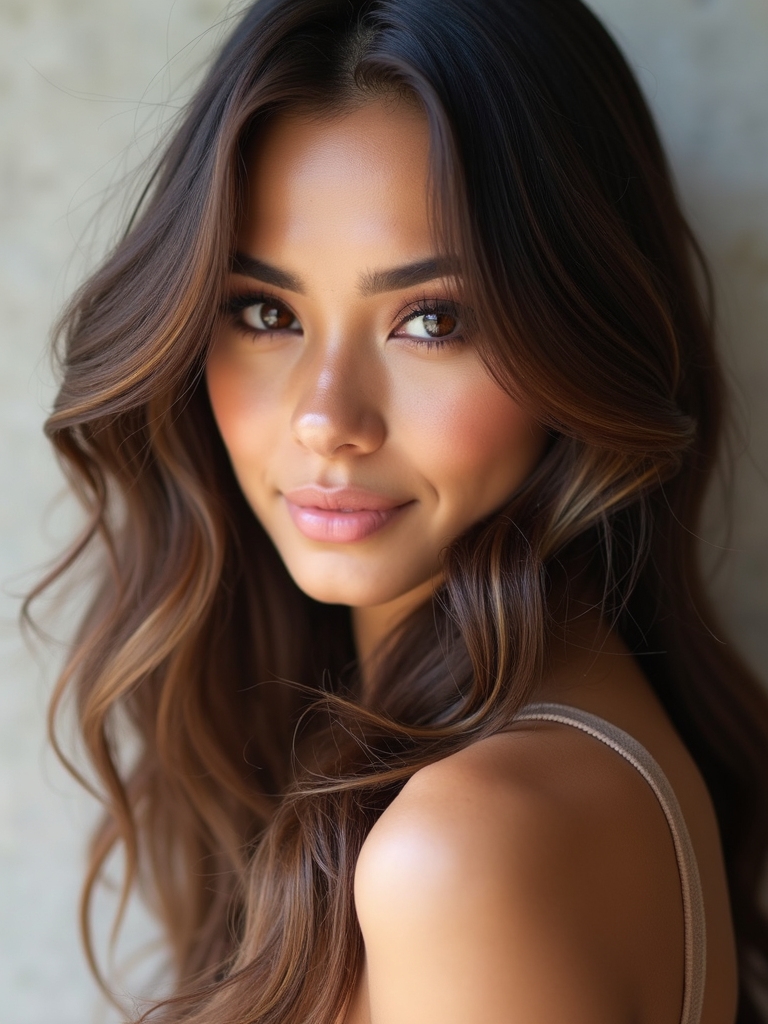
Soft, face-framing layers blend a light amount of movement through the whole head, then concentrate the real shaping around the face, so the change reads gentle rather than dramatic. It’s the version I reach for when a client wants a difference their coworkers will notice but can’t quite name.
This version is having a real moment because it reads natural rather than styled. Nothing about it announces itself; it simply makes the face look a touch more open and the whole head a little more put-together.
A round brush directs the framing pieces back while drying, though most days the shape settles into place with barely any effort.

Long Layered Cut With Curtain Bangs
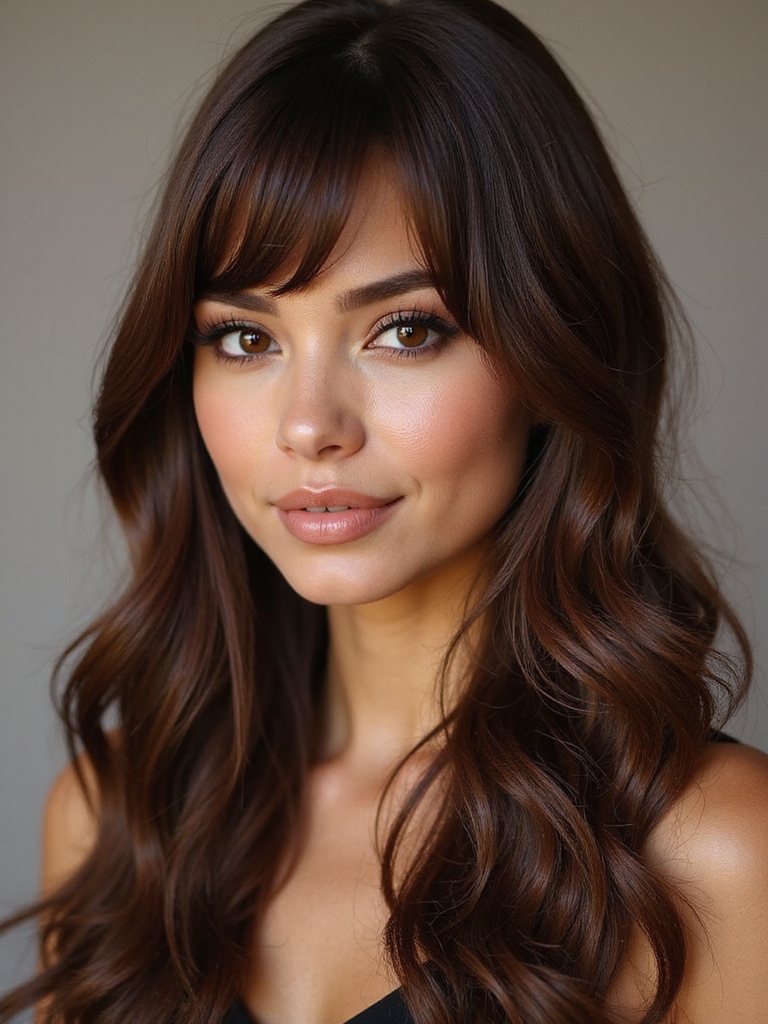
Long layers paired with curtain bangs has topped request lists for several years running, with no real sign of slowing down. The length stays intact while the layers add movement, and the fringe frames the face and sweeps directly into them, so the whole shape lands soft and current at once.
- Keeps most of the length while still refreshing the entire front.
- The fringe blends into the surrounding layers as both grow out.
- A round brush sets the fringe and the face-framing pieces together.
Shaggy Wolf Cut for Worn-In Texture
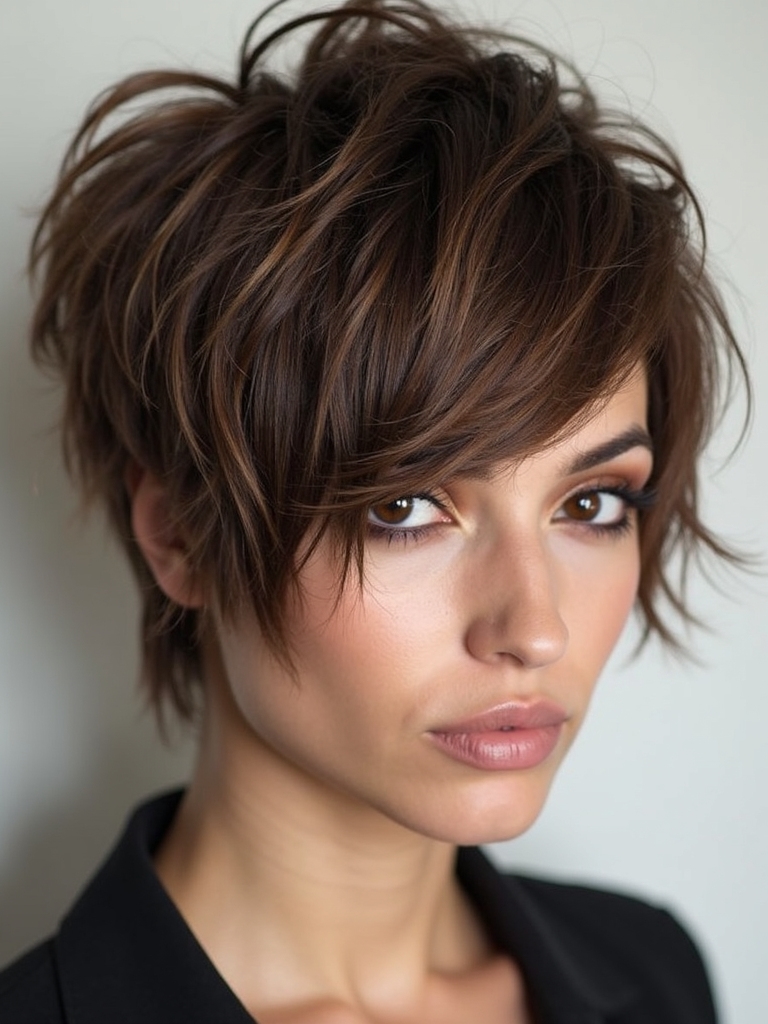
The shaggy wolf cut is the trend-forward pick for anyone chasing real edge. Short, choppy layers crowd the crown before tumbling into longer, ragged ends, all texture and volume, with a clear nod to its seventies and nineties roots.
- Big crown volume paired with a rock-leaning, worn-in finish.
- One of the more forgiving long-layered shapes to grow out.
- A texturizing spray and a quick tousle typically finish the look.
Layered Collarbone-Length Lob
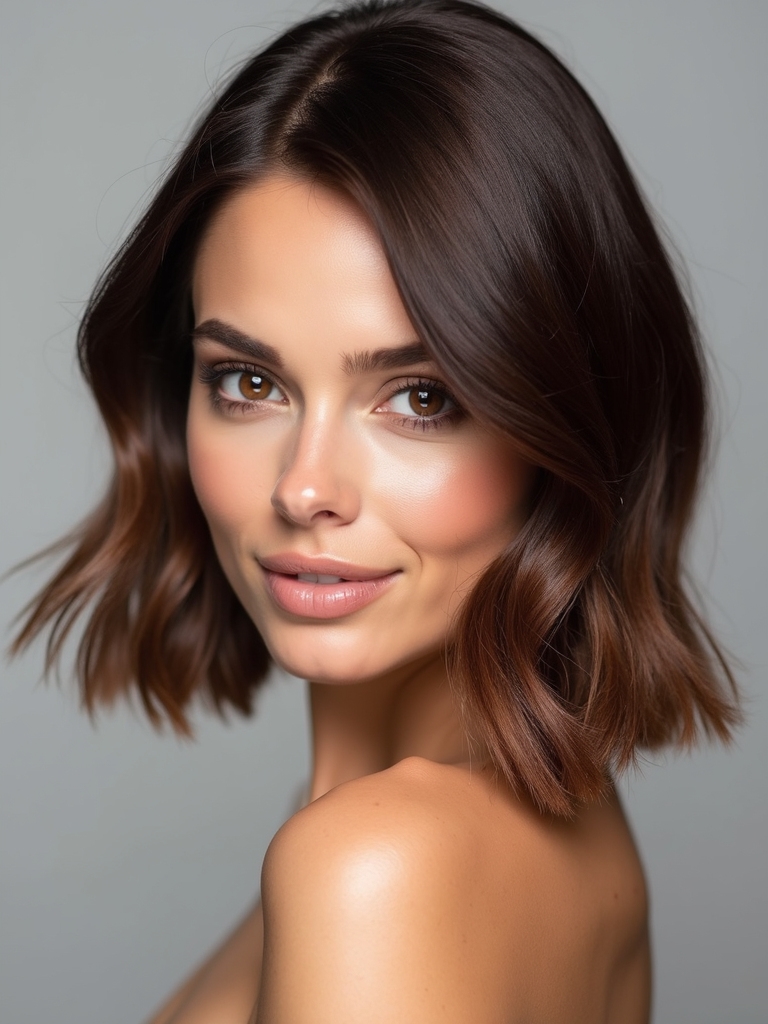
The layered lob sitting right at the collarbone has quietly become the default modern cut, the length half of new clients already have in mind before they sit down. Layers through the length keep it from sitting heavy, so it moves and feels current without amounting to a dramatic change. It suits nearly every face shape and texture, pulls into a small ponytail when needed, and air-dries soft or round-brushes polished depending on the day.
Airy Wispy Layers for Fine Hair
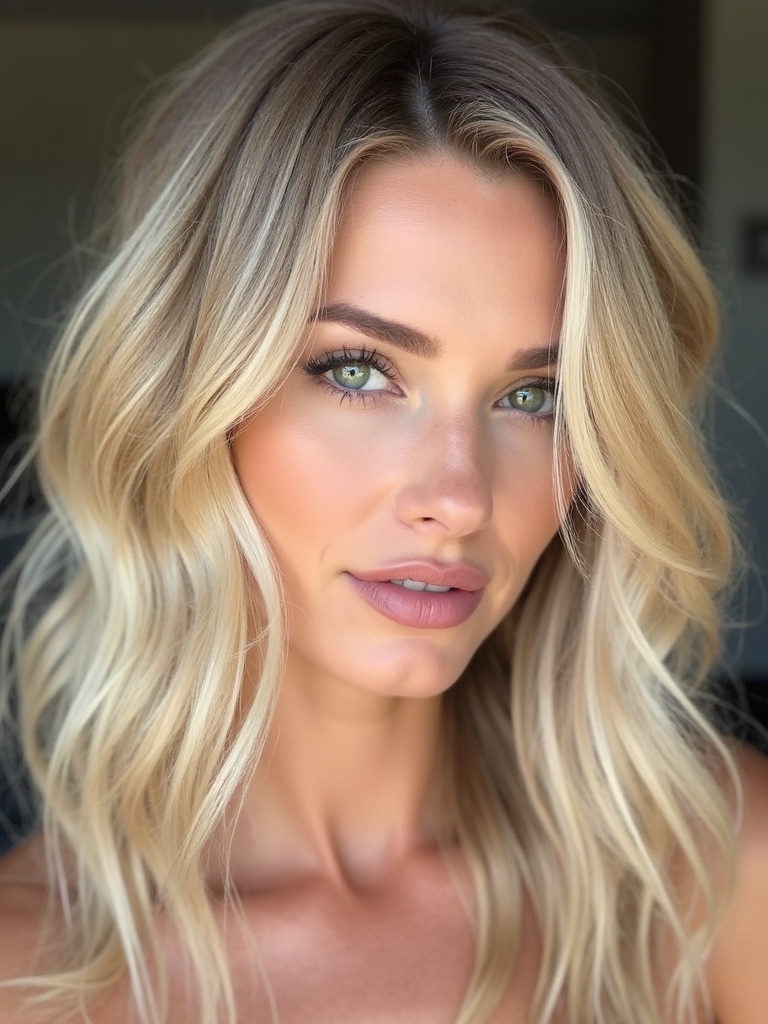
Airy, wispy layers are the fine-hair answer that’s trending for good reason. Light, soft layering adds lift and the appearance of fullness while the ends stay reasonably dense, giving fine hair some real body and movement.
- Soft, high layering adds lift; a blunter perimeter keeps the ends looking dense.
- A root-lifting mousse doubles the visual effect at the crown.
- Heavy oils work against this cut, dragging fine hair flat by midday.
A layered lob is the cut people choose when they want to feel different without risking regret. It’s about as hard to get wrong as a haircut gets.
Tousled Layers With Side-Swept Bangs
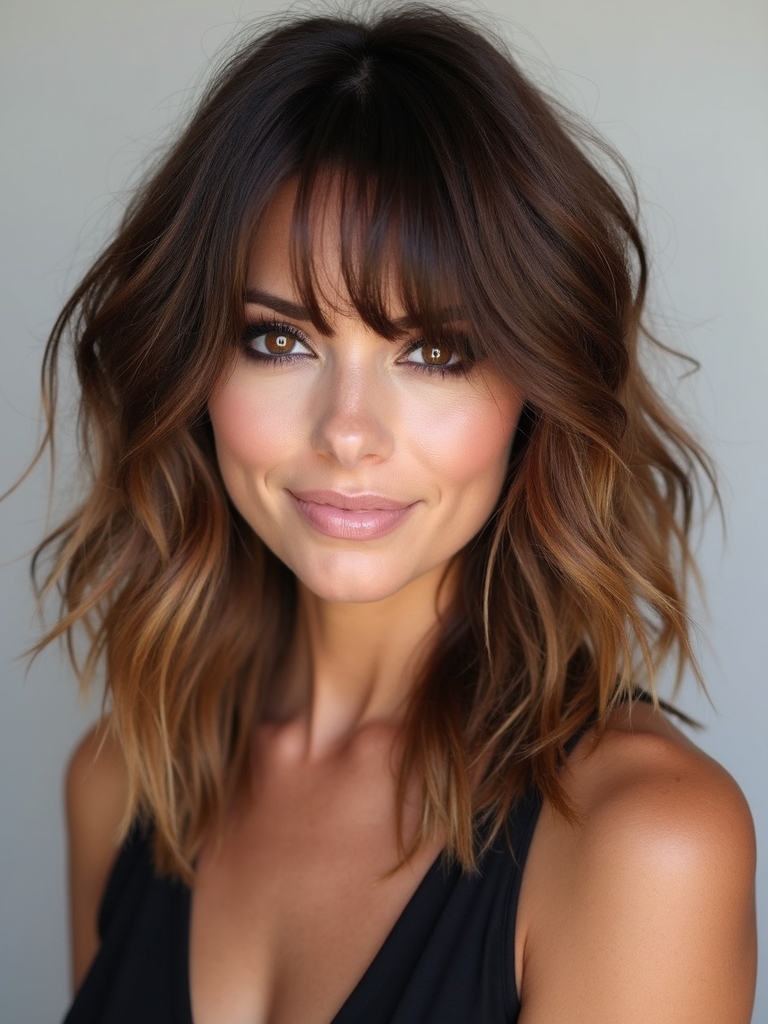
Tousled layers with side-swept bangs make up the undone, just-woke-up look that styling-averse clients gravitate toward. The layers are cut specifically for movement, and the bangs sweep across on a diagonal, so the whole shape reads casual and a little rumpled on purpose.
This is the cut for anyone whose entire styling routine amounts to scrunching in a product and heading out the door. The side sweep flatters round and square face shapes especially well, and a bit of tousle covers for a truly rushed morning.
A texturizing spray and a quick finger-rake covers the entire routine most days. The messier it’s worn, the better it tends to look.
A Curly Layered Cut With Defined Shape
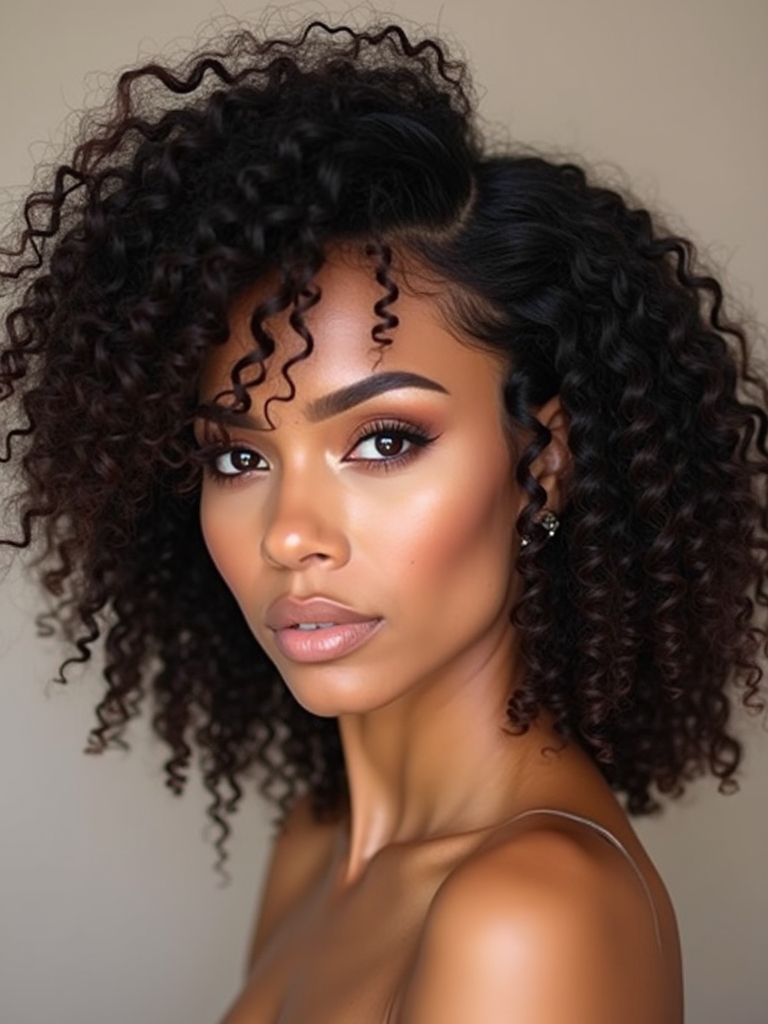
A curly layered cut belongs among the most welcome trends on this list, mainly because it means more stylists are finally cutting curls the right way. Layers cut directly into the curl pattern remove weight that would otherwise flatten it, letting the coils spring up and define themselves instead of collapsing into one heavy mass.
The non-negotiable part is a dry cut, shaped curl by curl on hair that’s already settled into its pattern. Cutting curls wet routinely leaves them shorter and bulkier than intended once they spring back.
- Always cut dry, in the hair’s natural curl pattern.
- Layering lifts the roots while defining individual coils.
- A curl-defining cream applied to soaked hair locks in the shape.
Soft Long Layers to Thin Thick Hair
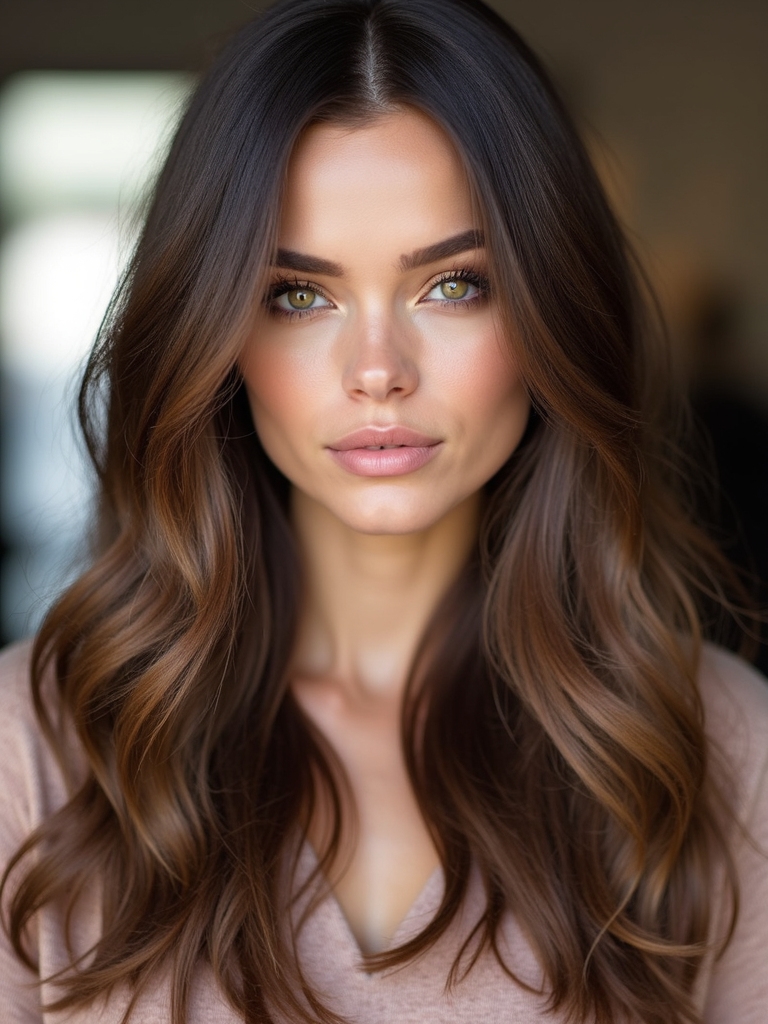
For thick hair, the trend has swung firmly toward soft, minimal layering and away from the heavy thinning of years past. A handful of long layers, combined with careful internal weight removal, takes out the bulk while avoiding the choppy, over-thinned look that dated older thick-hair cuts.
Subtlety Over Aggressive Thinning
The goal here is getting dense hair to move and lie down, not hacking it apart section by section. Modern thinning stays subtle, placed inside the cut where it lightens the weight without ever showing on the surface.
Telling a stylist specifically that the ends should stay strong while weight comes out elsewhere is the single instruction that keeps thick hair from reading stringy.
“Bring a photo of curls at a similar length and pattern to yours, not just a general style. It gives a stylist a far clearer target to actually cut toward.”
Feathered Seventies Layers With Bounce
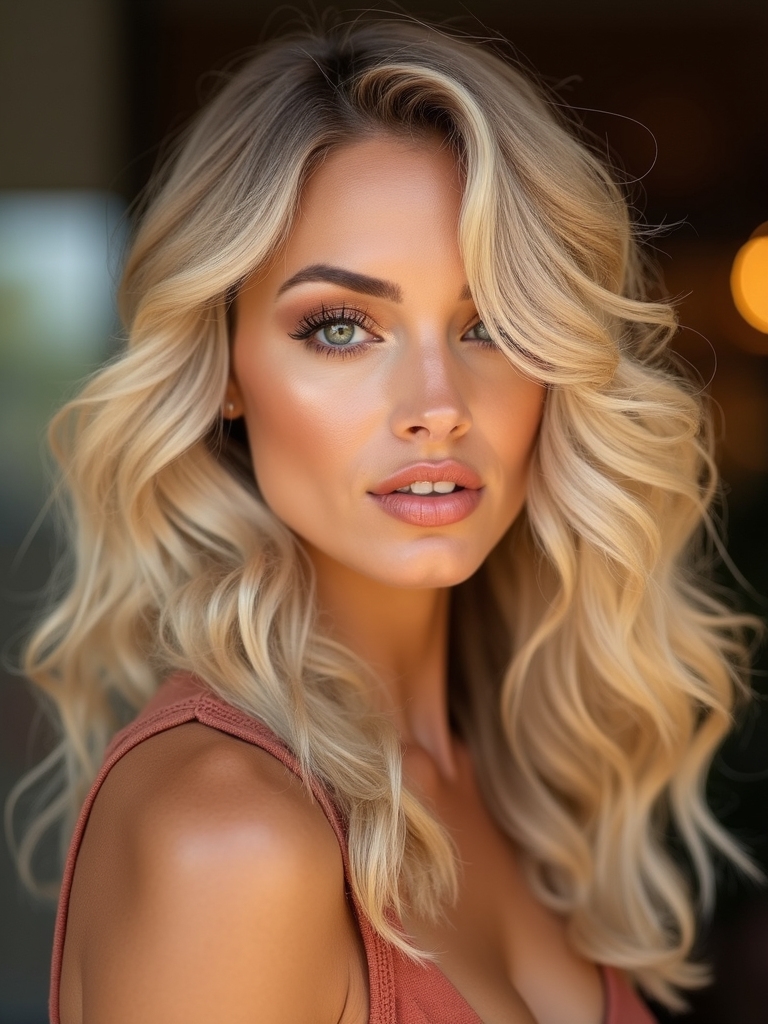
Feathered seventies layers are back in full force, all bounce and face-framing flicks. Rounded, feathered layering sweeps away from the face the way it did decades ago, and paired with a center part, it nods straight to that era while still feeling current.
Why This Decade Keeps Coming Back
It’s one of the more overtly retro cuts I’m asked for these days, helped along by a steady stream of seventies revivals on screen.
The feathering gives long and medium hair a soft, flicked-out movement a blunt cut simply can’t produce. A round brush flicking the ends back builds the shape, and a light mist of hairspray keeps the flicks from dropping by afternoon.
Choppy Layers for Edgy Dimension
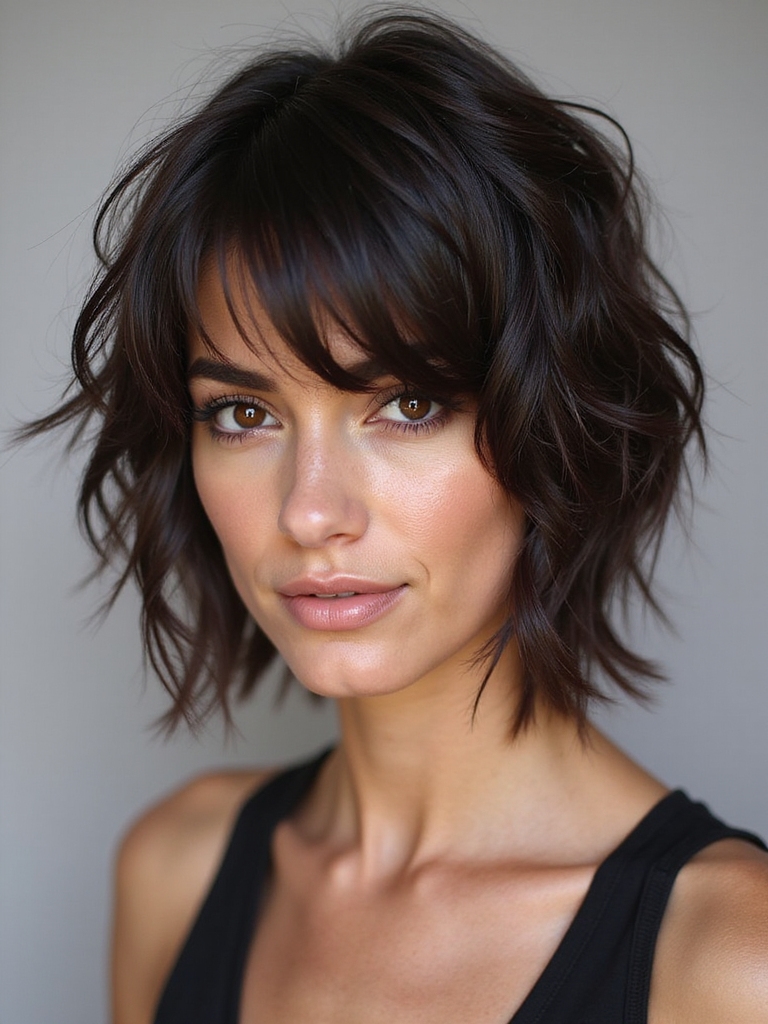
Choppy layers sit at the edgier end of the trend, cut with bold, visible separation for maximum texture. Point-cut and piecey, they break the hair into distinct sections that move independently, so the cut looks deliberately undone rather than accidental.
Texture Built to Be Seen
It’s one of the bolder everyday layering options I cut, short of going all the way to a full wolf cut. The separation suits straight to wavy hair particularly well, giving the whole shape real attitude.
A texturizing paste worked through completely dry ends defines the individual pieces. Resisting the urge to smooth it down is the whole point, since the roughness is the payoff.
A Layered Butterfly Cut With Lift
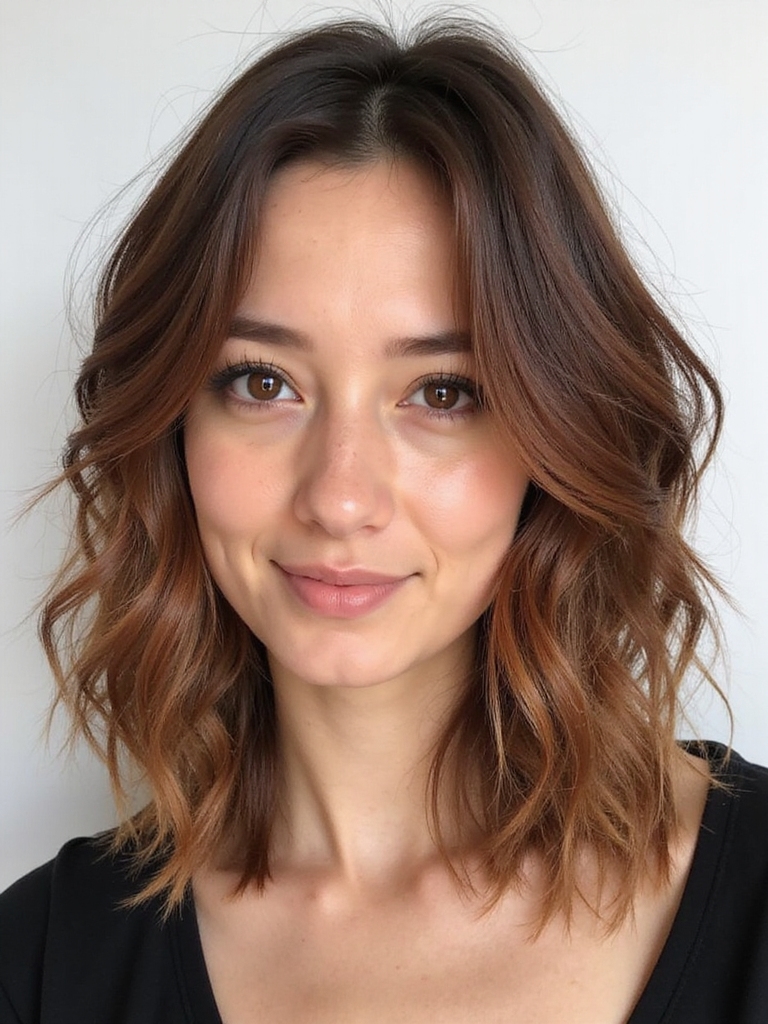
The butterfly cut became a genuine internet phenomenon and stuck around for good reason: it delivers big, bouncy volume while keeping most of the length intact. A shorter top layer stacks over longer hair beneath it, so the crown lifts while the lengths stay long, with the transition eased enough that it never reads like two separate cuts stitched together.
Best on medium to long hair that falls flat up top, since the shortest layer still reaches well past the chin. Diffusing or round-brushing the top section upside down builds most of the volume.
A Layered Pixie-Bob Hybrid
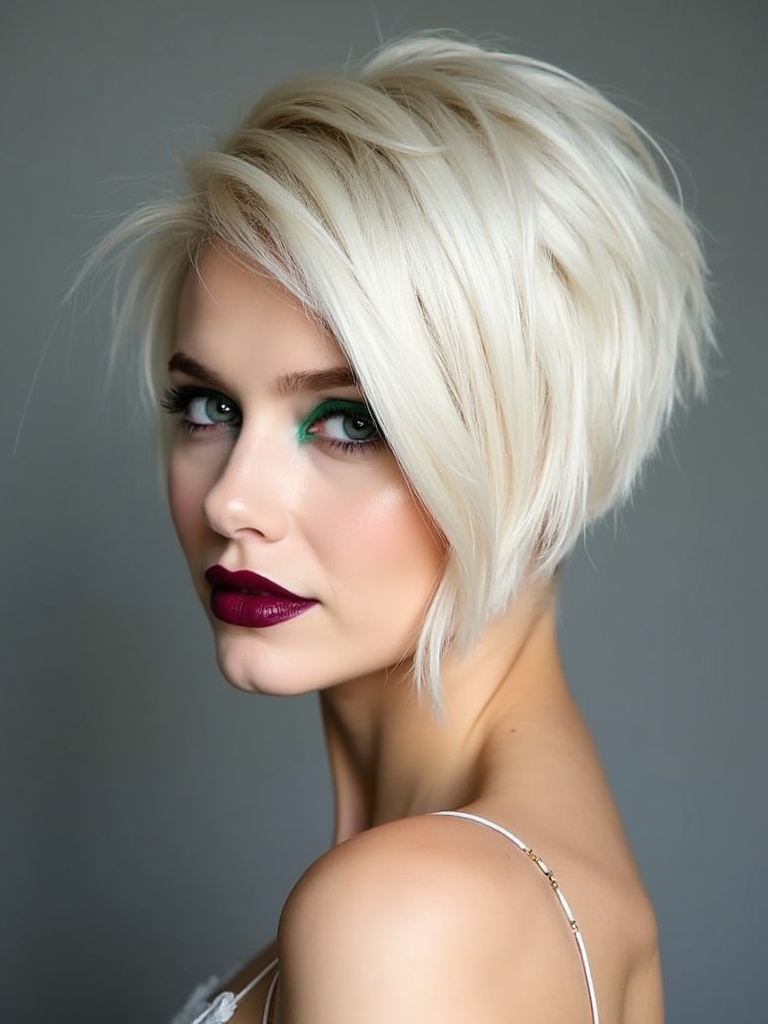
The pixie-bob hybrid ranks as the short-hair trend of the moment, sitting between a true pixie and a full bob, layered throughout for texture. It keeps the boldness short hair carries while leaving a little more length to actually style, so it can wear soft one day and spiky the next.
- Best suited to straight to wavy hair that holds a shorter shape well.
- Layering through the crown builds lift and everyday movement.
- A small amount of paste defines it; expect trims on a fairly regular cycle.
| Hair Type | Best Layering Approach |
|---|---|
| Fine | Airy, high layers with a blunter perimeter |
| Thick | Soft, minimal layers with internal thinning |
| Curly | Dry-cut, curl-by-curl layering |
| Straight | Point-cut or feathered layers for movement |
Medium Layers With Flipped Ends
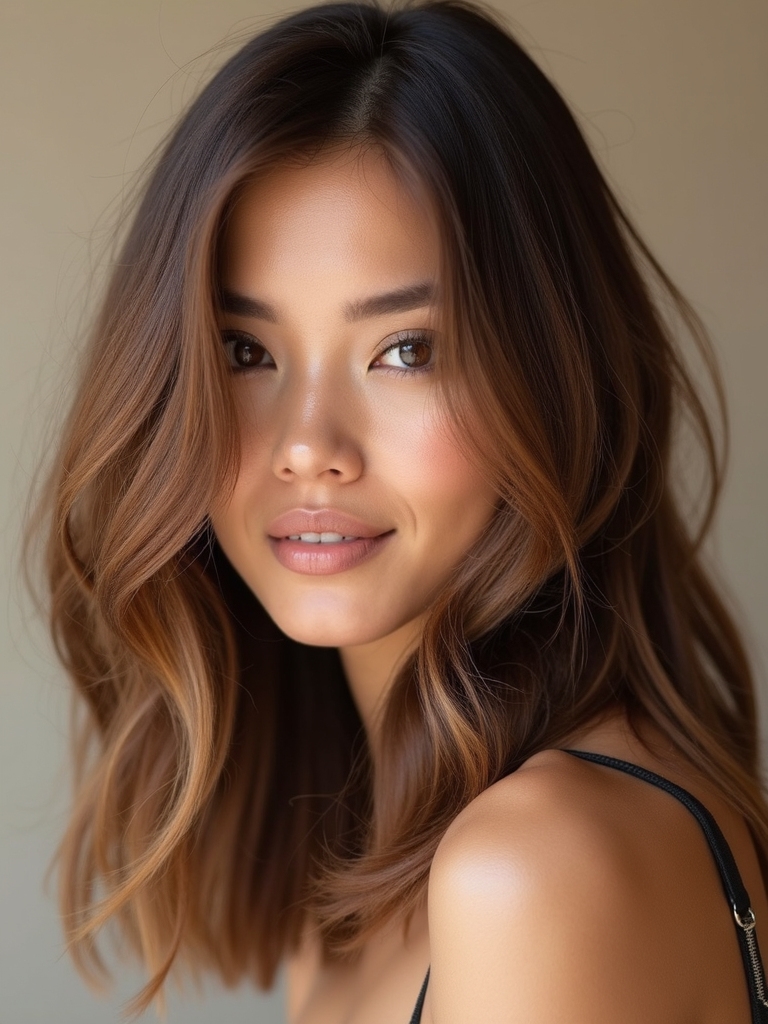
Medium layers with flipped-out ends make up the retro-fresh look everyone seems to be trying, with the ends kicked up and away instead of curled under. Layers through a mid-length cut give the flip somewhere to actually sit, so it bounces outward with a playful, sixties-leaning energy that still feels current.
- Works best on medium hair with a reasonably blunt end to flip.
- A round brush or flat iron kicks the ends outward during styling.
- A light-hold spray keeps the flip from dropping by midday.
A Layered Cut With Face-Framing Only
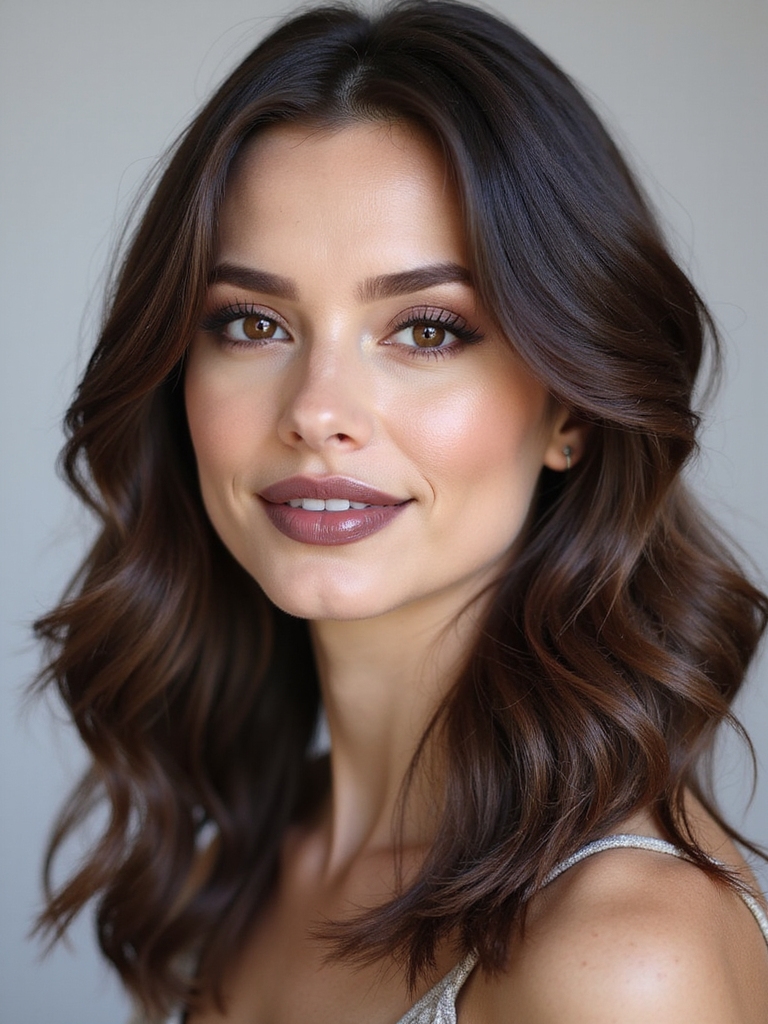
Face-framing pieces with zero layering anywhere else on the head sit at the true minimalist end of this trend, one step past the softer face-framing version earlier on this list. Nothing comes out of the body of the hair at all; the bulk stays one length and dense, and only a handful of pieces at the front actually get cut.
All the Change, Right at the Face
I recommend this specifically to clients who are protective of their length or density and want proof, in the mirror, that nothing else changed. Every visible difference happens right at the face, exactly where it flatters most.
Air-drying and tucking the framing pieces back covers most days; a round brush handles the rest when a more polished finish is wanted.
Long Layers With Invisible Internal Debulking
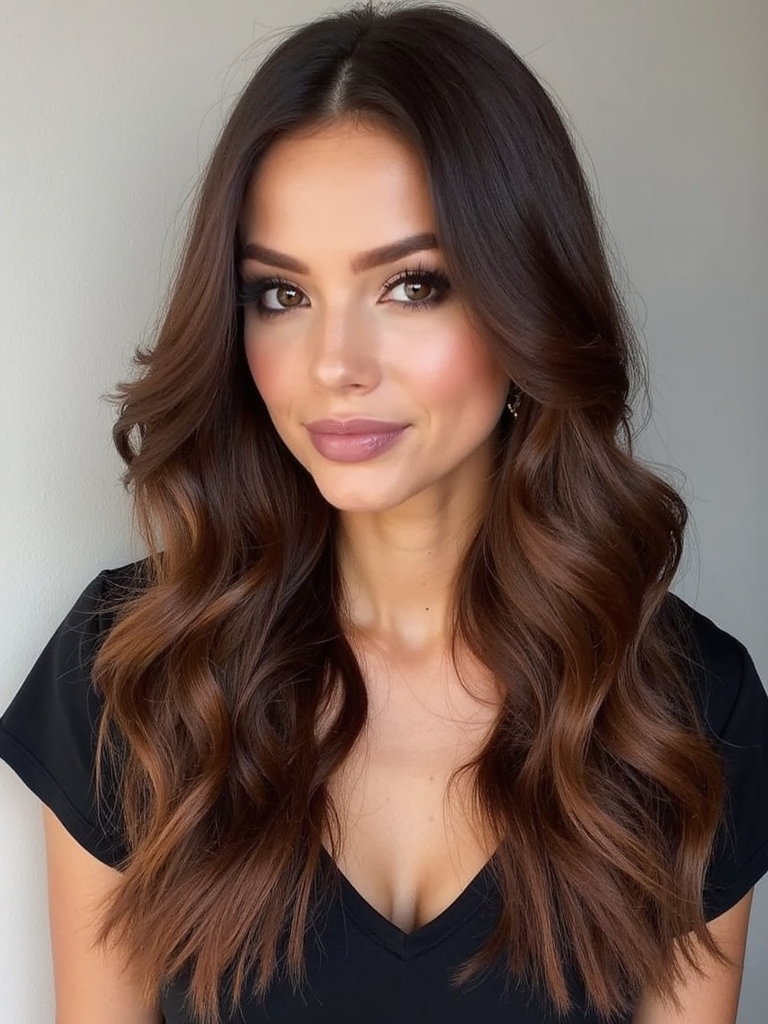
Invisible internal debulking is the trend that stays completely out of sight, which is the entire point of it. Long layers get cut from inside the hair, removing weight where it actually counts while the surface stays one smooth, dense-looking length.
This approach suits anyone who loves long, one-length hair but is tired of how heavy it sits day to day. The weight comes out from within, so the hair moves freely while the ends still read thick and blunt from the outside.
Specifically requesting hidden, weight-removing layers matters here, since it’s a more advanced technique worth confirming a stylist has genuine practice with.
One assumption keeps people away from face-framing-only layers, and it doesn’t hold up.
❌ Myth: Any layering at all thins out the overall look.
✅ Reality: Layers isolated to the face don’t touch the body or density anywhere else on the head. The length stays exactly as thick as it started.
Layered Coils With Crown Volume
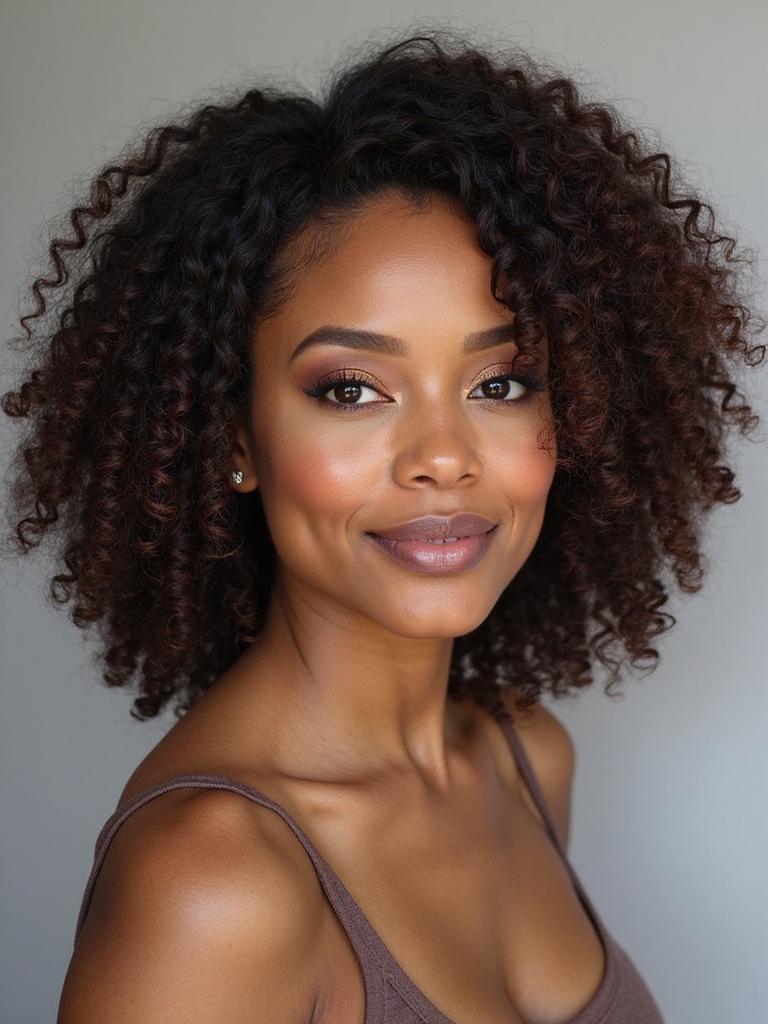
Layered coils with built-up crown volume represent the textured-hair trend finally giving coily and kinky hair its proper shape. Layers carved directly into the coils lift the crown and balance the overall silhouette, rounding the shape out instead of leaving it flat on top and full at the sides.
As with any coily cut, shaping happens dry, in the pattern the hair naturally falls into, so a stylist works with the shrinkage rather than fighting it. I never comb the hair straight before cutting it; that erases exactly the information the curl pattern is giving me.
Keeping the shape defined with a leave-in plus a cream or custard, and protecting the coils overnight with a satin covering, preserves the definition between wash days.
Trends Pass, Fit Lasts
Trends will keep cycling through soft and sharp, minimal and choppy, and every layered look on this list will have its moment in the spotlight before fading a little. What doesn’t fade is a cut actually matched to the hair wearing it.
So before booking anything from a screenshot, it’s worth asking honestly: does this shape actually fit your texture and your routine, or does it just look good on someone else’s hair?
Related Reads