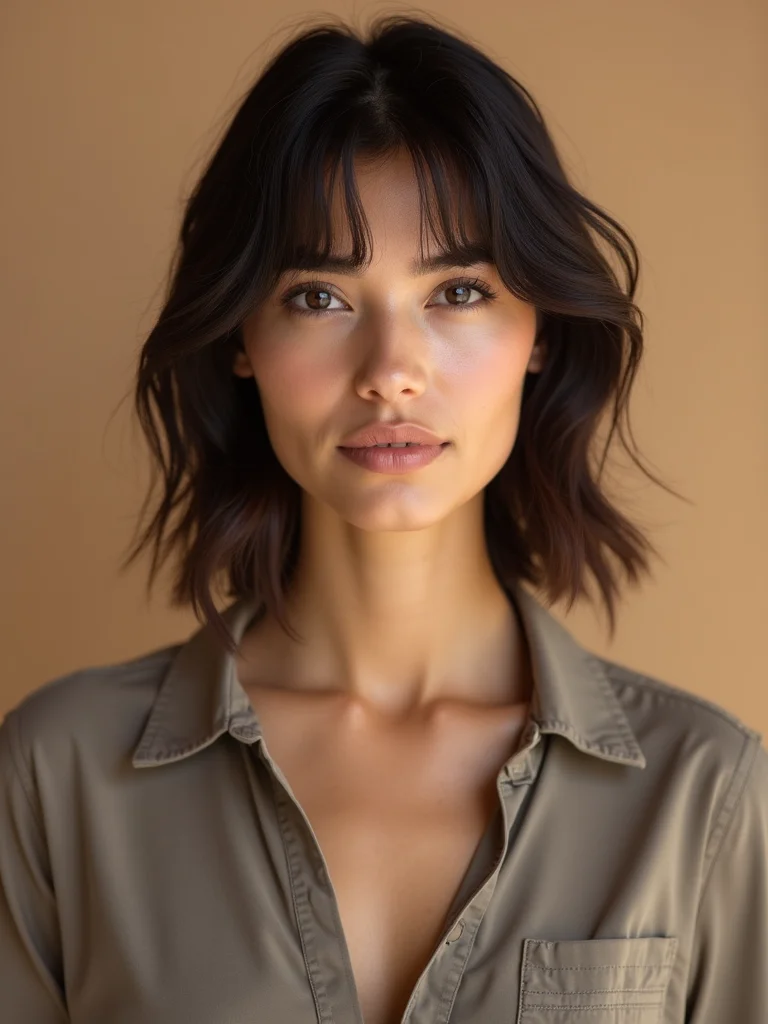
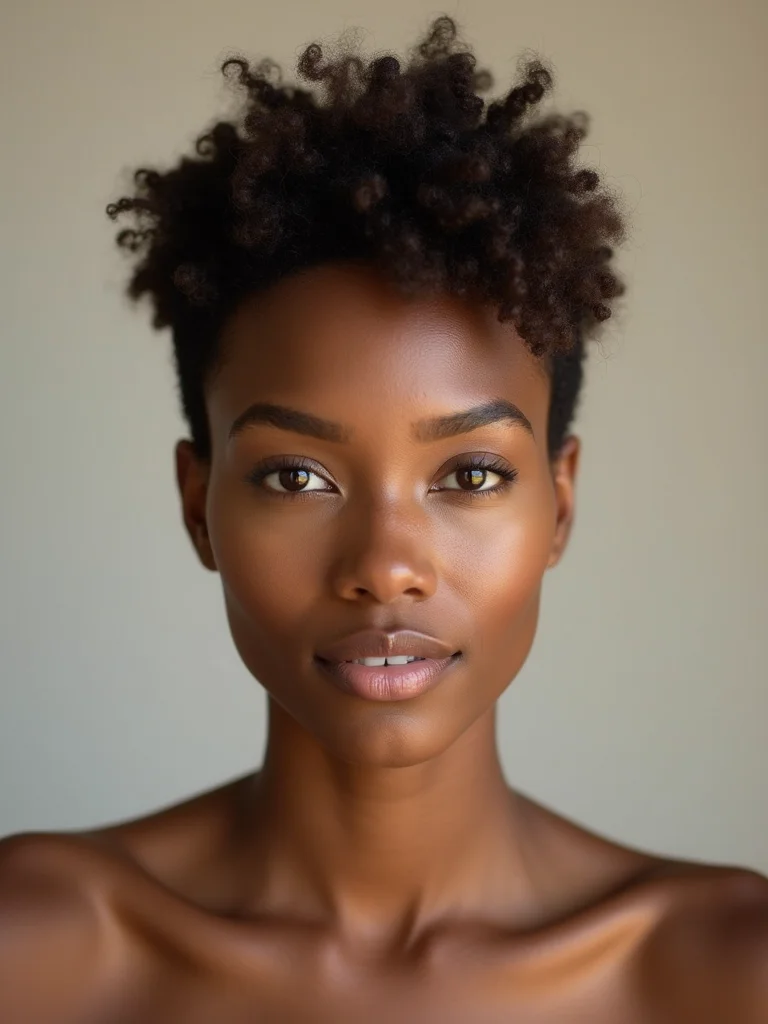
A regular of mine came in flat, grown-out, and bored, wearing the same one-length hair she had for years. We did not touch the color or the length. We just added layers. She turned her head in the mirror, watched it move, and rebooked on the spot. That is what a layered transformation does.
Layers strip weight from underneath so the hair lifts, bends, and falls back into shape on its own, turning a flat, heavy head of hair into something with real movement. Below are sixteen layered hair transformations across every hair type and length, each a different way to refresh what you already have, plus an honest look at what to expect once you’re in the stylist’s chair.
What Layers Can Do for You
- Layers remove interior weight so flat, heavy hair lifts, moves, and falls back into shape on its own.
- The right layers depend on your texture and length; what transforms thick hair would thin out fine hair.
- Face-framing and curtain layers refresh a grown-out cut without sacrificing your length.
- Most layered cuts hold their shape for six to twelve weeks and run about $50 to $150.
Face-Framing Layers for Every Length
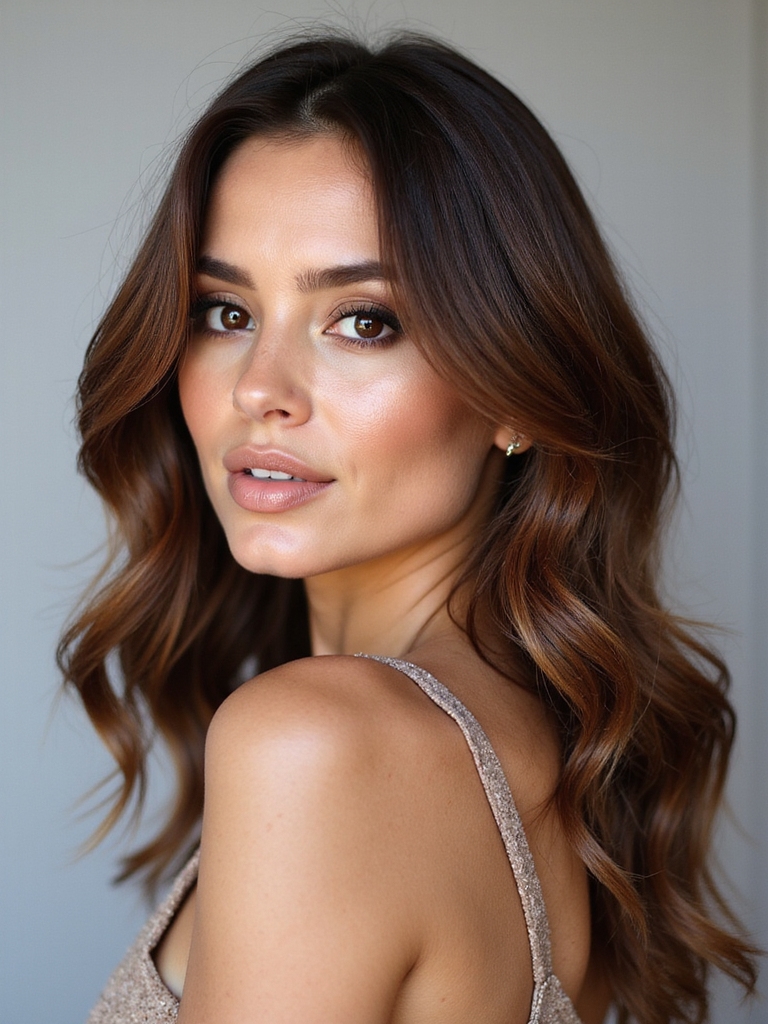
If you change one thing, make it face-framing layers. They shape the pieces around your face, shortest at the cheekbone and lengthening back, and they flatter every length from a pixie to waist-long hair. Clients asking for a refresh without a real chop end up here more than anywhere else in my chair.
- Works on any length, straight through to coily.
- Ask for the shortest piece at the cheekbone or jaw.
- Blends out on its own with no visible regrowth line.

The Long Layered Cut With Movement
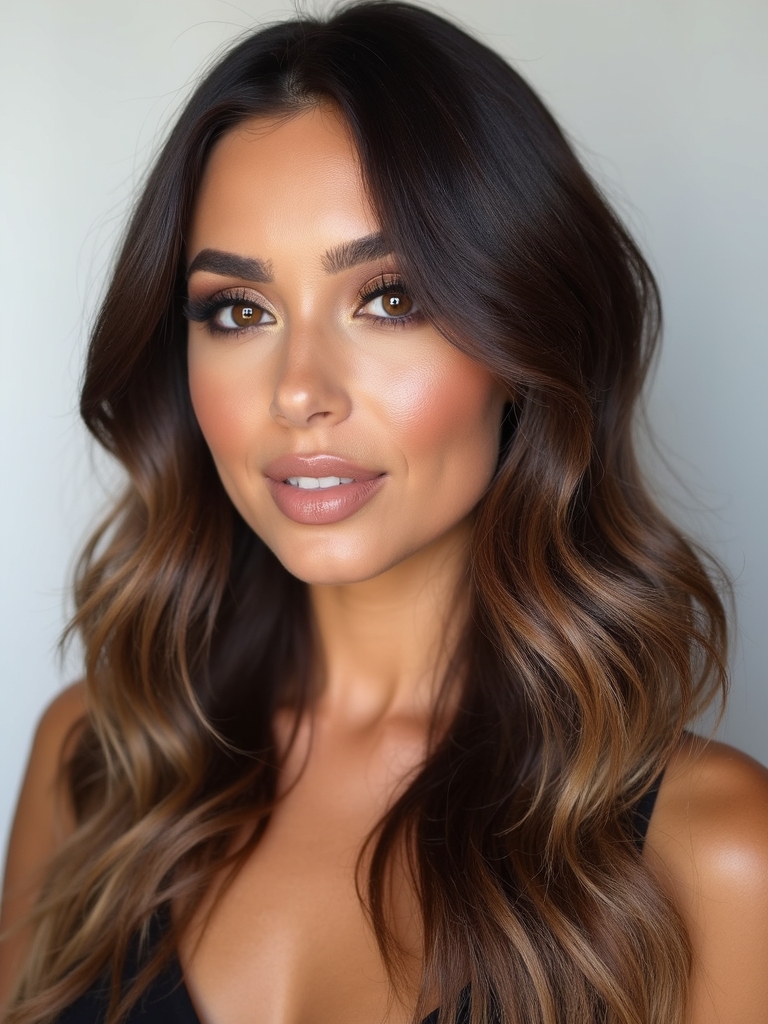
Long hair often hangs in a heavy, flat sheet, and a handful of well-placed layers fix that overnight. Cut deep into the length, they pull weight from the inside so the hair sways and moves while you keep every inch you have grown. Nobody loses length here, which is why I send my most length-protective clients home with exactly this.
- Best past the shoulders, where the layers have room to fall.
- Keep the layers long so the ends stay thick.
- Air-dries with a soft bend and almost no effort.
Heads-Up
Layers reshape the hair you have; they cannot add hair you do not. If your real goal is more density, talk to your stylist about a blunt-leaning cut and volume styling, because heavy layering on fine hair does the opposite of what you want.
Modern Shag With Worn-In Texture
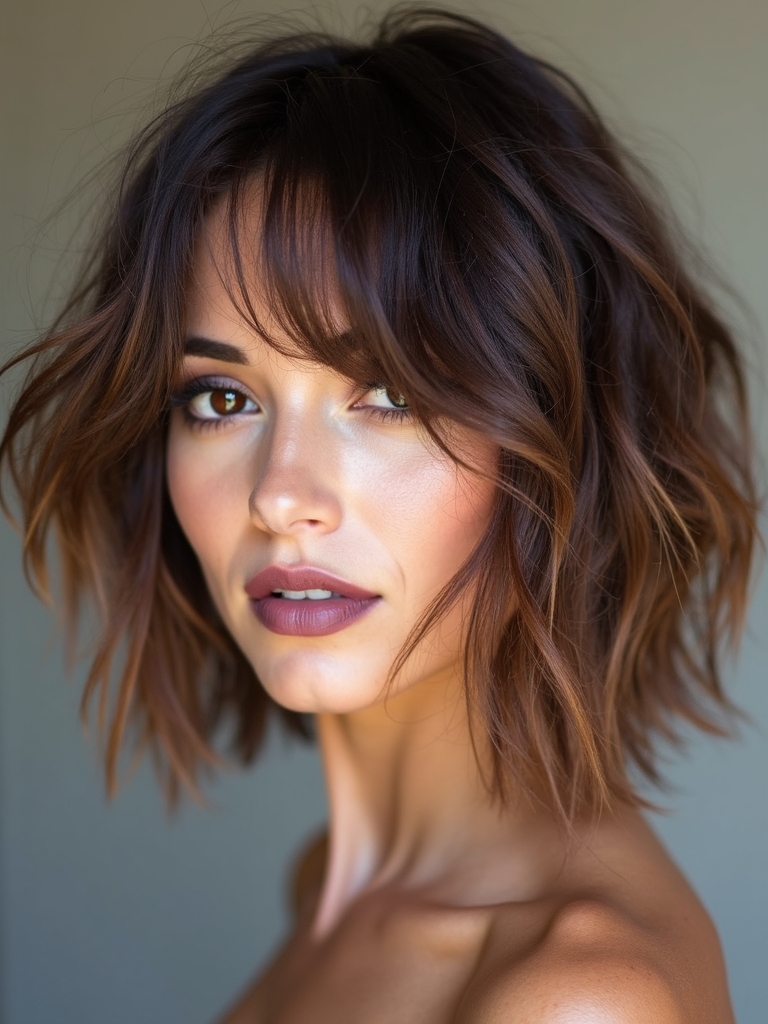
The modern shag is the boldest cut here, heavily layered all over with piecey, face-framing ends and a textured, undone finish. It takes a flat, tired head of hair and floods it with volume and attitude overnight.
The Boldest Refresh
It borrows from the seventies original but reads fresher and softer now. The heavy layering builds movement everywhere at once, and the look only improves the more relaxed you wear it.
It rewards a willingness to skip the polished blow-dry and let the texture do the talking. Rough-dry with your fingers and finish with a texturizing paste for grip.
A Feathered Fringe for Soft Movement
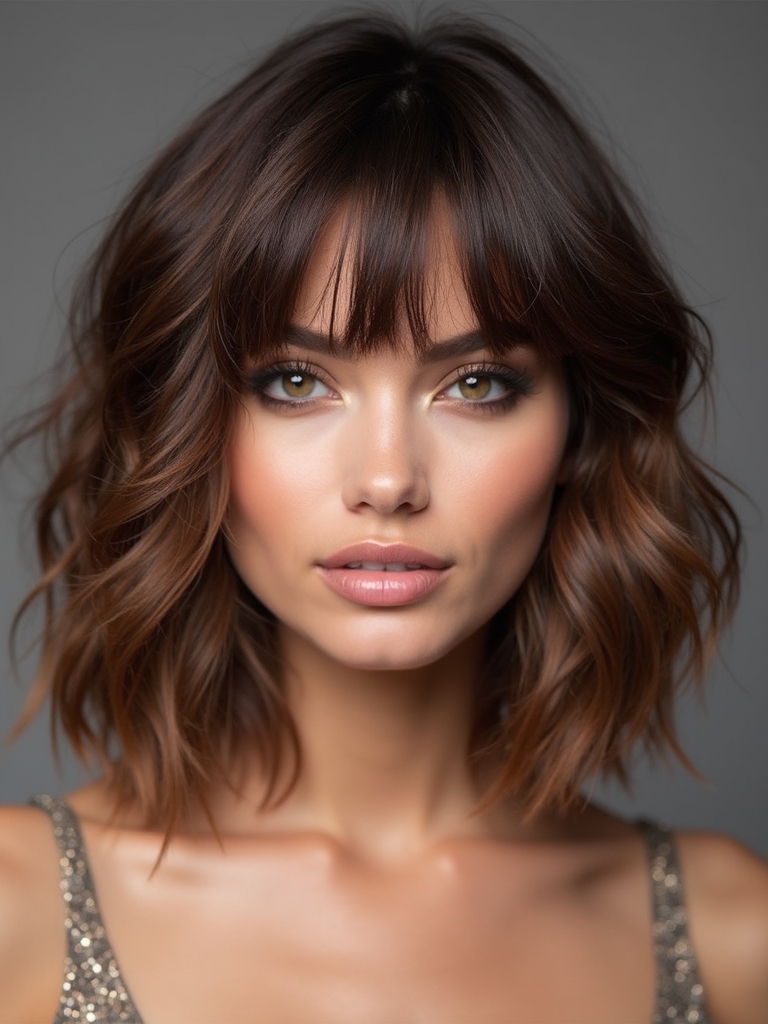
A feathered fringe is the quickest way to wake up the front of the face. The fringe is cut soft and wispy, feathering back into the layers so it frames the eyes and adds movement right where the gaze lands. It refreshes a whole look without touching the length.
- Soft and wispy, so it blends in as it grows, no hard line.
- Point-cut, feathered ends beat a blunt, blocky edge here.
- A round brush sweeps it back for the signature soft fall.
A few layering terms worth knowing in the chair:
📖Face-framing
Layers cut only around the face, shortest at the cheekbone, to flatter without committing to all-over layers.
📖Internal layering
Weight removed inside the hair where no line shows, so the surface stays smooth but the cut moves.
📖Point-cutting
A vertical snip technique through the ends that breaks a straight perimeter into softer, separated pieces.
Layered Collarbone-Length Lob
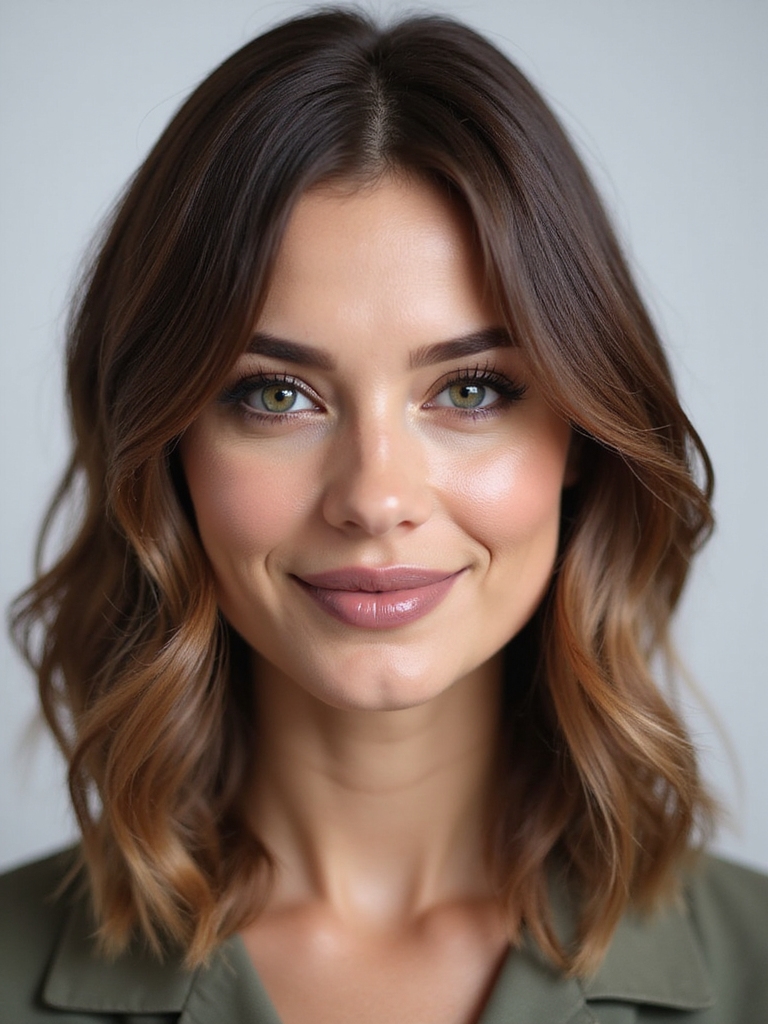
The layered lob is the cut I land on with most undecided clients, because it changes everything while asking for almost nothing. It sits at the collarbone with layers cut through the length, hitting a length that still gathers into a low ponytail without giving up its shape.
The Universal Flatterer
The layers keep it from sitting in a heavy block, so the cut moves and the ends stay light. It suits nearly every face shape and texture, which is why it never really goes out of style.
Air-dry it with a cream for soft texture, or round-brush it for polish. It plays both ways with no fuss.
Face-Framing Curls With Volume
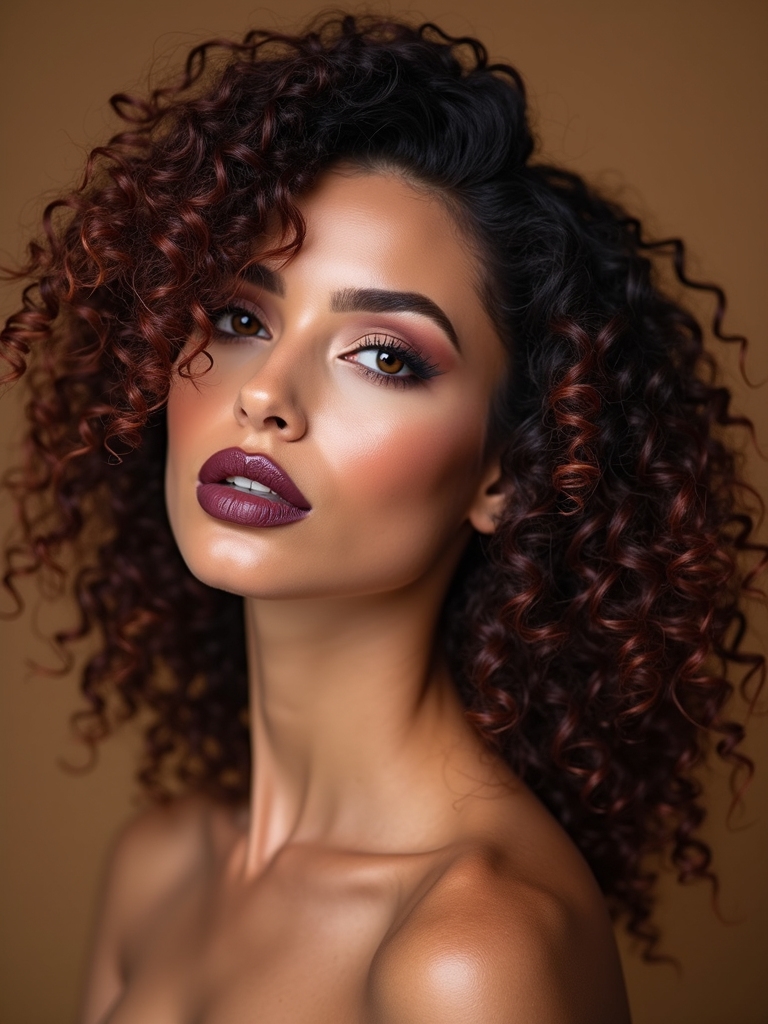
Nothing changes a curly client’s mirror moment faster than the right layers. Suddenly the curls she thought were too heavy and flat are springing up at the crown and falling in defined pieces around her face, because the weight that buried the pattern is gone. The rule that makes it happen is a dry cut, so every coil is shaped where it truly sits. For the full method, layered curly hair walks through it.
- Always cut dry, in the natural curl pattern.
- Layers lift the roots and define the coils at once.
- Apply curl cream to soaking-wet hair for the most definition.
📋Before a Curly Layered Cut
- ✓Find a stylist who cuts curls dry, in their natural pattern
- ✓Arrive with clean, detangled curls, not stretched straight
- ✓Bring a photo of curls with a texture like yours
Subtle Micro-Layers for Airy Volume
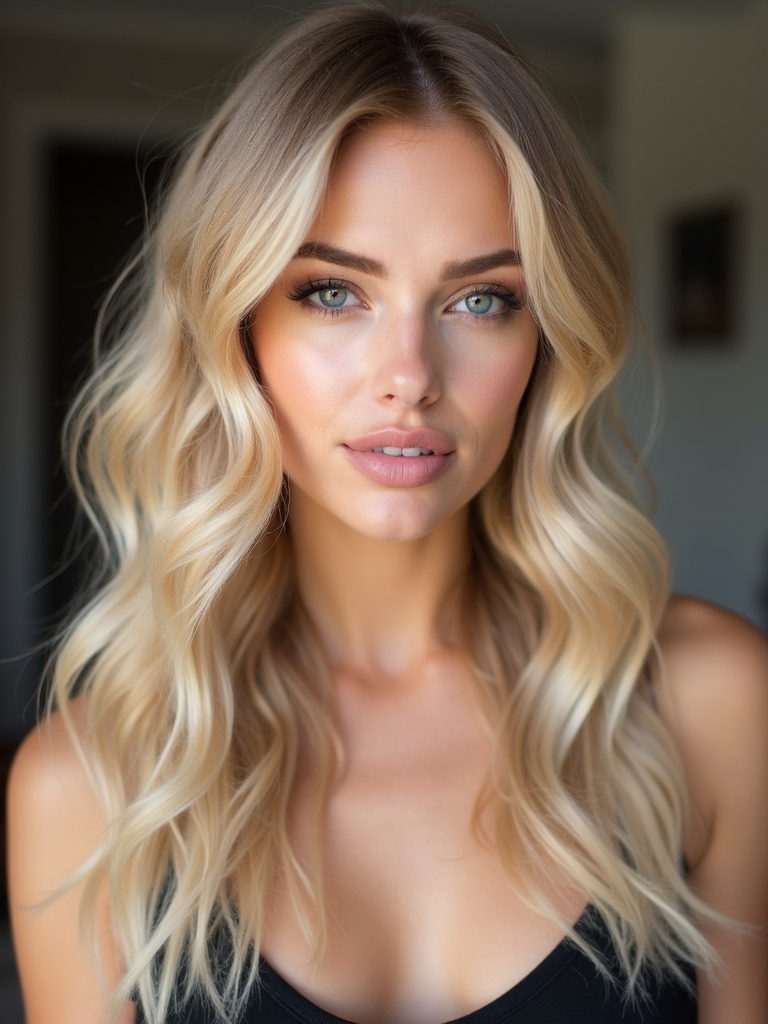
Fine hair needs the most careful hand, and subtle micro-layering is the answer. A few soft, high layers add lift and the look of fullness, while a mostly blunt perimeter keeps the ends dense. The change is real but quiet: more body, no thinning. Over-layering is the trap, so the layers stay subtle and high, never carved through the ends.
- Keep the layering subtle and high to protect the ends.
- Pair with a root-lift mousse for real-looking density.
- Skip heavy oils that drag fine hair flat.
Wolf Cut With Tapered Layers
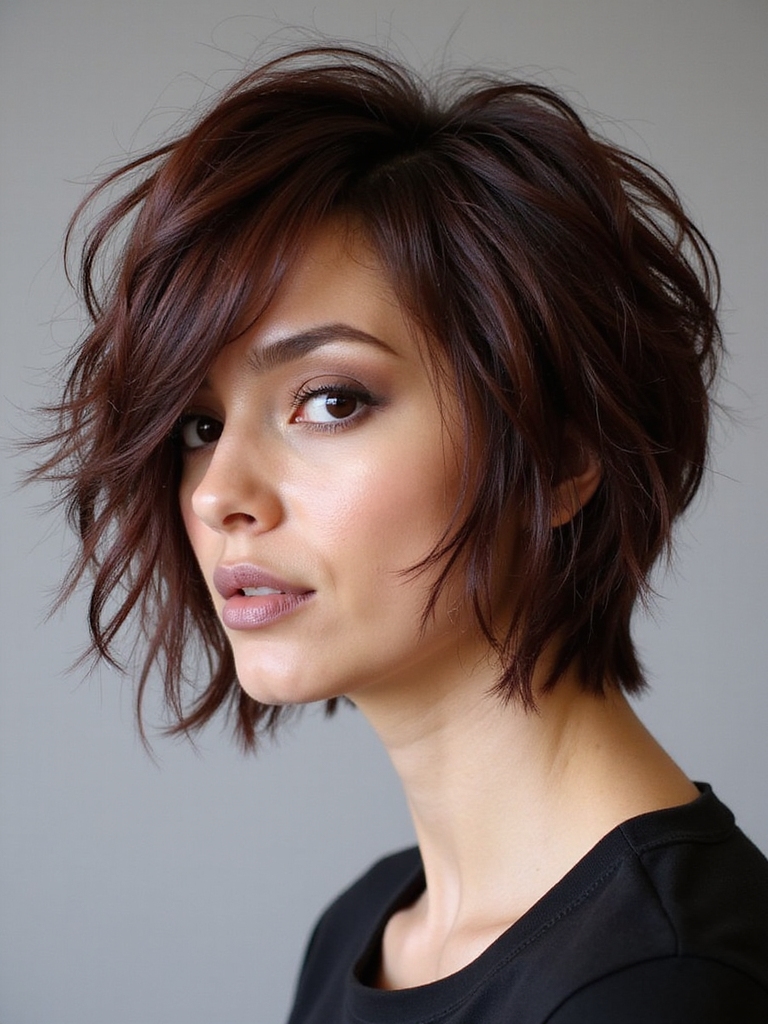
The wolf cut is for anyone ready to commit to edge, a shag-mullet hybrid with short, choppy layers up top tapering into longer, ragged ends. It floods the crown with volume and gives the whole shape a rock-leaning attitude. For the full breakdown, wolf cut covers every version.
- Heavy crown layering builds big volume up top.
- Holds its shape well between cuts, even as it grows.
- Scrunch a texture spray in while hair is still damp.
👍Why Get Layers
- +Instant movement and volume without color or length change
- +Brings a tired, one-length cut back to life fast
- +Customizable to any texture and length
👎The Trade-Offs
- –The wrong layers can thin out fine hair
- –Shorter, choppier styles need more frequent trims
- –Most need a round-brush blow-dry to look their best
Airy Butterfly Layers With Bounce
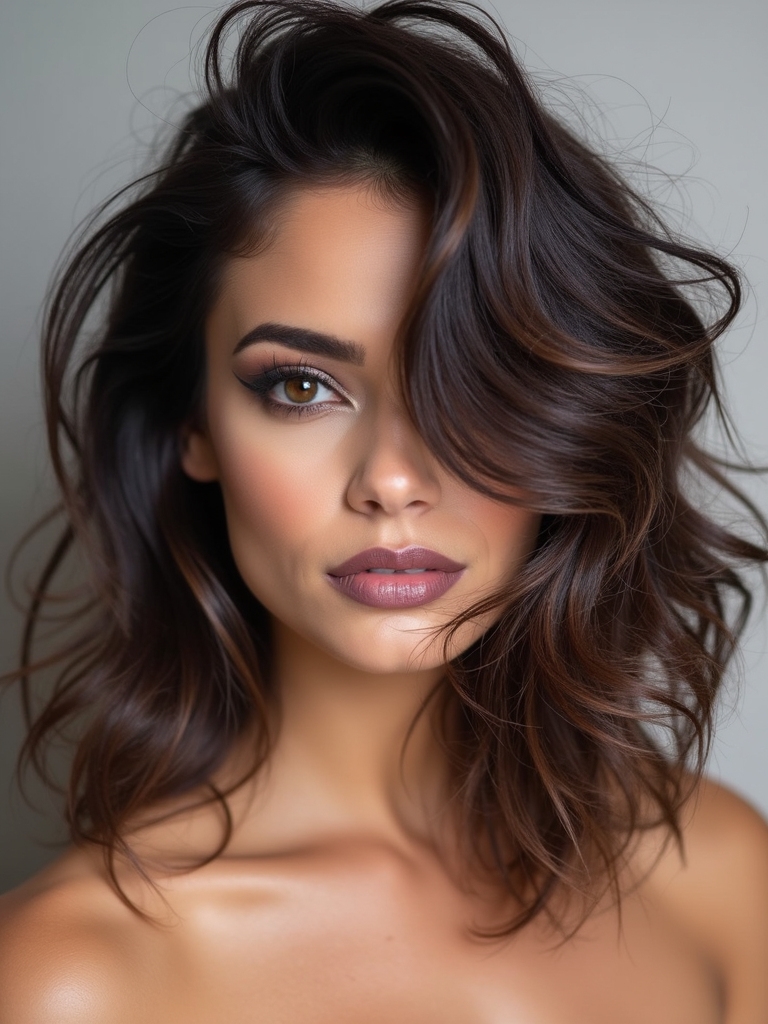
Butterfly layers blend a shorter top layer over longer hair underneath, so the cut gets fullness up high and keeps its length below. The result is big, bouncy volume without the chop, and that combination is what sent this cut all over social feeds a couple of years ago.
The top layers lift while the underneath stays long, and the soft blend keeps the whole thing reading as one cut. It is a dramatic change that still lets you keep your length.
- Great for medium to long hair that falls flat at the crown.
- Keep the shortest top layer below your chin so it blends in.
- Diffuse or round-brush upside down to build the bounce.
Layered Bob With Subtle Stacking
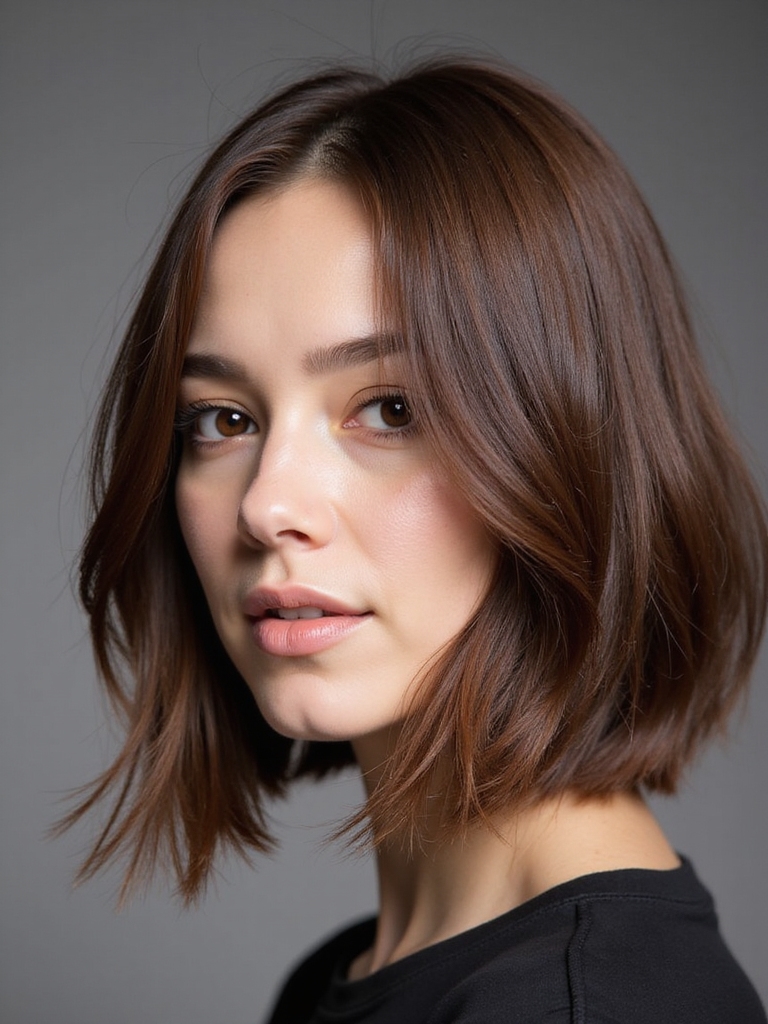
Going shorter is a big change in itself, and a layered bob with a little stacking at the back makes it feel intentional. The stacked, graduated layers round the crown and push volume high, so the bob lifts where flat hair usually sinks.
Fine, limp hair finally gets some body out of this one. The short, layered nape grows out faster than a blunt bob, so plan on a reshape roughly every two months to keep the shape crisp.
For the long-hair version of the idea, layered bob runs through more shapes.
Curtain Bangs Paired With Long Layers
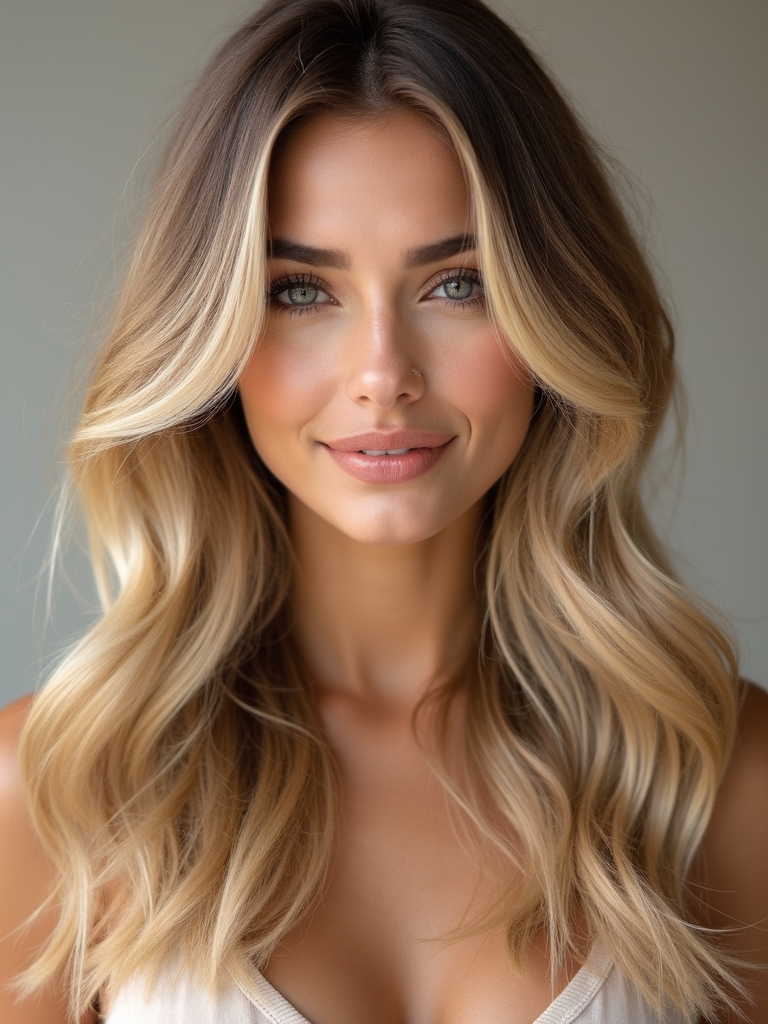
Adding curtain bangs to long layers reads as a whole new look while keeping your length intact. The center-parted fringe sweeps softly to frame the face, echoing the movement already in the layers below.
Curtain bangs are an easy, low-risk way to try bangs, since the fringe blends into the layers as it grows. Curious about the fringe alone? curtain bangs break it down.
- The center part keeps the fringe soft and swept, not choppy.
- Grows out with no awkward, stranded stage.
- A round brush sets the soft, swept-back shape.
Razor-Cut Layers With Piecey Separation
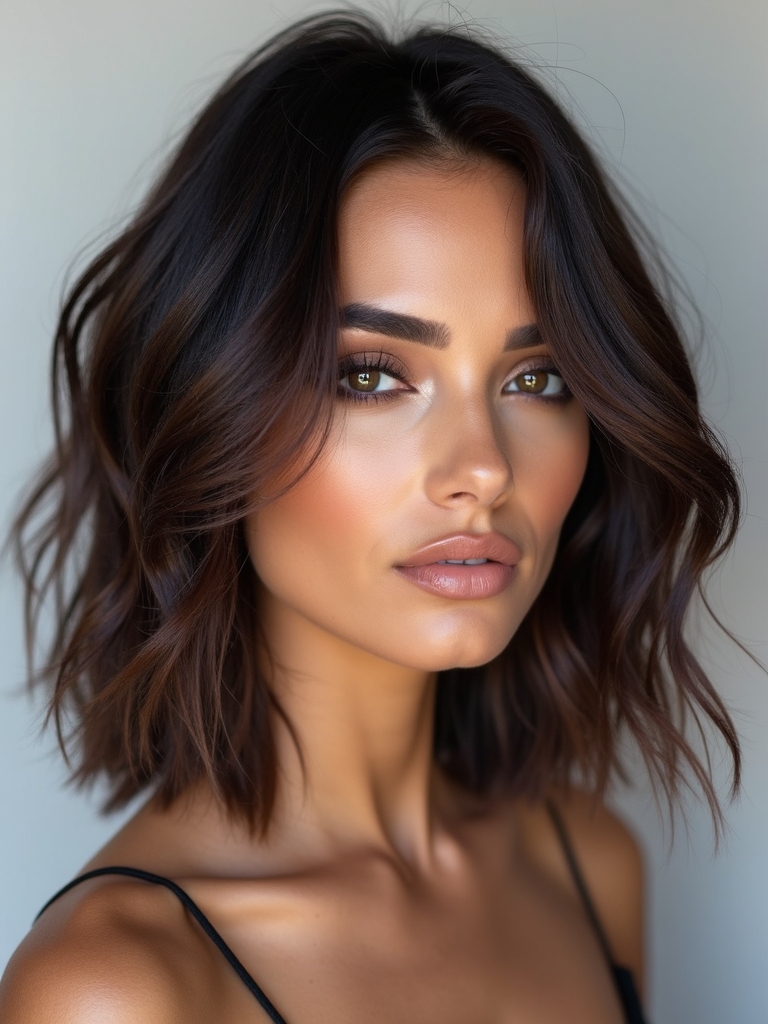
If your hair feels like a heavy curtain, razored layers are the quickest way to lighten it. A blade tapers each end to a wispy point, so the cut suddenly floats and separates instead of hanging as one dense block.
Best for Heavy Hair
Razoring rewards medium-to-thick hair that is fighting its own weight. On very fine hair it can turn the ends stringy, so it wants a light hand and a conditioner habit to keep those tapered tips healthy.
Style it with a light mousse and a rough dry, and the feathered ends do the rest of the work.
Layered Cuts That Debulk Thick Hair
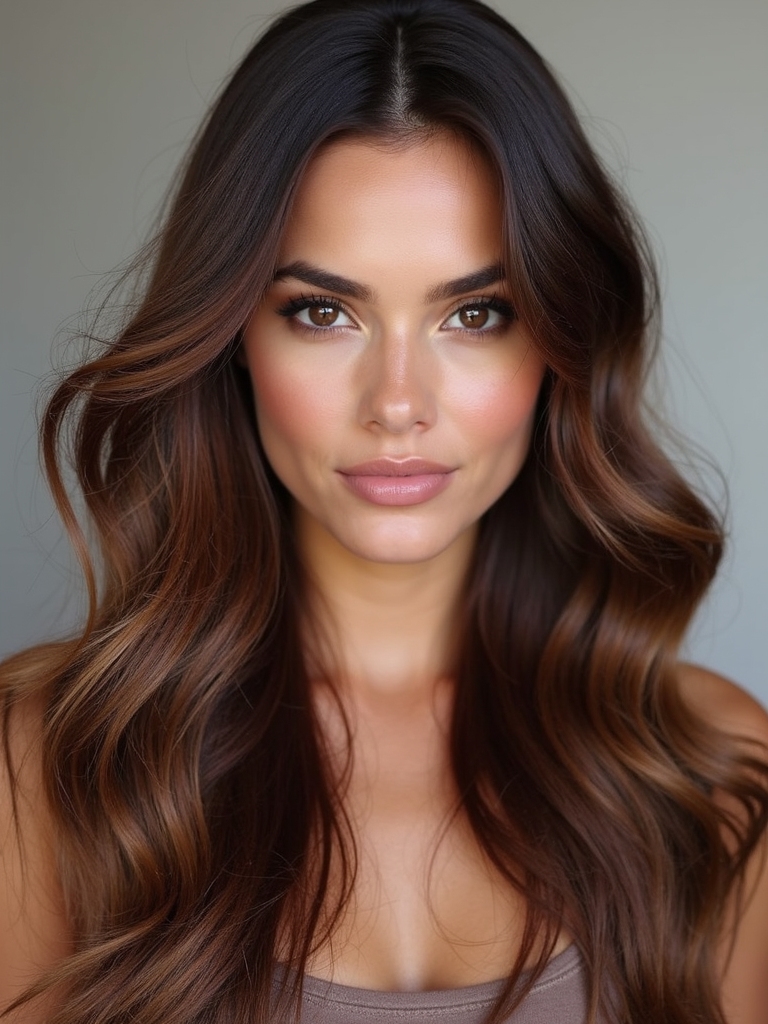
For thick, dense hair, layering is about control, and the transformation is dramatic. Internal layers strip bulk out of the interior so the hair stops puffing out into a heavy triangle and starts falling and moving freely.
The weight comes out from within, so the ends fall and swing freely at the neck. Thick hair finally gets shape, and the daily styling battle gets a lot shorter.
- Ask for internal weight removal, not just length off the ends.
- Tell your stylist exactly where the hair puffs out.
- A smoothing cream keeps the debulked ends sleek.
Strategic Layers for Wavy Movement
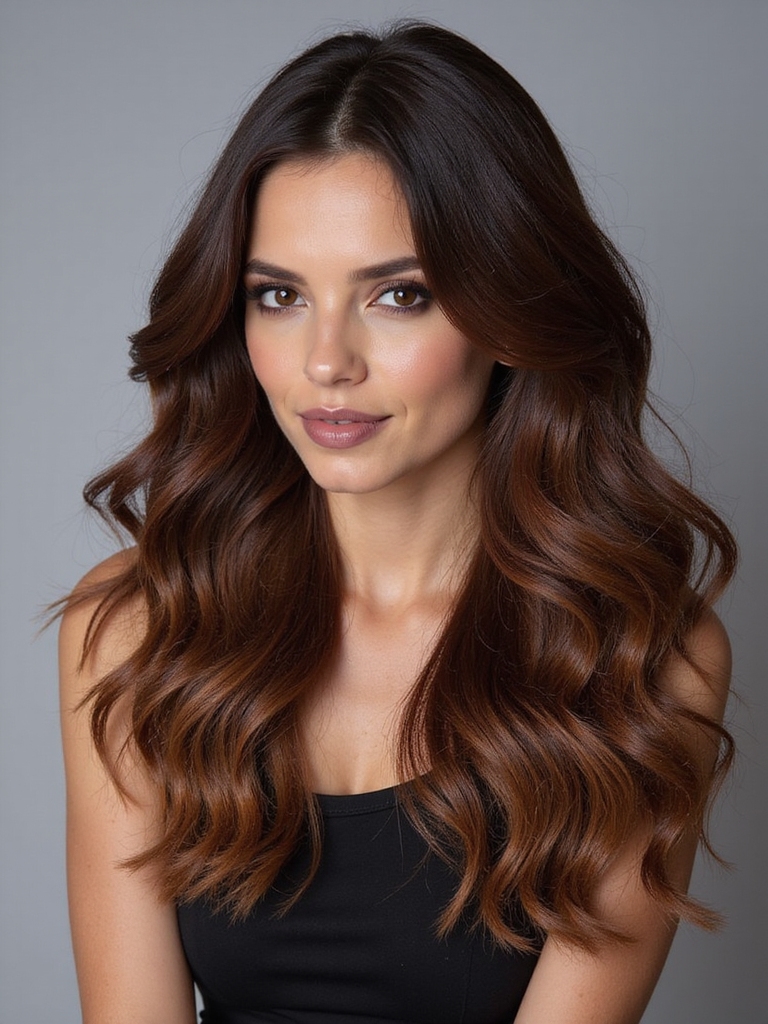
A flat, lazy wave comes alive the moment you put a few strategic layers into it. The waves that used to sit heavy start bending and breaking into soft, beachy pieces, because the layers finally give them room to move.
Light Layers Win on Waves
Keep the layering light and long. Over-layer a wave and it frizzes at the short ends, so a few long layers usually do the whole job.
Mist a salt spray through damp hair, scrunch it once, and walk away to let it dry; the layers do the work of breaking the wave into soft, separated pieces with almost no effort from you.
Soft Layers to Refresh a Grown-Out Cut
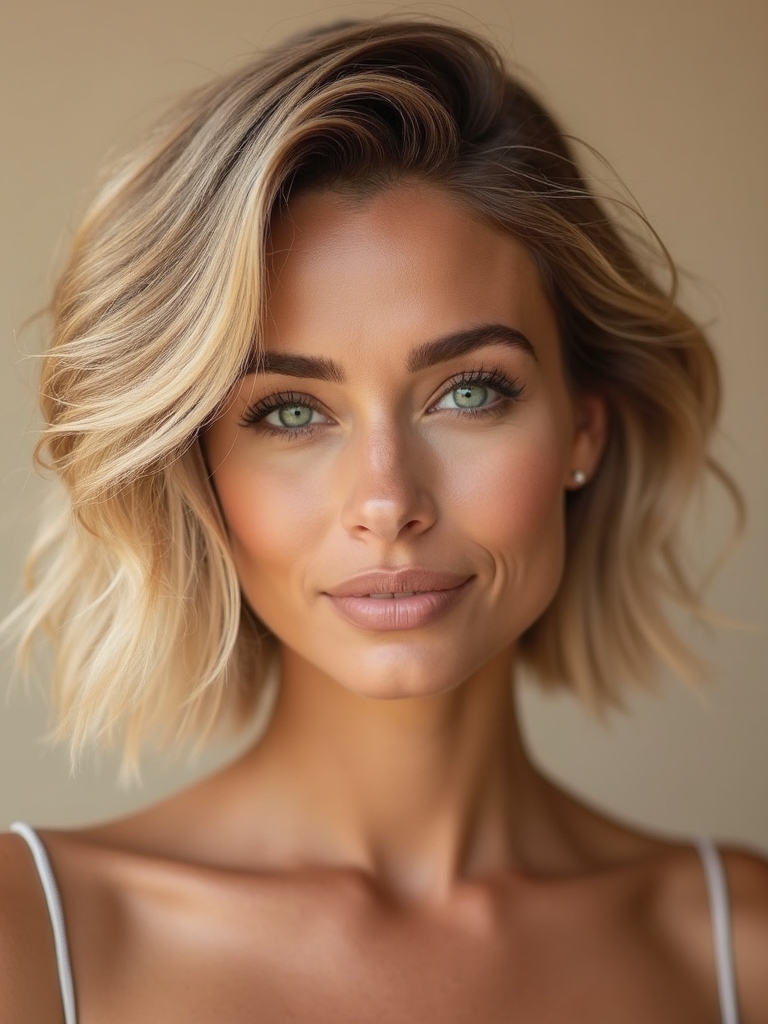
When a cut has gone flat and grown shapeless, you do not always need a big change, just a few soft layers to bring it back. Adding short layering through a tired, grown-out cut puts the lift and shape back without losing much length.
This is the quick refresh clients ask for between bigger changes, often just face-framing and a little movement through the lengths. They are always surprised how much a small, well-placed cut wakes everything up.
- A fast fix between bigger changes, no real commitment needed.
- Usually a light touch-up around the face and through the ends.
- Buys time before you commit to a bigger change.
Styling Tips That Show Off Movement and Shine
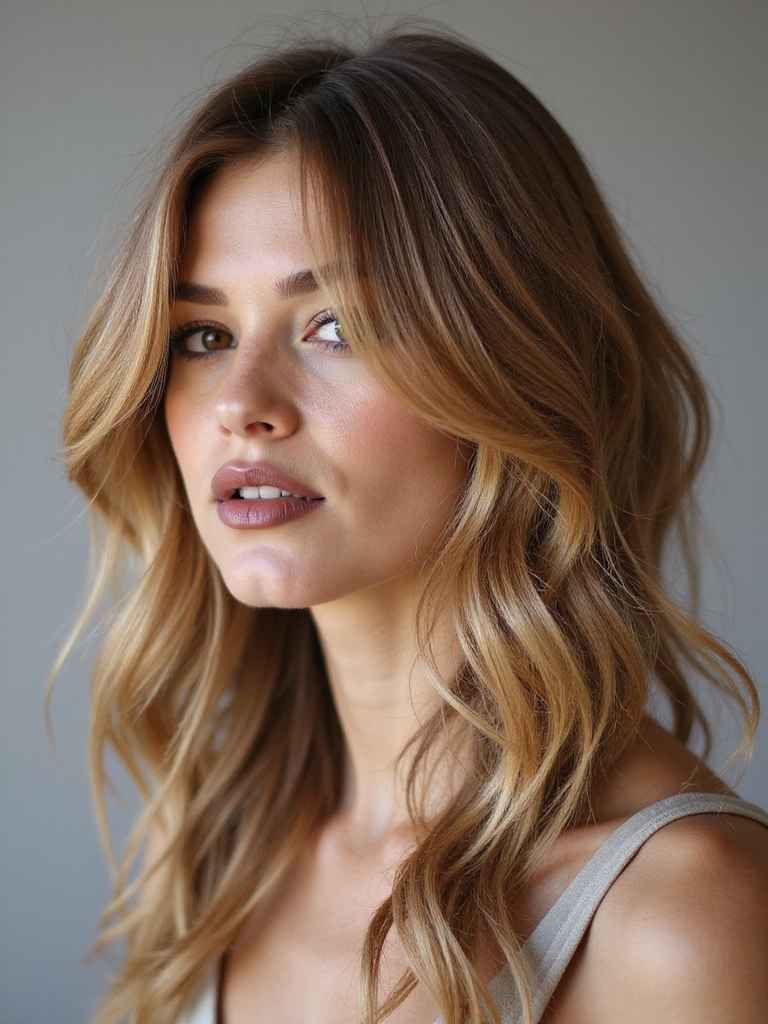
A great layered cut deserves styling that shows it off, and the biggest payoff comes from the blow-dry. Dry the roots first and upward for lift, then round-brush the layers to set their bend and movement before you touch the ends.
Finish with a pinch of texture paste to define the layers, or warm a few drops of shine oil between your palms and smooth it over for gleam. Either one takes the cut from washed to styled in under a minute.
Whatever you use, keep it light. Heavy product drags layers down and undoes the lift the cut was built to give you.
What to Expect
A clear picture of the cost and rhythm ahead of time makes the whole appointment easier. Budget around $50 to $150 for a layered cut, more for very long or detailed work, and expect the rebooking rhythm to follow the shape: soft, long layers coast for ten to twelve weeks, while shaggy, short, and stacked cuts blur sooner and want more frequent attention.
Show up with a picture of the end result, and open with your hair type and morning routine before the photo.
Most of all, be realistic about what layers can and cannot do. They add movement and take out weight; they will not add density that is not there, and they cannot fix dryness that is really a conditioning problem. Matched to your texture and your real morning routine, though, layers are the single most transformative thing you can do to your hair without color or length.
For a defined shape on long hair, V-cut layers and layered hair with curtain bangs are worth a look.
Layered Hair Questions Answered
?How soon will I see a difference from layers?
Right away. The lift and movement show the moment your hair is styled at the appointment. The truer test is the next morning, when a well-layered cut still falls into shape with far less work than your old one did, which is when most clients realize the change was worth it.
?Can layers actually fix flat, lifeless hair?
Often, when the flatness comes from weight. Layers pull out the bulk that drags hair down, so it lifts at the roots and moves through the lengths. They will not fix flatness caused by product buildup or skipped washes, which is a wash-day problem and not a haircut one.
?Will I have to restyle my hair every day?
Less than you do now, usually. The right layers build movement into the cut, so most days an air-dry or a two-minute round-brush is enough. The exception is sharp, blunt-leaning shapes and short stacked cuts, which ask for a bit more time and more frequent trims.
?Can all hair types get layers?
Yes, all hair types, from poker-straight to tightly coiled, though the cut changes completely by texture. Curly and coily hair needs the shaping done fully dry so the true pattern shows, fine hair wants light layering, and thick hair wants heavy internal weight removal. The technique is what makes layers work for your type.
The Right Layers Transform, the Wrong Ones Don’t
Every cut here does the same two things in a different way: it pulls weight where hair goes heavy and adds movement where it falls flat. The payoff comes from matching that to your hair, because the shag that frees thick hair would overwhelm fine hair, and the cut that lifts curls would frizz a smooth wave.
So the real question is not which layered look is best, it is which one fits the hair you actually have and the time you actually spend on it. Answer that honestly, hand a photo to a stylist you rate, and you will leave with a refresh that holds up long after you walk out the door.
More Ideas Here