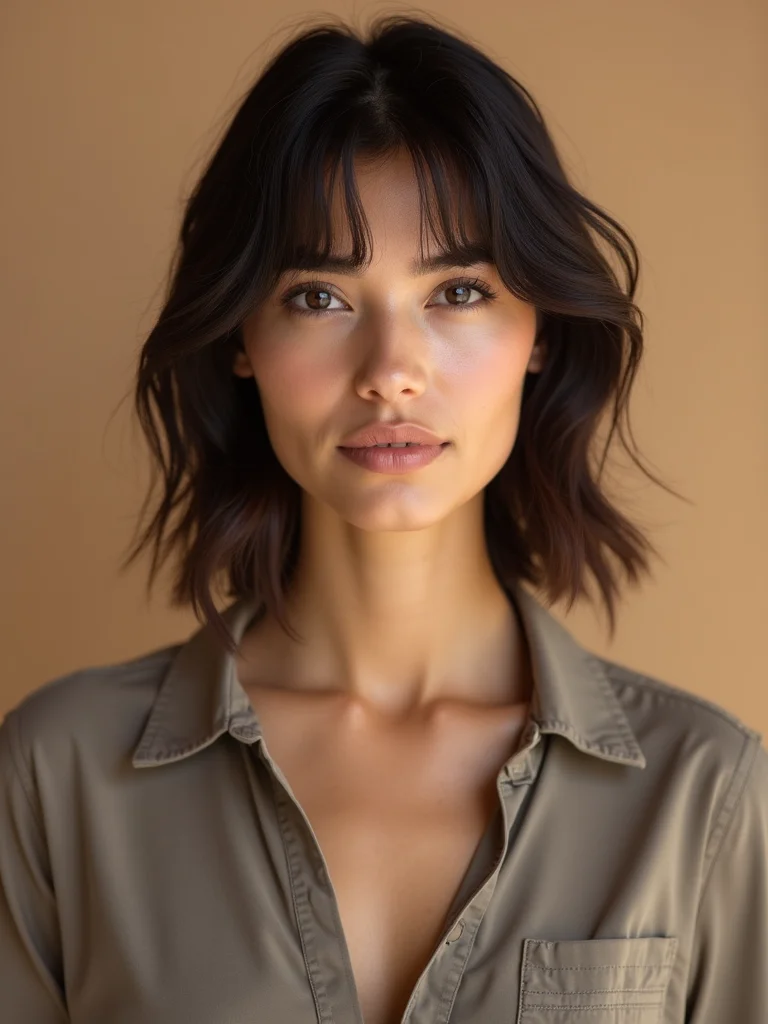
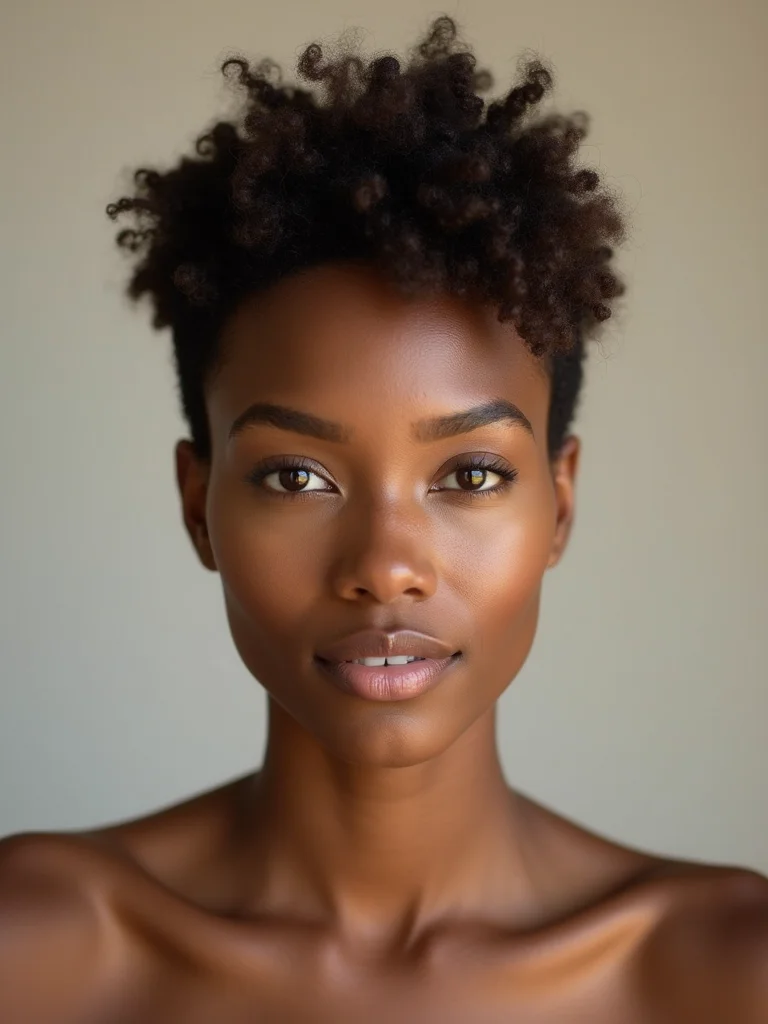
The biggest myth about layered hair with curtain bangs is that they only work on one kind of hair: long, wavy, and loosely tousled. That’s not true — the fringe alone was never the deciding factor.
It works because of what’s happening underneath the fringe. Curtain bangs need layers connected to them so the fringe can sweep back and blend on its own. Match the fringe to the right layered shape for your texture and length, and it flatters nearly anyone who tries it. Below are fifteen pairings, sorted by cut.
Quick Answers
Do curtain bangs work on short hair? Yes. A short layered bob takes a soft curtain fringe well, as long as the layers are cut to blend it into the sides rather than leaving it as a separate block.
Which curtain-bang length is easiest to maintain? Long, falling below the cheekbones. It blends into the surrounding layers fastest and forgives a missed trim better than any shorter version.
Do the rest of my layers have to change for curtain bangs? Mostly just at the front. Face-framing layers connected to the fringe are what let it sweep back and grow out cleanly.
Soft Shag Layers With Wispy Curtain Bangs

A soft shag paired with wispy curtain bangs is the pairing most people picture first, and for good reason. The heavily layered shag and the airy, center-parted fringe carry the same undone quality, so the fringe settles naturally into the choppy layers around the face.
This is the easiest version on the list to wear day to day, since nothing about it depends on precision. It’s the pairing requested most often by name, especially from anyone without much patience for daily styling.
- Works especially well on hair with at least medium thickness.
- A texturizing spray and a finger-tousle covers the entire routine.
- The shag’s choppiness hides any slight unevenness in the fringe.
Long Layered Waves With a Center-Swept Fringe

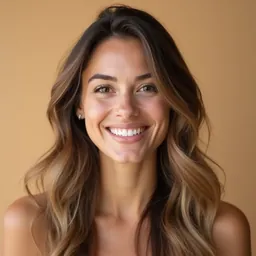
On long, layered hair, a center-swept fringe drops cleanly down each side before flowing into the waves below. The long layers carry that same movement all the way through the length, so the whole head reads as one soft, swept shape.
This pairing stays the most universally flattering version on this list, suited to almost any long-haired texture. A brush directs the center sweep while drying; the waves handle styling the rest on their own.
Setting the wispy sweep at home:
1Rough-dry first
Dry the fringe mostly with fingers, aiming it back and to the sides.
2Finish with a light texture spray
A small amount keeps the pieces separated without weighing them down.
Face-Framing Layers on Medium Lengths

Medium-length hair sits in a sweet spot for layers and curtain bangs: long enough to move, short enough to stay easy. Face-framing layers open up the cheeks and jaw, while the fringe ties the whole front together.
A plain mid-length cut suddenly reads deliberate once the fringe and framing connect, with no dramatic chop required to get there.
- Works especially well at the chin-to-collarbone length most people already have.
- Connecting the fringe to the face-framing layers keeps the grow-out clean.
- A light cream and a quick pass at the front cover most air-dry days.
Feathered Layers With Voluminous Curtain Bangs

Feathered layers with a voluminous curtain fringe make up the glamorous, big-hair version on this list. The fringe stays fuller and feathered so it falls with real body, while the layers beneath are built specifically for volume.
- Best on medium to thick hair that can hold a proper blow-dry.
- Round-brushing the fringe up and back builds most of the volume.
- A light-hold spray keeps that body in place well past midday.
💡Ask for the Connection
Specifically request that the fringe blend into face-framing layers, connected from the start. That link is what keeps the grow-out graceful.
Sleek Layered Lob With a Split Fringe

A sleek layered lob with a split fringe is the polished, editorial take on this pairing. The lob sits clean at the collarbone with subtle layering, while the fringe parts at the center and splits sharply to each side.
This version suits anyone who leans toward sharp over soft. A flat iron and a smoothing product finish the look, and the payoff is a crisp, expensive-looking frame around the face.
Textured Layers for Fine Hair Lift

Fine hair can absolutely wear curtain bangs, as long as the layers stay light throughout. Textured, soft layering adds lift through the cut, while a wispy fringe frames the face without pulling so much hair forward that the crown loses its density.
Keeping the fringe sheer and set slightly higher, then pairing it with a root-lifting mousse, gives fine hair both a frame and a bit of extra fullness at once.
Curly Layers With Grown-Out Curtain Bangs

Curly hair wears a grown-out curtain fringe beautifully, with the coils springing into a soft frame on each side of a center part. Layers give the curls room to move, and a longer fringe blends into them as it lengthens, letting the natural shrinkage work in its favor.
Cutting it dry, in the curl’s own pattern, and leaving the fringe longer than seems necessary at first, matters more here than almost anywhere else — curls shrink, and a fringe cut to its dry length ends up springing too short to sweep at all.
Watch This on Fine Hair
A fringe cut too thick borrows density from the crown right behind it. The bang gains body while the rest of the top thins out to compensate.
Choppy Layers With Piecey Bangs

Choppy layers with piecey curtain bangs make up the cool-girl pairing on this list, built entirely around separated texture. The layers are point-cut for visible separation, and the fringe is sliced into piecey strands that carry the same broken texture through the front.
- Suits textures with enough grip to hold visible separation.
- A texturizing paste worked into dry ends defines the individual pieces.
- This pairing wants to look undone; polish works against the point of it.
A Layered Blowout With a Rounded Curtain Fringe

A layered blowout with a rounded curtain fringe is the salon-fresh, bouncy pairing on this list. The layers get blown out for full, rounded volume, and the fringe curves under and back to match, so the whole shape looks freshly styled.
This takes the most styling time of any pairing here, which makes it better suited to an event than an average Tuesday.
- Best on medium to thick hair with some natural body to build on.
- Round-brushing each section under builds the matching bounce.
- A cool-air finish sets the shape so it holds through the day.
Beachy Layers With Air-Dried Bangs

For anyone who’d rather skip the blowout entirely, beachy air-dried layers with a curtain fringe sit at the opposite end of the spectrum: no heat, all natural texture. The layers are cut specifically to air-dry into soft, wavy pieces, and the fringe settles into a relaxed sweep with nothing more than a scrunch of product.
The Lowest-Effort Styling on This List
This pairing asks the least of any daily routine covered here, suited to anyone who simply won’t reach for a hot tool most mornings.
Working a salt spray or light cream through soaking-wet hair, scrunching once, and leaving it alone produces the whole finish. The waves hide any slight unevenness, which keeps the look forgiving even on a lazy week.
Deciding between polish and ease? Compare the two ends of this list.
🎯Rounded Blowout Pairing
Full salon volume; the most time-intensive option here.
🎯Beachy Air-Dried Pairing
Zero heat, minimal effort; the lowest-maintenance option here.
A Layered Cut for Thick Hair Debulking

Thick, dense hair needs some debulking to wear curtain bangs comfortably, or the fringe ends up sitting like a heavy slab across the forehead. Internal layering strips weight out of the cut overall, while the fringe itself gets thinned from underneath so it can sweep rather than sit stiff. A full cut with this kind of internal work typically runs around $70 at a mid-range salon.
- Ask specifically for internal thinning in both the layers and the fringe.
- Point out exactly where the hair puffs most for a stylist to target.
- A smoothing cream keeps the debulked fringe looking sleek, not frizzy.
Short Layered Bob With Soft Curtain Bangs

A short layered bob with soft curtain bangs proves this fringe isn’t reserved for long hair. The bob stays light through internal layering, and a soft fringe frames the face while softening the bob’s blunt perimeter.
- Best on straight to wavy hair that holds a bob shape well.
- Keep the fringe long enough that it blends into the sides of the bob.
- A round brush curves the fringe and the bob’s ends toward each other.
A Layered U-Cut With a Blended Fringe

A layered U-cut with a blended curtain fringe keeps long hair soft and rounded from every angle. The back is shaped into a gentle curve, with the longest point sitting at the center, while the fringe settles into the surrounding face-framing pieces so the whole silhouette flows without a hard edge anywhere.
- Best suited to long hair that’s staying long for the foreseeable future.
- The curved back keeps the ends looking full rather than stringy.
- The fringe sweeps naturally into the framing layers as both grow out.
A Layered V-Cut With Dramatic Face Framing

A layered V-cut with a curtain fringe is the dramatic, elongating pairing on this list. The back tapers to a defined point at the center, and the fringe adds bold framing up front, so the eye travels from the face all the way down to that point.
- Best on long, dense hair with enough weight to fill out the V shape.
- Curly hair should be cut dry so the point lands exactly where intended.
- Pairs a dramatic back silhouette with a properly soft front.
Low-Maintenance Layers With Easy Bangs

For anyone whose deciding factor is upkeep, low-maintenance layers paired with easy curtain bangs are the answer. Long, soft layers and a long, grown-out fringe blend together well enough that the cut looks good air-dried and grows out with no awkward stage in between.
This is the obvious pick for anyone who travels often or skips salon visits for months at a stretch, since the fringe is soft and long enough to simply merge with the layers as it grows.
- The longest, lowest-commitment fringe-and-layer combination on this list.
- Air-dries well and blends naturally as both grow out together.
- Comfortably stretches toward ten or twelve weeks between trims.
Who It Suits Best
This pairing suits most people who try it, as long as the layers underneath actually connect to the fringe and support the sweep. Round faces benefit from the vertical lines a center-swept fringe draws; long or narrow faces get width and softness from a fuller, feathered version.
The one group that needs extra care is very curly or coily hair, where cutting the fringe wet almost guarantees it springs up shorter than intended. Beyond that exception, the deciding factor is really upkeep tolerance rather than face shape or texture.
Layered Hair With Curtain Bangs, Answered
?Do curtain bangs suit round faces specifically?
Yes, often better than other fringe types. A center-swept curtain fringe draws two soft vertical lines down the face, which visually lengthens and slims a round shape. Keeping the fringe long enough to fall past the cheekbones gives the most flattering effect.
?Can curtain bangs be added without changing the rest of my layers?
Usually you’ll want at least some face-framing layers connected to the fringe, even if the rest of the cut stays the same. Without that connection, the bangs tend to sit as an isolated block, disconnected from everything around them.
?What actually happens if the fringe gets cut too short?
It loses the ability to sweep back and blend, which is the entire point of a curtain shape. A too-short fringe reads more like a standard bang and takes months to grow back into the length needed to sweep properly again.
?How long does a shaping trim on curtain bangs actually take?
Just a few minutes once the surrounding layers are already established, since a stylist is mainly refreshing the sweep and reconnecting it to the face-framing pieces rather than starting the whole shape from scratch each visit.
?Is there a fast way to learn the at-home styling?
Ask a stylist to walk through the round-brush sweep in the chair before leaving an appointment. Curtain bangs are shaped as much by the blow-dry as by the cut itself, and watching it done once saves a lot of trial and error at home.
It Comes Down to the Layers
Curtain bangs get most of the attention, but the reason they flatter nearly everyone is the layers doing the quiet work underneath. The fringe frames the face; the layers give it somewhere to sweep, blend, and grow into.
Pick the layered shape that actually fits your texture and length first, and the curtain fringe tends to fall into place on top of it without much fuss.
Keep Reading