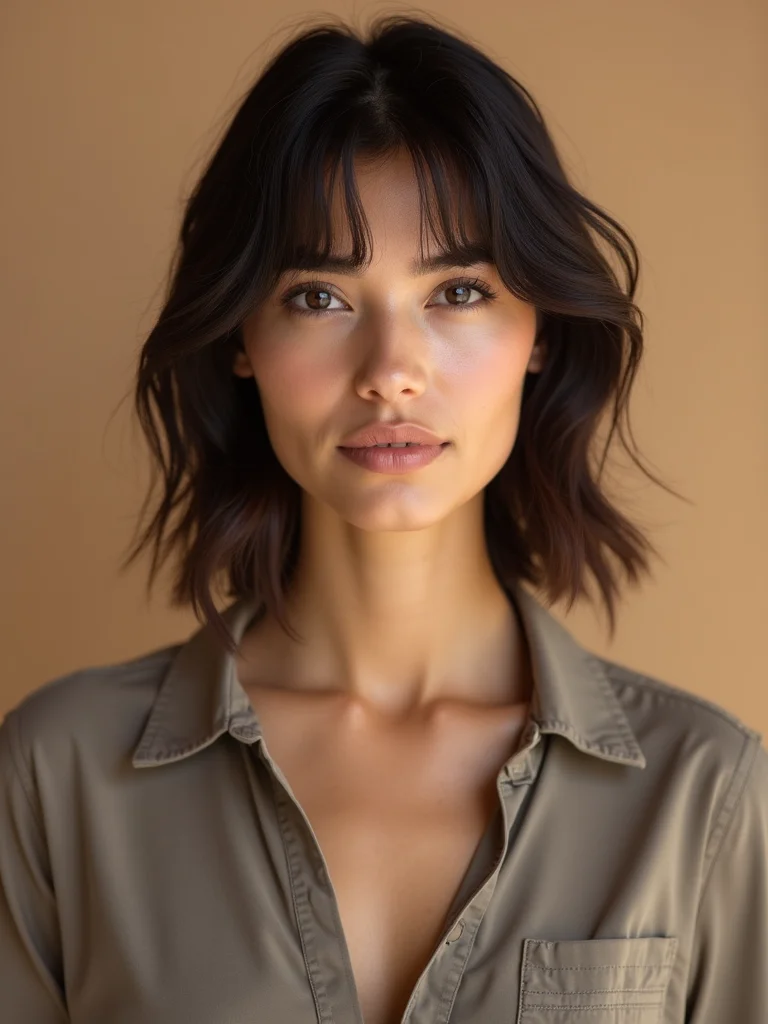
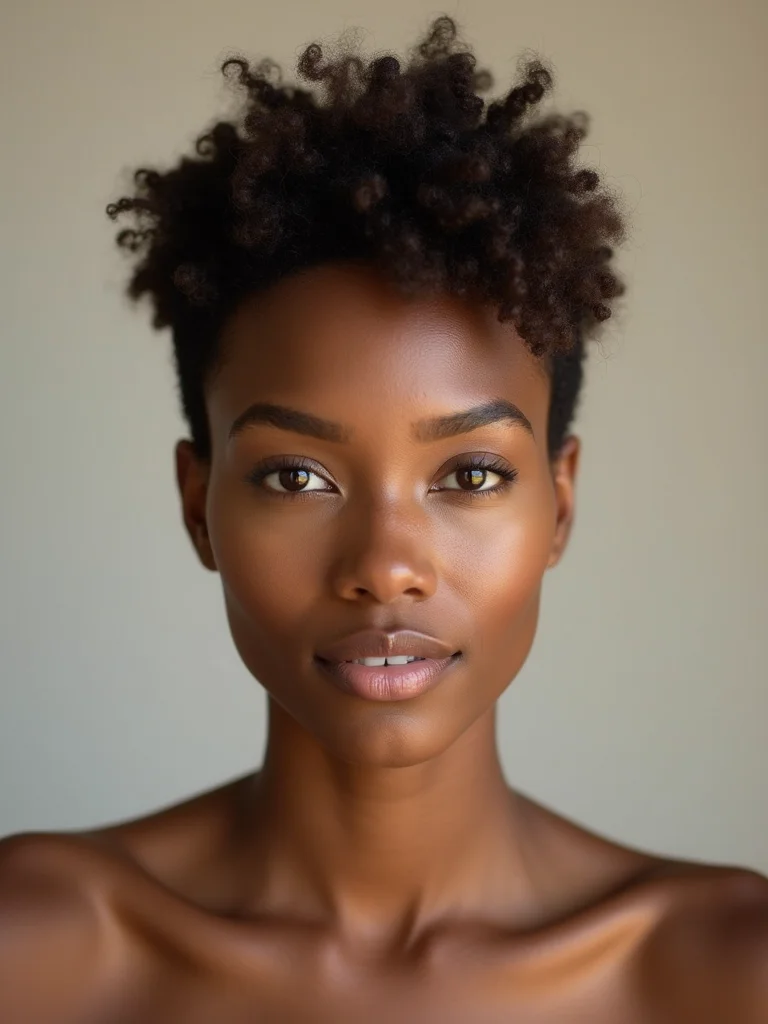
Six weeks after a blunt, straight-across fringe, most people are pinning it back, irritated, waiting out a growing stage that has nowhere good to go. Layered curtain bangs skip that stage completely, since the surrounding layers simply keep absorbing the length as it comes in.
The fifteen pairings below all start from the same premise: layers doing real work alongside the fringe, not just around it, sorted by how much structure, texture, and volume each version actually needs.
Why the Layers Matter as Much as the Fringe
Layered curtain bangs work because the fringe and the surrounding layers are built as a single continuous plan. The shortest point of the fringe becomes the shortest layer in the whole cut, so there’s rarely a hard seam between the two.
Length, the part, and the surrounding layer structure are the variables that actually change the outcome. Texture decides how much of that structure shows up on any given morning.
Soft Face-Framing Curtain Layers
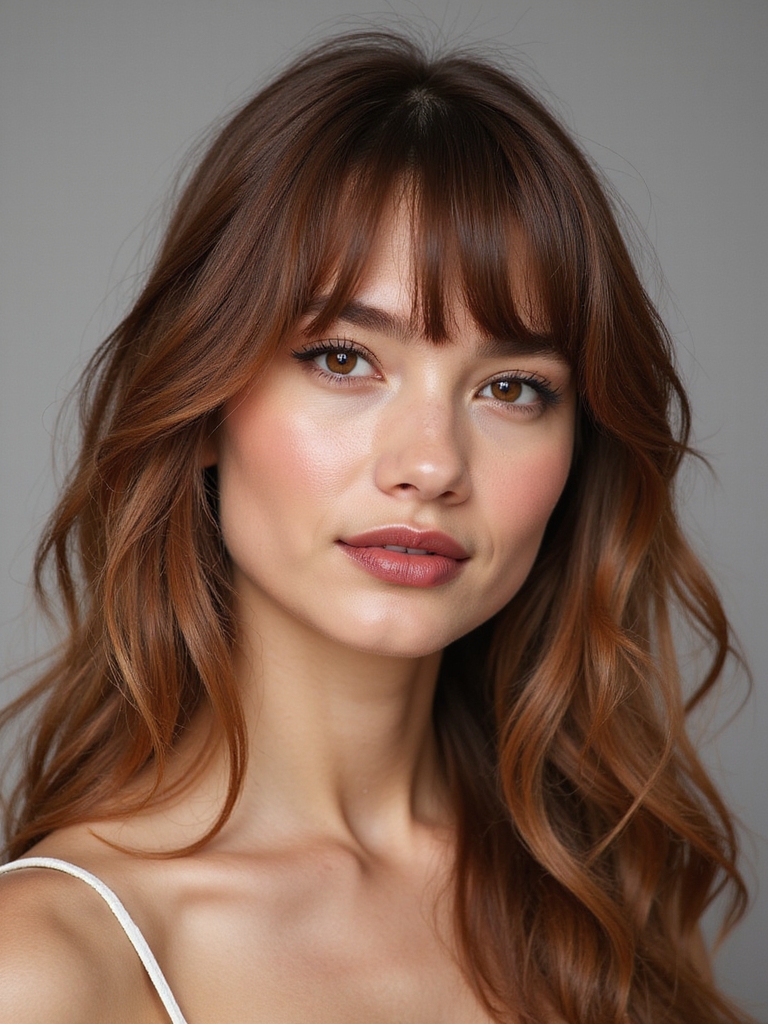
The softest version blends the fringe directly into the surrounding face-framing layers, so the two read as one sweeping shape. There’s no seam to point to; the layering simply continues outward from the shortest piece.
Why nothing here needs a hard line
This pairing forgives more than any other on this list. A slightly uneven trim, a lazy blow-dry, none of it shows the way it would on a sharper, more defined fringe.
A round-brush blow-dry sweeping everything back and out is the entire routine. Most people find this the easiest starting point if curtain bangs feel like a big step.
Long Curtain Bangs Below the Cheekbones
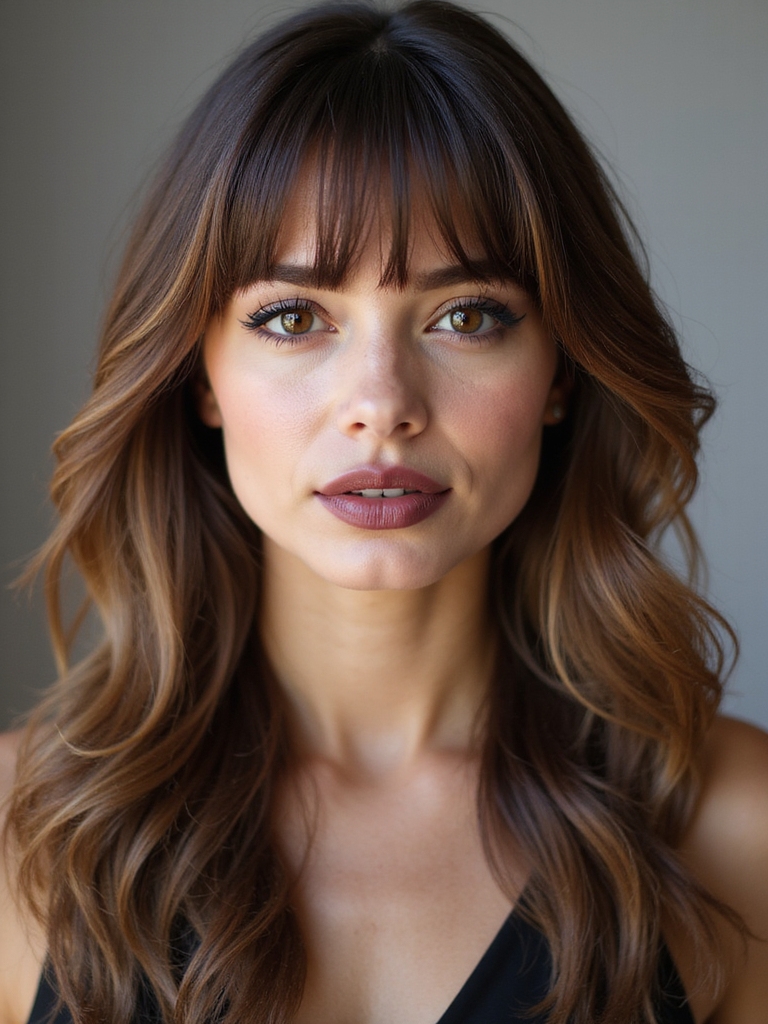
Layered down past the cheekbones, this is the longest, most relaxed pairing on the list. The fringe and the surrounding layers move as a single unit, so the whole front looks settled and grown-in even on the very first day.
- Trims can wait the longest of any version here.
- A loose bend from a round brush is usually all the styling it needs.
- Especially forgiving for anyone who skips the salon for long stretches.
Chin-Grazing Curtain Bangs
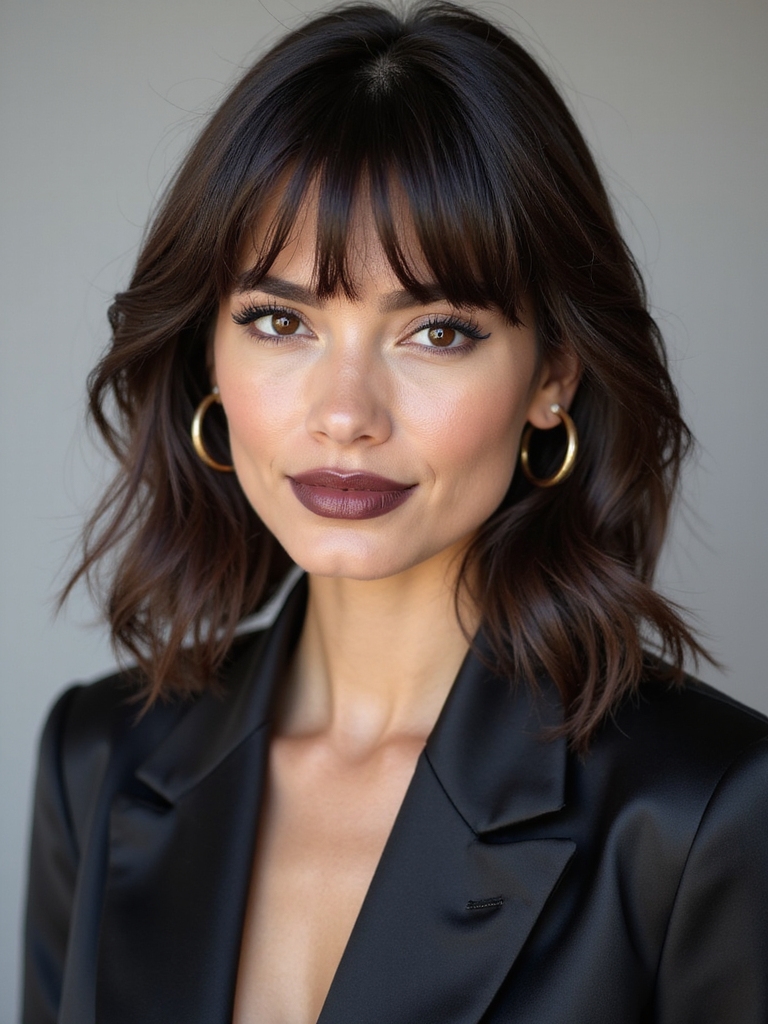
Landing right at the jaw-length curtain, this version sits between the soft, blended pairing and the boldest, forehead-skimming one. The layers around it carry a bit more shape than the longer pairings do, giving the whole front a clearer line.
The middle point between soft and structured
It suits anyone who tried the softest version first, liked the concept, and wants slightly more definition without jumping straight to a bold, structured fringe.
A round brush curved toward the jaw sets the line each morning. The surrounding layers do most of the remaining work on their own.
Wispy Feathered Bangs for Fine Hair
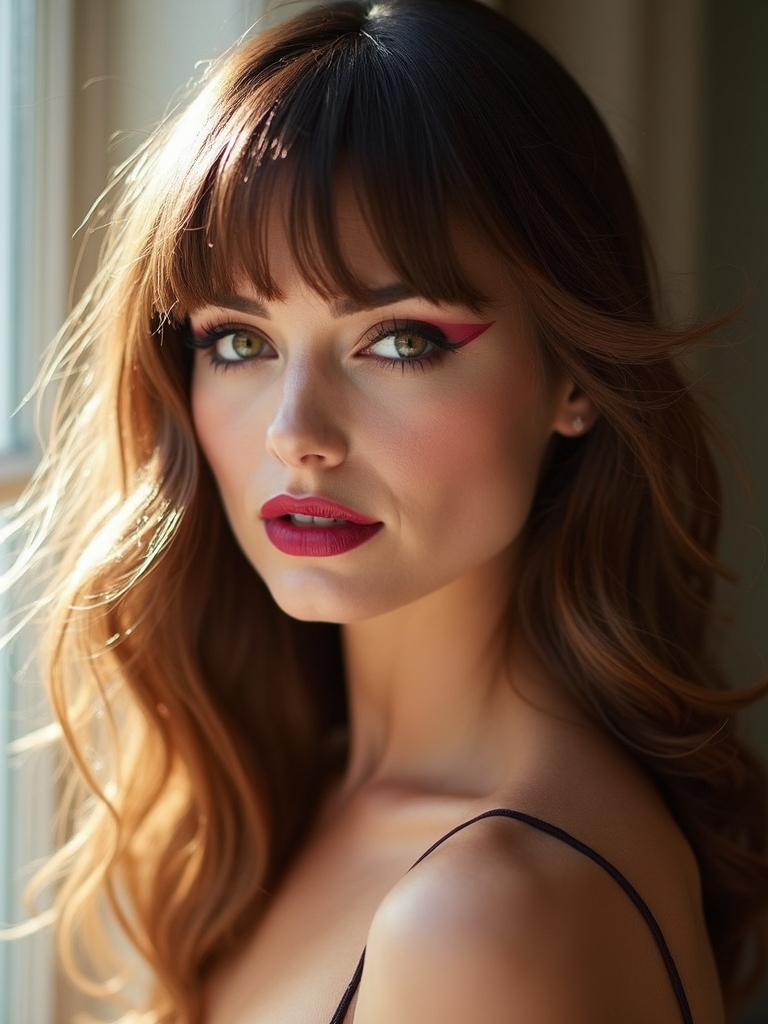
Fine hair does its best work with a wispy, feathered fringe, thinned enough to frame the face without ever reading sparse. The surrounding layers stay light too, so nothing pulls density away from the crown to feed the front.
The one mistake to avoid on fine hair
The common misstep here is cutting it too thick. A heavy fringe on fine hair borrows weight from everywhere else, and the crown goes flat trying to compensate.
Kept wispy and slightly lifted at the root, the pairing adds the appearance of fullness without draining it elsewhere. A light serum keeps the separated pieces from clumping.
👍Why Wispy Suits Fine Hair
- +Feathered ends keep the fringe light and airy.
- +Layers stay thin enough that the crown keeps its own volume.
- +Reads soft and natural, with barely any visible effort.
👎Where It Can Go Wrong
- –Cut too thick, it pulls density straight from the crown.
- –Needs restyling more often, since fine hair drops fast.
- –A heavy product weighs the whole pairing down quickly.
Thick Textured Curtains for Fullness
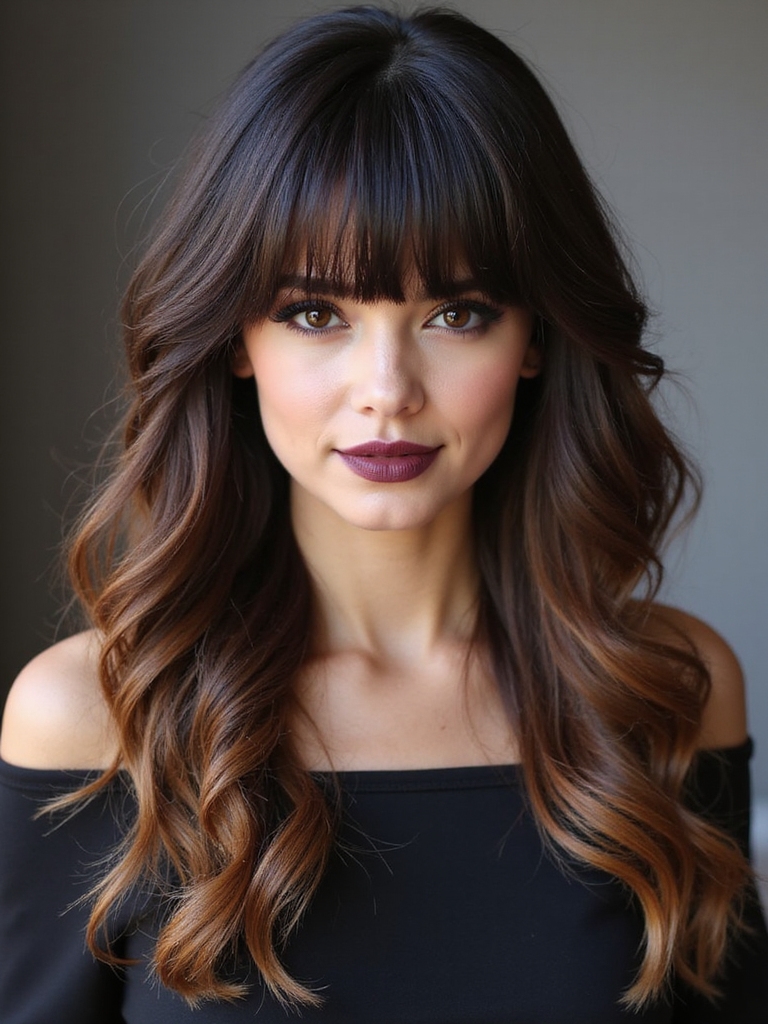
Thick hair can carry a fuller, more textured fringe, and the layers around it need real internal thinning to keep pace, or the whole front turns into one solid, heavy block.
Done right, the density becomes the asset that carries the whole look, turning into a lush, dimensional frame.
- Internal thinning keeps the fringe light enough to move on its own.
- A texture cream, not a heavy oil, defines it without dragging it down.
- The layers need equal thinning, or the fringe looks disconnected from the rest.
Curly Curtain Bangs With Layered Shape
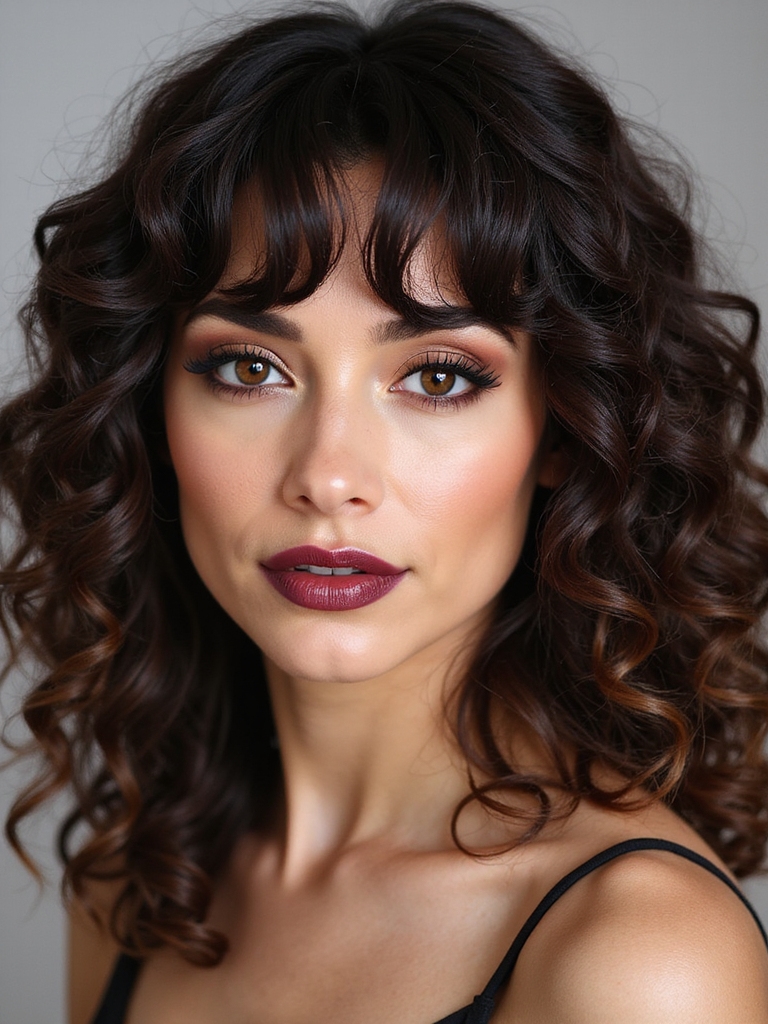
On curly hair, the surrounding layers give the coils room to spring while the fringe curls forward at the temples, framing the face with its own natural bounce. Curls add body here that a straight fringe simply doesn’t have.
- Cut dry, one section at a time, never on wet or stretched curls.
- Expect real shrinkage upward once everything springs back into place.
- A curl cream defines both the fringe and the layers feeding into it. See our curly curtain bangs guide for more.
Wavy Beachy Curtain Bangs
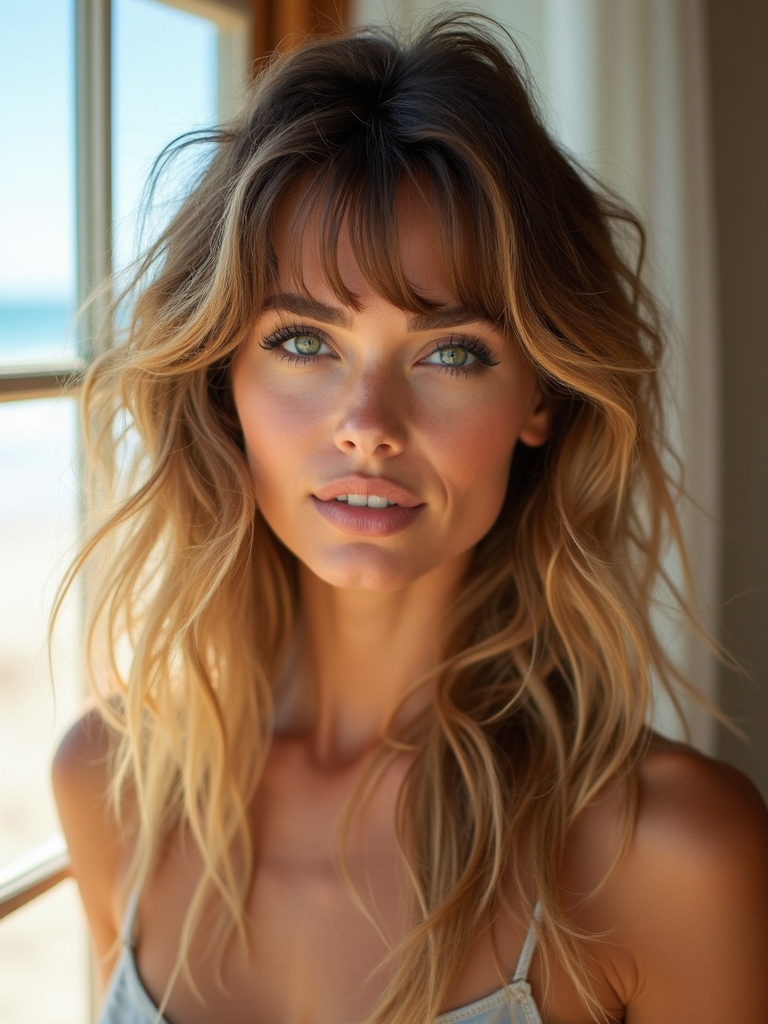
Wavy hair lets the fringe and the surrounding layers fall into loose, piecey pieces on their own, the natural bend doing most of the visible work. Nothing here needs to look neat.
- A sea-salt spray on damp hair brings out the texture with almost no effort.
- Sweep the pieces to either side, then leave them alone.
- Suits anyone chasing a relaxed, low-fuss frame over a polished one.
Sleek Straight Curtain Bangs
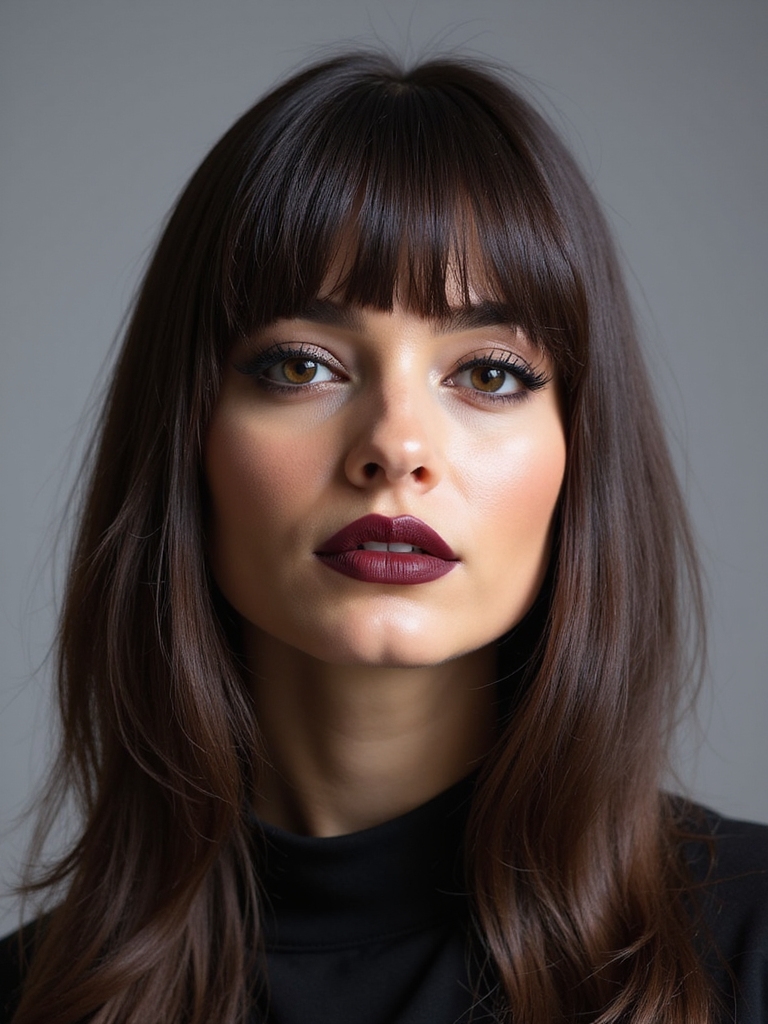
Smoothed flat and swept cleanly to each side, this sleek, straight pairing shows its shape with total clarity, since there’s no texture left to soften the line. Nothing hides here. The surrounding layers stay just as sleek, so the whole front reads as one polished plane.
It asks for more daily upkeep than the softer pairings on this list, but the payoff is a crisp, editorial line that always looks deliberate.
- A flat iron or a smoothing round-brush blow-dry sets the shape.
- A lightweight shine serum keeps flyaways from breaking the clean line.
- Best suited to hair that holds a smooth finish naturally.
📋Before Committing to a Sleek, Straight Fringe
- ✓Straight hair that holds a smooth blow-dry without frizzing back up.
- ✓Willingness to reach for a flat iron on a regular basis.
- ✓A preference for a crisp, defined line over soft, blended movement.
Shaggy Layers With a Swoopy Curtain Fringe
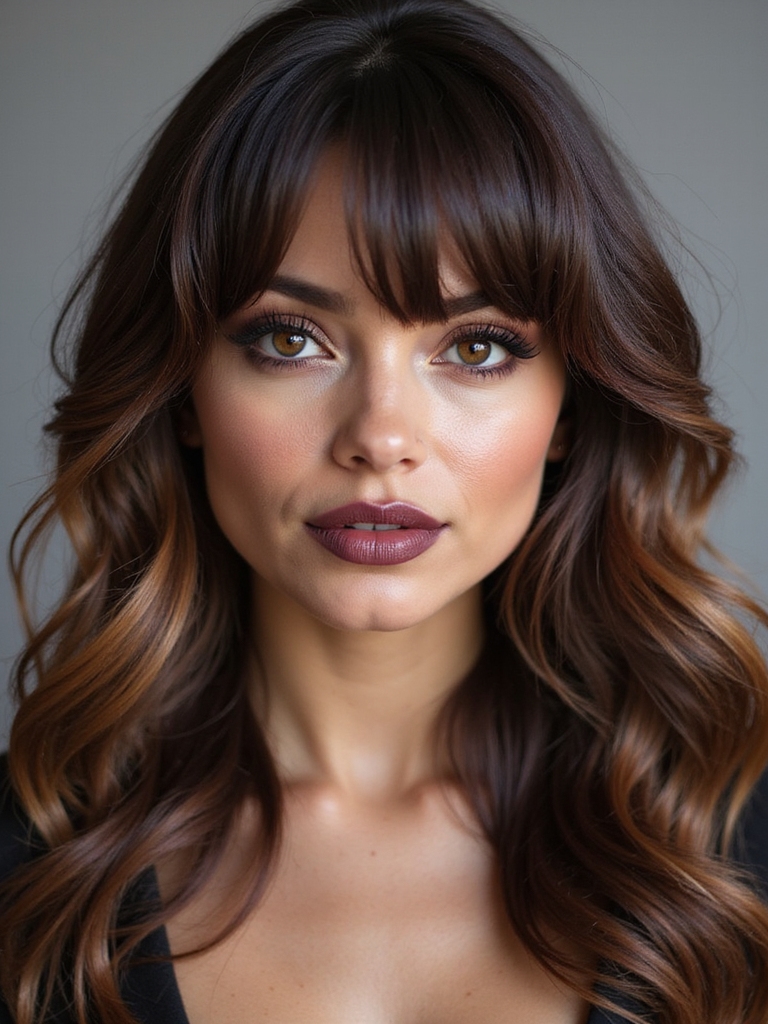
Paired with shaggy, choppy layers, a swoopy curtain fringe turns cool and a little undone. The two textures play off each other, each keeping its own character.
The fringe sweeps softly above the shag’s texture, so the front stays connected to everything happening behind it.
A texture spray brings out both halves at once. Almost nothing about this pairing asks for precision, which is exactly the appeal.
Seventies Round Layers With Curtain Bangs
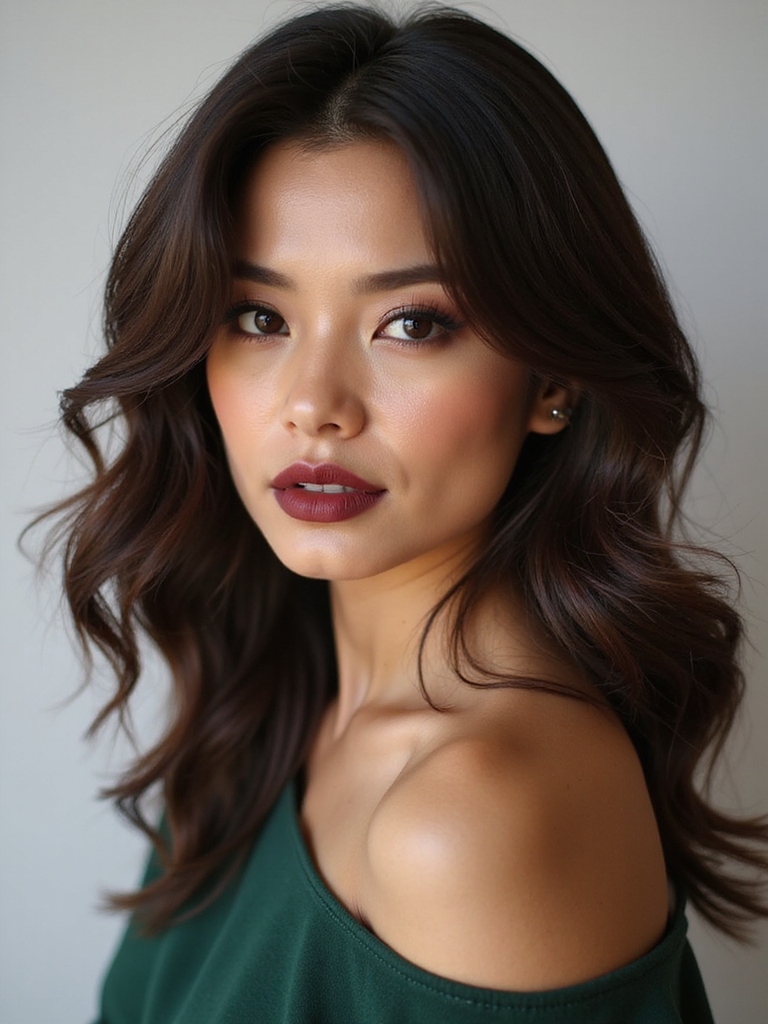
Round, feathered layers underneath a curtain fringe nod directly to the era that popularized the pairing in the first place. Both elements sweep away from the face together, building one continuous, flowing line.
- The round layers carry the movement down through the rest of the length.
- A round-brush blow-dry is what actually builds that retro flow.
- The most vintage-leaning pairing on this entire list.
Which retro detail matters most to you?
1Movement through the length
Round, feathered layers underneath carry that swinging motion down through the full length.
2The face-framing sweep itself
The curtain fringe alone does most of that work, even paired with simpler layers below.
Side-Part Curtain Bangs for Volume
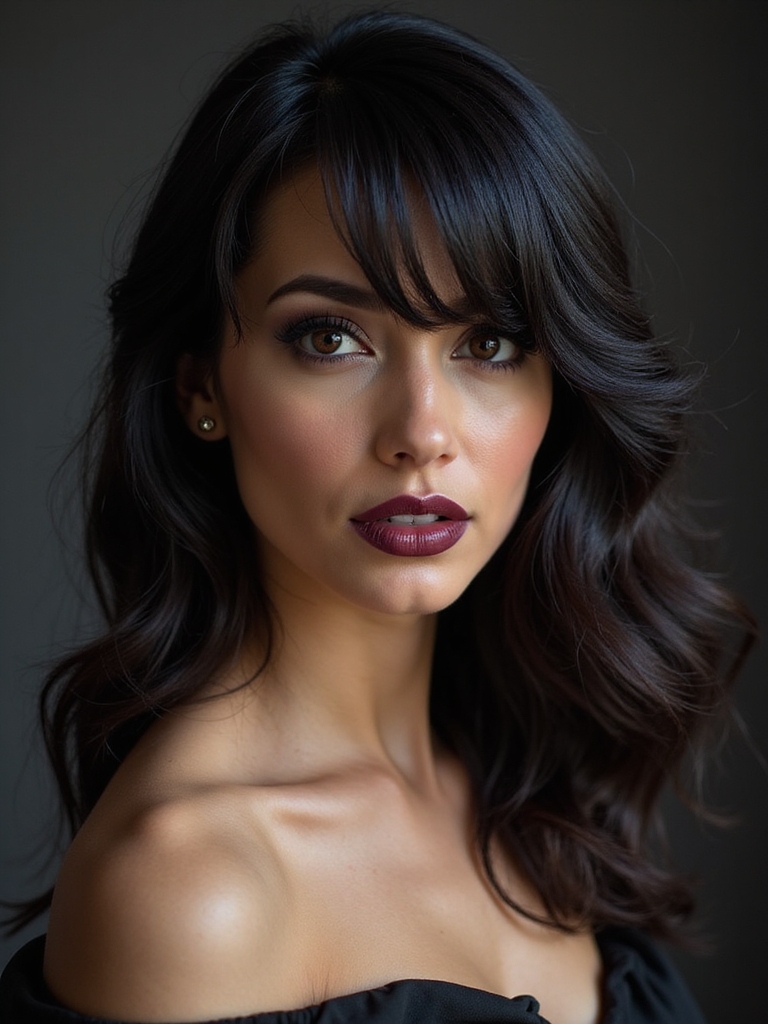
Worn from a deep side part, the fringe sweeps asymmetrically, one side reading fuller and longer than the other. The layers on the fuller side carry extra lift to support that imbalance.
How the part changes the whole shape
The deeper the part, the more dramatic the resulting sweep. It’s the pairing to request when volume and a bit of asymmetry matter more than a perfectly even frame.
A round brush lifts the fringe away from the part to build height, working in sync with the layers underneath.
Center-Part Curtain Bangs
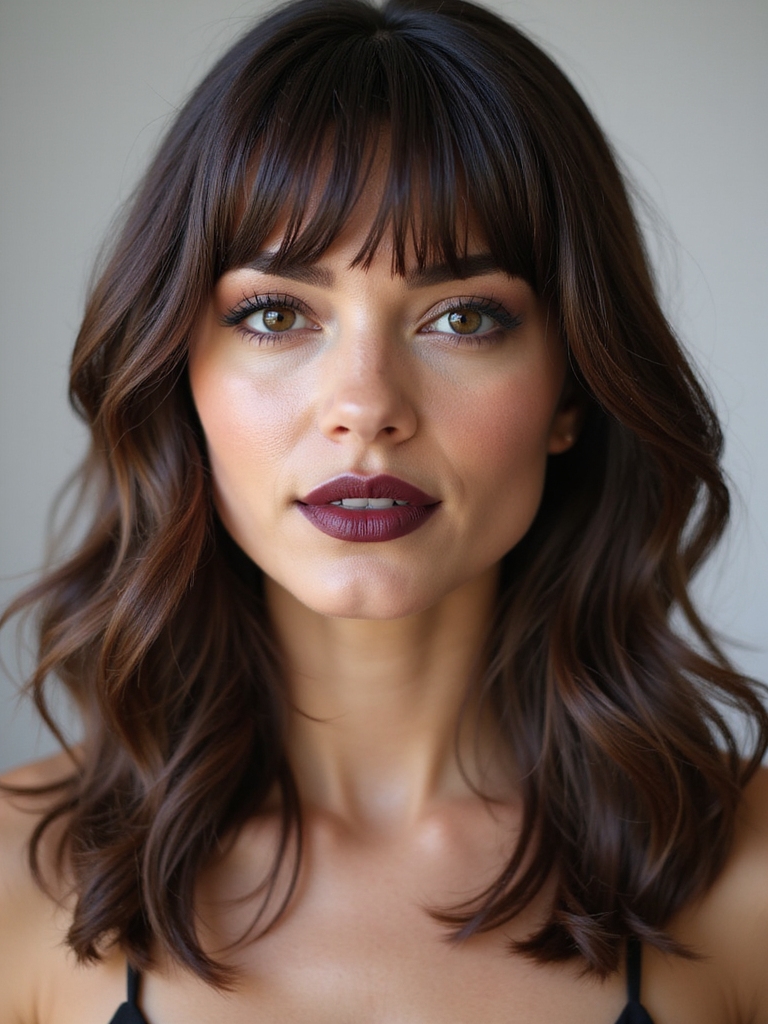
Worn from a center part, the fringe falls evenly to each side, and graduated layers on both sides keep that symmetry going the rest of the way down. This is the original, most recognizable version of the pairing.
Because both sides carry identical layering, the whole front behaves the same way no matter which side gets styled first, which is what makes the classic version so easy to manage without much thought.
Forehead-Skimming Short Curtains
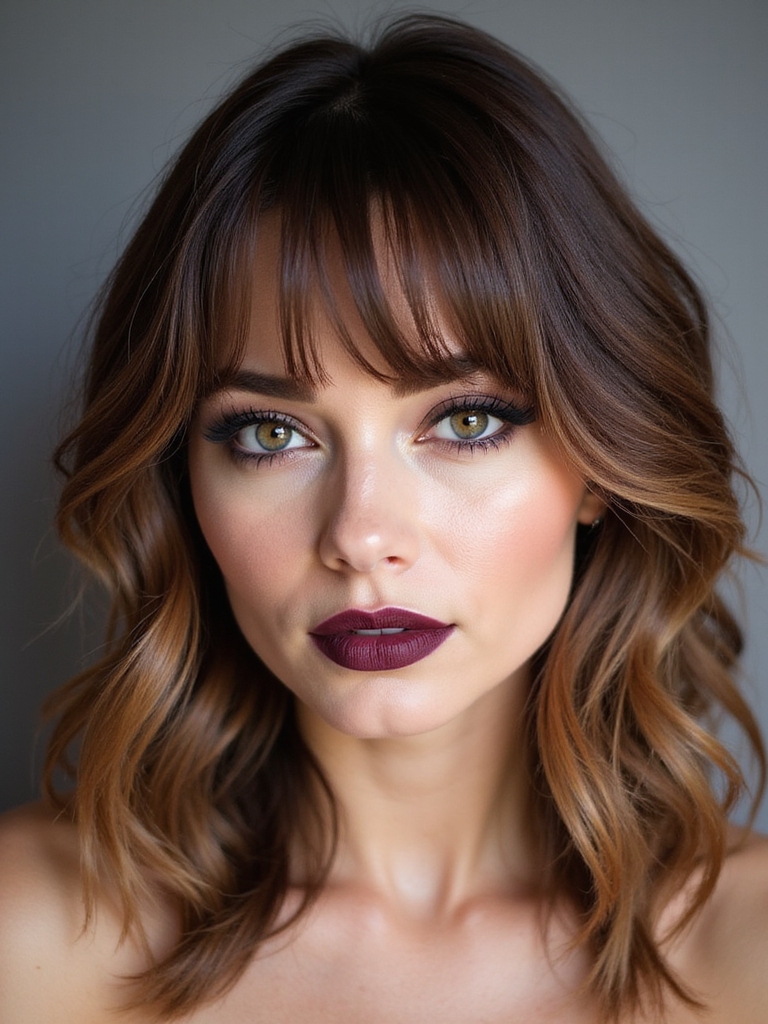
The boldest pairing on this list cuts the fringe short enough to graze the brow, while the layers below stay long to balance that shorter front. It’s youthful and fashion-forward, and it asks the most of any version here.
Why this version shows growth first
Growth shows up here faster than anywhere else on the list, since there’s no length left to absorb regrowth the way the longer pairings can.
Keeping the surrounding layers long is what keeps the whole cut from feeling top-heavy. A light hand with heat keeps the short fringe from looking stiff.
| Length | Grow-Out | Trim Frequency |
|---|---|---|
| Forehead-skimming | Shows growth fastest | Every few weeks |
| Cheekbone to chin | Blends gradually | Every couple of months |
| Below the jaw | Nearly invisible | Rarely needed |
Blowout-Ready Bouncy Curtains
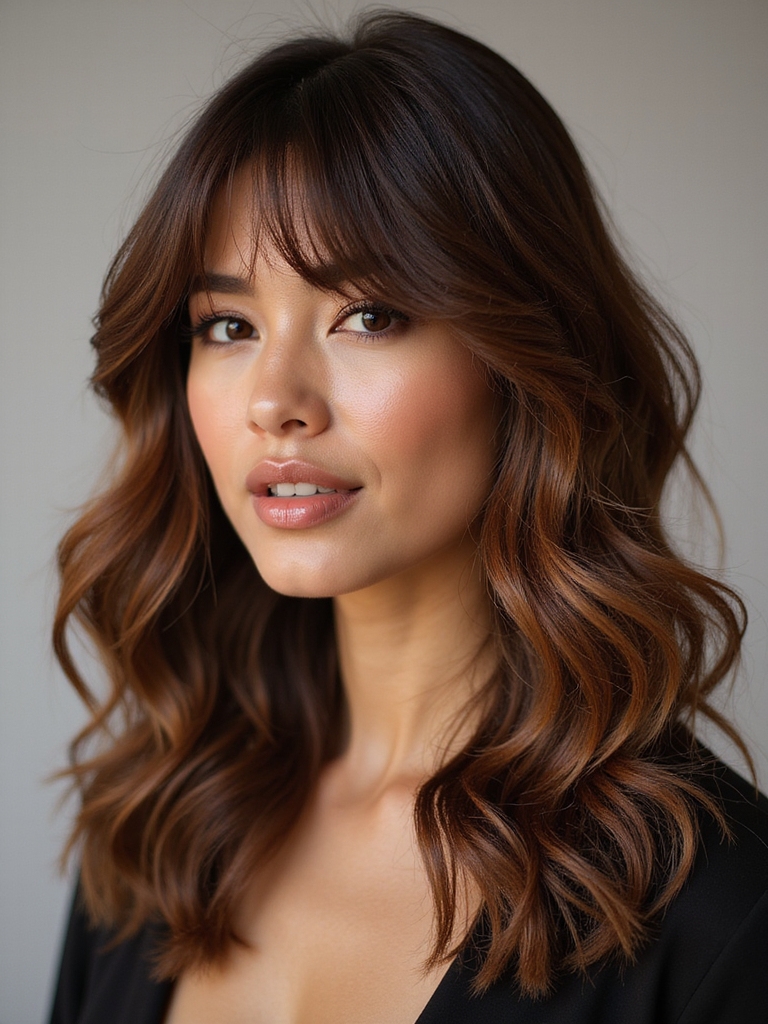
Built for full, bouncy movement, this pairing puts as much weight on the styling as on the cut itself. The cut alone won’t get you there. The layers underneath are shaped specifically to hold a blow-dried curve.
Most of the visible volume comes from the blow-dry itself, well beyond what the cutting technique alone could produce. A lift at the crown and a cool-air set lock the shape in before it can drop.
It takes more morning time than any other pairing here, several minutes on the front section alone, but the result is a genuine camera-ready frame.
Grow-Out-Friendly Curtain Bangs
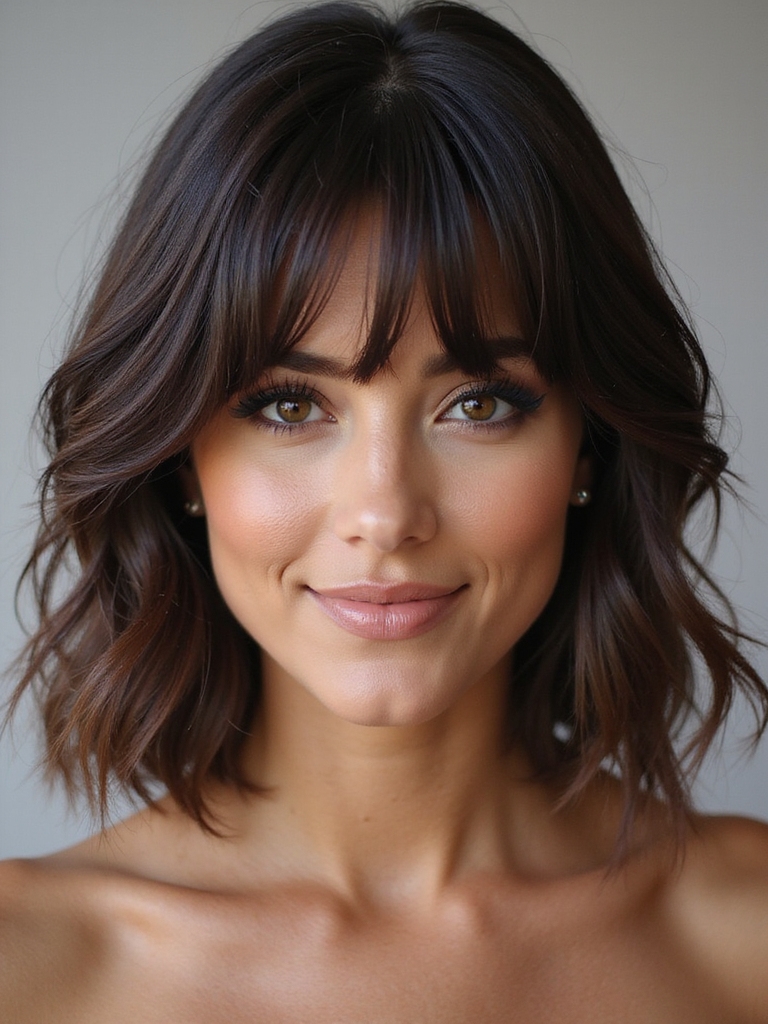
Built specifically to be abandoned whenever the mood strikes, this pairing layers the fringe long and soft from the very start, so there’s no awkward, stranded stage waiting at any point.
A blunt fringe traps you in months of pinning and headbands the moment you want it gone. This version simply keeps folding into the surrounding layers, week after week, until the front matches the rest of the length.
It’s the safest starting point for anyone unsure whether a fringe suits their routine at all, since walking it back costs nothing but a little patience. Our long curtain bangs guide covers the longest, lowest-upkeep versions in more depth.
How to Get the Look
Naming the length, the part, and the surrounding layer structure gives a stylist a real plan to work from, well beyond a single saved photo. Texture matters just as much, since the same pairing behaves differently on straight, wavy, curly, and coily hair.
A full cut built around layered curtain bangs typically runs $45 to $95 depending on the salon, and standalone fringe touch-ups in between often cost nothing extra at salons already handling the surrounding length. Our bob with curtain bangs and curtain bangs guides cover more pairings at other lengths.
Start With the Version You Can Walk Back
Every pairing above balances the same two dials: how much shape the layers hold, and how much softness the fringe shows on top of that. Try the longest, most grow-out-friendly version first if any doubt remains, since it costs the least to walk back if it doesn’t fit. Everything bolder can always come later.
Where to Next