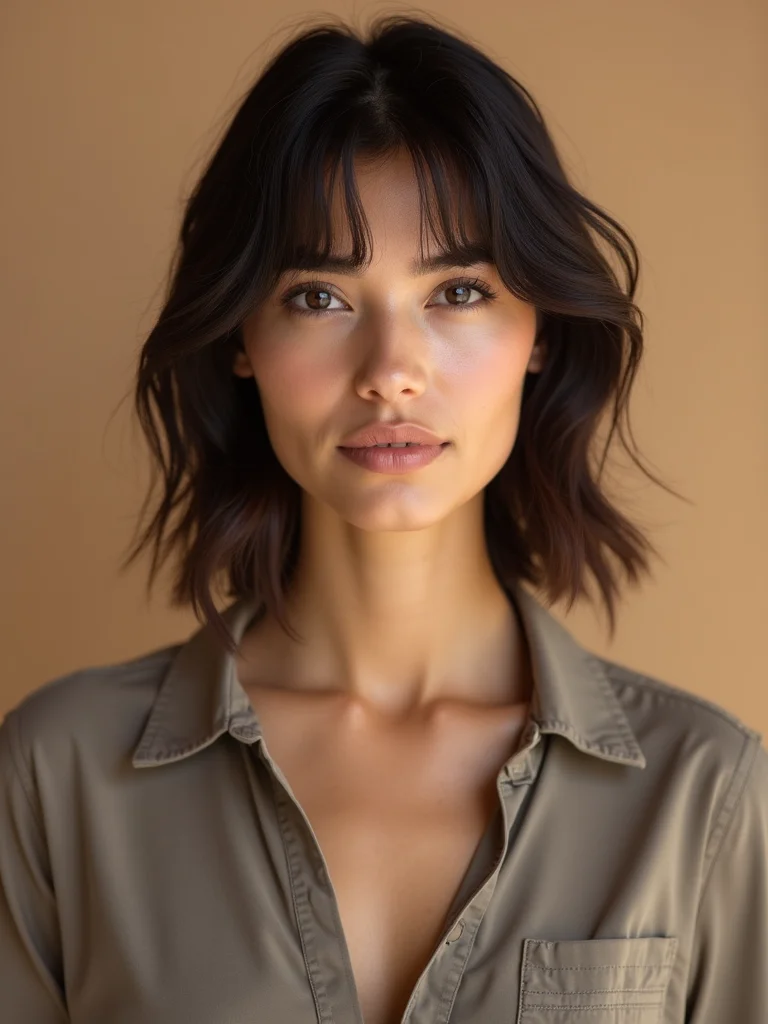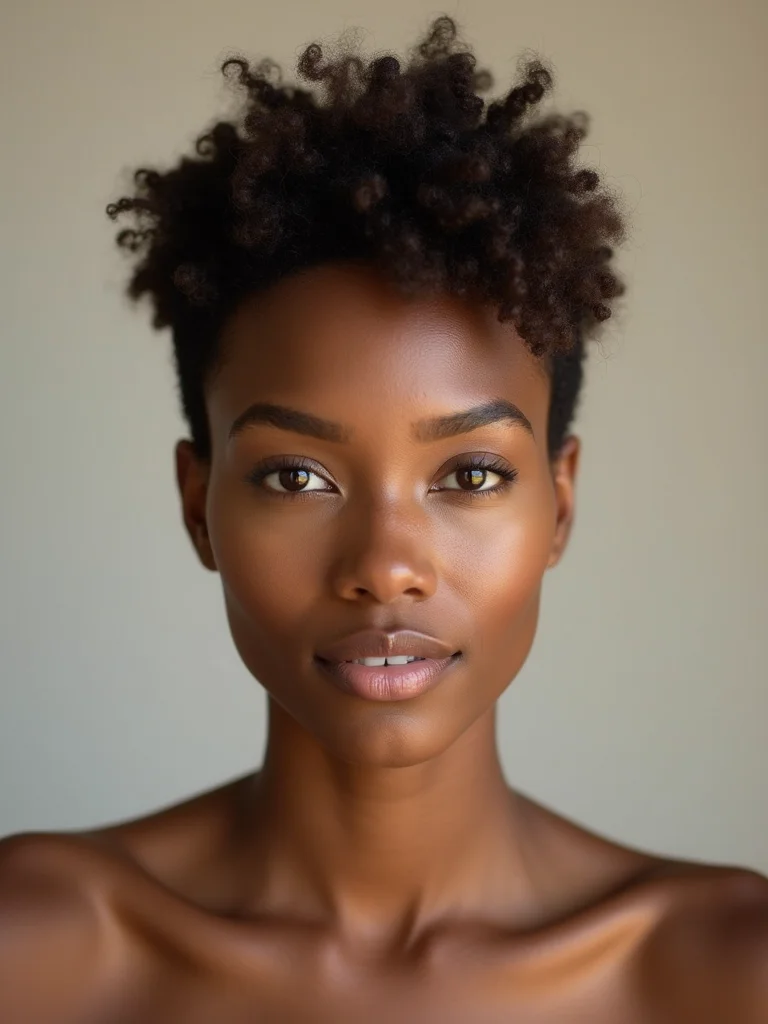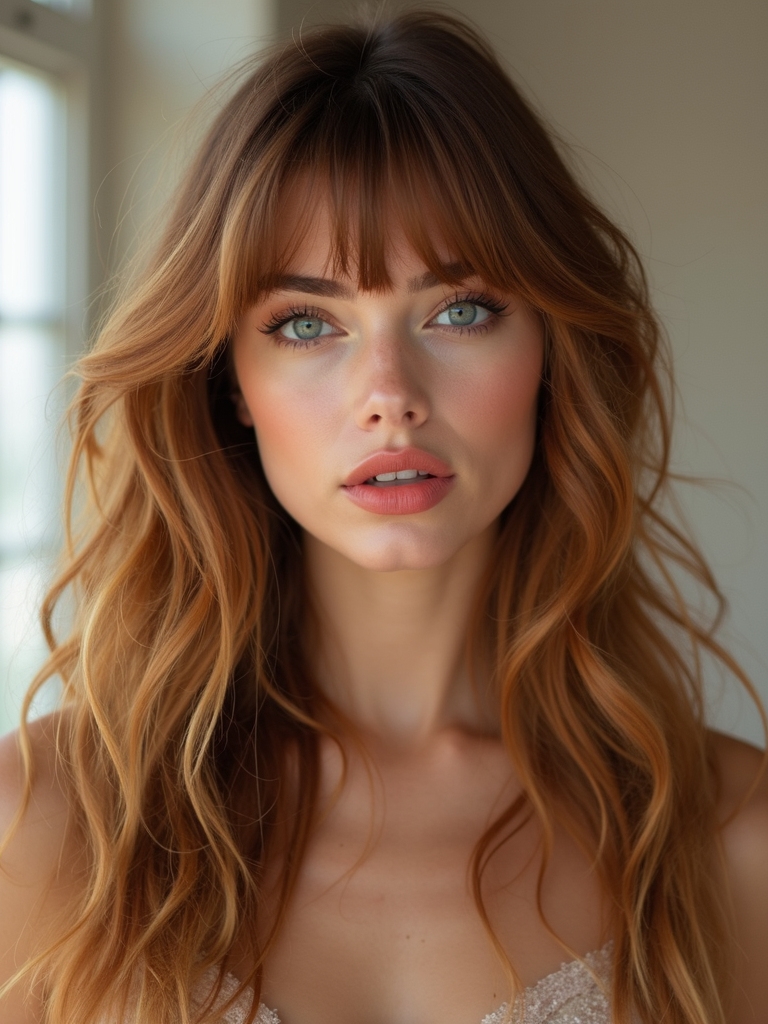
Can you add bangs to long hair without cutting off the length you’ve spent years growing? Every fringe style below proves the answer is yes — the front changes, the back stays exactly as it was.
Long hair with bangs works because a fringe only ever touches the top section; everything below it keeps its length, its layers, its color. What changes is how much forehead shows and how much daily styling the fringe demands, and that trade-off looks different for every shape here, from a barely-there wisp to a blunt, graphic line.
Long Hair With Bangs, Fast Facts
- A fringe only shortens the front section; the length behind it stays untouched.
- Soft, blended fringes (curtain, wispy, see-through) grow out with the least fuss.
- Bold shapes (blunt, baby, eye-grazing) hold their line for the shortest stretch before needing attention.
- Curly bangs need a dry cut so the coils land where they’ll actually sit.
- A standalone fringe trim between full appointments typically runs $15 to $30.
Curtain Bangs on Long Hair

Curtain bangs part down the center and sweep toward each temple, grazing the cheekbones on the way down. On long hair, that soft parting line reads as an extension of the length, with no hard edge where the fringe ends, which is why most stylists reach for it first with anyone nervous about committing to a fringe.
Why This Is the Low-Risk Starting Point
Because the outer pieces stay long, they tuck behind the ears in seconds on days a full fringe feels like too much, and they can be worn swept fully open with almost no styling at all. Curtain bangs on their own cover the full range of lengths and parts if this shape is the one that sticks.
Growing this fringe out rarely produces a rough patch, since the longer outer pieces already blend into the surrounding layers while the shorter center piece catches up. A round brush pulls the part smooth during a blow-dry, though on most days the shape settles into place on its own.

Wispy Fringe With Beachy Waves

A wispy fringe is the thinnest cut on this list, thin enough that a little forehead peeks through even right after a fresh trim. Against loose, beachy waves it melts into the texture as one loose, undone piece.
This shape suits fine hair especially well, since a denser fringe would flatten the waves and pull focus away from them. A light sea-salt spray worked through both the fringe and the lengths ties everything into one loose texture.
- Cut thin, with only a small section set aside for the fringe.
- Pairs naturally with beachy waves or a loose, undone blow-dry.
- Softens gradually as it grows, with no hard line to maintain.
ℹ️The Grow-Out Advantage
Curtain bangs ask for the least upkeep of any shape on this list, since the length does most of the blending work for you as it grows.
Blunt Bangs on Sleek Straight Hair

A blunt fringe takes the opposite approach: one dense, even line cut straight across the brow. Against sleek, glass-straight lengths, the graphic edge feels polished and a little editorial, the kind of shape that photographs cleanly from almost any angle.
This is also the highest-maintenance option here. A blunt line grows out unevenly and the difference becomes visible within a few weeks, so it holds its shape for a shorter stretch than any of the softer fringes.
- Needs dense hair up front to look full across the whole line.
- A flat iron keeps the fringe smooth and glossy through the day.
- Shows regrowth fastest of any shape on this list.
Side-Swept Face-Framing Bangs

Side-swept bangs start from a deep part and angle down across one side of the forehead, landing somewhere between the eyebrow and cheekbone. The diagonal line softens angular features and works on nearly every face shape, which explains why it’s stayed a steady request year after year.
Blending the Fringe Into the Rest of the Cut
On long hair, the swept piece connects into the layers framing the face, so there’s no visible seam between fringe and length, just one continuous line moving down past the jaw.
A round brush directs the fringe across and down while blow-drying; skip it and the piece air-dries into a slightly looser sweep, which plenty of people prefer. For a closer look at this shape on its own, side-swept bangs breaks down the parting and the cutting angle.
💡Keep It Glossy
Ask your colorist to gloss the fringe at the same time as the rest of your length — a blunt line shows dullness faster than any other shape here.
Long Shag With a Micro Fringe

Topping a long shag with a short, high fringe gives all that choppy length a clear focal point. The micro fringe sits well above the brow while the shag’s layers carry movement down through the lengths below, and the contrast between short and long is the entire appeal.
This pairing leans fashion-forward and undone, suited to anyone who already prefers texture over sleekness. Point-cutting keeps both the fringe and the shag’s ends light, with none of the weight a blunt edge would carry.
- The short fringe balances a shag’s heavier bottom half.
- Best on hair with a natural wave, which enhances the choppiness.
- A texturizing cream scrunched into damp ends keeps the separation visible.
Bottleneck Bangs on Long Hair

Bottleneck bangs trace the shape of a bottle’s neck: longer pieces at the outer edges taper into a shorter section in the middle, with the whole fringe left open enough to part naturally down the center. On long hair, the effect frames the face without the heaviness of a full fringe, and the open middle keeps it from ever reading as one solid block.
- Works especially well on round or heart-shaped faces.
- Softer than a full fringe, more framing than a simple curtain.
- The tapered shape disguises regrowth better than an even-length fringe.
Feathered Bangs With a Blowout

Feathered bangs flick back and out at the sides rather than falling straight down, which pairs naturally with a full, voluminous blowout. The combination leans retro, borrowing from a seventies silhouette, and reads current again when styled with today’s looser, more relaxed waves.
- A large-barrel round brush builds the retro lift at the root.
- Best suited to hair with enough body to hold a blowout.
- The cool-shot setting on a dryer locks the feathered flick in place.
Curly Bangs on Long Natural Hair

Curly hair carries a fringe with more personality than straight hair does, since the coils spring up and inward rather than falling flat. Against long, natural length, the bangs add a playful frame at the top while the rest of the curls stay weighted and defined below.
Why a Dry Cut Matters Here
Coils shrink noticeably as they dry, so any fringe shaped while wet almost always ends up shorter than intended once it springs back into its curl pattern. A cut done on completely dry, already-styled hair lands each coil where it will actually sit day to day.
A curl-defining cream applied to the fringe alone keeps its coils distinct from the length below, without adding weight. For a full breakdown of the technique, curly bangs covers the cutting angle and product order in more depth.
Choppy Fringe With Textured Ends

A choppy, point-cut fringe paired with matching texture through the ends ties a long cut together from the forehead to the tips. The fringe breaks into irregular pieces, carrying that same broken-up finish all the way down the length.
Keeping the Texture Consistent
The goal is one cohesive finish, so the choppiness in the fringe should roughly match the texturizing through the ends, holding the same weight and movement all the way down.
This shape suits thicker hair especially, since the choppiness lifts weight that would otherwise sit flat at the front. A texturizing spray scrunched through dry hair brings the separation back after it’s been slept on.
Eye-Grazing Bangs on Long Hair

Eye-grazing bangs sit right at the lash line, a length that reads more dramatic than a brow-skimming fringe without going as short as full baby bangs. The contrast between a low, dramatic fringe and long, flowing length behind it tends to draw the eye straight to the face.
- Sits directly at the lash line, not above the brow.
- Needs more frequent attention than a brow-length fringe.
- Worth flagging any cowlick to a stylist, since it can lift the fringe off the eye.
See-Through Bangs on Glossy Long Hair

See-through bangs are cut thin enough that light passes through them, showing a soft strip of forehead even when the fringe is freshly cut. Against glossy, well-conditioned long hair, the sheer fringe adds a frame without ever hiding the face behind it.
Keeping the Fringe Sheer Over Time
Because so little hair makes up the fringe, it holds its shape gently and grows out with barely any noticeable line, making it one of the lower-effort shapes to live with over time.
The one rule is restraint with product: too much cream or oil clumps the individual pieces together and cancels out the sheer effect the whole shape depends on.
Arched Fringe With Long Layers

An arched fringe traces a soft, deliberate curve: shortest at the crown of the arc, lengthening as it moves out toward each temple. Worn over long layers, the shape has a distinct sixties-inspired feel that still lands as current against today’s looser, more textured styling.
The curve is what separates this from a standard blunt fringe, and it takes a steadier hand to cut cleanly, since an uneven arc shows more than an uneven straight line does. The layers underneath carry the eye downward, tying the arched shape into the length that follows it.
A round brush dried underneath the fringe, lifting from root to arc, keeps the curve defined through the day. Left to air-dry, the arc softens into something closer to a curtain shape.
“Ask for the fringe to be cut dry, on hair already styled the way you normally wear it. Sheer bangs are unforgiving of guesswork.”
Baby Bangs on Extra-Long Hair

Baby bangs are the shortest, boldest fringe on this list, cut well above the brow. Against extra-long hair, the contrast between the tiny fringe and the floor-skimming length is the entire point, a deliberate, fashion-forward choice that leans all the way into that gap.
What Baby Bangs Actually Ask of You
This shape holds the least room for error. A micro fringe shows every uneven piece, needs precise cutting to look intentional, and holds its line for the shortest stretch of any shape here, so it suits someone who wants to commit to the upkeep, not just test the idea.
A cowlick or strong hairline pattern matters more on baby bangs than on any longer shape, since there’s no extra length left to hide it. That’s worth flagging to a stylist before committing.
Air-Dried Bangs on Long Hair

Not every fringe needs a blow-dryer and a round brush. Air-dried bangs lean into whatever natural texture the hair already has, worn with a little visible imperfection, which suits a more relaxed, lived-with long style.
This shape is cut to fall well without heat styling, so a round brush stays optional most days. It works best as a wispy or curtain shape, where a bit of natural movement simply reads as texture.
A light texture spray applied to damp bangs before they dry encourages the natural bend without weighing it down. The main rule is patience: touching the fringe too much while it dries tends to create frizz.
Not sure how far to go? Compare the two ends of the commitment scale.
🎯Curtain Bangs
The longest grow-out window; blends into the length on its own.
🎯Baby Bangs
The shortest hold between trims; the boldest possible contrast.
Side-Parted Hollywood Waves

This one is less a haircut than a styling trick. A deep side part combined with old-Hollywood waves pulls the longest section of hair across the forehead in a soft sweep, faking the look of a fringe without cutting anything.
- No permanent commitment involved, since this is styling, not a cut.
- A large-barrel curling iron and a wide-tooth comb build the glossy S-wave.
- A good way to test whether a swept fringe suits your face before booking a real one.
Long Hair With Bangs, Answered
?Do bangs make long hair look shorter overall?
No. A fringe is cut only from a small front section, so the length behind it stays untouched. If anything, the added frame around the face tends to make long hair look more deliberate and styled, not shorter.
?Which of these fringe shapes is easiest to live with day to day?
Curtain, wispy, and see-through fringes ask the least of you, since they blend into the surrounding length as they grow and rarely need more than an occasional trim to stay in shape. Blunt, baby, and eye-grazing shapes hold a sharper line but need more frequent attention to keep it.
?Can curly hair wear any of these fringe shapes?
Yes, though the cutting method matters more than the shape itself. A curly fringe should always be cut dry, on hair already in its natural pattern, since coils shrink as they dry and a fringe cut wet often ends up shorter than planned.
One Fringe, Fifteen Ways to Wear It
The real decision behind any of these fifteen looks isn’t which one looks best in a single photo. It’s how much daily upkeep you’re willing to trade for the frame a fringe gives your face — soft, blended shapes cost the least in maintenance, while bold, graphic ones cost the most and pay it back in impact.
Bring two or three reference photos to the next appointment and let a stylist confirm the shape actually suits your hairline and growth pattern before any scissors come out.
Keep the Inspiration Going