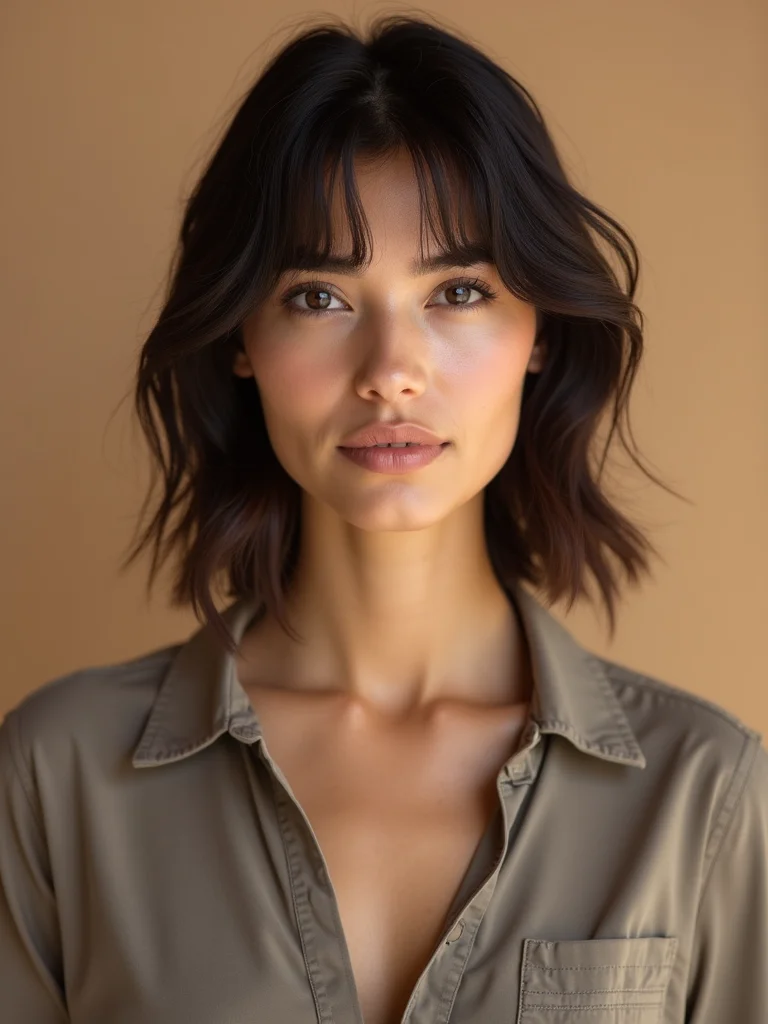
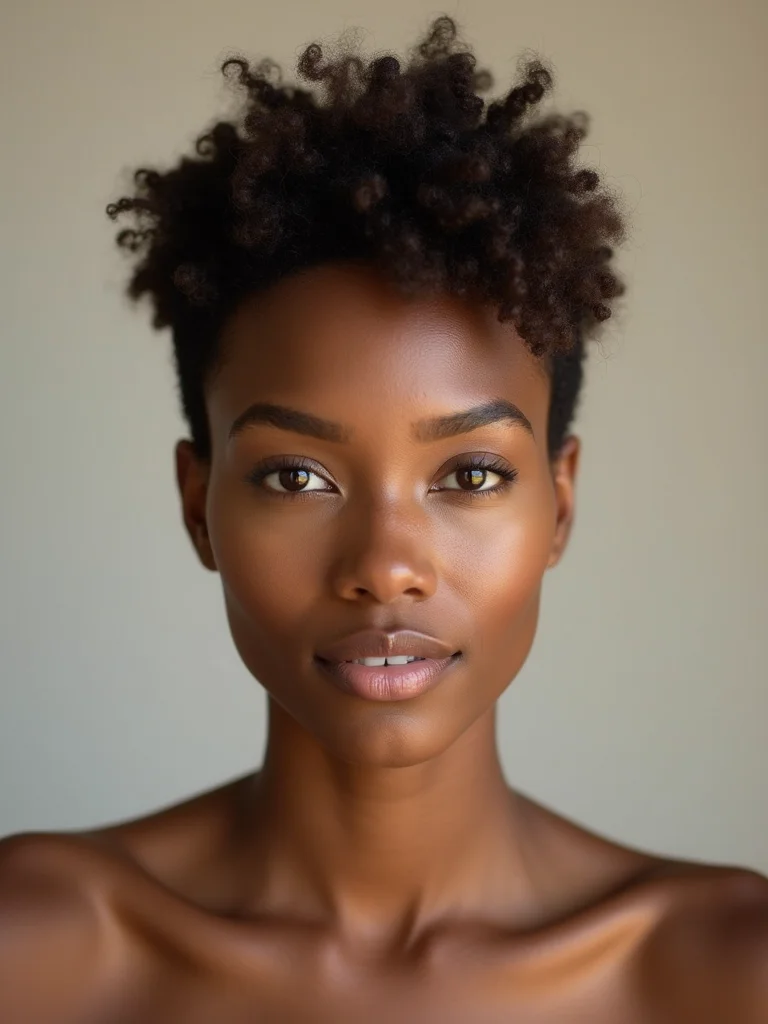
There is a particular flick of the head that women with side bangs do without noticing, somewhere between a nod and a shrug, and it puts the hair back exactly where it belongs. Watch for it and you will see it a dozen times a day.
That flick only works if the bangs were cut to fall that way in the first place. Side swept bangs live or die on three variables set at the appointment: where the section starts, how long the shortest piece is, and which direction the whole thing was shaped to travel. Fifteen versions follow, sorted by the face and the hair they were built for.
Three Things Decided at the Cut
- Where the section starts sets the weight. Bangs taken from a deep triangle back at the crown come out substantial; the same length taken from a thin strip at the hairline comes out wispy, no matter how it is cut afterward.
- The shortest point sets the effect. At the brow it functions as a set of bangs; at the cheekbone it functions as a face-framing layer, and the two behave completely differently as they grow.
- Your part has to be set before anyone cuts. Bangs measured from a center part and then swept sideways end up an inch off where you actually wear them, and that mismatch is the single most common reason side bangs never quite behave.
Long Tapered Bangs Cut to Flatter a Round Face

A round face gains from anything that draws a diagonal, and long tapered bangs are the most reliable diagonal available. The shortest point sits high near the outer brow, then lengthens steadily until it disappears past the cheekbone, which pulls the eye down and across the widest part of the face.
You will notice the difference most in photographs. Straight-across bangs cut a horizontal line at the widest point of a round face and emphasize it; the same amount of hair angled instead does the opposite. Our bangs for round face guide covers the other options.

Soft Angled Bangs on an Oval Face

Here is the awkward part of every oval-face consultation: there is nothing to correct. The question stops being what the bangs should fix and becomes what you actually want them to do.
Soft angling is the answer that keeps options open. Nothing is short enough to demand daily styling, the sweep can be worn on either side, and the whole thing lengthens into layers without a stage where it looks wrong. Our bangs for oval face guide has the variations.
Long Side Bangs Softening a Square Jawline
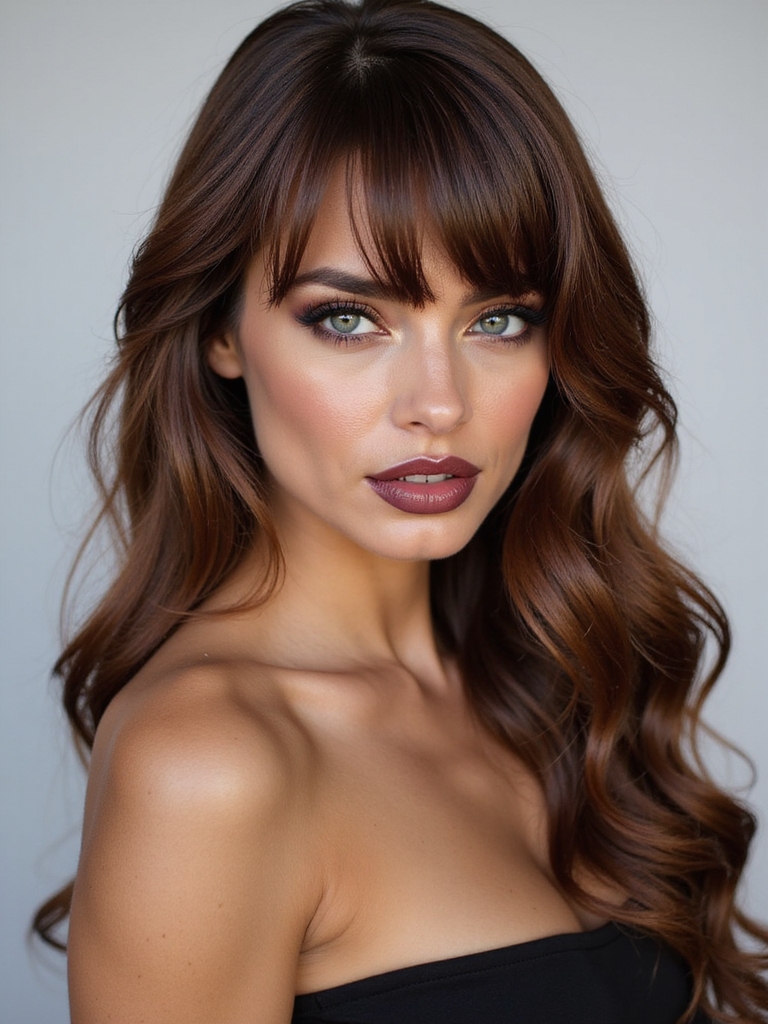
A client once told me her jaw was the reason she had never worn bangs, which is exactly backwards. Put a curve above a hard line and the line softens. A long sweep does exactly that. The sweep travels across the forehead and lands somewhere near the cheekbone, which puts a soft arc directly above the hard line.
Length is what makes it work, and it is the correction I make most often when someone brings in a photograph of this look. A short version leaves the forehead exposed and the jaw unopposed, so the piece needs to be long enough to reach past the eye before it starts doing anything for you.
Bangs are not a small change. They are the only haircut that sits in your eyeline every second of the day.
Feathered Side Bangs for a Heart-Shaped Face
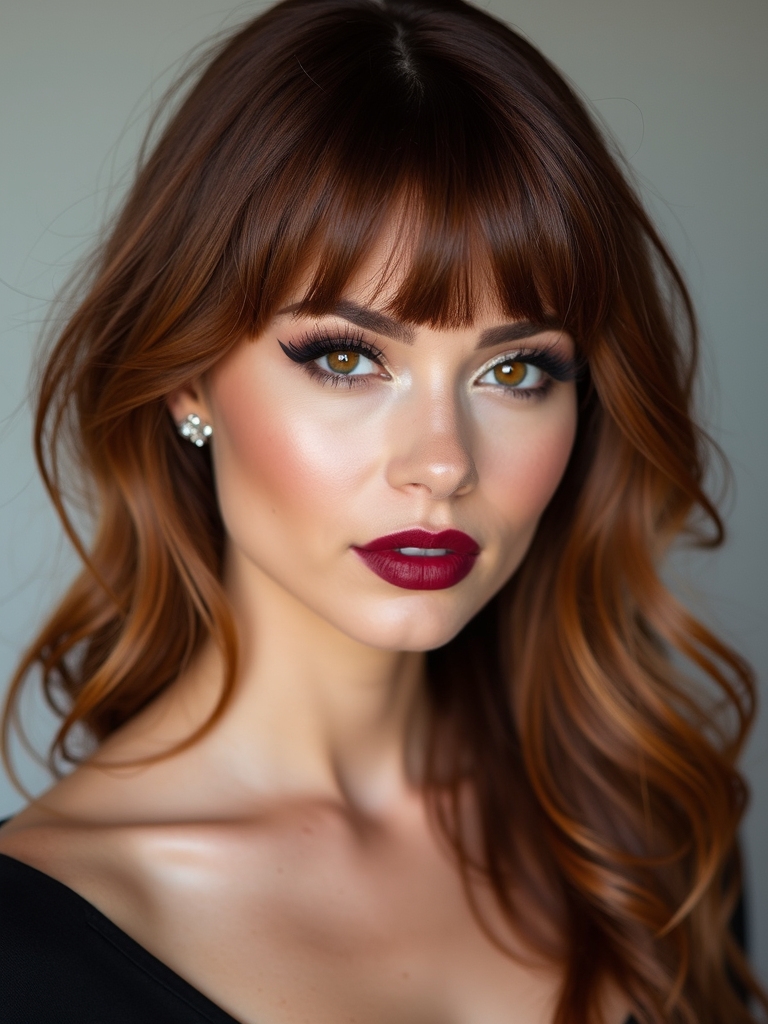
Coverage without bulk is the whole brief here. A heart-shaped face carries its width at the forehead and narrows toward the chin, so anything heavy at the top makes the imbalance louder.
Coverage Without Weight
Feathering does that better than any other finish. The tips of each section are tapered so the hair covers the area without a solid edge, and the eye registers coverage while the hair stays light.
Where this struggles is on very thick hair. Feathering thick hair still leaves the top looking heavy, so the section has to be thin from the start; thinning it after the fact does not work. Our layered bangs guide covers heavier textures.
Swoopy Layered Bangs for a Long Face
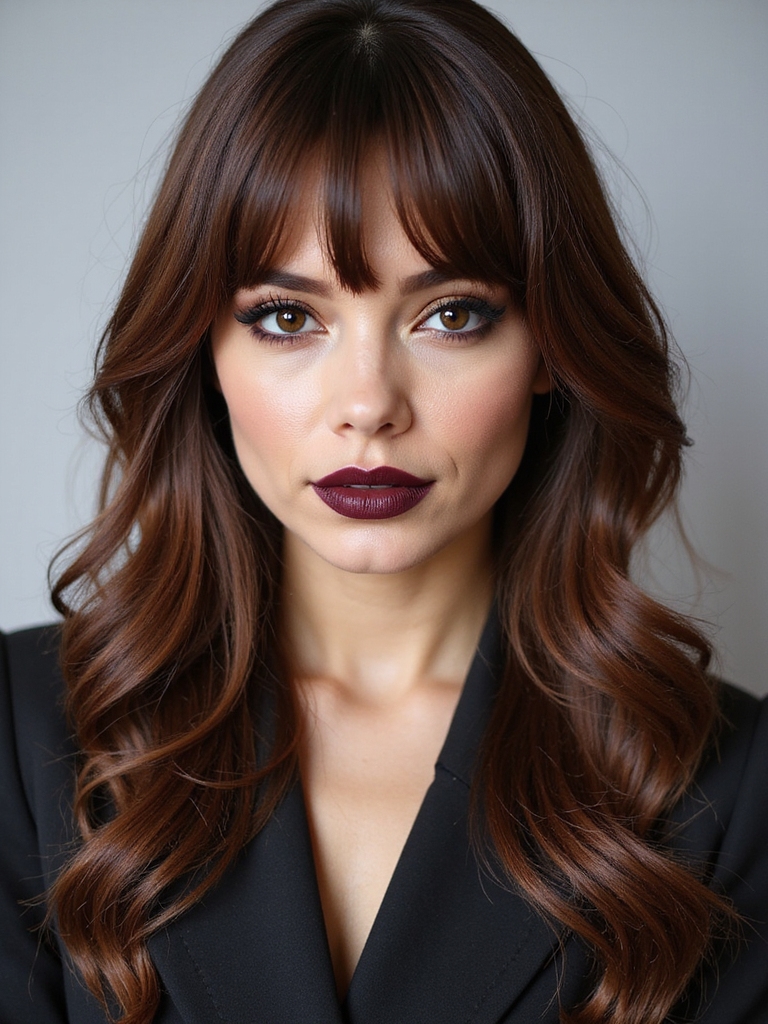
A long face wants width added at the sides and vertical length taken away, which makes this the one shape where bangs are close to essential.
The Swoop Does the Widening
The swoop matters more than the length. Hair that curves outward at the temples adds visible width; hair falling flat across the forehead only shortens the face, and a long face needs both effects.
Expect this version to need a dryer. The outward curve does not happen on its own, and about two minutes with a round brush at the temples is what separates a swoop from hair lying flat.
Wispy Side Bangs for Fine Hair
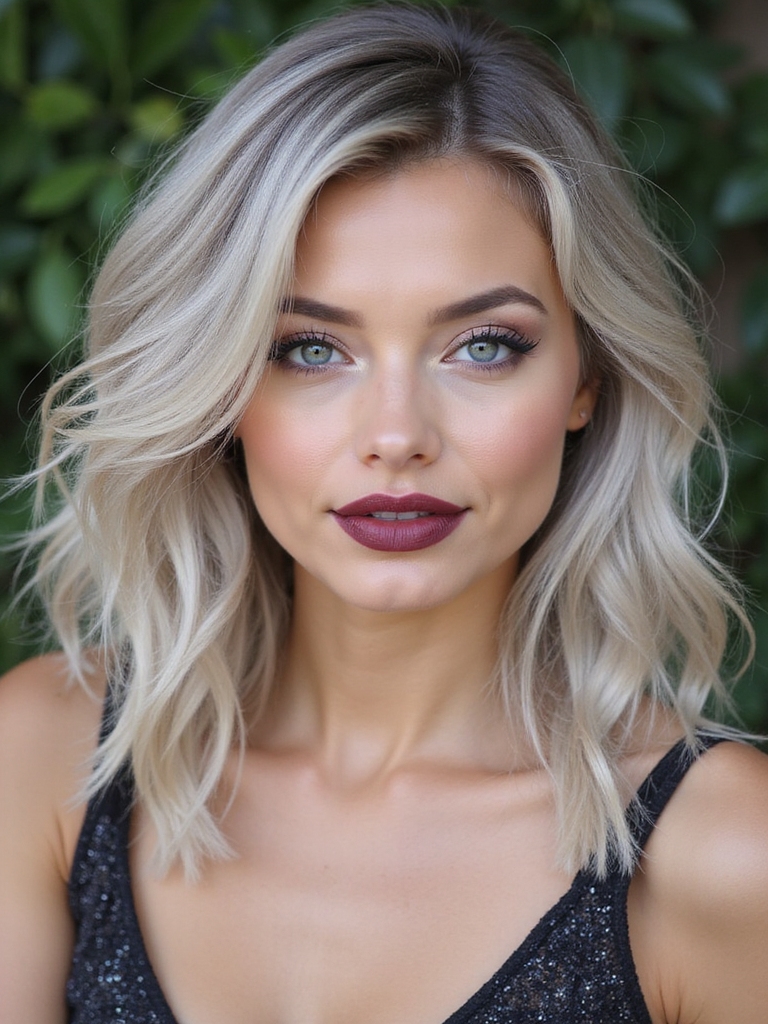
Fine hair and bangs together are a calculation, because every strand taken forward is a strand removed from the rest of your head. Take too much and the crown thins visibly.
The workaround is a shallow section and a light hand. A thin strip taken from close to the hairline gives wispy bangs without touching your density, and because the pieces are fine they sit against the forehead rather than standing away from it.
What is your hairline doing at the front?
🎯It grows forward and fairly evenly
The easiest possible starting point. Almost any section depth will behave, so the decision comes down purely to how much coverage you want.
🎯It recedes a little at the temples
Take the section from further back so there is enough hair to cover the thinner corners, and keep the shortest point below the brow so nothing exposes them.
Textured Piecey Bangs for Wave and Curl

Wave and curl are the textures people are most often told to avoid bangs with, and that advice is wrong more often than it is right. What curl objects to is a blunt line.
Cut piecey and cut dry, curly bangs work, and I have talked more curly clients into them than out of them. Each curl ends where it naturally ends, the shape is judged after it springs, and the result sits softly on the forehead. Our curly bangs guide covers the pattern-specific version.
A Deep Side Part for Instant Volume

Moving the part further toward one ear hands the bangs more hair to work with, which is why the two get planned together. A wider section produces more body at the root and a fuller sweep over the forehead, and the trade is that bangs this substantial have to be pointed somewhere every morning.
- Have the part settled before the first section is taken down
- Deeper gives more coverage; shallower holds its position with far less help
- Dry the root standing up first, then lay the whole sweep across once it is cool
How much time will you actually give them in the morning?
1It has to work on its own
Keep the shortest point at or below the cheekbone and take a shallow section. Longer, lighter pieces have less spring and stay where gravity puts them.
2I will spend two minutes on it
Go shorter, to the brow, from a deeper section. It looks like more of a decision, and it needs direction set with a dryer most mornings to stay there.
Blending Bangs Into Your Layers
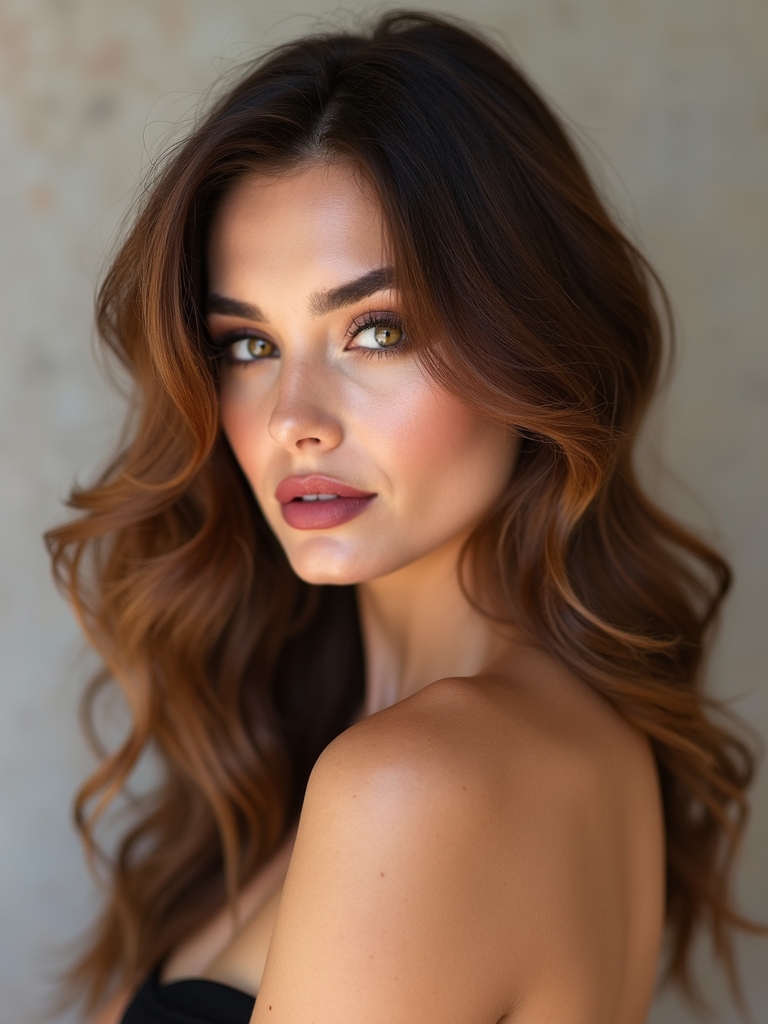
Treat bangs as an island and you get an island: a hard edge where it ends and the rest of your hair begins, sitting there in every mirror until it grows.
Connected is the word that fixes it. The shortest piece should lengthen without interruption into the framing layer behind it, and asking for that is a different request from asking for bangs and layers at the same appointment.
- Say connected out loud; it means something specific to a stylist and changes the cut
- Bring the layers and the bangs into the same conversation rather than treating them separately
- Connected bangs grow out as a longer layer, which is the whole point
Low-Maintenance Everyday Styling

The daily job on side bangs is about ninety seconds, and it happens while the hair is still damp. Everything after that point is correction work.
Direction gets decided while the hair is wet and locked in as it cools. Comb across, dry along the sweep with a nozzle, then walk away until it has gone cold. Anything you try on already-dry hair is negotiation rather than styling.
- Dry the bangs first, before the rest of your head, while they are at their dampest
- Direct the airflow along the sweep rather than down at the scalp
- Test it with the back of your hand; still warm means it will drop
Heat-Free Techniques That Shape a Sweep
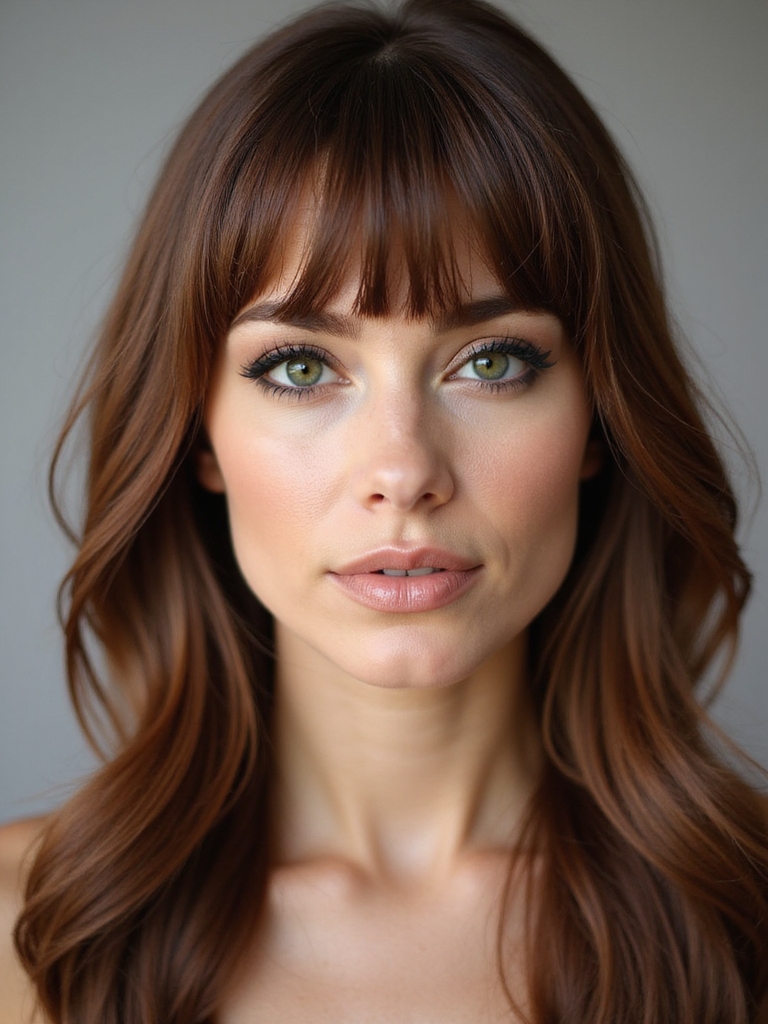
None of this needs a dryer if you have twenty minutes and a hair clip. What a dryer supplies is speed, and everything else it does can be achieved by holding the hair in position while it dries on its own.
Direction, tension, and time are the three ingredients. Comb them across, clip them flat against the head at the far side, and leave them there while you do everything else. They come out set.
- A flat clip at the temple beats a round one, which leaves a dent along the sweep
- Damp hair only; clipping dry hair achieves nothing at all
- Overnight versions work the same way, with the bangs combed across and pinned before bed
Products That Keep Side Bangs Smooth
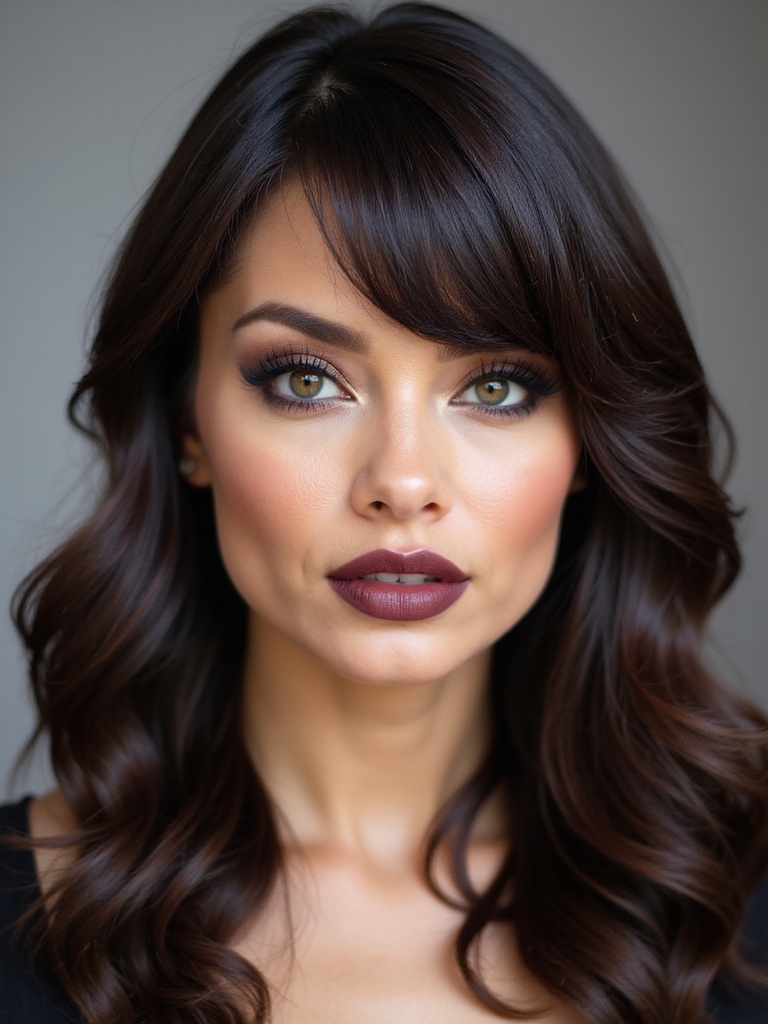
Bangs sit against the forehead all day, which means they pick up oil faster than the rest of your head and show product weight sooner. Almost every problem here traces back to using too much of something too heavy.
- A light anti-frizz cream on damp hair, applied with fingertips and not palms
- Dry shampoo at the roots on day two, brushed all the way through, never left sitting
- Nothing containing oil or wax near the bangs, since forehead heat melts it within an hour
A Trimming and Upkeep Schedule
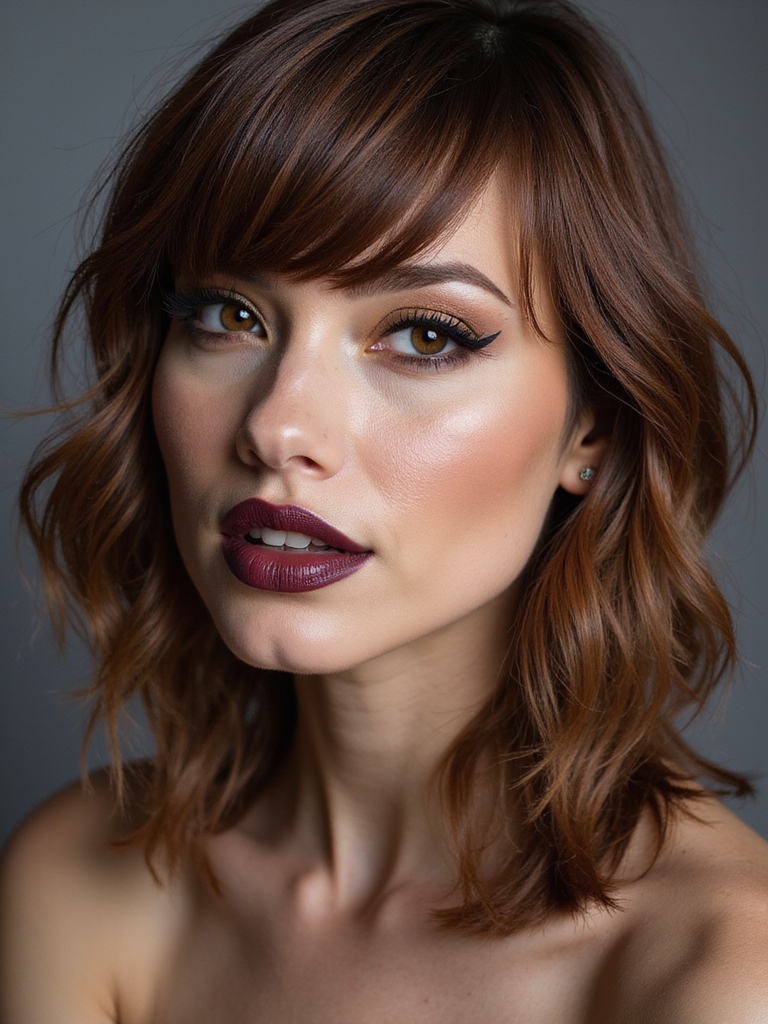
Side bangs have a flattering window of roughly half an inch, and hair covers that in about a month. That is the real maintenance cost, and it is worth knowing before you commit.
The good news is what it costs. Plenty of salons trim bangs free between appointments, and the ones that charge tend to ask around $15, so the real expense is the trip across town. Booking it as a standing five-minute visit is what keeps bangs looking deliberate.
- About every four weeks keeps the shortest point where it was designed to sit
- Ask whether your salon does free bangs trims; a great many do
- Trimming it yourself is possible on a long sweep and inadvisable on a short one
💡Trim It Dry, Point-Cut, Never Straight
If you do trim between visits, and plenty of my clients do, work on dry hair with everything combed into position, and cut upward into the tips with the shears vertical rather than straight across. Wet hair springs up and shortens, and a straight cut leaves an edge you will spend a week trying to soften. Take a quarter inch at most, then stop and look.
Growing Them Out Without Awkward Stages
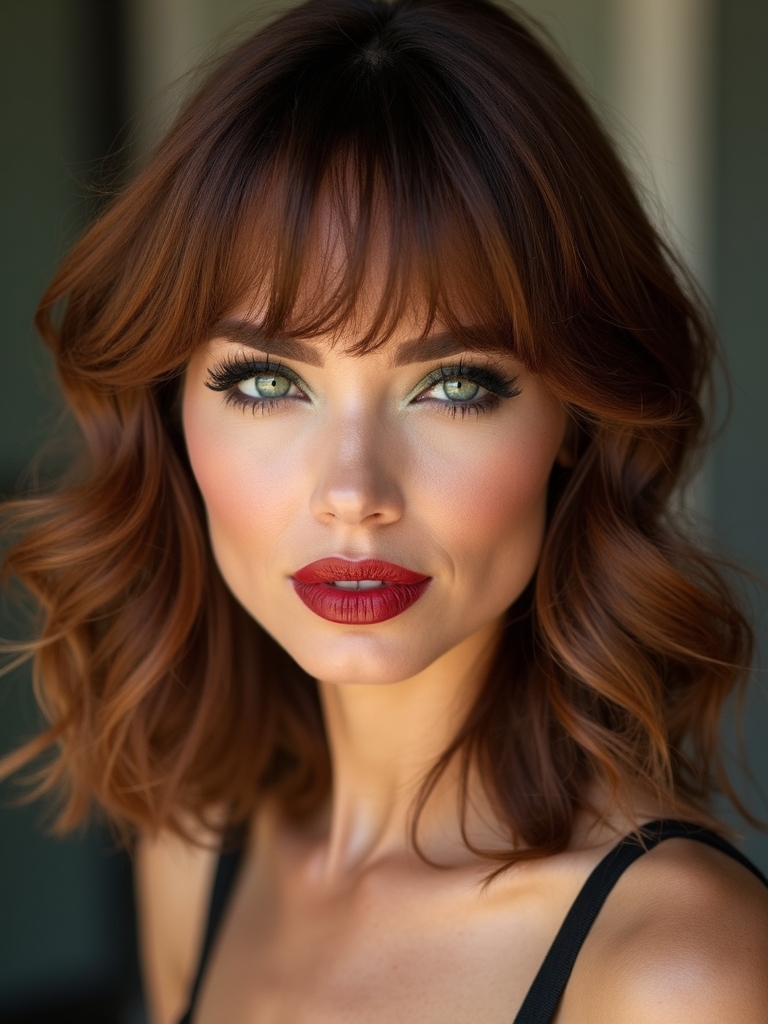
This is the strongest argument for swept bangs over blunt ones. They grow into a face-framing layer, which is a thing people pay for on purpose, so there is no stage at which your hair looks like it is between two decisions. Our curtain bangs guide covers where a lot of grown-out side bangs end up.
- Stop trimming the shortest point and let it lengthen past the cheekbone
- Have the pieces behind it shaped to meet it, which removes the last of the awkwardness
- Six to eight months takes brow-length bangs to a proper framing layer
Screen-Inspired Side-Swept Bangs
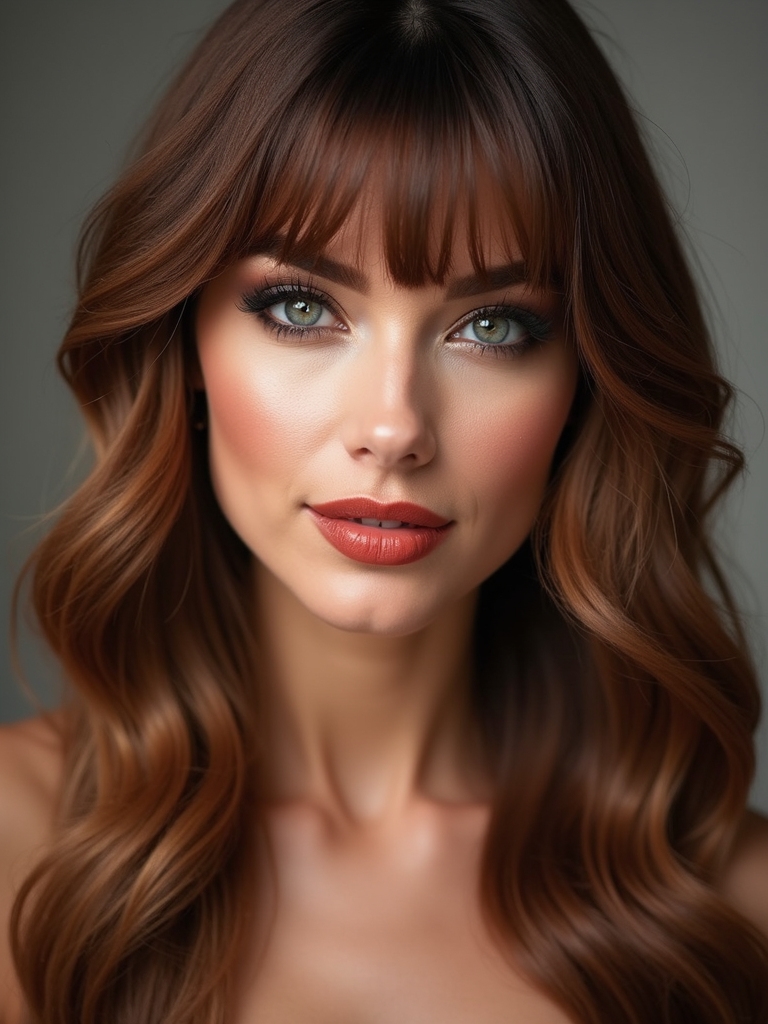
Almost every era of film has its own version of this sweep, and looking at them side by side is a useful shortcut, because the differences come down to section depth, length, and direction: a forties sweep starts far back and lands heavy, a sixties one is short and blunt at the brow, and a nineties one is thin, long, and barely there. Bringing an image from a specific decade communicates more than the word bangs ever will.
- A forties sweep starts far back on the head and lands heavy on the brow, so it needs density to carry it
- A sixties version is short, blunt, and cut level, which is bangs rather than a sweep despite the name
- A nineties one is a thin strip, cut long, barely touching the brow, and it suits fine hair better than any other
Say Where, How Long, and Which Way
Across every face shape and every texture on this page, the same three decisions keep doing the work: how much hair goes into the section, where the shortest point lands, and which direction it was cut to travel. Face shape does not change those variables, it only changes their settings.
So walk in and name all three, with your part already where you wear it. If you have been talked out of bangs because of your texture or your face, that advice was almost certainly about one specific setting rather than about you, and it is worth asking again.
Don’t Miss These