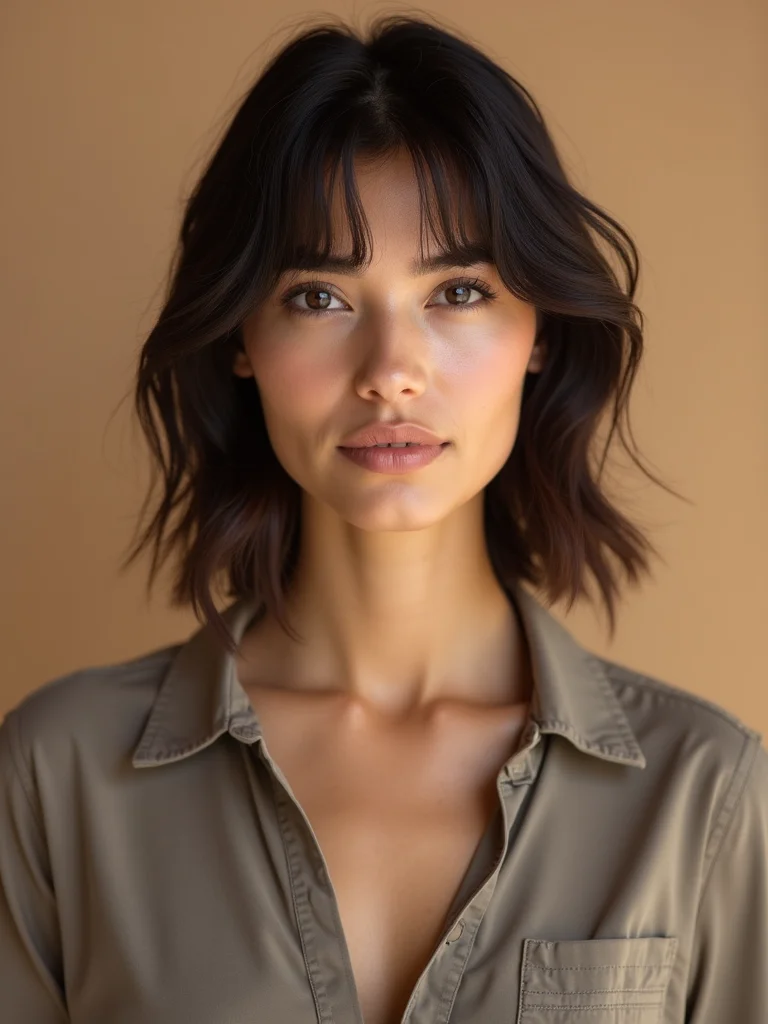
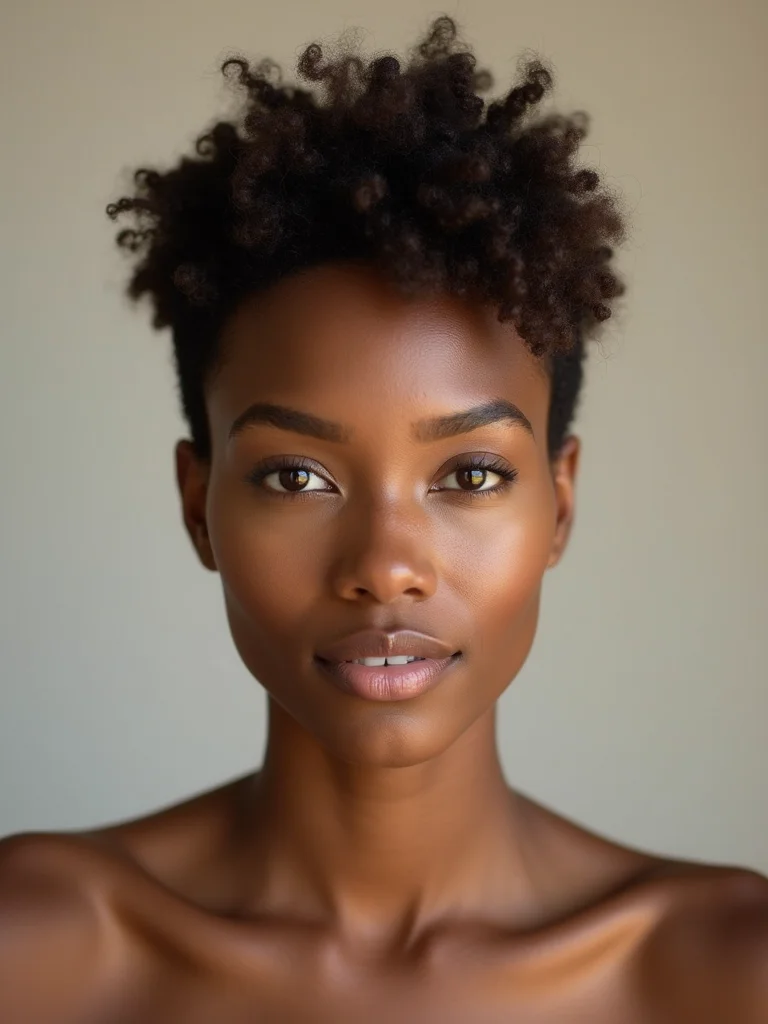
There’s a particular sound a short shag makes the morning after a wash: a soft, dry rustle as the separated pieces drop back into place, no brush required. That’s the whole appeal in one noise. A short 70s shag packs all the choppy, feathered layering of the original into a crop you can wash, shake, and wear straight out the door.
It’s the boldest, lowest-fuss end of the shag family, and it comes in far more versions than the single choppy crop most people picture. Here are the shapes, textures, and fringes that make a short shag work, plus how to style one in about two minutes and keep it looking sharp between cuts.
The Short Shag, Up Front
The short shag builds its volume and movement into the cut, so the daily styling is minimal. The trade-off is upkeep: a short shape shows its grow-out fast and wants a trim every five to six weeks. Fine hair gets the biggest lift from it, while thick and very curly hair need careful debulking to keep the texture close and controlled.
The fringe you choose, curtain, micro, or soft and feathered, changes the whole character, so it’s the single most important thing to nail at the consultation. Match the boldness of the cut to how much attention you actually want your hair to draw.
What Makes the Short Shag So Striking
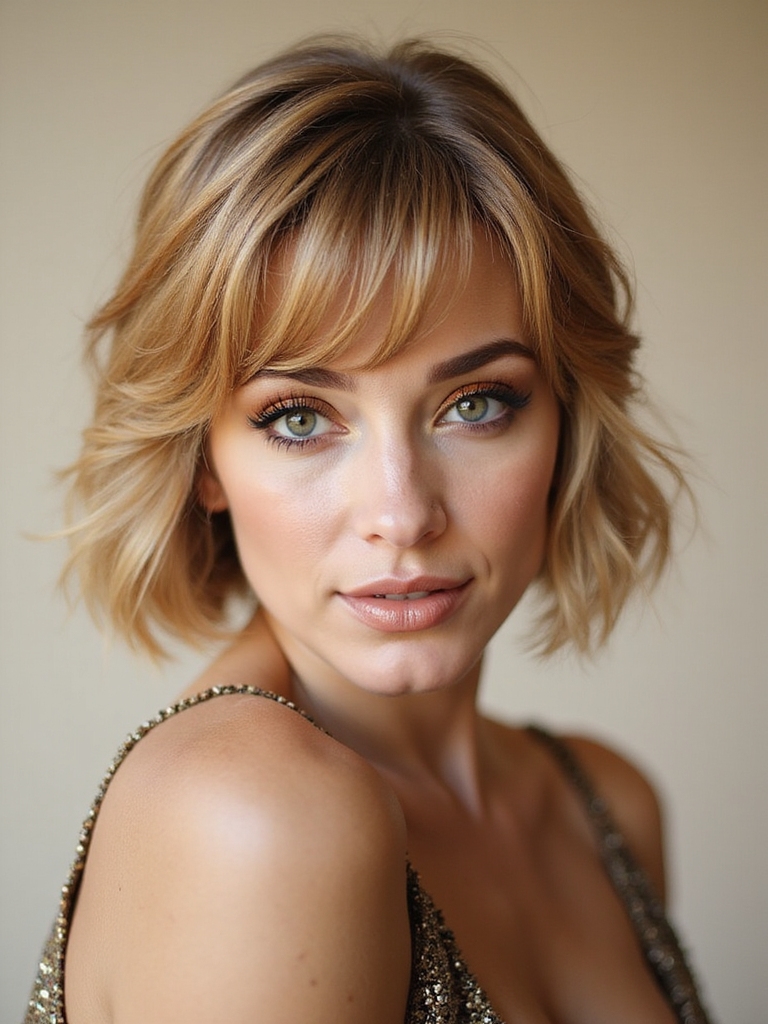
Cut the shag short and everything about it intensifies. All that choppy, feathered layering gets packed into a smaller shape, so the texture hits louder and the movement sits right up around your face, where people notice it first.
Why It Turns Heads
It’s a cut with attitude built in. Short layers stand the crown up, a piecey perimeter keeps the ends broken and light, and a fringe ties it together, so even standing still it looks like it’s doing something.
The look signals confidence, partly because it takes some to commit to. But it’s also just flattering: the volume up top and the pieces around the face draw every bit of attention to your features.
Matching a Short Shag to Your Face
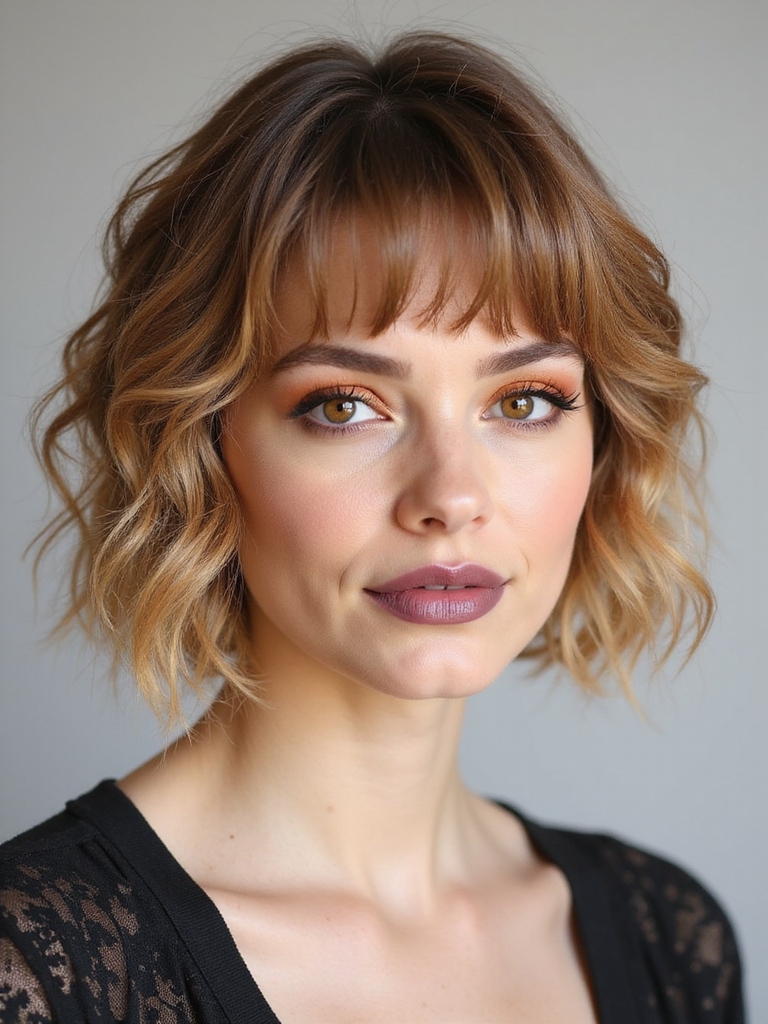
The short shag is more flexible than its reputation, and a lot of that comes down to placement. Where the layers and fringe sit can stretch a rounder face, ease a strong jaw, or bring balance to a longer one, so it truly suits far more people than the boldness suggests.
The rule of thumb: keep some length or height where you want to draw the eye, and soften with fringe or framing where you want to distract. A good stylist sizes this up in a minute, but it helps to walk in knowing your shape.
- Round face: keep height at the crown and longer pieces at the front to lengthen.
- Square face: soften the jaw with feathered, chin-length framing.
- Long face: add width with fuller sides and a fringe to shorten the forehead.
A quick starting point by face shape:
🎯Round or full
Crown height plus longer front pieces help stretch the face.
🎯Square or strong-jawed
Soft, feathered framing around the jaw takes the edge off.
The Micro Shag, Cropped and Choppy
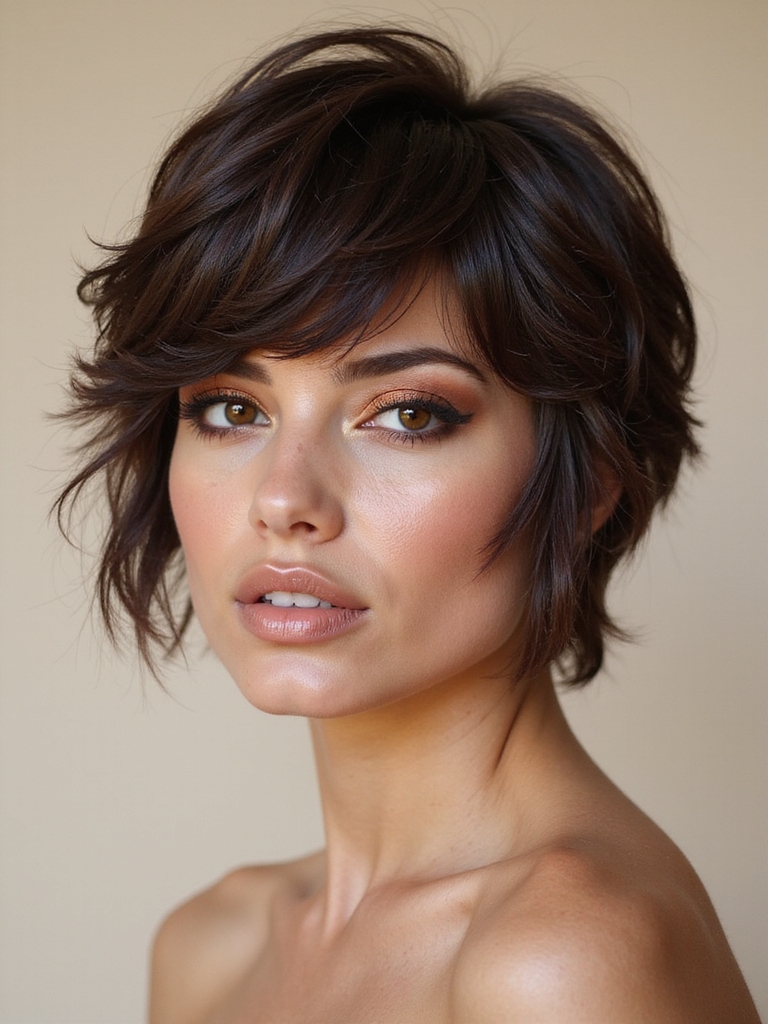
The micro shag is the shortest, boldest member of the family: cropped close, heavily choppy, and unapologetically textured. It’s for the person who wants their haircut to be the first thing anyone notices, and it asks for confidence more than styling skill. A few honest notes before you book:
- Suits strong features and slim necks, since it puts your face fully on display.
- Fine hair loves it, since the short choppy layers build genuine fullness.
- Highest upkeep here: budget for a trim roughly every four weeks or the shape starts to blur.
A Soft Shag With a Feathered Fringe
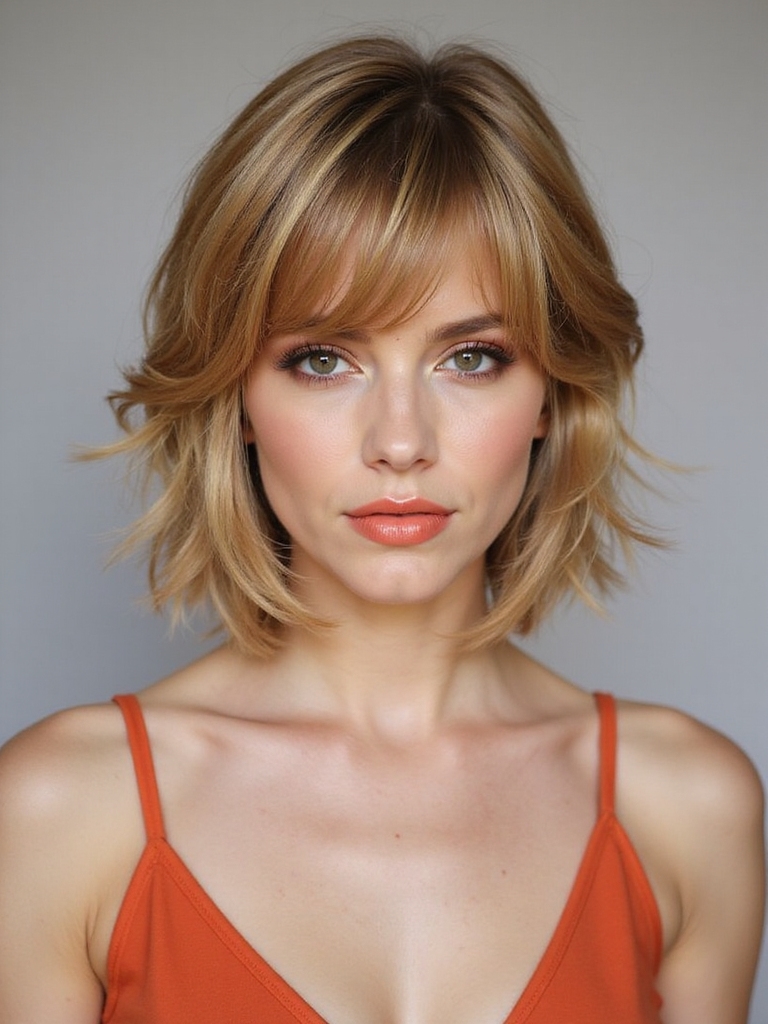
Not every short shag has to shout. The soft, feathered version keeps the layering gentle and adds a wispy fringe, so the whole thing reads romantic and quiet. It’s the short shag for people who want the shape without the rock-and-roll.
Softer, But Still a Shag
The feathering does the softening. Layers are cut to taper and flick, with soft tapered ends in place of anything blunt, and a curtain or wispy fringe frames the face in gentle, broken pieces.
Don’t mistake soft for shapeless, though. The layering still needs enough movement to earn the name, so ask specifically for feathered ends, and keep the appointment focused on texture so the shape holds and doesn’t flatten into a plain crop.
Two things people assume about short shags:
❌ Myth: Myth: a short shag is high-maintenance to style.
✅ Reality: Usually the opposite. The cut does the work, so most mornings it’s a scrunch and go; keeping the trim schedule is where the real effort goes.
❌ Myth: Myth: it only suits edgy people.
✅ Reality: The soft, feathered version reads gentle and romantic, so the mood is entirely down to how it’s cut and worn.
Short Shags for Curly and Coily Hair

Curly and coily textures arrive with volume already built in, and a short shag shapes that into a crown-heavy, rounded silhouette full of bounce. The layers give the curls somewhere to spring and settle, so the pattern stays lively and loose all the way through.
As always with texture, the cut needs to happen on dry, unstretched curls, so the stylist can read where each coil actually lands. Our curly shag guide goes deeper, but the short version especially rewards a stylist who cuts curls all the time.
- Cut dry so shrinkage doesn’t hide where the weight falls.
- Build extra length in for tight coils, which spring up shorter once dry.
- Refresh with damp fingers and a little leave-in between washes; that’s the extent of the routine.
A Wavy Short Shag for Easy Movement
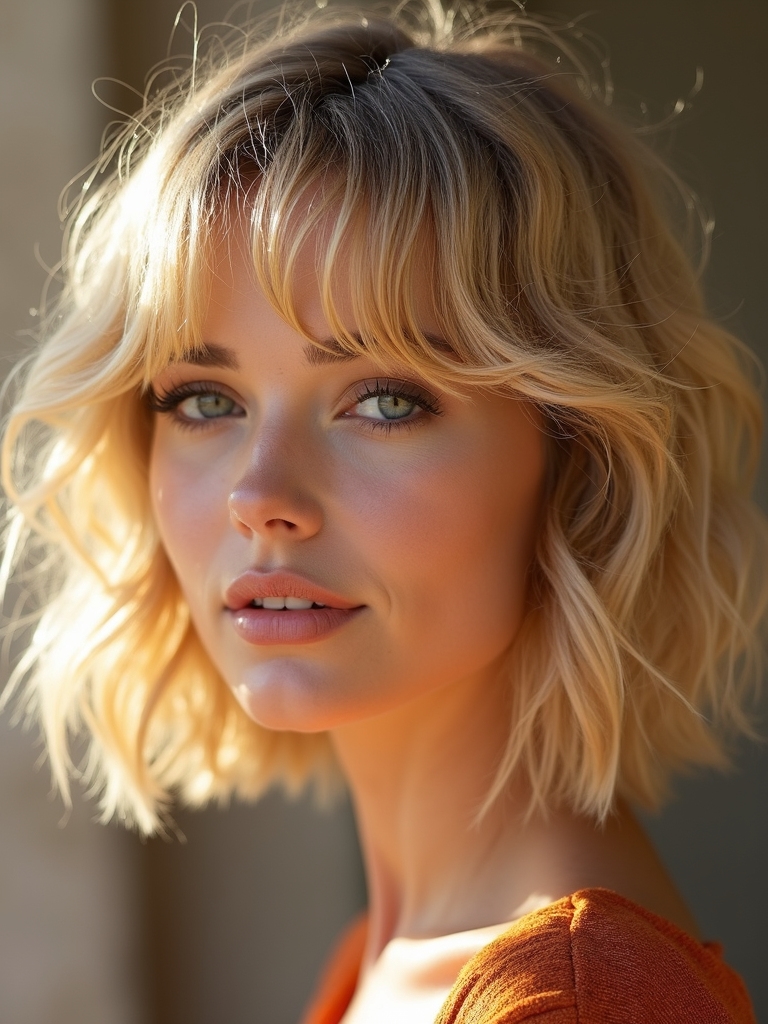
If you’ve got a natural wave, a short shag is almost a cheat code. The layers turn a wave that might sit flat into soft, textured movement, and the short length means it dries fast and needs barely any product to look finished.
This is the version I’d point a low-effort client toward first. Wash it, scrunch in a little texture spray, and leave it to dry, and the wave and the layers do the rest between them.
“With a wavy short shag, the biggest favor you can do yourself is stop touching it while it dries. Every time you run your fingers through, you break up the wave the cut is built to show off. Scrunch once, then leave it alone.”
A Short Shag Built for Fine Hair
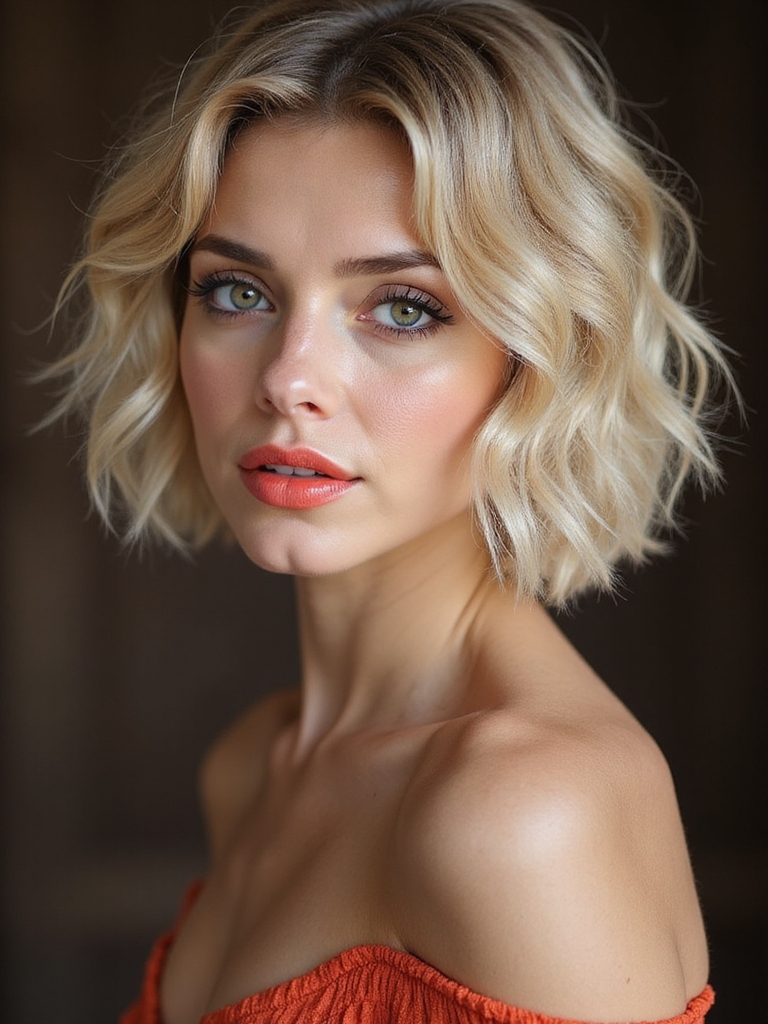
Fine hair and short shags are a natural match, because the choppy layers manufacture the look of body that fine hair can’t grow on its own. The separated pieces keep thin hair from falling flat, so it looks deliberate, never limp.
Building Body That Lasts
The catch is not overdoing it. Take out too much and fine hair tips from full into wispy, so the layering has to stay restrained and smart, more about placement than removal.
A little volumizing spray at the roots before you dry, plus a light texture spray after, holds the lift all day. Skip heavy oils, which flatten fine hair fast, and let a fringe add the illusion of even more density up front.
A Short Shag for Thick Hair

Thick hair can absolutely wear a short shag, but it needs a careful hand to keep it from turning into a bulky pyramid. A stylist hollows out the weight from underneath, so the shape lies close and textured against the head. Here’s what to ask for:
- Weight thinned from underneath, with the surface left intact.
- Point-cut ends so the perimeter stays broken up and light, never heavy.
- Enough length to control the volume, since too short makes thick hair puff out.
Choosing Bangs for a Short Shag
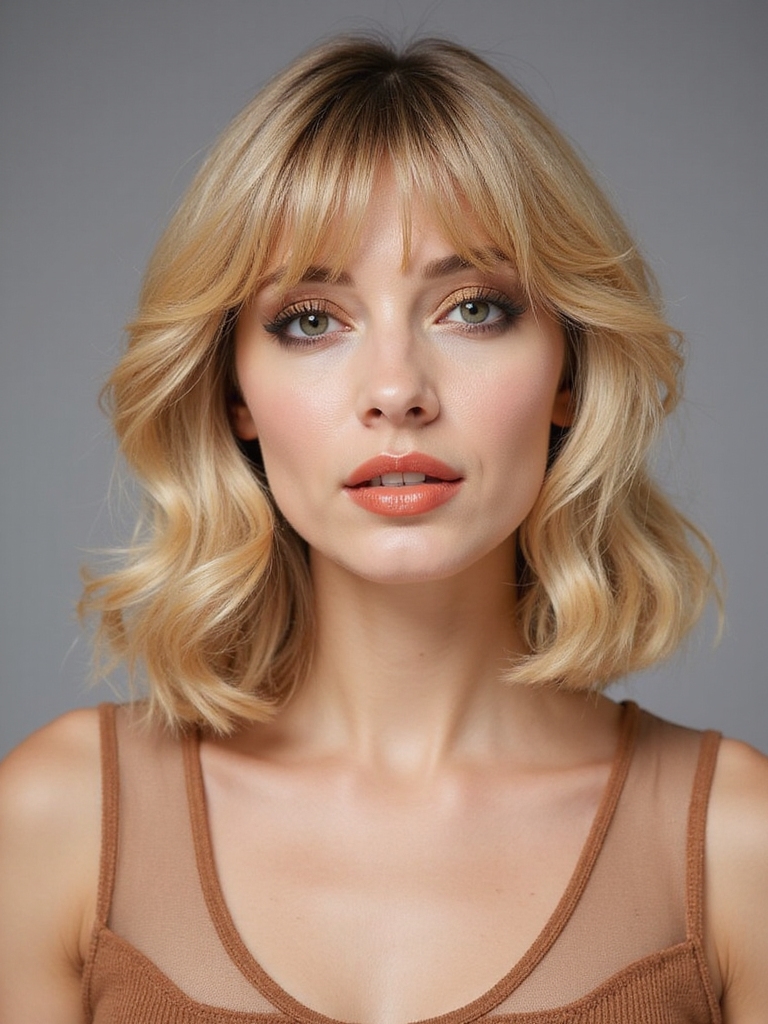
On a short shag the fringe isn’t a detail, it’s the whole silhouette. Because there’s so little length elsewhere, the fringe you choose sets the entire mood, from soft and romantic to sharp and bold.
It’s the one decision worth agonizing over before you sit down. Take in a picture of the exact fringe you want, because shag bangs can mean five very different things to five different stylists.
- Curtain fringe: parted and cheekbone-framing, the softest, most forgiving choice.
- Micro fringe: short and blunt, bold and high-upkeep.
- Wispy fringe: piecey and light, a gentle middle ground.
Color That Lifts a Short Shag
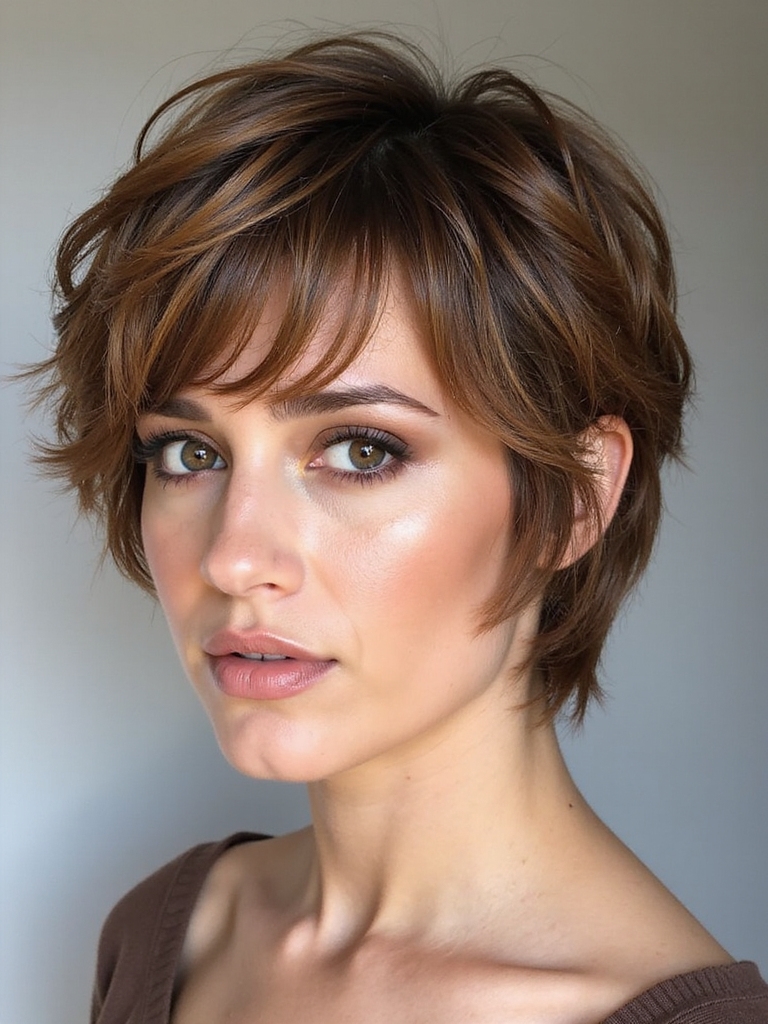
Color makes a short shag’s layers pop, and because there’s less hair to treat, it often costs less than coloring longer lengths. A short shag with a good balayage or a mix of highlights and lowlights looks twice as textured as a single flat shade. Placement is what matters:
- Caramel or honey highlights up top catch the choppy crown layers.
- Ash or cool lowlights add depth so the texture looks dimensional.
- A colored short shag runs around $90 to $160 with the cut, less than the same work on long hair.
The Airy, Undone Finish

The signature short-shag finish is airy and undone, all separation and no polish. The goal is pieces that look tousled on purpose, which means resisting the urge to smooth or set anything.
Getting the Undone Look Right
Heavy products are the enemy here. A light texture or salt spray gives the layers grip and separation, and a wax or pomade used sparingly defines a piece or two without weighing the whole thing down.
Work a small amount of product through with your fingertips, scrunch upward toward the roots, and then stop. The short shag is one of the few cuts that looks better the less you fuss with it.
A Two-Minute Morning Routine

The real selling point of a short shag is the morning. On a wash day, the fastest route to a finished look is a diffuser and about two minutes of attention, no round brush and no patience required.
The Wash-and-Diffuse Method
On non-wash days it’s even quicker. A mist of water or dry texture spray revives the pieces, a fast scrunch brings the shape back, and you’re out the door.
Rough-dry to about 80 percent on low heat, then diffuse the crown upward for volume while scrunching product through the ends. Finish with a cool shot to set it, and the texture holds all day.
The Feathered Face-Framing Detail
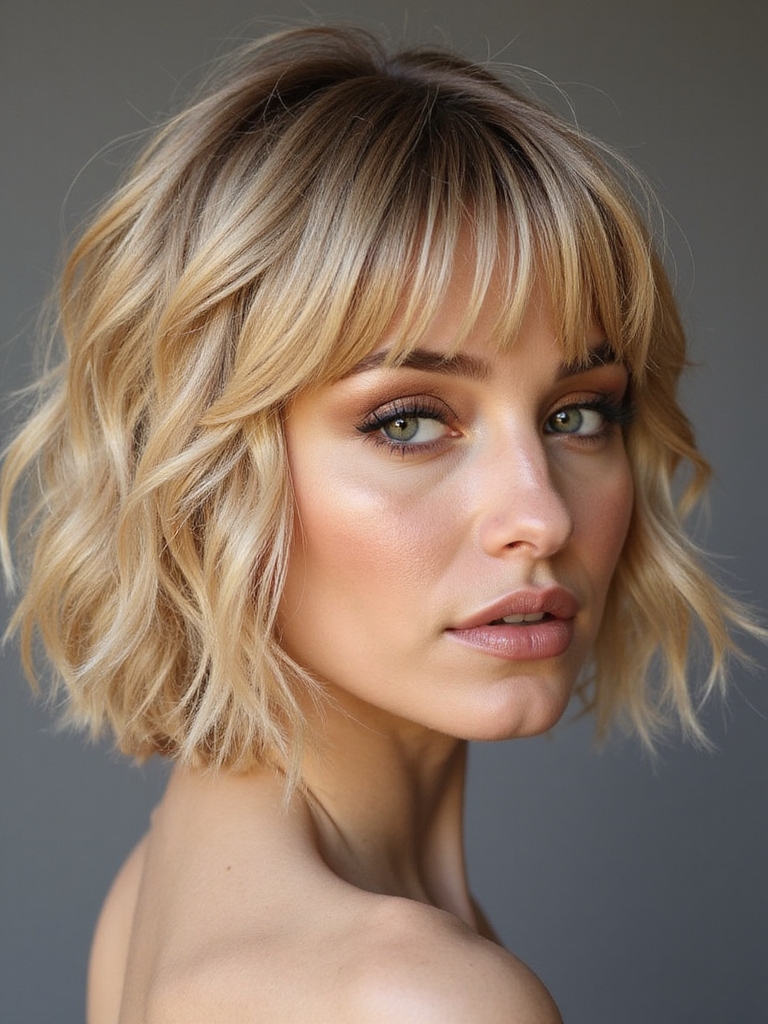
One phrase worth taking to your consultation is feathered face-framing. It means the soft, tapered pieces cut around the front that flick back and frame your features, and it’s often the difference between a short shag that flatters and one that just looks short.
Naming It at the Consultation
These pieces do a lot of quiet work. They soften a strong jaw, draw attention to the eyes and cheekbones, and give the crop a deliberate, finished edge along the whole perimeter.
Ask specifically for feathered, face-framing layers when you sit down. The word feathered tells your stylist you want soft, tapered pieces with real movement, and it’s the detail that separates a good short shag from a great one.
🅰️Feathered framing
Soft, tapered pieces that flick back and gently frame the face.
🅱️Blunt framing
Heavier, straight-cut pieces that make a stronger, harder statement.
Keeping the Shape Crisp
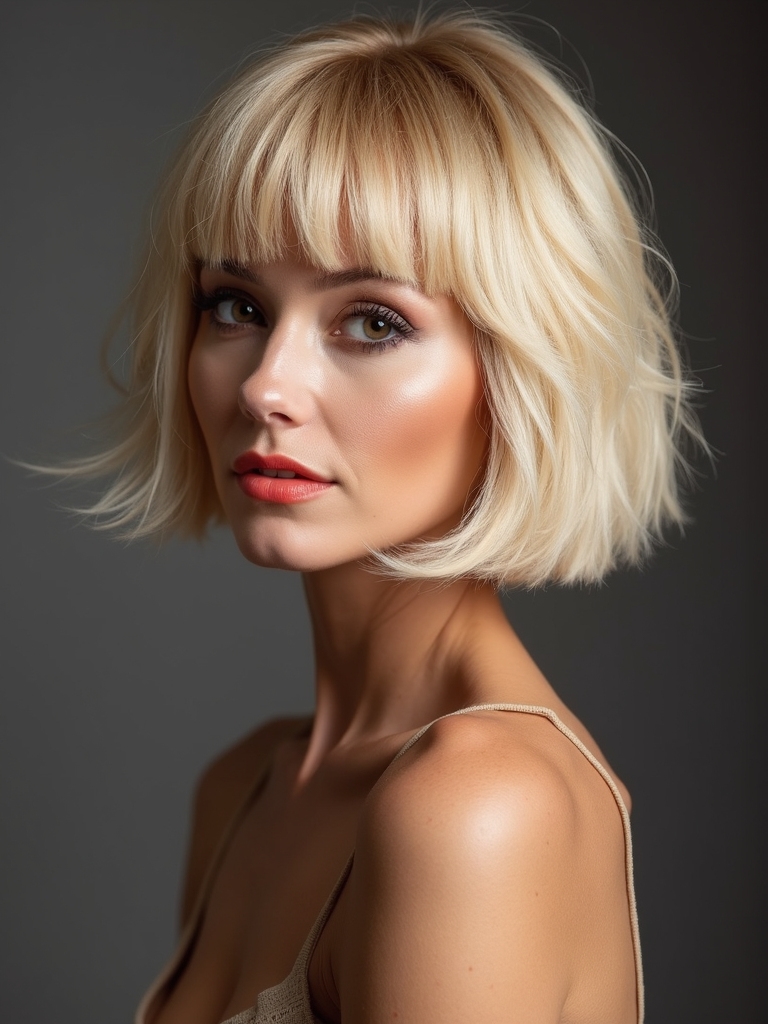
The one real demand a short shag makes is trims. Because the shape lives in the length, a short shag loses its outline faster than any longer cut, drifting shapeless as it grows if you leave it too long.
Plan on a shape-up every month and a half or so to keep it sharp, or at least a fringe trim in between. It’s the price of the low-effort styling: the cut does the daily work, but only if you keep the cut itself fresh.
Dressing It Up With Accessories
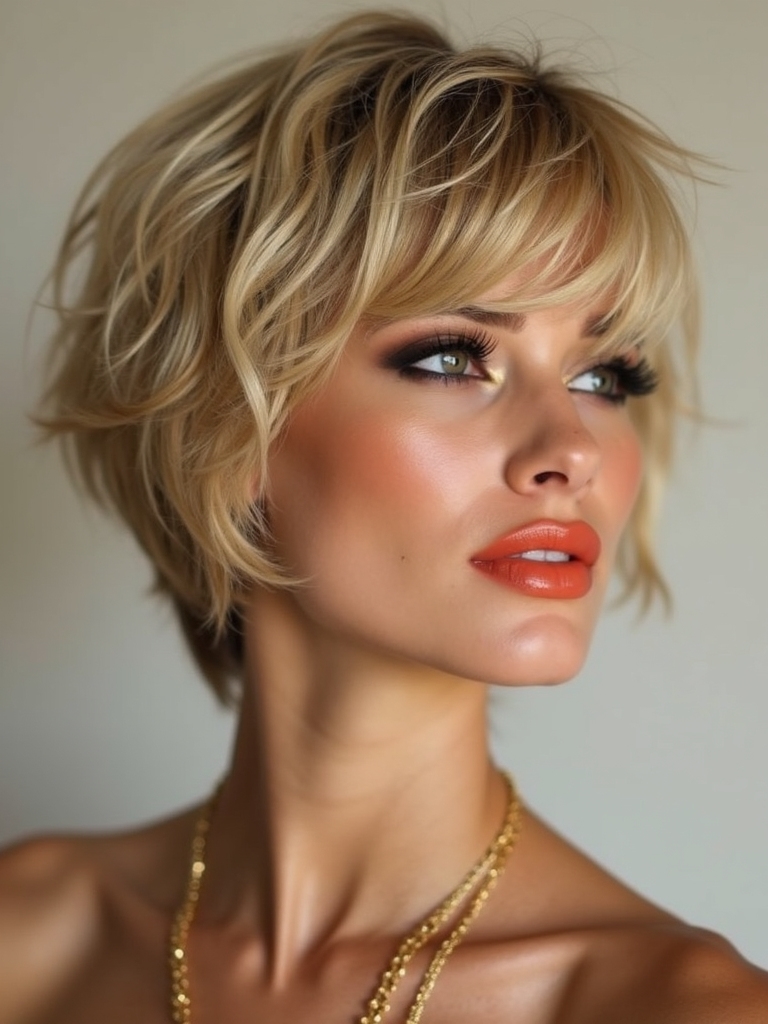
A short shag isn’t only a wash-and-go cut; with a couple of accessories it dresses up fast. Because the texture is already there, a clip or a band looks deliberate and finished, giving even a cropped shape some polished, evening-ready options.
It’s the easiest way to shift the cut from everyday to going-out without heat or restyling. A few well-placed pins can even fake a tiny updo out of a short shape.
- Tuck the front pieces behind a decorative clip for an instant polished look.
- A thin headband tames grow-out while keeping the texture on show.
- Pin the sides back for a soft, faux-updo effect on a short shag.
The Everyday, Wearable Shag
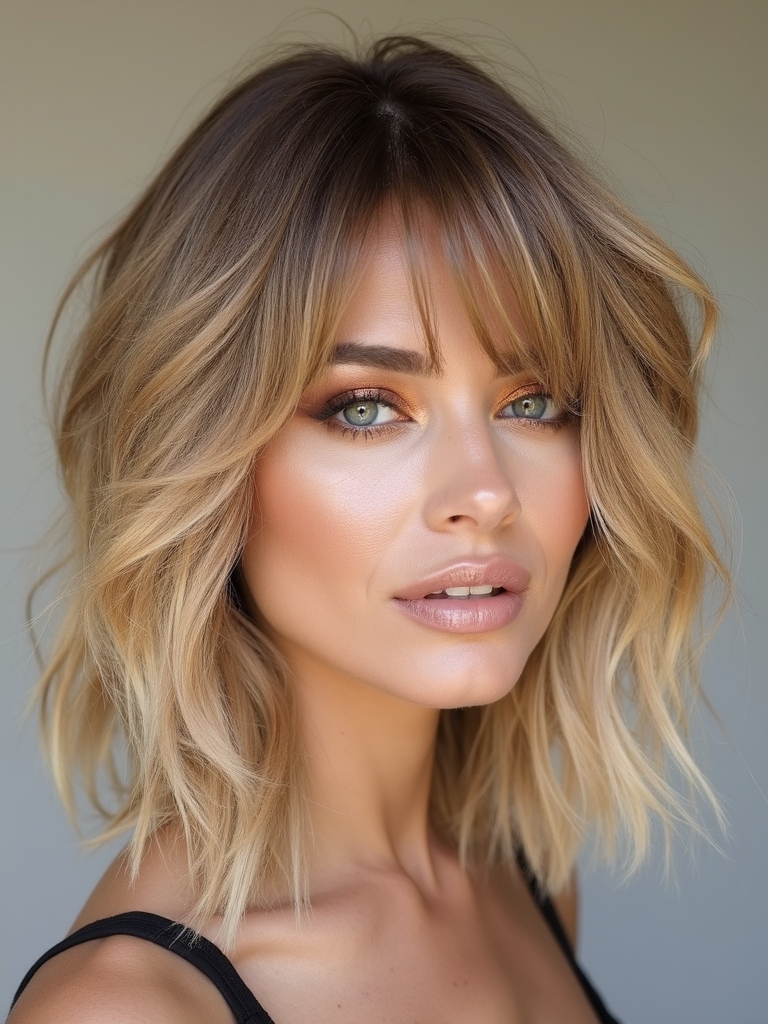
For all its bold reputation, a short shag is quietly among the most wearable everyday cuts going. Styled soft and simple, it looks cool, easy, and completely current, the kind of hair that looks put-together with almost no effort.
That’s what makes the cut worth it: it works as hard on an ordinary Tuesday as it does for a night out. Wash it, scrunch it, and it carries you through the day looking deliberately undone.
- The lowest-effort way to wear it is simply wash, scrunch, and go.
- A dab of pomade on a couple of pieces looks intentional for a night out.
- It looks modern and cool without any obvious styling at all.
Common Mistakes to Avoid
The most common mistake is going too short too fast. A short shag is a big change with no quick undo, so ease in with a longer, textured version first if you’re unsure. The second is skimping on the consultation, since short shag means wildly different things and a vague ask gets you a generic crop.
The last is over-styling. People reach for the round brush and the hairspray out of habit, then wonder why the texture disappeared. The short shag is built to look undone, so the fix is almost always to do less: a scrunch, a little product, and your hands off it while it dries.
Short Shag Questions, Answered
?How short is a short shag, exactly?
Anywhere from a cropped, pixie-length micro shag up to a chin-length shape. The defining trait isn’t a set length but the choppy, feathered layering and a fringe. Below the chin, it’s usually called a medium or shoulder-grazing shag instead.
?Is a short shag hard to grow out?
It’s easier than most short cuts, since the layers are already textured and soften as they lengthen. The main thing is to keep the layers refreshed so it grows into a proper longer shag and skips the awkward mullet stage on the way.
?Will a short shag suit thick hair?
Yes, with the right cut. Thick hair needs internal debulking so the shape stays close and controlled around the head. Ask for weight removed from underneath and point-cut ends, and don’t go too short, which makes thick hair expand.
?Can I get a short shag while growing out a pixie?
It’s one of the best cuts for that stage. A short shag adds shape and texture to the in-between length, so the grow-out looks intentional. Ask your stylist to work with the length you already have and shape around it.
?How do I keep a short shag sharp between cuts?
Two habits: a quick fringe trim every two weeks or so if you have bangs, and a light texture spray to revive the pieces on non-wash days. The full shape-up is what holds the outline, but those small touch-ups stretch the time in between.
Small Cut, Big Personality
A short shag asks for a little nerve, but it gives back more than almost any other cut: real volume, built-in movement, and a morning routine you can measure in minutes. It’s proof that short hair doesn’t mean plain, and that texture beats length for making a cut look interesting.
If you’ve been circling the idea, start with a softer, feathered version and a curtain fringe before you go full micro. It’s the gentlest way into the shape, and once you feel how little work it takes to look this good, going shorter stops feeling scary.
Next Up