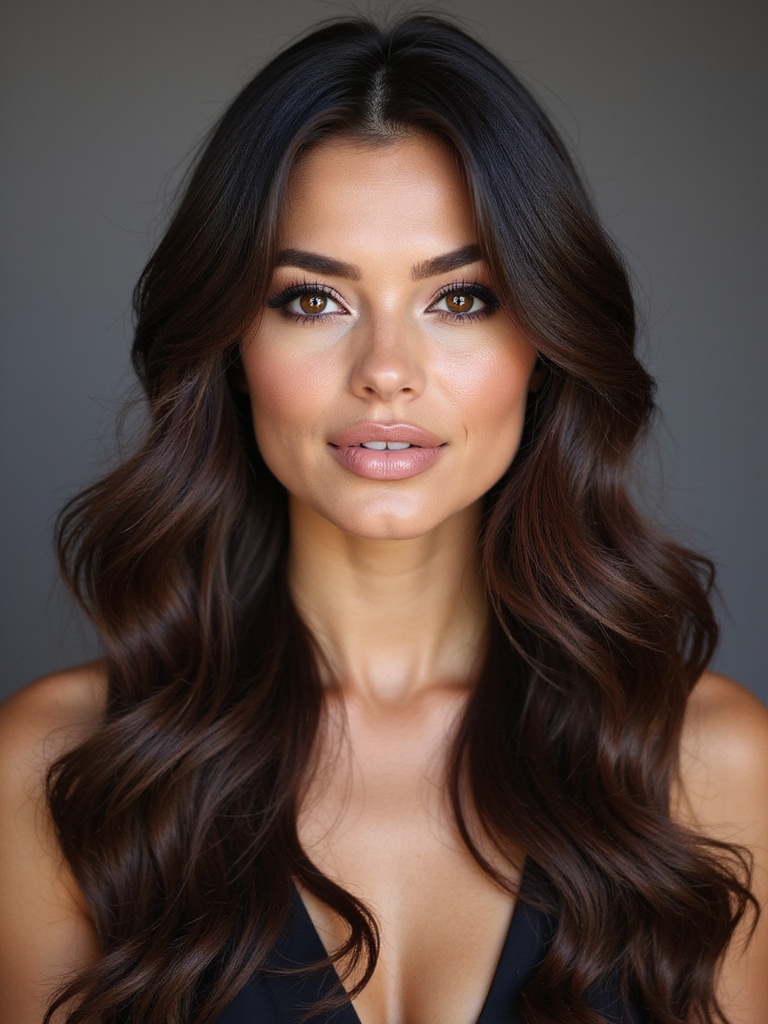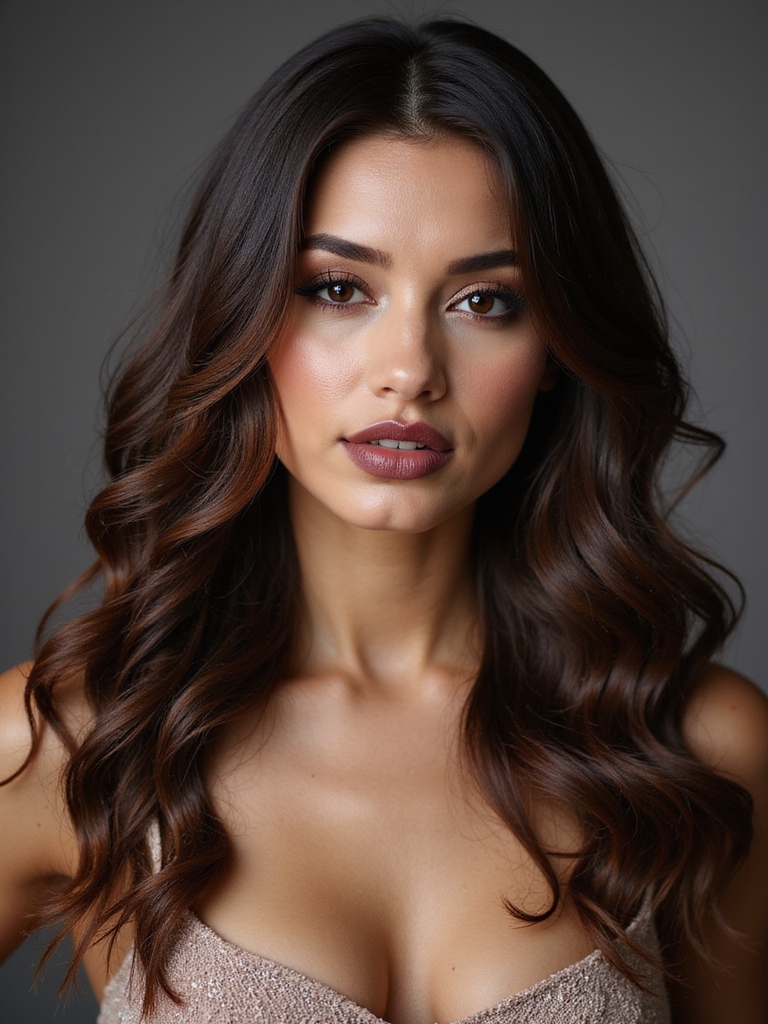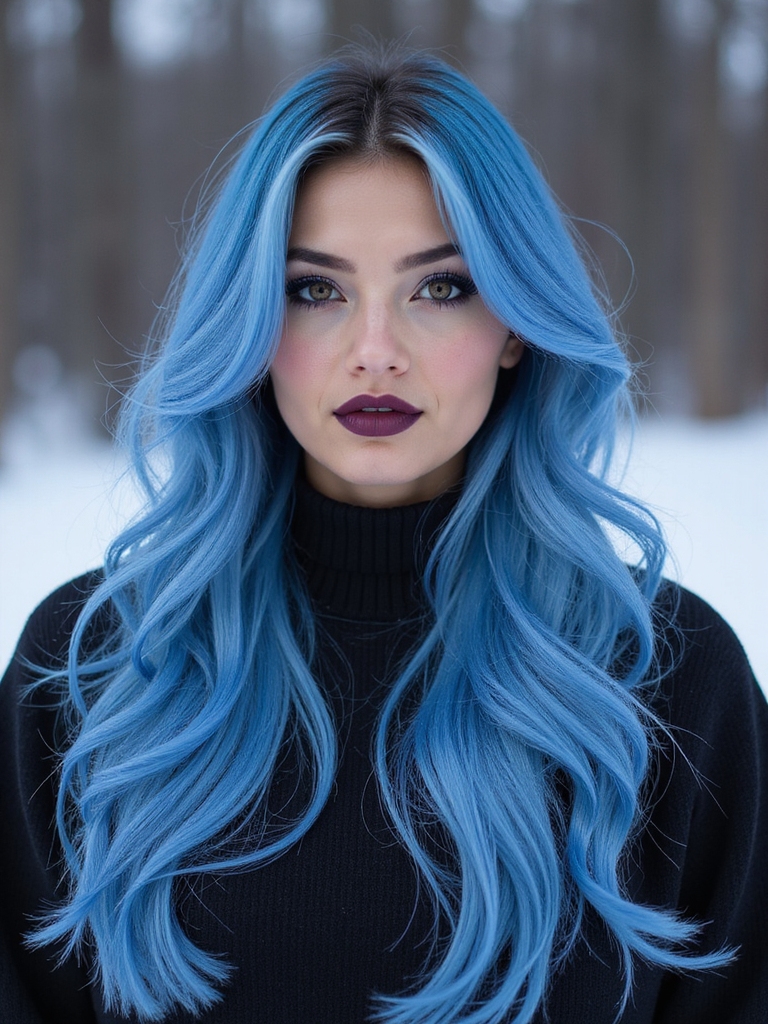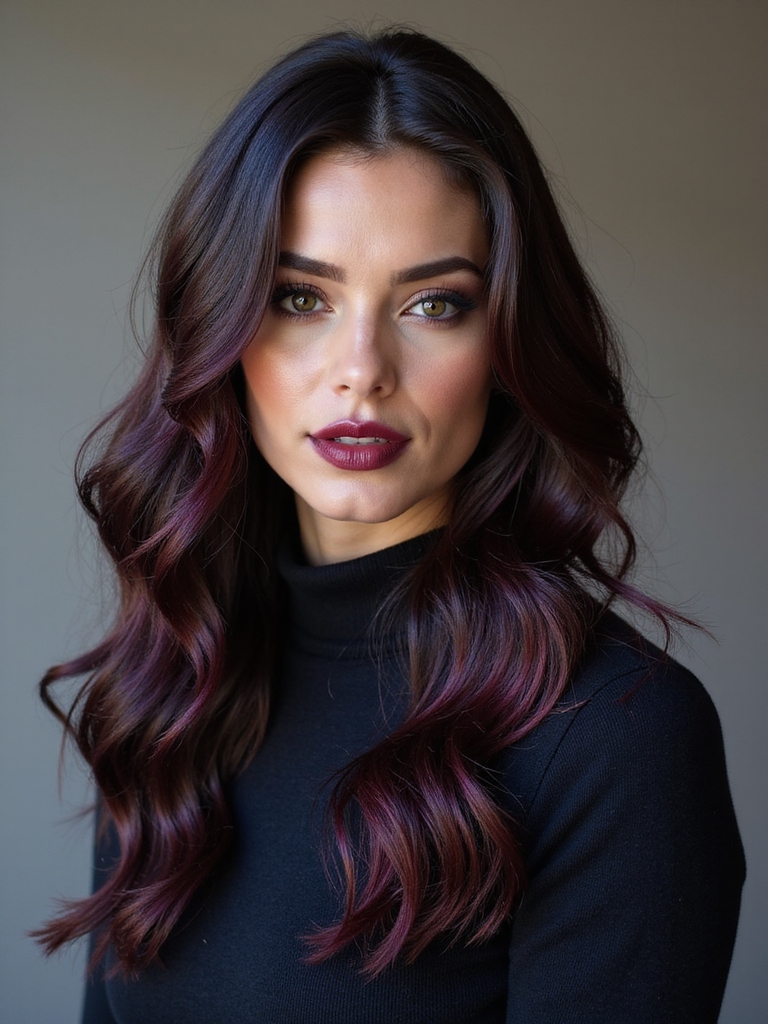
What actually separates a dark hair color that looks expensive from one that looks flat? It’s rarely the shade itself. Plenty of espresso and black dye jobs come out of the same box. The difference shows up in how much light the hair bounces back, and dark color reveals that difference more mercilessly than any lighter shade would.
Fifteen dark winter shades follow below, from a low-fuss chocolate brunette to an editorial violet-black, each with the undertone, technique, and upkeep that actually make it work in cold-weather light this season. A few of these lean on shine as the deciding factor. Most of them come down to something else entirely: the right base, the right dimension, or simply the right skin match.
What Actually Makes These Work
- Dark shades show shine or dullness more obviously than light ones, so surface condition matters as much as shade choice.
- Undertone, warm, cool, or neutral, decides which of these actually flatters your skin more than the color name does.
- A few shades here (raven black, blue-black, espresso) lean specifically on a gloss or glaze to look finished.
- Techniques like balayage, babylights, and foiling change how much dimension a dark base shows without lightening it much.
A Low-Maintenance Chocolate Brunette

Chocolate brunette is close to the most universally flattering dark shade there is, and it happens to ask for the least upkeep of anything on this list. A rich, warm-brown base takes color evenly and grows out without much of a visible line, since the natural root shade usually sits close to the dyed one.
- The base color alone does most of the work, with minimal styling effort needed to look finished.
- Regrowth blends into most natural brunette roots, stretching the time between salon visits.
- Warm and neutral skin tones tend to look best against this shade.
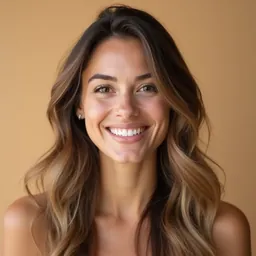
Espresso Brown Lit With Caramel

Espresso brown gets fine caramel babylights woven through the front, adding light exactly where it brightens the face without pulling the whole head lighter.
The babylights are painted freehand, finer and more scattered than a full foil, so they come across as sunlit pieces instead of distinct highlighted chunks.
- Babylights concentrated near the face do more visual work than an even, all-over placement.
- A gloss over the espresso base deepens the contrast between the dark color and the lighter pieces.
- Fine placement means fewer, thinner foils than a standard highlight service.
A Raven Black With High-Gloss Polish

Raven black is the shade that shows the most obvious difference between glossed and unglossed hair, since almost nothing else reflects light as sharply as a polished true black.
A high-gloss glaze on top turns flat black into something closer to black glass, and the upkeep from here on is mostly about protecting that surface shine rather than the color underneath it, which barely fades. For more shades built around depth, see deep winter hair color ideas.
Not sure which dark shade actually fits what you want? Start here:
🎯Maximum shine and drama
Raven black or blue-black, both built around a glossy, mirror-like finish.
🎯Warmth without looking freshly dyed
Mahogany, cinnamon chestnut, or auburn, each with a warm undertone that looks natural.
🎯Lowest upkeep option
A plain chocolate brunette or a demi-gloss espresso, both close to grow-out-friendly.
Warm Mahogany Balayage With Jewel Tones

Mahogany brings its own warmth to a dark base, a red-brown that catches jewel-toned light rather than sitting flat the way a plain brown can.
- A soft, low-contrast balayage adds movement without lightening the overall depth much.
- The red undertone needs a color-safe, sulfate-free routine to keep it from fading toward plain brown.
- Warm and neutral skin tones pick up the most glow from this shade.
Burgundy With Red Lowlights Hidden Inside

Burgundy with red lowlights reads almost like a deep brown in flat light, until direct light hits it and the hidden red flashes through underneath.
Why the Red Fades First
That flash effect comes from painting the red lowlights a shade or two more saturated than the burgundy base, so they show up only when light catches them at an angle.
Red-based color fades faster than almost any other tone family, so this one needs a color-depositing conditioner or a red-toned gloss refresh more often than a plain brunette would. For more on how dark reds hold up through the season, see dark hair color ideas.
Soft Black-Brown With Face-Framing Light

A soft black-brown base stays deep everywhere except right around the face, where lighter face-framing pieces brighten the features without touching the rest of the depth.
- Face-framing highlights are placed only at the front, leaving the crown and back untouched.
- This keeps the low-maintenance appeal of an all-over dark shade while still adding brightness where it shows most.
- Warm or cool toning on the highlight pieces should match your undertone, not the base color.
Icy Ash Tips Over a Dark Base

Icy ash tips melting from a dark base put two temperatures in the same head of hair on purpose: a warm-neutral dark root running into cold, frosted ends.
- The tips need lightening and toning as a separate step from the base, not a single dye job.
- A purple- or blue-based toner keeps the ash from warming back up to brass between visits.
- This contrast flatters cool skin tones most, where the icy ends look the sharpest.
📋Before Booking a Two-Tone Dark Base
- ✓Bring a photo showing how far up the tips should lighten
- ✓Ask whether your natural base needs pre-lightening before the ash tone will take
- ✓Confirm how often the ash needs re-toning to avoid brassiness
Deep Cinnamon Chestnut With a Warm Gloss

Cinnamon chestnut takes a plain deep brown and adds a spiced, reddish warmth that keeps the face looking lit rather than washed out on gray winter days.
A warm-toned gloss over the chestnut base is what pushes the color from ordinary brown into something that feels intentional, deepening the red-brown tones rather than just adding shine.
This shade rewards warm and golden skin specifically. On cooler undertones, the same cinnamon warmth can lean more orange than intended. Our dark hair color ideas for winter guide covers more warm darks in this same family.
A Mirror-Like Blue-Black Sheen

Blue-black takes true black and tints it with a cool undertone instead of leaving it neutral, which keeps the color from ever looking dusty or faded between appointments.
- The blue tone has to be reapplied at every color visit, since black fades toward a warmer, duller shade without it.
- A glossing step on top pushes the finish toward that mirror-like sheen rather than plain matte black.
- Best on cool, fair-to-deep skin tones, where the sharp contrast comes across as flattering instead of harsh.
Cool Plum Woven Through Dark Brown

Plum woven through a dark brown base stays subtle in flat indoor light, reading as an unusually rich brunette rather than an obvious fashion color.
Where the Purple Actually Shows
It’s only in direct sun or bright lighting that the muted purple undertone actually shows itself, catching the light in a way a plain brown never would.
Cool and olive skin tones get the most out of this one. On warmer undertones, the plum can compete with the skin instead of complementing it. Anyone wanting a cooler palette overall can browse cool winter hair color ideas for more options in that direction.
🅰️Plum Woven Through Brown
Subtle in everyday light, a surprise in the sun. Best for someone who wants color without an obvious change.
🅱️A Full Plum or Burgundy Base
Reads as color all the time, indoors and out. Best for someone ready for a more obvious shift.
A Dimensional Black With Soft Shimmer

Micro-fine highlights woven through a true black base add movement without ever standing out as an actual highlight color, since each piece is too thin and too closely toned to draw attention on its own.
How Fine Is Too Fine
What they do add is a shimmer across the surface as the hair moves, turning a flat panel of black into something with visible depth.
This is the version worth asking for if solid black has ever felt too heavy, or too much like a solid block of color, on you.
Deep Auburn Under a Glossy Glaze

Auburn under a clear glaze gets the kind of shine that makes a brown-red look lit from within rather than simply dark. A glaze is a sheer, semi-permanent gloss rather than a full color, which is what gives auburn its signature gleam without changing the underlying shade.
- A glaze seals in the warm auburn tone and adds shine on top of it.
- Warm and neutral skin tones get the warmest lift from this combination.
- Because a glaze is semi-permanent, it needs refreshing more often than the base color itself.
A couple of terms that come up with dark color services:
📖Glaze
A sheer, semi-permanent gloss that adds shine and adjusts tone without lifting or lightening the hair.
📖Demi-permanent color
Color that deposits tone but doesn’t lift the natural pigment, fading gradually over several weeks instead of growing out with a line.
A Smoky Brunette Warmed by Highlights

Smoky brunette starts as a muted, almost dusty dark brown, cooler and quieter than a standard chocolate shade.
Soft highlights woven through keep that muted base from looking flat or heavy, adding just enough light dimension without warming the whole color back up.
- The smoky, dusty quality comes from a slightly ashier base than a typical warm brunette.
- Highlights here add dimension rather than brightness, so they stay subtle instead of obvious.
- Cool and neutral skin tones suit the dusty undertone best.
Deep Espresso With a Demi-Permanent Shine

A demi gloss over deep espresso is close to the lowest-commitment way to get rich, dark color with real shine.
Because a demi gloss deposits tone without lifting the hair at all, it fades gradually and evenly instead of leaving an obvious regrowth line, which makes it a common starting point for anyone new to coloring their hair.
- No lightening involved, so there’s less damage risk than a full-lift color service.
- Fades out gradually over several weeks rather than growing out with a hard line.
- A repeat gloss refreshes both the tone and the shine once it starts to fade.
Iridescent Violet-Black With Glossy Accents

Violet-black is the most editorial shade on this list, a true black shot through with enough cool violet to shift color depending on the light hitting it.
Keeping the Violet From Fading Out
That shift is what separates it from a plain black or blue-black: in flat light it looks like a deep, glossy black, and in direct light the violet flashes through with an almost oil-slick quality.
It suits cool skin tones best and takes more upkeep than a plain black, since the violet tone fades faster than the black base underneath it.
How to Get the Look
Whichever shade you land on, the base color is only half the decision. Ask your colorist directly whether the finish depends on a gloss, a glaze, or a toner on top of the color itself, since several of these shades don’t look finished without that extra step. That add-on service typically runs $30 to $60 on its own, separate from the color appointment.
Cool water rinses and a sulfate-free, color-safe shampoo protect whatever shine or tone you paid for, no matter which of the fifteen you pick. Dark, cool-toned shades fade fastest of the bunch, so plan on refreshing gloss or toner sooner than you would with a plain warm brunette. Anyone wanting a lighter contrast to compare against can look at bright winter hair color ideas before deciding.
The Shade Is Only Half the Decision
Every one of these fifteen shades depends on more than the color name on the swatch: an undertone that actually matches your skin, a technique that adds the right amount of dimension, and in a handful of cases, a shine step that finishes the whole thing off.
Dark winter hair rewards attention to those details more than any lighter shade does, since there’s nowhere for a rushed color job to hide. Match the undertone honestly, keep up with whatever the finish requires, and the color does more of the work than any single trend ever could.
Hand-Picked for You