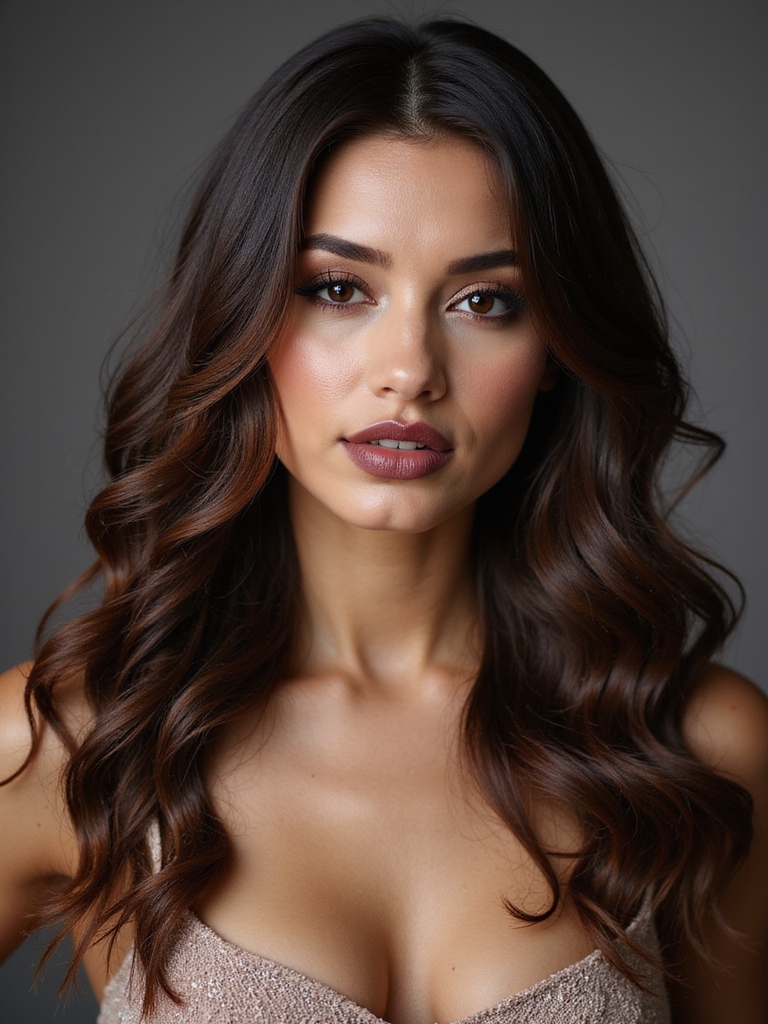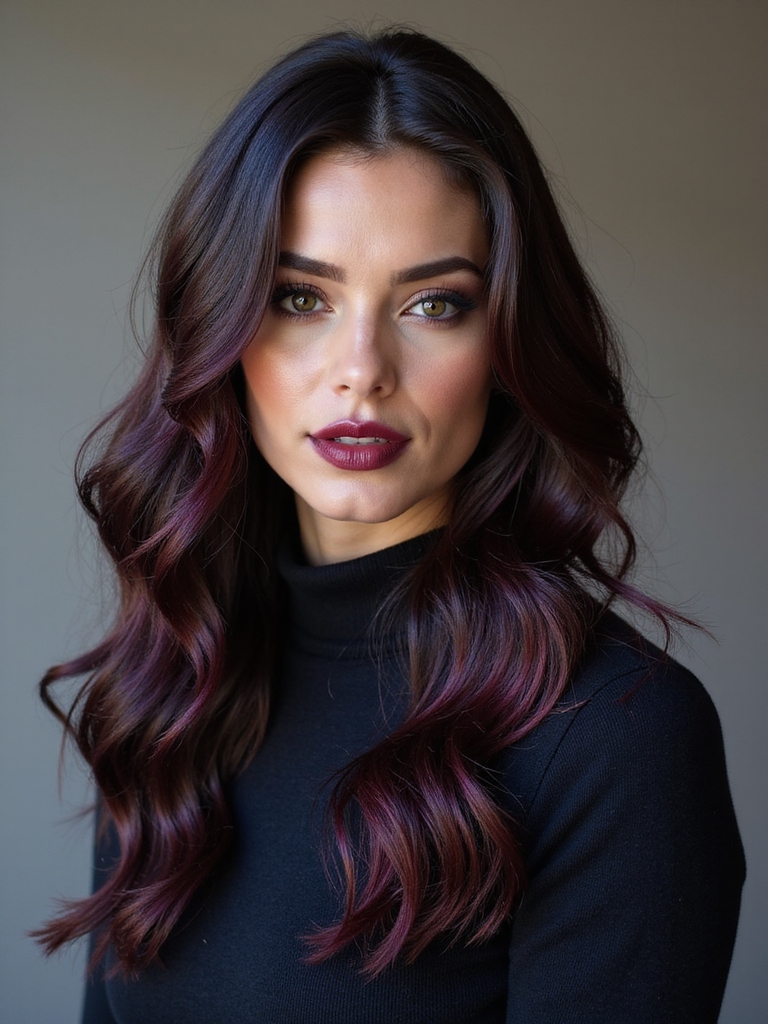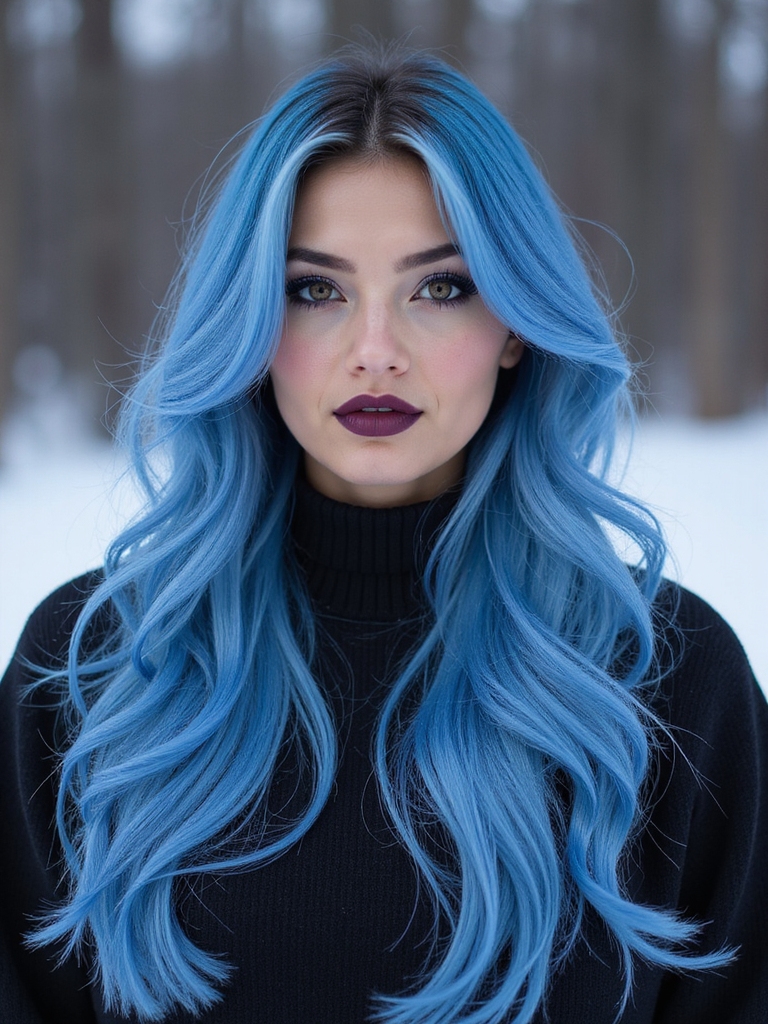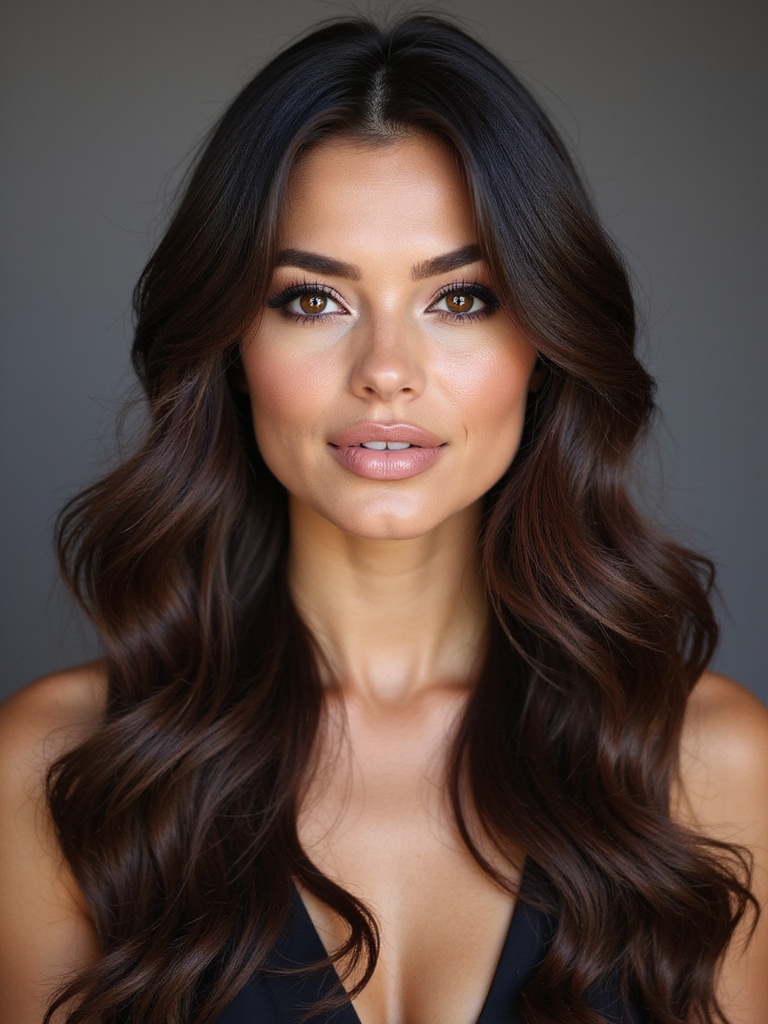
There’s a particular deep brown I chase every winter—the one that looks almost black indoors, then catches a window and throws off red, coffee, or a flash of cool ash. Flat brown is the most common color I see walk in, and it’s the easiest to fix. Winter light shows off deep brunette color better than any other season.
So here are fifteen deep shades for brunettes, from glossy espresso to a velvet brown with a jewel panel hidden underneath. I’ll tell you which undertone each one wants, what it costs to get and keep, and which suit a low-maintenance life versus a standing salon appointment.
The Short Answer
What makes deep brunette color look rich instead of flat? Shine and a hint of dimension. A glossy finish plus a few tonal pieces—warm caramel or cool ash—keep deep brown from reading like a solid block. The depth is easy; the gloss is what sells it.
How much does deep brunette color cost to maintain? A deep all-over shade is one of the cheapest to keep—a gloss every 6 to 8 weeks at $30 to $60 is often all it needs. Balayage and babylights cost more upfront but stretch much further between visits.
Will a dark winter color be hard to lighten later? Going darker is easy and grows out softly. Going lighter again is the hard part, since lifting deposited dark color takes time and care. Commit to deep shades knowing spring may mean a gradual lift, not a quick switch.
Deep Espresso With a Glossy Finish

Espresso is the deepest brown that still reads brown, not black, and it’s where I start most winter brunettes. It’s nearly foolproof—rich, glossy, and close enough to most natural levels that regrowth barely shows. The shine does the heavy lifting here, so this one lives on gloss.
- A clear or chocolate gloss every 6 to 8 weeks keeps it from going dull.
- Flatters almost every undertone, which is why it’s the safe deep choice.
- Pairs with a bold lip and gold jewelry for an easy winter look.
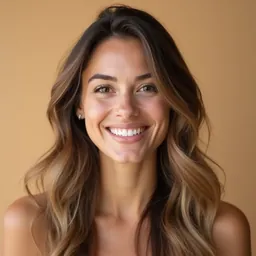
Cool Ash Chocolate

If warm browns leave you looking ruddy, cool ash chocolate is the fix. It’s a deep brown with the warmth pulled out, which keeps it modern and a little editorial. Cool-toned and neutral skin wear it best, and it photographs sleek under winter light.
- Ask for a cool or neutral brown to keep red from pulling through.
- Blue and ash toners stop it from warming up as it fades.
- Best on cool and neutral undertones; warm skin may find it draining.
Two things people get wrong about deep brown:
❌ Myth: Dark hair can’t have real dimension
✅ Reality: It can—lowlights and a tonal gloss build depth with no lift at all.
❌ Myth: Going darker always looks heavy
✅ Reality: Only without shine. A gloss keeps deep color looking light and rich.
Understated Deep Mahogany

Mahogany is the deep brown with a wine heart—a reddish-brown that warms your whole face under gray skies. It’s the shade I suggest when someone wants color people notice without a color that shouts.
Keeping the Red True
Red tones fade first, so mahogany lives on a color-depositing conditioner and cool washes. Skip the clarifying shampoo entirely. A mahogany base runs about $70 to $130 depending on length, and a gloss every month keeps the wine from washing out to plain brown.
It flatters warm and olive undertones especially well. The mahogany hair color guide goes deeper on matching the exact wine to your skin.
Chocolate Truffle Balayage

When you want dimension without a stripe of regrowth, a chocolate truffle balayage is the answer. Soft, hand-painted brown tones melt through a deep base, so it looks rich and moves in the light with no hard line to chase.
Why Balayage Beats Foils Here
Painted color grows out softer than foil highlights, which matters on deep brown where a sharp regrowth line shows from across the room. A brown balayage runs $150 to $250 and takes a couple of hours, but you’ll go months before it needs touching up.
It suits anyone who wants low-maintenance richness. The brown balayage hair looks show the range from barely-there to bold.
Not sure how dark to go? Match your priority:
1I want the lowest upkeep
A deep all-over espresso or coffee with a gloss—it hides regrowth for weeks.
2I want dimension without a regrowth line
A chocolate balayage or sombre that melts instead of striping.
Chestnut Glow With Copper Veins

Chestnut threaded with fine copper veins is the cozy one—a warm brown shot through with copper that looks like firelight when you move. It’s deeper than a plain chestnut and softer than a full copper, which makes it a gentle way to try warmth.
Placing the Copper
Keep the copper to fine, woven pieces rather than chunky panels so it reads like natural dimension. Refresh with a copper-depositing mask every couple of weeks. The look runs about $120 to $200 with the veining painted by hand.
Warm and neutral undertones glow in it; very cool skin may find the copper fights them. It’s the shade I point the copper-curious toward before they commit to all-over red.
Dark Chocolate With Caramel Face-Framing

A dark chocolate base with caramel pieces around the face is the most flattering deep brunette there is, and it’s not close. The deep base keeps it rich. The caramel lifts your features exactly where the light hits.
Because the lightened pieces sit only at the front of your hair, the upkeep stays low, the damage stays minimal, and you can stretch the color for a couple of months before anyone could tell where the caramel ends and your natural base picks up. You brighten your face without committing your whole head to lift. A face-frame plus base runs $130 to $200.
It works on nearly everyone, which is why it’s the deep brunette I recommend most for a first try at dimension. The dark chocolate brown hair family is endlessly forgiving.
Heads-Up
Caramel face-framing looks rich in the right hands, but a cheap warm toner turns it brassy fast. Ask for a cool-leaning caramel and a gloss to seal it, and tell your colorist ‘no orange’—they’ll know exactly what you mean.
Rich Walnut With Cool Lowlights

Walnut is a deep neutral brown, and with cool lowlights woven in it gains a quiet, expensive depth. Lowlights are the underused trick here—darker pieces that add dimension with no lift at all, which means no damage and almost no upkeep.
- Lowlights add depth without lightening, so they’re gentle on the hair.
- Cool-toned lowlights keep walnut from warming up over time.
- A smart choice when you want richness with the lowest possible maintenance.
Blue-Black Gloss With Inky Shine

For the boldest deep brunette, a blue-black gloss takes brown to its darkest, glassiest edge. It’s a deposit-only glaze, so on already-dark hair there’s no lift—just an inky, high-shine depth that sharpens everything around it. A blue-black gloss runs $40 to $70 and lasts 4 to 6 weeks. It suits cool undertones best and pairs with a clean, minimalist look. One catch: it’s hard to lighten later, so be sure before you go to the deepest end of the spectrum.
- Deposit-only, which makes it gentle on the strand.
- Cool undertones carry the blue best; warm skin may go flat.
- Refresh the gloss every month to keep the inky shine alive.
📋Before your deep-color appointment
- ✓A photo of the depth and tone you want, ideally in natural light
- ✓Your honest maintenance budget—it changes the recommendation
- ✓A note of any past color, since old dye affects how deep you can go evenly
Deep Chocolate Melting to Ash

A sombre takes a deep chocolate root and melts it into a cooler ash brown toward the ends. It’s subtle, low-contrast dimension that looks grown-in from day one, which is the whole appeal.
Sombre vs. Ombre
The difference from an ombre is contrast. A sombre keeps the shift gentle, so there’s no obvious line, which makes it the lowest-maintenance way to add length-wise dimension. Regrowth stays invisible for months.
It suits neutral and cool undertones, and it’s a smart pick when you want a change that won’t trap you in a touch-up cycle. The balayage for dark brown hair approach uses the same melt technique.
Burgundy-Infused Brunette

A whisper of burgundy through a deep brown is how you make a statement that still reads as brunette. In flat light it looks like rich brown. The second the sun hits, the wine wakes up.
Burgundy fades fast, so this one needs a red- or violet-depositing conditioner and cool washes to hold its depth. Plan on a monthly tone refresh. The burgundy hair guide covers keeping the wine from muddying as it fades.
Espresso With Subtle Honey Babylights

Babylights are the finest highlights there are—delicate, hair-thin pieces that mimic the way hair naturally lightens. Through a deep espresso, a few honey babylights add a soft glow at the face while the rich base stays intact.
Because they’re so fine, they grow out invisibly and the upkeep is minimal. It’s the quietest way to warm up a deep brown. A babylight service runs $120 to $180 and refreshes only a couple of times a year.
- Hair-thin pieces read as natural dimension, never stripes.
- Keep them warm and soft so they melt into the espresso.
- Grows out gracefully, so you book it rarely.
Sable Brown With Rosewood Accents

Sable is a deep, soft brown with a cool edge, and rosewood accents give it an unexpected dusty-pink warmth. It’s the most fashion-forward shade here without crossing into a true fantasy color.
The rosewood shows most in good light, woven as fine pieces through the mid-lengths and ends. It’s a quiet luxury—people notice your hair looks interesting without being able to name why.
It suits cool and neutral undertones, and like all pink-leaning tones it fades, so a rose-depositing conditioner keeps it alive between visits. This is one for a colorist who’s mixed it before.
Deep Coffee With a Velvety Finish

Deep coffee is espresso’s slightly warmer cousin—a rich brown with a velvety depth that swallows light beautifully. Where a high gloss makes color shiny, a velvet finish makes it look soft and dense, almost like suede.
- Ask for a warm-neutral deep brown with a low-shine, conditioning gloss.
- Flatters warm and neutral undertones with a soft, rich depth.
- Low-maintenance—a deep shade like this hides regrowth for weeks.
Mocha With Cool Ash Babylights

Mocha is a deep brown with a coffee warmth, and cool ash babylights cut that warmth just enough to keep it modern. The push-pull of a warm base and cool fine highlights is what makes it look dimensional and current.
Balancing Warm and Cool
The trick is contrast at the right scale: warm enough to flatter, cool enough to feel sharp. The fine ash pieces keep the mocha from going too golden as it fades.
It suits neutral undertones especially well, since it splits the difference between warm and cool. A toning gloss every few weeks keeps the balance from tipping warm.
Velvet Brown With Jewel-Toned Panels

The boldest option saves its surprise for underneath: a deep velvet brown on top with jewel-toned panels—sapphire, emerald, or amethyst—tucked into the layers below. From the front it’s a rich brunette. Flip your hair and the color flashes through.
A peekaboo panel runs $80 to $150 on top of your base color. It’s the most playful deep brunette here, and the easiest to hide for work, since the color lives where you control it. The jewel tones fade faster than the brown, so a matching color-depositing conditioner keeps them saturated.
- Place the panels in the lower layers so they show only when you want.
- Jewel tones need a matching depositing conditioner to stay rich.
- A gentle first step into fantasy color, since it’s hidden and low-commitment.
Who It Suits Best
If you take one thing from this list, let it be undertone. Warm and olive skin glows in mahogany, chestnut, dark chocolate with caramel, and deep coffee. Cool and neutral skin wears ash chocolate, blue-black, walnut with cool lowlights, and mocha with ash babylights more easily. Neutral undertones, lucky you—almost everything works.
Then match the shade to your calendar. A deep all-over color or a velvet finish hides regrowth for weeks and costs the least to keep. Balayage, babylights, and sombre stretch even further between visits but cost more upfront. Burgundy, copper, and jewel panels are the high-upkeep end, since warm and fantasy tones fade fast. Pick the depth you love and the maintenance you’ll actually do, and the right shade picks itself.
Deep Brunette Questions, Answered
?How do I keep deep brown from looking flat and one-dimensional?
Add a little dimension and a lot of shine. A few tonal pieces—caramel, ash, or copper—break up a solid block, and a gloss every 6 to 8 weeks keeps light bouncing off it. Flat deep color is almost always a shine problem.
?Which deep brunette shade is the most low-maintenance?
A deep all-over espresso, coffee, or walnut. They sit close to most natural levels, so regrowth barely shows, and a gloss is all they need. Add lowlights instead of highlights if you want depth with zero lift.
?Will deep winter color wash me out by spring?
It can. Shades that look perfect in flat winter light sometimes feel heavy against spring sun and a warmer wardrobe. Many people lighten a level or add face-framing pieces in spring, so plan your deep color knowing you may brighten later.
?Can I get a deep color with dimension without damaging my hair?
Yes—lean on lowlights, gloss, and balayage rather than all-over lightening. Lowlights and glosses add depth with no lift, and balayage keeps any lightened pieces off your roots. The deeper you stay, the gentler the process.
Your Richest Brown Is Waiting
Deep brunette is the most forgiving place to play with color, because the base does so much of the work. You don’t need lift or drama to look expensive. You need depth, a little dimension, and enough shine to make winter light do the rest.
So take the shade that fits your undertone and your patience to a colorist who can match it to your skin. Bring a photo, name your maintenance honestly, and trust that deep brown rewards you more the richer you go. There’s a version of this on the list with your name on it.
Don’t Miss These