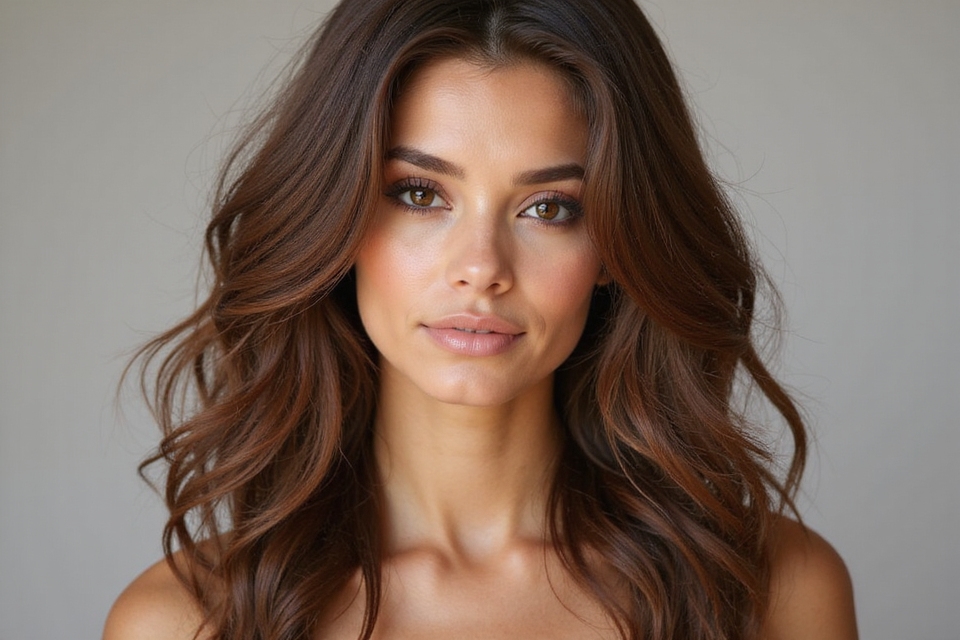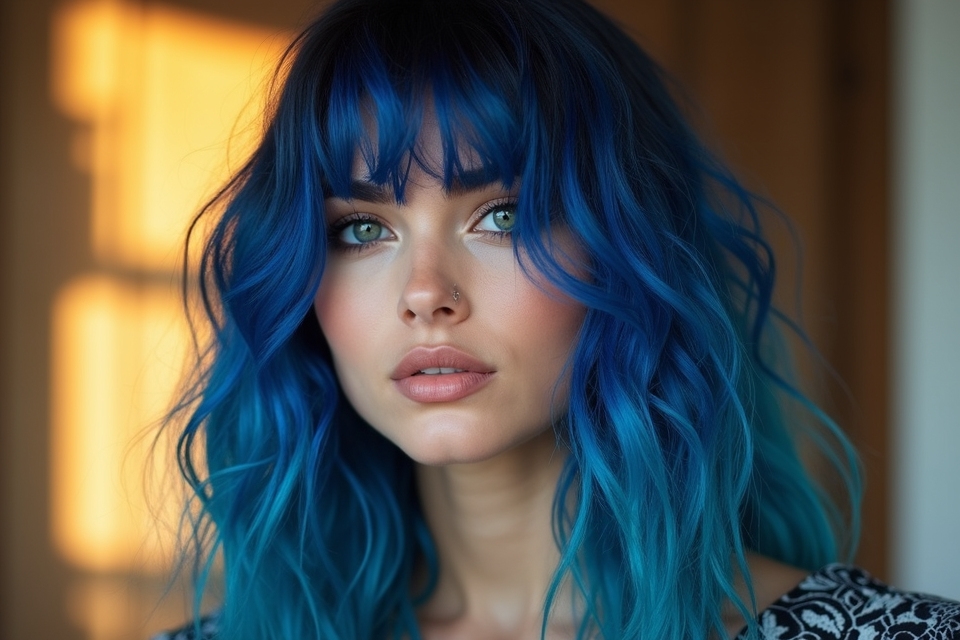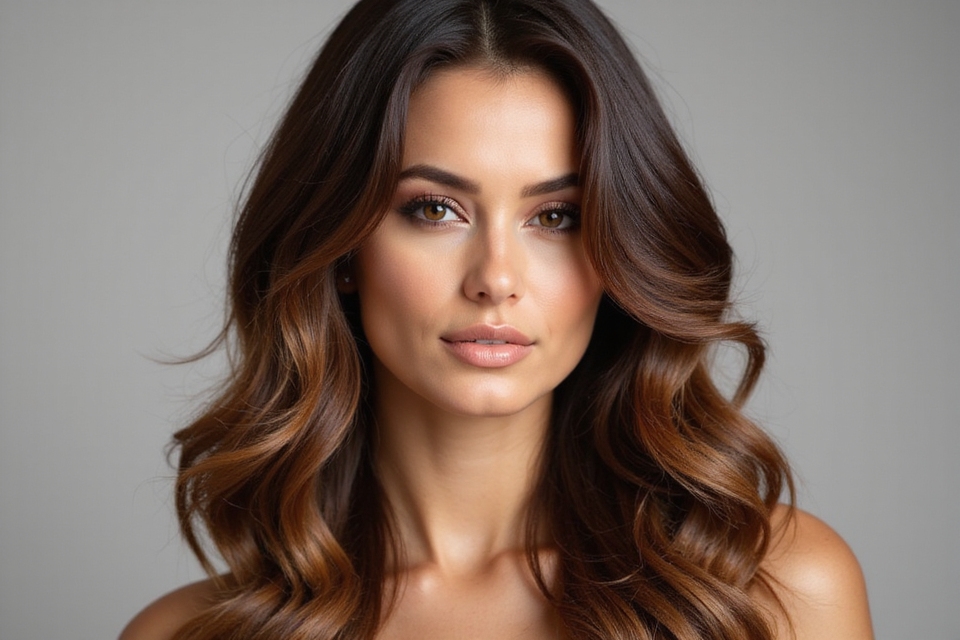
A solid chocolate brown can look glossy and rich in the salon, then go flat and one-note by the time you are home in ordinary light. The difference is dimension. A few well-placed highlights give deep chocolate the light and movement it lacks on its own, brightening the color while the richness underneath stays put.
Below are sixteen ways to highlight chocolate brown, from honey and chestnut that melt right in to bold blonde and red, plus how to pick warm or cool and keep the contrast soft.
The Short Version
Highlights give deep chocolate brown the one thing a single shade cannot: light that moves. The key is restraint. Keep the lift to two or three shades and the base stays rich while the brighter pieces catch the sun.
Warm tones like honey, caramel, and chestnut blend in with almost no toning; cool ash blonde adds a modern edge but needs upkeep. Balayage placement keeps the root deep and the grow-out soft, so you can stretch the time between visits.
Choosing Your Highlight Shade by Skin Tone
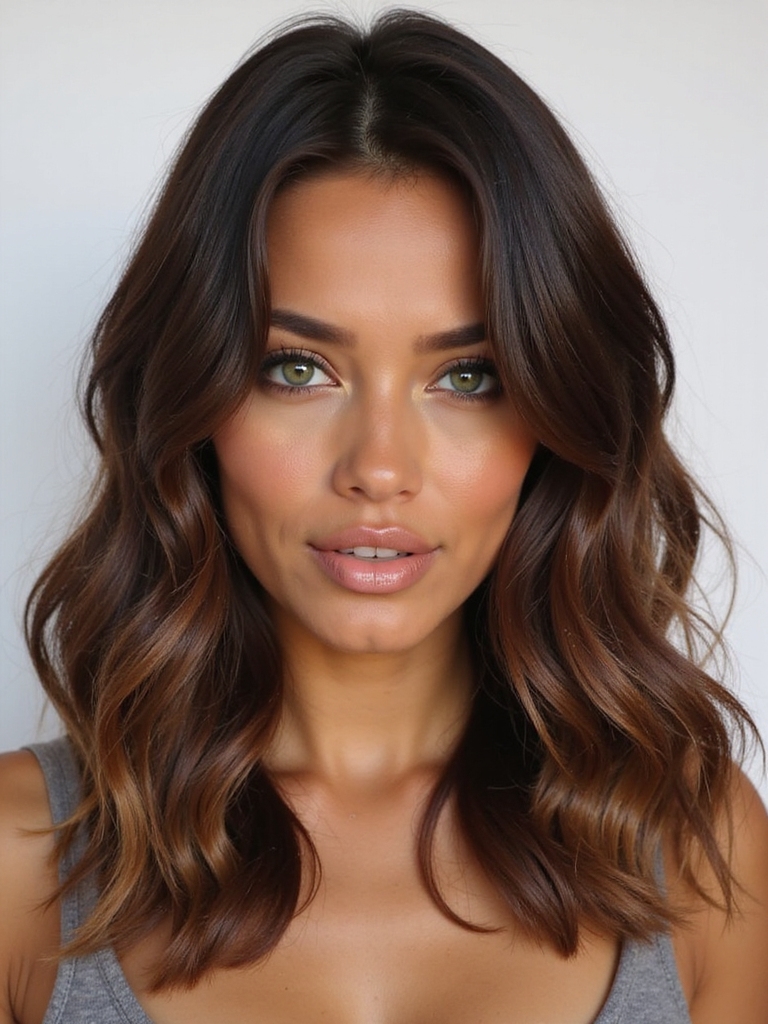
Before you pick a single highlight, look at two things: your base and your skin. Highlights on chocolate brown should flatter both. The mistake I correct most at the color bar is going too light too fast, which drains the depth that makes chocolate look pricey.
Lift, do not lose the depth
Keep the highlights only a few shades lighter than your base. Warm and olive skin glows with caramel, honey, and copper, while cool skin suits ash and soft beige.
The base should stay the rich chocolate while the lighter pieces add dimension. That balance, more than any one shade, is what keeps the color looking full and deliberate.
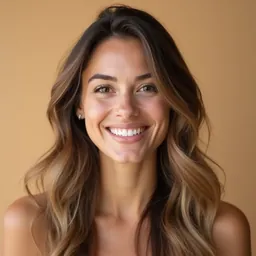
Classic Honey for a Subtle Glow
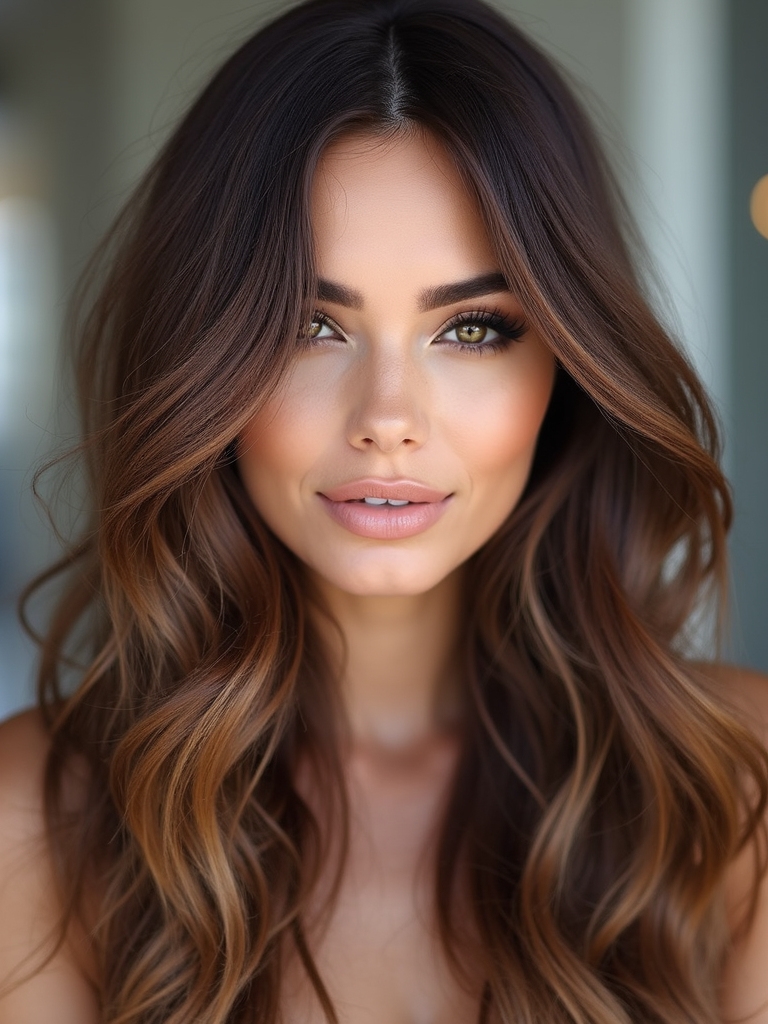
Honey highlights drop warm, golden light into chocolate brown for a soft, glowing dimension. The honey sits close to the base, so it looks like natural warmth, not obvious lift.
This is the gentlest way to brighten deep chocolate. It grows out softly. Honey flatters warm and neutral skin and needs almost no toning, which makes it a low-stress first step if you have never highlighted before.
Dimension lives in the gap between your base and your highlight. Keep that gap to two or three shades, and chocolate stays rich while it still catches the light.
Caramel for Warm, Sun-Warmed Richness
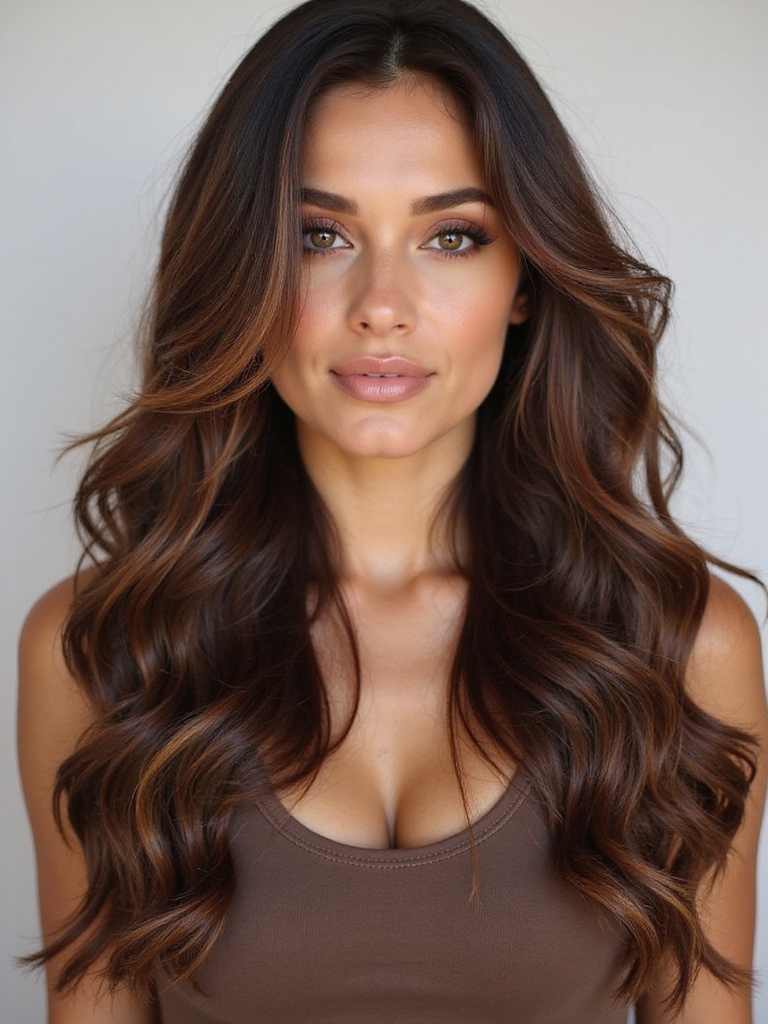
Caramel is the classic partner for chocolate brown. Its warm, golden-brown glow lifts the depth with a sun-warmed richness, and the two together look pricey for very little upkeep.
Caramel flatters warm and neutral skin and blends into the chocolate base with hardly any line. It is the tone I paint most on brunettes who want warmth without a big change. For a heavier dose, see these caramel highlights on brown hair.
- Ask for it a touch warmer near the face for a lit-up look
- Works painted as balayage or foiled, depending on how much you want
- Refresh the warmth with a gloss every couple of months
Balayage for a Sun-Kissed Finish
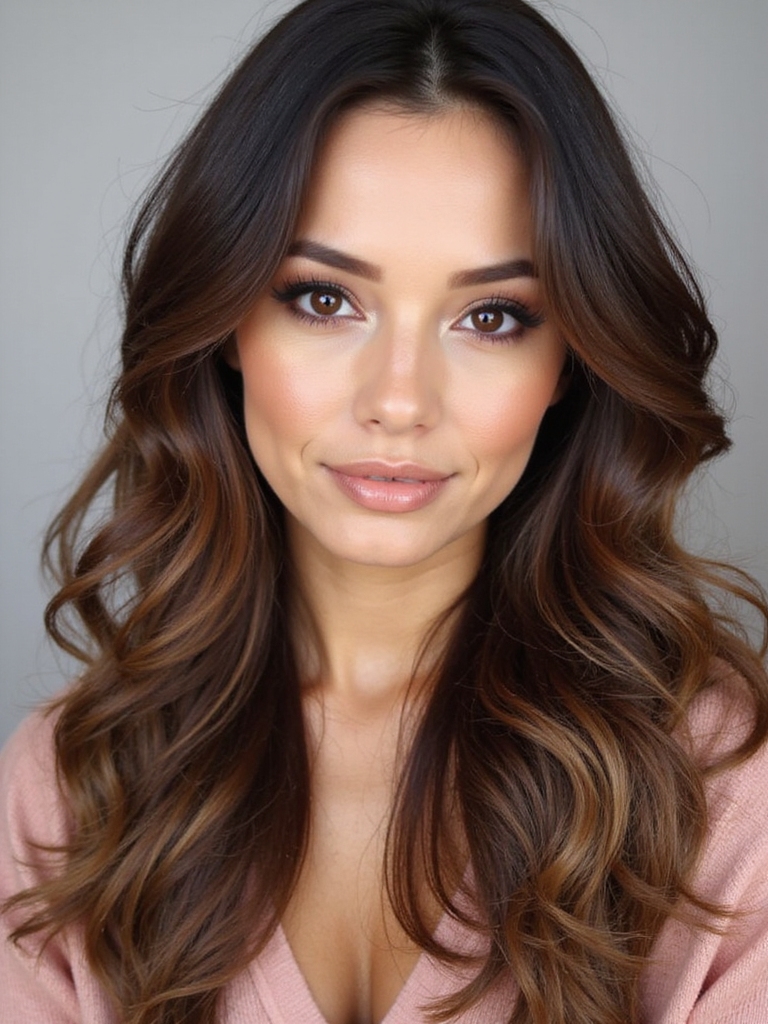
Balayage hand-paints the highlights through chocolate for a soft, sun-kissed finish with no hard line. The deep root stays put, so the grow-out is kind.
Why the upkeep stays low
Because the lightener is painted on the surface and the root is left dark, there is no sharp regrowth to chase. You can stretch a balayage for months.
A full balayage runs $150 to $300. Plan on about three hours in the chair, then little beyond a gloss. For a worked example on a deep base, see this dark brown balayage.
What a balayage appointment actually looks like:
1Map the placement
Your colorist paints lightener freehand onto the surface, heaviest around the face and ends, leaving the root deep.
2Process in the open air
With no foils, the lift stays soft and graduated, which is what creates that blended, sun-touched edge.
3Tone and gloss
A quick toner sets the warmth and a gloss seals in shine before you leave the chair.
Blonde for Real Contrast
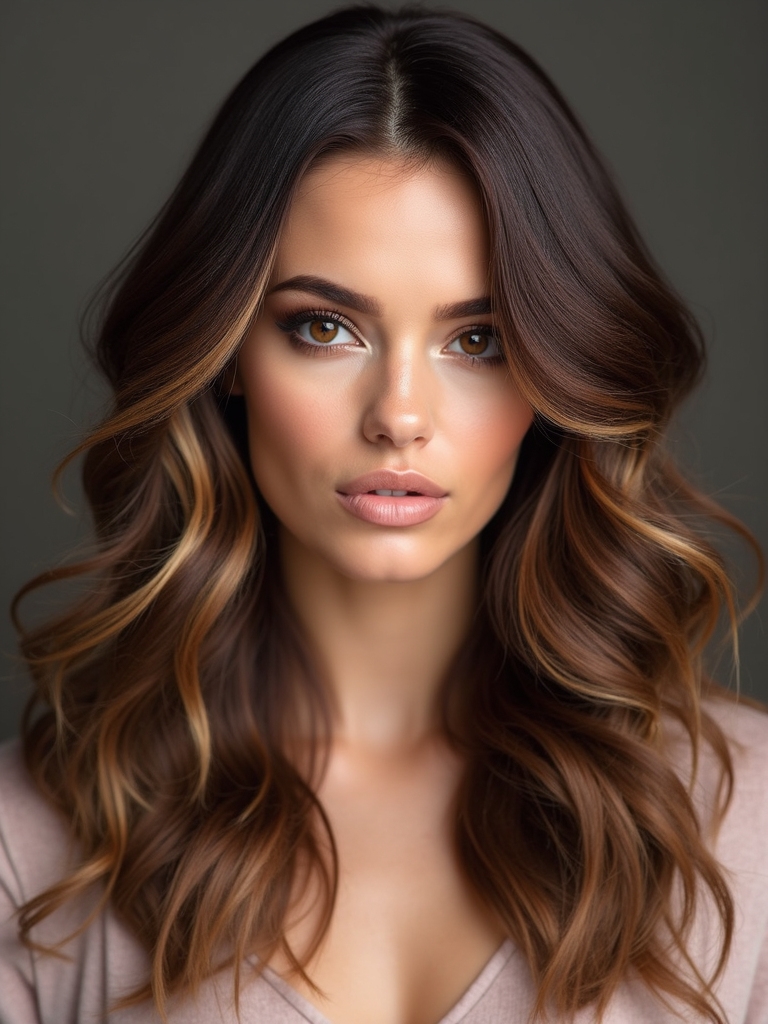
Blonde highlights make the boldest statement against chocolate, the brighter pieces throwing real contrast through the deep base. The darker your chocolate, the more they pop. This is the look I steer first-timers toward in small doses, a few face-framing pieces before a full head, because blonde on a deep base is the hardest highlight to walk back if you change your mind.
- Keep the blonde warm or honey-toned so it blends with the warm base
- Icy blonde can jump too far and look like a stripe
- Face-frame a few pieces first if you are testing the look
Copper for a Touch of Fire
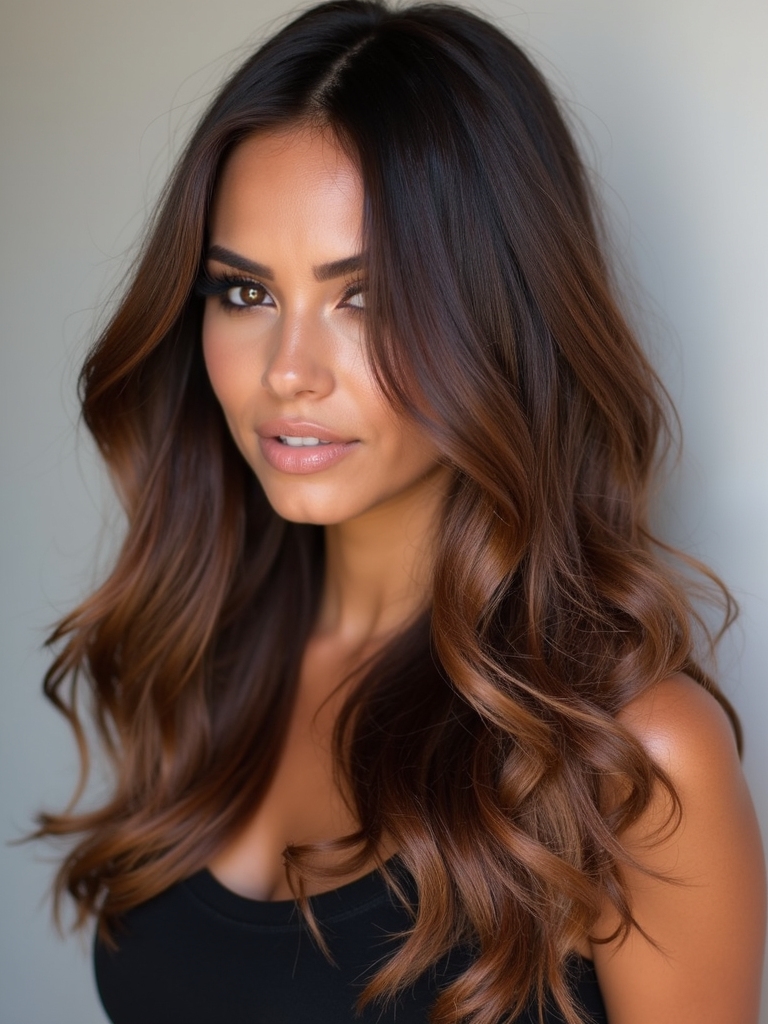
Copper highlights warm chocolate with a fiery, red-orange glow that catches the light beautifully. They land bolder than caramel while staying grounded in the chocolate depth, which makes them a favorite for fall on warm and golden skin.
- Best on warm, golden, or olive skin where the red-orange flatters
- Bolder than caramel, softer than vivid red, a nice middle ground
- Copper fades warm, so a tinted gloss keeps it glowing; love the warmth? see copper brown hair
💡Stylist Tip
On deep chocolate, ask for a warm or honey blonde over an icy one. A cool blonde can jump too far from the warm base and look like a stripe, while a warm blonde bridges the gap and still brightens. Expect a foil session of about $120 to $250, plus a toner refresh every few months.
Chestnut for the Softest Blend
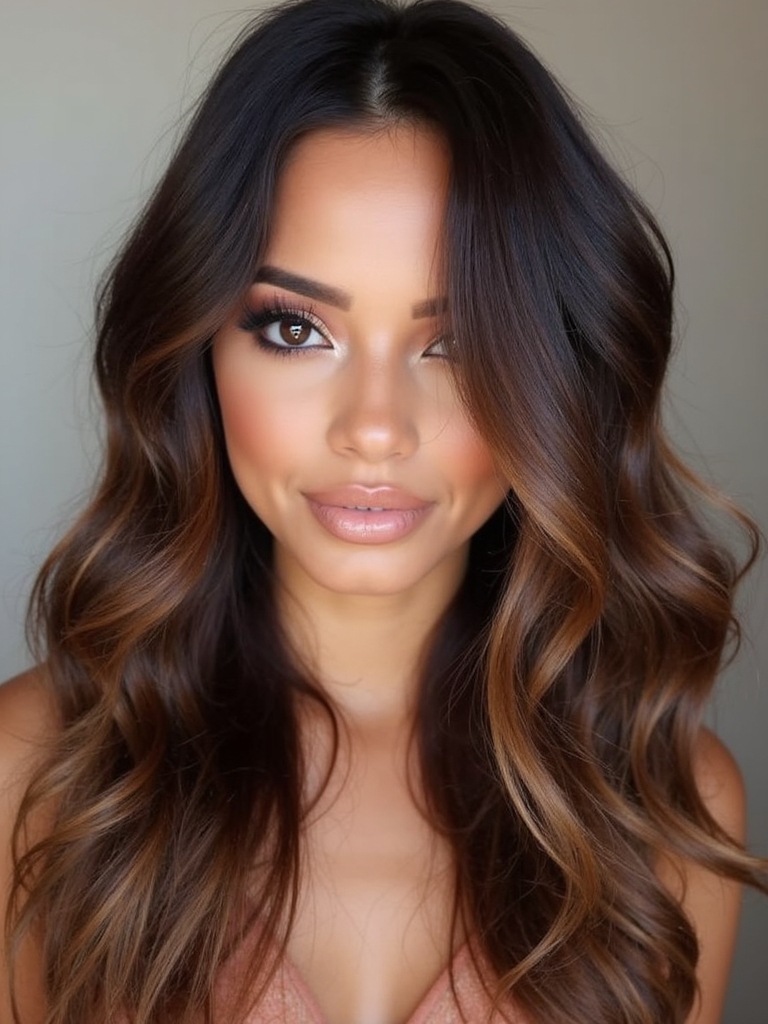
Chestnut highlights blend into chocolate brown more quietly than any other. They sit so close to the base that they look like the hair’s own warm dimension, with a soft red-brown glow and barely any contrast.
This is the highlight for the most natural result, the kind nobody can quite point to. It flatters warm and neutral skin and grows out gently. Pair it with the matching base in our chestnut brown guide if you want the whole head warmer.
Auburn for Red-Brown Depth
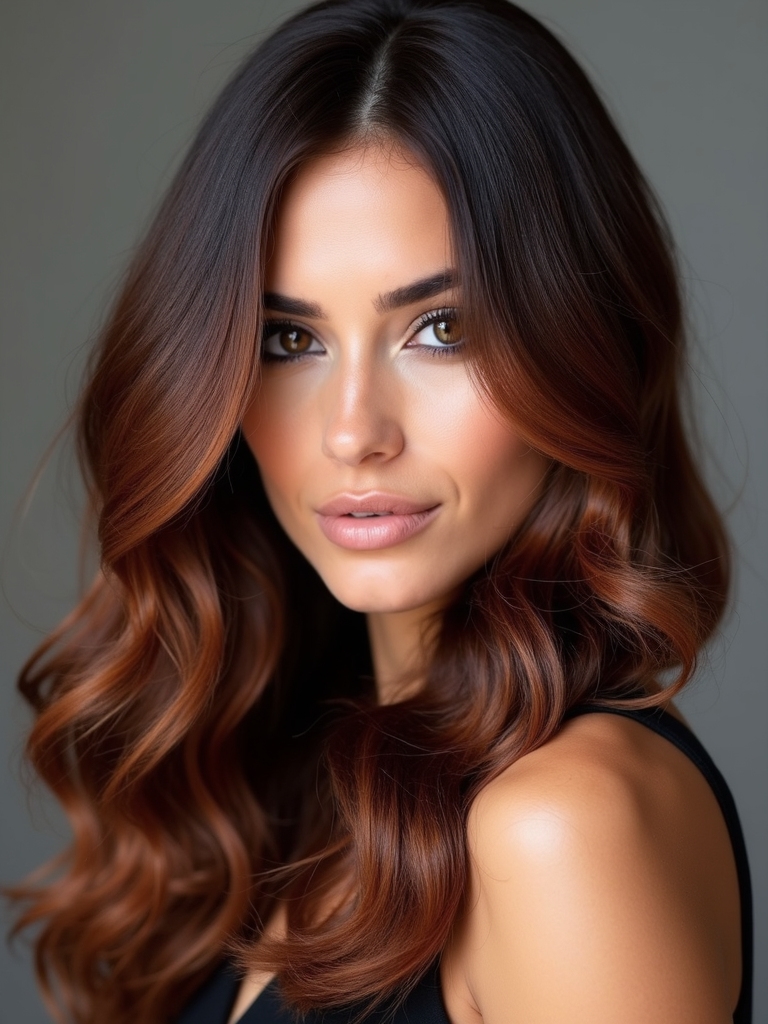
Auburn highlights add a warm, red-brown richness to chocolate, glowing with a subtle red dimension when the light hits. They deepen the warmth more than they brighten it.
The red-brown pairing does its best work on warm and neutral complexions, and it peaks under autumn light. Auburn is a smart pick if you want dimension that feels cozy and warm, and it holds up well on darker bases. Like most warm tones, it fades softly and grabs more red over time, so a cool gloss now and then keeps it from tipping too orange.
📋Keep the Blend Soft
- ✓Stay within two or three shades of your base
- ✓Ask for hand-painted, ribboned pieces over thick foils
- ✓Bridge bolder highlights with a mid-tone like caramel
- ✓Book a gloss every eight to ten weeks to melt the contrast
Face-Framing Pieces That Light You Up
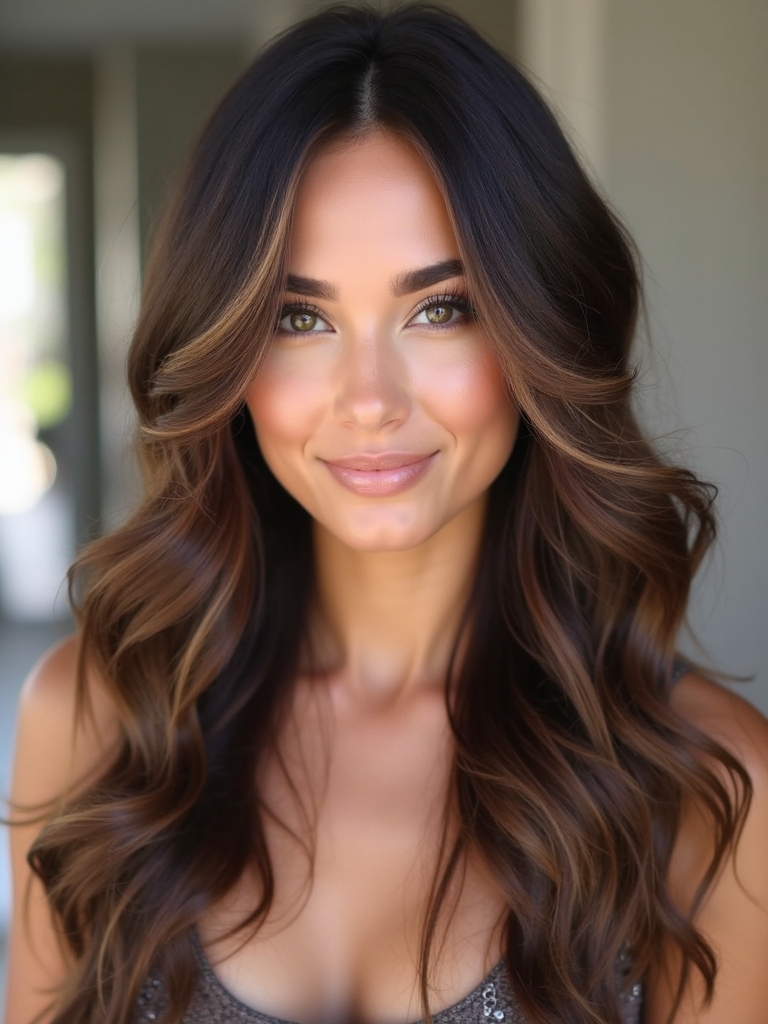
A few lighter pieces around the face lift your complexion right where it shows most. On chocolate, that warm brightness sits exactly where it flatters, and it takes only a handful of foils.
Brightening only the front keeps both the cost and the calendar small, and no hard line ever waits for you at the roots. Nothing here locks you in. If the brightness suits you, the next visit can carry it further back; if it doesn’t, it simply grows past your ends and you are out nothing but one appointment.
Ombre Into Brighter Ends
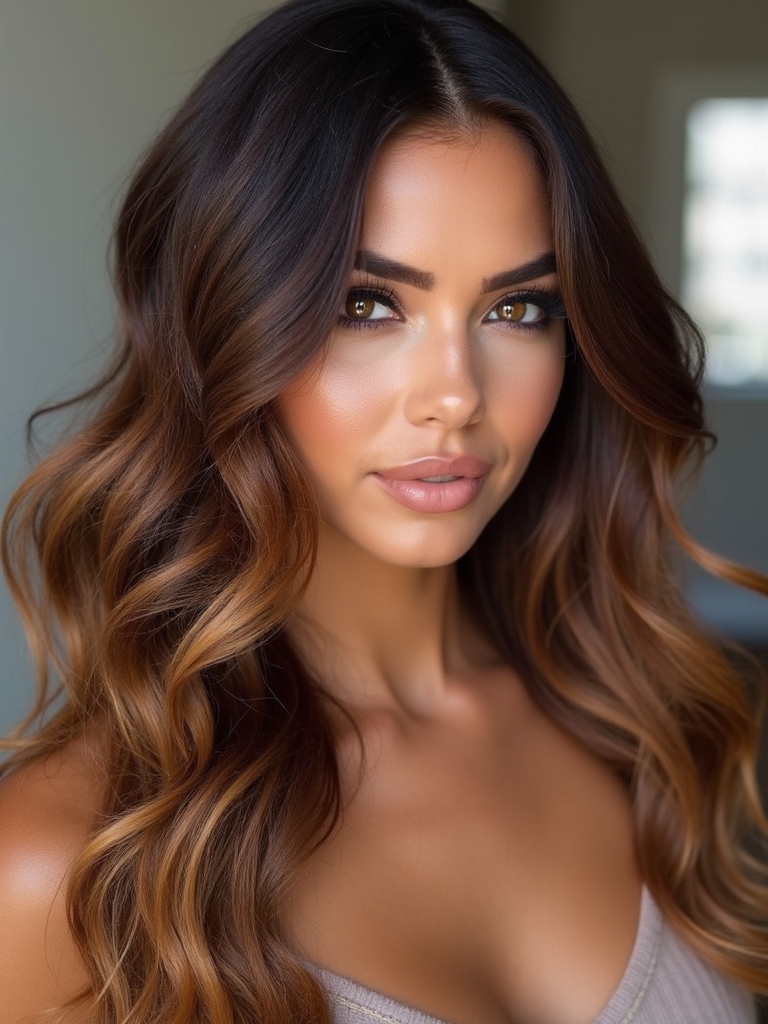
An ombre fades chocolate into lighter, highlighted ends for a gradual, dramatic shift. The brightness sits low, so the deep root keeps the upkeep manageable.
It shows off length and movement while the rich base stays intact up top. Because the lift sits at the ends, an ombre is about the most grow-out-friendly way to go brighter. For a softer version, ask for a sombre, and our ombre color ideas roundup walks through how far the gradient can be pushed.
Lowlights for Multi-Tonal Depth
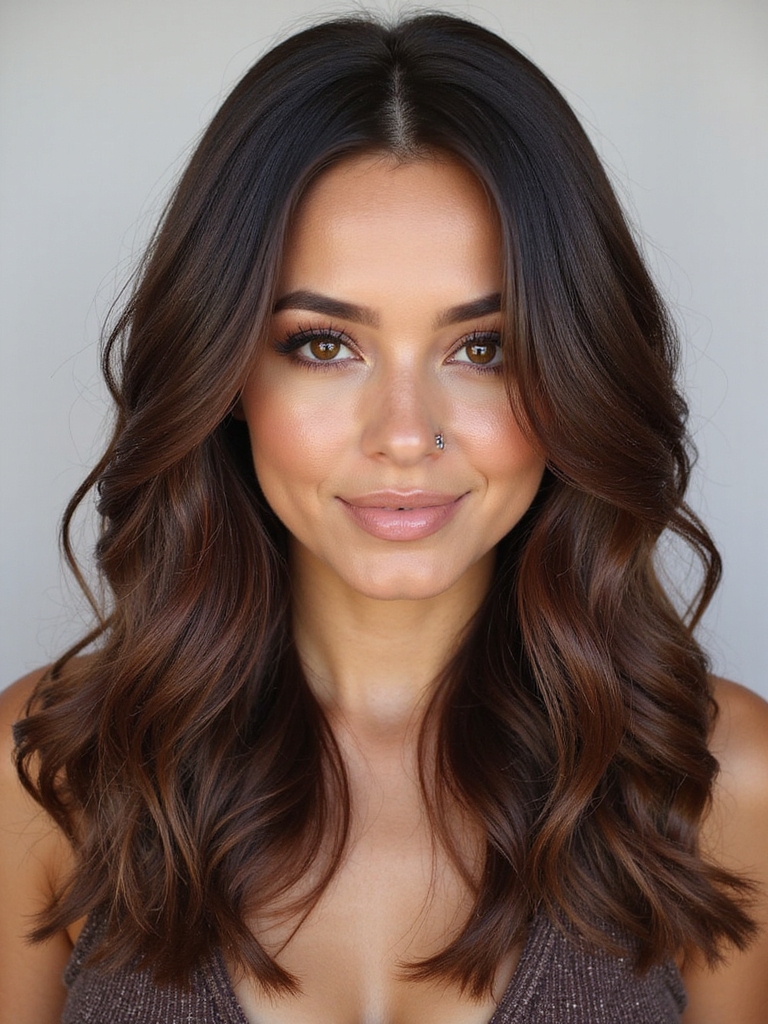
Pairing a few deeper lowlights with your highlights gives chocolate its most dimensional finish. The light and dark pieces together look like rich, multi-tonal depth.
This combination is what makes color look custom. It is also a clever way to rein in highlights that have gotten too light over time, dropping some depth back in without a full re-color.
- Great after years of highlighting have left the base too pale
- Adds depth with no bleach, so it is gentle on the hair
- Ask for lowlights one to two shades deeper than your base
Vivid Red Highlights for a Bold Streak
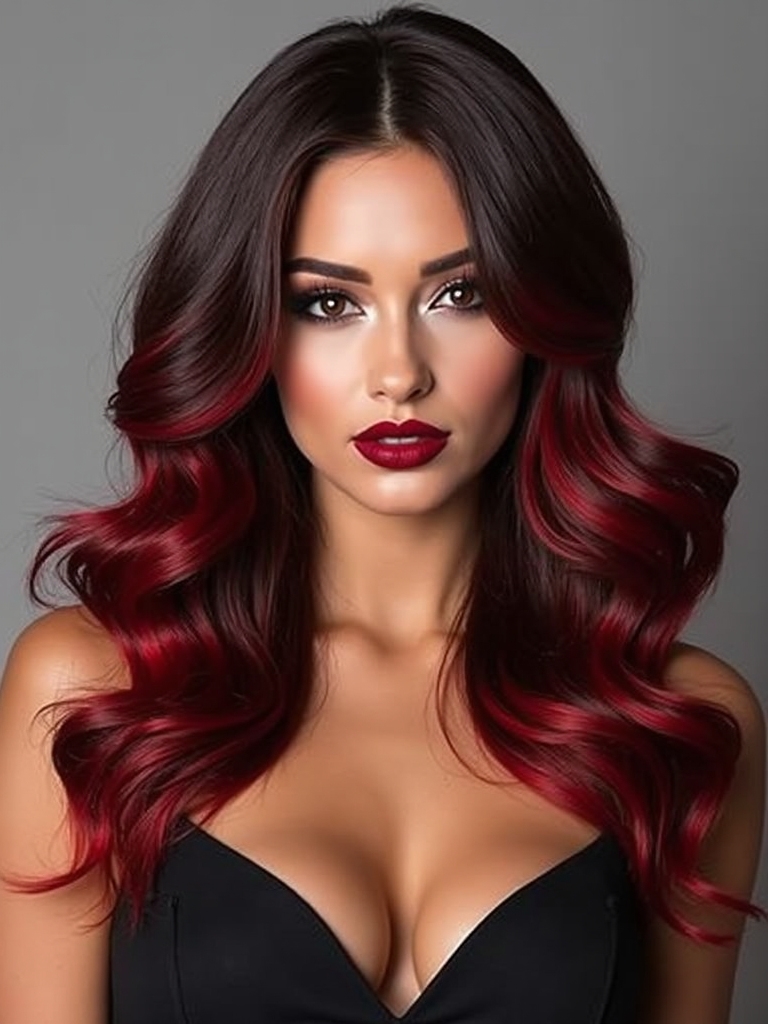
Vivid red highlights make a statement against chocolate, the bright red flashing through the deep base for a jewel-toned, fiery dimension.
Know this before you commit
Red is the one I warn clients about: it fades fastest of all. The molecules are large and wash out quickly, so the color needs cool rinsing and tinted care to stay true.
If you love the drama, go for it, just budget for the upkeep. A red gloss or color-depositing conditioner every couple of weeks keeps the flash vivid between salon visits.
Ash Blonde for a Cool Edge
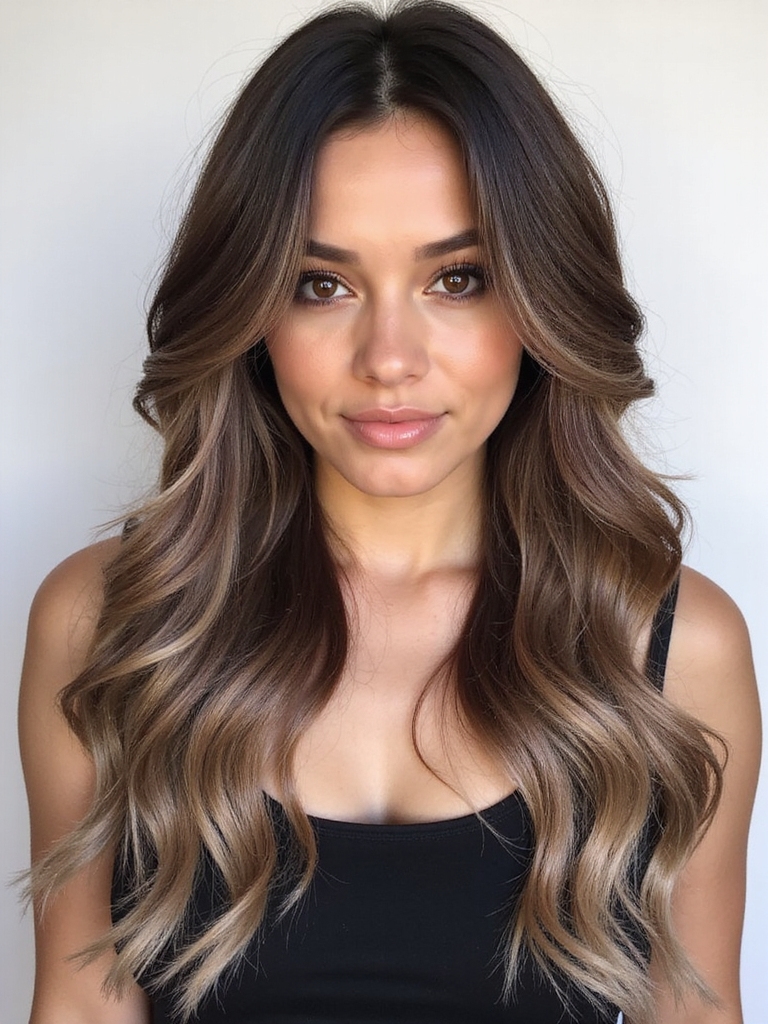
For a cooler take, ash blonde highlights bring a smoky, modern brightness to chocolate. The cool pieces look sleek against the warm base and lean anti-brassy, which suits cool and neutral skin. It is the higher-maintenance choice here, since cool tones drift warm as they fade, so plan on toning to hold that smoky finish.
- Needs regular toning or purple shampoo to stay crisp
- The warm-cool mix is striking but higher-maintenance than caramel
- Best if you like a modern, sleek finish over a sun-warmed one
Keeping Highlights Healthy
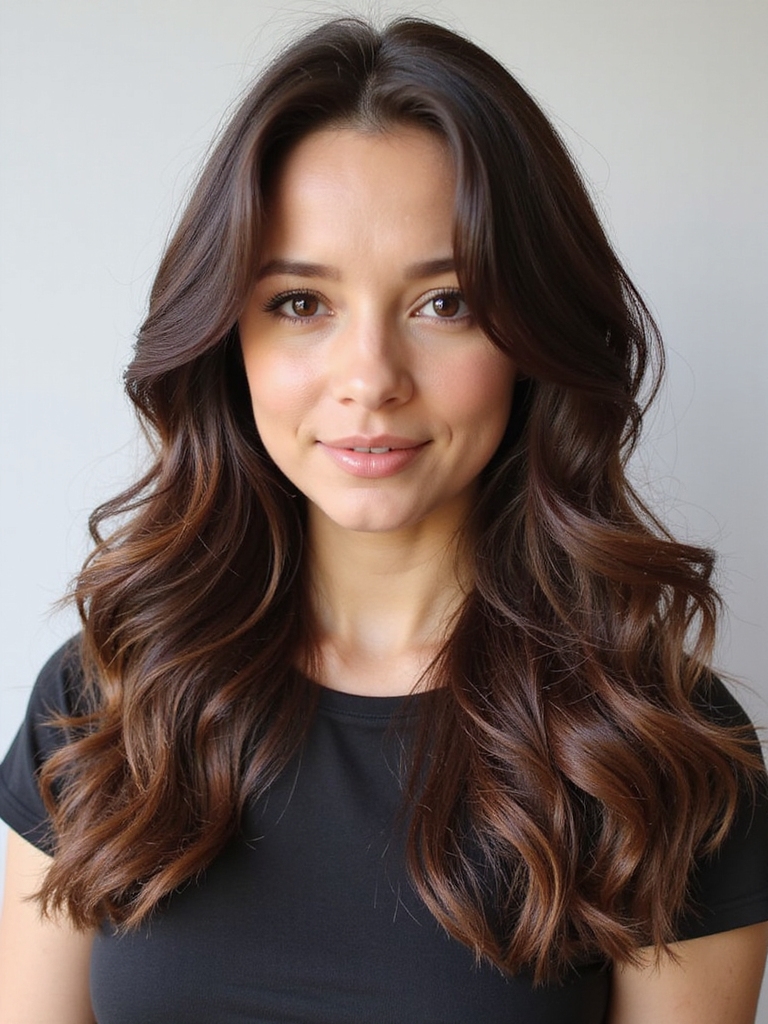
Highlighted chocolate stays fresh with a little steady care. The clients whose highlights still look good at month four all do the same things: cool washing, a color-safe shampoo, and a weekly mask.
The lightened pieces run drier than your base, so the mask matters most there. A gloss every couple of months, around $40 to $65, refreshes both the depth and the tone, and it is the single best thing for keeping the color rich.
Switching Highlight Tones by Season
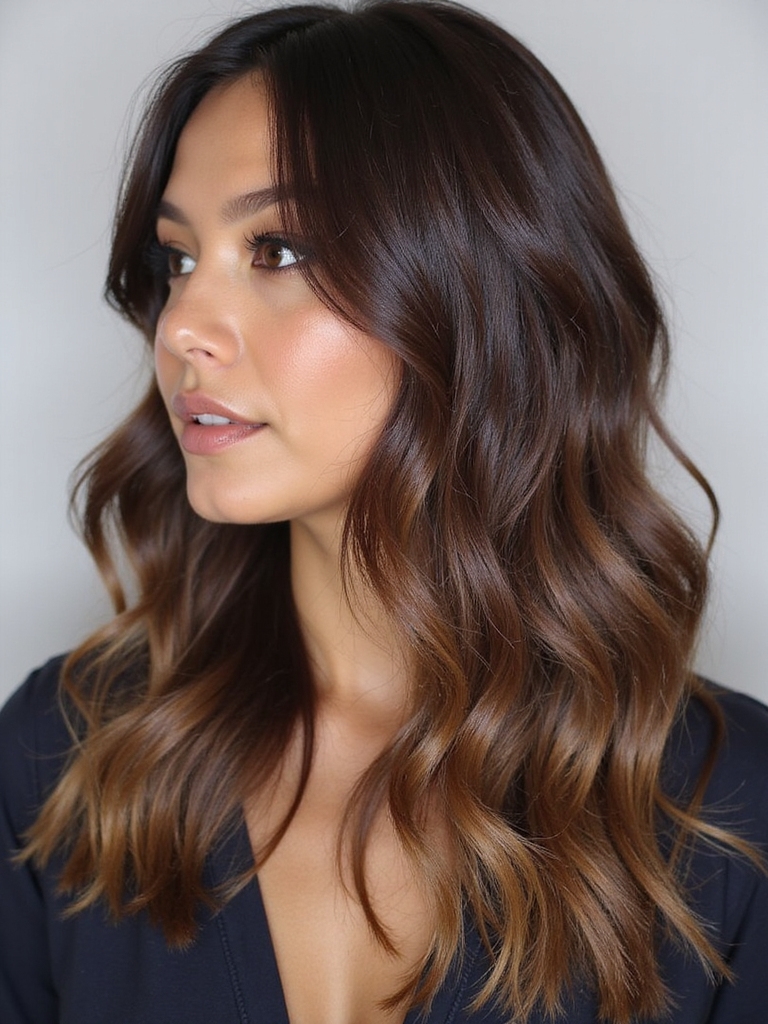
Chocolate highlights can shift with the seasons without a full re-color, which keeps the same rich base feeling current all year. A quick tweak at your gloss appointment is usually all it takes to move warmer or brighter.
- Lean into caramel and copper for cozy autumn warmth
- Brighten a touch with honey for summer
- Cool it down with an ash gloss for a sleeker winter look
Highlight Looks Worth Saving for Your Colorist
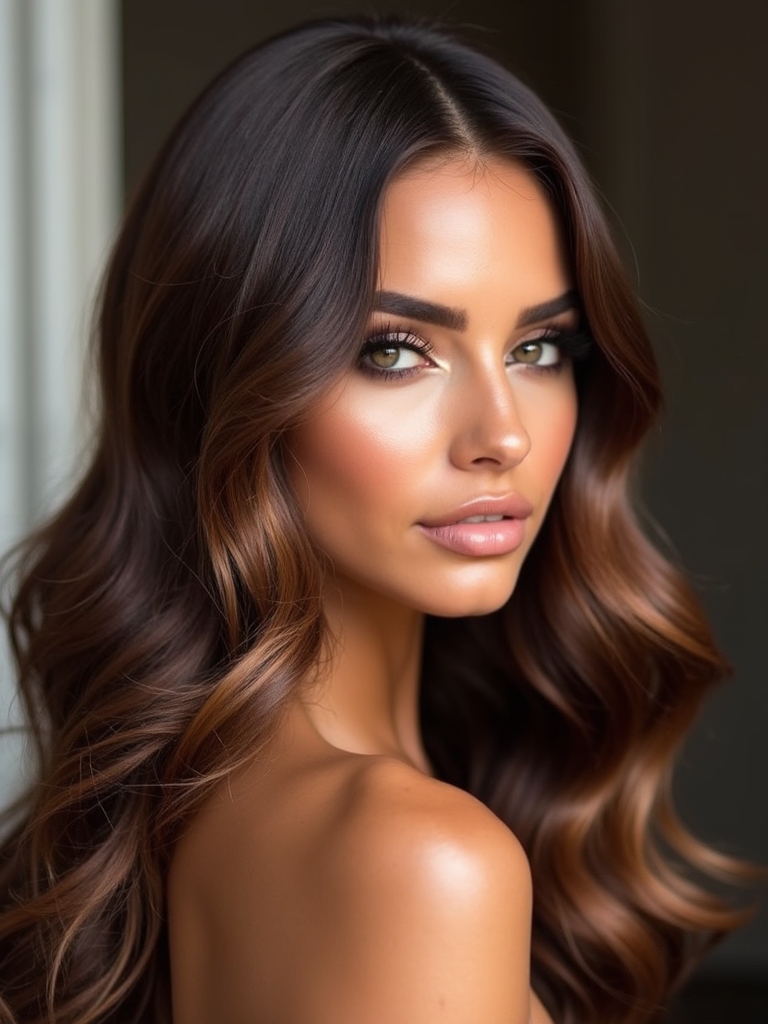
Gathering reference photos is the most useful thing you can do before an appointment. A few shots of highlighted chocolate, from subtle chestnut to bold blonde, help you and your colorist agree on tone and placement before any color is mixed. Photos also keep expectations honest, since the same highlight can look different on your length and density than on the model in the picture.
- Save three to five photos taken in good, natural light
- Include both close-ups and full-length so placement is clear
- Note what you like in each: the tone, the brightness, or the spot
Chocolate Highlight Questions, Answered
?What highlights blend best into chocolate brown?
Tones that sit close to the base. Chestnut, honey, and caramel melt in like the hair’s own warmth, while copper and auburn add bolder warmth and blonde or vivid red give the most contrast. Keep any of them within two or three shades of your base so they brighten without looking stripy.
?How do I keep highlights from looking stripy?
Ask for fine, hand-painted pieces, stay within a few shades of your base, and bridge bolder highlights with a mid-tone like caramel. A gloss every couple of months also softens the line where light meets dark.
?Do highlights damage chocolate brown hair?
Lightened pieces are more porous than your base, so they run drier. A weekly mask and cool washing keep them healthy. Balayage is gentler than all-over lightening because only the painted sections are touched, leaving most of your hair untouched by lightener.
?How much do highlights on chocolate cost?
Price tracks how much of the head actually gets touched. A face-frame or partial foil usually lands near $100 to $180; commit to full balayage and you are looking at $150 to $300 once length and your city are factored in. Budget separately for toning, roughly $40 to $65 every eight weeks or so, because that is the appointment that keeps lightened pieces from drifting brassy.
?Warm or cool highlights, which should I pick?
Match your skin. Warm, golden, and olive tones glow with caramel, honey, and copper, while cool and neutral skin suits ash blonde and soft beige. Warm highlights blend most easily into chocolate and need little toning.
Light, Used Gently
Highlights are the simplest way to wake up chocolate brown, but the ones that look best are the ones you barely notice at first. Soft contrast, a tone that matches your skin, and a deep root left alone: that is the whole formula.
Save the highlighted-chocolate looks that stopped you here, and bring two or three to your colorist so you can agree on tone and placement before anyone picks up a brush. Get the gap right, and the light will look like it was always there.
More Ideas Here