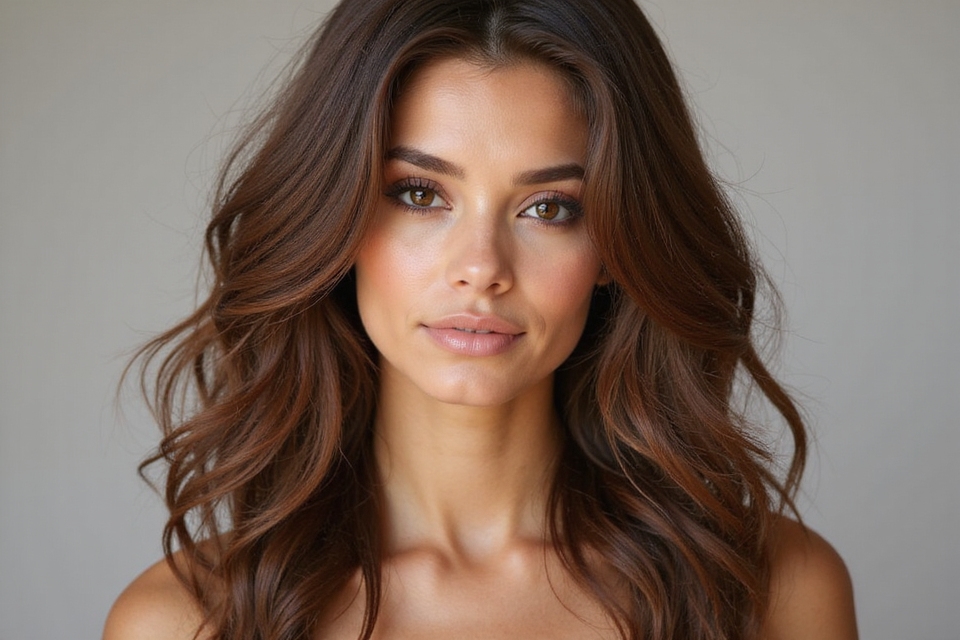
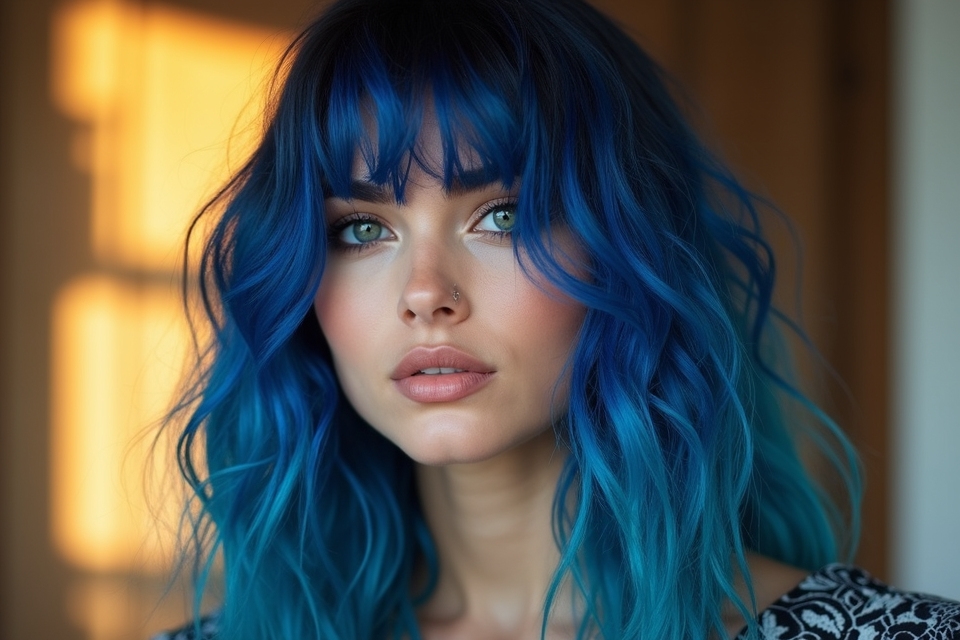
Under fluorescent light, black hair with brown highlights can look almost flat, one dark block with barely a hint of movement. Step into daylight and that same head splits into a dozen soft browns weaving through the base, chestnut here, caramel there, still unmistakably dark. That’s the whole appeal: subtle enough to pass for your natural color most days, rich enough to catch real dimension the second the sun hits it.
Ahead: how much lift black hair actually needs to carry brown without going stripy, which shade family flatters which skin tone, and the maintenance habits that keep a warm brown from sliding into brass a few washes later.
The Basics, Answered Fast
Does black hair need bleach for brown highlights? Only a light one, in most cases. The colorist lifts the chosen sections several levels toward a warm brown, nowhere near the pale yellow blonde requires, which keeps the strands noticeably healthier and the regrowth line easy to live with.
Which brown flatters black hair the most? Match it to your undertone before anything else. Warm skin tends to glow next to caramel and chestnut, while cooler undertones usually look cleaner in espresso or a cool-leaning brown that skips any orange cast.
How do I stop the color from turning brassy? Wash with a color-safe shampoo, keep heat styling moderate, and book a toning gloss on a regular cadence. Brass creeps in as the lifted strands fade, and a gloss corrects it quickly.
The Contrast That Makes This Combination Work

Brown highlights sit close enough to black that the lift stays gentle, and that closeness is exactly why the color looks rich. A handful of warmer sections woven through the deep base catch light in a way flat black hair simply can’t manage, quiet enough that it still passes as your own color.
Why the Warmth Feels Like Depth
Brown highlights on black hair work at a low volume, the kind that doesn’t need blonde’s attention-grabbing brightness to feel finished. The warmth moves with the hair itself, so a ponytail, a wash-day twist-out, or a flat-ironed style all still show real dimension without extra styling effort.
What I’ve noticed over years of lifting black hair is that clients who start with brown highlights rarely go lighter later. The color already does the job blonde is usually asked to do, minus the extra maintenance and the extra damage.
Finding Your Right Shade of Brown

The right brown does two jobs at once: it lifts noticeably above black, and it still flatters your skin. Go too light and the soft transition breaks into visible stripes. Stay too close to the base and the highlights barely register.
Undertone Decides More Than the Bottle Label
Warm, golden, and olive undertones tend to glow next to caramel and chestnut, colors that echo the warmth already in the skin. Cooler undertones usually look cleanest in soft espresso or a muted brown that stays neutral, since anything golden can tip toward orange against pink or blue undertones.
Bring your colorist a photo taken in daylight. Salon lighting and phone screens both shift color more than people expect, and the gap between ‘chestnut’ and ‘copper’ on a screen can be the difference between a look you love and one you’re toning out a month later.
Two Techniques, Two Very Different Effects

Mechanics matter here. Foiling and hand-painting both add brown to black hair, but they get there through different processes, and the choice changes how the finished color behaves for months afterward.
Foil Brings Precision, Freehand Brings Movement
Foils isolate each section with heat, which lifts faster and lands more uniform, useful when you want defined pieces you can actually count. Hand-painted balayage applies color freehand with a softer edge, so the brown fades out gradually, with no hard line where it stops.
Neither technique wins outright. A colorist who has actually worked on black hair will usually ask about your regrowth tolerance before picking one, because that answer matters more than which technique photographs better.
🅰️Foil Highlights
Faster lift, crisp defined pieces, more visible regrowth line. Plan on a touch-up sooner.
🅱️Hand-Painted Balayage
Softer, gradual fade-out, forgiving regrowth. Usually the pick for a low-maintenance schedule.
Balayage or Foiling: Which Fits Black Hair Best

On black hair specifically, balayage tends to win more often than not. The freehand placement keeps the transition soft, and because there is no hard demarcation line, the regrowth stays forgiving for longer.
Foiling still has its place. It’s the better call when you want brighter, more even lift across a lot of hair, or a bold, all-over warm brown with maximum coverage. Just budget for a root touch-up on a shorter cycle, since the uniform placement shows new growth faster than blended pieces do. The same freehand logic behind dark brown balayage carries over here, just with less lift overall.
A single-process toning gloss usually runs $40 to $70. A partial balayage sits closer to $150 to $300, and a full foil service can climb past that depending on length and how much hair actually gets lifted. Ask your salon for their tiered pricing before you book.
A Maintenance Routine That Actually Protects the Color

Lifted hair is more porous than untouched black hair, which means it loses moisture faster and picks up brassiness sooner. Brass creeps in fast. None of the fixes below are complicated, but skipping them is exactly how a warm brown ends up flat and orange.
- Wash with a cool-water rinse and a color-safe, sulfate-free shampoo to slow how fast the tone fades.
- Book a toning gloss on a set schedule; waiting until the brass shows up in photos means you’re already behind.
- Sleep on a satin or silk pillowcase. Cotton pulls moisture out of lifted strands overnight.
A few terms your colorist will use at the appointment, translated.
📖Lift
How many levels the colorist lightens a section. Brown highlights typically need only a modest lift compared with blonde.
📖Toner / Gloss
A translucent color rinse applied after lifting to correct unwanted warmth or seal in the exact brown you asked for.
📖Porosity
How easily hair absorbs and loses moisture. Lifted sections are almost always more porous than the surrounding black hair.
The Product Shelf: What You Actually Need

Three or four products, each doing one specific job, cover almost everything the lifted sections need. You won’t have to overhaul your whole routine, just add these where you’re currently missing them.
- A gentle, low-sulfate shampoo and conditioner built to hold tone between washes.
- A weekly deep-conditioning mask, since lifted sections and textured hair both run drier than the rest of the head.
- A lightweight glossing serum or oil for shine; brown highlights look richer with a little shine than with none at all.
Building a Highlight Reference Folder

Before any color appointment, put together a small folder of photos. A shade name means something different to every colorist; a photo removes the guesswork about exactly how much warmth and lift you are picturing.
Bring Both the Yes Photos and the No Photos
Pull a range, from a subtle espresso-leaning brown to something closer to caramel, so your colorist can see where your taste actually sits beyond a single saved photo. Note what specifically drew you in: the placement, the brightness, how much lift is involved. Clients torn between warmth levels often pull ideas from both this look and caramel highlights on brown hair before settling on one.
A photo of what you don’t want does just as much work. Showing the striped, over-lifted result you’re afraid of tells your colorist more than any amount of describing it in words ever will.
Seasonal Adjustments for Brown Highlights

Because the base stays black year-round, a quick gloss handles seasonal adjustments on its own. No full re-color needed, and no long appointment either.
- Lean into caramel and chestnut for fall and winter, when deeper warmth tends to suit indoor lighting.
- Brighten the brown slightly for spring and summer to echo natural sun-lightening.
- A single toning appointment resets the season’s warmth without any new lifting required.
How Brown Highlights Change by Hair Type

Brown highlights flatter every hair type. The effect looks different on each, though, and so does the care that keeps it healthy afterward.
Density and curl pattern change how much of the highlighted section is visible at once, so mention your texture to your colorist before placement starts.
- On straight hair, brown highlights show up as smooth ribbons of warmth running the length of the strand.
- On waves and curls, the color catches light at every bend, so smaller, more frequent sections often look best.
- On coily and tightly textured hair, the density shows off dimension at nearly every angle, but coily strands are also more fragile, so a slower, gentler lift matters more here than the placement pattern does.
Inside the Highlighting Process, Start to Finish

Adding brown highlights to black hair is a gentler, usually shorter appointment than a blonde transformation, mostly because the lift required is so much smaller.
- Consultation first, always: settle on shade family, placement, and how much of the head gets lifted before anything touches your hair.
- Gentle lightening of the chosen sections, well short of the bleach a full blonde look demands.
- A warm toner applied at the end to land the exact brown and seal in shine before you leave the chair.
| Technique | Typical Time | Best For |
|---|---|---|
| Balayage (partial) | 2-3 hours | Soft, low-maintenance dimension |
| Foil highlights (partial) | 2.5-3.5 hours | Brighter, more defined pieces |
| Full foil / all-over | 3.5-5 hours | Maximum coverage and brightness |
Makeup That Plays Up the Warmth

Once the brown is in, warm-toned makeup pulls the whole look together. Bronzer, peachy blush, and golden eye tones echo the highlight warmth, so hair and face come across as a single, deliberate decision.
This doesn’t require overhauling your whole makeup bag. Swapping a cool-toned berry lip for a warm terracotta on the days you wear your hair down is enough to tie the two together, a small adjustment for a noticeably more intentional result.
The Hairstyles That Let Highlights Actually Show

How you wear your hair decides how much of the brown is actually visible on any given day. Flat, one-note styling can bury dimension that took hours to create.
- Soft waves fold the warm and dark sections over each other, showing off nearly every tone at once.
- Layers break up the surface so the brown catches light with every movement, and even at rest.
- A sleek, smoothed style pulls the highlights into clean, glossy lines you can trace with your eyes.
Two assumptions about styling highlighted hair that don’t hold up.
❌ Myth: Myth: Sleek styles hide highlights completely.
✅ Reality: Fact: A smooth style doesn’t erase the color. It reshapes it, pulling scattered warmth into clean, visible lines.
❌ Myth: Myth: You need loose curls every day to show off the color.
✅ Reality: Fact: Even a simple low ponytail catches the light differently at the crown than at the ends, so the dimension still shows.
DIY or Salon: Why Black Hair Tips the Scale

Lifting black hair evenly is one of the harder jobs in color work, which is the honest reason most people book brown highlights on black hair with a professional. If you eventually want more brightness, easing toward brown hair with blonde highlights later is simpler than jumping there in one sitting.
A colorist controls the lift piece by piece and tones the result precisely, which is why the finished color looks deliberate and even. I’ve corrected more than a few home-color jobs on black hair that went orange and uneven in exactly the same spots: usually the crown and the hairline, where the heat from your own scalp lifts hair faster than the rest.
- Even placement matters more on black hair; uneven lift shows up as patchy hot spots that break the blend.
- A DIY box kit lifts everywhere at once, with no way to control how far any one section goes.
- Fixing a botched home job at the salon almost always costs more than booking the appointment would have.
The Two Ways to Get the Shade Wrong

Two mistakes account for most disappointing brown-highlight results on black hair, and knowing them ahead of time is most of the fix. The same two errors turn up just as often in chocolate brown highlights.
- Lifting too far: push past a moderate lift and the soft contrast turns into visible stripes, losing the blended warmth that made it work.
- Skipping the toner: lifted black hair pulls warm on its own, and without a gloss to correct it, that warmth drifts into straight-up orange.
- Uneven sectioning: thin, scattered pieces flatten the effect; the dimension needs enough coverage to actually show from a few feet away.
Reviving Strands After the Lightening

Any amount of lightening stresses hair. That’s especially true on textured hair, already more fragile before the color ever started.
- Run a bond-building treatment weekly for the first month to help rebuild what the lightening process loosened.
- Balance protein and moisture deliberately; lifted hair turns brittle if it leans too hard toward either one.
- Book a small trim once new growth settles in, so split ends don’t travel further up the strand.
Accessories That Point to the Warmth

Accessories take almost no effort and still play up brown highlights on a day you don’t feel like styling. A well-placed clip or pin does the work a curling iron would otherwise have to do.
Think of them as part of the styling itself. Gold-toned metal tends to echo the warmth in brown highlights better than silver, which can look cool against it.
- A clip that sweeps one side back exposes more of the warmth near the face.
- A half-up pin lifts the brightest pieces into view without committing to a full updo.
- Gold or brass-toned pieces flatter the brown more consistently than silver or chrome.
When to Book the Next Appointment
Most people stretch a balayage-style brown highlight three to four months between full appointments, with a quick toning gloss in between to keep the warmth from fading toward brass. Foil highlights usually need a root touch-up sooner, since the placement shows new growth more obviously.
By week eight or nine, most clients notice the gloss fading before the highlights themselves ever do. That’s the cue for a toner refresh, and usually nothing bigger. Booking the gloss on its own is faster and considerably gentler than repeating the entire highlighting service. The same gloss-first approach keeps brunette hair with highlights fresh too, if your base ever shifts a shade or two.
Warmth That Grows With You
Brown highlights give black hair real dimension without asking you to give up the depth that made the color striking to begin with: a soft lift, a warm tone, just enough contrast to catch light.
Choose a shade that actually flatters your skin, keep the tone fresh with a regular gloss, and give textured strands the extra moisture they’ll ask for along the way. The color keeps shifting subtly with the seasons and the light. That’s what makes it worth the upkeep.
Related Reads