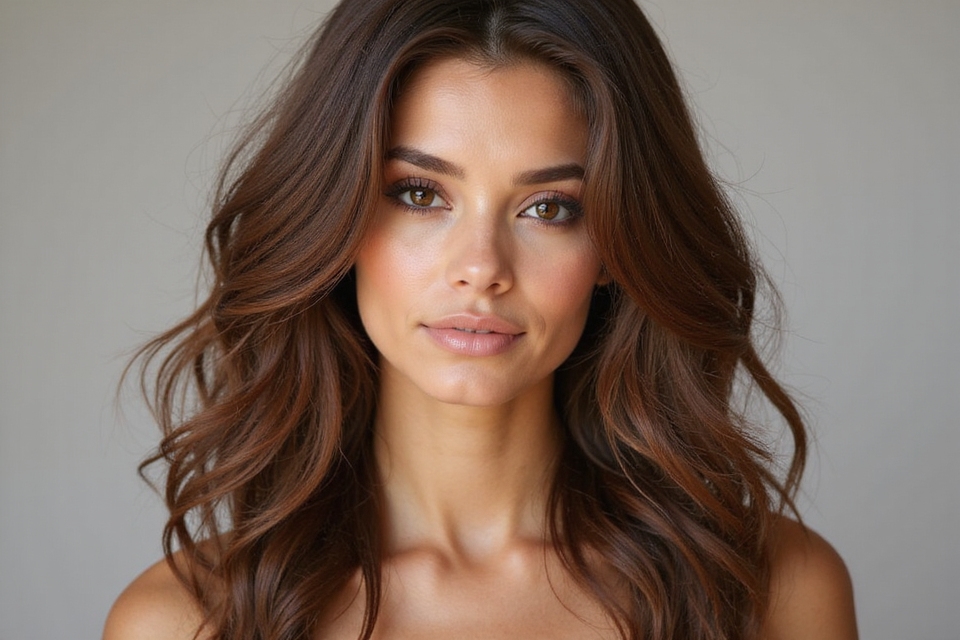
Two clients, same week, both wanted ‘blonde highlights on brown.’ One walked out with a soft, sun-warmed glow she could ignore for months. The other walked out committed to a standing appointment every few weeks. Same phrase, two completely different lives.
That’s the real fork in the road with blonde on brown: not which shade looks prettiest in a saved photo, but how much salon time you’re actually willing to give it. Twenty ways to wear it follow, sorted loosely by how much they ask of your calendar, from the barely-there options to the ones that need real commitment.
Match the Technique to Your Calendar, Not Just the Photo
- Balayage, ombre, and scattered highlights grow out softly, so they fit a packed schedule.
- Foils, chunky pieces, and cool ash blonde deliver more brightness but need more frequent visits to stay clean.
- Undertone still decides the shade (warm brown leans golden, cool brown leans ash), but the technique decides how often you’re back in the chair.
Pick the Shade Before You Pick the Technique

Before placement or technique, the shade decides whether the whole thing works. Blonde needs to sit close enough to your brown that the eye reads it as dimension rather than a patch of someone else’s hair.
Undertone matters as much as the color itself. Warm browns take to golden and honey blonde, while cool browns stay cleanest in ash and beige. Check your jewelry drawer if you’re unsure: gold flattering you more than silver is a decent clue you lean warm. The ash blonde hair guide covers the cooler end of that same scale in more depth.
- Bring two reference photos in daylight, not screen-lit selfies
- The depth of your base sets the ceiling for how light you can safely go in one visit
- A mismatched temperature is the single most common reason highlights look like stripes
Balayage for the Fullest Calendar

Balayage hand-paints blonde onto the surface of the hair, so brightness fades in without a hard line at the root. It’s the technique built for people who truly don’t have time to think about their hair between visits.
Why It Forgives a Packed Schedule
Because the painting is freehand, a colorist can concentrate brightness exactly where it flatters, usually heavier around the face and through the ends, and skip the root entirely.
Most colorists price a full session in the $150 to $250 neighborhood on shoulder-length hair, and it typically holds for a season before needing a real redo. Our brown balayage guide walks through the technique in full.
Ombre for a Soft, Ends-Only Transition

An ombre fades brown into blonde toward the ends only, so the root stays rich and dark and every bit of the blonde sits below where regrowth would ever show. You decide the drama by how light you take the ends, from a whisper to a full beachy fade.
- Best for brightness concentrated on the lengths, not the crown
- No monthly root touch-up, since the root stays untouched entirely
- A gloss on the ends every so often keeps them from dulling between full appointments
Foiling for Precise, All-Over Lift
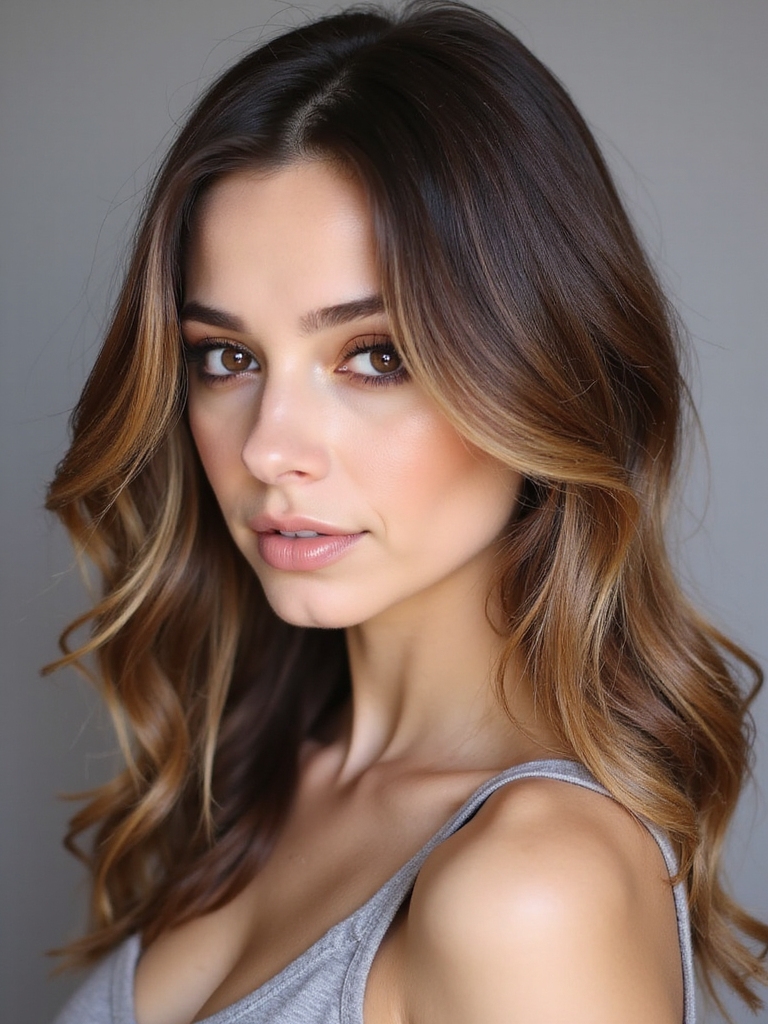
Foils are the choice when the goal is brighter, more uniform blonde with real lift. Wrapping each section traps heat and lightener, which pushes the blonde higher than surface-painting alone ever could.
- Delivers a more even, all-over blonde than balayage or ombre
- Regrowth shows at the root sooner, so this is the highest-commitment technique on this list
- A full foil head is typically priced by section count and takes longer in the chair than balayage
Face-Framing for the Smallest Time Investment
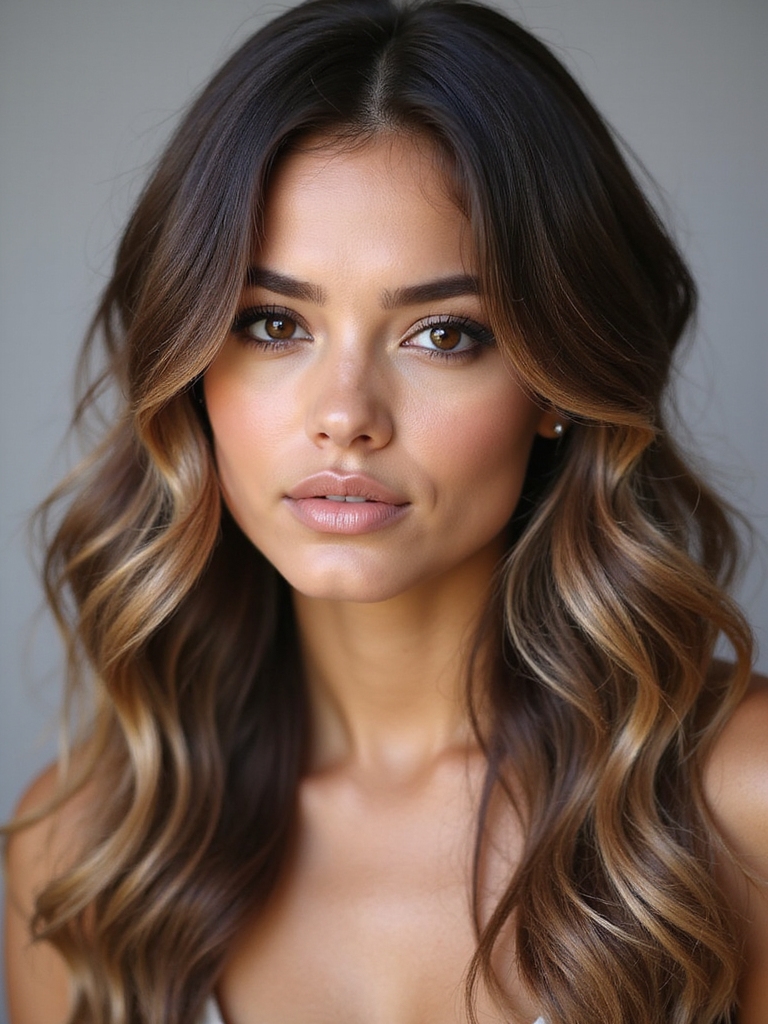
Placing blonde right around the face ranks among the most flattering, least time-consuming moves in color, since the brightness lifts your complexion exactly where people actually look.
Small Change, Outsized Payoff
The mistake I see most often here is going too light, too fast. Face-framing pieces kept only a shade or two above the base read as a lift; anything bolder starts to look like a stripe simply painted on top.
A money-piece or a few soft face-framing pieces can change the whole look while touching only a small fraction of the head, and that low commitment is exactly what makes it such a common first step toward bigger color.
Babylights for the Longest Stretch Between Visits
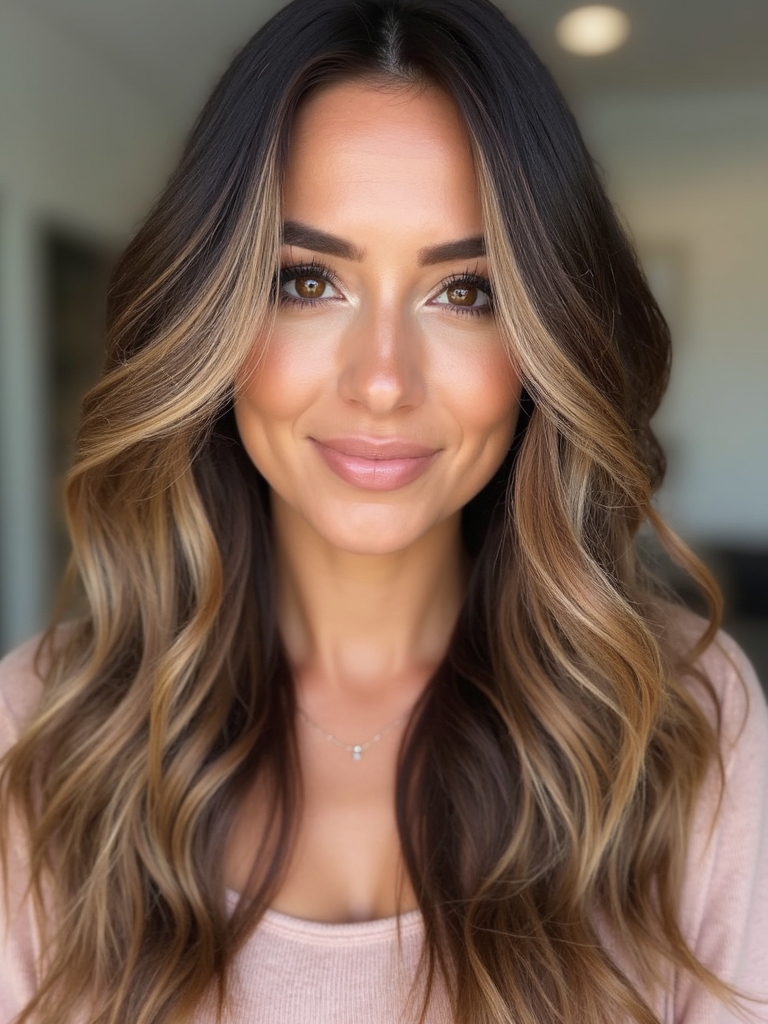
Babylights are ultra-fine highlights woven in close together, close enough that they melt into a soft glow rather than showing as distinct pieces. On brown, the effect looks like brightness a person was simply born with.
More Time Up Front, Far Less Time After
There’s a real trade-off worth knowing before booking: babylights take longer to apply than almost any other technique here, since so many fine sections have to be placed by hand. What you spend in the chair once, though, you get back many times over between appointments.
The grow-out is nearly impossible to spot, which makes this the technique for anyone who wants dimension but truly dreads frequent salon visits.
Chunky Highlights for a Bold Statement
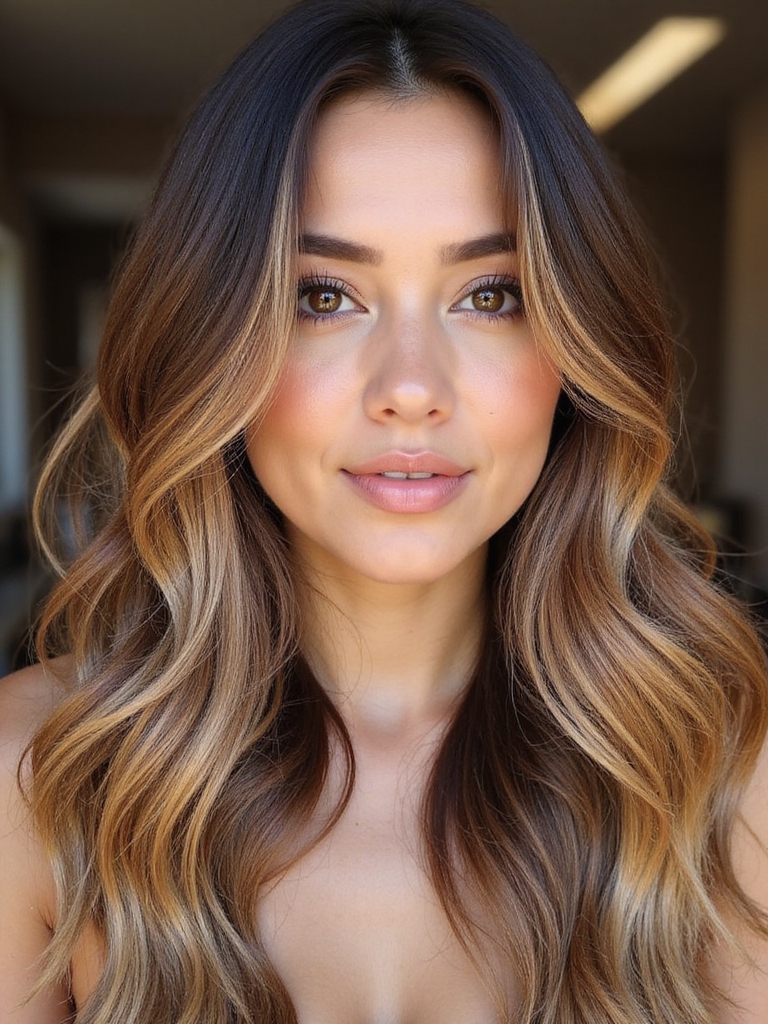
Chunky highlights use bolder, wider sections for a high-contrast look, and the style has come roaring back after years out of fashion. On brown, the effect is deliberately graphic, a clear nod to an earlier era reworked for now.
These read as a real fashion choice, loud and photograph-ready. They suit anyone who wants their color noticed.
Maintenance sits in the middle of the pack: the wider pieces show regrowth sooner than fine work, but the high-contrast look was built to be loud from the start, so a little grow-out doesn’t break the effect the way it would on something softer.
Caramel and Blonde, Layered Together
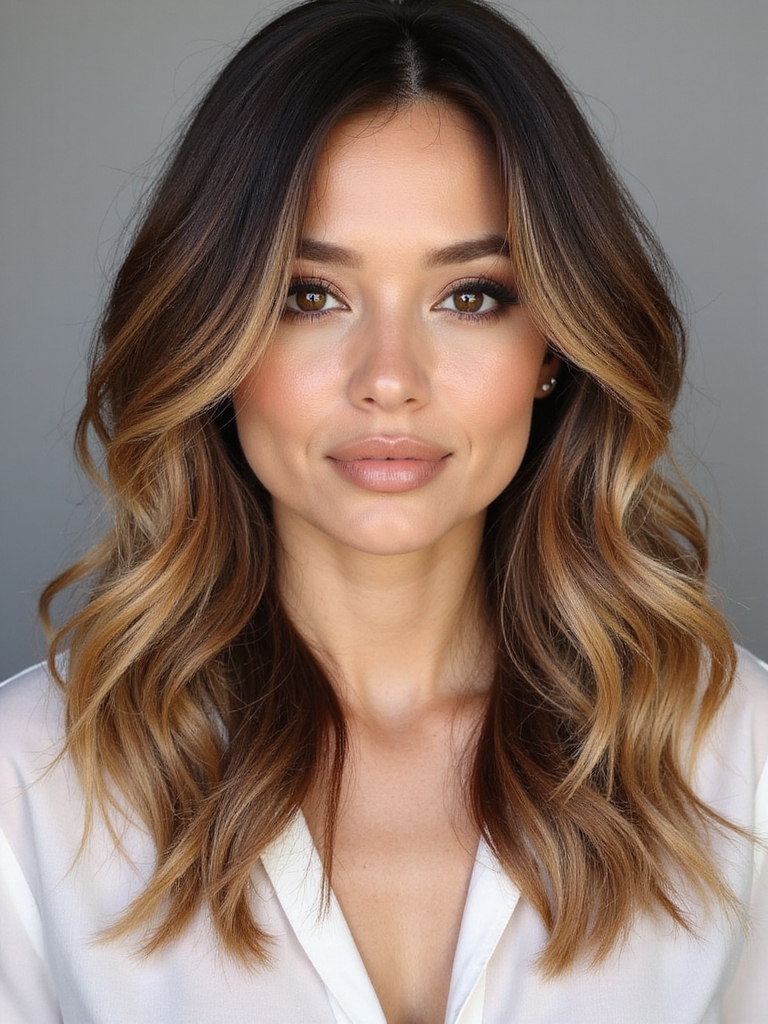
Layering warm caramel with brighter blonde gives brown hair a multi-tonal finish that flatters most warm bases. The caramel acts as a bridge, so the brightness builds gradually across a couple of tonal steps.
- A smart fix for anyone who tried a straight blonde highlight before and found it too stark
- Caramel echoes natural warmth, so it suits warm and golden undertones especially well
- The caramel highlights guide covers placement in more depth
Golden Blonde for Sunlit Warmth
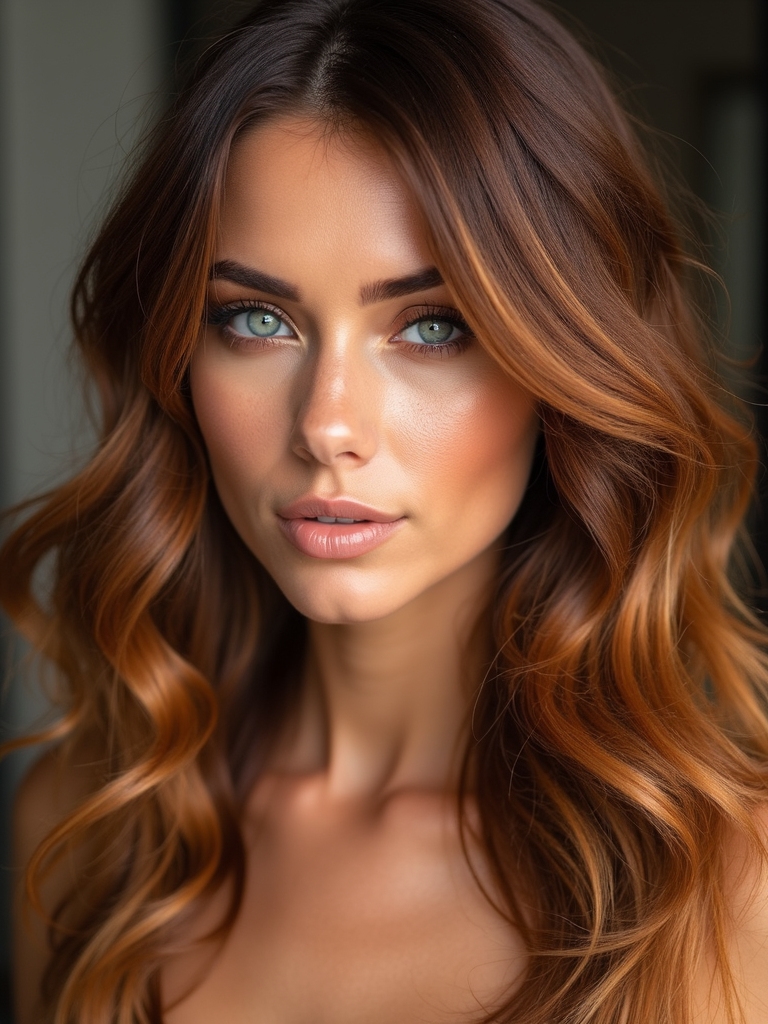
Golden blonde brings warm, sunlit brightness to brown, glowing with a honeyed depth that flatters warm and golden skin especially. It melts into a warm brown base for a cohesive finish, so the highlights look like they grew in over a long season outdoors.
The real upside of warm blonde is how it fades. It drifts a little more golden over time rather than brassy, which is a far gentler failure mode than cool blonde going orange, and it means you can stretch toner appointments further.
🅰️Wants warmth that forgives
Golden or honey blonde: fades toward more gold as it ages, a gentler failure mode than cool blonde’s brassiness, so toning appointments can stretch further apart.
🅱️Wants a cool, modern edge
Ash blonde: sharper and more editorial, but needs the most frequent toning of any shade on this list.
Cool Ash Blonde for an Anti-Brassy Edge

Ash blonde adds a sleek, smoky brightness for anyone chasing a modern, cool-toned finish. It counters warmth in the base, giving brown a polished dimension that suits cool and neutral skin best.
The honest catch is upkeep. Cool tones fade first and want regular toning to hold that smoky quality; let it slip and it warms up faster than almost any other shade on this list.
- Flatters cool and neutral undertones; warm skin can find it draining
- A purple toning shampoo at home fights brass between salon visits
- Budget for more frequent gloss visits than golden or caramel highlights need
The Habits That Keep Maintaining Blonde Highlights Simple

Blonde highlights stay bright with a short, consistent routine. The lightened pieces are more porous than your natural brown, so they lose moisture and pick up brass faster and need a little targeted attention the rest of your hair doesn’t.
- A purple or blue toning shampoo once or twice a week holds cool, bright blonde
- A weekly bond-building mask replaces moisture that lightening strips out
- Cooler water and color-safe products protect both the tone and the strength of the lightened pieces
Turning the Brightness Up for Summer

Summer is when most people want their blonde turned up, and it tracks: brighter, sun-kissed pieces echo the way sun naturally lightens hair anyway. Many clients lift their highlights a touch and add extra face-framing pieces in the warmer months for a fresh, beachy glow.
- A few extra face-framing pieces give that lifted, just-back-from-the-beach look
- Chlorine and sun both speed up fading, so protect the lightened pieces specifically
- A clarifying wash after pool days stops green tones from settling into blonde
Warming the Tone Back Up for Winter

In the colder months, blonde highlights tend to shift warmer and deeper, leaning toward caramel and honey tones. The warmer palette feels richer against winter light, and they happen to be the lower-maintenance choice for the season too.
- Dropping the blonde a level and warming the tone reads as a deliberate seasonal shift, not neglect
- Warmer highlights need less frequent toning, so winter becomes a natural upkeep break
- Deeper pieces grow out softly, which makes stretching color over the holidays realistic
What Happens With DIY Blonde Highlights

At-home highlight kits tempt everyone eventually, but blonde on brown is one of the harder colors to pull off without training. The lift and the placement are exactly what make highlights look natural, and both are difficult to control with a cap or a wand at the bathroom mirror.
Where DIY Kits Tend to Go Wrong
I’ve corrected enough home-kit jobs to be straightforward about the usual outcome: uneven, brassy, or stripy results that often cost more to fix than the original salon visit would have. Dark brown is the riskiest starting base, since it needs the most lift to reach a clean blonde.
If a kit is truly the only option, keep expectations modest: a few subtle, forgiving pieces is the realistic ceiling for a first attempt.
Two terms worth knowing before attempting anything at home:
📖Bond-builder
A treatment added during lightening that protects the hair’s internal structure; salons use it as standard practice, most box kits don’t include it at all.
📖Root-to-tip lift
How much a section needs to lighten from its natural depth to reach the target blonde; the bigger this gap, the harder it is to control without professional tools.
What a Salon Visit Actually Buys You

A professional colorist delivers the soft, dimensional blonde that’s honestly hard to copy at home. They judge the lift, place each piece to flatter your specific face, and tone the result precisely so it lands on the shade you actually asked for.
Where the Extra Cost Actually Goes
The finishing gloss or toner is where salon work pulls ahead most clearly, sealing the tone and adding the glassy shine that makes highlighted hair look deliberately finished.
A full highlight service is a longer, professionally priced appointment, usually with a shorter toning visit in between to keep everything consistent year-round.
Caring for the Two Textures You Now Have
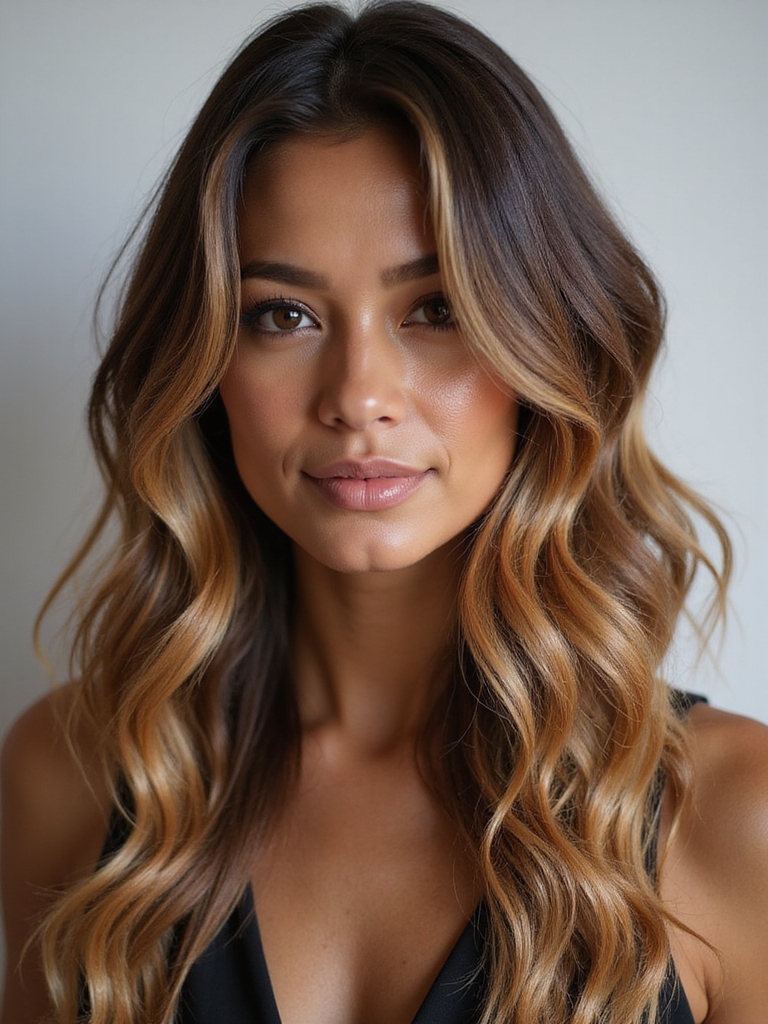
Lightening breaks some of the internal bonds that keep hair strong, so the highlighted pieces are more prone to snapping and split ends than your natural brown around them. Caring for them is about rebuilding strength, not just adding shine.
Think of it as maintaining two textures at once: your sturdy natural brown, and the more delicate blonde threaded through it. The blonde is the weak link, so it sets the pace for the whole routine.
- A weekly bond-building treatment rebuilds what lightening breaks down
- Balance both protein and moisture; leaning on just one backfires over time
- Trim regularly, since split ends travel upward fastest on lightened hair
| Natural brown | Lightened pieces | |
|---|---|---|
| Porosity | Lower, holds moisture well | Higher, loses moisture faster |
| Strength | Bonds mostly intact | Bonds partially broken by lifting |
| Care priority | Standard color-safe routine | Weekly bond and moisture treatment |
Scattered Highlights for the Lightest Touch

A minimalist approach scatters just a handful of fine blonde pieces through brown for the quietest possible dimension. It looks like the kind of barely-there brightness someone might pick up naturally after a summer outdoors.
This is the lowest-commitment, lowest-cost way to add blonde on this entire list, and it’s a smart way to test the idea before committing to anything bigger. A few scattered pieces grow out invisibly, so there’s little risk in trying.
Highlights on Curly and Textured Hair

Blonde highlights look striking on curly and coily hair, since every curl catches the brightness at a different angle, giving texture a multi-tonal quality that’s hard to fake with a flat color.
Placement is its own craft here. Color painted on stretched hair lands differently once the curl springs back, and textured hair runs more fragile and more prone to dryness, so gentle lifting and serious conditioning aren’t optional.
- Ask specifically for a colorist who works with curls regularly
- Placement should be planned with the curl in its natural, unstretched state
- A bond-builder during lifting matters even more on textured hair
Why Toners and Glosses Matter So Much

Toners and glosses are the finishing touch that keeps blonde highlights looking fresh long after the lightening itself is done. A toner neutralizes brass and perfects the exact tone; a gloss adds the glassy shine that makes color look polished, with no lightening involved at all.
The Step That Makes Color Look Finished
That’s the appeal of a gloss specifically: since nothing is being lifted, it’s gentle enough to repeat often without the cumulative stress a full lightening service carries.
A standing gloss appointment between full color visits is what separates highlights that stay looking intentional from ones that slowly fade into something duller and less deliberate.
One assumption worth correcting about glossing specifically:
❌ Myth: Myth: a gloss is basically a lighter version of full color
✅ Reality: Not quite. A gloss doesn’t lift the hair at all; it deposits tone and shine on top of the lightening that’s already there, which is why it can be repeated so much more often than a real color service.
Pairing Highlights With the Right Cut
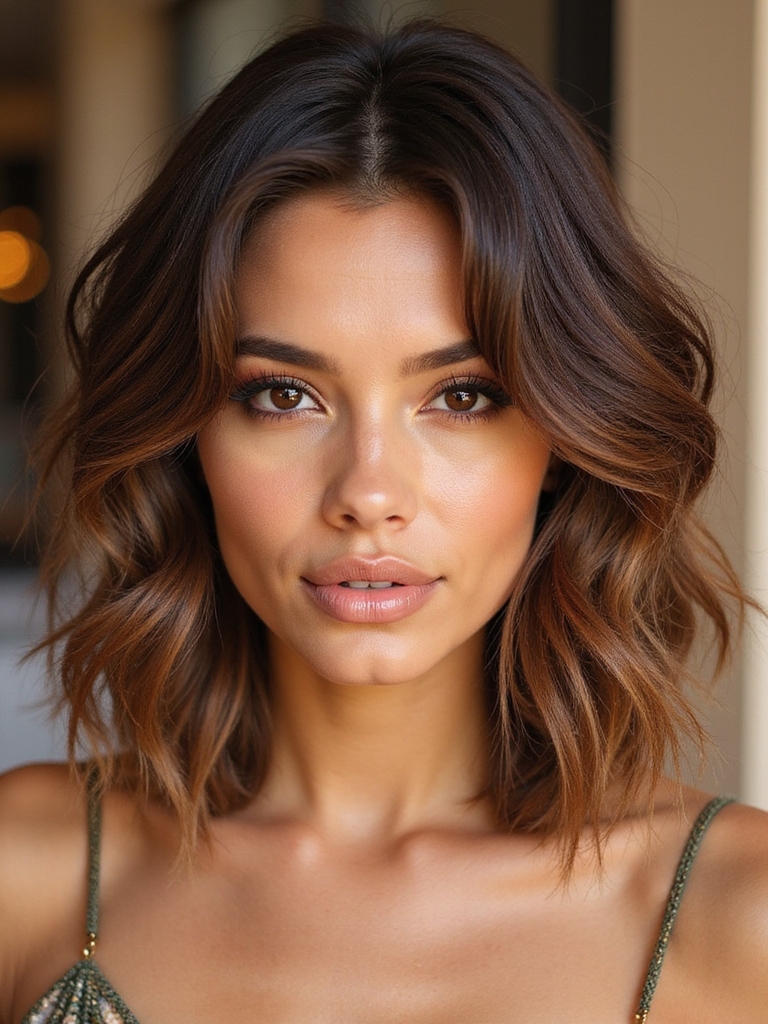
The haircut underneath any of these techniques either multiplies the color or buries it. Layers and soft shapes let brightness shift and catch light as hair moves, while a blunt, heavy cut can flatten the same highlights into something static.
- A layered lob lets balayage swing and catch light at the ends
- Curtain bangs frame the face and show off face-framing brightness specifically
- Long layers spread scattered highlights so the dimension reads through the full length
Maintenance & Care
Across every technique on this list, the real variable isn’t the shade, it’s how much surface area got lightened and how far that lightened surface sits from your natural depth. Small, contained techniques ask little; broad, high-lift techniques ask a lot, almost regardless of which blonde you actually chose.
Whatever you pick, a color-safe sulfate-free shampoo, cooler water, and a weekly moisture step do more for keeping brown-with-blonde looking intentional than any single salon visit. Book the next toning or gloss appointment before the current one fades. That single habit is what keeps the whole look feeling properly cared for.
Choose the Upkeep Before You Choose the Look
Every technique here can look truly beautiful on brown hair; what actually separates a good decision from a regretted one is whether the upkeep it demands matches the week you’re actually living, not the one you wish you had.
It might be worth starting smaller than the photo that caught your eye, testing a low-commitment version before booking the full transformation. A colorist can always build up from there once you know how it wears.
Related Reads