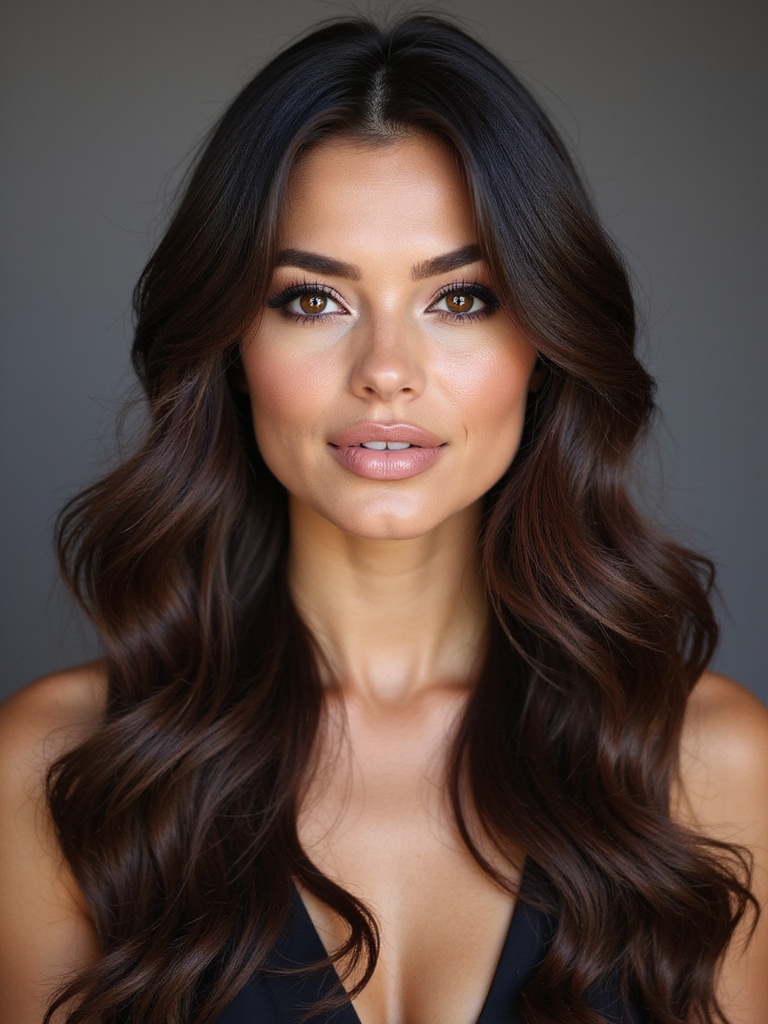
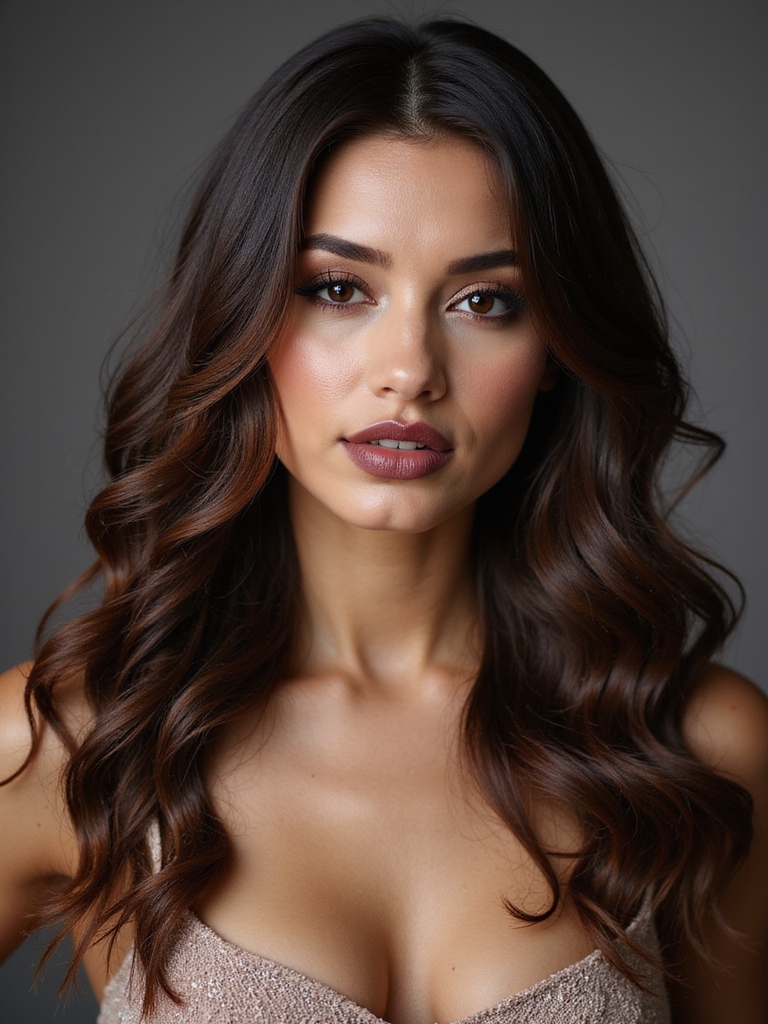
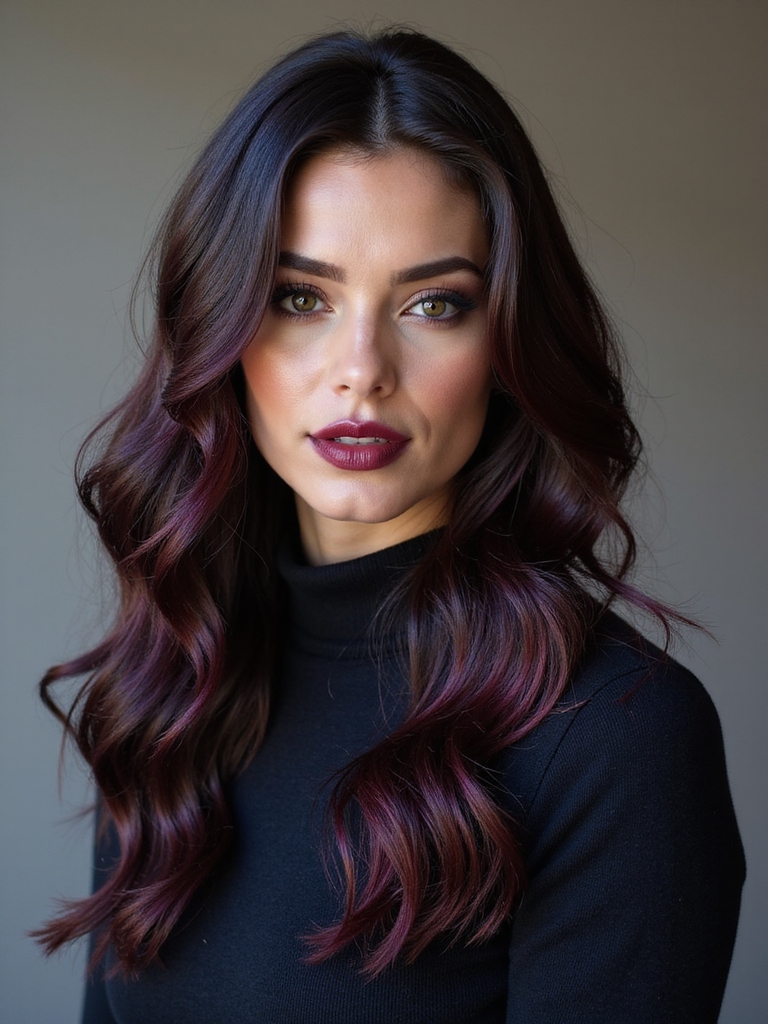
Playing it safe with a sensible brown is the default winter hair color advice, and it is the wrong call for anyone bored with their hair by January. Flat, gray light works in a bold shade’s favor: deep, saturated color and true icy tones read richer under a dull sky than they ever do in summer glare.
None of the fifteen shades below demand a full fashion-color leap. A coppery red, a velvet ombré, or a set of frosted tips can carry as much impact as anything neon while still working with your skin’s undertone. What follows moves from the boldest statements toward the easier, lower-upkeep options, with the real trade-offs named for each.
Before You Pick a Winter Shade
- Match temperature first: cool shades want cool or neutral skin, warm shades want warm skin, and the saturation only works once the undertone lines up.
- The boldest, most saturated colors fade fastest and need a toning or gloss habit to stay true between full appointments.
- A small dose, like face-framing ribbons or a rose-gold balayage, delivers a real seasonal refresh without touching the rest of your base color.
Icy Ash Blonde for the Shortest Days

Icy ash blonde is the shade built for short winter days: a cool, near-silver blonde that photographs brightest exactly when the season’s light goes flat and gray, which is precisely the kind of light January hands you most mornings.
Is the Upkeep Actually Worth It?
Getting there usually means a near-full lift, and staying there means fighting brass with a violet shampoo or a salon toner every few weeks. Skip either step and the ash slides warm within a month.
By week three, that’s usually when the same question lands in my inbox: why does my blonde suddenly look yellow under bathroom lights? It’s rarely the colorist’s fault. Anyone drawn to the icy look but wary of the routine is often happier keeping it to a few icy blonde hair-style face-framing pieces than committing a full head to it.
Chestnut With Real Depth and Shine

Chestnut proves a brunette doesn’t need a drop of fashion color to look alive. It’s a warm, glowing brown that shows real depth once it’s woven through with dimension and finished glossy.
The mechanics matter here: a few lighter ribbons melted through the base, plus a high-shine gloss, separate an expensive-looking chestnut from a flat, one-note brown that looks heavy under weak winter light.
It suits warm, golden undertones especially well, brightening a complexion the cold months tend to dull. Upkeep stays light for this one: a gloss now and then keeps the shine from fading, with no root line to babysit.
Copper That Holds Its Heat All Season

The copper appointments are the ones I brace for and then can’t stop grinning at once the foils come out. It’s a warm, fiery red-orange that looks electric against gray coats and cream knits.
A little dimension woven through and a glossy finish give copper real depth. That’s the difference between a color that looks intentional and one that reads like a single flat orange wash.
It’s also a deeply warming shade for anyone whose skin looks sallow under winter’s dim light. The trade-off is upkeep: copper fades faster than almost anything else on this list, so a color-depositing conditioner in rotation is non-negotiable.
Winter color mostly splits into two directions. Pick the one that matches your undertone before you pick a specific shade.
🎯Cool Lane
Ash blonde, smoky lavender, champagne blonde, and pearl highlights: all built for cool or neutral undertones and all need consistent toning to stay true.
🎯Warm Lane
Copper, honey balayage, caramel ribbons, mahogany espresso, and rose gold: all lean warm and tend to hold their color a little longer between glosses.
Burgundy for Grown-Up Drama

Burgundy is the boldest shade on this list that still feels grown-up. It’s a deep wine red that glows under low light and sits close to natural brunette levels, so dark hair needs little to no lightening to get there, which makes the drama more wearable than it looks in photos.
- Colorists often call this the gentlest bold-color option, since so little pre-lightening is required on a dark base.
- A wine-toned conditioner or gloss keeps the red from fading toward a flat, dull brown.
- Cooler, neutral-toned skin gets the most out of this one; very warm complexions may prefer auburn instead.
Honey Balayage for Warmth Without the Weight

A honey balayage is the fix for anyone who wants warmth back in their hair without announcing a whole new color: hand-painted gold woven through a brunette base for a glow that catches the light. It pairs well with honey blonde hair if you’re weighing how far to push the gold.
- Placement stays off the root, so regrowth looks intentional and doesn’t force an immediate touch-up.
- The gold pieces do the work of warming a complexion the season tends to wash out.
- A gloss between appointments keeps the honey from dulling toward a muddy brown.
Smoky Lavender for a Quiet Statement

Smoky lavender is the cool statement for anyone who wants color without going full pastel: a muted, dusty purple with the brightness turned down. That muted, grayed-down quality is what makes it feel sophisticated and wearable for everyday life.
- Needs pre-lightened hair underneath and a regular toning schedule, since it fades toward tan without upkeep.
- Cooler-toned skin carries this one best; warmer complexions can look washed out beside the smoky gray cast.
- A purple-toned conditioner between washes slows the fade without forcing another full toner visit.
Caramel Ribbons at the Face

For anyone with dark hair who wants a lift without lightening everything, a few warm caramel ribbons around the face do the job: bright enough to notice, contained enough to stay low-commitment.
The placement carries the whole effect. Pieces concentrated where they frame the face brighten your complexion and catch light exactly where people look, while the rest of the base stays untouched. Running only a handful of foils near the hairline typically lands under $100 at most salons, since the colorist isn’t touching most of your head. That’s a fraction of what a full caramel highlights on brown hair service runs.
- Grows out gently since the ribbons sit away from the root.
- A tinted gloss every so often keeps the caramel from sliding brassy.
- Best for brunettes who want a change but aren’t ready to commit their whole head.
📋Before You Book a Bold Winter Shade
- ✓Bring a photo taken in daylight. Indoor screenshots often shift how a shade actually looks once you step outside.
- ✓Ask how many toning or gloss visits the color realistically needs between now and spring, beyond the day-of price.
- ✓If you’re unsure about commitment, ask about a partial or accent version before agreeing to a full head.
Frosted Tips Without the Full Platinum Commitment

Frosted platinum tips deliver an icy, editorial statement without committing your whole head to platinum: just the ends lightened against a darker base.
Because only the ends are lifted, the upkeep is far gentler than an all-over platinum job demands. There’s an easy exit too: trim the tips off whenever you’re ready for a change, no bleach grow-out required.
- Roots stay untouched, so there’s no harsh grow-out line to deal with later.
- Works especially well on darker bases, where the contrast does all the work.
- A toning gloss on the tips keeps them icy and heads off any yellowing between visits.
Mahogany Espresso for Low-Maintenance Richness

Mahogany espresso blends the deepest brunette base with a rich, red-brown mahogany warmth, and the combination reads dramatic without ever looking like a fashion color. Anyone weighing this against a plainer mahogany hair color will notice the extra depth right away.
- The espresso depth keeps it grounded and low-maintenance between visits.
- A weekly red-toned gloss at home keeps the mahogany warmth vivid, since red tones dull the fastest of any base.
- Its wine-brown depth suits cooler, neutral coloring particularly well.
Bronde That Grows Out Gracefully

Warm bronde is the shade I recommend most this season to anyone who can’t decide between blonde and brunette: a gentle merge of brown and blonde that bridges a lighter look and a deeper one.
The warmth woven through is what keeps bronde from going flat and mousy. It laces just enough brightness through the base to stay lively under gray winter skies.
Because the color blends softly along the strand, the grow-out stays gentle for months and there’s no sharp line to manage at the root, a practical pick for anyone who wants low-drama color through a long, cold season.
Velvet Red Ombré for Movement

A velvet red ombré melts a deep, grounded root into a rich red through the ends, so the boldest color gathers exactly where hair moves and catches light.
Color builds in gradually, so the effect looks intentional at every stage of grow-out, and the whole result feels closer to luxurious than loud.
Reds fade fastest of any color family, so a sulfate-free wash routine and cool-water rinses aren’t optional extras here. They’re what keeps the ends from sliding toward orange within a few washes.
🅰️Full Statement
An all-over copper, burgundy, or velvet red. Maximum impact, but the fastest fade and the most frequent gloss visits of anything on this list.
🅱️Low-Commitment Pop
Caramel ribbons, frosted tips, or a pearl accent. Real seasonal impact without touching your whole base, and an easy exit if you change your mind.
Champagne Blonde, Warmer Than Platinum

Champagne blonde sits in the middle ground most icy blondes miss: neither stark platinum nor golden honey, but a soft, creamy blonde with just enough warmth to keep it from washing anyone out.
That creamy undertone does most of the work. It comes across fresh and modern without the harshness a starker icy blonde can bring to a winter-pale complexion.
- Cooler and neutral complexions get the most lift from it, a gentler route to an icy effect than full platinum.
- A toning gloss keeps the champagne creamy and on-tone.
- Grows out softer than platinum since the base tone sits closer to natural blonde levels.
Ember Brunette Lit With Copper

Ember brunette takes a deep brown base and lights it with glowing copper accents, the way embers glow inside ash: warmth without going fully red.
The copper pieces flash through the dark base, giving the brown real movement and warmth concentrated exactly where light catches it.
It leans toward warmer, honey-toned skin especially, giving brunettes a hint of fire without asking them to commit to copper everywhere. Anyone comparing this to a plainer brunette hair with highlights will notice how much livelier the copper shows under indoor light.
Pearl Highlights for Cool Contrast

Pearl-toned highlights bring a frosty, almost opalescent contrast to darker hair: cool silvery pieces placed to catch light without asking for a full color change.
- Concentrated near the crown and part line, where the frosty tone actually catches window light.
- Needs a regular toning routine, or the pearl tone gradually warms toward brass.
- Best on cooler, neutral coloring, where the frosty tone visibly lifts the face.
A few colorist terms worth knowing before your consultation:
📖Toner
A quick, semi-permanent rinse that adjusts unwanted warmth or coolness after a color or lightening service.
📖Gloss
A clear or tinted treatment that refreshes shine and tone between full color appointments.
📖Balayage
A hand-painted lightening technique that places color only where it should catch light, without saturating every strand.
📖Color-depositing conditioner
An at-home conditioner with a small amount of pigment that extends a fresh color between salon visits.
Rose Gold for a Softer Kind of Bold

Rose gold is the cozy, feminine statement that flatters nearly every skin tone: a warm blend of copper and pink painted through the hair rather than applied as a flat, all-over color.
- Balayage placement keeps it soft and grow-out friendly, blending along the part as it grows.
- Needs a pre-lightened base underneath to read as true rose gold.
- A warm-toned conditioner at home helps the rose hold its pink cast between washes.
Common Mistakes to Avoid
The most common misstep isn’t picking a shade that’s too bold. It’s picking one that fights your undertone. A cool ash blonde on warm, golden skin, or a warm copper on someone truly cool-toned, usually looks off in photos even when the color itself was done well, and no amount of toning fixes an undertone mismatch at the root of the decision.
The second mistake is underestimating what winter does to color at home. Dry indoor heat and hot showers pull pigment out faster than most people expect, so a shade that looked perfect at the salon can read flat within a few weeks without a toning or gloss habit in place. Budgeting for at least one refresh mid-season, before booking anything permanent, saves most of the regret people feel by the time spring rolls around.
Bold Winter Color, Answered
?Does bold hair color fade faster in winter?
Yes, in a specific way: dry indoor heat and hot showers strip pigment faster than humid summer air does, so saturated shades like copper, burgundy, and velvet red need a toning or gloss habit through the cold months to hold their tone.
?What’s the fastest way to check if a shade actually suits me?
Hold a swatch or a photo up in natural window light, since indoor bulbs shift warm shades cooler and cool shades warmer. A true match looks bright and alive in that daylight test. A mismatch usually looks flat or slightly gray against the skin, which is the signal to try the opposite undertone family instead.
?Which of these shades is the easiest to live with day-to-day?
Bronde and rose gold ask the least of you day-to-day. Both blend rather than sitting as a hard block of color, so the grow-out stays gradual, there’s no sharp root line to manage, and a single gloss appointment usually stretches further between visits than it does with any of the bolder shades on this list.
?Can I try a bold winter color without committing my whole head?
Yes. Caramel ribbons at the face, frosted platinum tips, or a set of pearl highlights all deliver real seasonal impact while leaving most of your base untouched, which makes them easy to undo if you change your mind.
Which Winter Are You Dressing Your Hair For?
There’s no rule that winter color has to be quiet. Between a fiery copper, a velvet red ombré, and a frosting of pearl, the season’s flat light actually makes saturated color look its best: a real answer to short days and gray mornings, and close to where winter color trends are actually headed this year.
What matters more than which shade you land on is matching it to your undertone and being honest about the upkeep you’re willing to do between now and spring. So which sounds more like your winter: a full, bold statement, or a smaller pop you can undo the moment you’re bored of it?
You Might Also Like