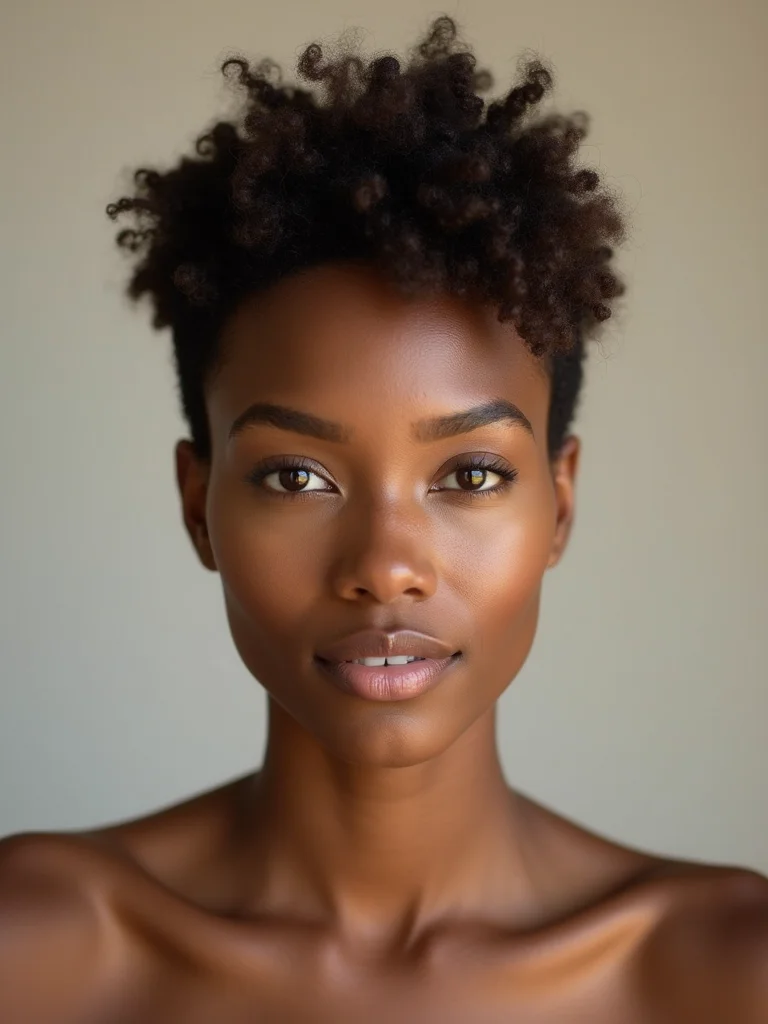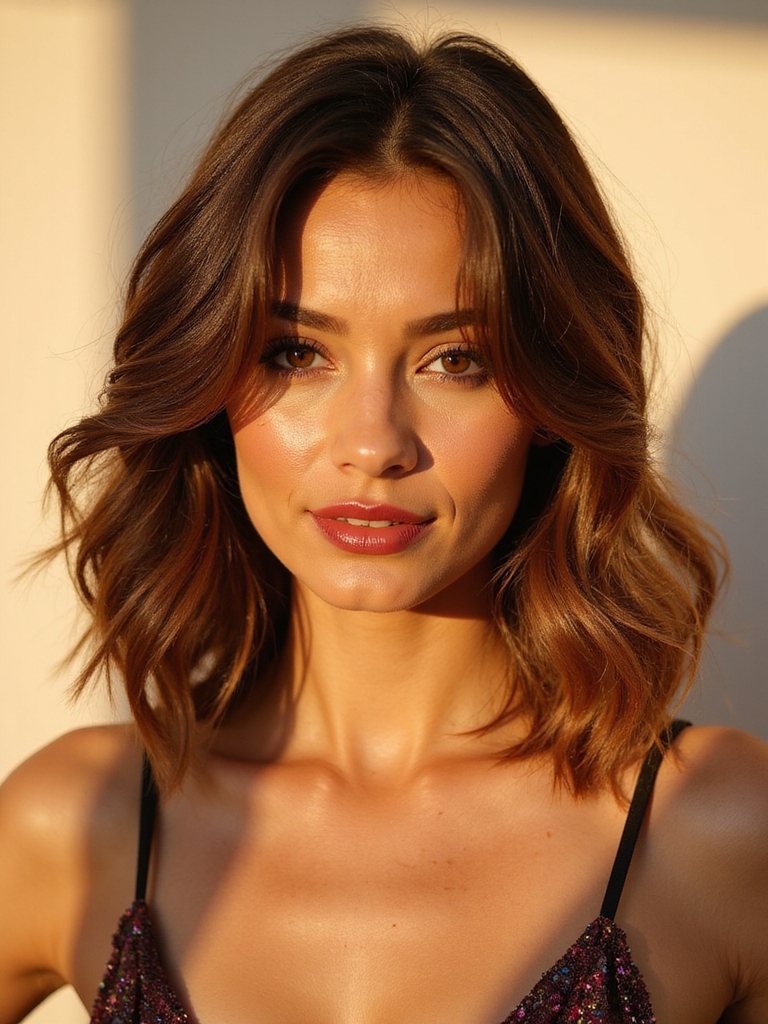
It’s 7:10 on a weekday morning, and the choice is between a five-minute finish and something that needs a round brush, a diffuser, and a plan. Both of those live inside the same category, medium-length layered hair, which is exactly why the length keeps winning over every trendier alternative.
The fifteen versions below are sorted with the actual morning in mind, not just the finished photo. Expect an honest read on how much time each one really takes, and which ones only look easy on someone else’s hair.
Before You Pick a Version
The layers that take the least morning effort are almost always the softest, longest, and most blended ones; sharper, choppier textures tend to need more product and more time, not less, no matter how undone they look in a photo.
Match the version to your actual texture before your aesthetic preference. The same cut that styles itself on a natural wave can turn into a ten-minute production on stick-straight hair.
Face-Framing Layers That Ask for Almost Nothing

This is the closest thing on the list to a true five-minute cut. Only the pieces around the face are shaped, so there’s no whole-head routine to learn, just a quick pass to set the front.
- A finger-dry or quick brush through the front is the entire routine
- The rest of the length needs nothing beyond a normal wash day
- Grows out with no defined stage, so missed trims barely show

An Airy Shag That Hides a Rushed Morning

A shag’s whole reputation is built on looking undone, which happens to make it forgiving on the mornings when there’s no real time to spare.
Where the Effort Actually Goes
Choppy layers stacked through the crown and ends mean a rough, five-minute finger-dry comes across as intentional, not rushed. There’s no smooth line to maintain, so small imperfections disappear into the texture instead of standing out.
It asks more of the initial cut than of the daily routine; a skilled hand placing the layers is what makes the low effort possible later.
Long Curtain Bangs Added to the Layers

Curtain bangs add a few minutes to the routine, mostly for the fringe itself, but the payoff is a front that looks finished even on days when everything below it barely gets touched.
- A quick brush of the fringe while damp sets the sweep for the day
- Merges with the framing pieces up front as both grow, with no awkward stage
- The one version here where skipping the fringe step actually shows
A Textured Lob With the Least Effort of the Whole List

A textured lob at the collarbone might be the actual winner for effort versus payoff. Soft layers and a slightly tousled finish mean it looks intentional whether it’s fresh from the salon or three days past a wash.
- Wave it for texture or leave it smooth; both read as a finished style
- The most forgiving length for skipping a styling step entirely
- Suits most face shapes and textures without real adjustment
Feathered Layers That Fake Volume on Fine Hair

Feathered layers take a bit more morning effort than the softest cuts on this list, mostly because fine hair needs the lift built in rather than left to happen on its own.
The payoff is real: tapered ends add the impression of body fine hair can’t hold by itself, without the over-thinned, sparse look heavier layering causes.
- A root-lift mousse on damp roots does more than any brush technique
- An upside-down rough-dry for the first few minutes builds most of the lift
- Skips the flat, stringy look plain one-length fine hair tends toward by afternoon
A Soft Wolf Cut Built for Low-Fuss Volume

This softer take on the wolf cut trades the sharpest, most disconnected version of the shape for something that still delivers real crown volume without asking for daily upkeep.
Where this struggles is very fine hair without enough density to hold the crown lift; on medium to thick texture, the shape holds through most of the day on its own.
- A rough dry with fingers, plus a little paste, is close to the whole routine
- Grows out more gently than a fully disconnected wolf cut
- Suits anyone who wants volume without a daily blow-out
Blunt Ends Hiding Internal Layers

A blunt perimeter with hidden internal layering gives the illusion of a low-maintenance one-length cut while actually moving like a layered one underneath.
- Reads polished with almost no styling required beyond a basic dry
- The internal work is what keeps a solid-looking edge from sitting stiff
- A smart pick for anyone who wants density and movement without visible layering
A couple of ideas about low-effort layered cuts turn out to be backwards.
❌ Myth: Myth: more layers always mean more styling time.
✅ Reality: Fact: soft, long, well-blended layers often style faster than a plain one-length cut, since the layers do the shaping work a blow-dryer would otherwise have to do alone.
❌ Myth: Myth: a shag or wolf cut is always high-maintenance.
✅ Reality: Fact: the softer versions of both are built specifically to rough-dry into shape, often faster than a sleek, polished style asks for.
Wavy Layers That Do Most of the Work Themselves

On hair with an existing wave, layers turn a flat, shapeless bend into real, dimensional movement, and the styling routine barely qualifies as a routine at all.
- A light salt spray on damp hair, then air-dry; that’s the whole process, start to finish
- Heavier layering here backfires, frizzing the shortest ends by midday
- Among the fastest mornings on this entire list once the cut is right
Curly Layers Shaped for Natural Bounce

Curly medium-length hair needs layers cut specifically dry, section by section, so the shape lands correctly once the curl pattern springs up to its real length.
- A curl cream on soaking-wet hair, then a diffuser, is the entire morning routine
- The upfront cutting time is longer than most versions here, but daily styling stays fast once it’s grown in
- A stylist experienced with textured hair matters more for this version than any other
Matching a version to your actual mornings:
1Five minutes or less, most days
Face-framing layers, a textured lob, or wavy layers.
2Willing to spend ten to fifteen minutes for more polish
Swoopy side-parted layers or the sleek, polished version.
Choppy Layers for a Cool, Low-Fuss Edge

Choppy, point-cut layers build in enough texture that a rough dry and a little paste covers most mornings completely.
It calls for a bit of natural coarseness or wave to hold the separation properly; very fine hair may need a lighter version to avoid looking sparse at the ends.
Swoopy Layers With a Side Part

This is the one version on the list that trades speed for polish. A deep side part and layers cut to round under take a bit longer, but the finished look sits noticeably more put-together.
- A few minutes with a round brush is what builds the swoop
- Best saved for days that call for a little more polish than usual
- Holds through most of a workday once it’s set
Bottleneck Bangs Blended Into the Layers

Bottleneck bangs curve back to meet the framing pieces around them rather than sitting as a separate blunt piece, which keeps the daily upkeep close to what a fringe-free cut already needs.
- Round-brush the shorter center section back while the rest air-dries
- Grows out into longer framing pieces with very little in-between awkwardness
- Suits most face shapes without much adjustment needed
The cuts clients think of as easiest almost always took the most thought at the chair. Low daily effort is something a stylist builds into the cut, not something that happens by accident.
Debulked Layers That Make Thick Hair Manageable

Thick hair’s morning routine gets shorter, not longer, once the interior weight actually comes out. A cut that still looks full on the surface but weighs less underneath dries faster and falls into shape with less effort.
- Ask specifically for internal thinning, not just shorter layers at the surface
- Cuts real drying time by removing bulk a blow-dryer otherwise fights against
- The visible shape barely changes; only the density underneath does
Polished, Sleek-Styled Layers

This is the most deliberately polished version on the list, and it asks for the most consistent effort: a smoothing brush and a bit of heat most days to keep the glassy finish.
It’s worth the extra few minutes for anyone whose daily setting calls for a more buttoned-up look than the shaggier options above allow.
📋Before You Book a Low-Effort Version
- ✓Your actual morning routine, not the one you wish you had
- ✓How your hair behaves on day two or three without a wash
- ✓Whether you’re willing to invest in a slightly longer initial cutting appointment for an easier routine later
- ✓Your natural texture, since it changes which version is actually low-effort for you
A Layered U-Shape That Keeps Every Bit of Length

A U-shaped cut rounds the back gently instead of tapering to a point, keeping close to all the length while still adding real movement through the layers. For the same rounded logic at a shorter length, a long layered bob covers the idea further down.
A Shape That Needs Almost No Upkeep
It’s a low-drama shape day to day: the curve is built into the cut, so there’s nothing extra to maintain in the styling routine.
Air-dry with a light cream, or add a round brush on days that call for more polish.
What to Expect
Most versions here settle into a routine somewhere between five and ten minutes once the initial cut has grown in and the styling habit is set. The polished, sleek-styled version and the swoopy side part both run longer, closer to fifteen minutes with a round brush involved.
Plan a reshape close to every two months for the softer, more blended versions, typically around $60 at most salons; sharper, choppier textures and anything with disconnection may need attention sooner to hold the shape.
Medium-Length Layers and the Time They Actually Take
?Which of these cuts is actually the fastest to style?
The textured lob and soft face-framing layers tend to win, since both look finished with a quick finger-dry or brush and don’t depend on precise technique to read as intentional.
?Does more texture always mean more effort?
Not necessarily. Choppy and shaggy textures often forgive imperfection better than a smooth, sleek style does, since small flaws blend into the texture instead of standing out against it.
?How do I know if a cut will actually work with my schedule?
Describe your real morning routine to your stylist, including how often you skip styling entirely, and ask which version on this list matches that honestly rather than picking based on the photo alone.
?Can a low-maintenance cut still look put-together for work?
Yes. Blunt ends with hidden internal layers and a soft U-shape both read polished with very little daily effort, since the finished shape is built into the cut rather than added each morning.
?Is a longer initial appointment worth it for an easier routine later?
Often, yes. Cuts like internal debulking or a dry curl cut take more chair time upfront specifically so the daily routine afterward is shorter.
The Easiest Cut Is the One Built for Your Mornings
Every version above can style itself, in the right hands and on the right texture. The trick is matching the cut to the mornings you actually have rather than the ones you’d like to have.
Bring your real routine to the consultation, not just a saved photo. Tell your stylist how many minutes you’ll actually spend most days, and let that number, more than the name of the cut, decide what you walk out with.
Related Reads