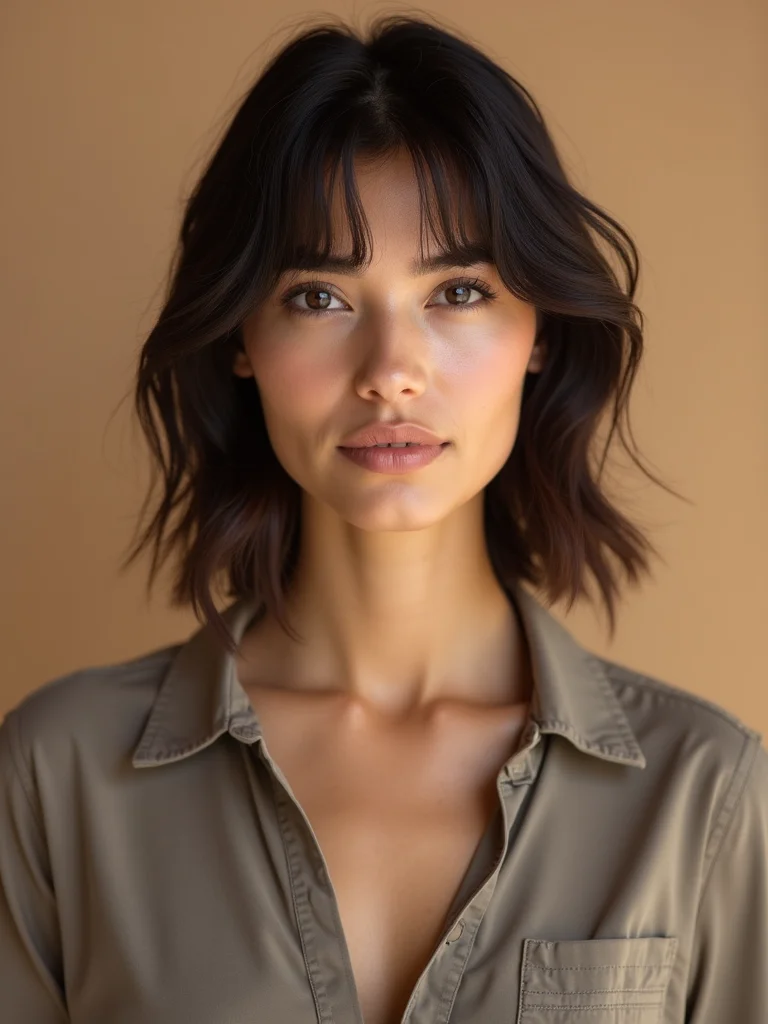
Here’s the myth: a pixie only looks polished when it’s cut smooth and even. In practice, the opposite usually holds. A perfectly uniform crop can look severe, almost helmet-like, the moment the styling wears off. A choppy pixie cut avoids that by chopping the length at varied points instead of one clean line, so the hair lifts and separates into pieces instead of lying flat.
Fifteen versions are broken down below, from a feathered, airy crop to a bold spiky finish, sorted by what actually changes the outcome: how thick your hair is, how much natural wave or curl you’re working with, and how often you’re realistically willing to touch it up.
Where the Texture Actually Comes From
- A choppy pixie isn’t a shape, it’s a cutting technique: varied-length layers that lift and separate instead of lying in one smooth plane.
- The texture works differently by hair type. It fakes fullness on fine hair, strips weight from thick hair, and lets curls spring into their own shape.
- Most versions need a reshape around week five or six, since short hair grows out of a defined shape fast.
A Choppy Layered Pixie With Real Texture
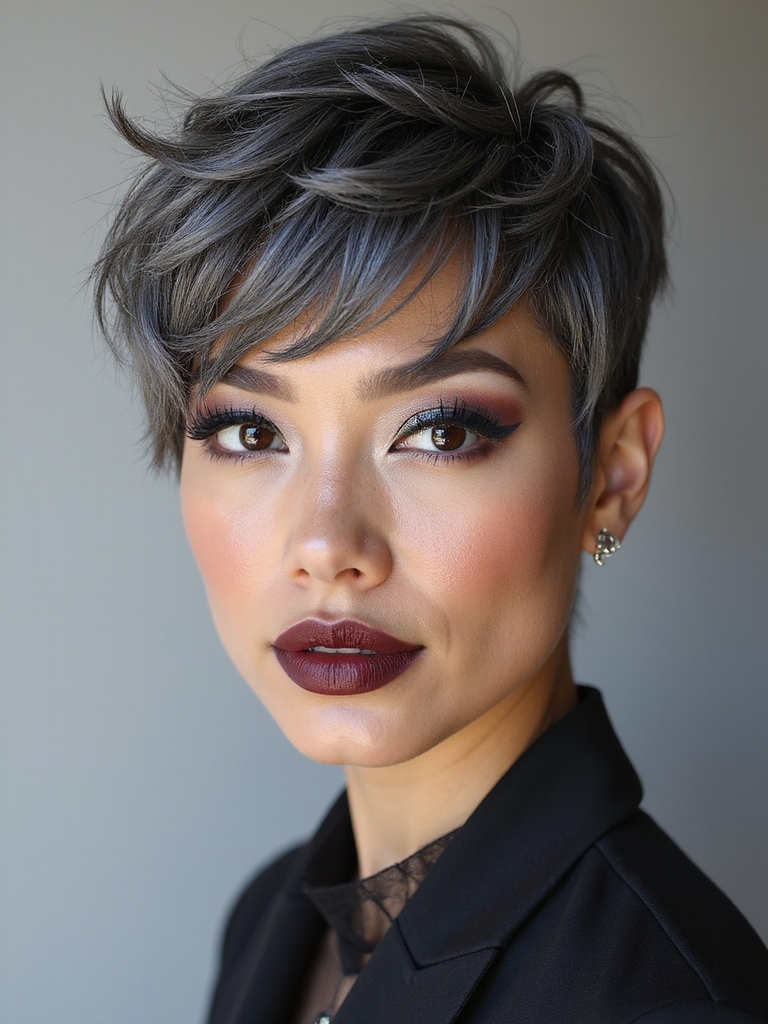
A choppy layered pixie is the foundation every other version on this page builds from: a crop cut into uneven, varied-length layers instead of one smooth plane. The unevenness is the entire point. It breaks the surface into small pieces that catch light differently as you move, which is what keeps a short cut from reading flat under salon lighting or a phone camera.
Getting the effect right comes down to where the weight is removed, not just how short the hair is cut. A stylist point-cuts into the ends rather than cutting straight across, leaving each section a slightly different length. Point-cutting is the real technical difference between a choppy pixie and a smooth one. For the broader idea behind the technique, see our textured pixie cut guide.
Styling takes minutes: a dime-size amount of matte paste, worked through damp or dry hair with fingers, separates the layers without adding shine. Skip the comb entirely. It smooths the very texture the cut is built to show off.
A Piecey Choppy Pixie With Soft Bangs
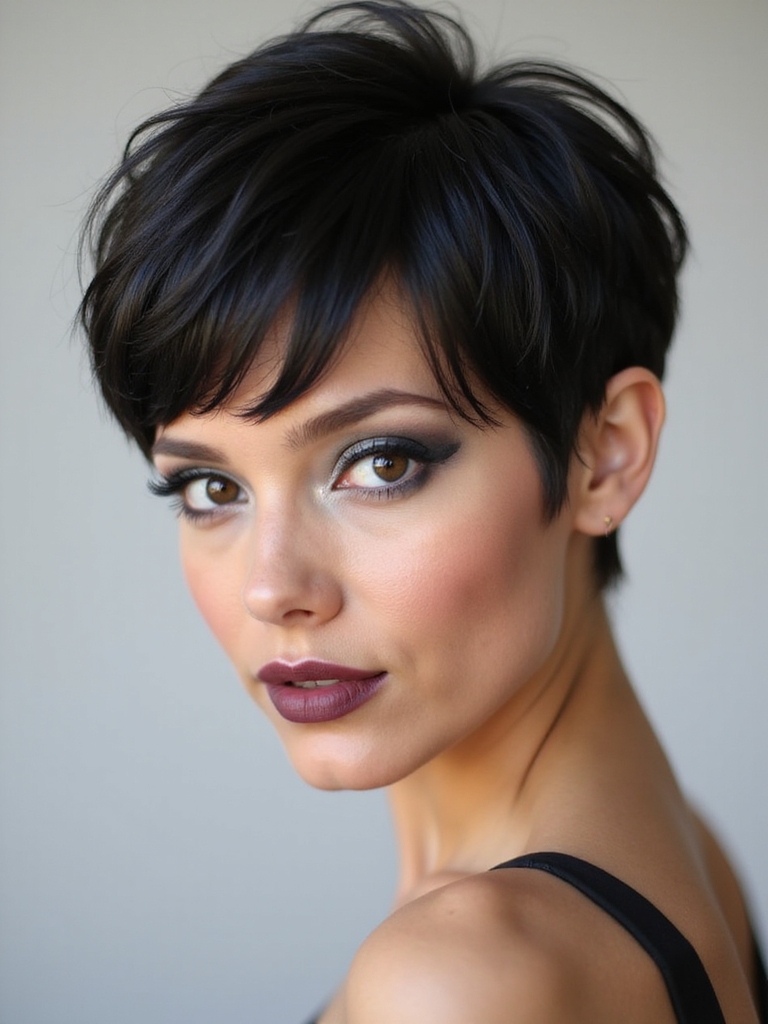
Pairing choppy layers with soft, piecey bangs shifts the attention forward, framing the face instead of just texturing the crown. The bangs are sliced into thin sections rather than cut as one blunt piece, so they fall in soft points across the forehead instead of a hard curtain.
This combination reads as the most face-forward version here. The eye goes to the bangs first, then follows the choppy texture back through the rest of the crop. It’s a good entry point for a first pixie, since the fringe still gives you something to hide behind while you get used to the length.
A small amount of paste through the bangs keeps them soft rather than crunchy. Too much product and the sliced pieces clump into one heavy chunk, undoing the whole effect.
A Tousled Choppy Crop
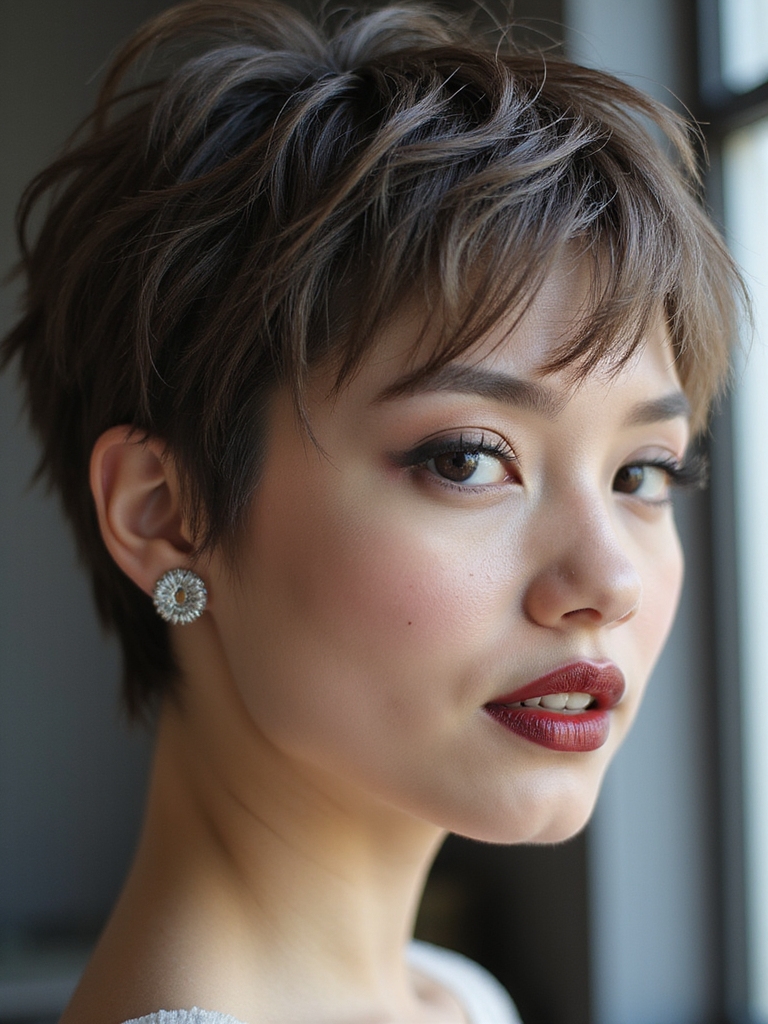
A tousled choppy crop is the lowest-effort version of the cut, the layers roughed up into deliberately undone texture. This is the one to request when mornings are rushed and styling tools rarely come out.
The Five-Minute Version
A texturizing spray, worked through with fingers while the hair is still slightly damp, builds most of the movement on its own. There’s no blow-dry step required. Air-drying actually helps here, letting the choppy layers fall into their natural, separated state instead of getting smoothed flat by a brush.
The trade-off is subtlety. This version reads more relaxed than sharp, so it isn’t the pick for anyone chasing a crisp, editorial finish.
A Feathered Choppy Pixie
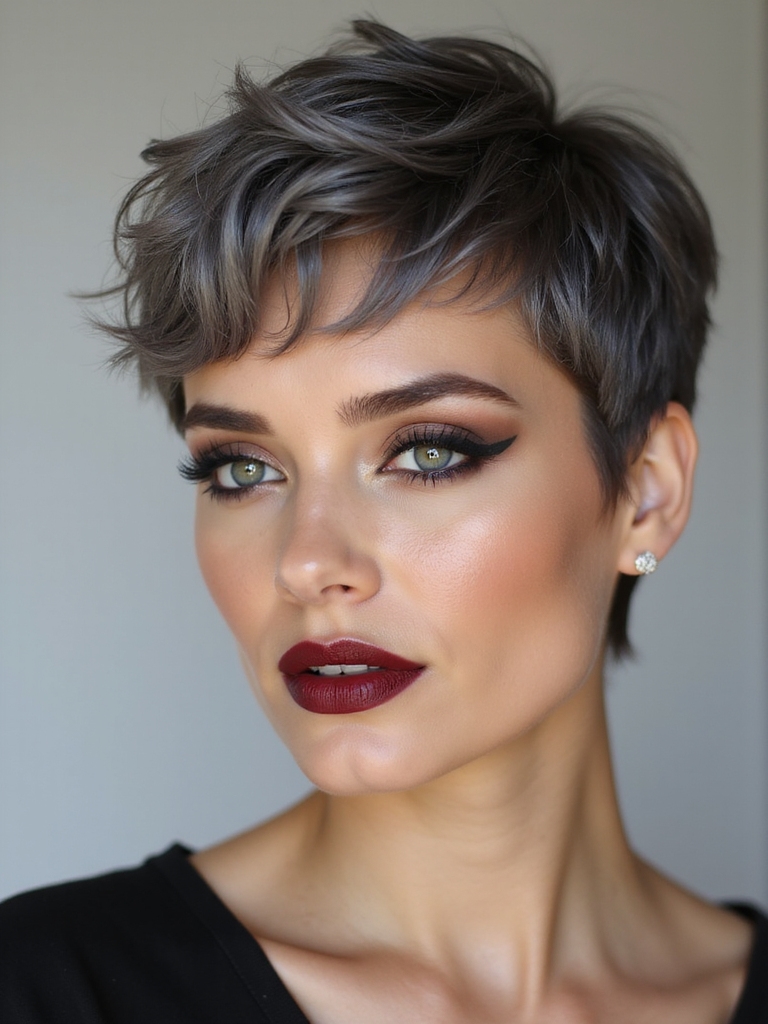
A feathered choppy pixie lightens the whole crop by thinning the very ends of each layer, which keeps the cut from ever looking heavy or blocky. The feathering softens spots where a plain choppy cut can look rough at the edges, trading some of that edge for a gentler, more graceful finish.
- Ends are thinned rather than blunt-cut, so they fall light and airy
- Best on hair that already has some natural movement to work with
- A light spray, not a heavy paste, keeps the feathering from clumping
Is the tousled crop right for you?
1Mornings Are Rushed
If you’re skipping the mirror most days, this is the version built for exactly that.
2You Like Sharp Definition
If you want visible, separated pieces instead of soft movement, check the feathered or spiky versions instead.
A Choppy Pixie With a Micro Fringe
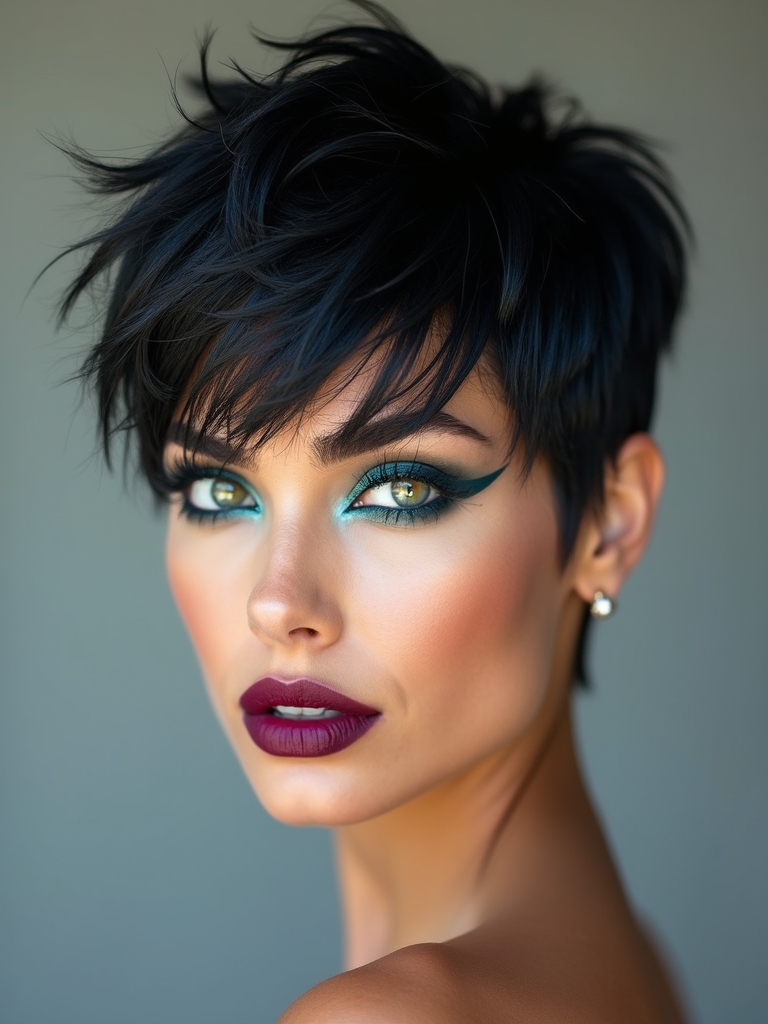
A micro fringe pairs a tiny, blunt baby bang with the choppy texture everywhere else, creating deliberate contrast between one sharp line and the rest of the piecey crop. It’s the most editorial version on this page, and it comes with a real maintenance catch: the fringe grows into your eyebrows within a couple of weeks, so short touch-ups between full cuts are part of the deal. Plan on around $30 for a quick fringe-only trim at most salons.
- One blunt, cropped fringe against otherwise choppy texture
- Bold and fashion-forward; not a subtle everyday option
- Fringe touch-ups between full cuts keep the shape sharp
A Curly Choppy Pixie
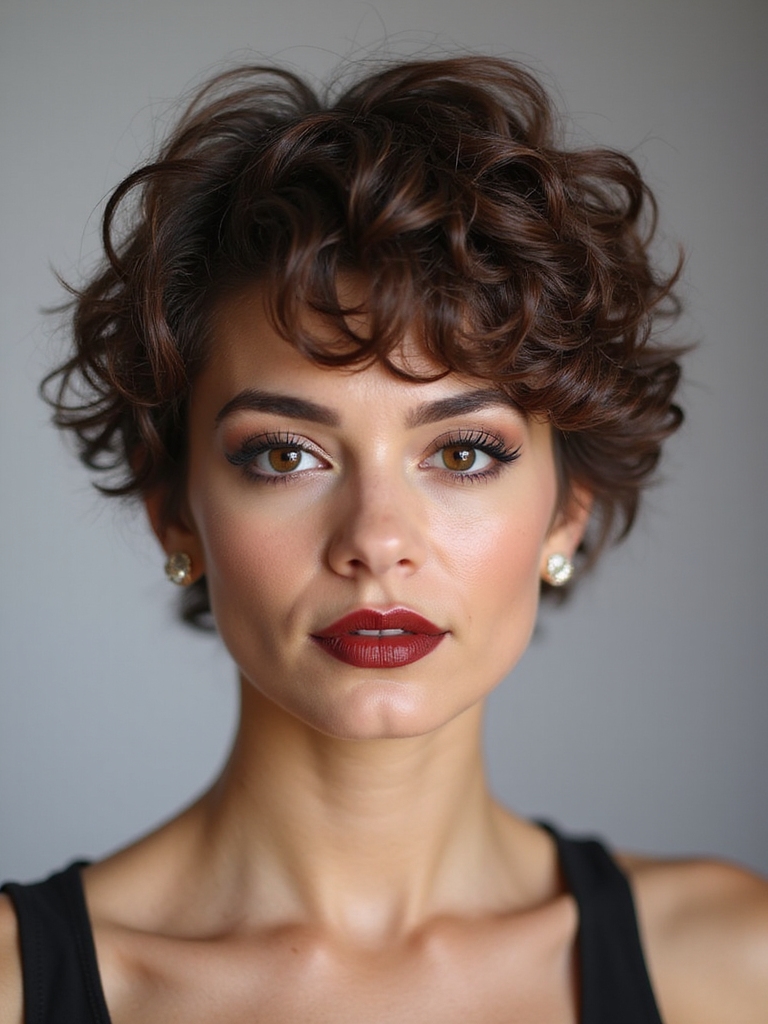
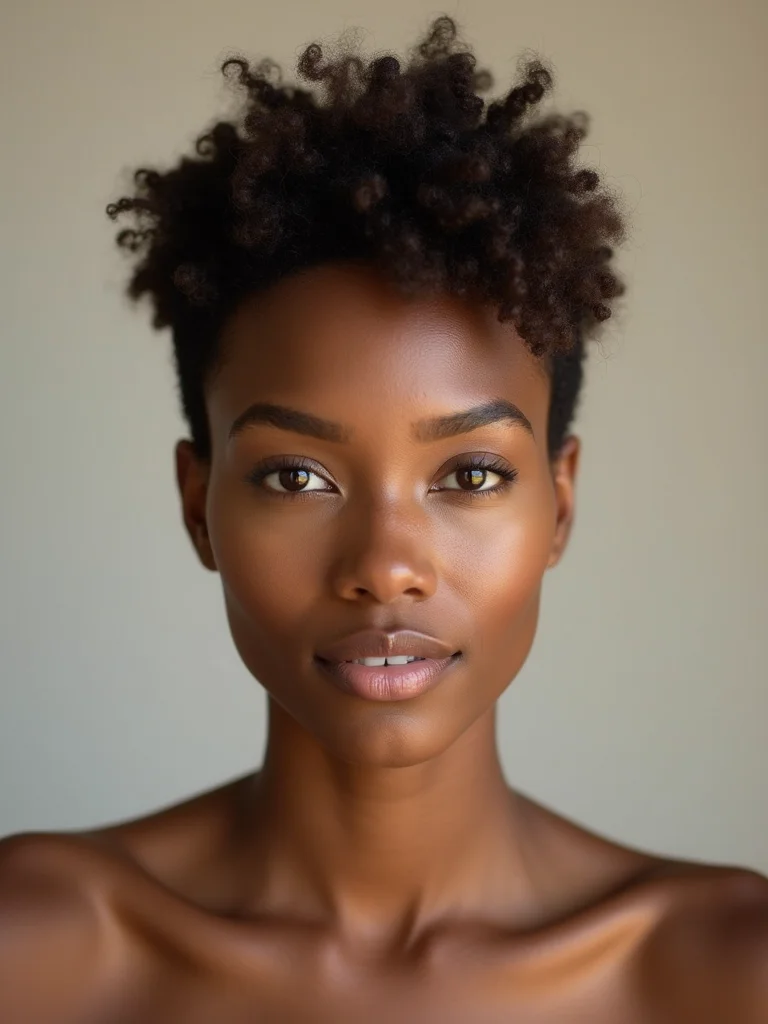
A curly choppy pixie leans entirely on natural texture, letting coils spring into their own defined shape rather than forcing a cut style on top of them. The curl pattern does most of the visual work here. Choppy cutting just clears out the extra bulk that would otherwise weigh the coils down.
The cut needs to happen while the hair is dry, section by section, in its natural sprung state. Cutting curly hair wet almost always leaves it shorter and boxier than intended once it dries and shrinks back up. A curl-defining cream, scrunched in and left to air-dry, is usually all the styling this version needs. For more on the technique, see our curly pixie guide.
- Cut dry, in the natural curl pattern, never wet
- Choppy cutting removes bulk, not length, so curls keep their bounce
- A curl cream is typically the only product this version needs
A Choppy Pixie With an Undercut
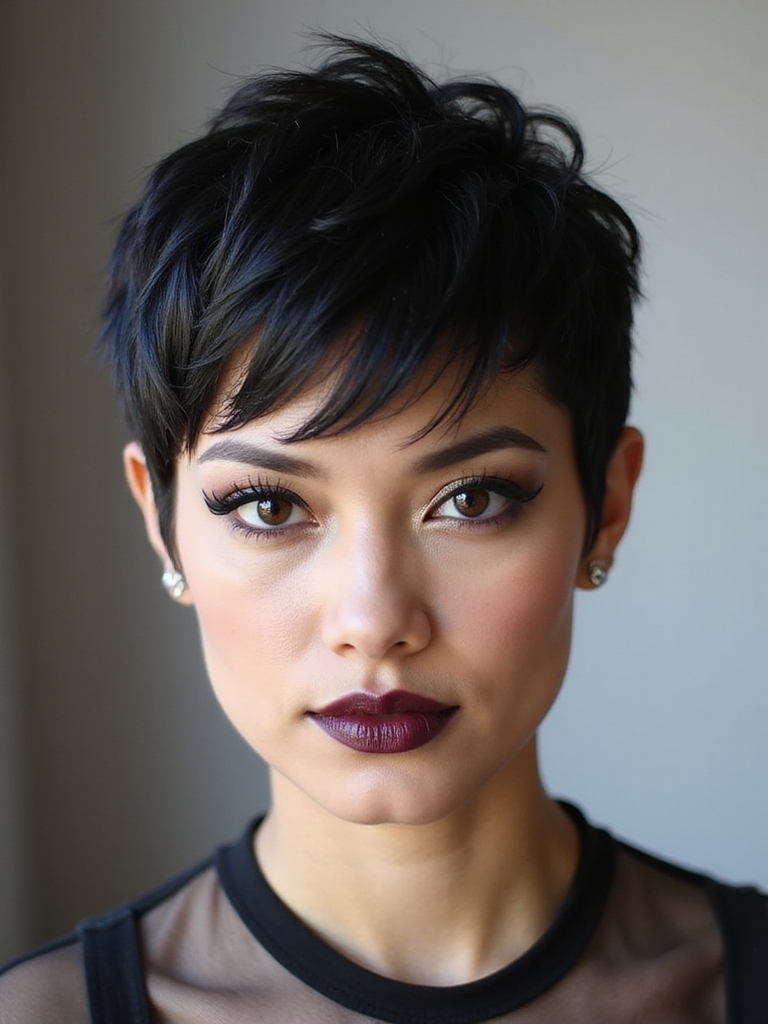
An undercut brings sharp contrast into a choppy pixie: the sides and back shaved or clipped close, with the choppy top left long enough to style. The shaved sections make the top texture look even more dramatic by comparison, since there’s nothing soft nearby to compete with it.
This is the version worth suggesting first for thick hair, since shaving out the underside removes a real amount of bulk before the top is even cut. Once that weight is gone, the choppy top sits lighter and moves more freely than it would on an untouched, all-over crop.
A matte paste defines the choppy top, and the shaved sections need a fresh clean-up on a roughly monthly cadence to stay crisp. Left too long, the undercut softens into an undefined patch instead of a clean line. See more in our undercut pixie guide.
An Asymmetrical Choppy Pixie
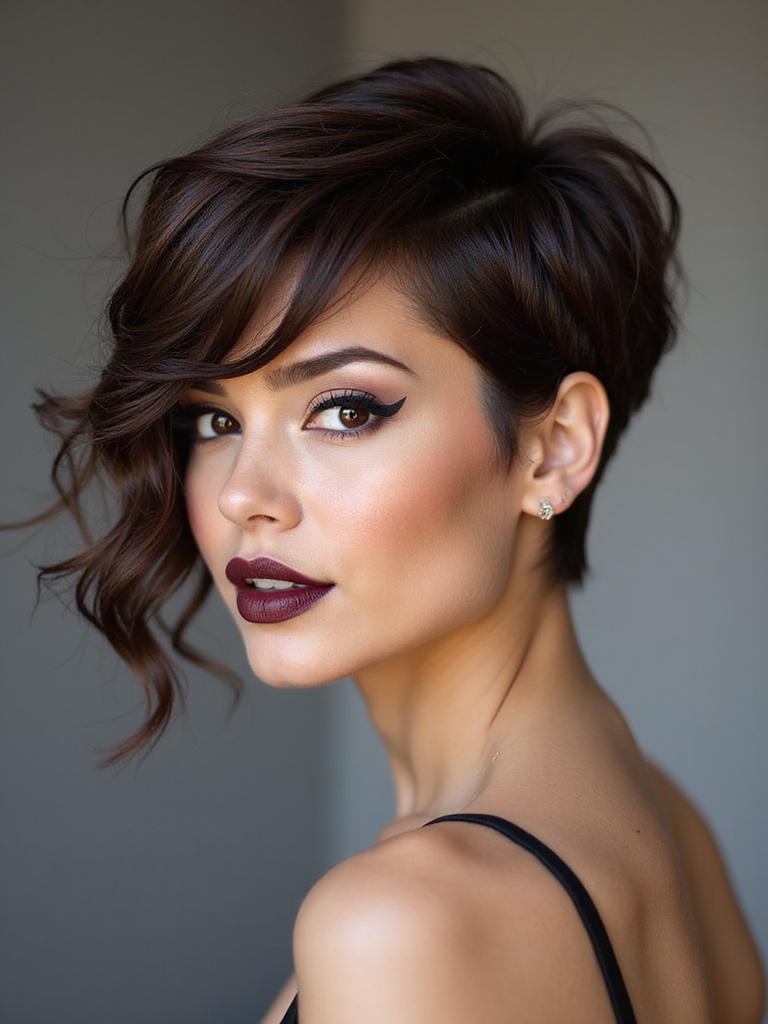
An asymmetrical choppy pixie takes the whole cut off-balance on purpose: one side left longer and choppy, the other kept close and short. The imbalance itself becomes the statement, and the choppy texture on the longer side gives it somewhere to move instead of just hanging flat. For more angles on the shape, see our asymmetrical pixie roundup.
- One side stays longer and choppy; the other stays close
- The longer side usually sweeps toward the cheekbone for face-framing
- A parting pushed well off-center suits this shape better than a middle part
💡Before You Shave Anything
Request slightly more length on the undercut than you think you want at first. It’s far easier to go shorter at the next visit than to wait out an over-shaved patch while it grows back in.
A Shaggy Choppy Pixie
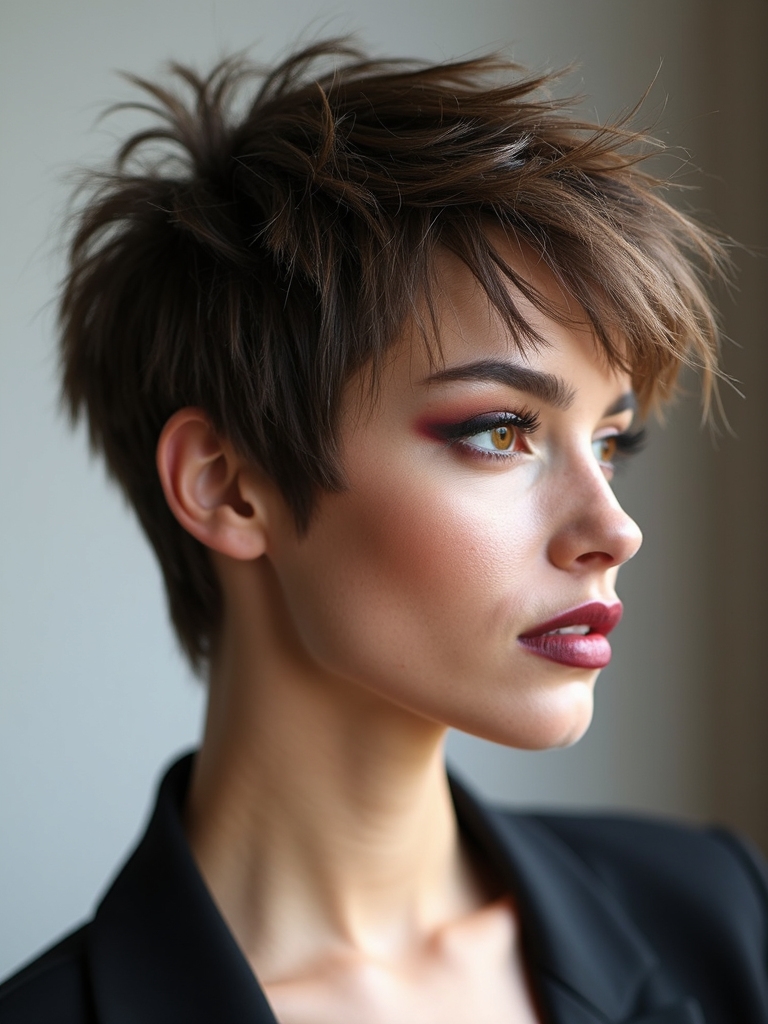
A shaggy choppy pixie borrows volume from the shag rather than keeping the crop tight and close, the layers worn looser and a little rumpled. It has a retro-leaning fullness that a standard pixie doesn’t try for.
More Volume Than a Standard Pixie
The shag influence shows mostly at the crown and through the top layers, where extra length is left to build body instead of being cut close like the rest of the crop. It looks relaxed, more grown-out on purpose than freshly cut.
A texturizing spray, scrunched through with fingers, builds the volume this version depends on. Anyone bored of a sleek, tight crop and craving more movement will likely gravitate toward this one first.
A Razor-Cut Choppy Pixie
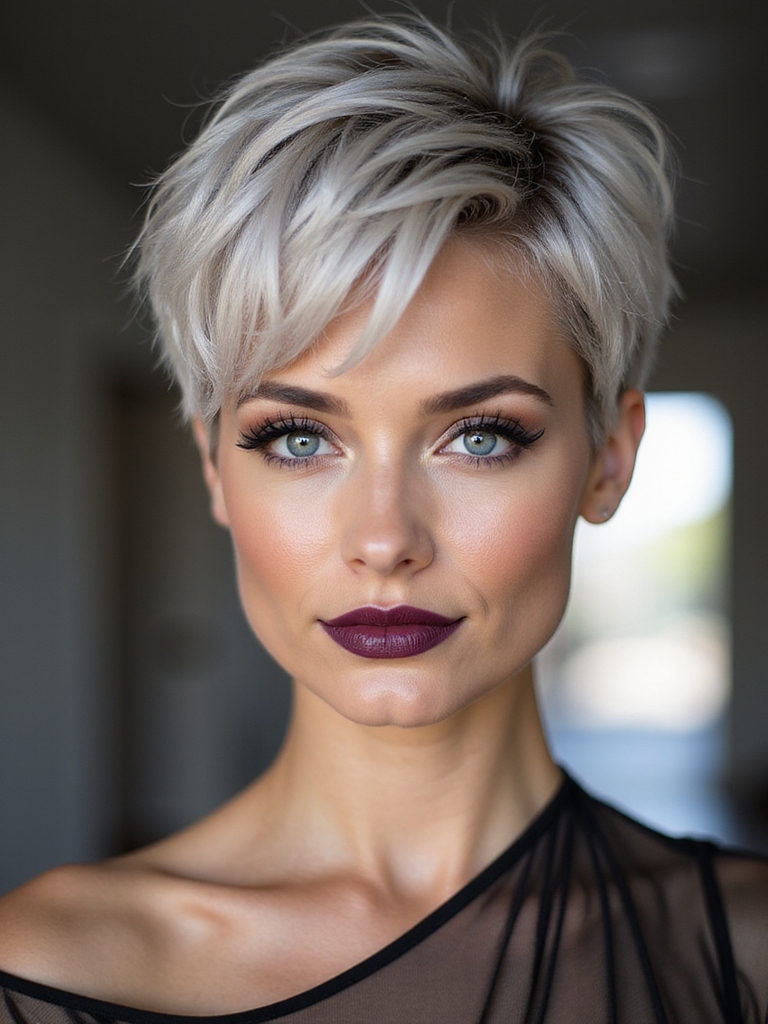
A razor-cut choppy pixie gets its airy, feathered dimension from the tool itself, not just the layering pattern. Razor-cutting slices into the ends at an angle instead of straight across, tapering each piece into something thinner and lighter than scissors alone would produce.
Ask About Your Hair’s Density First
The trade-off is density. Razoring removes real weight from the ends, so it suits hair that can afford to lose some thickness. On very fine hair, a razor can over-thin the perimeter fast, so scissors usually hold more shape there.
A light texturizing spray defines the razored pieces without weighing them back down. This is generally the airiest, most feather-light version of the choppy pixie.
A Long Choppy Pixie
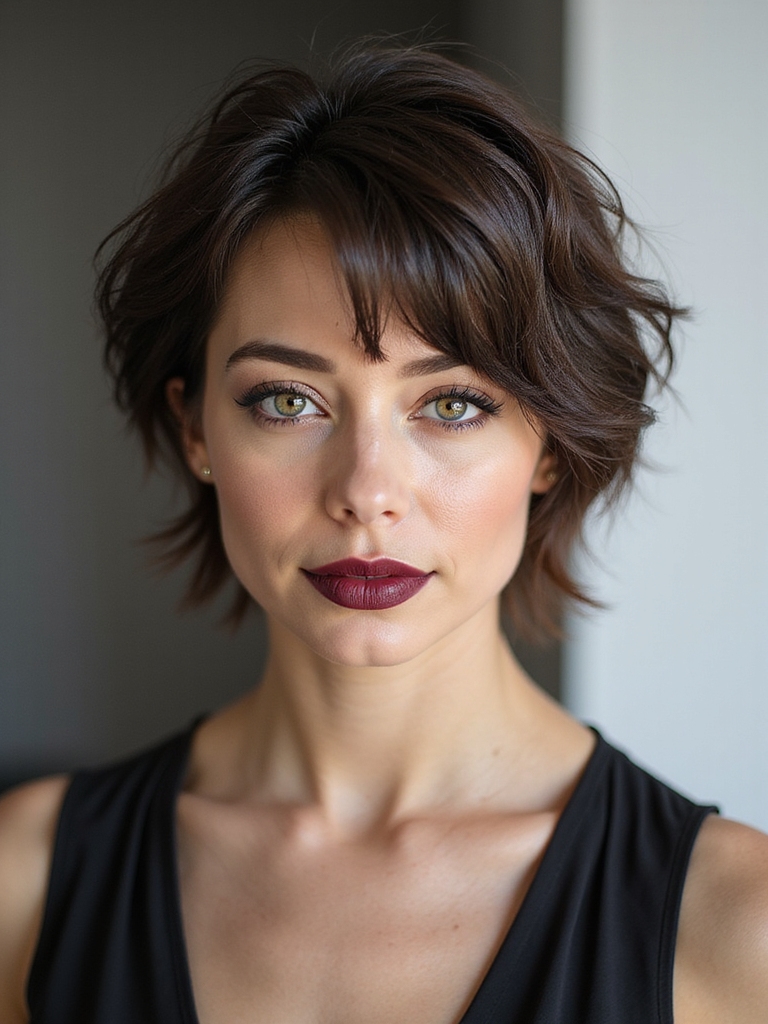
A long choppy pixie stretches the cut into a longer, grown-out stage, the choppy layering keeping that in-between length from looking shapeless. It’s less a distinct style than a way to manage the pixie as it grows.
The extra length gives the layers more room to move, so the texture reads bigger and more dimensional than it does on a tighter crop. This is also the easiest stage to live through if you’re growing a pixie toward a bob, since the choppy shape keeps things looking intentional the whole way. For more on this stage, see our long pixie roundup.
A Choppy Pixie for Fine Hair
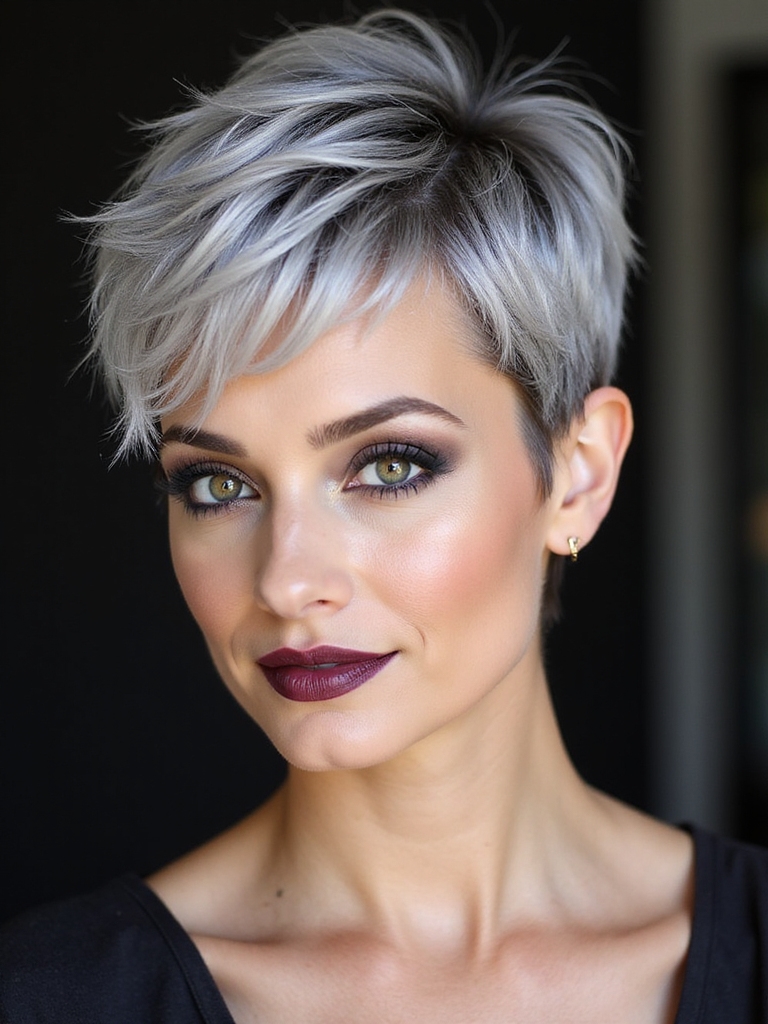
A choppy pixie is one of the more forgiving cuts for fine hair, since the broken-up layers create the illusion of more density than the hair actually has. Uniform, blunt layers can look thin and see-through on fine hair; choppy ones break up the light and hide the gaps between sections.
Faking Fullness Without Weighing It Down
The product choice matters more here than almost anywhere else on this list. Heavy waxes and creams drag fine hair flat within an hour. A light texture paste, used sparingly, and a small amount of root-lifting spray before drying do the actual work.
Point-cutting, not thinning shears, is worth requesting by name on fine hair specifically. Thinning shears remove length without adding real texture, which can leave fine hair looking sparse. Details in our pixie for fine hair guide.
👍Why the Grown-Out Stage Works
- +More length means more room for the layers to move
- +Fewer trims needed than the shortest versions on this page
- +A natural bridge if you’re heading toward a longer bob eventually
👎What Gets Harder
- –Loses some of the sharp, cropped definition of a true pixie
- –The awkward in-between stage can drag on for a few months
- –Still needs occasional shaping to keep the choppy texture visible
A Choppy Pixie for Thick Hair
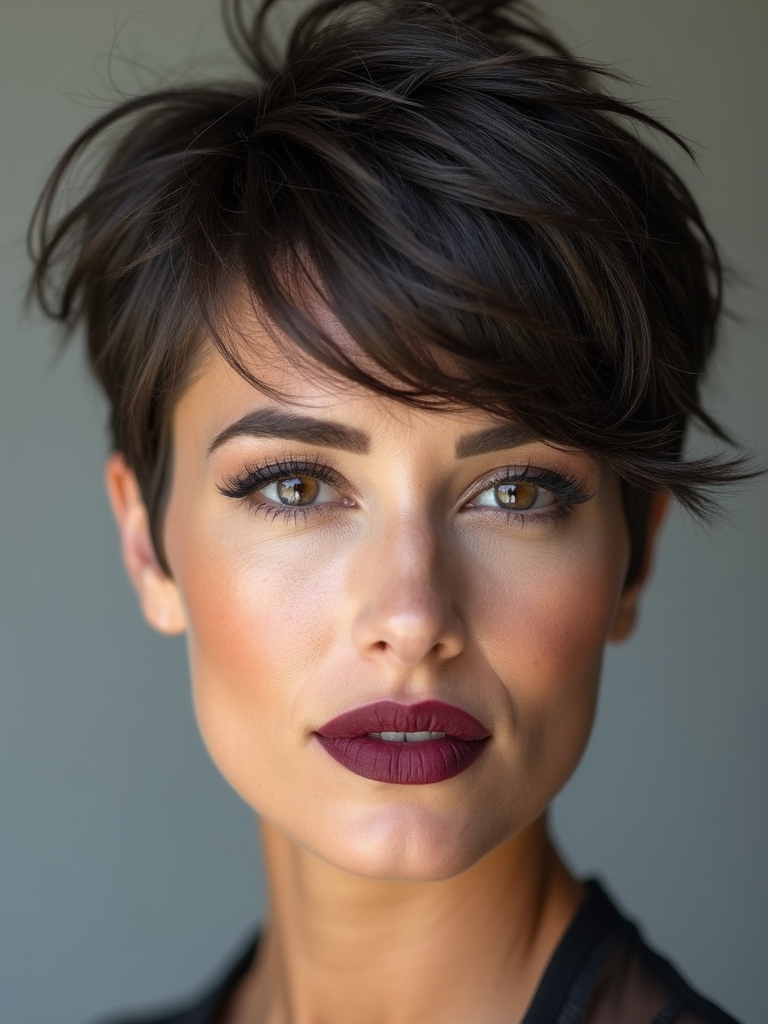
Thick hair carries a choppy pixie exceptionally well, since there’s enough density for the texture to hold its shape all day without collapsing. The real technique here is internal debulking: removing weight from underneath the top layer so the crop moves instead of sitting like a heavy dome. More here: pixie for thick hair.
- Debulking happens underneath; the visible top layer stays intact
- Thick hair holds the choppy shape longer between trims than fine hair does
- A texture paste defines the top layers once the bulk is removed
A Spiky Choppy Pixie
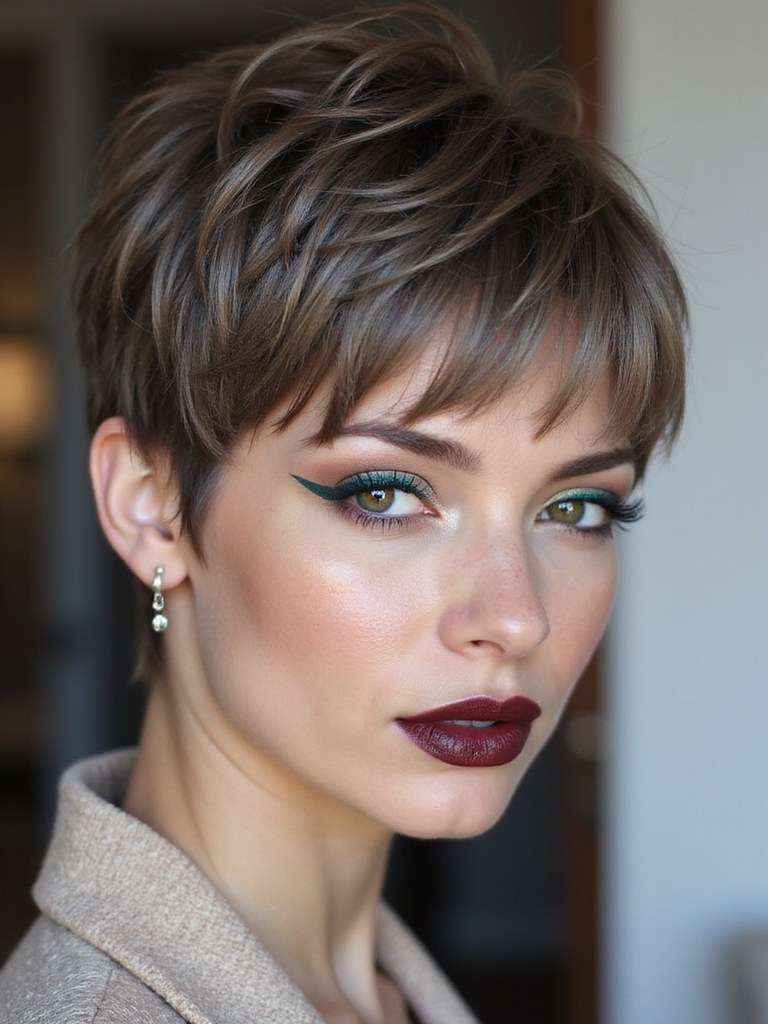
A spiky choppy pixie takes the texture upward instead of leaving it to fall, the layers lifted and pushed into small, piecey peaks. It’s the highest-energy version of the cut, built for a sharp, deliberate finish rather than a soft one.
Getting the spikes to hold usually takes a stronger product than most other versions here need. A matte paste or clay, worked in at the roots and pinched between fingers, lifts and separates the pieces into place. This version photographs sharply, but it holds up best on hair with some natural density behind it.
- Layers get pushed up and pinched, not combed through
- Needs a firmer-hold product than the softer versions here
- Best on hair with at least medium density for the spikes to hold
Don’t Skip the Debulking Step
If a stylist only shortens the length without thinning the underside first, thick hair can still sit heavy and dome-shaped despite the choppy top. Ask specifically about internal debulking, not just a shorter overall length.
A Choppy Pixie With Highlights
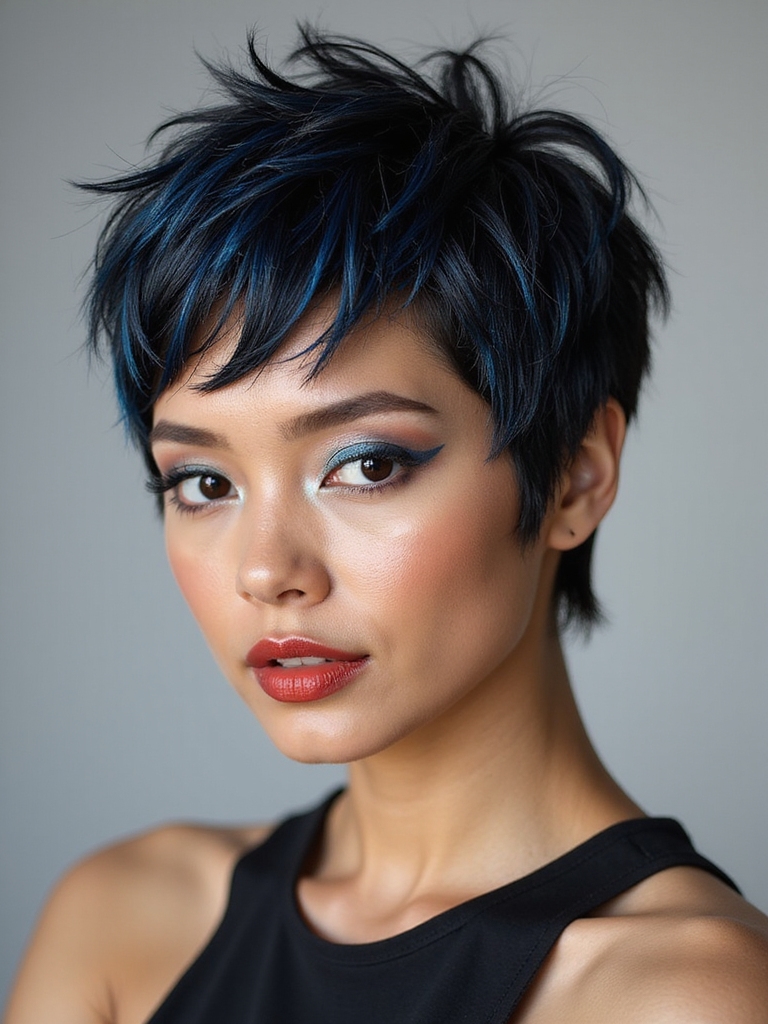
Highlights placed through a choppy pixie do something a solid color can’t: they catch each separated piece individually, so the color moves with the texture instead of sitting on top of it. The contrast between lighter and base tones makes the choppy cutting itself more visible.
Where the Highlights Actually Go
Placement matters more than shade here. Highlights concentrated at the very tips of the choppy layers show off the piece-by-piece texture best. All-over color placement, by comparison, can flatten the effect the cut is trying to create.
A gloss between color visits keeps the highlighted pieces from turning brassy, and a texture paste still handles the everyday styling underneath the color.
Who It Suits Best
A choppy pixie suits anyone with medium to thick hair most easily, since there’s enough density for the layers to separate into visible pieces without help. Fine hair can wear it too, just with lighter product and more attention to where the weight comes out.
It suits someone who’s actually comfortable maintaining short hair, since the shape grows out faster than longer cuts and loses its definition first. Anyone who wants to touch their hair once in the morning and be fully done, with no regular trims, is probably better served by a longer cut that grows out more gracefully.
Choppy Pixie Questions Worth Asking
?Is a choppy pixie the same as a regular pixie cut?
Not quite. A regular pixie can be cut smooth and uniform from root to end. A choppy pixie is defined specifically by varied-length layers that break the surface into separated pieces, which gives it that undone, textured look rather than a sleek one.
?Will a choppy pixie work if I have very straight, silky hair?
It can, though the texture needs more help from product than it would on hair with some natural grip. A matte paste or clay, worked through with fingers rather than a comb, is usually necessary to keep silky hair from smoothing the choppy layers back into one flat plane by midday.
?How do I keep the choppy layers from looking messy instead of intentional?
Keep the product matte, not shiny, and work it in with fingertips instead of a brush. Shiny serums and heavy waxes clump the separated pieces back together, which is usually what tips a choppy cut from textured into unkempt.
The Texture Is the Whole Decision
Fifteen versions, one shared mechanic: varied-length layers that break a pixie’s surface into pieces instead of one smooth plane. Which version fits usually comes down less to the name and more to how much natural texture you’re starting with and how much daily upkeep feels realistic.
If a few of these caught your eye, save this page before your next appointment. Bring the specific version, mention how much maintenance you’re actually willing to do, and let your stylist adjust the choppiness from there.
Hand-Picked for You