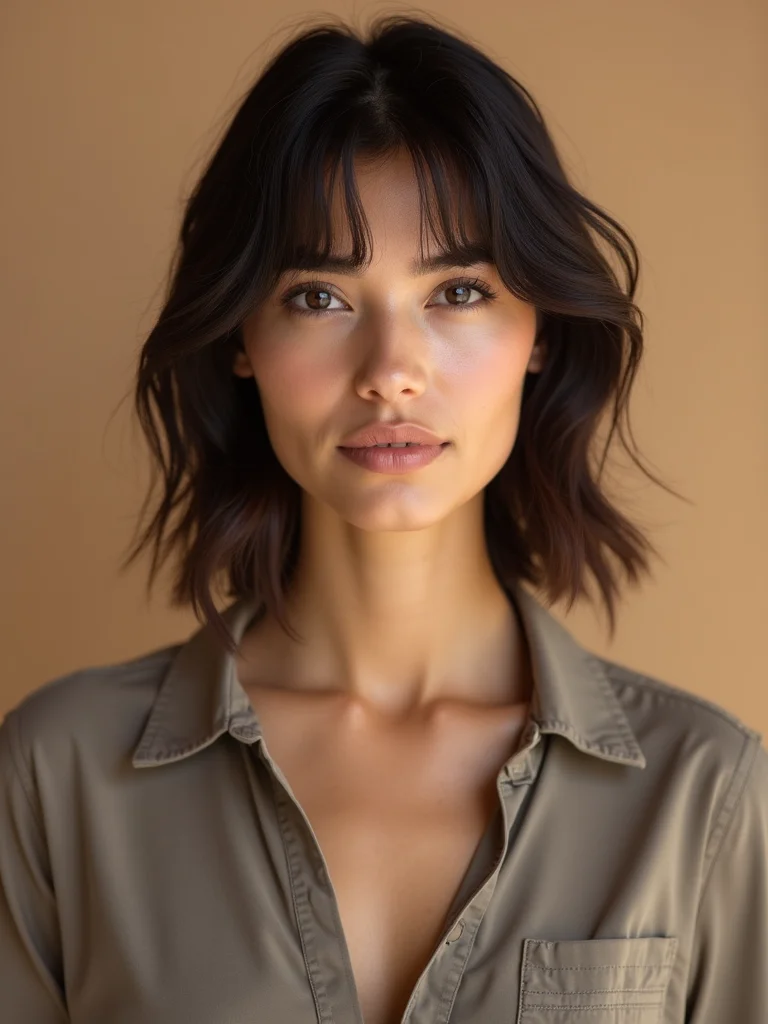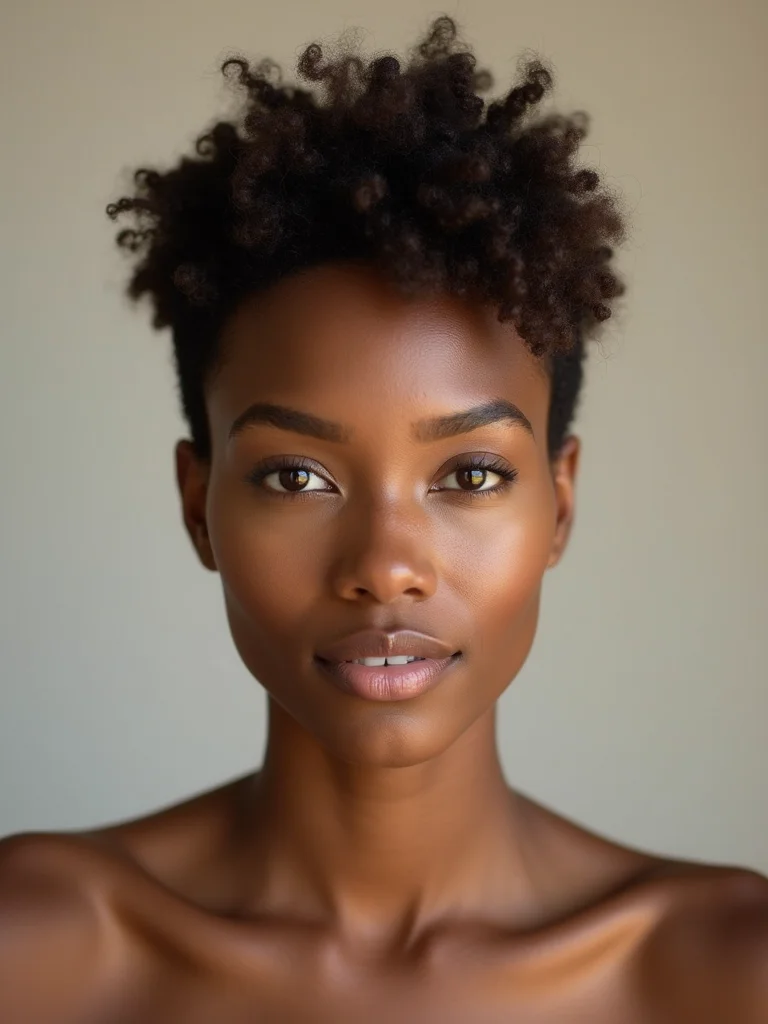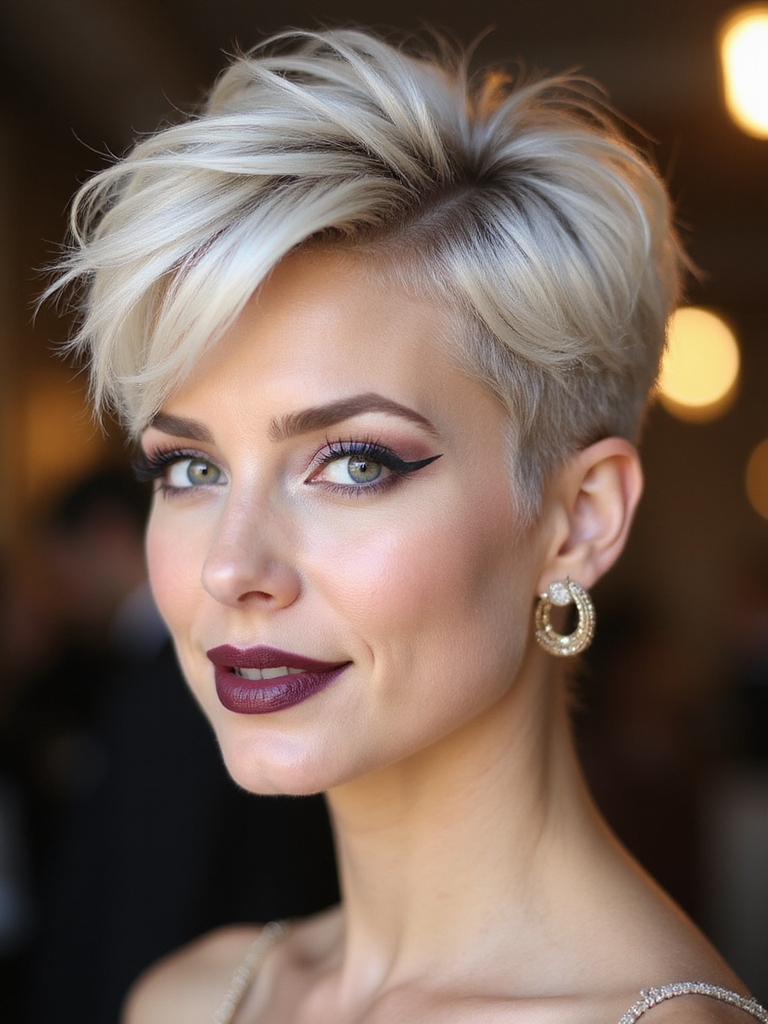
Does fine hair really suit a pixie? Better than almost any other cut, actually. The very thing that makes fine hair fall flat, its lack of weight, turns into an advantage the moment you cut the length away and let the hair stand up and lift.
With the right layers, crown height, and styling, a pixie can make fine hair look fuller than it ever did long. Below are fifteen fine-hair pixie ideas, plus the products and techniques that keep the body going all day.
What to Know First
- Length is fine hair’s real enemy — it pulls the roots flat. Chop it into a pixie and the strands finally get the lift back.
- Ask specifically for layers plus height at the crown — that combination is what actually builds the lift.
- Lightweight, residue-free products keep the lift; heavy creams flatten fine hair fast.
- Nothing adds shape faster than aiming a dryer at the roots and lifting as you go, and placed color can trick the eye into extra density.
- Fine layers go limp sooner than thicker hair does, so keep the trims on a tight-ish schedule.
Why a Pixie Loves Fine Hair
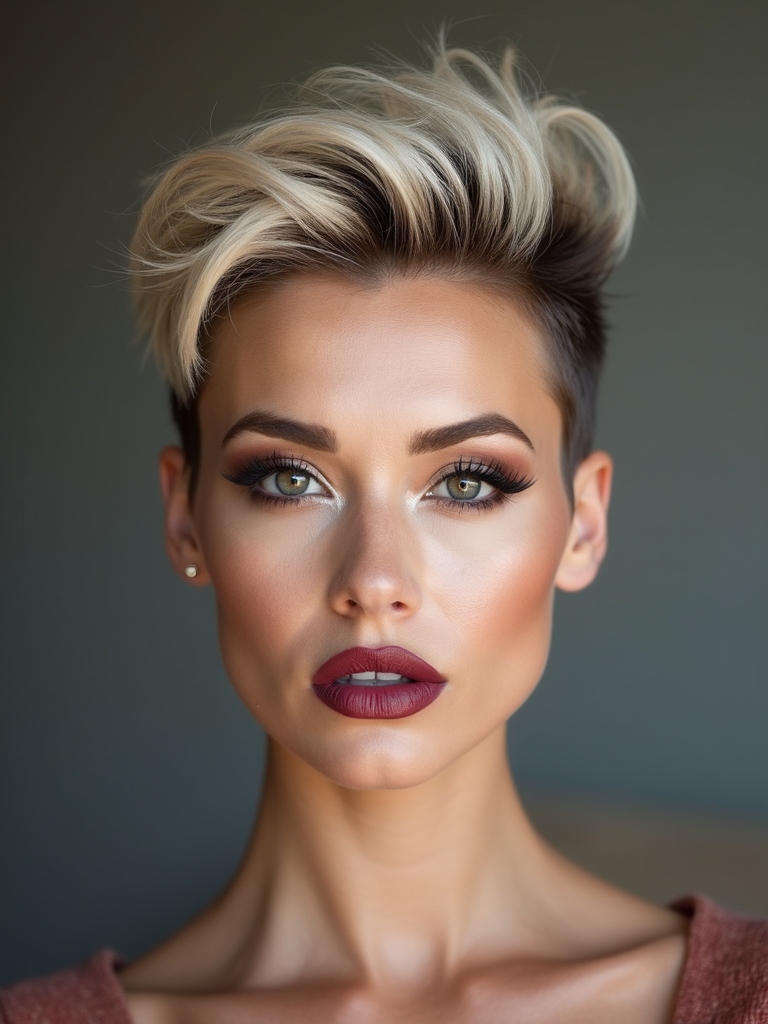
Fine hair loses volume to length, since the weight of long strands drags the roots flat. A pixie removes that length, so the hair stands up and looks instantly fuller on its own.
Shorter layers also let a stylist build lift right at the crown, exactly where fine hair falls flattest. The cut plays to fine hair’s strengths.
It is the most volumizing cut I put fine-haired clients in, and the one they thank me for most. See our short pixie haircuts.
Choosing a Pixie for Your Face Shape

Fine hair gives you freedom to tailor a pixie to your face, since volume can be placed wherever flatters. A round face wants height at the crown; a long face wants softness and width at the sides.
A square jaw softens under wispy, textured pieces, and an oval face can carry almost any version. The point is to put the volume where it balances your features.
Tell your stylist your face shape and let them place the lift accordingly. See our face-shape haircut guide.
📋What to ask for with fine hair
- ✓Layers through the crown to build height where you fall flattest
- ✓A slightly stacked or rounded back for built-in body
- ✓Soft, textured ends for a lighter finish
- ✓A length you can lift, not so short it cannot stand up
Classic Layered Fine-Hair Pixie
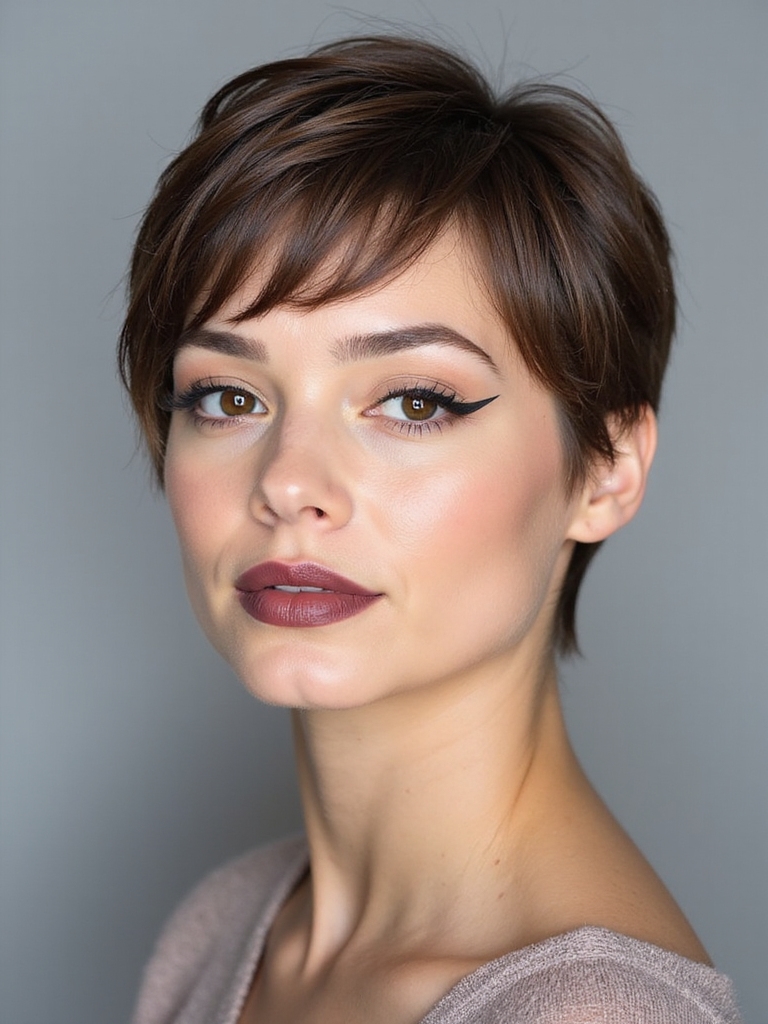
A classic layered pixie is the foundation for fine hair: soft, strategic layers cut to add fullness without stripping out so much that the hair goes wispy. The layers create the illusion of density a single blunt length never could. It is the safest, most flattering starting point, and it air-dries with a little mousse into easy everyday volume.
- Soft layers build fullness without thinning the hair out
- The most flattering, lowest-risk fine-hair shape
- Air-dries with mousse into easy volume
Featherlight Layered Pixie

A featherlight pixie takes the layering further, with fine, airy layers that give maximum lift and movement to delicate hair. The lightness is the point: nothing weighs the strands down, so they float and lift.
It suits the finest hair especially, where heavier cuts can look limp. A whisper of texture spray is all the product it can handle.
- Fine, airy layers for maximum lift on delicate hair
- Best for the very finest hair that limps under weight
- Use the lightest product, a texture spray at most
Pick your fine-hair pixie by what you need most.
🎯Maximum volume
A tousled lifted-crown or stacked pixie
🎯Soft and pretty
A featherlight layered or feathered crop
🎯Low effort
A classic layered pixie, air-dried with mousse
Textured Crop With Bangs

A textured crop with soft bangs adds piecey, choppy layers that make fine hair look thicker than it is. The broken-up texture catches the light and looks full, while the bangs frame the face and a little paste separates the pieces for even more apparent density.
- Piecey, choppy layers that read thicker than they are
- Texture catches light and fakes density
- Soft bangs frame the face and add interest
Undercut Pixie With Lift

An undercut might seem counterintuitive for fine hair, but it is a clever trick: by removing weight underneath, it lets the top layer stand up taller and look fuller.
Less weight, more lift up top
The hidden buzzed section concentrates all the visible volume up top, exactly where you want it. It is bolder than most fine-hair cuts, but the lift it creates is real.
It fits anyone with fine hair who wants both edge and body. See our edgy pixie cuts for bolder takes.
ℹ️Good to Know
Fine hair is about strand thickness, not how much hair you have; you can have plenty of fine strands. That matters because the goal is lift and the look of density, not adding hair. A pixie creates both by removing the weight that flattens what you already have.
Tousled Pixie With a Lifted Crown

A tousled pixie with a lifted crown is the most volumizing shape here, the hair teased and shaped up at the crown for real height. It is the answer for anyone whose fine hair sits flat on top.
A root-lifting product and a few seconds of teasing build the lift, then a tousle keeps it looking undone and easy. The height does the heavy work for the whole cut.
It fits anyone who wants the most body fine hair can give. Crown height is everything.
Asymmetrical Feathered Pixie

An asymmetrical feathered pixie leaves one side longer with soft, feathered layers, the off-balance shape adding movement that makes fine hair look livelier. The asymmetry draws the eye and creates the impression of more hair through sheer motion. It is a flattering, modern choice that needs little styling beyond a scrunch of light product.
- An off-balance, feathered shape that adds movement
- Motion makes fine hair read fuller and livelier
- See our asymmetrical pixie for more
| Do | Don’t | Why |
|---|---|---|
| Lift at the roots | Weigh down the ends | Root volume is what looks full |
| Use light, airy product | Pile on cream or oil | Heavy product flattens fine hair |
| Add dimensional color | Stick to one flat shade | Contrast fakes density |
Long Pixie for Fine Hair

A long pixie keeps a bit more length on top, the most versatile fine-hair shape, though it asks for a little more styling to hold its volume. The extra length gives you something to sweep and lift.
Keep the layers light so the length does not drag the body back down. It is the gentle, grow-out-friendly option for fine hair easing into short. See our layered pixie cut.
Curly Pixie for Fine Hair

Fine curls are their own puzzle: delicate strands that still want to spring. A curly pixie frees fine coils from the weight of length, so they lift and bounce with new life.
Cut dry so the shape fits how the fine curls fall, and use the lightest curl cream so definition does not turn into weight. Fine curly hair finally gets to be full.
Styling Fine-Hair Pixie for Volume

Styling a fine-hair pixie is all about building lift and not crushing it. Start at the roots: a mousse or root spray on damp hair, worked in at the crown, is where the volume begins. Rough-dry with your fingers lifting the roots, or use a round brush to lift and curve the top, then finish with the lightest possible product, since anything heavy undoes all the work. The clients I see with the most body all build it right at the root.
- Mousse or root spray at the crown on damp hair
- Lift the roots as you dry, with fingers or a round brush
- Finish light; heavy product undoes the lift
The Right Products for Fine Hair

Product choice makes or breaks fine-hair volume. The rule is light and residue-free: mousses, root sprays, and dry texturizing mists build lift without adding weight, while heavy creams, oils, and waxes flatten fine hair instantly.
Less is also more; a little product lifts, while too much drags the roots back down. When in doubt, use half what you think you need.
- Reach for mousse, root spray, and dry texture spray
- Skip heavy creams, oils, and waxes that flatten
- Use less than you think; excess product drags roots flat
The Volume Blow-Dry

The single biggest volume boost for fine hair comes from a root-lifting blow-dry. Rough-dry to about eighty percent first, then use a round brush to lift each section at the root while aiming the dryer straight at the base, not the ends. Hit it with a blast of cool air to set the lift before it falls. Five minutes of this builds more body than any product, and on fine hair it lasts the whole day.
- Dry the roots first, lifting each section up and away
- Aim the dryer at the base where the lift starts
- Set with cool air so the lift holds all day
Color That Fakes Fullness

Color is fine hair’s secret weapon for fullness. Dimensional color, soft highlights, lowlights, or a root shadow, creates the illusion of depth and density that a single flat shade cannot.
The contrast tricks the eye into seeing more hair, so a pixie with placed color always looks thicker than the same cut in one tone. It is fullness you do not have to style in.
Fine-Hair Pixie Upkeep

Fine-hair volume needs upkeep, but not much. The single habit that matters most: stay on top of trims, booking one around the one-month mark and never letting it stretch much past six weeks, since fine layers lose their lift and shape faster than coarser hair.
Between washes, a little dry shampoo or dry texturizing mist at the roots brings the body back without a full re-wash, which matters since fine hair goes flat by the second day. A satin pillowcase helps it hold its shape overnight, too.
- Book the next trim before the six-week mark hits
- Dry shampoo at the roots revives second-day body
- Sleep on satin to keep the lift overnight
Maintenance & Care
Caring for a fine-hair pixie is mostly about protecting the volume you built. Wash with a lightweight, volumizing shampoo, and save the conditioner for the mid-lengths and tips — put it near the scalp and the whole style sags within the hour. Once a week, work in a clarifying wash to clear out the product buildup that quietly sneaks in and weighs the strands down.
Budget for the trims, since they are non-negotiable here: plan on $40 to $65 roughly every five weeks so the layers never get the chance to droop. I tell every fine-haired client the same thing, that the cut and the blow-dry do ninety percent of the work, so get those two right and your hair will look fuller than it has in years.
Fuller Than It Has Looked in Years
Fine hair and a pixie make an unlikely-sounding but near-perfect pair. Cutting the length away does more for volume than any product ever will, and the right layers, crown height, and root-lifting blow-dry finish a job a long cut could never fake.
If your fine hair has felt limp and lifeless for years, this is the cut that hands the body back. Screenshot whichever version speaks to you, ask specifically for crown height when you book the appointment, and give it one wash cycle to see fine hair stand fuller than it has in a long while.
Worth a Look