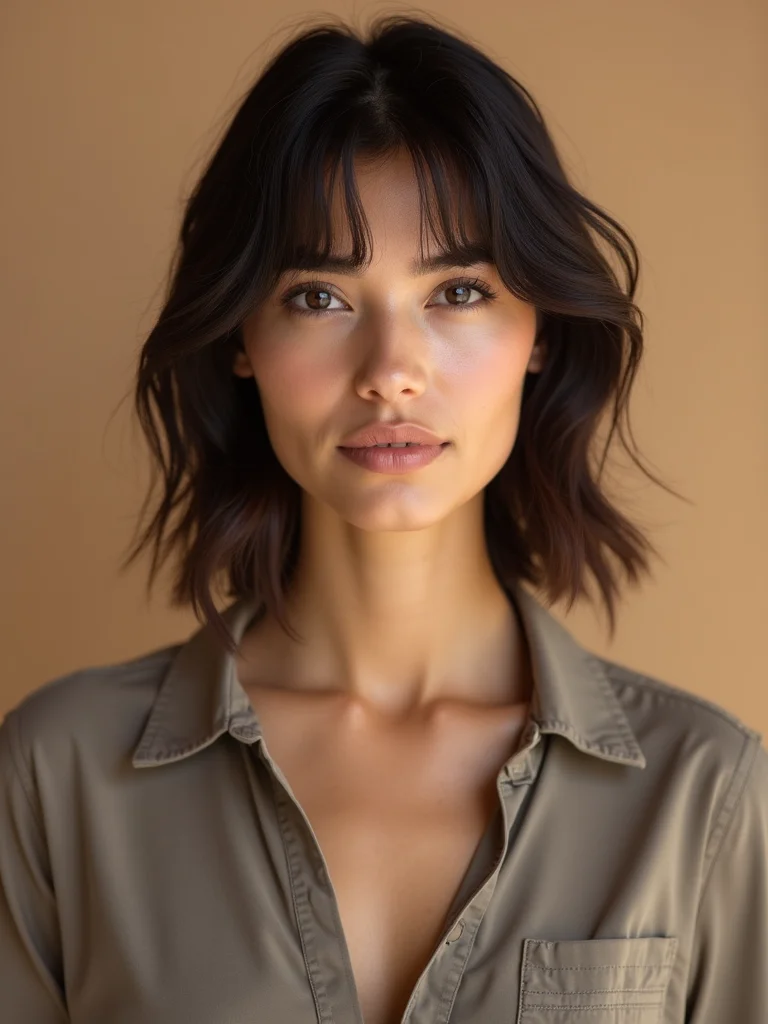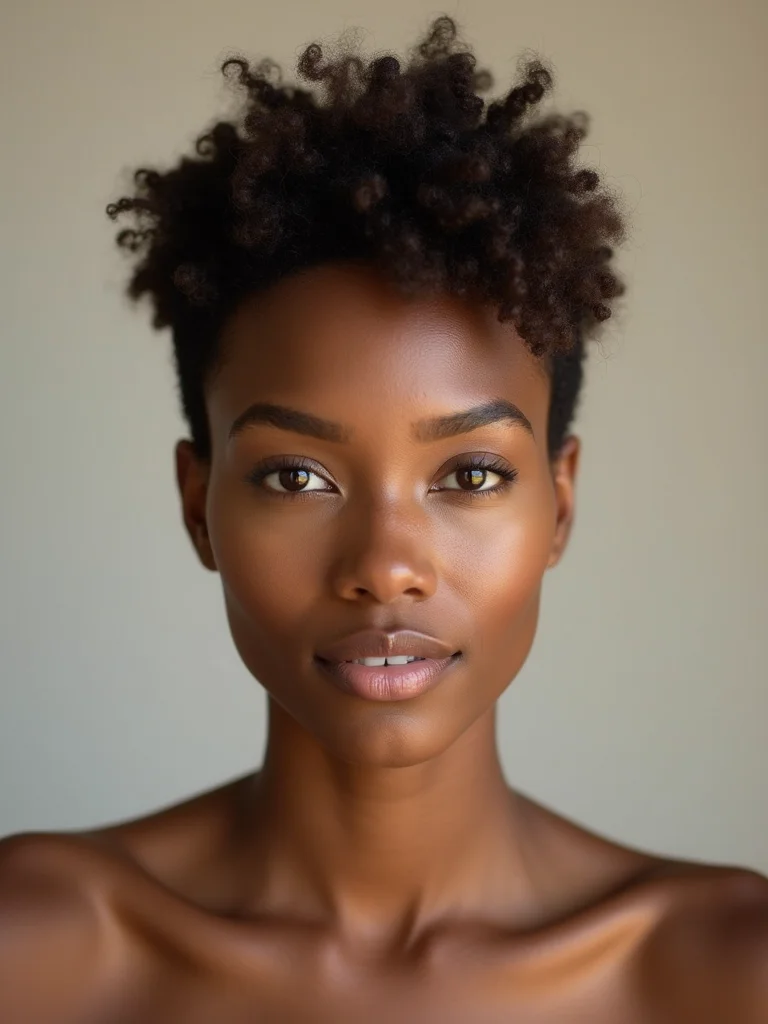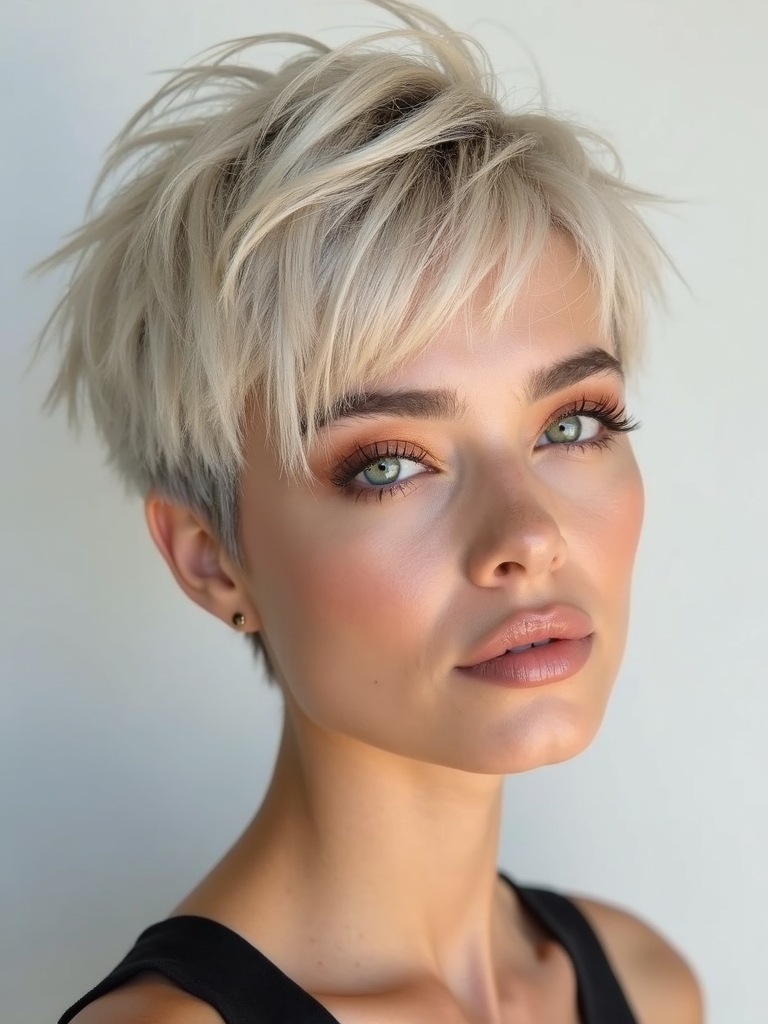
Two photos, one phone screen: a sharp, cropped pixie on one side, a soft layered bob on the other. Whoever’s scrolling usually can’t choose between them. A pixie bob haircut sits perfectly on the line between the two, and the real decision was never pixie-versus-bob to begin with. It’s just how close to either edge to land.
Sixteen versions follow, running the full range from sharp and cropped to soft and grown-out, each noted for which end of that spectrum it leans toward.
Where This Cut Sits
Every version below leans one way or the other along a single spectrum: sharp, short, and structured at one end; soft, longer, and undone at the other. Sleek micro cuts, tapered napes, and hidden undercuts sit toward the edgy side; long, feathered, wispy-fringed versions sit toward the soft one.
Texture and realistic styling time decide more than personal taste does. Curly and coily hair needs a dry cut regardless of which end gets chosen, and fine hair generally does better leaning toward the shorter, more structured end, where the cut itself does the volume-building.
Sleek Micro Bob With a Tapered Nape

For anyone who wants this hybrid pushed as far toward pixie as it goes, this is the version. Close at the neck with smooth, polished length left on top, a tapered nape bares the neck and draws the eye upward while the sleek finish keeps the whole shape refined.
It looks sharp, modern, and grown-up rather than soft or romantic, which makes it the most edge-forward option on this list. A quick blow-dry with a flat iron over the top section is usually the entire routine. The back needs nothing at all.
Choppy Pixie Bob With Piecey Ends
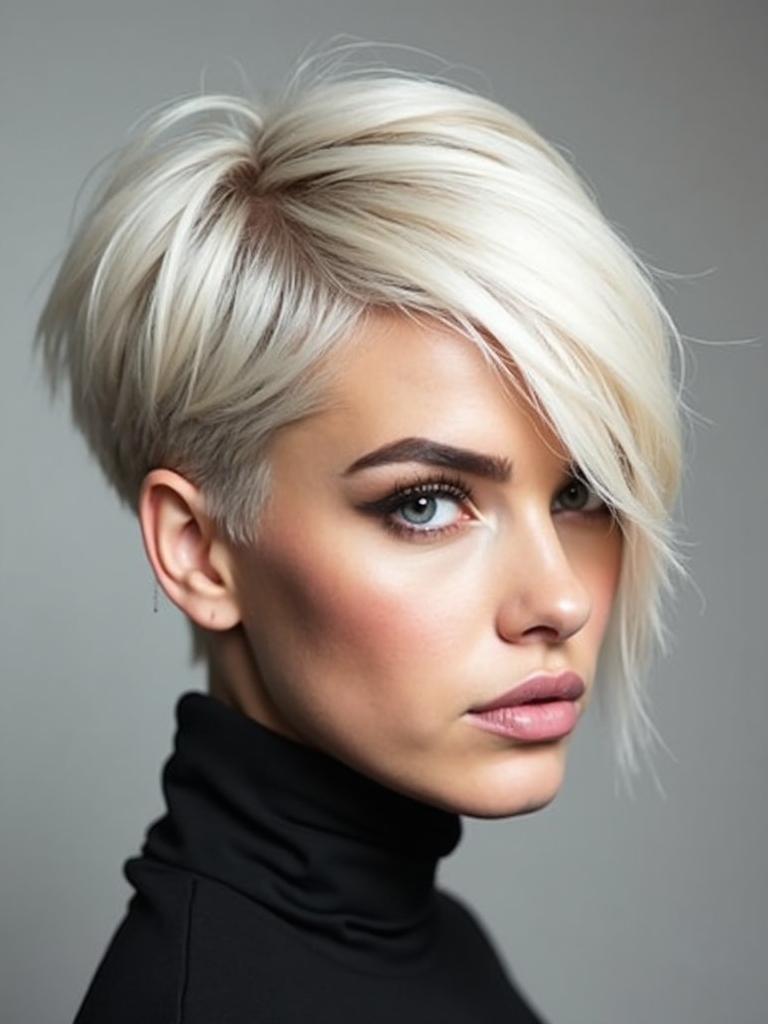
This version is built for anyone chasing attitude over polish. Broken-up layers give the shape a cool, undone edge, and choppy ends mean a grow-out still looks deliberate.
- A texture paste pulled through with fingers is the entire styling routine most days.
- Piecey ends forgive a missed appointment better than a blunt version does.
- Suits thick to medium hair best; very fine hair can look sparse once this much weight comes out.
Soft Feathered Fringe and Airy Layers

Tipping toward the soft end of the spectrum, feathered layers paired with an airy fringe make the shape gentle rather than sharp. The feathering frames the face without any hard lines, and the fringe softens the forehead without adding weight to it.
This is the choice for anyone leaning romantic over edgy, since both the fringe and the layers grow out slowly, without much of an awkward in-between stage.
- A lightweight mousse through damp hair is enough to keep the feathering soft.
- The fringe blends into the face-framing pieces as it grows, with no sharp line to manage.
- Works best when the hair falls smooth or waves gently; tighter curl patterns tend to swallow the feathering entirely.
Tousled Wave Pixie Bob With a Lifted Crown

This version runs on easy movement. Soft waves paired with height at the crown give the shape a full, relaxed silhouette that needs almost no daily effort once the cut is right.
Rounder faces respond especially well to that lift, since the added height at the top balances out width lower down on the face. Most versions hold their shape for around a month before the crown needs a refresh.
- Scrunching a texturizing spray through damp hair covers most of the styling most mornings.
- Works best with at least some natural wave already in the hair.
- A diffuser on low speeds up drying without disturbing the wave pattern.
Where Fine Hair Struggles Here
The crown lift depends on some natural body to hold; very fine, straight hair may need a root-lift product every time to keep the height from falling flat by midday.
Asymmetrical Side-Swept Pixie Bob
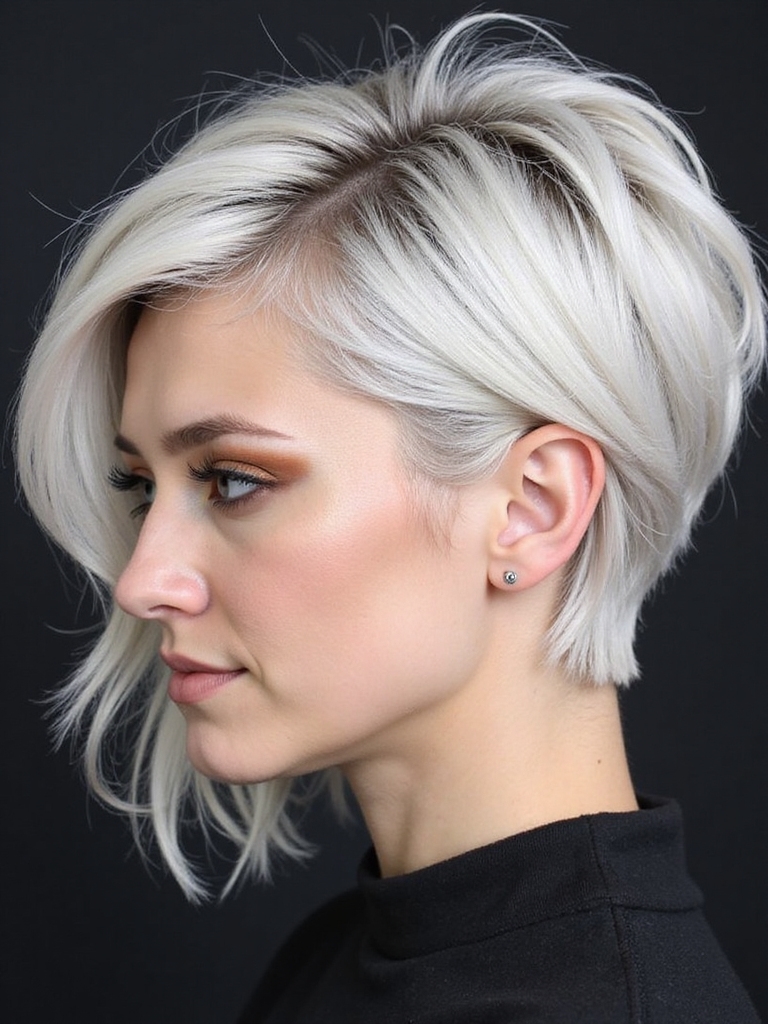
Keeping one side noticeably longer and sweeping it across builds deliberate, modern imbalance into the shape. The longer side gives something to style and sweep, softening that side of the face while the shorter side stays sharp.
The catch is upkeep on the shorter side, which asks for a tighter reshape schedule than the longer side does, so the imbalance keeps looking intentional. More on the style lives at asymmetrical pixie.
Textured Shaggy Pixie Bob
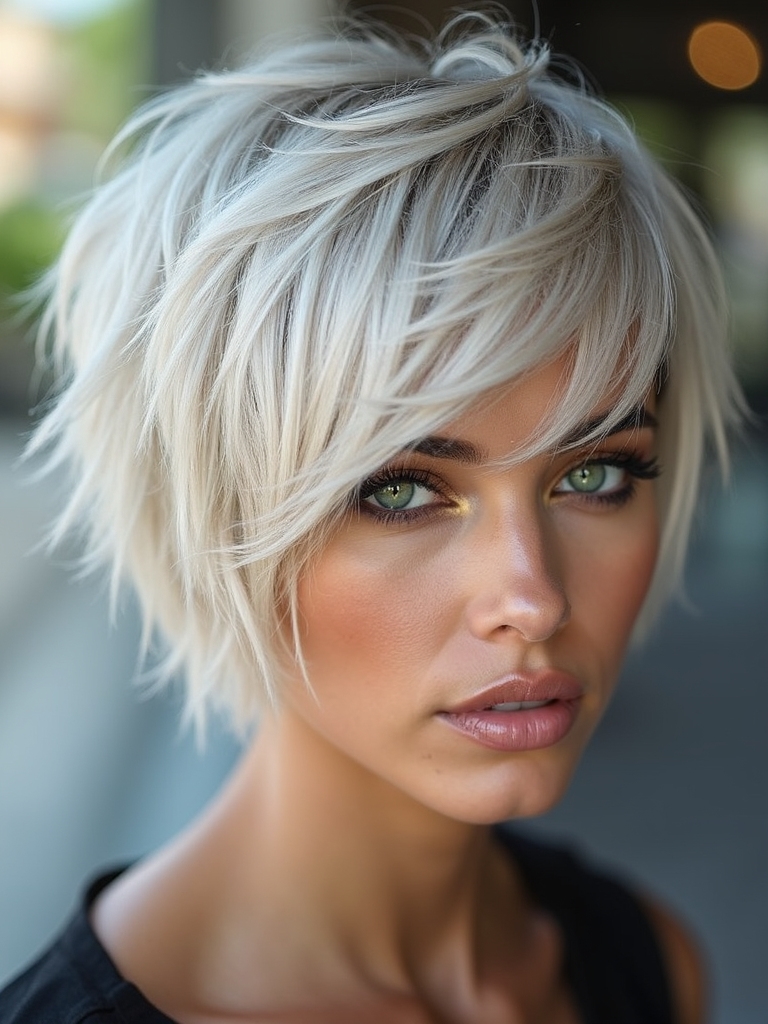
This version brings choppy, shag-style layers into the hybrid, all texture and movement in a short-to-mid shape. It comes across undone, and the morning routine barely takes any time at all.
The shag texture is forgiving on a grow-out too, since the layers already look intentionally uneven, which is exactly the point.
Pick it for extra edge and a relaxed, piecey finish over anything sharp or sculpted.
The shaggier a pixie bob gets, the less it depends on a fresh cut to look finished; the texture does most of the work between appointments.
Curly Pixie Bob With Defined Ringlets
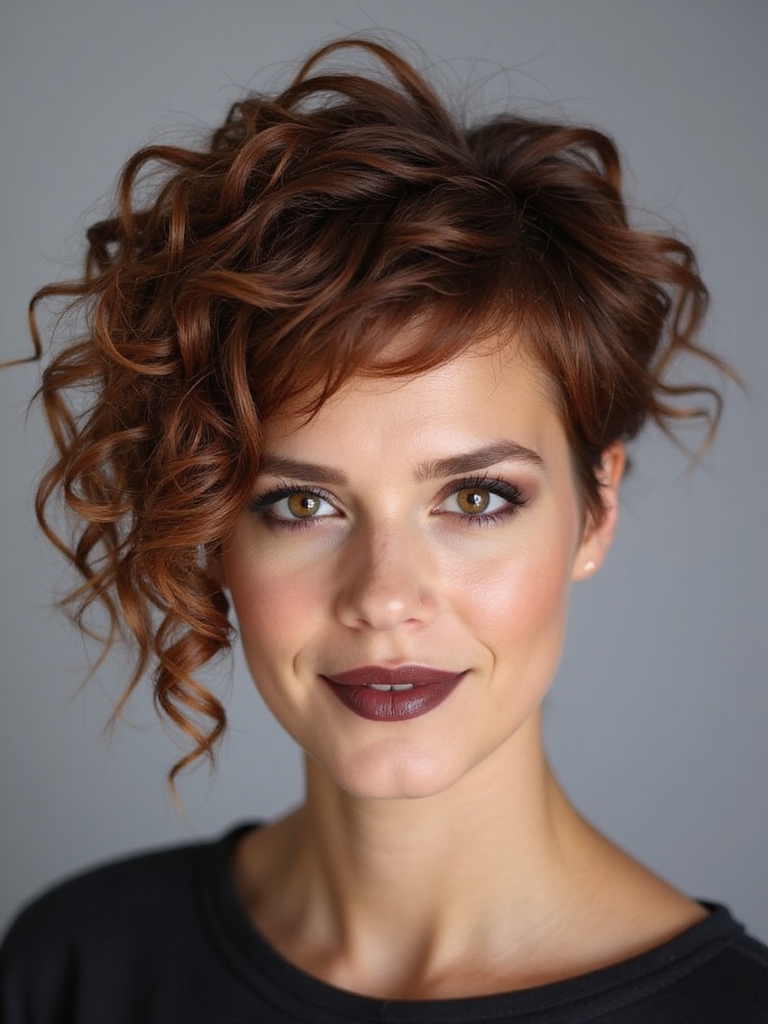
On curly hair, this length lets ringlets spring into their full, natural shape, the hybrid length keeping curls defined without weighing them down. It sits in a sweet spot for curls: short enough for bounce, long enough to show the actual pattern.
Because curls shrink and shift as they dry, this version needs shaping on completely dry hair, so a stylist can see the real silhouette before removing more length than intended.
- Ask specifically for a dry cut; a wet cut on curls tends to end up shorter than planned once it dries.
- A curl cream scrunched into soaking-wet hair keeps the ringlets defined.
- For more curl-specific cutting notes, see curled pixie cut.
Blunt-Edge Pixie Bob With a Subtle Undercut
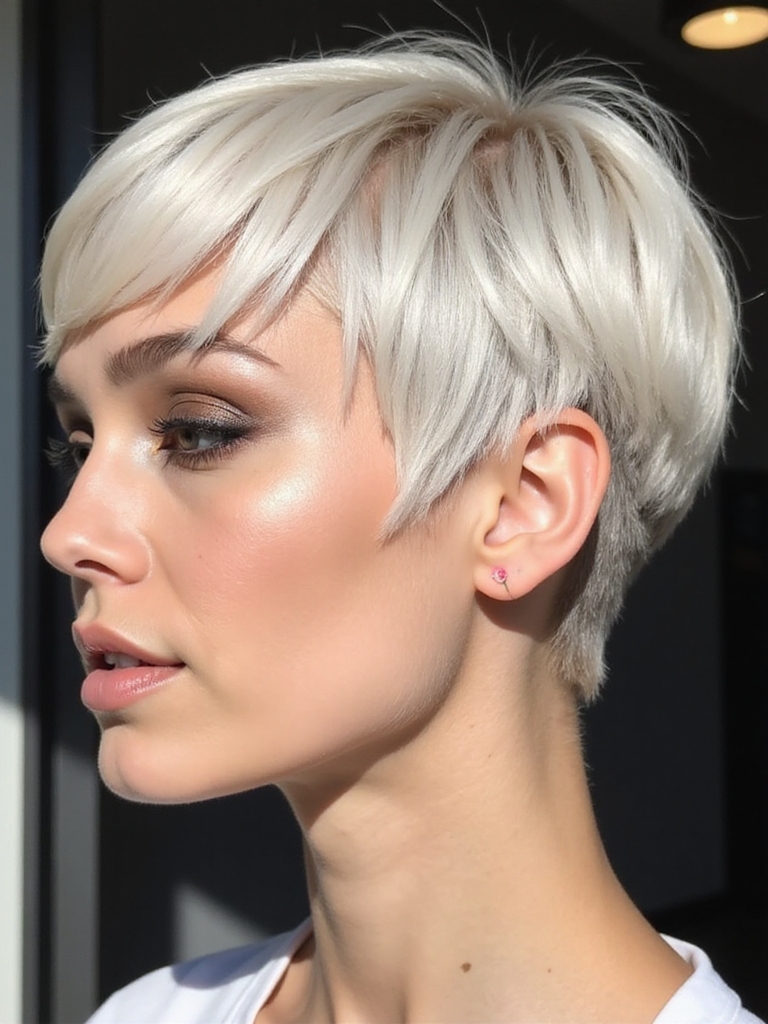
This version pairs a sharp, dense hemline with a hidden shaved section underneath, blending a soft outer shape with an edgy detail nobody sees at first glance. It’s a quiet secret.
The Trade Built Into This Cut
The blunt edge keeps the shape strong and graphic on the surface, while the undercut underneath removes bulk and adds a bit of rebellion that can be covered or shown depending on the day.
It suits thicker hair that needs weight taken out from below, keeping the surface full, and anyone who likes a hidden detail under an otherwise polished shape.
Long Pixie Bob With Face-Framing Layers
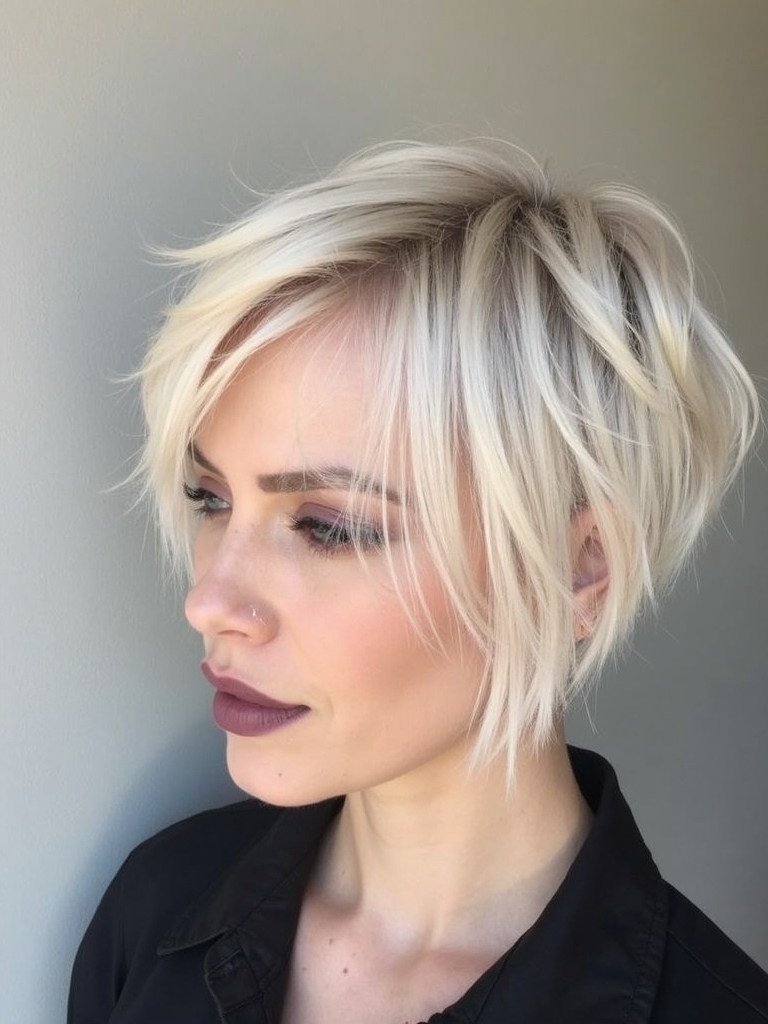
At the softest end of the spectrum, this version leans toward the bob side, with more length overall and face-framing layers shaping the front.
It’s the gentlest, most grow-out-forgiving version here, which makes it a reasonable starting point for anyone nervous about going shorter. Enough length stays to style, and to change direction later if the shorter versions turn out to be too much.
The face-framing layers do the flattering work at the front while the extra length through the back gives more to actually work with day to day.
Sculpted Pixie Bob With a Deep Side Part
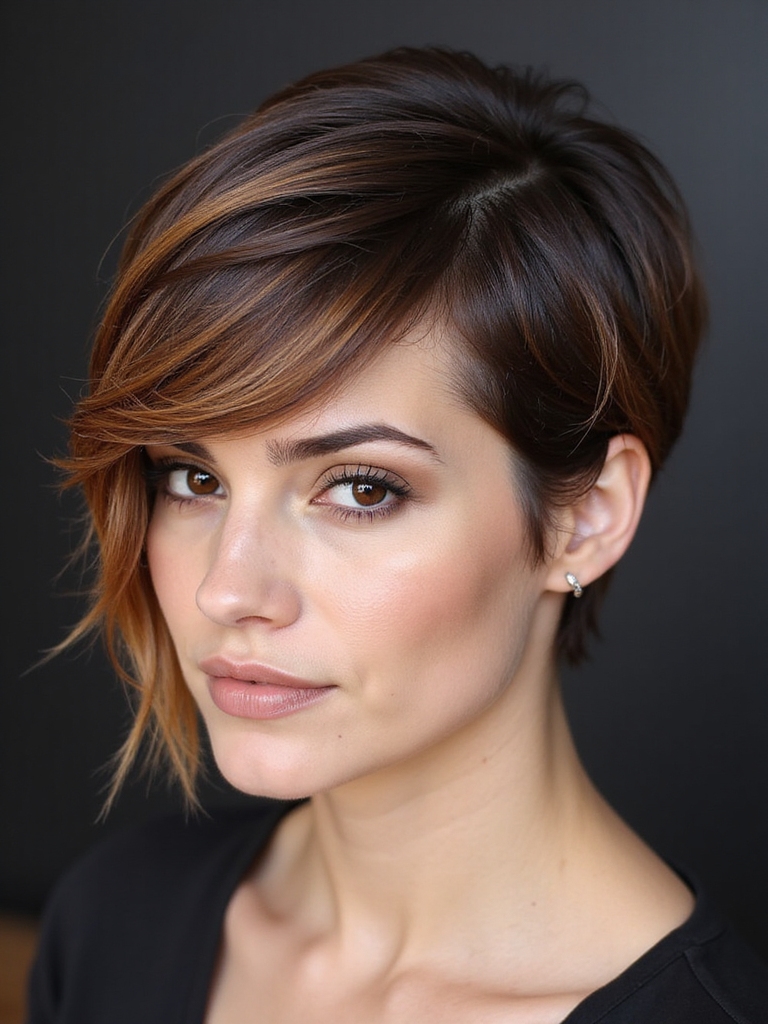
A deep side part sculpts this shape into something polished and asymmetric, adding volume right at the part and sweeping the length over to one side.
The lift at the part suits finer hair especially well, and the side sweep draws a flattering diagonal line across the face, part of why this lands as the most boardroom-ready version on this list.
- A comb-through with a light styling cream sets the part before drying.
- The deep part alone does most of the volume-building work here.
- Suits fine to medium hair; very thick hair can fight the part and flip back.
Wispy Bangs on a Rounded Pixie Bob

Wispy bangs soften the whole shape here, a fine, see-through fringe framing the eyes against the bob’s gentle curve underneath.
Built for a First Cut
It comes across as a soft, pretty pairing that feels more feminine than sharp, and the wispy bangs themselves grow out with barely any awkward stage to manage.
It’s one of the friendlier versions for a first-timer nervous about the whole hybrid, since nothing about the shape commits especially hard in either direction.
Not sure whether the edgy or soft end of this spectrum fits better? Quick check:
1Is a weekly reshape realistic, or is monthly more honest?
Sharper, shorter versions like the sleek micro or tapered nape need closer to weekly attention to stay crisp; softer, longer versions can stretch several weeks longer between visits.
2Does the hair have natural wave or curl already?
Waves and curls suit the tousled, shaggy, or curly-specific versions especially well; straighter hair tends to hold the sleek and blunt versions with less daily effort.
Stacked-Back Pixie Bob for Volume
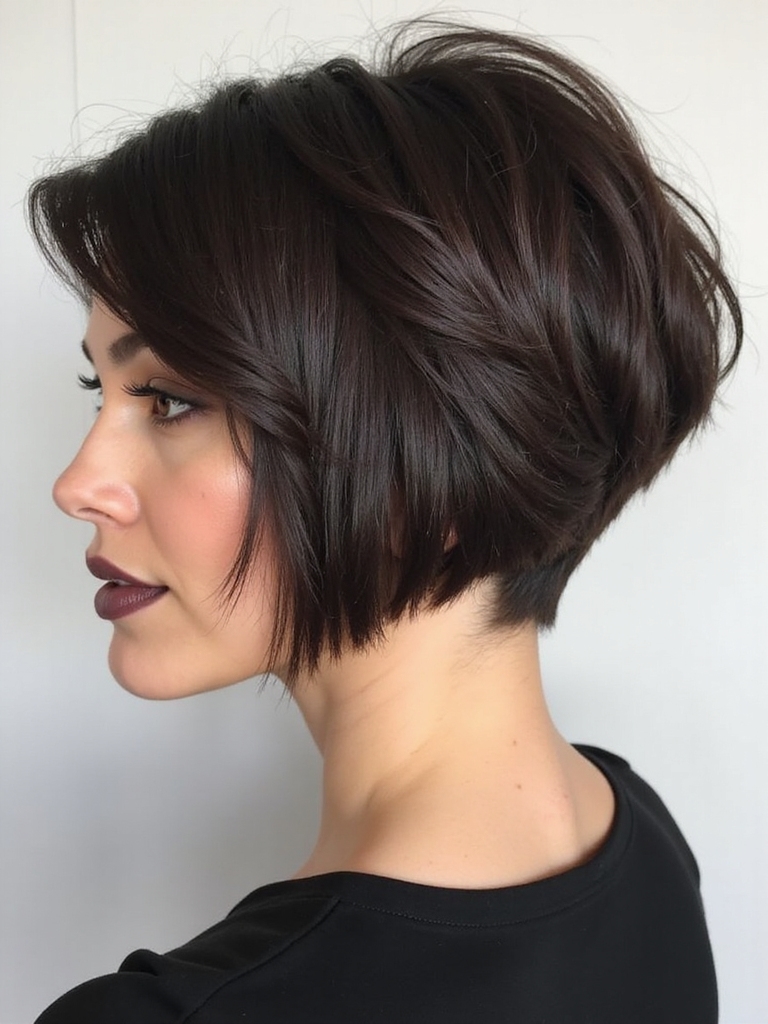
A stacked back graduates the layers at the nape, so the back builds height and roundness while the front stays longer. It’s a targeted fix for the one spot short cuts usually fall flattest.
- Especially strong for fine hair that needs built-in volume straight from the cut itself.
- The structured layering holds its shape longer between cuts than a single-length version does.
- A root-lift spray at the crown extends the volume between wash days.
Sliced Layers With a Razor Finish
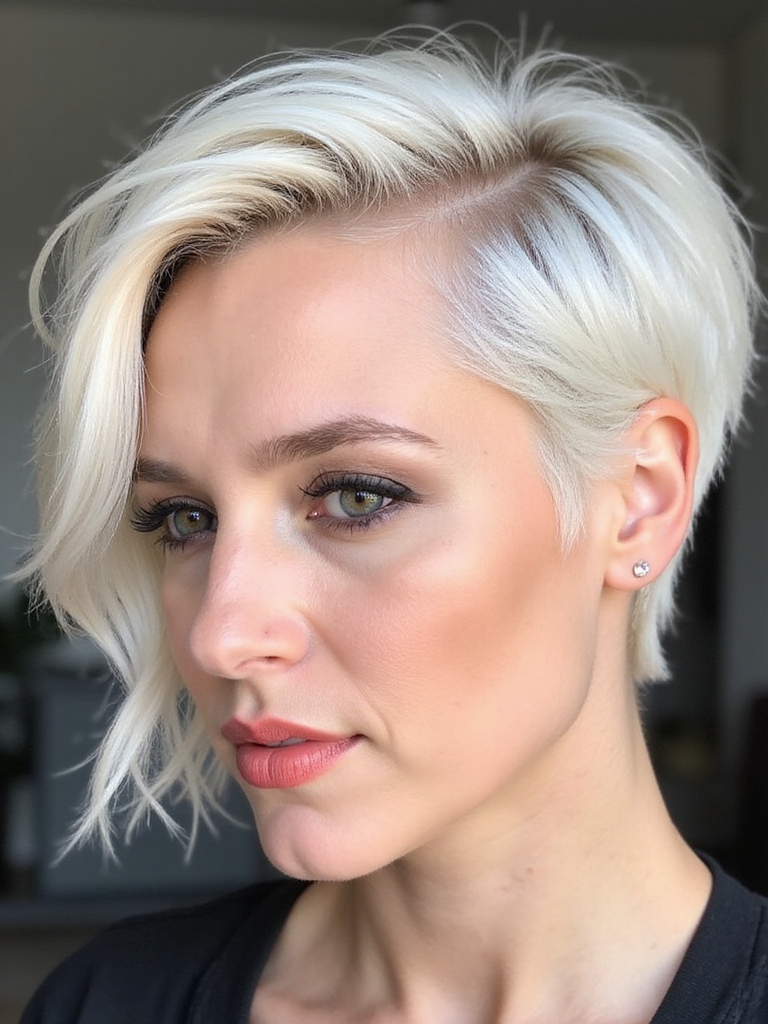
A razor finish gives the airiest, most piecey movement on this list, the sliced ends letting the shape fall in weightless, separated pieces.
Smooth or gently waved hair takes to it especially well. The catch: dry or tightly curly textures can fray and frizz under a razor, since sliced ends are more fragile than a scissor-cut edge, so a scissor-cut version of the same shape is worth asking about there.
Retro-Inspired Pixie Bob With Polished Ends
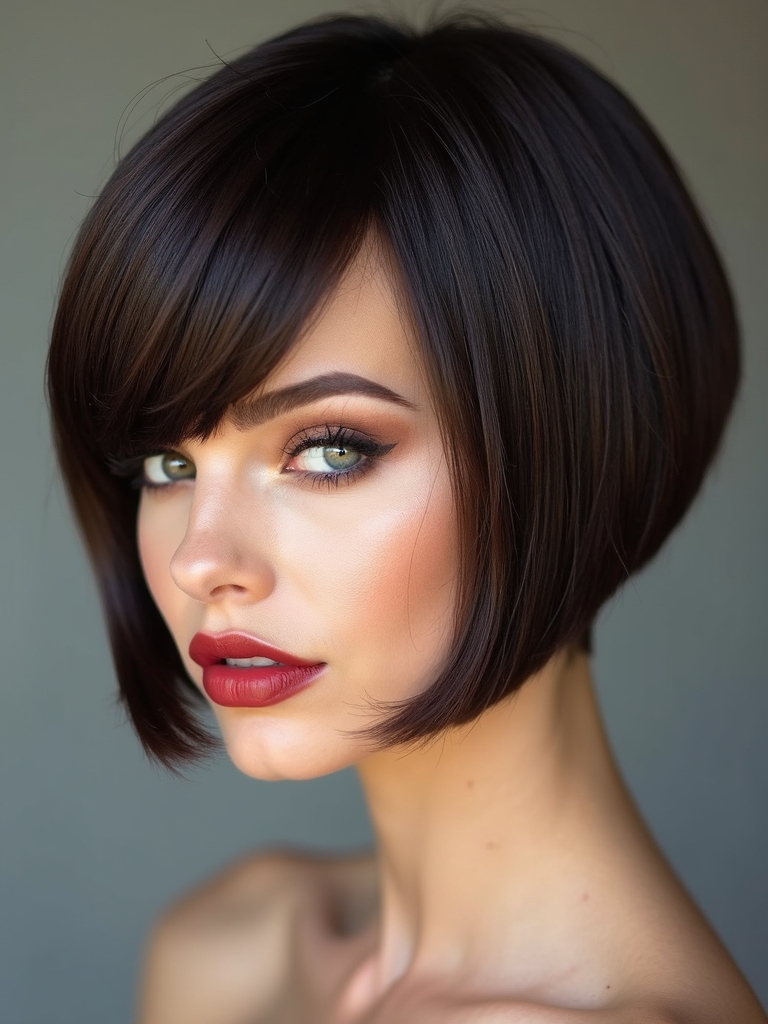
This version borrows from vintage shapes, with smooth, polished ends curved gently under for an old-Hollywood finish. It’s the most dressed-up option here, built for anyone who wants a clean, classic look over anything undone.
- A round brush curves the ends under section by section while blow-drying.
- A single drop of shine product finishes the look without adding weight.
- Suits an occasion or a portrait far more naturally than an ordinary Tuesday.
🅰️Retro Polished
Smooth, curved-under ends and real shine. Needs a round brush and time most mornings; best saved for dressed-up days.
🅱️Textured Shaggy
Undone, piecey, low-effort. Looks better the less it’s styled, and forgives a missed appointment.
A Pixie Bob for Fine Hair

Fine hair and this hybrid are a natural match, since the shorter overall length removes the weight that drags thin hair flat against the head.
Where the Volume Actually Comes From
At neck length with soft, feathered texture, the same hair looks fuller than it ever could worn long. The real work is layering for body without over-thinning; taking out too much internal weight just leaves fine hair looking thinner, not fuller.
A stacked back or a deep side part are the two easiest ways to build extra volume into the shape without leaning on product to fake it.
Highlighted Pixie Bob for Contrast
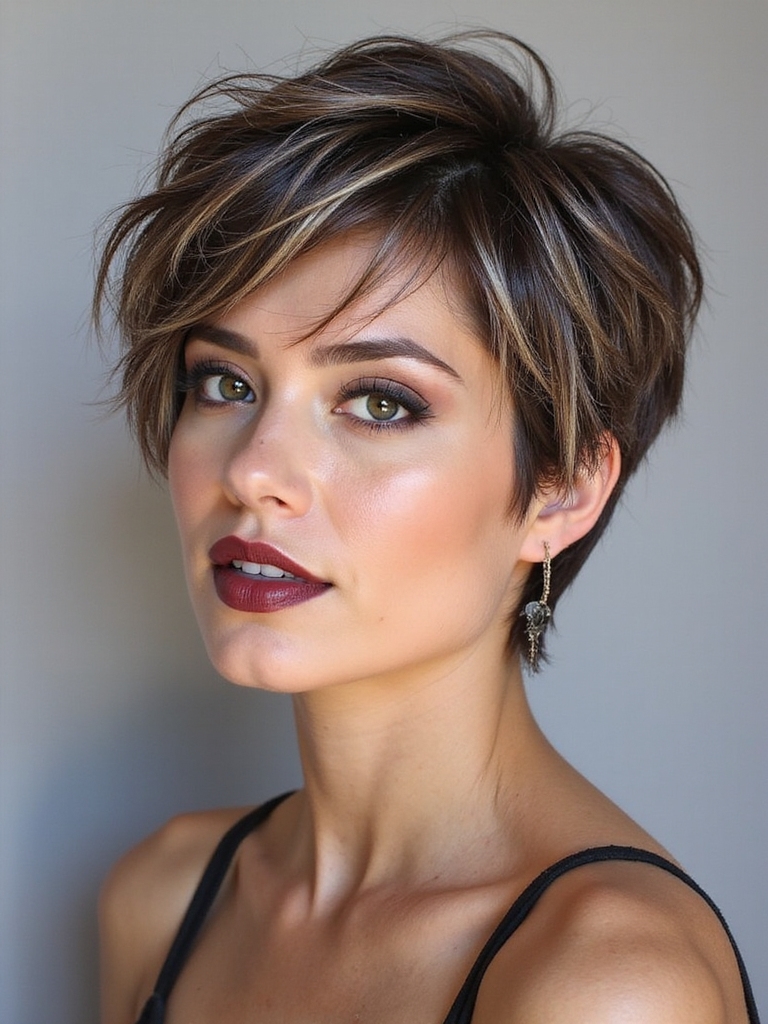
Placed color adds dimension to this shape, the lighter pieces catching the cut’s lines and adding depth a single flat shade can’t match. The cut’s own angles do half the work.
Why Color Costs Less Here
On a cut this short, there’s simply less hair to lift and process, so highlights on a pixie bob typically run about half what the same placement costs on longer hair, often something like $80 instead of $160 for a full head.
Going subtle keeps the dimension soft; going high-contrast turns the same cut into something bolder and more graphic. For more color pairings, see blonde pixie.
Choosing a Pixie Bob
?Is a pixie bob more pixie or more bob?
It sits squarely between the two, and every version leans one way. The sleek micro, tapered nape, and undercut versions lean toward pixie and feel edgier; the long, feathered, and wispy-fringed versions lean toward bob and feel softer. Which way it tips is really the only choice being made.
?How do I explain what I want to my stylist without technical language?
Bring a photo and describe it in plain terms: shorter and edgier, or longer and softer, plus polished or undone. Mentioning texture matters too, since curly and coily hair needs a dry cut regardless of which end of the spectrum gets chosen.
?Can this cut go from edgy to soft later without starting over completely?
Yes, within reason. Growing a sleek micro version out toward the long, face-framing end just takes patience and a few reshaping appointments along the way; going the other direction, from soft to sharp, happens in a single visit.
?Does color change how often the cut itself needs attention?
Not directly, though highlighted or heavily processed hair can get more fragile at the ends, which sometimes means a slightly earlier trim to keep sliced or feathered edges from fraying. A good stylist usually flags this at the color appointment rather than leaving it to come up later.
?Will this cut work with a cowlick or a stubborn growth pattern at the crown?
Usually, yes, since the stacked-back and lifted-crown versions specifically use extra height and layering to work with that kind of pattern from the start. Mentioning the cowlick at the consultation lets a stylist plan the layers around it before any cutting begins.
Wherever It Lands, It’s Still a Choice
None of these sixteen versions ask for total commitment to one identity. A pixie bob is a spectrum, sharp and structured at one end, soft and undone at the other, and nearly everyone fits somewhere along it.
Decide how short and how polished feels right, bring a photo that captures that specific spot, and let a stylist place the details. There’s more room on this line than it looks like from the outside, and moving a little in either direction later is always possible.
Don’t Miss These