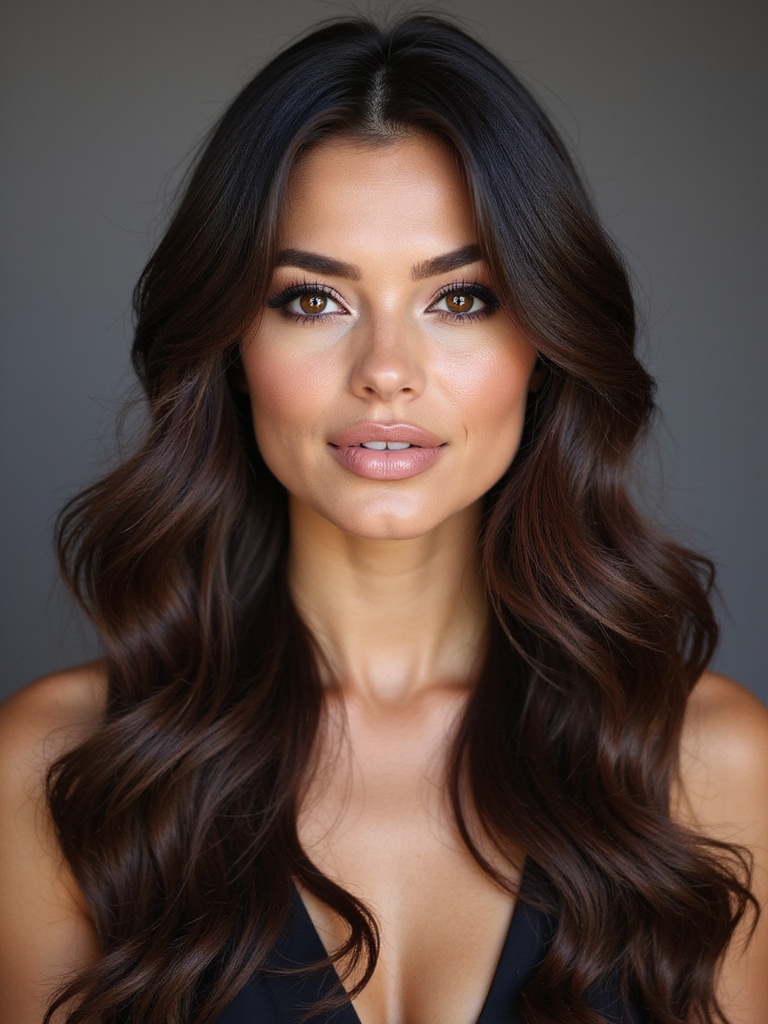
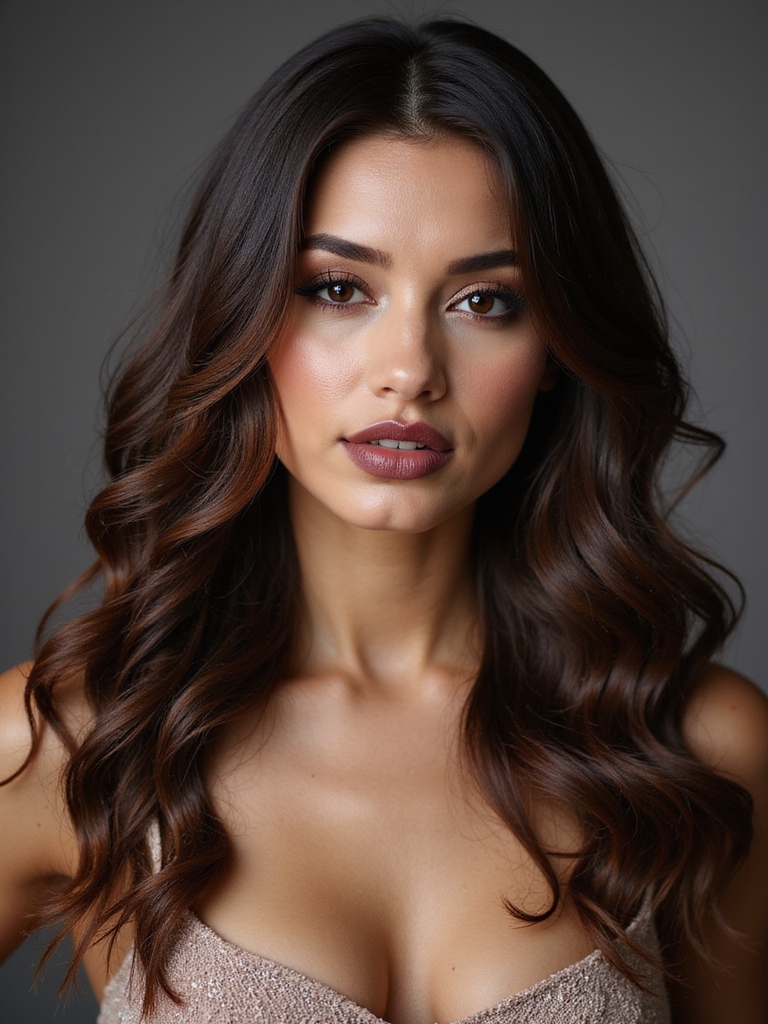
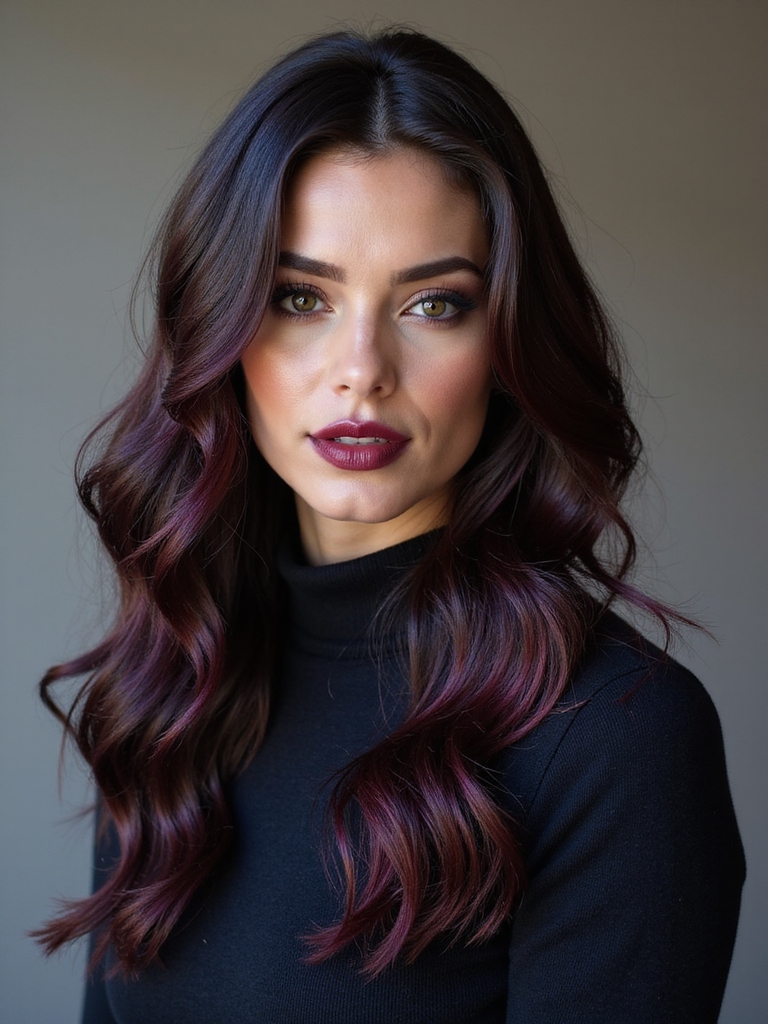
By February, most winter blonde tells on itself. The shine that caught the light in October has gone matte, a yellow cast has crept into the ends, and the whole thing reads tired under fluorescent office light. Dry, cold air and hard winter water do this to every blonde, warm or cool, and it happens faster than anyone expects.
Keeping blonde fresh through winter is less about the shade and more about the upkeep. These winter hair color ideas for blondes cover the freshest shades for the season plus the toning, glossing, and care that hold them there. I’ll show you what to ask for in the chair and exactly what to do at home so your blonde still looks new in March.
The Short Version
The freshest winter blondes split into two camps: warm shades (honey, caramel, buttery beige) that brighten pale skin, and cool shades (icy platinum, smoky ash) that need constant toning to stay clean. Pick by your undertone, then commit to the upkeep that camp demands. Warm blondes fade brassy, cool blondes fade yellow, and both need help.
The maintenance is the real work. A gloss every 4 to 6 weeks restores shine and tone, purple or blue shampoo controls brass between visits, and a root shadow stretches your grow-out. Budget $30 to $60 for a salon gloss, a few dollars for toning shampoo, and a weekly mask, and you’ve got a blonde that stays fresh all winter.
Best Blonde Shades for Your Winter Skin Tone
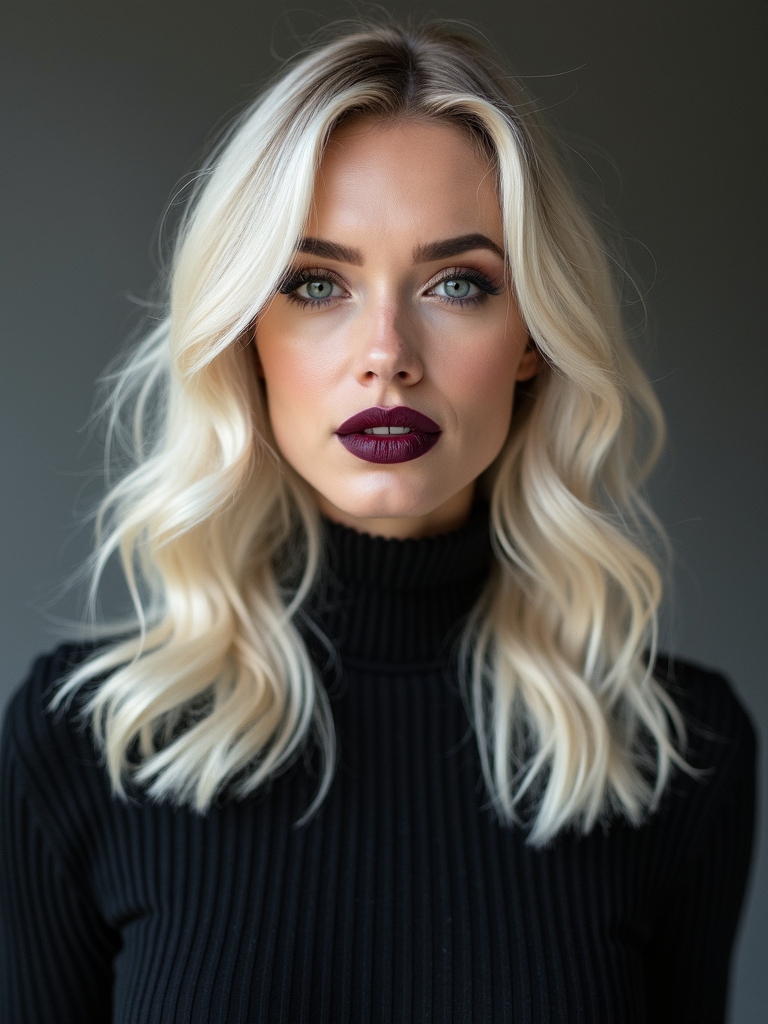
The freshest blonde starts with honesty about your undertone, because winter light is unforgiving and the wrong tone shows immediately. Cool skin wants cool blonde; warm skin wants warm. Get this right and your blonde looks intentional and current all season.
- Cool undertones: icy platinum, smoky ash, beige—kept bright with violet toning.
- Warm undertones: honey, caramel, buttery beige—kept rich with a gold gloss.
- Neutral undertones can wear beige or champagne, the most forgiving fresh blondes.

Icy Platinum That Avoids Brass
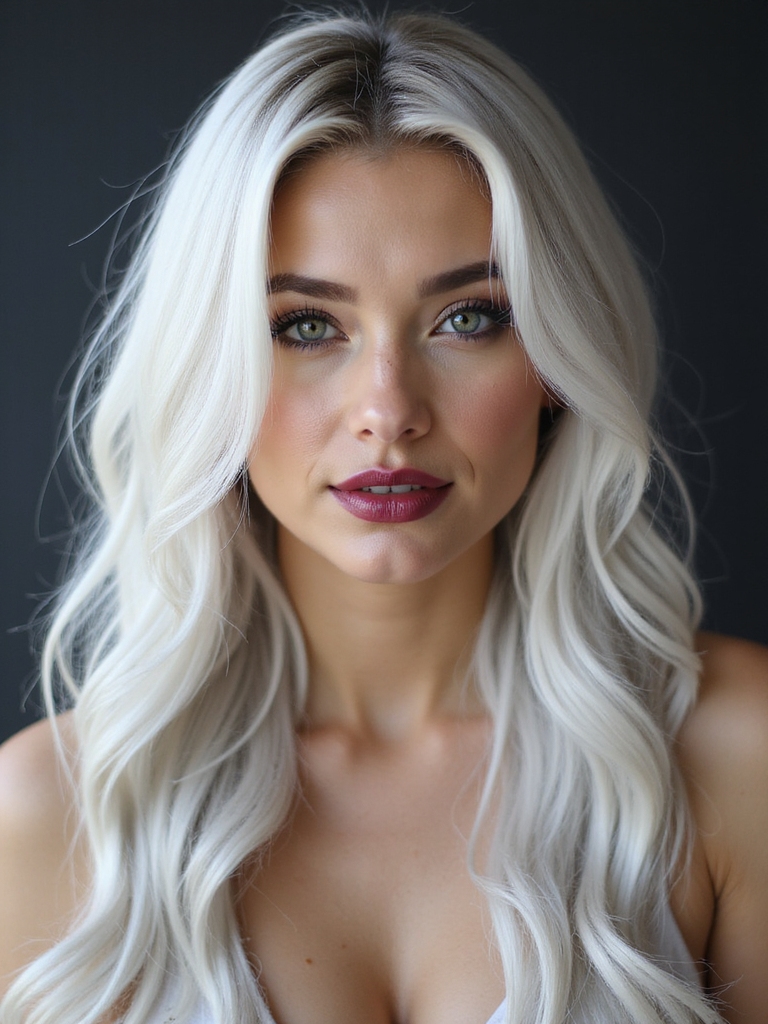
Icy platinum is the coolest, brightest blonde there is, and the highest-maintenance by a mile. Fresh, it’s striking. Neglected, it turns yellow and brassy within weeks, which is why platinum is really a toning commitment more than a color.
The freshness lives entirely in upkeep. A violet toner or gloss every 3 to 4 weeks neutralizes the warmth that creeps in, and purple shampoo holds it between visits. A toning gloss runs $30 to $60; skip it and platinum goes dingy fast. The icy blonde hair guide covers keeping it clean.
- Plan on a toner every 3 to 4 weeks—platinum brasses fastest.
- Purple shampoo twice a week holds the cool tone between glosses.
- Deep-condition often; lifting to platinum leaves hair thirsty.
Match a fresh blonde to how much upkeep you’ll really do:
🎯Highest upkeep, brightest result
Icy platinum or smoky ash—bright and modern, but they demand a strict toning schedule.
🎯Low upkeep, still fresh
Beige or champagne, which fade soft and forgive a missed gloss.
Warm Honey Blondes to Brighten Pale Skin
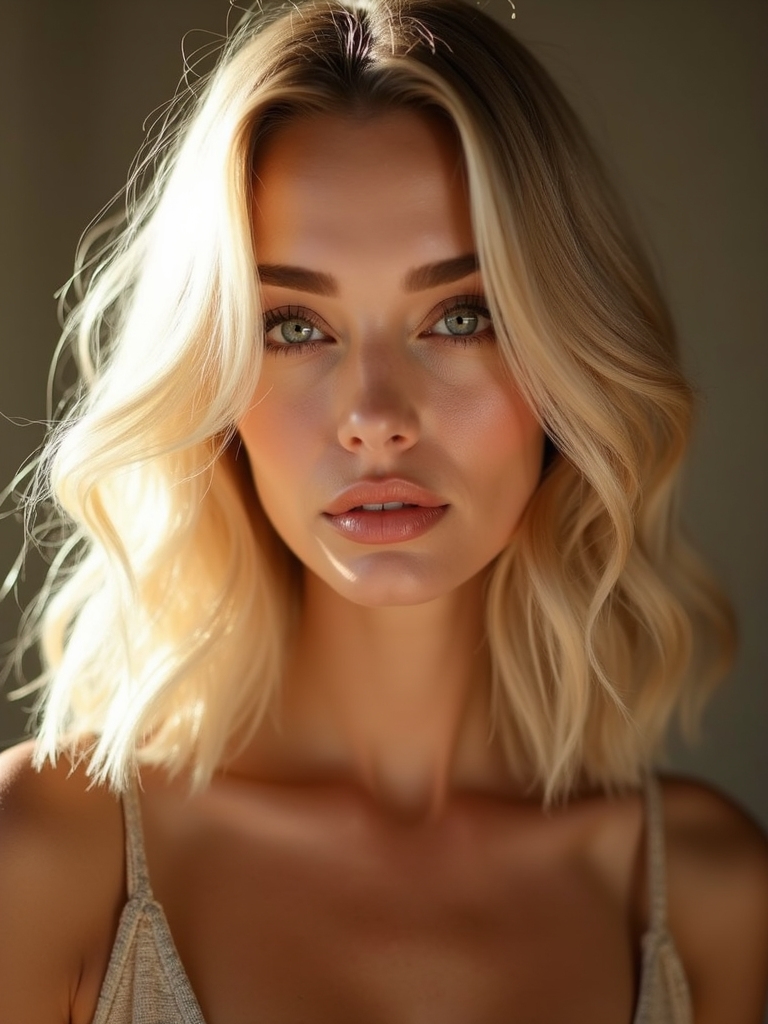
Honey blonde is the warm answer to winter pallor—a golden, sun-warmed blonde that puts color back in a pale face. Honey replaces the warmth that gray light steals, which is why it flatters fair skin when a cool blonde would drain it.
Keeping Honey From Fading Brassy
Warm blondes fade brassy as the gold oxidizes, so the upkeep is a warm-toned gloss; purple shampoo would only dull the gold you want. A gloss every 6 weeks keeps it clean and rich.
It suits warm and neutral skin beautifully. A honey gloss or toner runs $40 to $60 and is the cheapest way to keep it fresh. The ashy blonde hair route is the cool counterpart if you decide honey runs too warm for you.
Buttery Beige Blonde for Soft Dimension
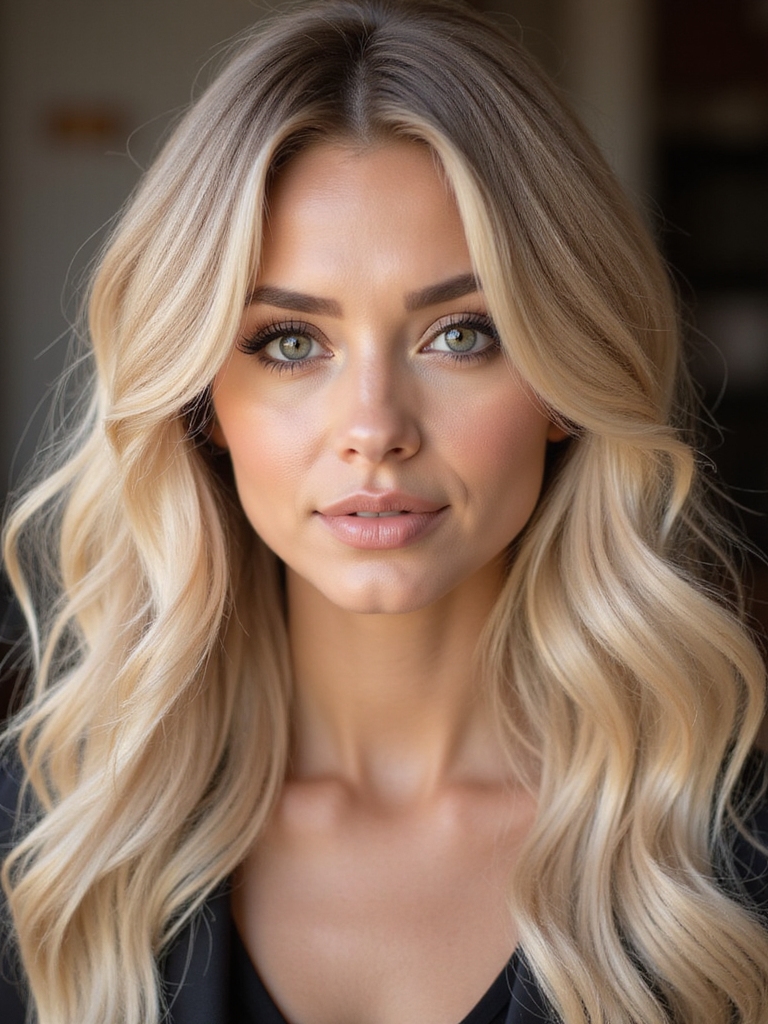
Buttery beige is the most forgiving fresh blonde—a soft blend of warm and cool that flatters nearly everyone and fades gracefully. It’s the shade I suggest when someone wants blonde that still looks good a month after the appointment.
Because it’s neutral and low-contrast, beige doesn’t show a harsh grow-out line or swing brassy fast. A gloss every 6 to 8 weeks is all it asks. This is the freshest blonde for anyone whose calendar can’t handle a strict toning schedule.
Which fresh blonde fits your skin? Quick match:
1Pale skin that looks washed out in winter
Warm honey or buttery beige to put color back in your face.
2Skin that goes ruddy or pink
Cool beige or smoky ash, kept clean with violet toning.
Balayage for Low-Maintenance Winter Color
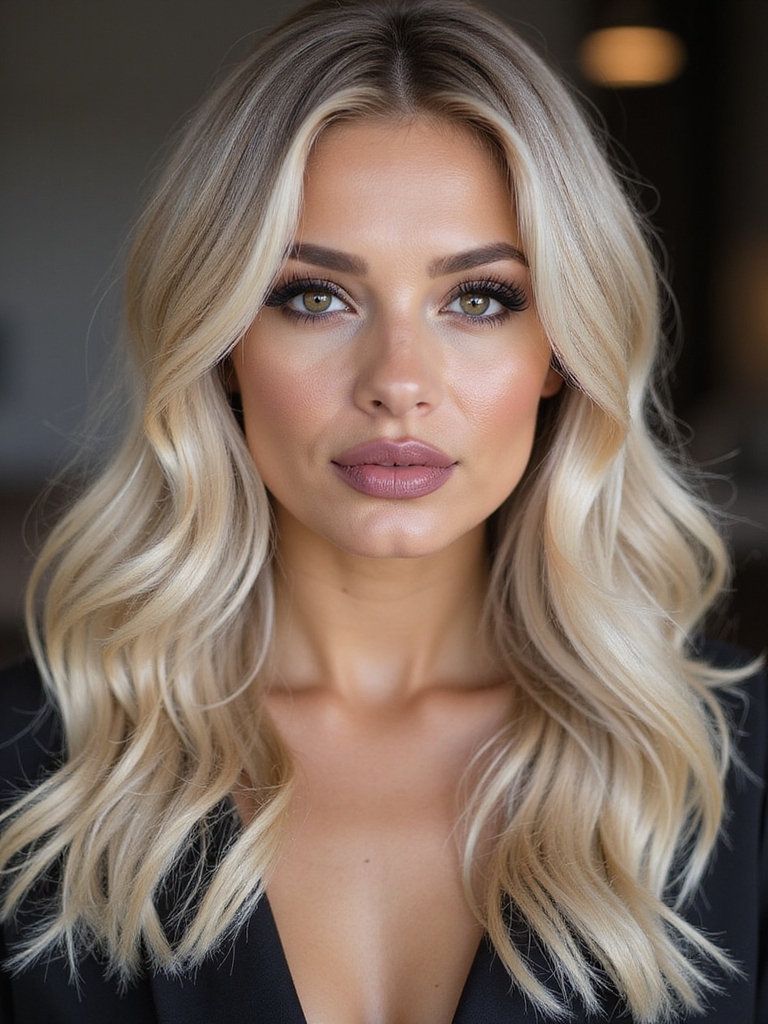
Balayage is the freshness hack for blondes who can’t get to the salon often. Because the color is hand-painted and grows out softly, your blonde still looks deliberate weeks later, when an all-over color would already be showing roots.
Why It Stays Fresh Longer
There’s no harsh regrowth to betray you, so the look stretches for months. The painted pieces also add dimension that keeps blonde from going flat and one-note as it fades.
A blonde balayage runs $150 to $250 and is the lowest-upkeep way to wear bright blonde through winter. A gloss every couple of months refreshes the tone and shine.
Subtle Caramel Lowlights for Depth and Warmth
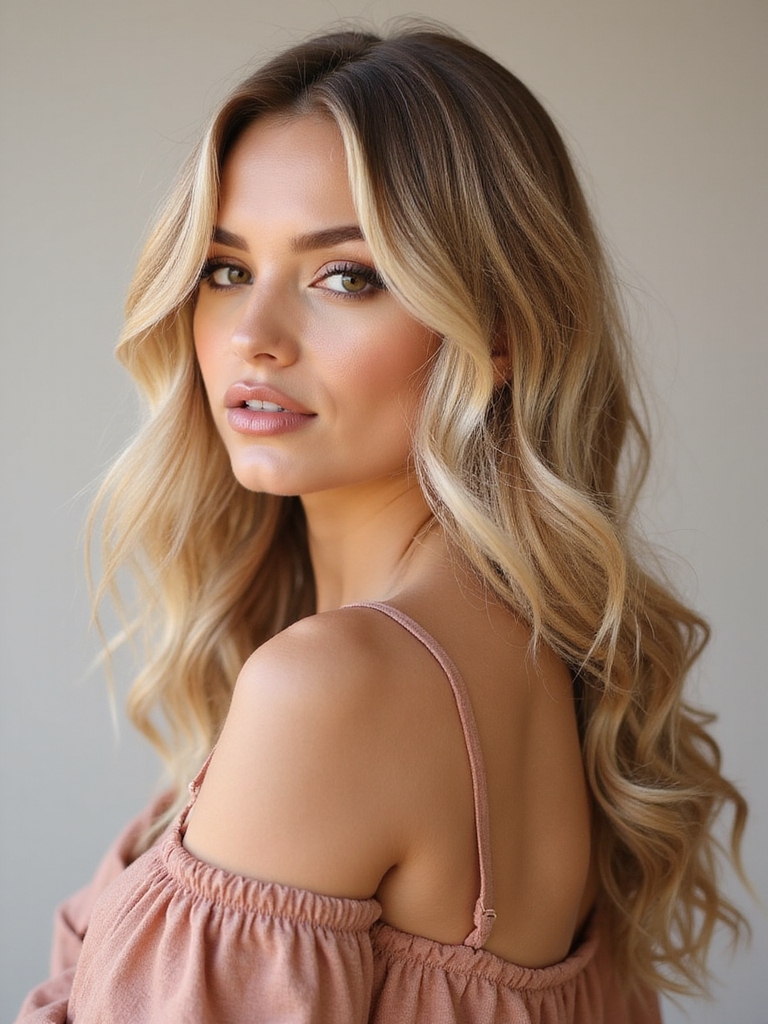
When blonde goes flat and washed out by midwinter, caramel lowlights bring it back to life. Woven warm pieces add depth and dimension that make the surrounding blonde look brighter, all with no lift and no extra damage.
Lowlights are the freshness move nobody books enough. They only deepen, so they’re gentle on the hair, and they last for ages since there’s no regrowth line. Lowlights run $80 to $150 and refresh a tired blonde in a single visit.
- Caramel pieces add warmth and depth with zero lift.
- They make your remaining blonde look brighter by contrast.
- Long-lasting, since there’s no regrowth line to chase.
🅰️Highlights
Add brightness and lift the face, but need toning to stay fresh.
🅱️Lowlights
Add depth with no lift and almost no upkeep—best when blonde looks flat.
Champagne Blonde for Natural Shine
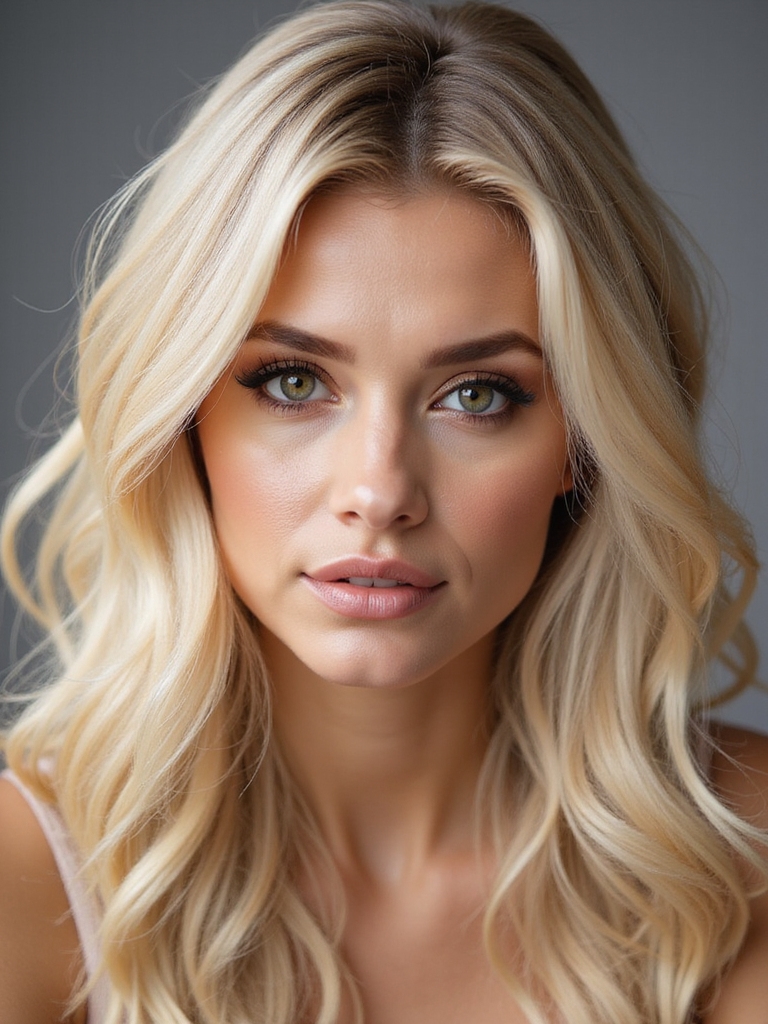
Champagne blonde is the cleanest-looking pale blonde—a creamy, soft-warm shade with a natural shine that reads expensive in any light. It splits the difference between icy and golden, which makes it flattering on cool and neutral skin alike.
The shine is the point, and a gloss is what keeps champagne luminous rather than chalky as it grows. A gloss every 4 to 6 weeks holds both the tone and the shine. It’s the blonde I point clients to when they want bright and polished without the harshness of platinum.
- A creamy, neutral-warm tone that flatters cool and neutral skin.
- Keep the shine up with a gloss; chalky champagne looks faded.
- Easier to maintain than platinum, brighter than beige.
Smoky Ash Blonde to Neutralize Yellow
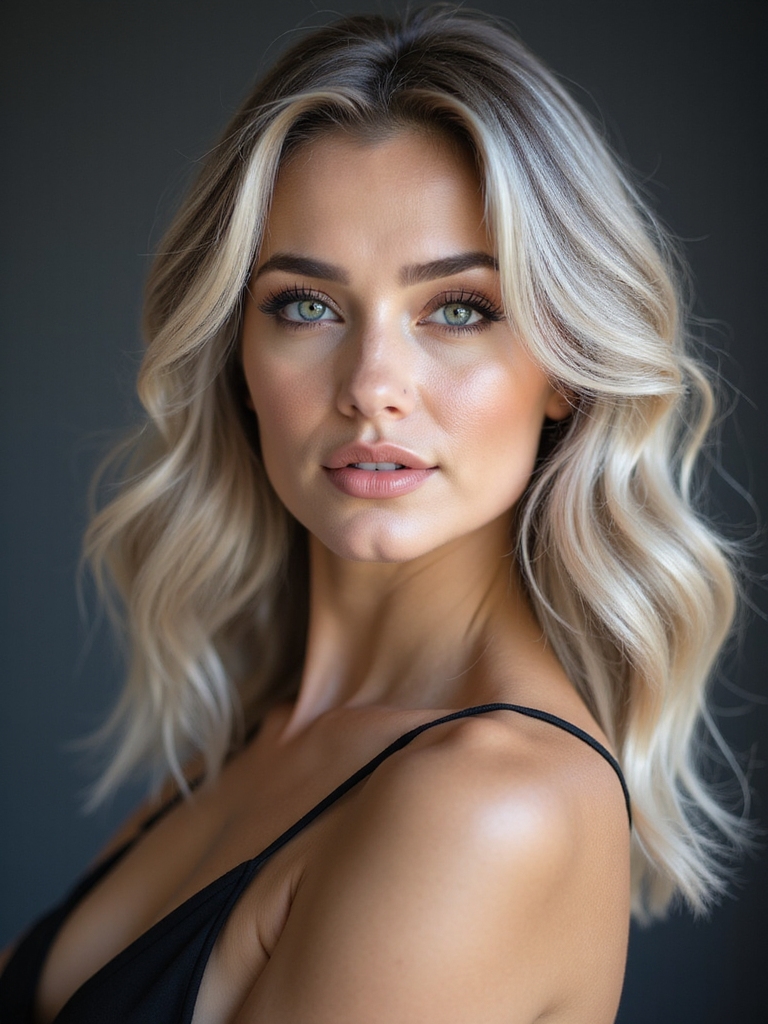
Smoky ash blonde is the cool-girl fresh blonde—a deep, muted blonde with gray undertones that reads modern and editorial. Its whole job is to stay free of yellow, which is what keeps it looking clean.
The Toning It Demands
Ash fades warm, so it lives on blue and violet toning. Blue shampoo handles the deeper brassy-orange in darker ash, while purple handles the yellow in the lighter pieces. Skip the toning and smoky ash turns muddy.
It suits cool and neutral skin best. Budget a toner every 4 weeks plus blue shampoo at home. The ash blonde hair guide goes deeper on holding the cool.
👍Why icy platinum is worth it
- +The brightest, most striking blonde there is
- +Reads modern and high-fashion in any light
- +A blank canvas for any toner direction
👎What it costs you
- –Brasses fastest—toner every 3 to 4 weeks
- –The most lifting, so the most fragile hair
- –Purple shampoo and deep conditioning are non-negotiable
Translucent Golden Face-Framing
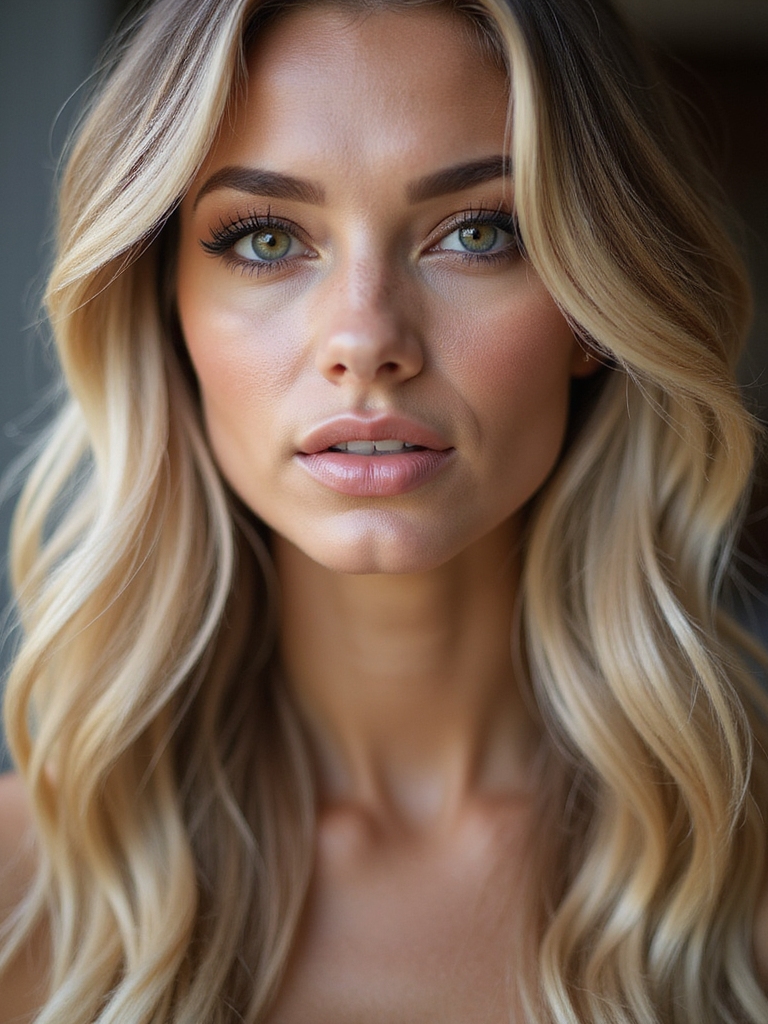
For the freshest face with the least commitment, translucent golden pieces around the hairline do the work. Sheer, warm, face-framing highlights catch the light and brighten your complexion without lightening your whole head.
Because they’re translucent and minimal, they grow out softly and the upkeep stays tiny. A face-frame runs $60 to $120 and refreshes a couple of times a year. It’s the move I suggest most for blondes who want their face to look brighter without a full appointment.
Root Shadowing for Smooth Winter Grow-Outs
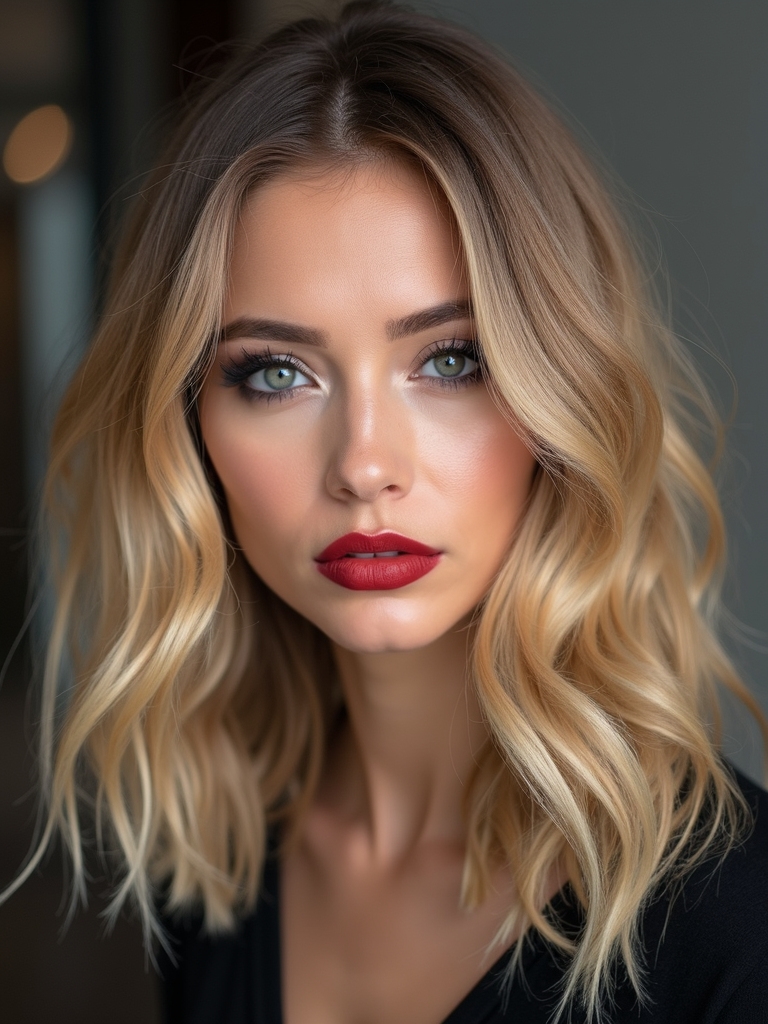
A root shadow is the freshness secret that buys you time: your colorist paints a soft, slightly deeper shadow at the roots so regrowth blends in as it grows. No stark line. No six-week scramble.
How It Keeps Blonde Fresh
You get a soft, deliberate gradient that looks intentional for months. It’s especially smart in winter, when nobody wants extra salon trips out in the cold.
A root shadow adds $40 to $80 to a color service. It works under platinum, beige, or honey and turns any of them into a lower-maintenance blonde.
Violet Toning to Keep Blonde Cool and Clear
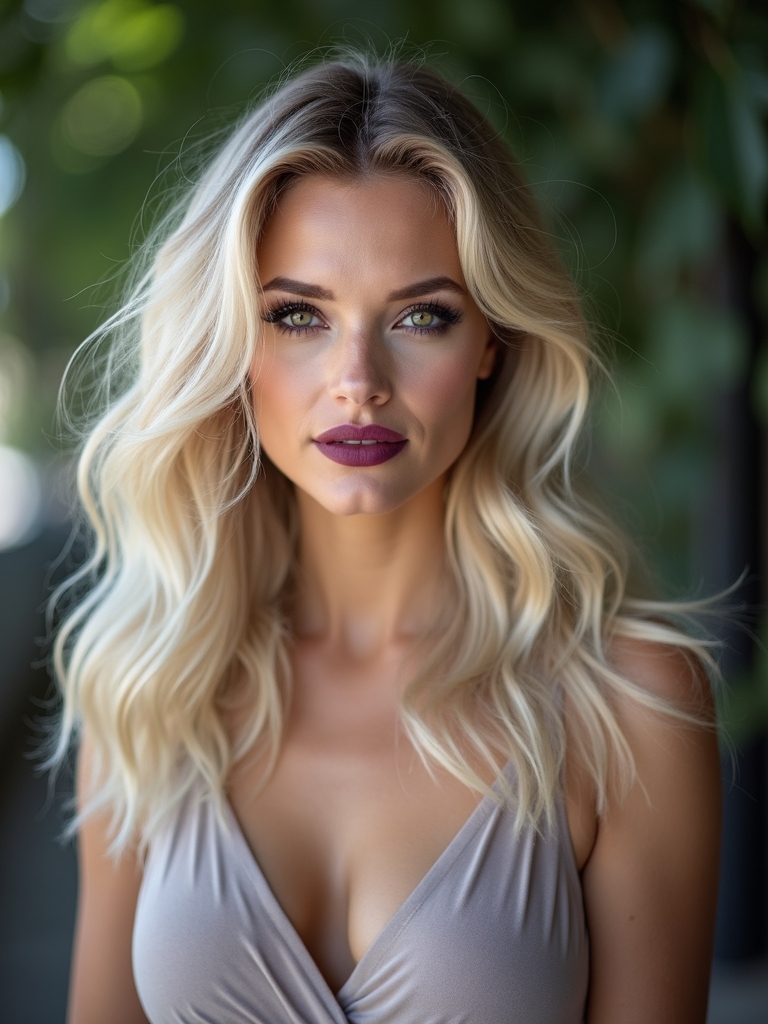
Toner is the single most important word in fresh blonde, and violet is the one most blondes need. A violet-based toner or gloss cancels the yellow that creeps into cool and neutral blondes, which is what keeps them looking clean and bright instead of dingy.
Salon Toner vs. At-Home
A salon toner or gloss is stronger and lasts 4 to 6 weeks; at-home purple shampoo is gentler and maintains between visits. Most fresh blondes need both—the salon resets it, the shampoo holds it.
Match the toner to your goal: violet for yellow, blue for orange in deeper blondes. The wrong toner does nothing, so tell your colorist exactly what you’re fighting.
Gloss Treatments to Restore Shine in Dry Weather
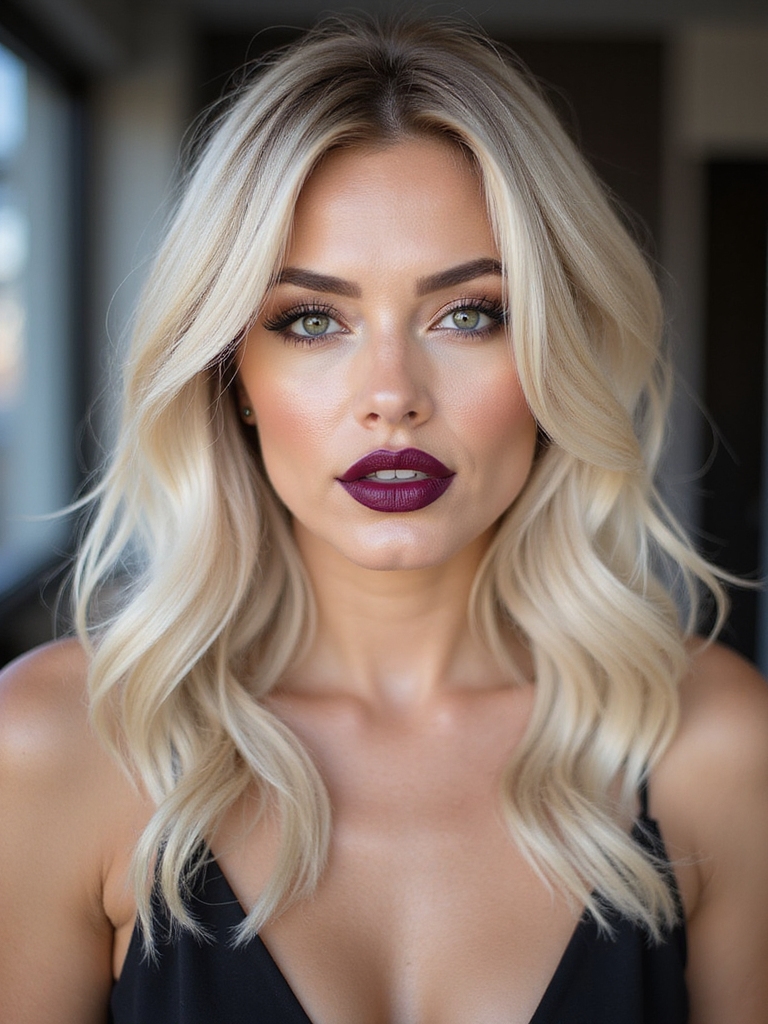
Winter air strips the shine out of blonde faster than anything, and a gloss is what puts it back. A clear or tinted gloss seals the cuticle, deepens the tone, and lays down the mirror finish that makes blonde look fresh and expensive—the difference between salon-bright and a month overdue.
A salon glaze runs $30 to $60 every 4 to 6 weeks, or an at-home glossing kit handles it for a few dollars between visits. On dry winter hair, glossing also adds slip that makes detangling easier and breakage less likely.
- A gloss restores shine and tone with no lift or damage.
- Clear gloss for pure shine, tinted to refresh the color too.
- At-home kits bridge the weeks between salon glazes.
At-Home Purple and Blue Toning for Brass
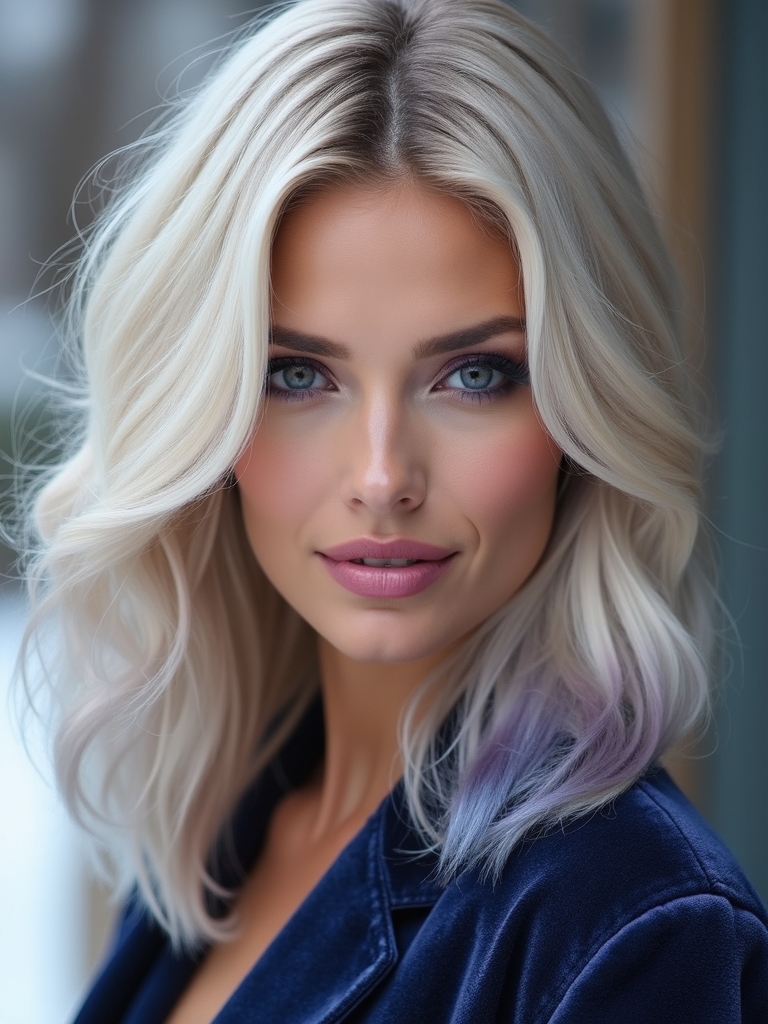
Between salon visits, toning shampoo is what keeps brass from taking over—but how you use it matters more than which bottle you grab. Reach for the shade your colorist matched you to, then build it into a simple weekly rhythm rather than reaching for it every wash.
The mistake I see most is overuse—daily purple shampoo leaves blonde flat, dull, and faintly lilac. Use it once or twice a week, leave it on a few minutes, and follow with a moisturizing conditioner, since toning shampoos can be drying. A good toning shampoo costs $15 to $30 and lasts months.
- Purple for yellow tones, blue for orange-brass in deeper blondes.
- Once or twice a week only—daily use dulls and over-tones.
- Follow with conditioner; toning shampoos run drying.
Styling to Show Off Multi-Dimensional Blonde
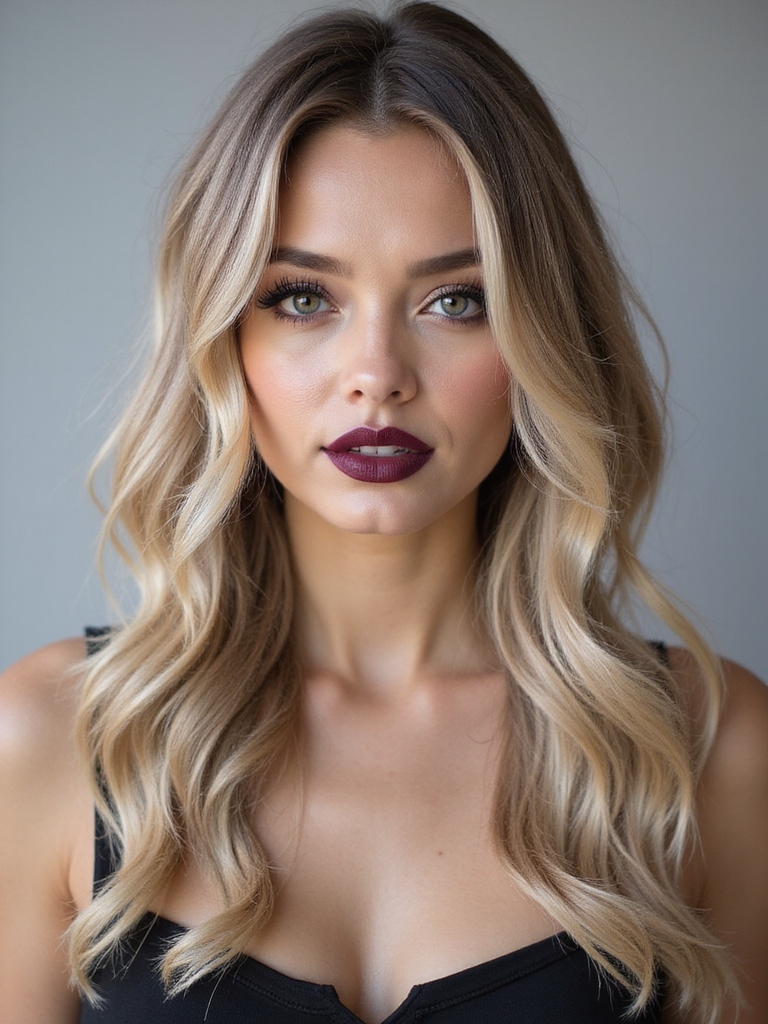
Dimensional blonde—balayage, lowlights, face-framing—only shows when your styling reveals it. A poker-straight blowout flattens the light and dark pieces into one tone, so a little movement pays off.
Soft waves or a loose curl let the highlights and lowlights catch the light and read as the expensive, multi-tonal blonde you paid for. Finish with a shine spray, since blonde looks freshest when it’s glossy. Heavy products that go matte will dull the dimension, so keep it light.
- Add soft waves to reveal highlight-and-lowlight dimension.
- A shine spray keeps blonde looking fresh and glassy.
- Avoid heavy matte products that flatten the tones together.
Winter Hair Care to Protect Color and Health
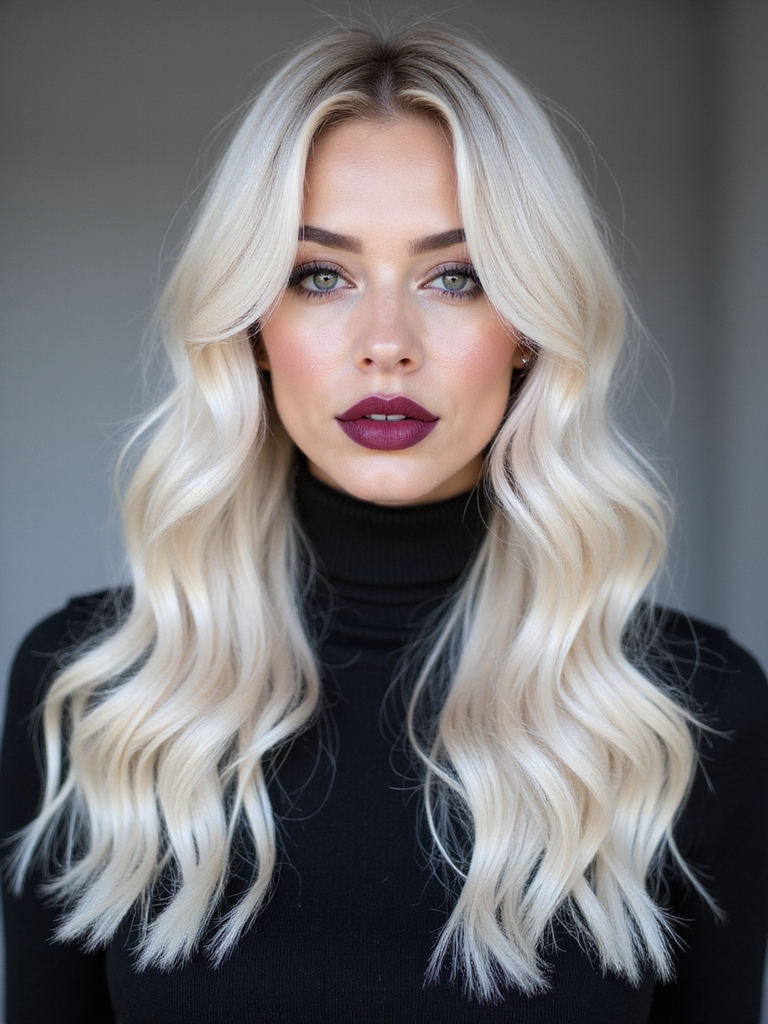
Fresh color means nothing on damaged hair, and winter is hard on blonde—lifting plus dry, cold air is a recipe for breakage and dullness. The care routine is what protects both the color and the strand underneath it.
- Deep-condition weekly to replace moisture the cold air strips away.
- Add a bond or protein treatment monthly to strengthen lightened hair.
- Cool water, a satin pillowcase, and a heat protectant guard the shine.
Maintenance & Care, the Honest Version
If you remember nothing else, remember that fresh blonde is a routine, not a one-time appointment. The blondes that still look new in March belong to people who tone, gloss, and condition on a schedule—not a complicated one, just a consistent one. Pick a toning shampoo for your tone, use it twice a week, and book a gloss every month or so.
Match your effort to your shade honestly. Platinum and smoky ash demand the most toning; beige, champagne, and balayage forgive a missed week. If your life can’t handle a strict schedule, choose a lower-maintenance blonde you won’t come to resent. The blonde hair color ideas for fall winter roundup and the blonde hair with lowlights guide both help you match a shade to your real routine.
Fresh Blonde Is a Habit, Not an Appointment
The one thing that separates blonde that looks new in March from blonde that looks tired by January is upkeep, not the shade you chose. A gloss on schedule, the right toning shampoo twice a week, and a weekly mask will keep almost any blonde bright, clean, and shiny through the worst of winter.
So pick the shade that fits your undertone and your honest schedule, then build the routine to match. Bookmark this and the products that suit your tone, and you’ll know exactly what to do the next time your blonde starts to look overdue.
More Looks We Love