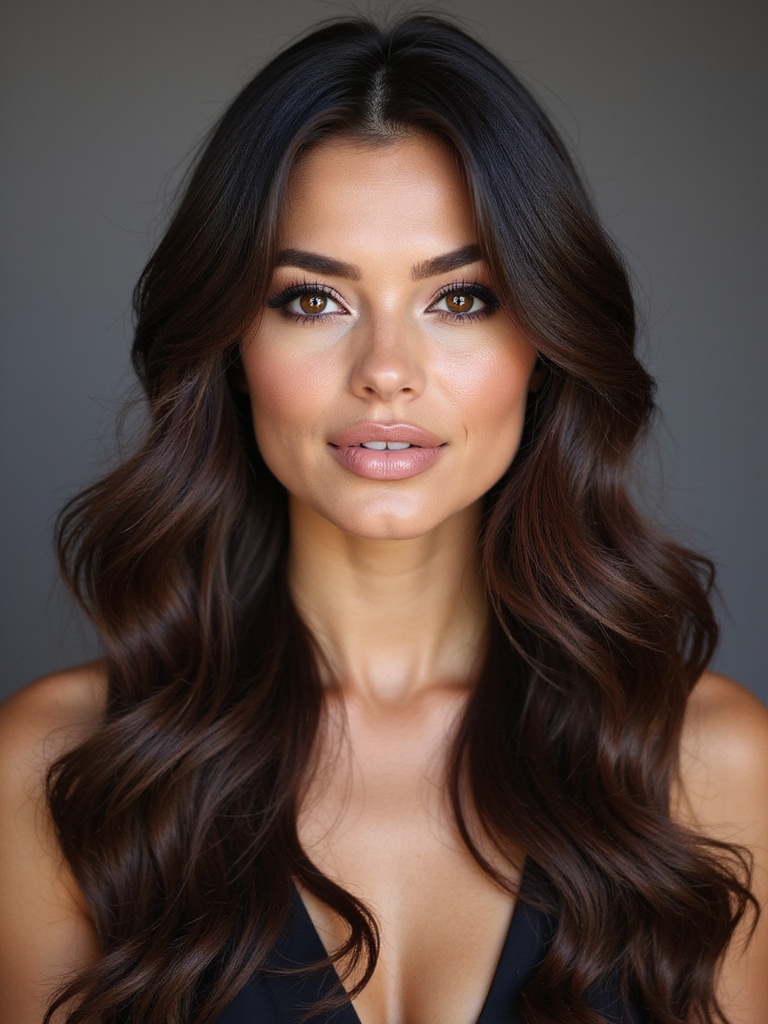
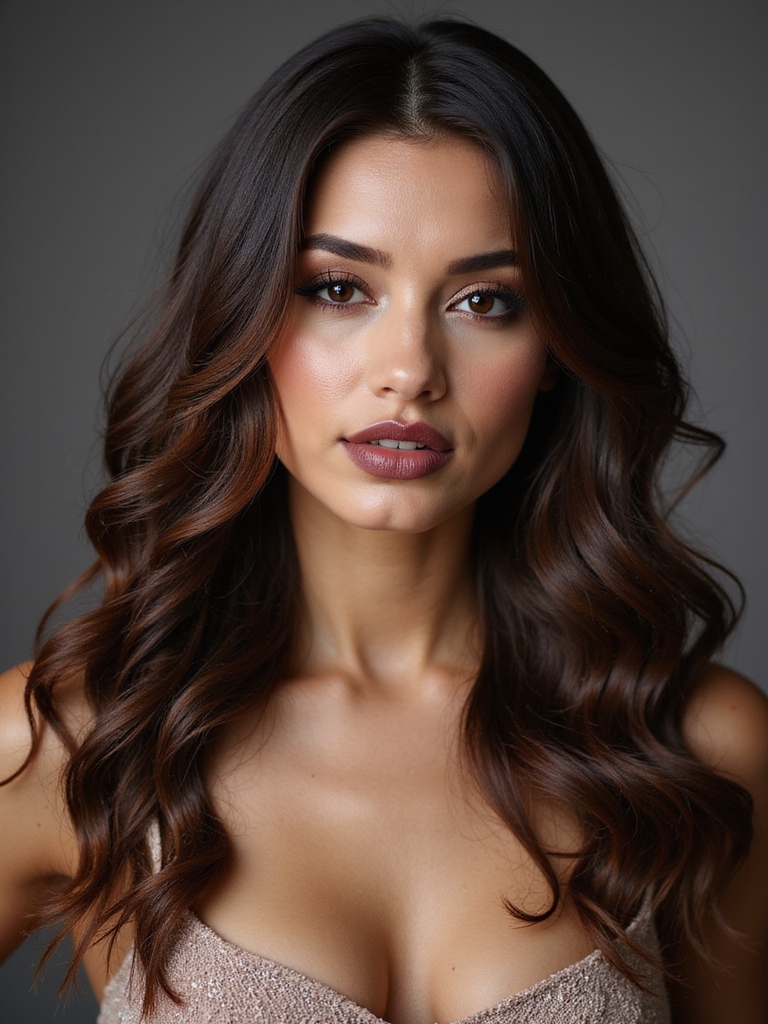
Most winter blonde advice pushes you toward ice. But the woman I colored last week wanted the opposite: something warm enough to feel like a thick knit sweater, easy enough to forget about for ten weeks. Her summer platinum had gone flat and cold against her skin, and she was done fighting it.
So we went warm. That is what this whole list is about: honeyed, caramel, and butterscotch blondes that thaw a cold-weather complexion and grow out soft, with none of the every-few-weeks toning that icy shades demand. Fifteen cozy, worn-in blondes below, each with the placement and upkeep that keeps it warm and bright until spring.
Warm Winter Blonde at a Glance
- Warm blondes like honey, caramel, and butterscotch put color back into skin that cold light drains, so you look awake on gray days.
- A soft root shadow or root melt blends regrowth, which is why these shades stretch to ten or twelve weeks between salon visits.
- Upkeep is light: a warm gloss every couple of months and a weekly mask hold the tone and shine, with no constant purple shampoo.
Honeyed Balayage With a Soft Root Shadow
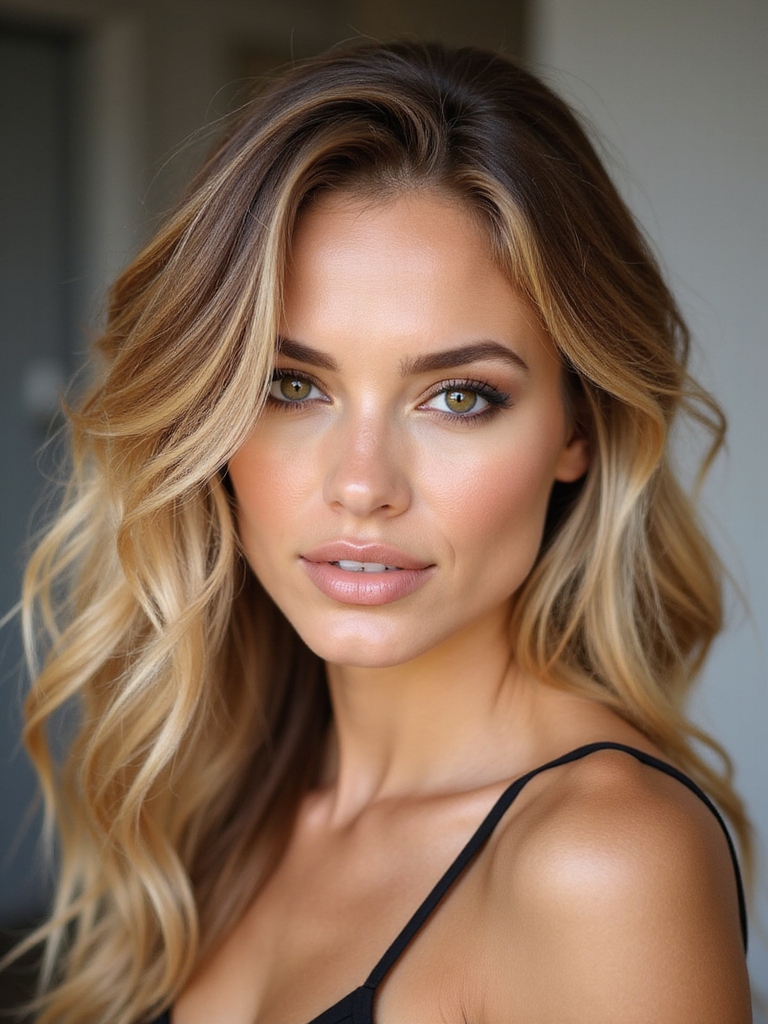
Honeyed balayage is where I start almost every warm winter blonde, because it is warmth without the upkeep headache. Sun-kissed strands are painted toward the mid-lengths and blended down into a soft, deeper root, so the color lifts your face while the regrowth stays quiet for months.
Why the Root Shadow Matters
The root shadow is the part that buys you time. Because there is no bright line where new growth begins, you can let it go ten or twelve weeks and still look pulled together, which is most of why this shade is so easy to live with.
It flatters warm and cool skin tones alike, and it pairs beautifully with a few caramel highlights if you want even more depth. A warm gloss two or three times through the season keeps the honey from fading dull.
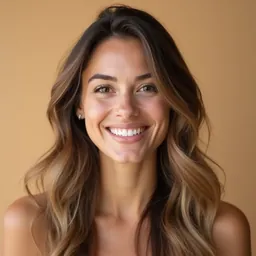
Buttery Champagne With Warm Lowlights
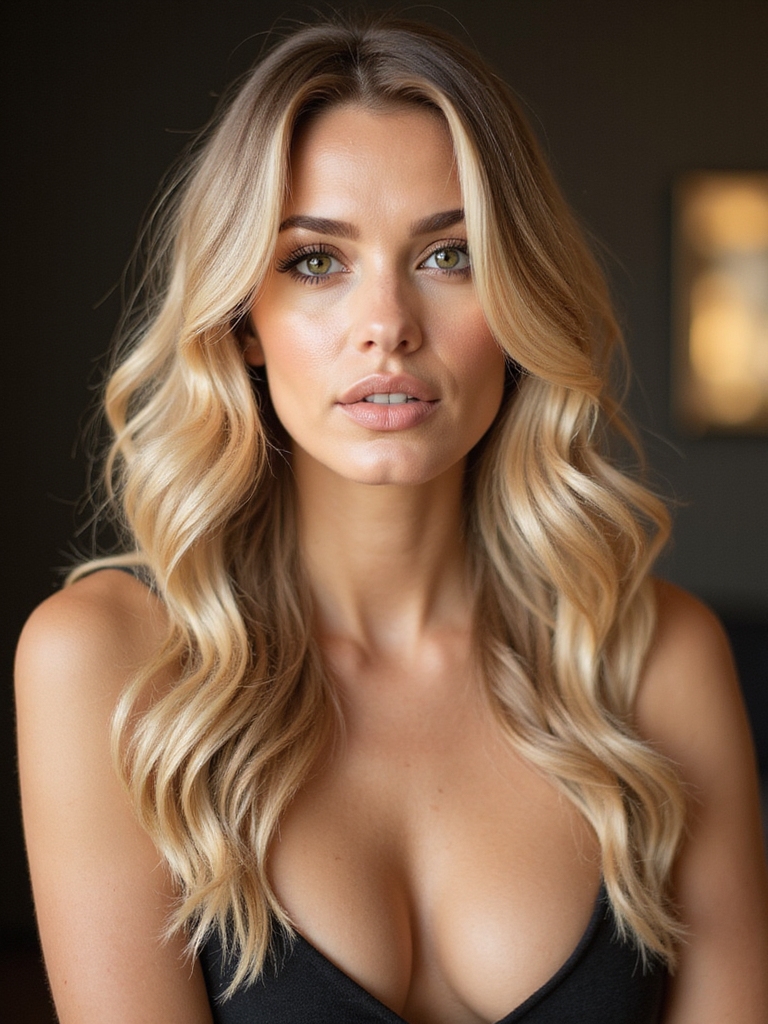
Buttery champagne softens the moment you weave in a few warm lowlights, which settle down any icy or brassy notes and give the color a rich, even glow. It is champagne with the cool dialed back, perfect for winter skin that wants warmth. The placement is what makes it sing:
- Warm lowlights through the mid-lengths to balance the tone and add depth.
- A soft, blended root so the color stays rich and natural as it grows.
- A gloss and a refresh every eight weeks or so to keep it luminous all winter.
“If you have fought brassy platinum every winter, stop swimming upstream. Going warmer on purpose, with honey or caramel, means the warmth that used to read as brass now reads as the whole point. You spend less on toner, less time at the salon, and your skin looks warmer for it.”
Soft Caramel Face-Framing Highlights
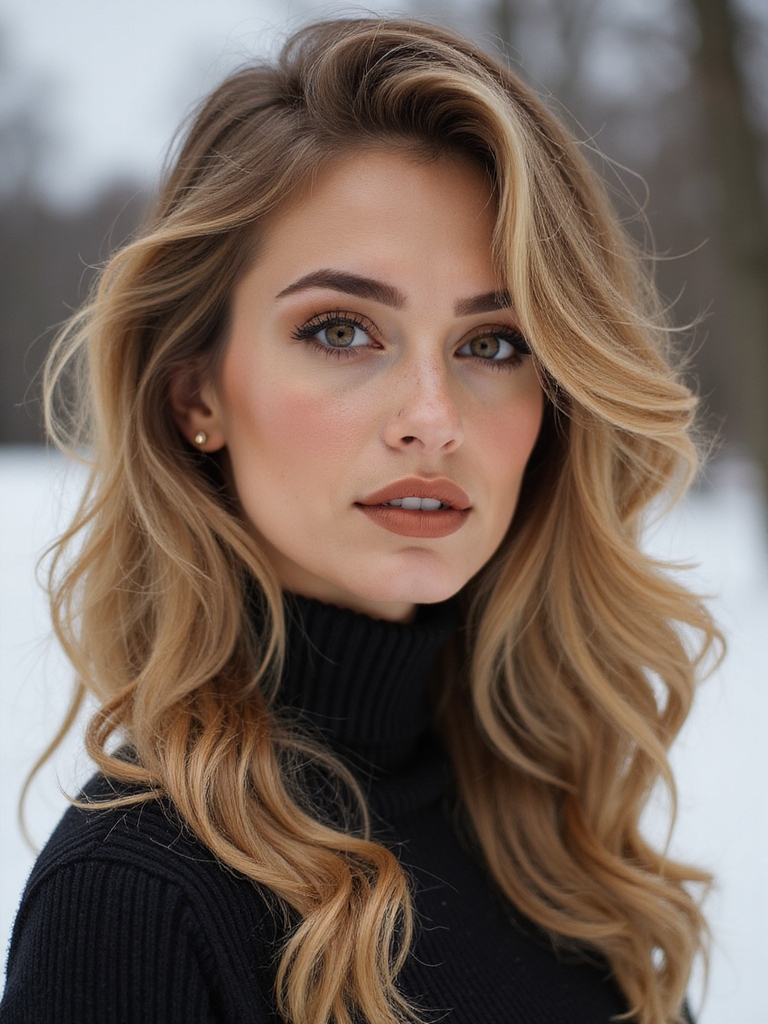
Soft caramel money pieces warm up a winter blonde right where it counts, around the face, without touching the rest of your color. Those caramel panels catch light at the cheekbones and add instant coziness for very little commitment. Here is how I place them:
- Subtle lift at the temples for a soft, natural frame.
- Brighter caramel panels at the cheekbones when you want more glow.
- A toning refresh every nine weeks or so so the caramel holds instead of fading.
Golden Ash Blonde for Cool Skin
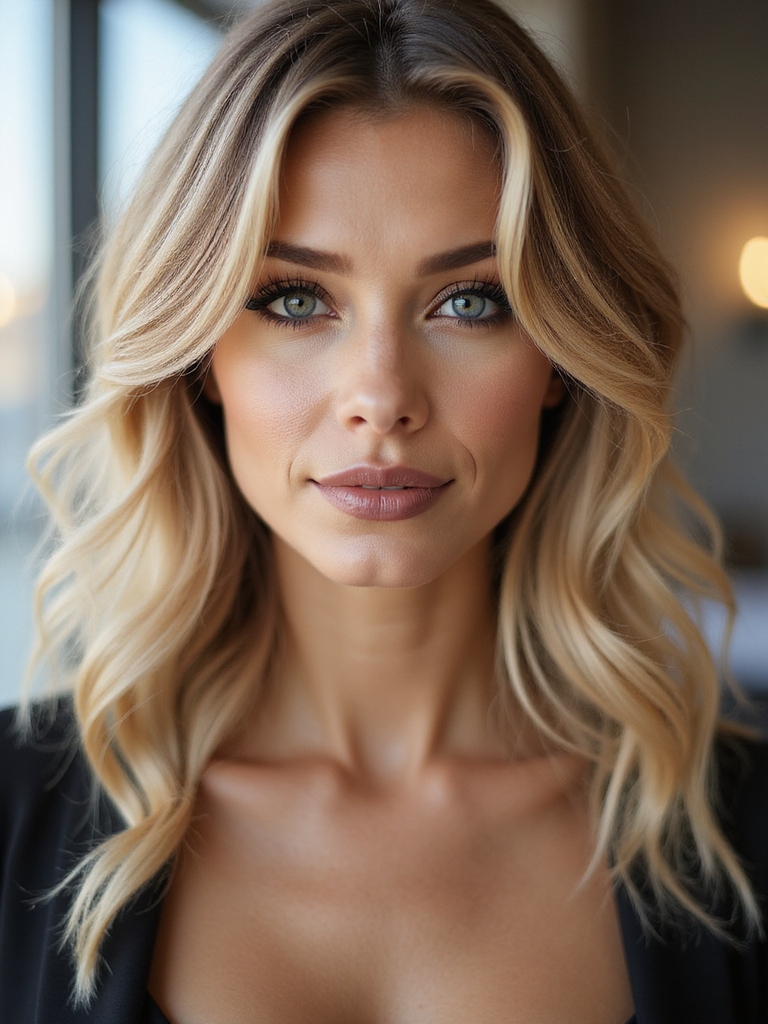
Cool skin tones usually get sent straight to ash, but golden ash is the smarter winter pick. It bridges warm and cool, blending soft, muted gold into an ashy base, so you get warmth that flatters without tipping brassy. It brightens the complexion quietly and plays beautifully with cool eyes.
I keep the gold muted and well-blended so the dimension looks natural and sophisticated. The result stays modern through the season, and because the base is ashy, it holds its cool a good deal longer than a fully warm blonde would through the same stretch of washes and gray weather. A gloss now and then is all it really asks. For a cooler take, these ash blonde looks lean further into the icy side.
🅰️Warm and Cozy
Honey, caramel, butterscotch, cinnamon. Best for warm or neutral skin and anyone who wants low upkeep and a soft grow-out.
🅱️Warm but Muted
Golden ash, smoky ash, warm pearl. A cooler, grown-up take that still flatters, for cool skin or anyone easing away from brass.
Buttery Almond Ombre
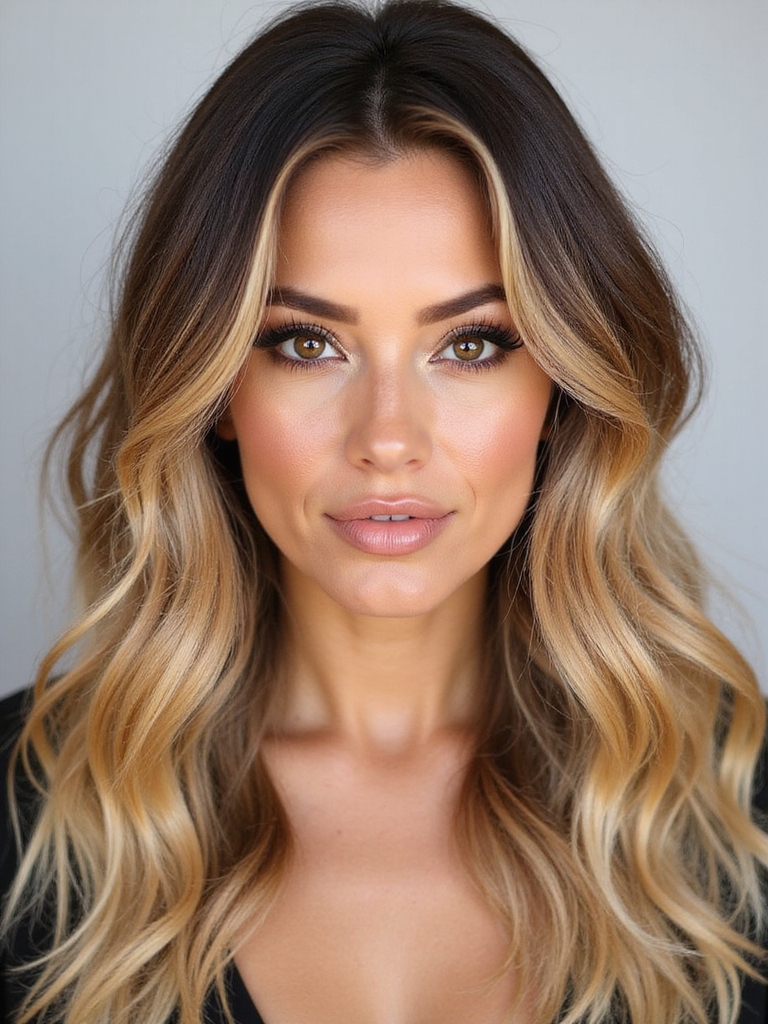
Toasted almond ombre is cozy sophistication in a single shade. Deeper roots melt down into buttery, almond-toned ends, giving you rich warmth with a soft, gradual shift that suits winter wardrobes. Picture it against a camel coat. It looks expensive.
It grows out gracefully, which keeps it low-fuss through the season. A few details make it work:
- Deeper roots melting into warm, almond ends for soft depth.
- Soft face-framing lightness to lift the complexion.
- A gloss treatment to boost the warmth and keep the shine up.
Creamy Near-Platinum With Lowlights
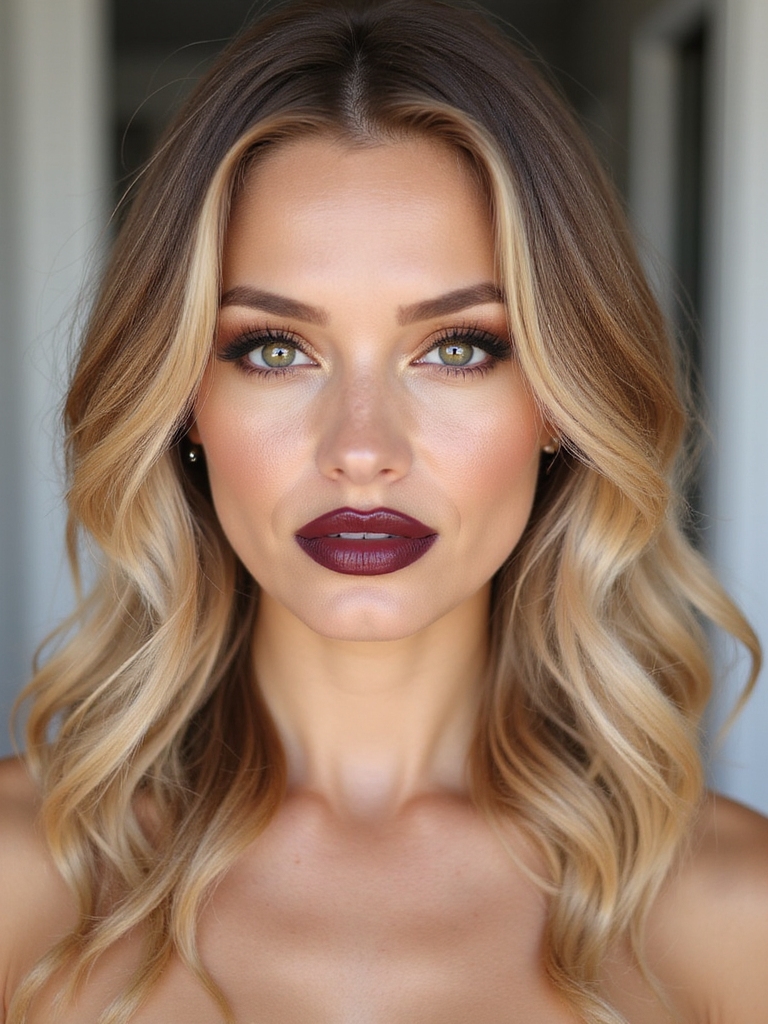
Soft vanilla blonde is for anyone who loves a pale, luminous look but wants it to feel warm rather than icy. Creamy, near-platinum tones are kept wearable by barely-there lowlights, so the color brightens your skin with a soft, gentle glow.
Keeping Pale Blonde Warm
The lowlights are what keep it from washing you out. A few subtle, slightly deeper pieces add just enough dimension to ground the pale tone, so it looks rich and considered up close.
I finish it with soft face-framing pieces and a gloss for shine, and the upkeep stays manageable for such a light shade. It is polished and modern, the warm answer to a winter platinum without the constant violet toning.
The myth I bust most every winter:
❌ Myth: Winter blonde has to be icy and high-maintenance.
✅ Reality: Not at all. Warm, root-shadowed blondes flatter cold-weather skin and stretch to ten or twelve weeks, so they are the lower-upkeep choice.
❌ Myth: Warm blonde always looks brassy.
✅ Reality: Brass is unwanted warmth on a cool shade. Choose a warm blonde on purpose and a gloss keeps it rich and intentional, never muddy.
Neutral Creamy Blonde for Easy Grow-Out
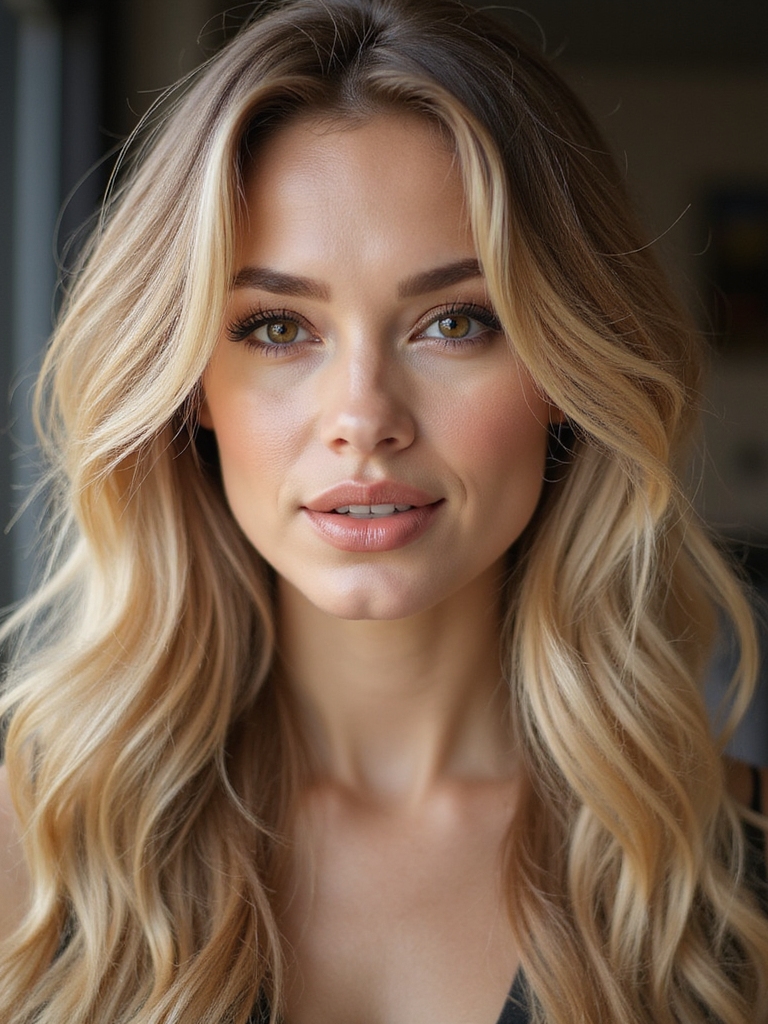
Warm beige blonde is the shade I hand to anyone who wants blonde to fit around a busy life. Its neutral, slightly creamy tone masks regrowth, softens contrast, and ages gracefully as it grows, so the grow-out never feels like an emergency.
Built for a Busy Schedule
The neutral base is what does the work. Because it sits close to most natural levels, the line between color and new growth stays soft, which is what lets you stretch your appointments well into the season.
It feels modern with almost no fuss, so you get a clean, considered finish that still looks intentional in month three. For a warm, low-effort winter blonde, this is the one I recommend most often.
Honey-Gold Babylights for Natural Lift
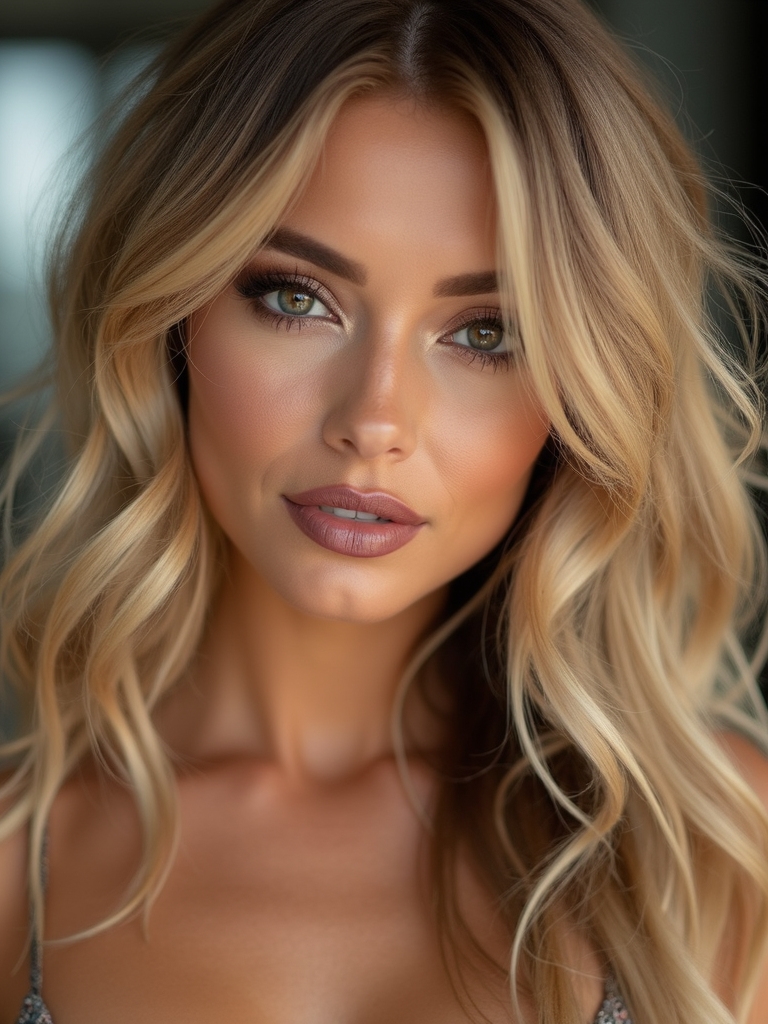
Honey-gold babylights add a soft, sun-kissed dimension that never looks overworked. They are fine, face-framing pieces that brighten your complexion and grow out gently, so they are an easy yes for anyone who wants subtle warmth without a full blonde overhaul. The placement is delicate:
- Fine, sun-kissed pieces around the face and crown to lift warmth.
- A believable base kept underneath so the babylights blend in naturally.
- Minimal upkeep, since the fine placement means regrowth barely shows.
📋Before you go warm for winter
- ✓Match the warmth to your undertone: golden for warm skin, muted for cool.
- ✓Ask for a root shadow or melt if you want the longest stretch between visits.
- ✓Plan on a warm gloss every couple of months plus a weekly hydrating mask.
Chestnut-Rooted Blonde for Warm Depth
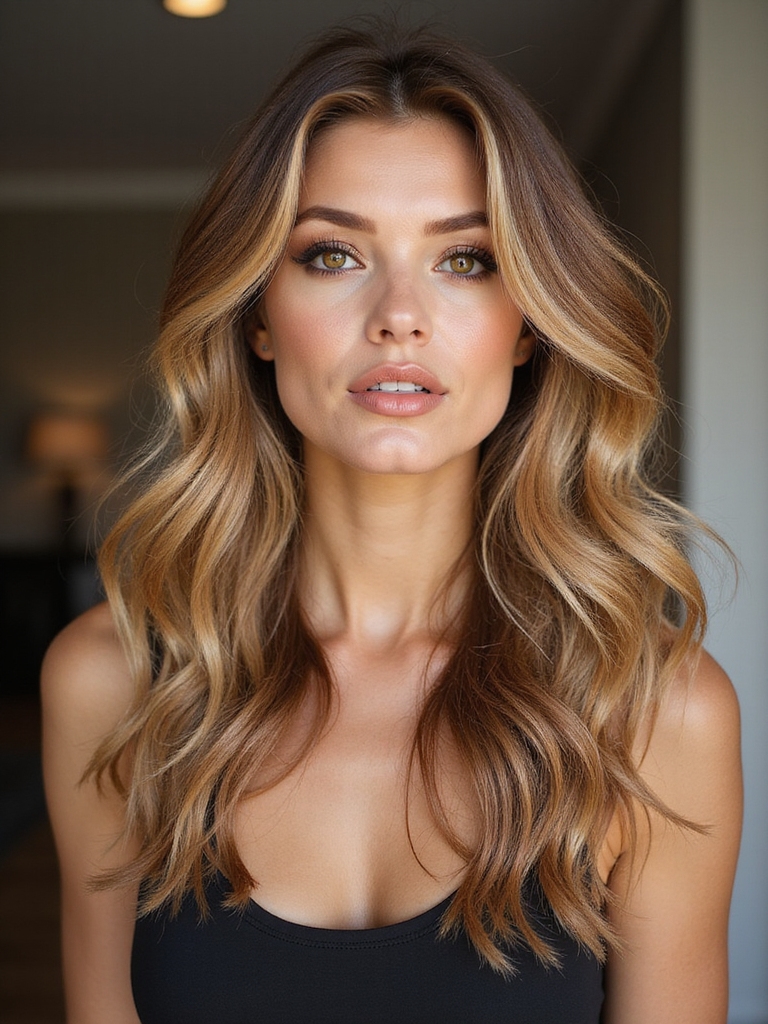
Chestnut-rooted blonde gives icy winter shades a cozy counterweight. A rich, warm chestnut root anchors lighter ends with real depth, settling brassiness while keeping the brightness you want. It looks modern and wearable. The contrast feels deliberate, the kind of warm-against-bright depth a colorist plans on purpose rather than something you ended up with by skipping appointments for two months.
It is one of the warmest, most forgiving ways to wear blonde in winter:
- Subtle chestnut root shadowing for instant depth and low upkeep.
- Buttery midtones that keep the blonde soft and warm.
- A finish that flatters most skin tones and grows out kindly.
Smoky Ash Balayage for a Muted Finish
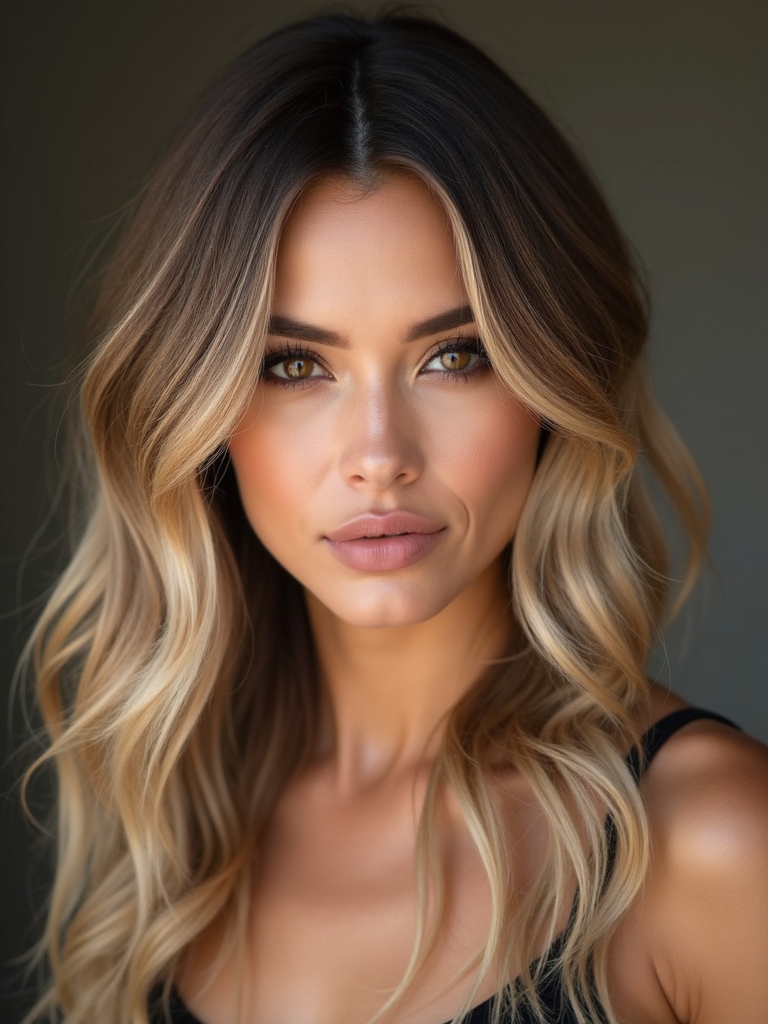
If even your warm blonde feels a touch too bright, smoky ash balayage quiets it down for a more grown-up, cool-toned finish. Soft, shadowed lifts blend into ashy midtones for a low-contrast, polished look that settles brass and feels modern. It is understated winter blonde at its best.
The muted approach is the whole appeal here:
- Shadowed lifts that blend softly into ashy mid-lengths.
- Low contrast overall, so the color looks natural and grown-in.
- A toning gloss on a six-to-eight-week cycle to hold the cool, muted tone.
Warm Pearl Blonde With Melted Blends
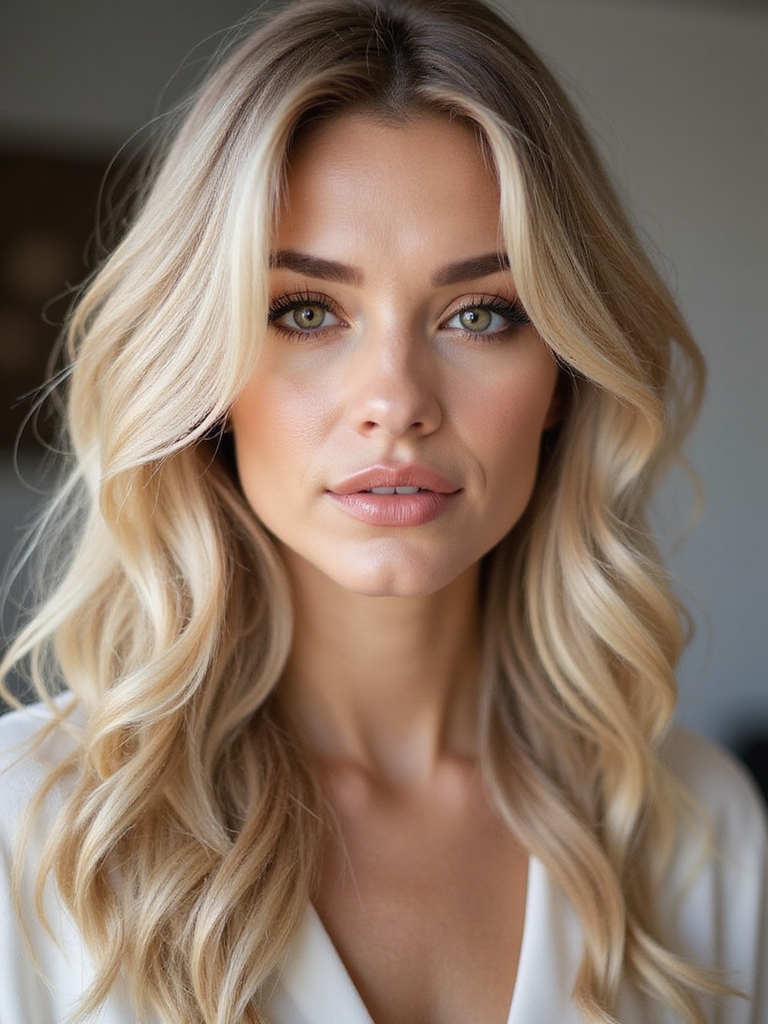
Warm pearl blonde feels modern and soft at once, a pearly tone with just enough warmth to flatter winter skin. Subtle root shadowing keeps it wearable, and creamy melt shifts carry the color smoothly from natural roots into luminous ends.
How the Melt Reads in Photos
The soft root shadow frames the face and softens regrowth, adding depth without any hard lines to chase. That is what makes the melt look natural and photograph so well in low winter light.
It is a polished, low-maintenance option that flatters cool winter wardrobes while keeping a warm, soft hand. Beyond a gloss every second month, there’s little else this one asks of you.
Sandy Blonde With Sun-Kissed Lowlights
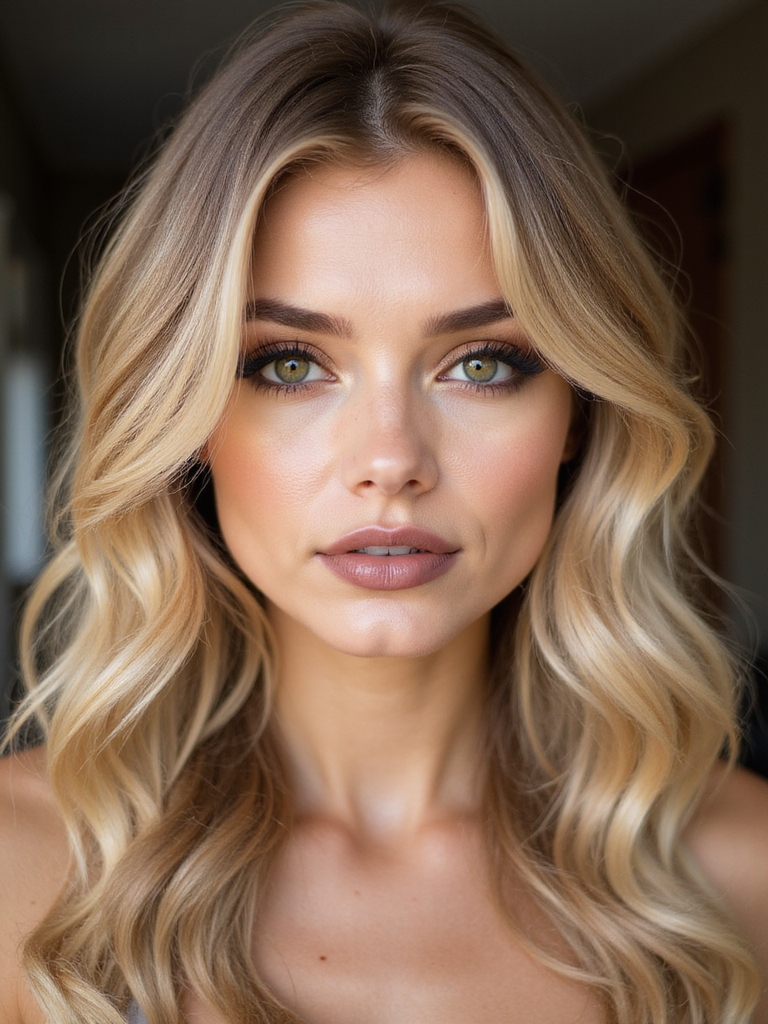
Sandy blonde with sun-kissed lowlights is fresh without feeling overdone, the warm-neutral shade that adds instant dimension while keeping things natural. It softens your features and asks very little of you, which is exactly what you want in the dead of winter, when the last thing anyone has the energy for is a standing appointment to chase a root every three weeks. Here is what it brings:
- Natural-looking depth from soft, warm lowlights.
- Subtle contrast and soft face-framing for an easy, flattering frame.
- An easy grow-out that works across a range of skin tones.
Butterscotch Sliced Highlights for Texture
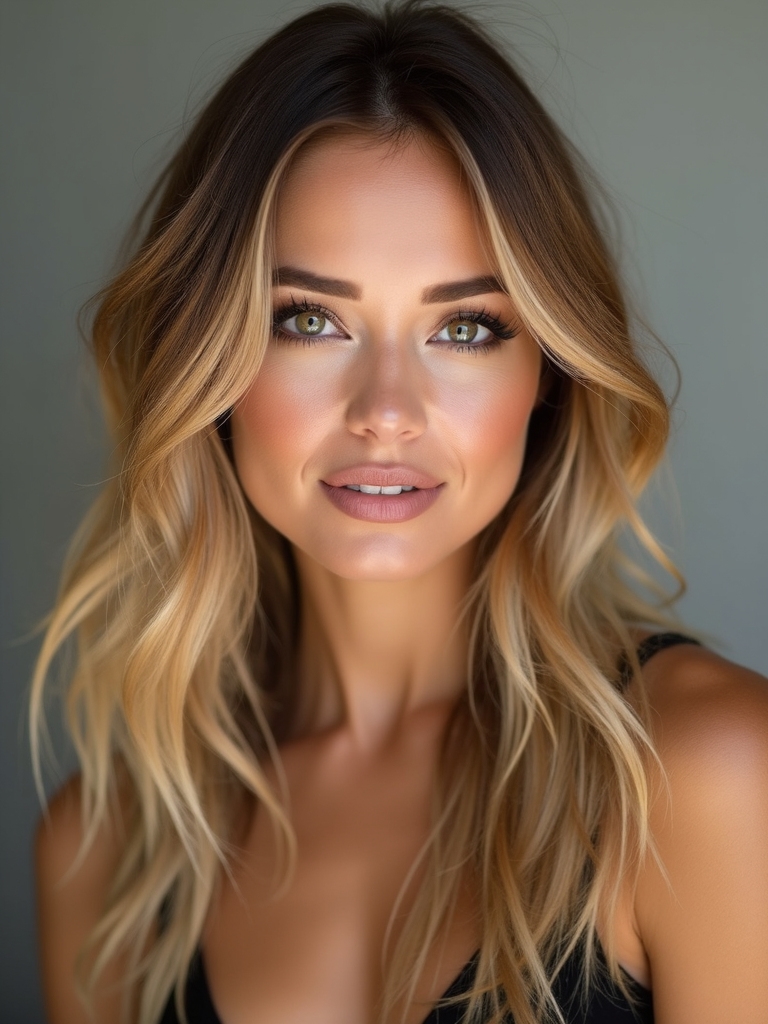
When sandy blonde is not quite enough movement, butterscotch sliced highlights bring the texture. Thin, bright ribbons of warm butterscotch catch the light and punch up dimension, framing the face and lifting waves. It is a warm, modern look that suits winter’s softer palettes.
Strategic slicing is what gives it that woven, dimensional feel:
- Thin, sliced ribbons of butterscotch for bright, woven texture.
- Strategic placement around the face to frame and lift the waves.
- Low upkeep, since the warm tone fades soft and the slices blend as they grow.
Cozy Cinnamon Blonde
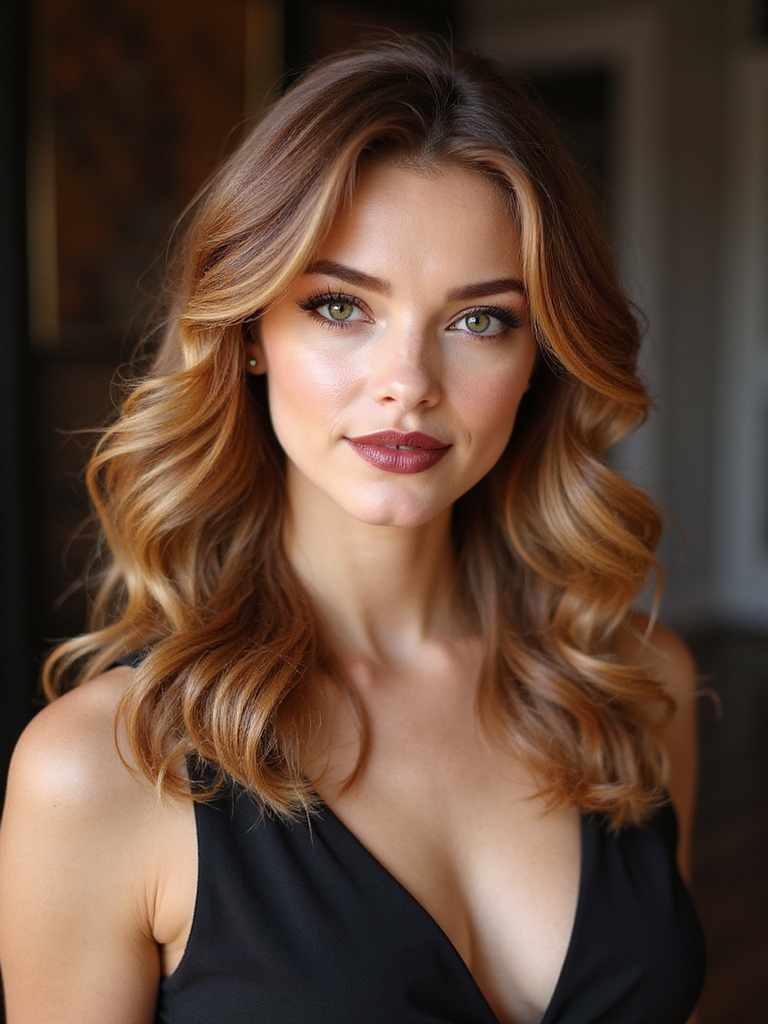
Warm, spicy tones feel right in the cold, and cinnamon blonde is the coziest of the bunch. It carries a soft auburn depth and blended warmth that still feels modern, which is why it climbs to the top of my request list every year once the temperature drops and clients start craving rich, inviting color for the season. It is sweater weather in a hair color.
I build it with a soft cinnamon base and subtle golden ribbons, plus gentle lowlights for depth and a glossed finish for richness. Face-framing warmth keeps it flattering, drawing the cozy tone up around your complexion.
Upkeep stays low thanks to the warm, blended base and a soft grow-out. A gloss dropped in around the two-month mark keeps the cinnamon rich, and the warm depth means a little regrowth simply melts in. If you love brown-leaning warmth, a soft caramel brown is a natural next step.
Glazed Blonde for Reflective Warmth
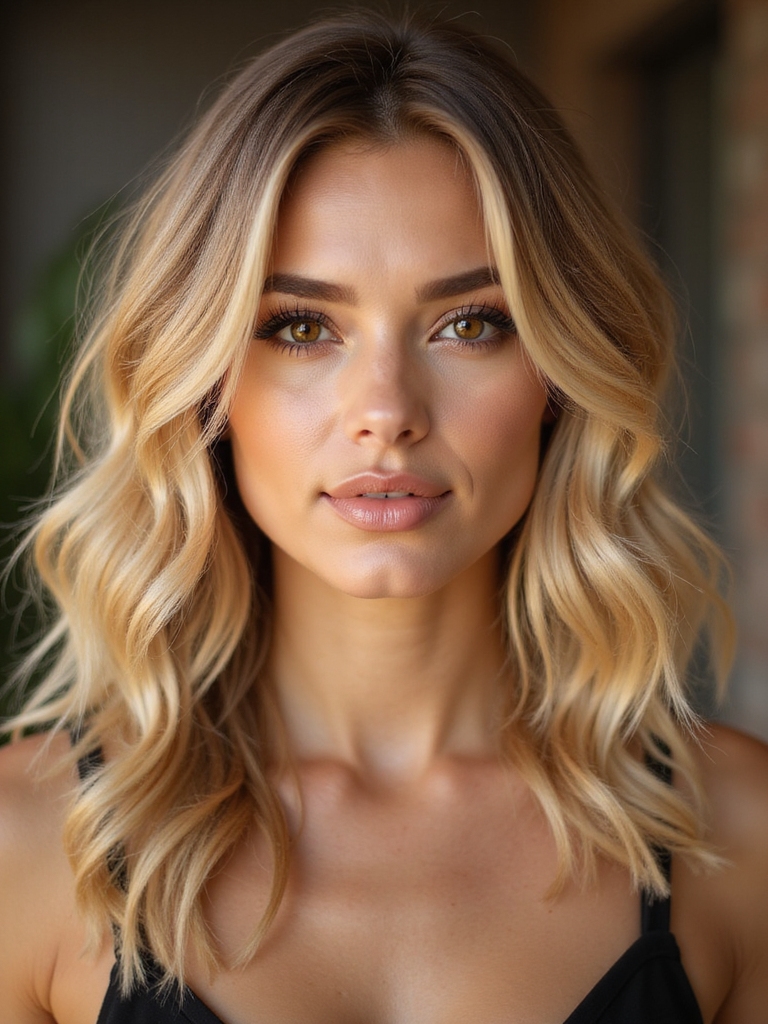
Glazed blonde looks soft and understated but packs a luminous punch, which is why I love it for winter clients who want warmth with serious shine. I blend subtle honey and beige tones, then finish with a glossy glaze that reflects light and blurs any brass. The sheen is the whole point.
It is a polished, low-upkeep way to keep cozy warmth all season:
- A honey-beige blend for soft, natural warmth.
- A glossy glaze that reflects light and keeps brass at bay.
- Low maintenance, with the glaze doing most of the toning work between visits.
Is a Warm Blonde Your Winter Shade?
A warm winter blonde is the right call if your skin looks washed out under gray light, if you hate frequent salon trips, or if cool blonde has ever made you look tired. These honeyed, caramel, and butterscotch shades put color back into your complexion and grow out soft, so they forgive a packed schedule and reward a low-effort routine. They suit warm and neutral undertones especially well, and even cool skin can wear a golden ash or muted pearl.
Cost depends on your starting color and your region, but a warm balayage or root-melt blonde generally runs a few hundred dollars and, because it stretches to ten or twelve weeks, costs less over a year than a high-upkeep platinum. If you are mapping out the season, these winter blonde shades and a longer-term fall-to-winter blonde plan are good places to keep planning.
Your Cozy Winter Blonde Awaits
Warm blonde is the easy, flattering way through winter. Whether you lean into honeyed balayage, chestnut roots, or a glossy butterscotch, the formula holds: pick a warmth that suits your undertone, lean on a soft root to stretch your appointments, and let a gloss and a weekly mask carry the shine.
These fifteen shades all do the same quiet job, putting warmth back into cold-weather skin without the constant upkeep of icy blonde. Save the ones that feel like you, bring them to your colorist, and walk into the season with a blonde that feels as cozy as it looks.
Favorites to Revisit