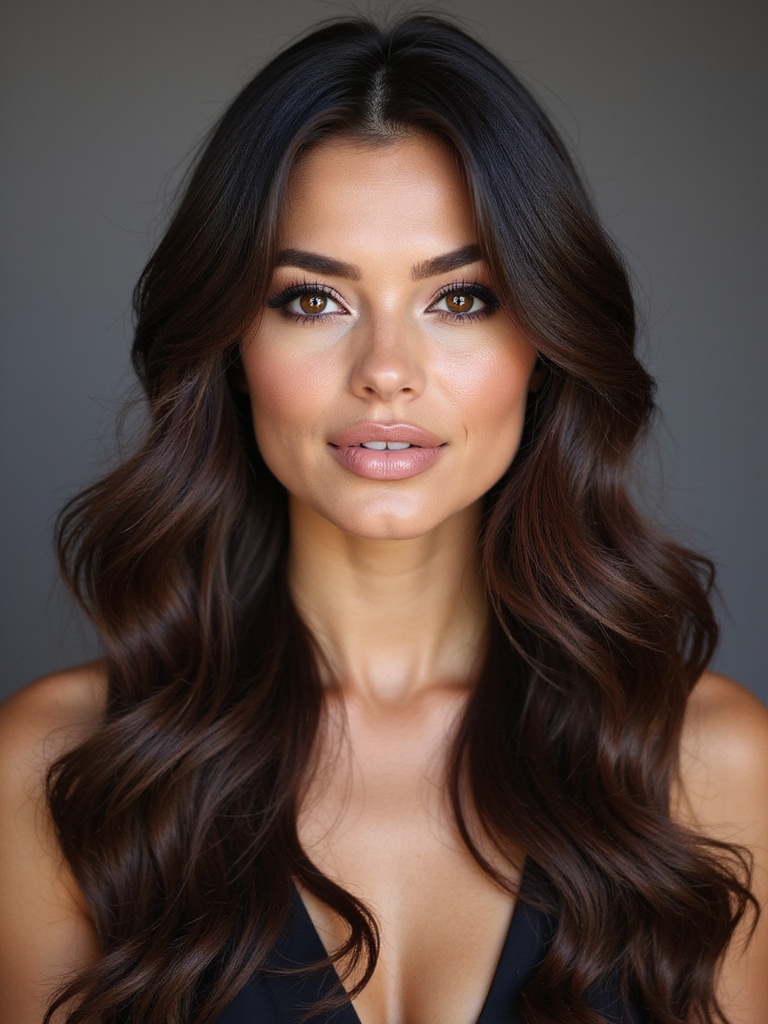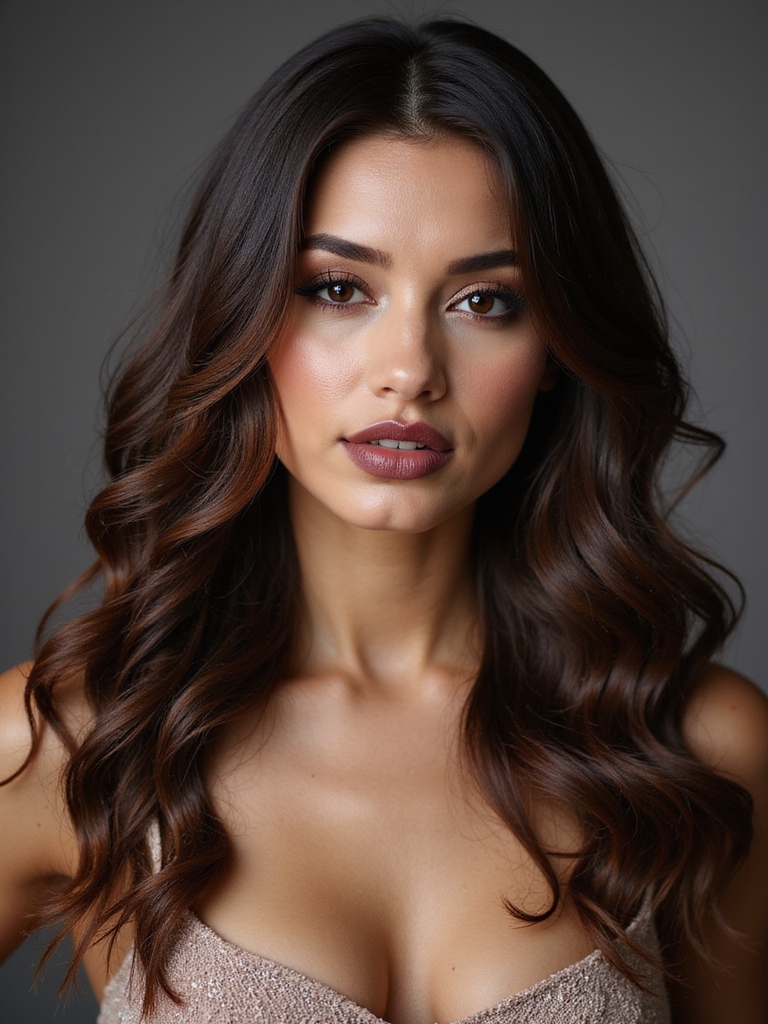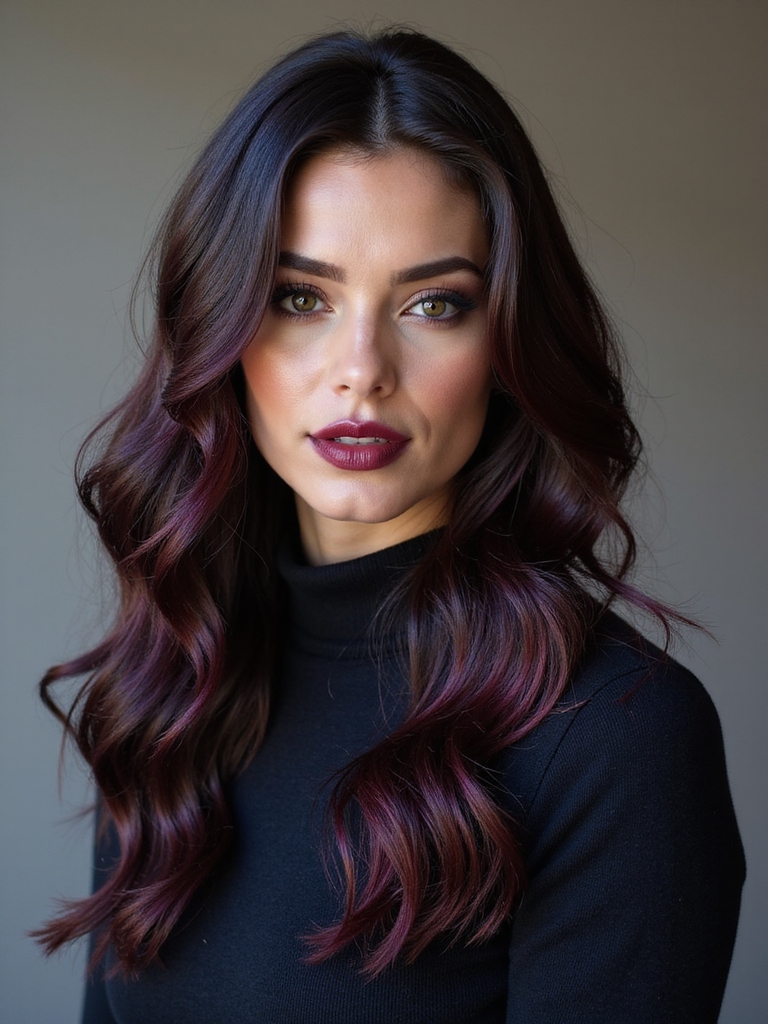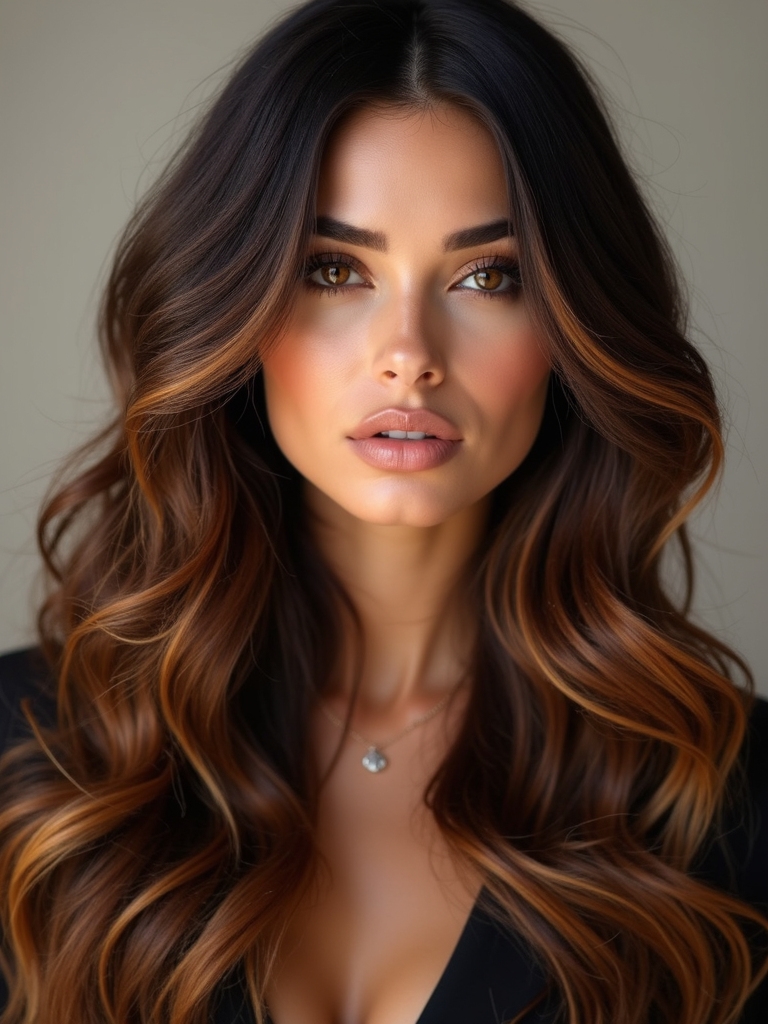
A single caramel piece near the temple catches the one shaft of window light in an otherwise flat, gray office, and for a second that whole head of brunette hair looks lit from the inside. That’s the appeal winter can’t dull. Caramel survives overcast skies and looks expensive without much effort.
Caramel on brunette hair isn’t one look, though. Placement changes the entire effect. Face-framing pieces brighten a complexion, an all-over balayage adds depth, and lowlights add richness with no obvious brightness at all. Choose the wrong caramel shade for your undertone and it turns brassy fast. Sixteen ways to wear it, plus how to keep it warm through the coldest months.
Caramel Placement, Compared
Every technique here solves a different problem. Face-framing pieces and money pieces brighten the complexion fastest and cheapest. Babylights, balayage, and a caramel melt spread warmth through the whole head with a soft, low-maintenance grow-out. Lowlights and a chestnut blend add richness without adding real brightness at all.
Shade matters as much as placement. A golden caramel flatters warm skin, while a cooler, more muted caramel is the safer bet against neutral or cool undertones. Whichever technique gets chosen, a gloss on the calendar keeps caramel looking warm all season.
Soft Caramel Face-Framing for Cool-Toned Brunettes
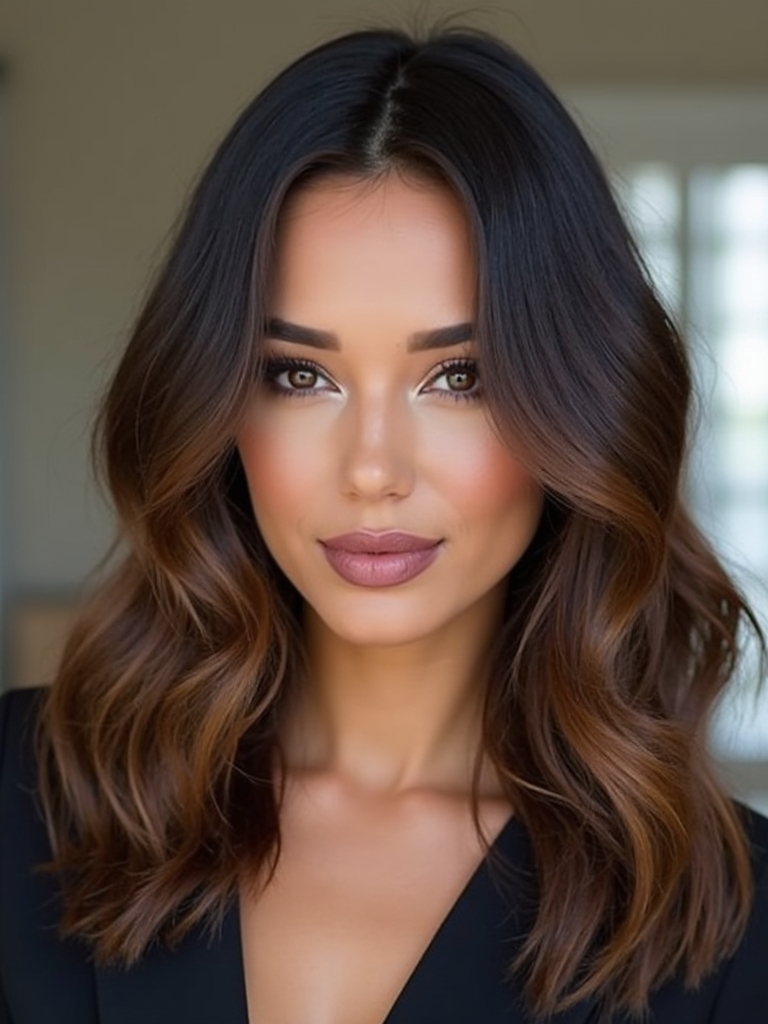
Cool-toned brunettes often assume caramel is off the table, worried a warm color will fight the pink or blue undertones already in their skin. It doesn’t have to. The fix is a muted, beige-leaning caramel in place of the bright golden version, kept to a few panels around the face.
Choosing a Caramel That Won’t Fight Cool Undertones
Kept small like this, the color does one job. It lifts the complexion without warming everything else along with it. The panels sit closest to the hairline, angled to catch light where a cool undertone needs the most help, while the crown and back stay a deeper, cooler brunette.
It’s an easy way to test caramel first. If it looks right against the skin after a few weeks, a stylist can widen the panels. If it feels like too much warmth, the whole look reverts easily at the next visit.

A Caramel Melt That Leaves No Line
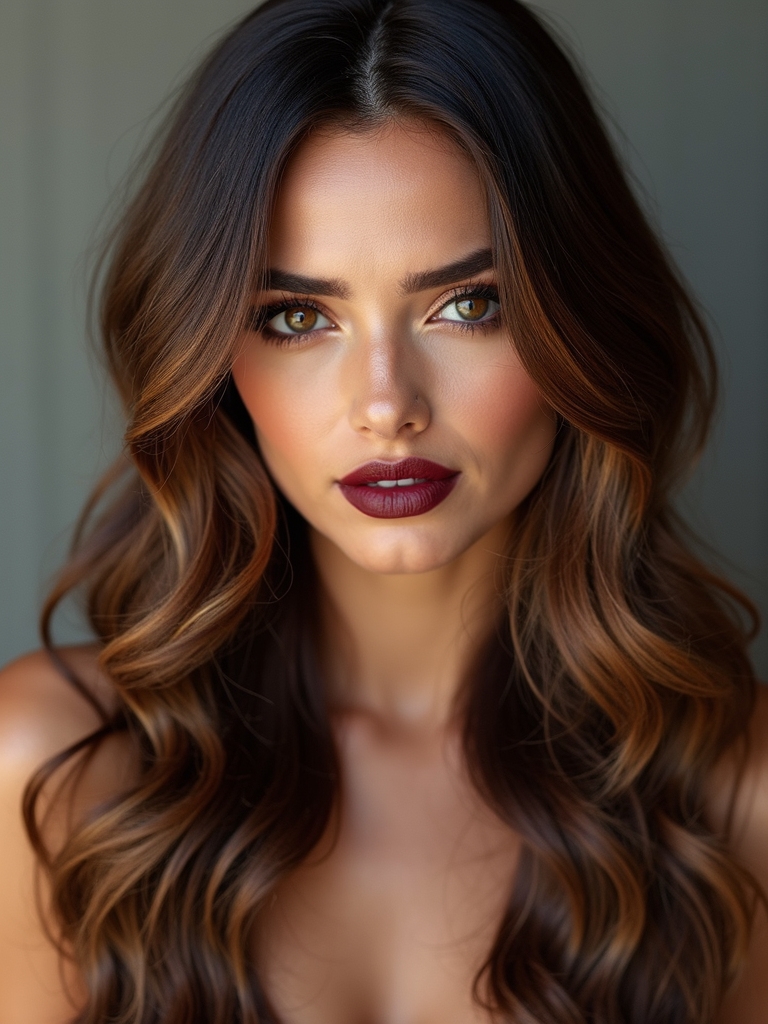
A caramel melt blends warm color down into a dark brown base gradually enough that there’s no single point where it visibly starts, just a soft transition from root depth into warm, lit-up ends. Colorists build it across several diffused levels, which keeps the transition soft under bright light and stops it from showing up as a hard stripe.
- Root stays close to natural depth, so regrowth is barely noticeable for months.
- Warmth concentrates from the ears down, brightest near the ends.
- Works on wavy and straight textures alike, since the blend carries most of the effect.
Babylights Fine Enough to Read as Movement
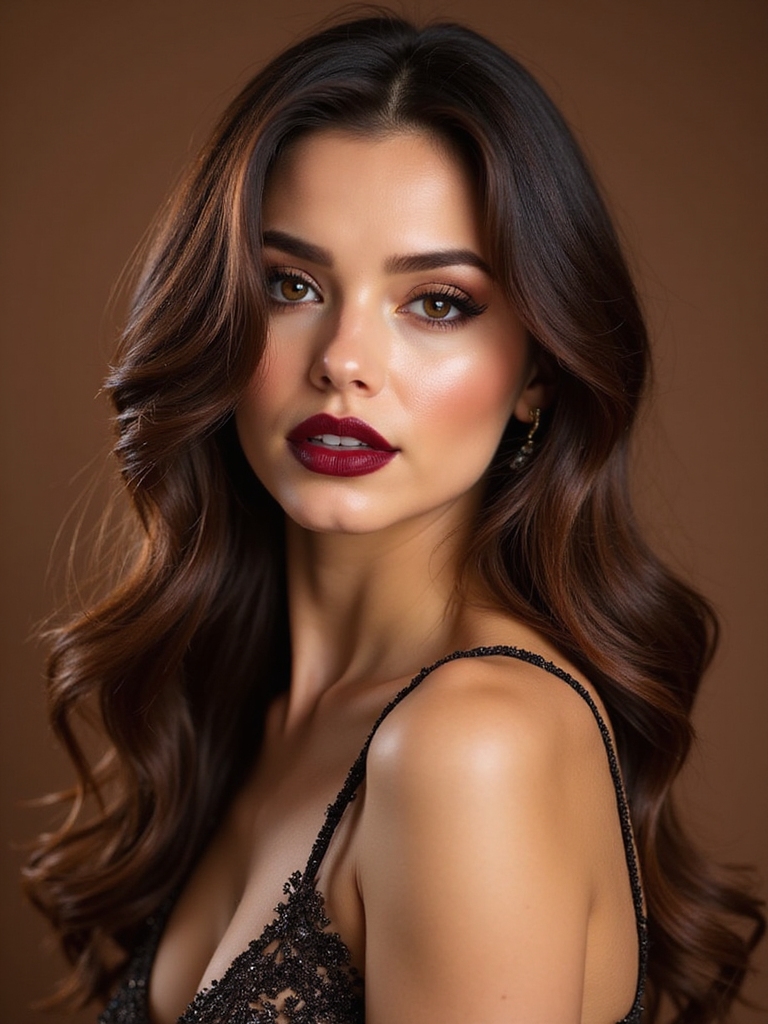
Babylights are the thinnest caramel strands a colorist can weave through, applied one hair-width at a time so the finished result looks less like highlights and more like the hair simply catches light differently than it used to.
The trade-off is time in the chair. This placement takes longer than chunkier techniques because of how fine each section is. The payoff is a color with no obvious grow-out line to chase, since the pieces are too delicate to leave a visible edge.
- Works well for anyone who wants warmth without it registering as an obvious set of ‘highlights.’
- Sits well under a blowout or air-dried waves, since fine pieces move with the hair.
- Grows out slowly enough to skip a maintenance visit and go straight to a refresh.
ℹ️Why Fine Pieces Read as Movement
Babylights are painted or foiled in sections thinner than a shoelace, so the color transitions gradually across dozens of tiny points, the same principle that makes a gradient look smooth rather than banded.
Ribbon Highlights for a Sleek, Sculpted Finish
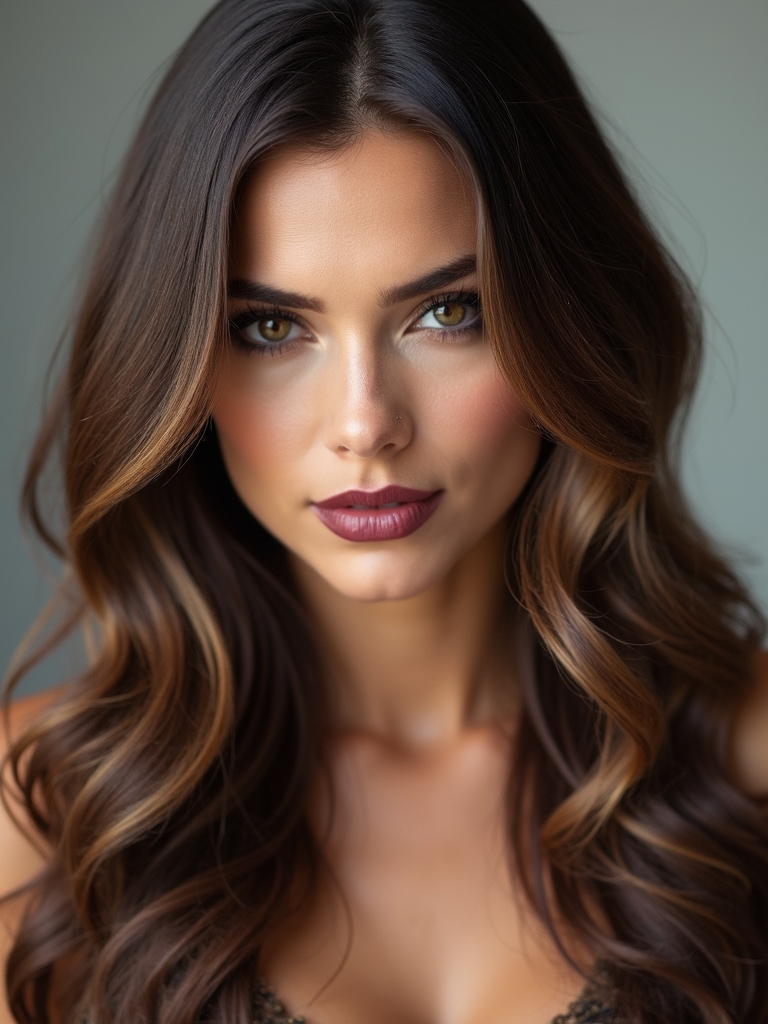
Where babylights whisper, ribbon highlights are built to be seen. Wider, more defined pieces of caramel get placed to catch the eye against a smooth, straight finish.
On a sleek blowout, the ribbons show up as clean lines of color running through the hair. This placement suits brunettes who want the highlights visible and doing visual work. It photographs well and holds its shape through styling that would soften a finer technique.
A Rooty Caramel That Grows Out Gracefully
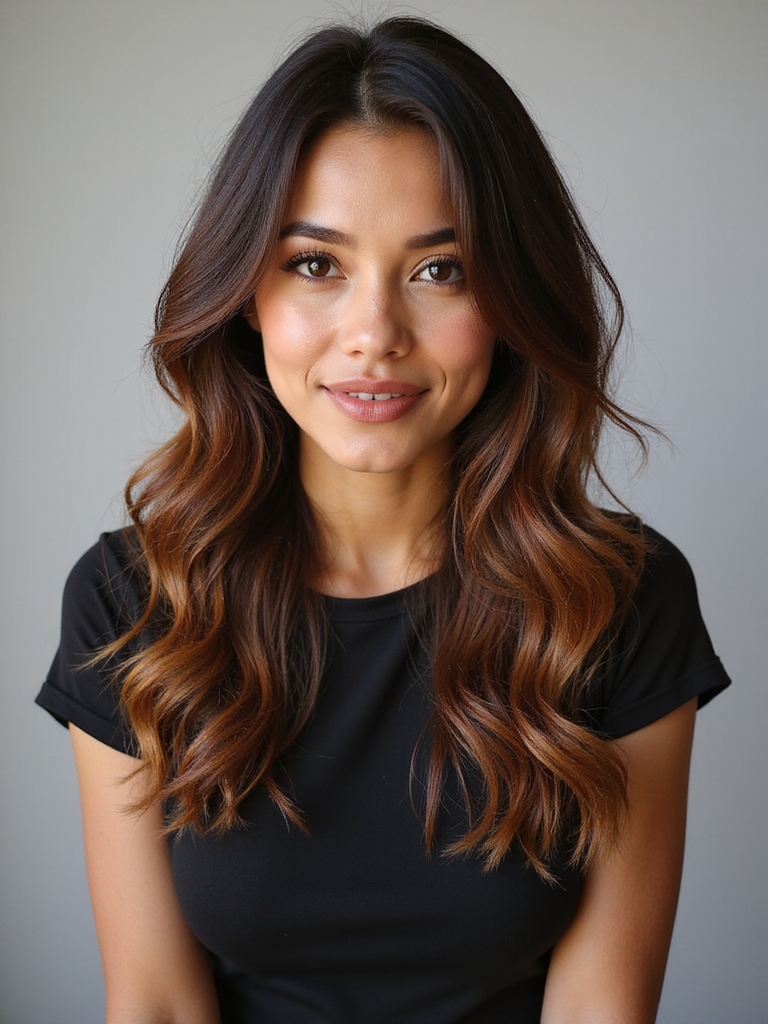
Keeping a few inches of natural brunette depth at the root and placing caramel only from there down solves the single biggest complaint about highlighted hair: the visible line where new growth meets old color.
Because the root is deliberately left dark by design, new growth blends into the existing shadow instead of standing out against it, which stretches the time between color appointments considerably longer than a scalp-level application would allow.
- No sharp demarcation line to touch up on a tight schedule.
- Suits brunettes who want the look without constant salon visits.
- Pairs naturally with longer layers, where the root shadow already looks intentional.
Deep Chocolate Grounded With Caramel Accents
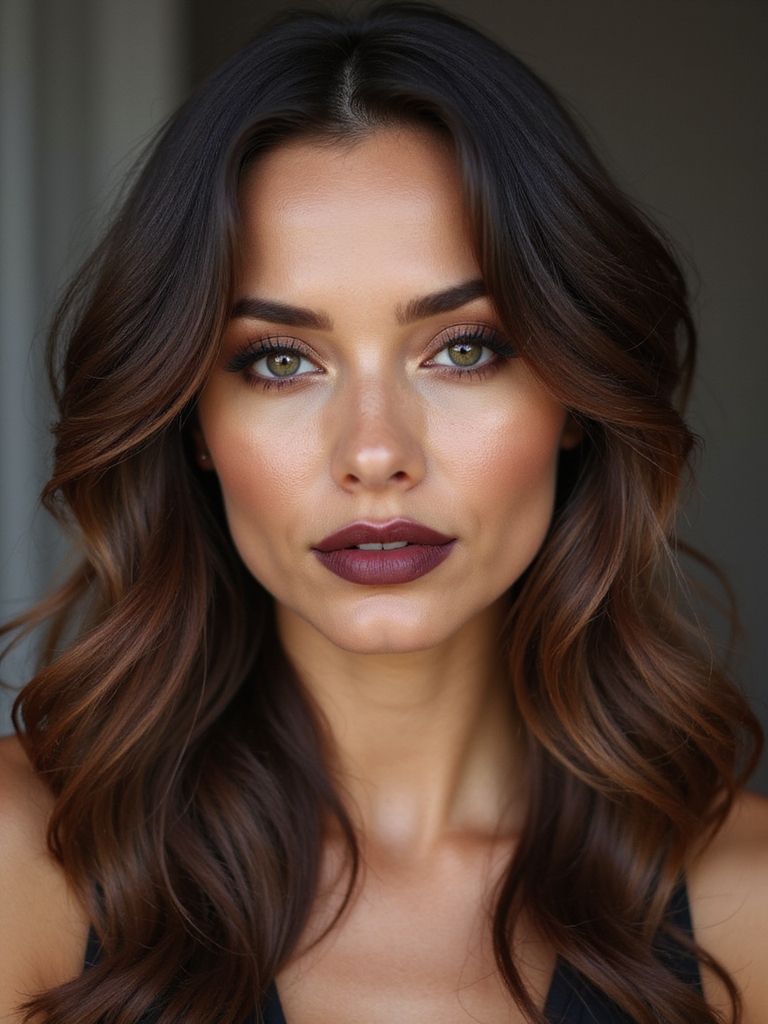
A deep richly highlighted chocolate brown base scattered with a handful of caramel accents comes across rich, not flashy. The dark color does most of the work while a small amount of caramel keeps it from going flat under artificial light. Roughly how a colorist builds it:
- Deepen the base to a true chocolate brown, cooler than a standard brunette.
- Paint a limited number of caramel accents where light naturally hits: crown and face.
- Keep the accent-to-base ratio low so the chocolate stays dominant.
- Finish with a gloss that ties the two tones together.
📋Signs a Chocolate-Caramel Combo Is Right for You
- ✓Your natural brunette already leans cool or neutral, giving the caramel something to contrast against.
- ✓You want richness more than obvious brightness; this adds depth before it adds visible highlights.
- ✓You’re comfortable booking a full color service rather than a quick add-on.
A Caramel-Kissed Ombré for the Ends
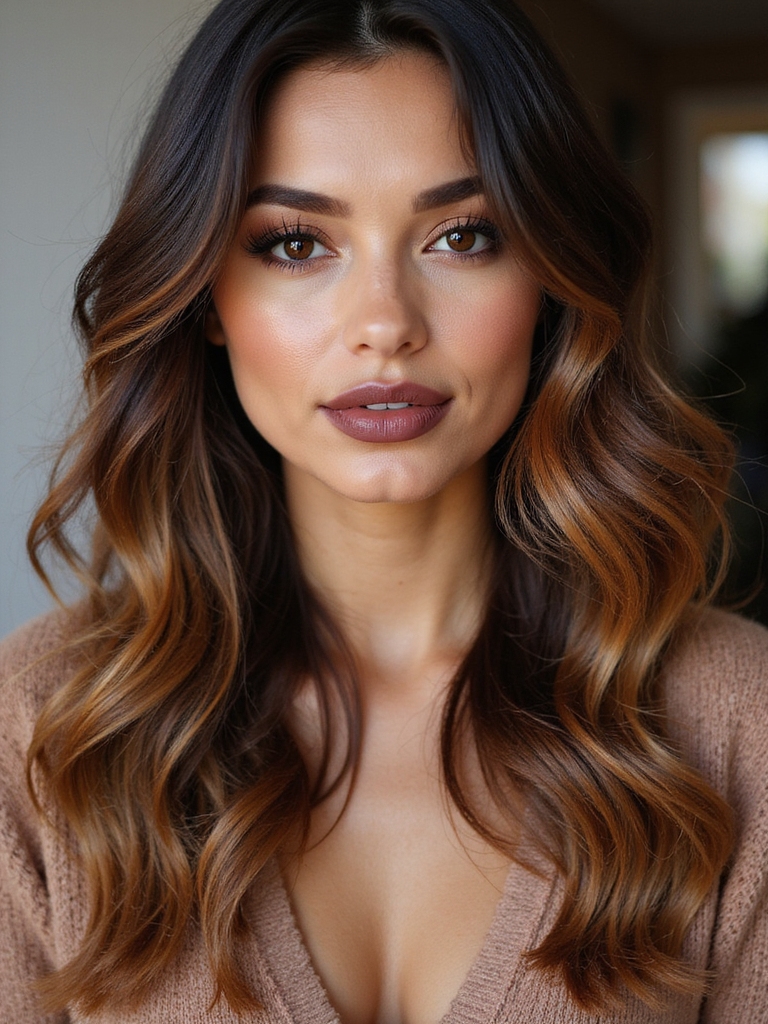
An ombré concentrates caramel toward the ends and leaves the root in its natural depth, so the color gathers exactly where low winter light would hit it, if there were much sun left to hit it with.
The gradual fade means there’s no maintenance rush. The root doesn’t need touching up because it was never colored to begin with, and the effect softens further with each wash as the ends pick up a little more warmth from repeated glossing.
Honey-Caramel Lowlights That Add Weight, Not Light
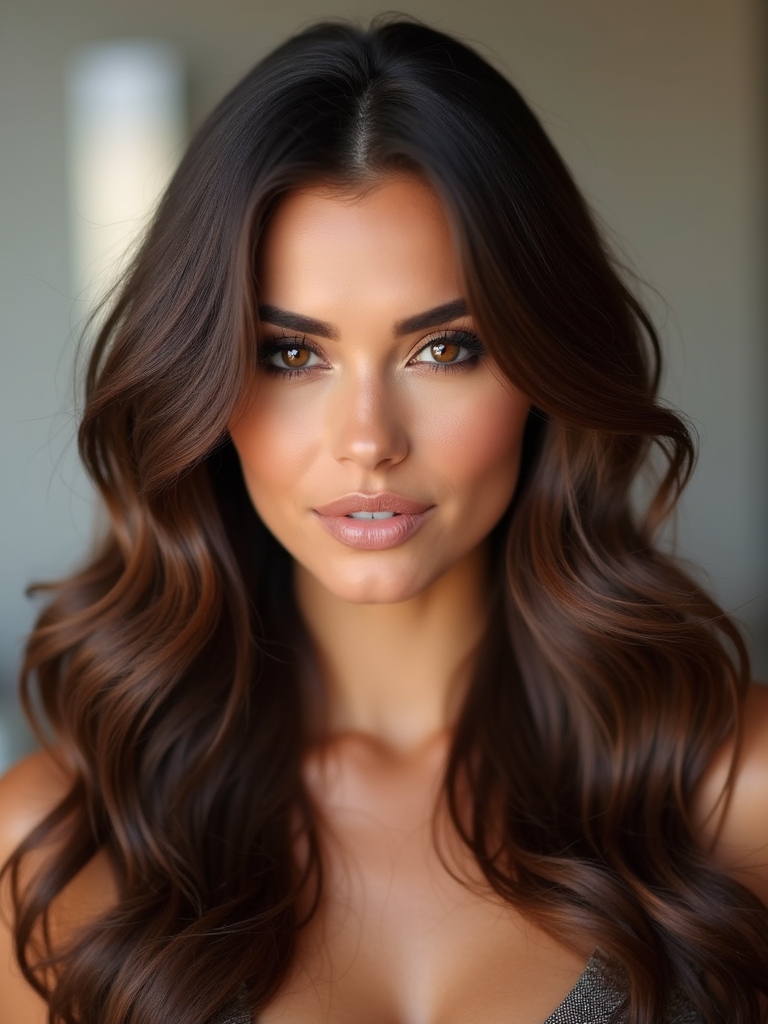
Not every caramel technique is about brightening. Honey-caramel lowlights work the opposite way, weaving slightly deeper, warm tones through the hair to build density.
Less Lightener, Similar Payoff
For brunette hair that already looks light enough, after a summer of sun, after a prior balayage, or just naturally on the lighter end, this placement adds richness back without another round of brightening. It leans on the same warm, layered depth that runs through honey brown hair, and the result looks fuller with no real change to length or cut.
It’s also one of the gentler caramel techniques for hair health. Going darker in spots involves far less lightener than going lighter does.
Caramel Woven Through Curtain Bangs
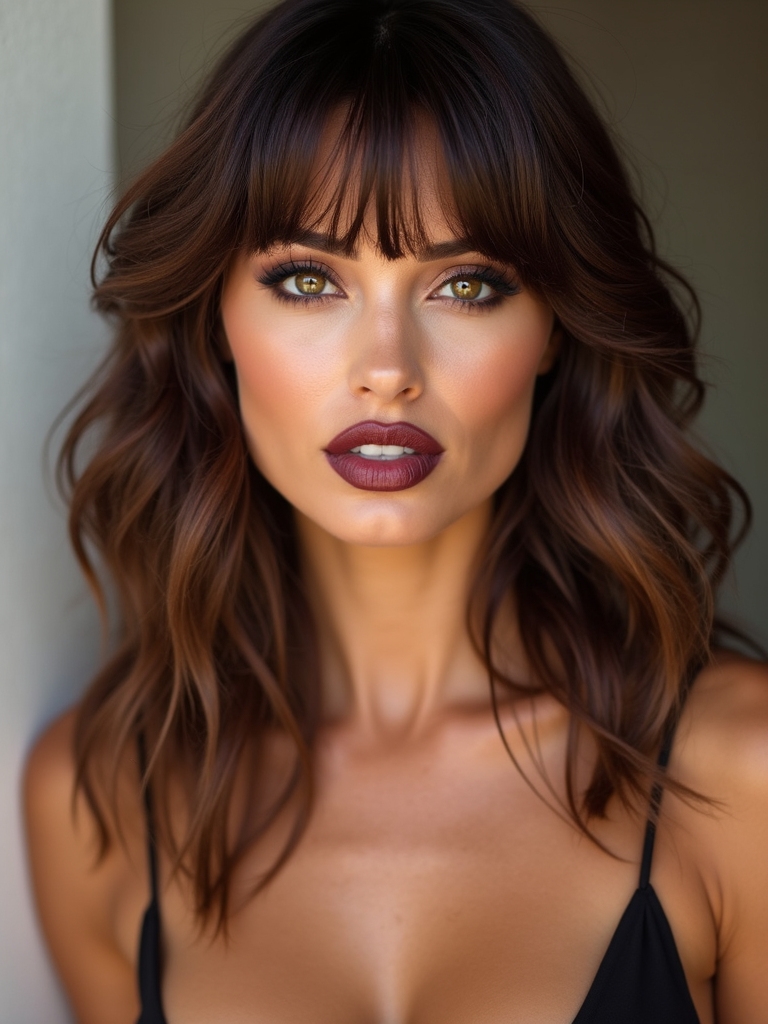
Adding caramel specifically through curtain bangs doubles up on face-brightening. The fringe already frames the face, and a warm color right there does more visible work than the same color spread evenly across every strand.
The caramel concentrates through the fringe and the few inches immediately around it, so the brightness lands exactly where a face-framing cut is already doing its job.
It pairs two trends that happen to work well together. Someone who already wears curtain bangs can add the color. Someone who already has caramel can add the cut.
A Glossy Caramel Toner for Instant Shine
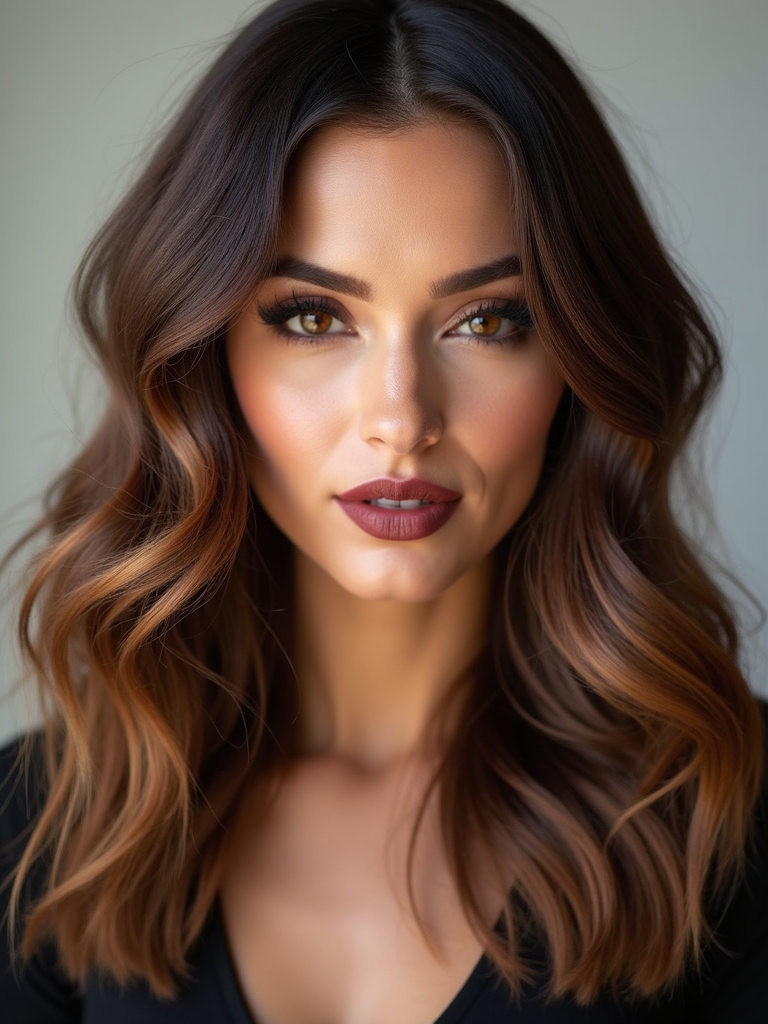
Sometimes what caramel needs isn’t new highlights, just a toning gloss over the ones already there. This treatment re-deposits warm pigment that’s faded and seals the hair’s outer layer for a noticeably shinier finish.
The Difference Between a Gloss and a Full Refresh
A caramel-toned gloss takes roughly half an hour and doesn’t lighten anything further; it’s closer to a refresh than a color change, which makes it one of the faster fixes for caramel that’s gone dull or slightly ashy between full appointments.
It’s worth booking on its own, separate from the highlight service. A stand-alone gloss typically runs $35 to $60, well under the price of a full color visit, which makes it an easy add rather than a splurge.
Money Pieces: Caramel’s Fastest Entry Point
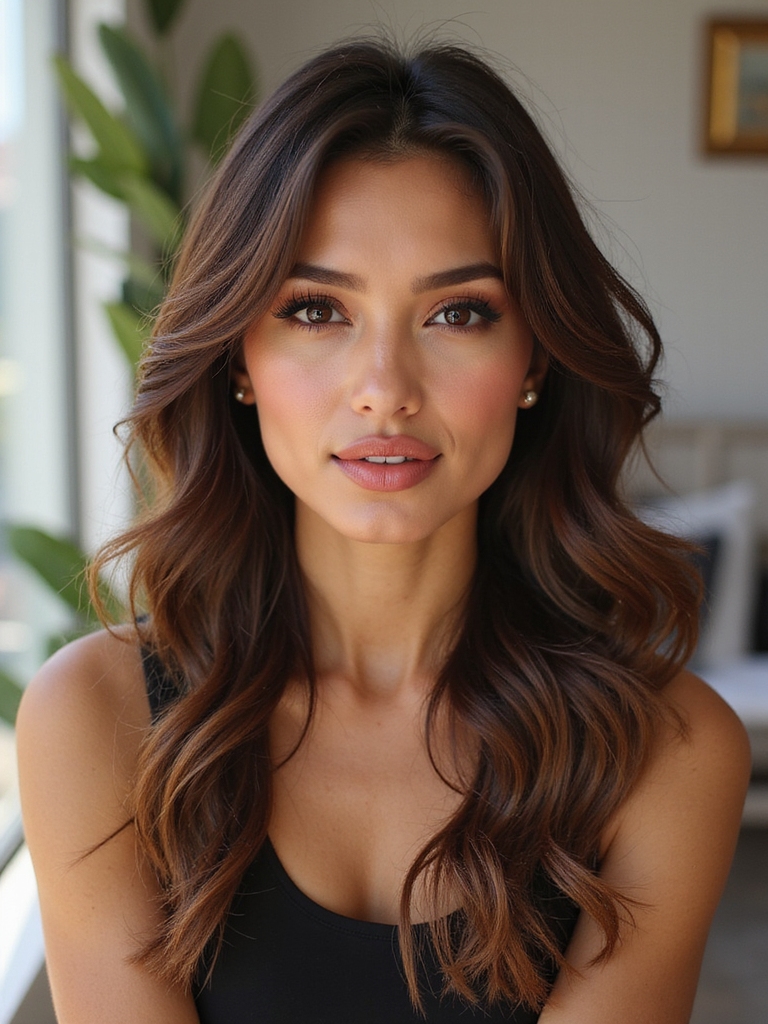
Money pieces, the two bold, brighter strands framing the front of the face, deliver the most visible warmth for the least amount of color applied. Only a small, targeted section gets lightened at all.
Because so little hair is involved, they also tend to run $60 to $120, well below a complete color service, and touch up quickly. That makes them a reasonable way to try caramel before committing to more.
Trying to work out how much caramel actually fits the moment?
🎯Wants to test caramel without a big commitment
Money pieces at the front cost less and take less time than coloring everything.
🎯Wants caramel felt through the whole head, not just the front
Babylights or a balayage spread the color evenly instead of concentrating it at the hairline.
Chestnut and Caramel Blended for Warmth
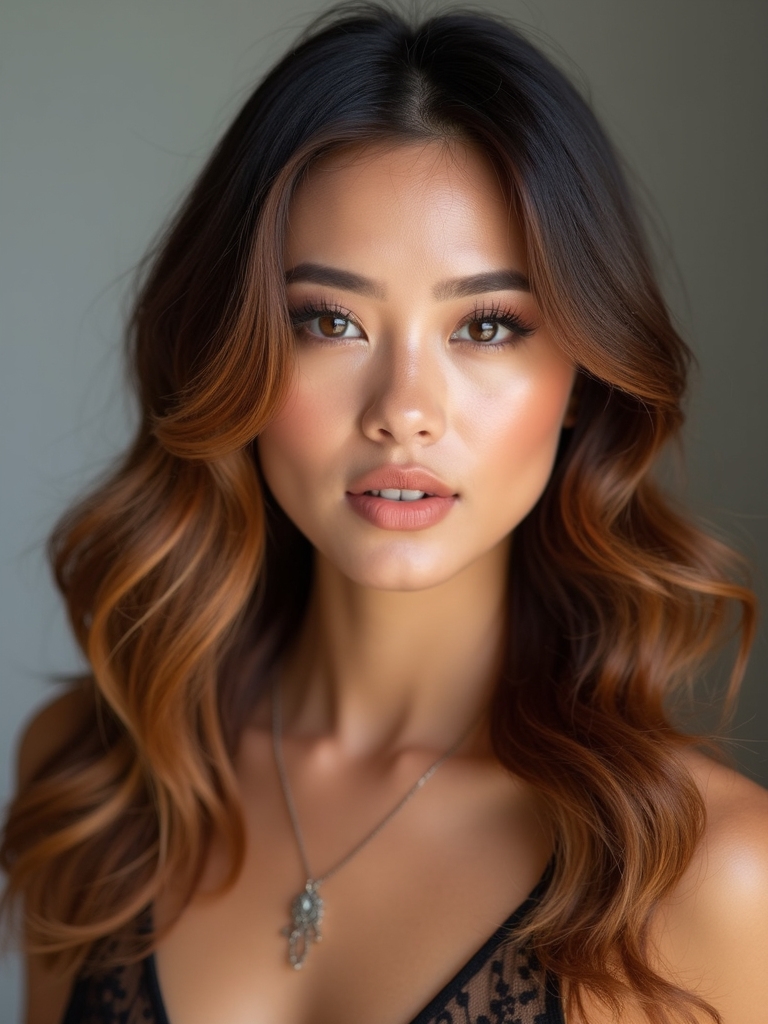
Blending chestnut into a caramel highlight gives brunette hair a second layer of tone to work with. The chestnut carries depth, the caramel carries light, and the two sit close together on the color wheel, so the transition looks intentional rather than patchy.
This combination tends to suit a broad range of brunettes because both tones stay warm without going to an extreme, landing in a middle range between deep espresso and light honey that’s forgiving of skin undertone.
- Comes across as dimensional brown, more than a plain ‘brunette with highlights.’
- Grows out with less contrast than a lighter caramel would show against a darker base.
- A chestnut brown hair base works especially well as the starting point.
A Caramel Balayage That Works on Any Length
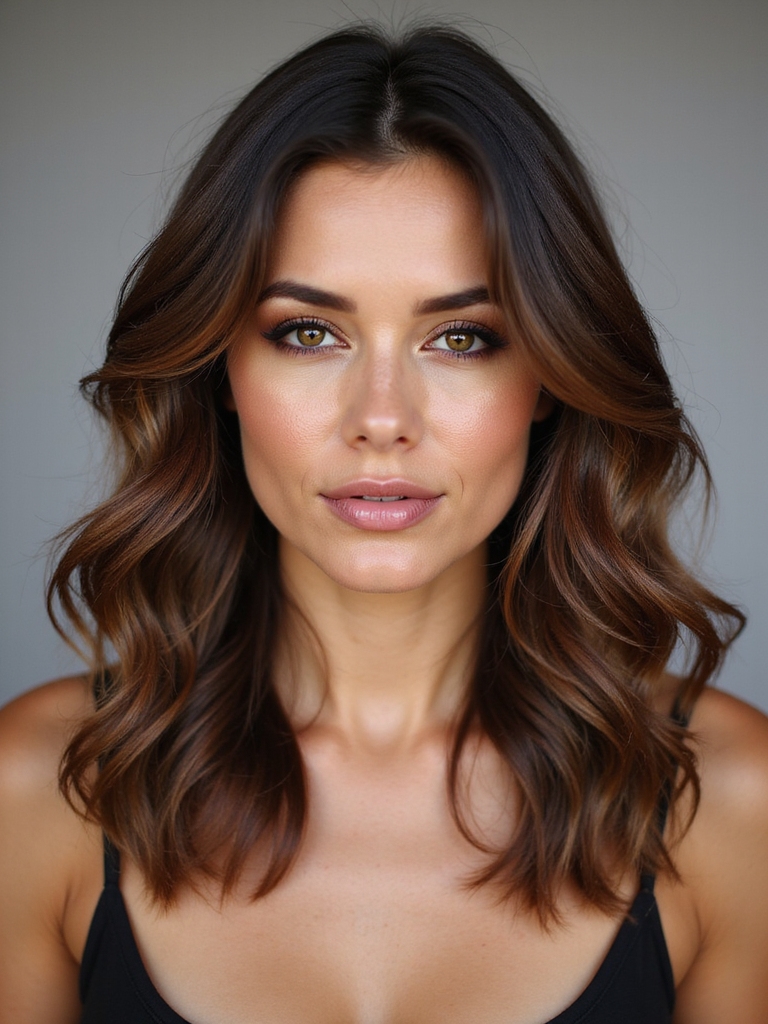
A hand-painted caramel balayage adapts to short, shoulder-length, and long hair in a way foiled techniques don’t always manage, since the person painting it can adjust placement to whatever length is actually in the chair.
Concentrating a bit more warmth near the face works especially well on shorter cuts, where a full head of even highlights can sometimes look busy. The dark brown balayage guide covers how the technique itself gets applied in more detail.
A few terms that come up constantly in a caramel consultation:
📖Balayage
A hand-painted technique with no foils, giving soft, freehand placement.
📖Babylights
Extremely fine highlights woven in small sections for a subtle effect.
📖Melt
A gradual blend between two colors with no visible line.
📖Money pieces
Two bold highlighted strands framing the front hairline.
A Gradient From Cool Root to Warm Ends
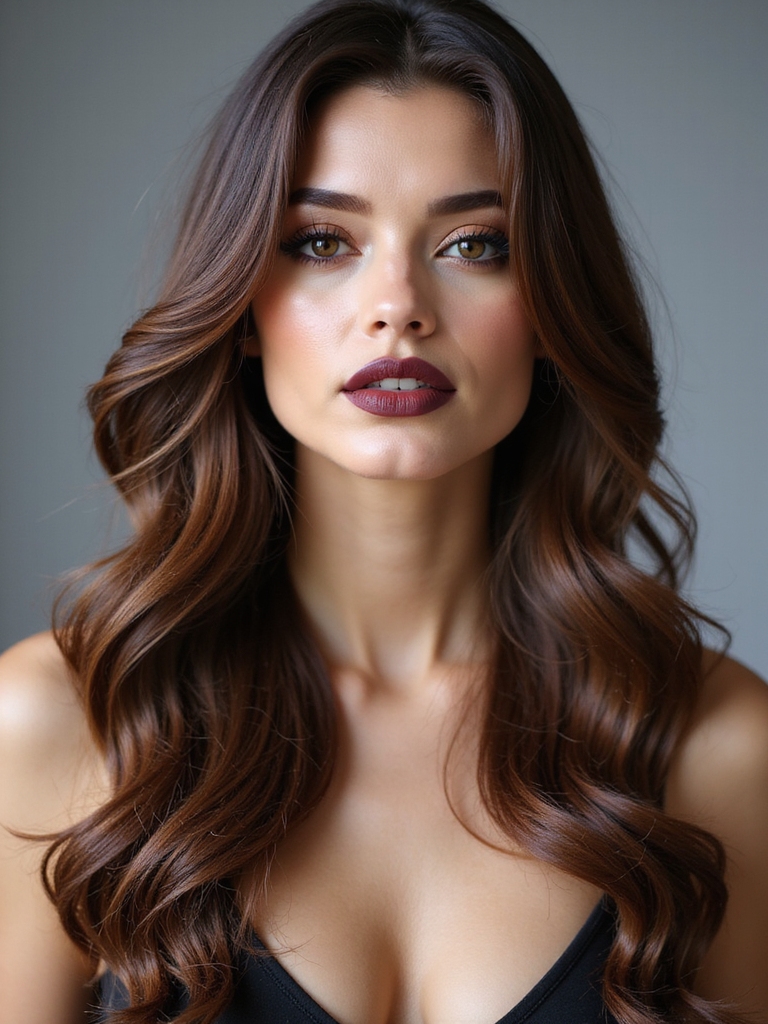
A cool-to-warm gradient keeps the root a modern, cool-toned brunette while warming gradually into caramel toward the ends. It’s a way to have both a current root color and flattering warmth at once. Roughly how it’s built:
- Root stays a cool, deep brunette, similar to how it would look with no highlights at all.
- Warmth increases gradually starting a few inches down, never in a single jump.
- The transition blends soft enough that there’s no visible seam between the two halves.
Keeping Caramel Warm Through a Cold, Dry Winter
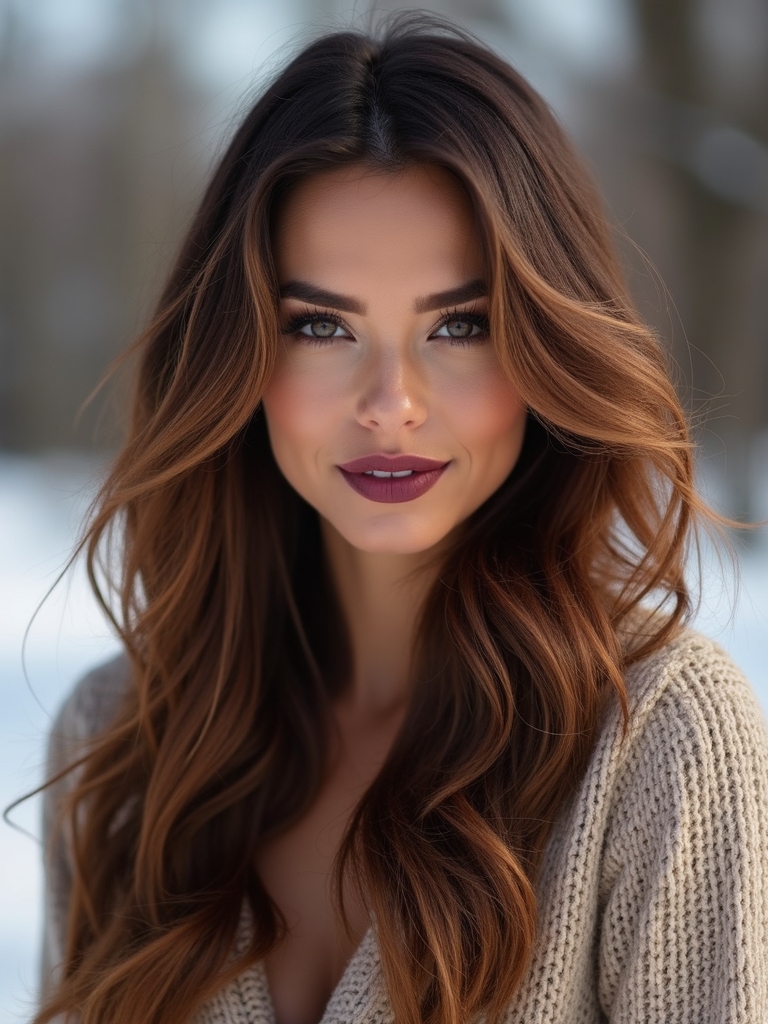
Indoor heating dries hair out faster than most people expect, and warm tones like caramel are also the first to fade. Winter works against this color from two directions at once. A few adjustments slow both problems down considerably.
- Wash in cooler water and stretch the days between washes where possible; hot water strips warm pigment fastest.
- A color-depositing conditioner, used every wash or two, tops up the warmth between salon visits.
- Book a toning gloss once the caramel starts looking duller than gold, before it slides toward brassy.
Common Mistakes to Avoid
The most common misstep is picking a caramel shade for the photo instead of the skin. A bright, golden caramel that looks incredible on a warm complexion can look harsh against a cool one, and no amount of great placement fixes a shade mismatch.
The second is skipping maintenance until the color has already gone brassy. Caramel doesn’t fade evenly: it drifts toward orange first, then dull. The third is going too heavy for a first attempt. A handful of well-placed pieces looks more expensive than a full head of new color applied all at once.
Caramel Highlight Questions, Answered
?Will caramel highlights look brassy on cool-toned skin?
Only if the caramel itself leans too gold. A muted, beige-leaning caramel kept close to the face avoids the clash a bright golden caramel can cause against cool or pink undertones, while still adding warmth where it’s needed most.
?What’s the difference between a caramel melt and a caramel balayage?
A melt blends caramel into a dark base with no visible highlight lines, prioritizing a smooth gradient from root to end. Balayage places caramel in hand-painted sections throughout the hair, giving more defined dimension and visible movement.
?How long does a caramel toning gloss actually last?
A gloss fades gradually over several weeks rather than washing out all at once, with the warmth noticeably softer by the time a color-depositing conditioner becomes worth reaching for again to top it back up.
?Can caramel highlights work on very dark brunette hair?
Yes, though a dark base usually needs a touch more lightening to let the caramel show clearly. A rooty placement or a melt keeps that lightening process contained near the mid-lengths instead of spread through the whole head.
Sunlight, Without the Sun
Caramel earns its reputation as brunette’s best winter color because it does the one thing gray months can’t: put warmth and movement into hair that would otherwise sit flat under artificial light. Whether that means a few money pieces at the hairline, a full balayage, or lowlights that add depth instead of brightness, placement is doing as much of the work as the shade itself.
Match the caramel’s undertone to the skin, keep a gloss on the calendar, and any one of these sixteen approaches should carry a brunette warmly through to spring.
Next Up