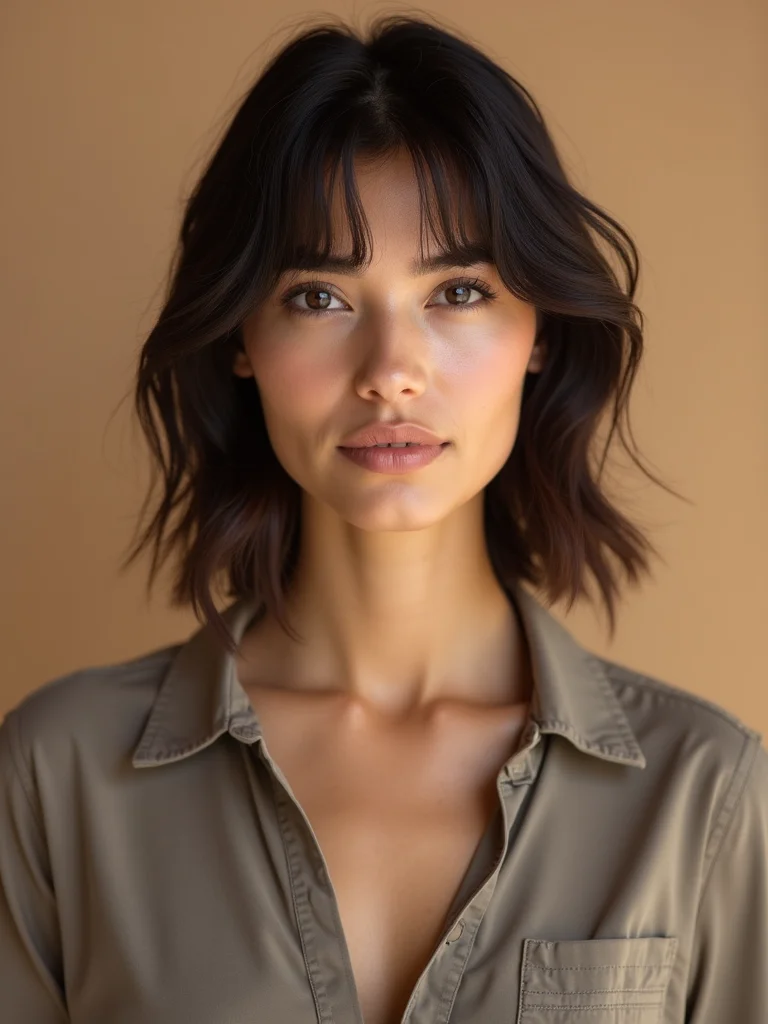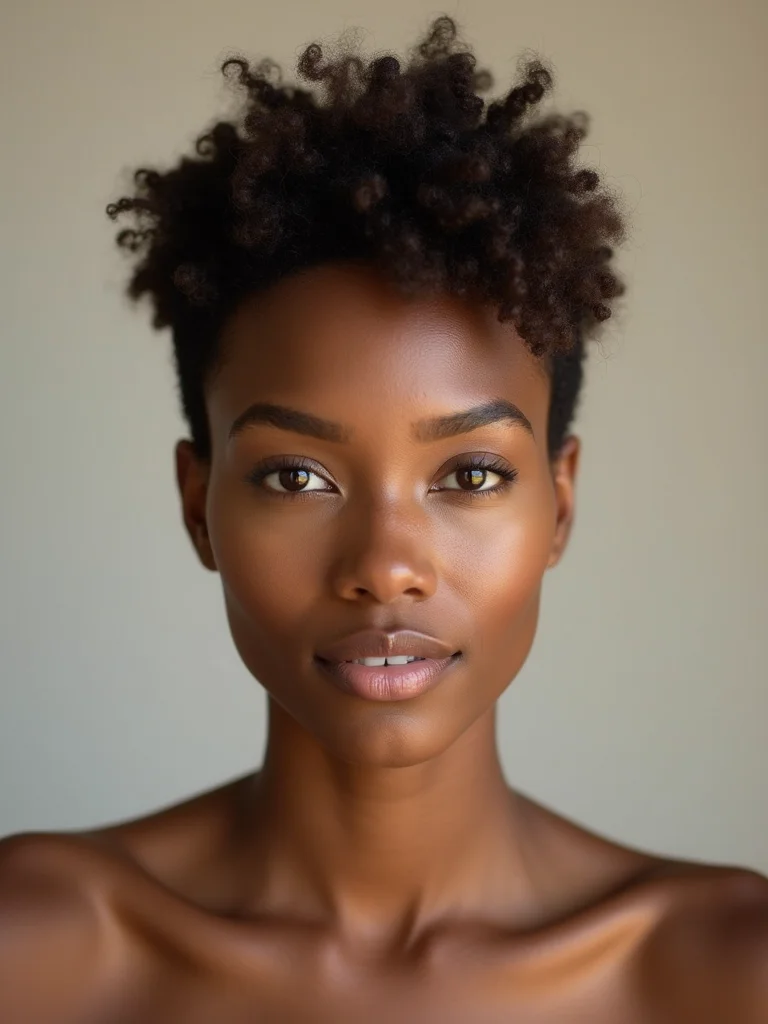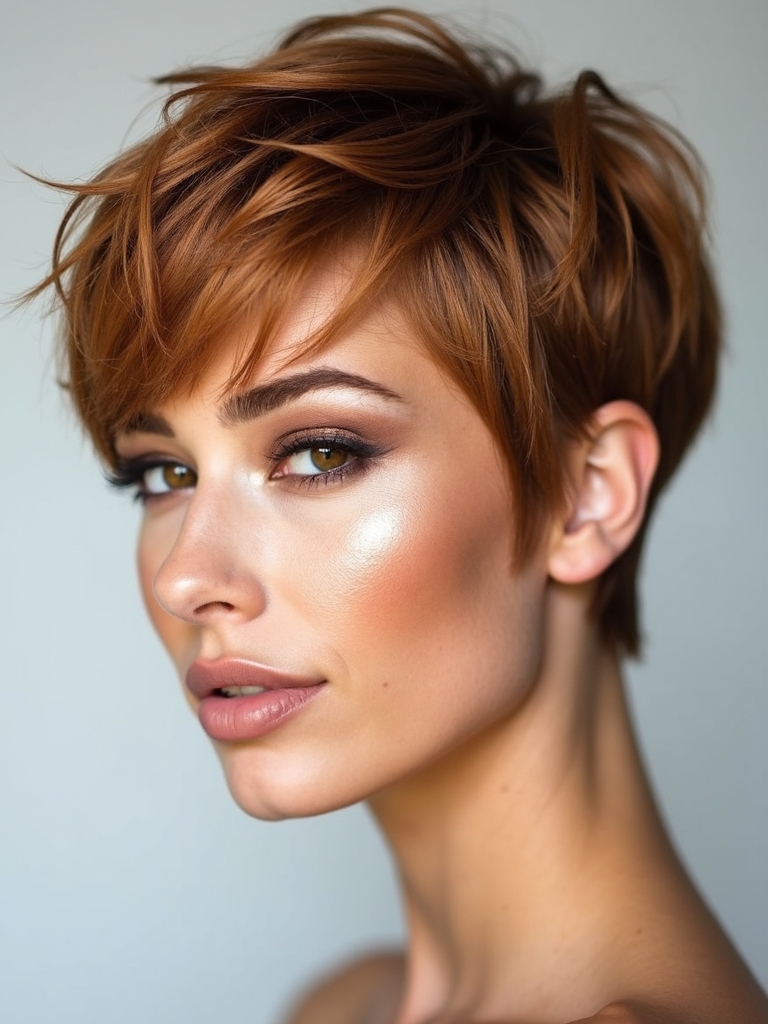
The first pixie is always the scary one. Almost everyone I’ve taken short has sat down gripping the arms of the chair, then walked out an hour later running a hand through two inches of hair and wondering why they waited so long. It looks like a big leap on paper, and turns into the easiest hair you’ve ever owned within about a week.
The catch is that pixie is not one haircut but a whole family of them, and the gap between a pixie you adore and one you just put up with comes down to choosing the right version for your hair and your face. So here are seventeen of the best, sorted by texture and vibe, with what to ask for and who each one flatters, so you can walk in knowing exactly what you want.
Before You Go Short
- Pixie is a family of cuts, not one look; texture and length change everything.
- It suits every hair type, including curls and coils, when the layers are cut for your texture.
- The trade-off is upkeep: most pixies want a trim every four to six weeks, usually $40 to $60.
The Tousled, Piecey Pixie

If you want a pixie that looks styled without looking done, this is the one, cut with plenty of internal texture so the pieces separate and fall a little messy on purpose. It’s the most forgiving version to grow into, since the built-in texture hides the awkward stages. Here’s what makes it work:
- Ask for point-cut, piecey layers so the ends break into soft, separated pieces.
- A pea-sized bit of matte paste on dry hair separates the pieces.
- It flatters most face shapes and forgives a grow-out better than a blunt crop.
The Sleek Side-Swept Pixie

For the opposite of piecey, a sleek side-swept pixie keeps a little length up top and sweeps it smoothly across the forehead for a refined, put-together finish. This one goes from a Tuesday to a wedding to a boardroom without ever looking out of place.
The Elegant One
The side-swept top does the flattering work, softening the forehead and drawing a diagonal line across the face that most people find balancing. Longer on top and shorter at the sides is the shape to ask for.
You’ll want a smoothing serum worked through and either a flat iron or a round-brush blow-dry for that glassy sheen, so it asks a touch more effort than a textured crop. On the right hair, though, nothing looks more polished for the length.
The Textured Crop

The textured crop is the cool-girl pixie, cropped close with choppy, chunky ends and often a short, blunt fringe. It’s the fashion-forward version, the one you see on runways and in the front row, and it makes a real statement without much length at all.
For the Fashion-Forward
The shape leans on heavy internal texturizing so the top stands up and the pieces sit apart. Worn with a micro or baby fringe, it turns architectural and bold, all angles and attitude.
It flatters strong features and anyone happy to let a crop be the boldest thing they’re wearing. This one has real bite. Fair warning: the sharp shape blurs fast, so plan on monthly shape-ups to keep the edges from softening.
📋Booking a Textured Crop
- ✓Bring a photo; ‘textured’ means very different things to different stylists.
- ✓Ask for heavy internal texturizing so the top stands up and separates.
- ✓Decide on the fringe first, since a micro bang changes the whole look.
The Soft Curly Pixie

Curly and coily hair was born for the pixie. A well-cut curly pixie turns heads on nearly any curl pattern, with the curls springing up into a soft, rounded cloud of volume. The one rule is booking a stylist who shapes curly hair dry, working curl by curl, so each spiral lands where it naturally falls once it dries and shrinks up.
For coils and tighter textures, the shape is built to celebrate the natural pattern, with the length balanced so it rounds out into full, even volume. Most days a curl cream on damp coils and a scrunch is the entire styling job.
The payoff is a low-effort, high-impact cut that shows off your texture in full. Deep-condition on a weekly rhythm, since a short coil still leans on moisture to stay springy and defined.
The Edgy Micro-Bang Pixie

For the boldest pixie on this list, add a micro bang, a short, blunt fringe cut high above the brows, to a textured crop. It’s the most striking, fashion-district version, and it turns a familiar cut into something truly unexpected. How to wear it:
- Pair the micro fringe with a piecey, textured top for contrast.
- It draws all the attention to your eyes and brow, so it rewards strong features.
- Commit to frequent trims, since a micro bang grows out fast and obvious.
The Long-Top Pixie With Tapered Sides

The long-top pixie is the versatile one, with real length left on top and closely tapered sides, so you get the freshness of short sides and plenty to style up top. If going too short is the worry, this length gives you plenty of room to change your mind day to day. Why it’s a smart pick:
- The longer top can be swept, spiked, slicked, or quiffed day to day.
- Tapered sides keep it clean and easy while the top does the styling.
- It bridges pixie and short crop, so it’s a gentle way to test short hair.
The Low-Maintenance Pixie-Bob

If a true pixie feels like a step too far, the pixie-bob meets you halfway, a touch longer than a classic pixie with a little more weight at the sides, blurring the line between the two. It’s the gentlest entry point and the easiest to style.
The extra length means fewer trips to the salon and more forgiveness on a rushed morning, since it falls into place with barely any product. Mornings get easier. A quick rough-dry and a little texture spray is usually all it asks.
It’s the version I steer nervous first-timers toward, because it delivers the lightness of short hair without the full commitment. If you love it, going shorter next time feels like nothing. See more short cuts to compare.
Not sure how much upkeep you want? Match the cut to your patience.
🎯Lowest effort
The pixie-bob: longer, softer, forgiving, and slow to grow out awkward.
🎯Sharpest look
The textured crop or buzzed sides: striking, but book trims every few weeks.
The Feathered, Airy Pixie

The feathered pixie is all softness, with light, wispy layers that feather around the face and a delicate, airy finish. It trades the edge of a textured crop for something gentler and more romantic, and it’s especially pretty on fine to medium hair.
The feathering keeps the shape from looking heavy or helmet-like, and the face-framing pieces soften the whole look. It’s a flattering, feminine option that still keeps all the ease of short hair.
Air-dry it with a light mousse and let the layers do their thing, resisting the urge to over-style. Softer is the goal here — gentle and romantic instead of sharp and graphic, which is exactly the point of choosing this version over a crop.
The Buzzed-Side Pixie

For maximum edge, the buzzed-side pixie shaves or closely undercuts one or both sides, leaving length on top for a dramatic, high-contrast shape. It’s the boldest silhouette here, built for a loud, unmissable statement rather than a quiet one.
The Boldest Silhouette
The buzzed sides can be hidden under the top length or shown off with a tuck, and some people add a subtle design shaved in. The contrast between the smooth sides and the textured top is the whole appeal.
The buzzed sections soften up fast, usually inside a couple of weeks, so budget for regular touch-ups or learn to run the clippers yourself. But for sheer impact, few short cuts compete.
ℹ️About Those Buzzed Sides
An undercut or buzzed side isn’t just for looks, it removes bulk, which is a real advantage for thick or coarse hair that tends to sit heavy and wide. The trade-off is speed of grow-out: buzzed sections lose their sharpness in two to three weeks, far faster than the top, so they set your maintenance clock. Many people learn to run the clippers themselves between salon visits to stretch it.
The Asymmetrical Pixie

The asymmetrical pixie plays with balance, cut noticeably longer on one side than the other for a modern, off-kilter shape that catches the eye. Reach for it when a perfectly even crop feels a touch too neat for you. What to know:
- A deep side part sets up the asymmetry and adds swept volume.
- The uneven length reads modern and swings the eye to your best angle.
- See the asymmetrical pixie guide for more on the shape.
The Wavy, Beachy Pixie

Short hair can absolutely hold a wave, and the beachy pixie proves it, with soft, tousled bends worked through the top for a relaxed, undone finish. A pixie can be loose and sun-warmed. That catches people off guard.
You get there with a texture spray and either your fingers or a small wand on the top pieces. It reads casual and sun-warmed, the short-hair answer to beach waves:
- Mist a sea-salt spray onto towel-dried hair, then scrunch the top.
- A small wand adds bend to the longer top pieces if you want more shape.
- Best on pixies with some length up top to actually hold the wave.
The Crisp Cropped Nape
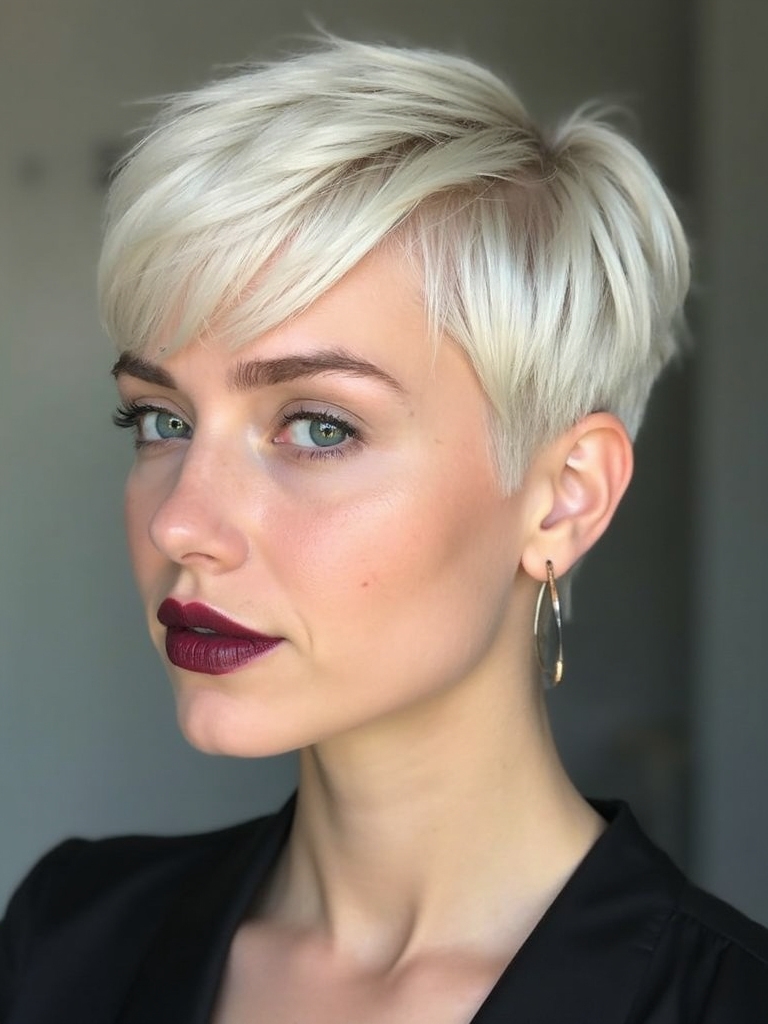
One detail separates a fresh pixie from a shaggy one, and it’s the nape, the tapered hair at the back of the neck. A crisp, clean nape keeps the whole cut looking sharp and intentional, even when the top is soft and textured.
It’s less a style than a finishing standard, and it’s the first thing to blur as a pixie grows out. Keeping it clean is what makes short hair look expensive:
- Ask for a tight, tapered nape for the crispest finish.
- It’s the first area to grow fuzzy, so it drives your trim schedule.
- A neck-trim between full cuts stretches the shape a week or two longer.
The Pixie With a Curtain Fringe

Pair a pixie with a curtain fringe, longer pieces parted in the middle and sweeping toward the cheekbones, and you get the softest, most current version of short hair going right now. The fringe adds face-framing movement that a cropped pixie can otherwise lack.
The Softest Modern Version
The curtain pieces break up the shape and give you something to tuck, sweep, or push back, so the cut feels less severe and more adaptable. It’s a big part of why the modern pixie feels so wearable.
The fringe grows into your eyes faster than you’d think, so plan on a quick fringe-only trim roughly every three weeks, but the softness it buys is well worth the extra salon visit. It’s the detail that wins over the most skeptics.
“If you’re pixie-curious but scared, start with a curtain fringe on a longer-top pixie. The fringe gives you length to hide behind on nervous days and something to sweep and style, so the cut never feels as exposing as a bare crop. Almost every skeptic I’ve sent home with that combination has come back ready to go shorter.”
The Voluminous Cropped Crown

If your hair falls flat, a pixie cut for crown volume is a gift, with the top layered and texturized to stand up and add real height where you want it. It’s the version that fakes fullness better than any product, which makes it a top pick for fine hair. How to keep the lift:
- A round brush pulling the crown up and back while you blow-dry builds instant lift.
- A little root-lift spray or dry texture powder holds the height.
- The short length means the volume actually stays put all day.
The Shag-Pixie

The shag-pixie borrows the choppy, feathered layers of a seventies shag and shrinks them onto a pixie, for a rock-leaning cut with tons of movement and attitude. It’s the shaggiest, most textured version here, and it’s having a real moment.
The layers give it a worn-in, undone quality, all piecey texture and grown-in edges. Anyone drawn to the shag but not ready to commit to the length lands here eventually:
- Ask for choppy, feathered layers worked all through the top.
- A texture spray plus finger-styling keeps it loose and undone.
- It grows out beautifully, since the shaggy layers only get shaggier.
The Sleek Pixie for Fine Hair

Fine hair and the pixie are a genuine match, because short hair simply looks and feels fuller than long fine hair ever will, with no thin, stringy ends dragging the shape down. A sleek pixie cut for fine hair leans into that with a smooth, precise finish.
What it needs is a little internal layering for body under a clean, polished surface, so it comes across sharp and full of movement. Fine-haired clients who feel like their hair has gone limp end up here more than anywhere else:
- Short length makes fine hair look instantly fuller and healthier.
- A light smoothing product keeps it sleek without weighing it flat.
- Regular trims are non-negotiable, since fine hair shows a grow-out fast.
The Grown-Out Pixie
Here’s the version nobody photographs but everybody lives through: the grown-out pixie, that in-between stretch when the crop has lost its edge but hasn’t reached bob length yet. It’s the stage that makes people panic and chop again or give up and grow it all out, and neither is necessary. Styled right, the awkward phase is surprisingly wearable, and often the softest the cut ever looks.
The move is to lean into the length rather than fight it: work a matte cream through with your fingers to tousle the extra weight into a piecey, deliberate mess, tuck the longer sides behind your ears, and ask your stylist for a shape-up rather than a full cut to keep the nape and sides clean while the top catches up.
A little root powder revives volume as the weight grows in. Handled this way, growing out a pixie stops being a problem to survive and becomes just another phase of a cut that always has options.
Pixie Questions, Answered
?How often does a pixie need trimming?
Most pixies want a shape-up every four to six weeks, and expect to pay around $40 to $60 for it. Textured crops and buzzed sides need it even sooner, since they lose their crisp edge in a couple of weeks, while a longer pixie-bob can stretch to eight weeks. The upkeep is the real trade-off of short hair, so factor it in before you commit.
?Will a pixie suit my face shape?
Almost certainly, because the shape is adjustable. A longer, side-swept top softens a rounder or fuller face, while a cropped, textured version flatters strong bone structure. The face-framing pieces and fringe are what your stylist tailors to you, so the honest answer is less about your face shape and more about picking the right length and fringe for it.
?Can I get a pixie with curly or coily hair?
Yes, and it’s one of the best short cuts for curls. The essential is a stylist who cuts your curls dry, so the shape honors how each coil springs and shrinks. Fighting that shrinkage is where curly pixies go wrong. Once it’s shaped well, a curly pixie asks almost nothing day to day, just a curl cream on damp hair, and it puts your texture front and center.
Short Hair, Endless Options
If there’s one thing seventeen pixies should prove, it’s that going short doesn’t mean giving up choice, it means trading length for a whole different set of options: texture, edge, softness, volume, and a freshness that long hair can’t touch. Which pixie is yours comes down to three things: your texture, your face, and how much time you actually want to spend, so pick the crop that satisfies all three at once.
The only real commitment is the upkeep: regular salon visits to keep the shape sharp, on a schedule that varies by version. Settle into that rhythm and short hair stops feeling like a decision you have to keep defending — seventeen different ways to prove short doesn’t mean plain.
Worth a Look