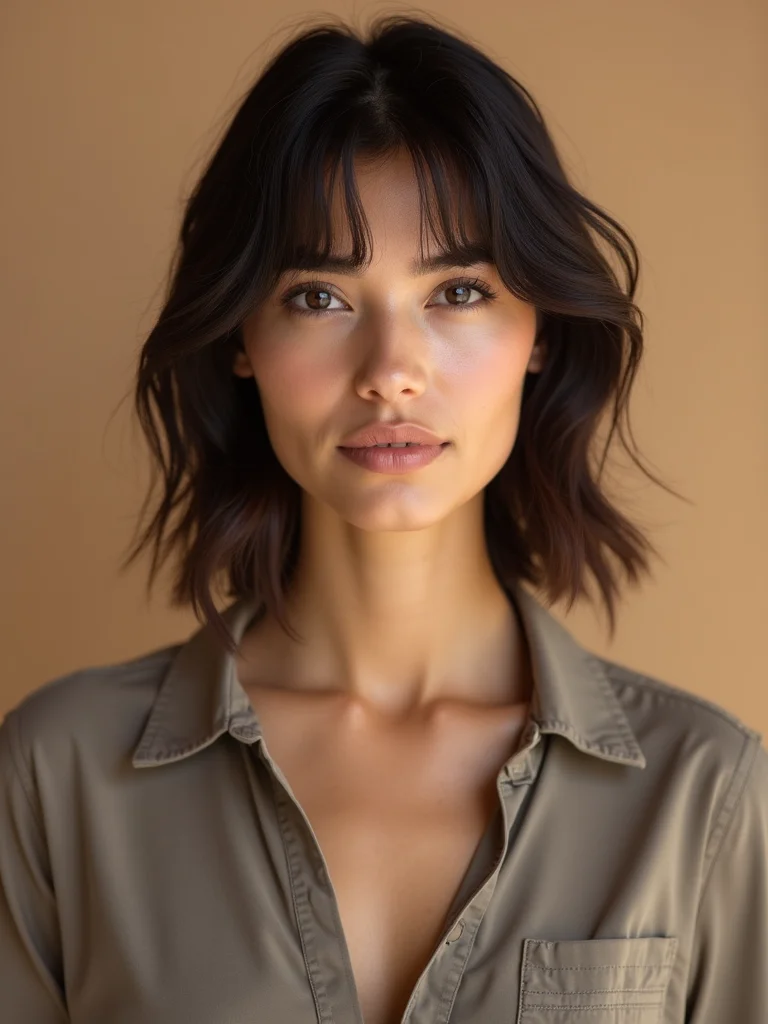
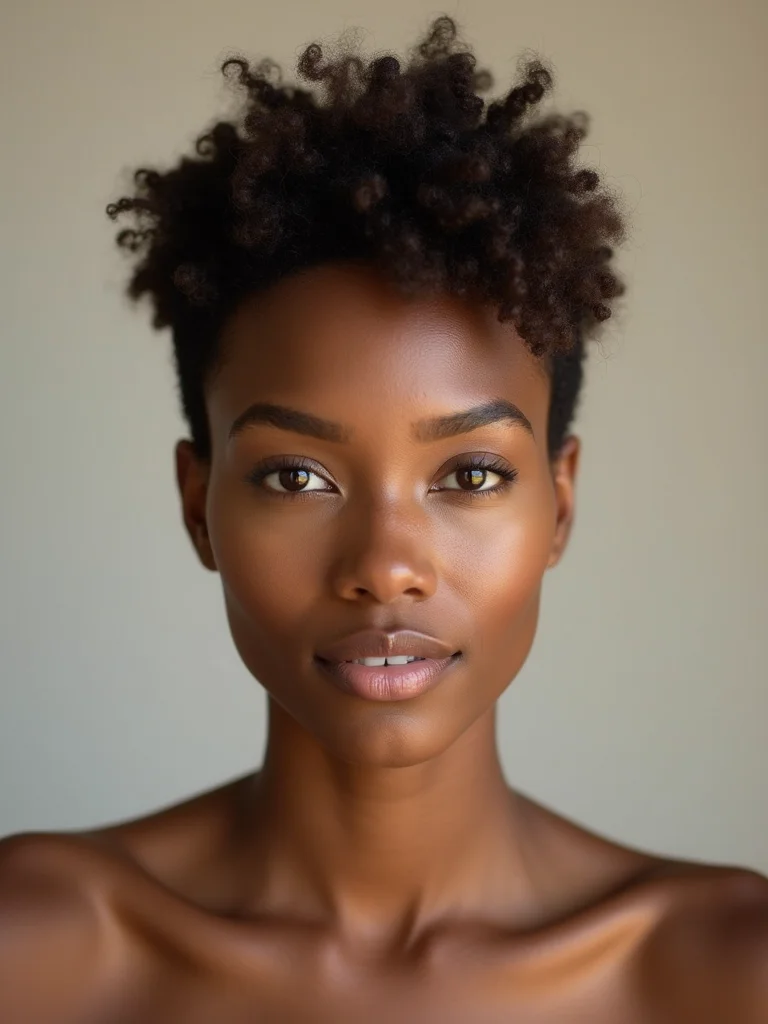
Myth: a shaggy mullet only works if you’re already the kind of person who wears bold clothes and doesn’t flinch at attention. The version most women actually book has very little to do with that image. Half my consultations for this cut start with a client insisting she wants ‘the soft version, not the crazy one,’ as if those were the only two options on the menu.
They aren’t, and the real spread runs from a barely-there disconnect to a full, choppy crown. Face shape and density both change how the layering should be cut. Fringe choice changes the whole personality of the finished look. And upkeep runs on its own calendar, built around how fast the top and back grow apart from each other.
Before You Book, in Four Points
- Face shape and hair density change the layering more here than with most other cuts.
- The cropped version asks for more salon visits than the medium-to-long take does.
- Fringe choice is the single biggest lever on how bold or soft the finished look reads.
- A dusting trim runs under $40 at most salons, cheaper than waiting and paying for a full reshape later.
The Airy Layering That Separates This From the Eighties Version
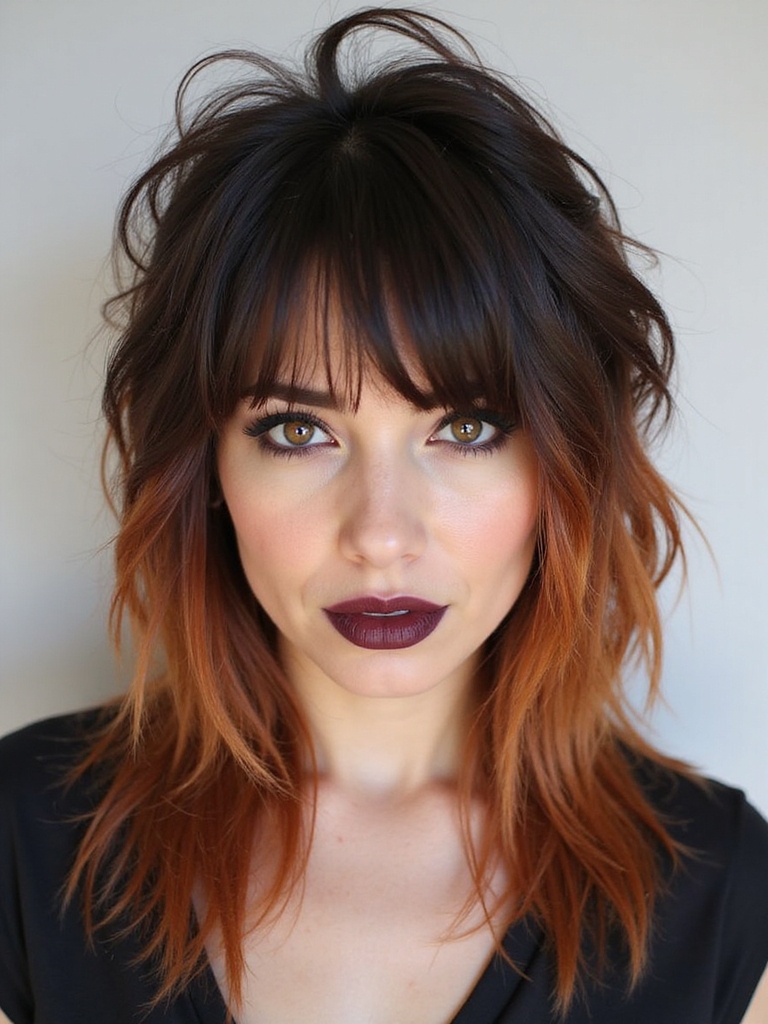
A client once brought me a photo torn from an old rock magazine, half-embarrassed, and asked if there was any version of that cut she could actually leave the house in. There was, and the answer had nothing to do with trimming the mullet down. Airy, stacked layers give the back real motion whenever you turn your head, and the crown stays deliberately piecey. That softness is the whole reason a modern version photographs as styled.
- The shortest pieces usually sit right at the crown, not spread across the whole top.
- Most versions keep two to four inches of extra length at the back compared to the top.
- A point-cut, not a blunt-cut, finish is what keeps the ends looking soft.
Where Face Shape Comes Into It
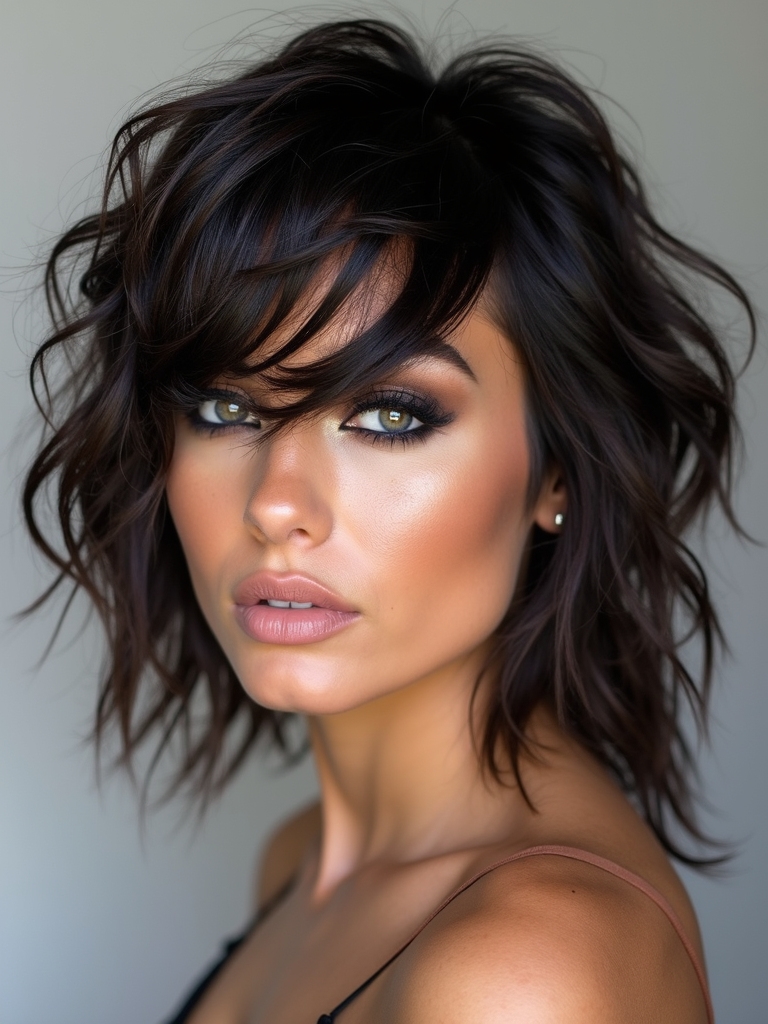
The cut isn’t one fixed shape. Layer placement and fringe length are the two real levers a stylist adjusts, and getting them wrong is the fastest way to end up with something that photographs oddly.
Round or fuller faces tend to do best with the longest layers falling near the jaw and a slightly parted fringe, both of which pull the eye downward. Oval faces have more room to carry a heavier, closer fringe without it overwhelming the features.
Square jaws soften under wispy, broken pieces around the face; a hard, blunt line only sharpens an angle that’s already strong. A stylist who defaults to one universal shape for every client will flatter maybe half the people who sit down.
A second factor beyond face shape: glasses and forehead height change the fringe math.
🎯You wear glasses daily
Keep the fringe a half-inch longer than usual so it clears the frames instead of fighting them.
🎯You have a shorter forehead
A side-swept, longer fringe reads more balanced than a full, centered one.
Fine, Medium, or Thick: The Approach Changes
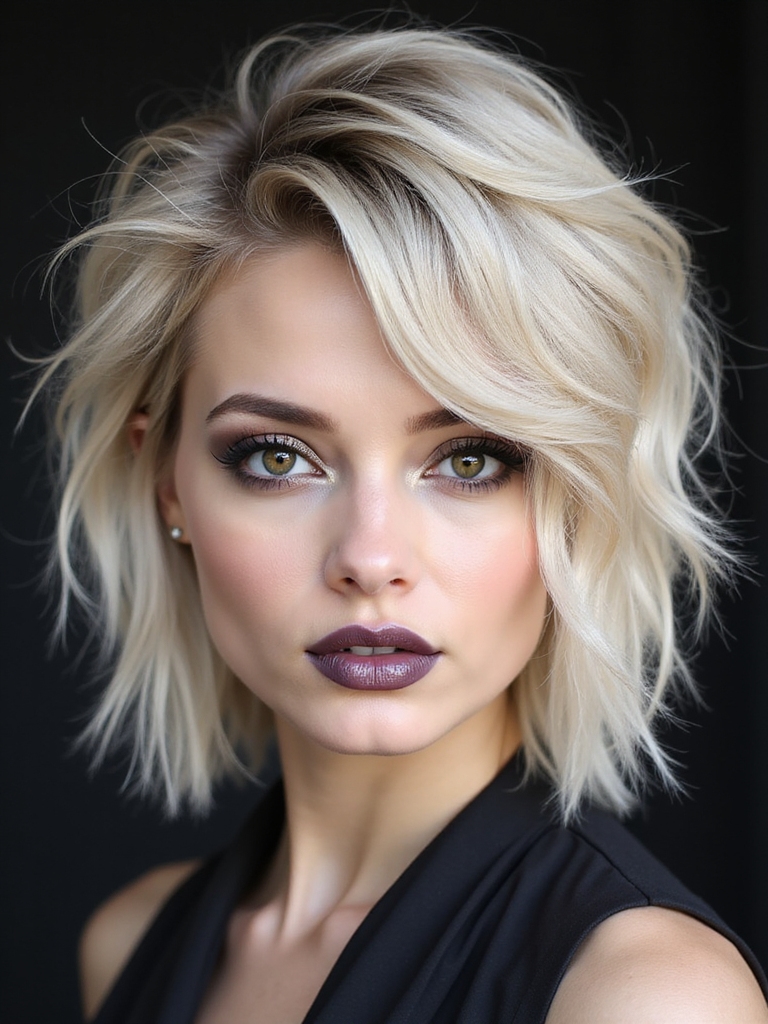
Density changes the whole approach, since the same cut gets layered three different ways depending on what’s actually growing out of the scalp. I’ve watched a fine-haired client ask for the exact heavy, choppy version she saw on a thick-haired friend, then wonder by afternoon why her back had gone limp and stringy. Matching the technique to hair type is what saves that appointment.
- Fine hair: keep layers conservative and concentrated up top; over-layering thins the ends and leaves the back looking sparse.
- Medium hair: the easiest match, where the disconnect and texture read exactly as intended without extra effort.
- Thick hair: needs the heaviest internal layering to remove bulk, so the whole shape moves as one connected piece.
The Cropped, Maximum-Attitude Version
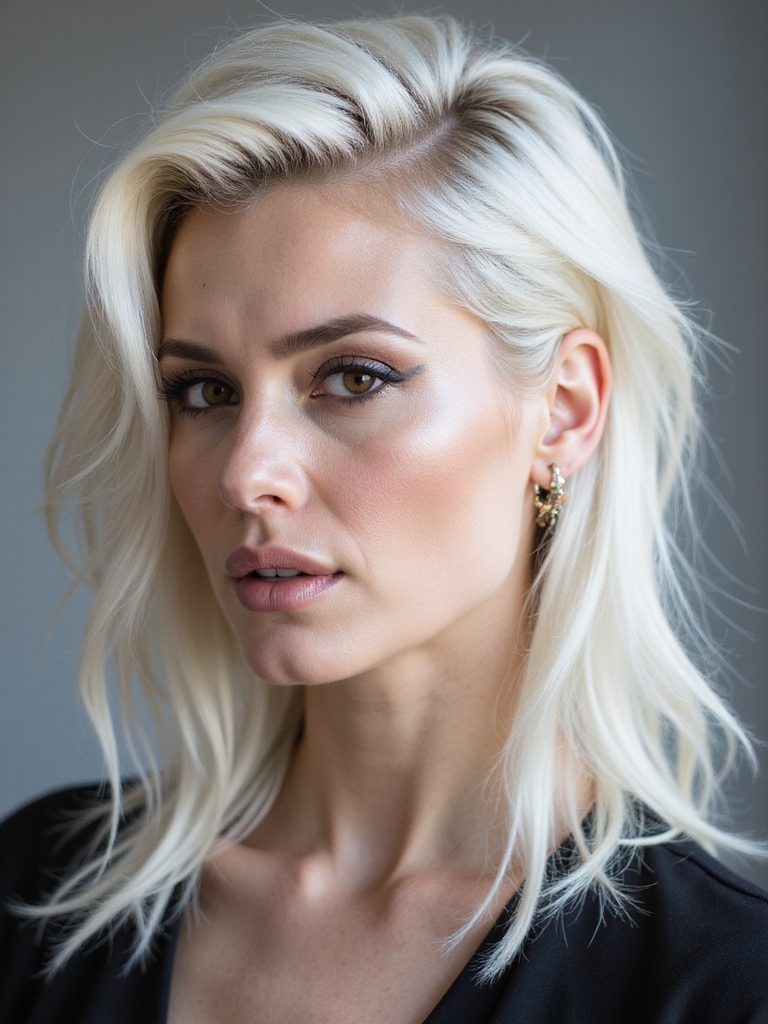
At the boldest end sits the cropped shag-mullet: the crown cut close and choppy, the nape left a little longer, the whole thing built entirely on texture, with almost no reliance on length at all. It dries fast, needs almost no heat, and looks best a little undone; the whole finishing routine takes seconds.
The catch is upkeep. A crown this short loses its shape first, so trims land closer together than they would on any longer version, and skipping one shows within a couple of weeks. For the fuller range of lengths between this and a longer cut, the broader shaggy mullet guide covers the middle ground in more depth, and the cropped-crown shaggy pixie mullet shows just how short this family can go.
The Medium-to-Long Flow Version, for Anyone Not Ready to Commit
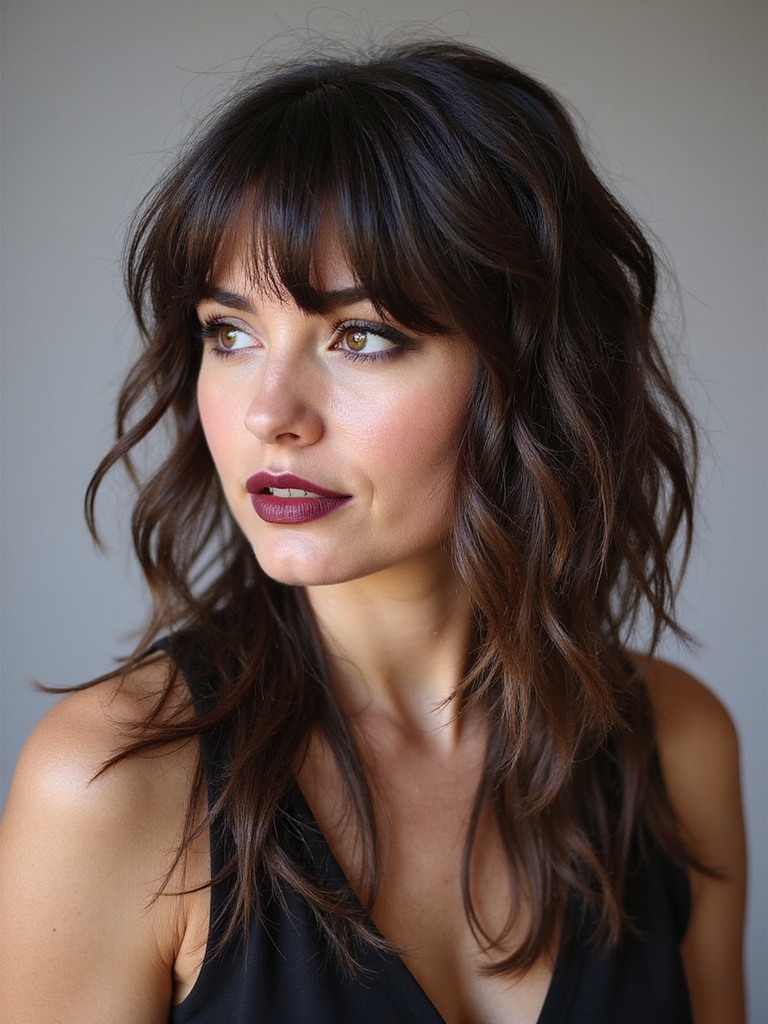
If the cropped version feels like too much of a leap, the medium-to-long take works as a gateway. Real length stays through the back and sides, and the mullet shape lives mostly in the layered top and fringe.
Who This Version Actually Suits
From the front, it can pass as an ordinary long shag; the disconnect only shows once the hair goes up. That subtlety is also the trade-off: a missed appointment barely registers here, but so does the drama, since this softer take rewards patience over the instant transformation the cropped version delivers. It’s the version that also travels best between a formal workplace and a weekend out, since it reads polished pulled back and edgier worn down.
If this is your first mullet, you’ll likely land here first, since a longer starting length still leaves plenty of room to change course later, whether that means going shorter next time or backing off the concept entirely.
🅰️Cropped and Bold
Best for a five-minute morning routine and someone who won’t miss a six-week appointment.
🅱️Medium-to-Long
Grows out into an ordinary long shag with no awkward stage, so a missed appointment or two barely shows.
What Curly and Wavy Texture Adds to the Shape
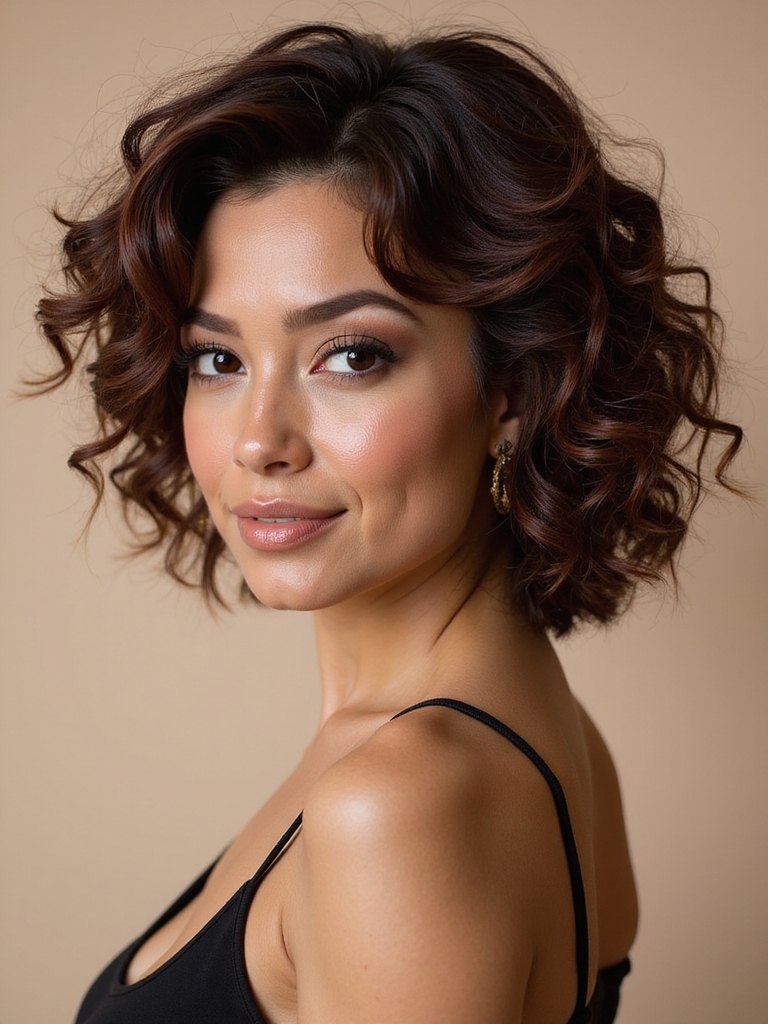
Curly and wavy texture suits this cut well, since the layered, textured shape only gets amplified by natural pattern. Wavy, curly, and coily hair often wears this with less styling effort than straight hair needs to fake the same texture.
The one non-negotiable: the hair has to be fully dry before a single layer gets cut. A stylist working on stretched-out, wet curls is guessing at where each piece will actually land once it springs back up, and that guess is wrong more often than not.
For tighter coil patterns, that shrinkage can be considerable, sometimes several inches between wet and dry, so a stylist unfamiliar with coily texture may cut the crown shorter than intended and only discover the miscalculation once it’s already dry.
A quick test before the scissors come out: a stylist who stretches one small piece to check where it actually falls, rather than eyeballing the whole head at once, catches that gap before it becomes a mistake.
Asking specifically about experience with coily hair before booking, and checking a portfolio for the shag mullet on curly hair version specifically, is worth the extra question.
Fringe and Bangs Change the Whole Personality
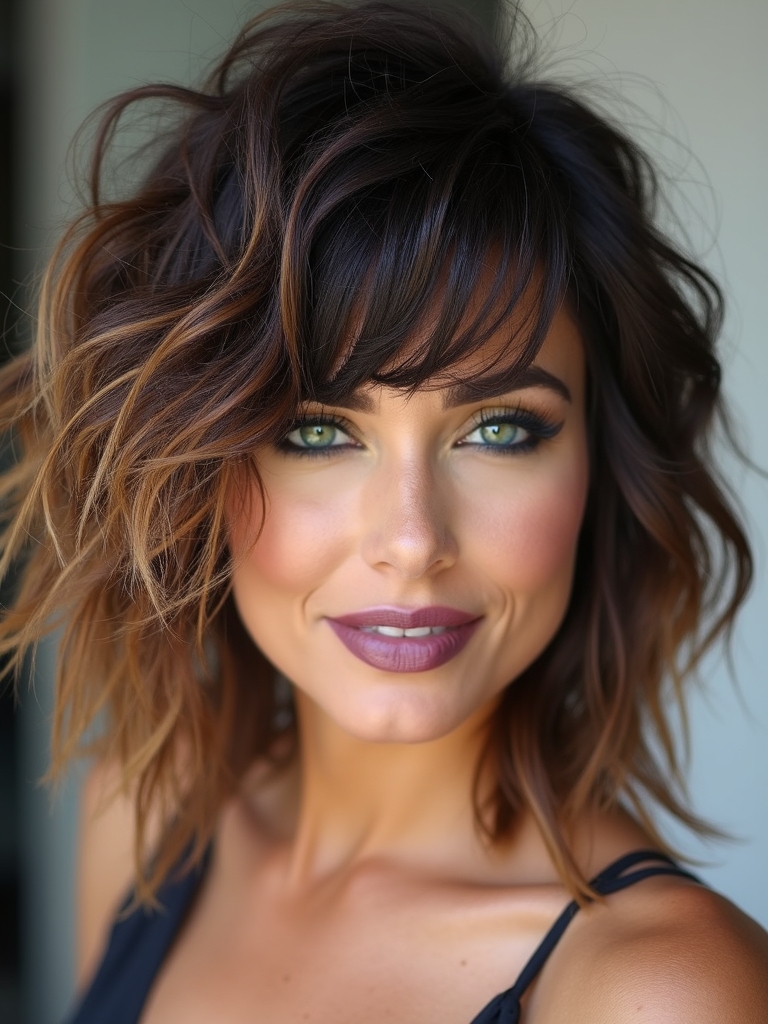
No single choice shifts this cut more than the fringe. A soft, parted curtain fringe keeps things grown and romantic, blends into the layers, and grows out without a hard reset.
The Trade-Off With Blunter Bangs
Wanting more edge means a blunt micro fringe or shaggy, broken bangs, which push the whole look younger and bolder. The catch: the shorter and blunter the fringe goes, the more often it needs a trim to stay out of the eyes.
Curtain fringe is the safer starting point if you’re unsure, since it’s the version most forgiving of a stylist’s interpretation and the easiest to grow out if it doesn’t end up suiting your face.
Color That Plays Up the Movement
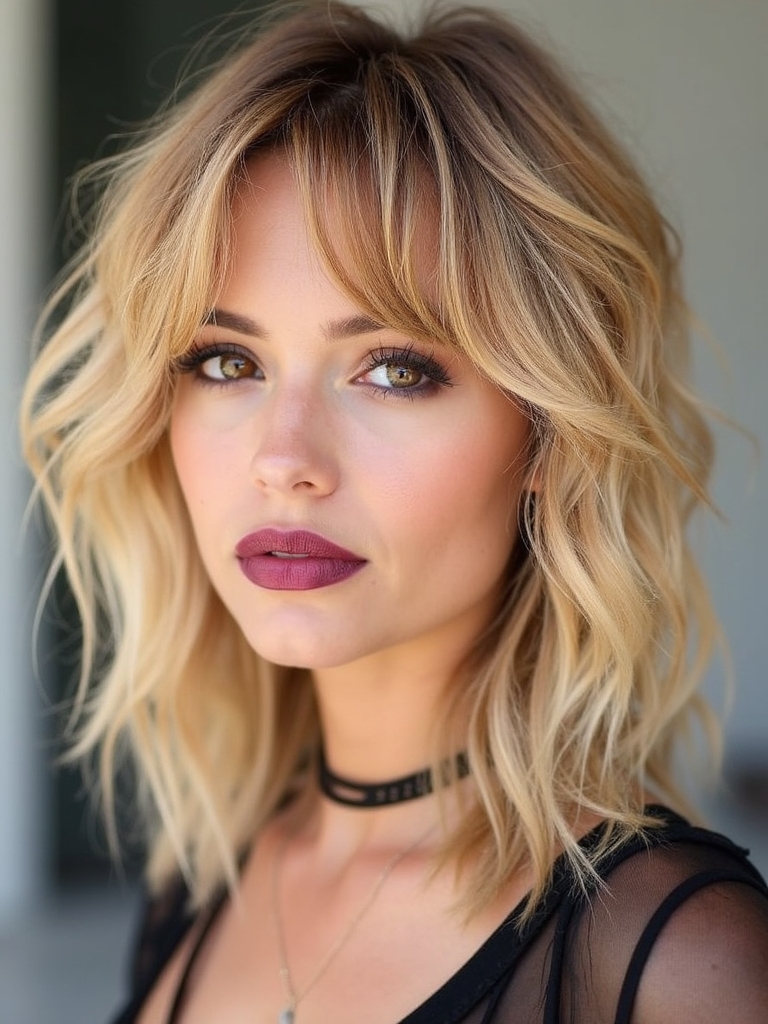
All those layers act as a canvas, and color is what makes the movement actually read in photographs, where the camera flattens depth that the eye picks up automatically in person. A soft balayage through the crown catches light differently as each piece falls, adding real depth without a harsh regrowth line to manage later.
For something louder, peekaboo panels hidden underneath the longer back let a flash of color show only when hair moves, an approach the mullet shag crowd tends to favor too. Because the color sits underneath the visible layers, a grown-out version still looks like a choice.
ℹ️Color Upkeep Reality
Peekaboo panels underneath need refreshing sooner than crown balayage, closer to every ten to twelve weeks, because they sit nearer the root and the contrast shows faster as it grows.
Scrunch, Diffuse, or Flat-Iron: Three Finishes
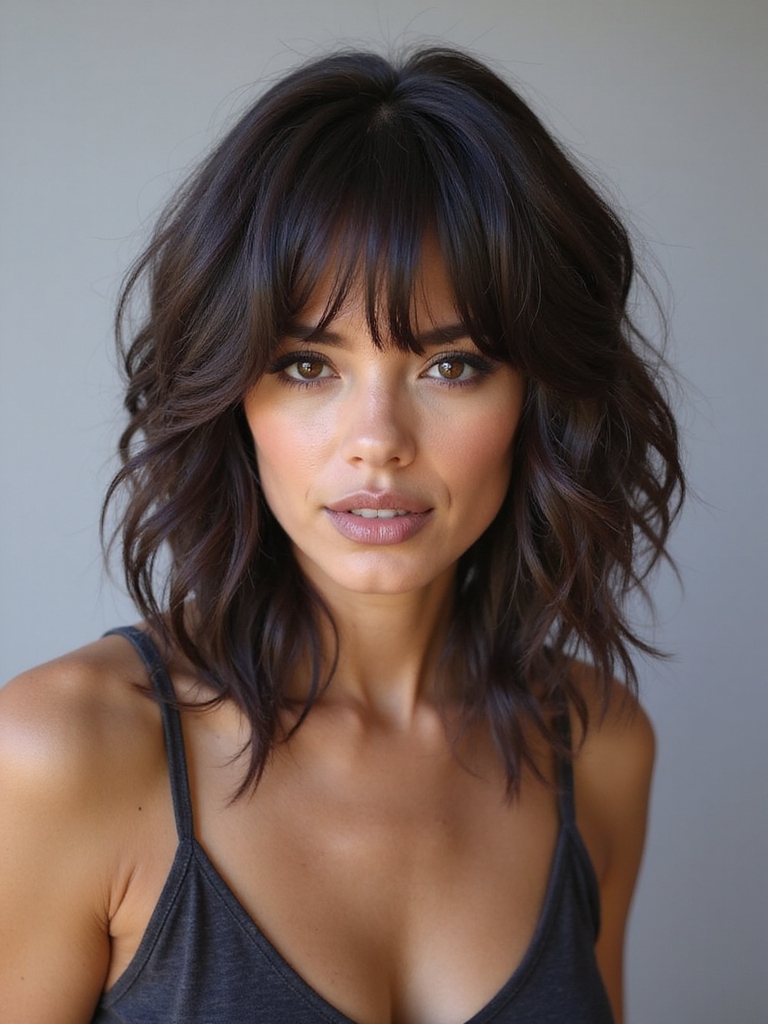
One cut can carry three distinct moods depending on a few minutes of finishing, and none of them need a salon’s worth of tools.
The differences come down almost entirely to heat and direction, with the same handful of products doing double or triple duty across all three.
- Soft and undone: rough-dry, mist a texture spray, scrunch with fingers.
- Full and defined: diffuse on low heat, scrunching upward to build volume at the crown.
- Sleek and sharp: flat-iron the fringe and top smooth, leaving a slight flick at the back.
Maintenance That Keeps the Shape From Going Shapeless
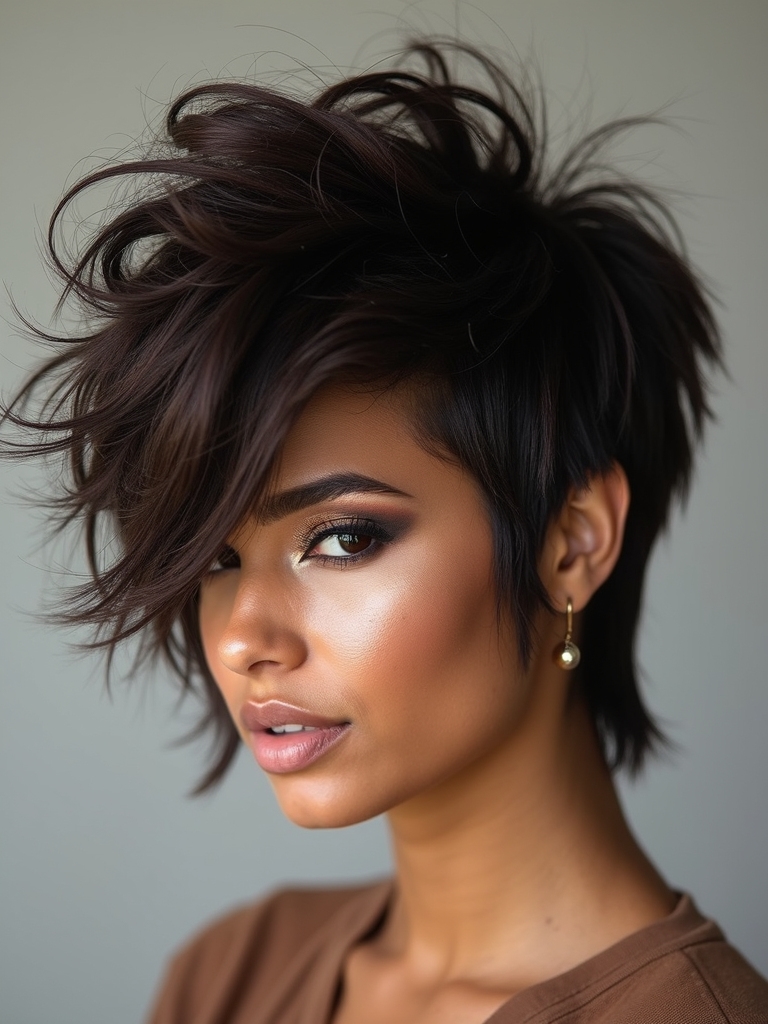
The line between a sharp shaggy mullet and a shapeless one is almost entirely the trim calendar. The cropped version needs a shape-up close to every six weeks, since the crown loses its lift first. The medium-to-long version buys more time, usually ten to twelve weeks, because the contrast has farther to grow before it blurs.
That six-week or ten-week dusting charge adds up to less over a year than the alternative: skip visits for months, then pay for a longer, more involved reshaping appointment once the contrast has fully grown out and has to be rebuilt from scratch.
I always ask clients to book the next appointment before they leave the chair, since that single habit does more to keep the shape sharp than any product on the shelf. If a year between visits sounds realistic for your schedule, this cut will fight you the entire time. Book on a steady rhythm instead and it looks intentional the whole way through.
The Words That Get the Right Result
Vocabulary matters more with this cut than with a simple trim, mostly because the word mullet still carries baggage that can make a stylist cautious about going far enough. State the balance directly: more texture up top, or more length kept at the back. That single sentence gives a clearer target than a reference photo alone, and it’s the same balance question worth raising when comparing this against a pixie mullet at a shorter length.
Two or three photos that share one consistent energy help more than a single dramatic image, since a stylist has to guess at the in-between decisions a lone photo doesn’t answer.
Face shape concerns and how much daily styling time actually feels realistic are worth saying out loud too; both close most of the gap between the picture in mind and the cut that ends up happening. A short consultation covering all of this before the first cut saves far more disappointment than scrolling through inspiration photos alone ever will.
Bold Looks Better on Purpose
The shaggy mullet earned its comeback by growing up. It kept the nerve of the original and lost the stiffness, landing somewhere that feels current and wearable once it’s actually tailored to a specific face and hair type.
The version worth starting with is almost always the medium-to-long take, since it carries the lowest risk while you figure out whether the whole idea suits you. Pull out your actual calendar before the consultation and count how many six-week gaps you can realistically commit to over the next year. That number, more than anything else, decides how far to take it.
Next Up