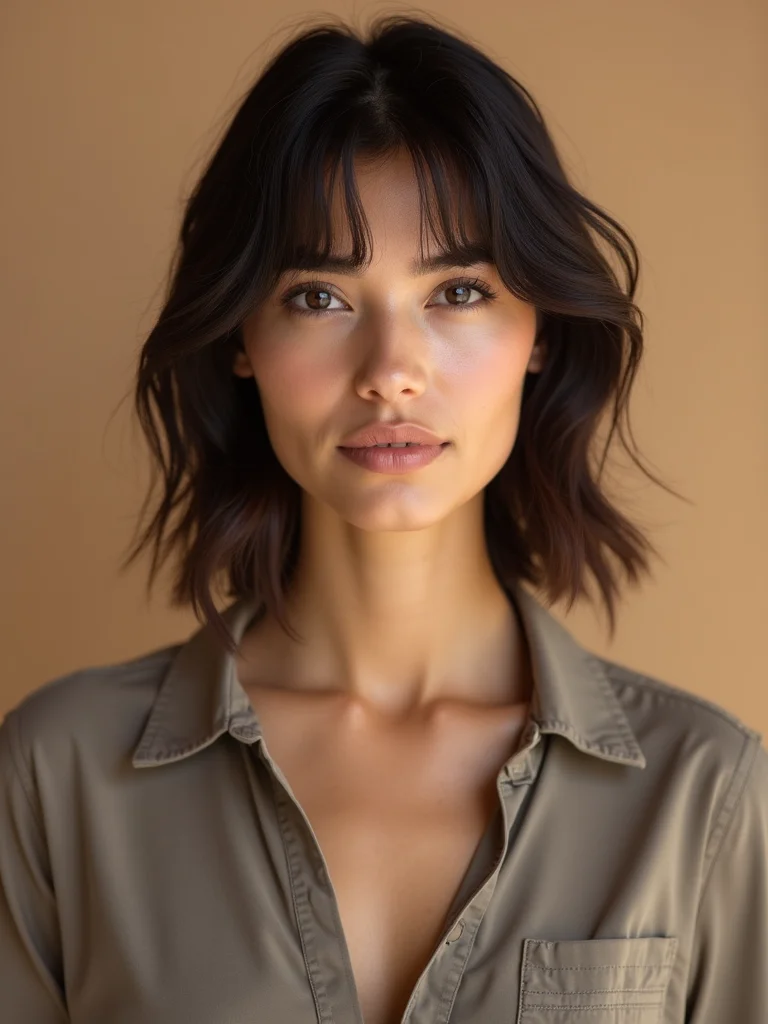
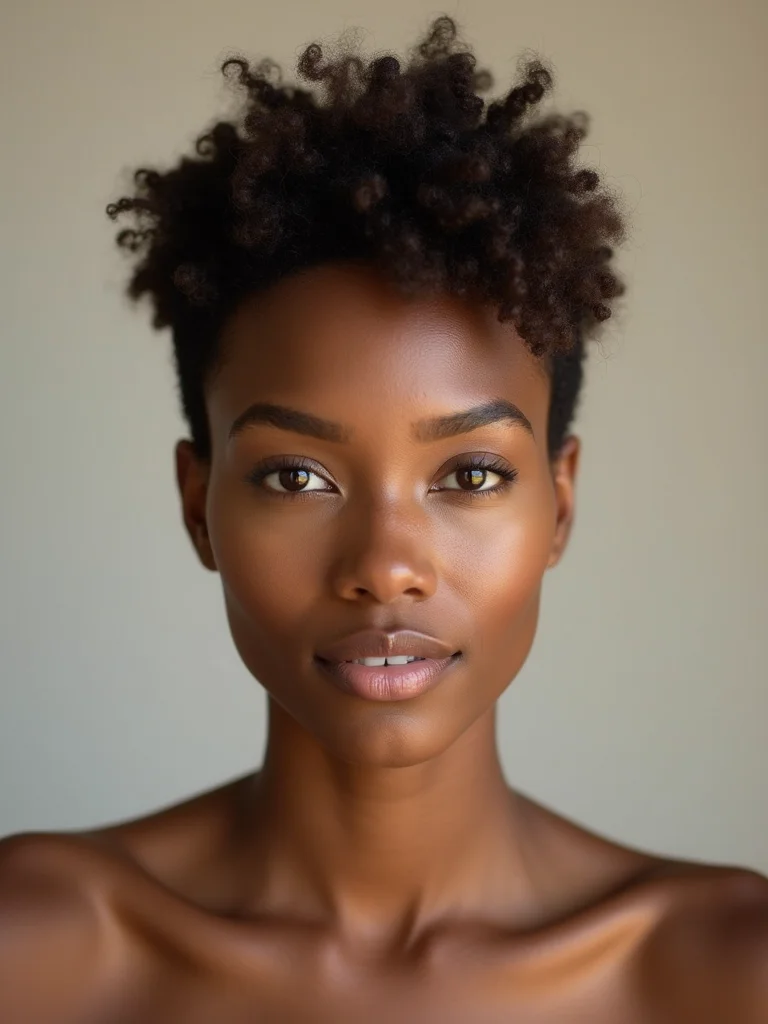
The word mullet alone still makes plenty of people flinch, a shorthand for something better left in 1985. The pixie mullet is the version quietly winning skeptics over anyway, since it keeps the drama and drops the costume factor. A cropped pixie top pairs with a longer, edgier nape, with texture threaded through the whole shape.
The result lands retro-cool with an actually wearable, modern finish, closer to an editorial reference than a throwback joke. What follows breaks the cut down by face shape, texture, fringe, color, and upkeep, with honest notes on where it actually earns its edge.
The Pixie Mullet, Quick Answers
What exactly is a pixie mullet? A cropped, pixie-short top and sides paired with a longer, edgier nape, with piecey texture threaded throughout. Short where the cut wants simplicity, long where it wants drama.
Who does it actually suit? A wider range of faces than the name suggests, once a stylist tailors the lengths. Oval and angular faces wear it easiest; round faces benefit from crown height, and softer faces from a longer fringe.
How much upkeep does it take? Almost none day to day, since the textured finish is the entire point. The real work happens at the salon: a reshape every 5 to 7 weeks, running about $45 to $75, keeps the contrast between top and nape from blurring.
Why the Pixie Mullet Is the Cut of the Moment
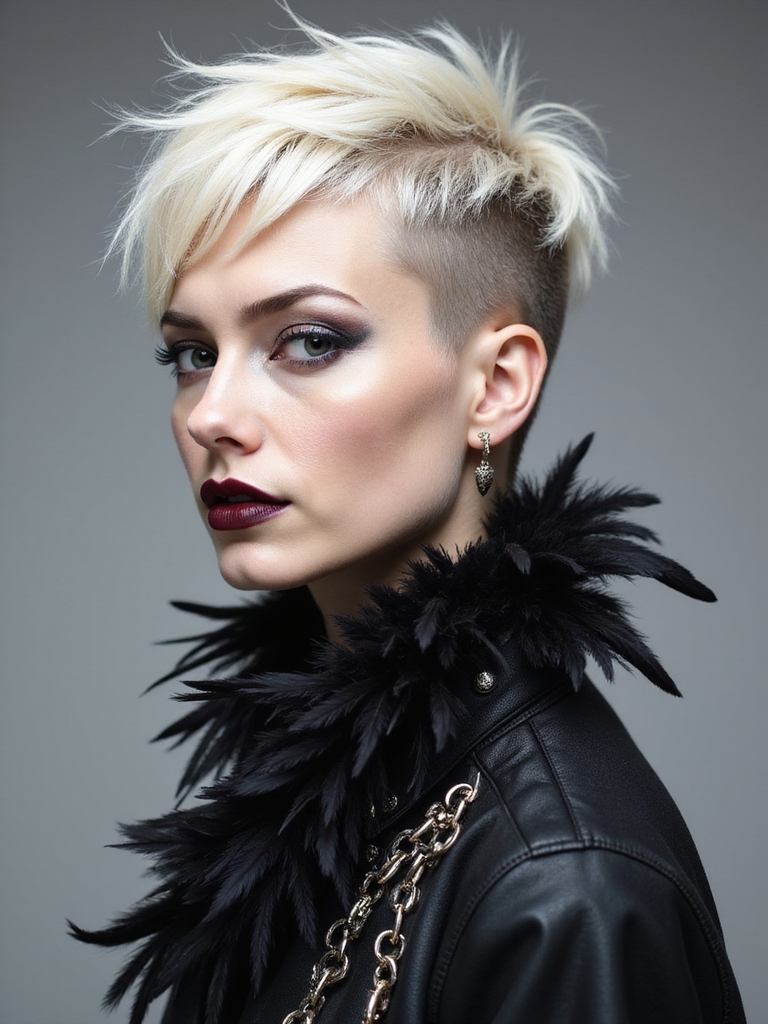
The pixie mullet takes the cropped ease of a pixie and bolts on the short-top, long-nape drama of a mullet. What results is bold, low-maintenance, and unmistakably current.
Its comeback rides the wider revival of 70s and 80s shapes, but the modern version runs softer and considerably more wearable than the originals it references.
- A cropped pixie top and sides for low-fuss ease.
- A longer nape for the mullet’s signature drama.
- Piecey texture threaded throughout to tie the two lengths together.

Key Features That Define a Pixie Mullet
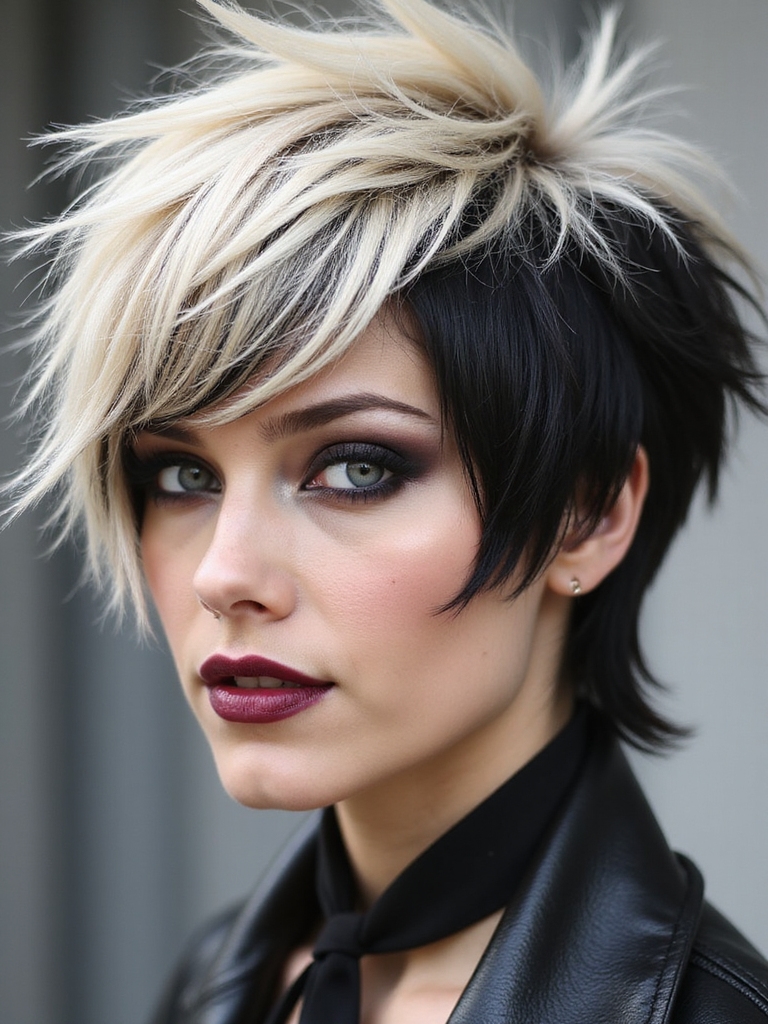
A pixie mullet is recognizable by a handful of core features that separate it from a plain pixie or a full mullet. The silhouette gives it away: short and cropped up top, long and loose at the nape.
The contrast between the cropped crown and the trailing nape carries the entire identity of the cut, and piecey layers are what keep it from tipping into costume territory.
- A short, cropped top and sides, borrowed straight from a pixie.
- A longer nape section, the actual mullet element.
- Piecey, textured layers throughout, often paired with a fringe.
Face Shapes That Wear It Best
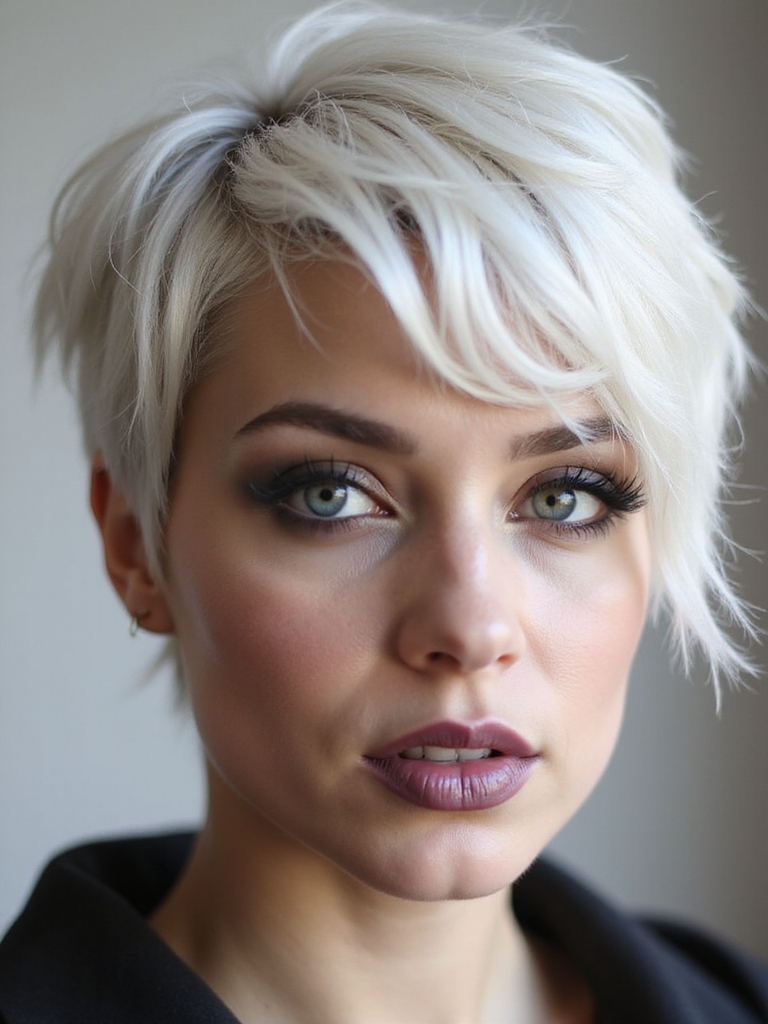
The pixie mullet flatters a wider range of faces than most people expect, once the proportions get tailored. Oval and angular faces wear it most easily, since the cropped top and longer nape already balance their lines.
Round faces benefit from extra height built into the crown, which lengthens the face, while the longer nape pulls the eye downward. Softer or fuller faces do well with a longer fringe and face-framing pieces added around the cheeks.
Sleek Takes on Straight Hair
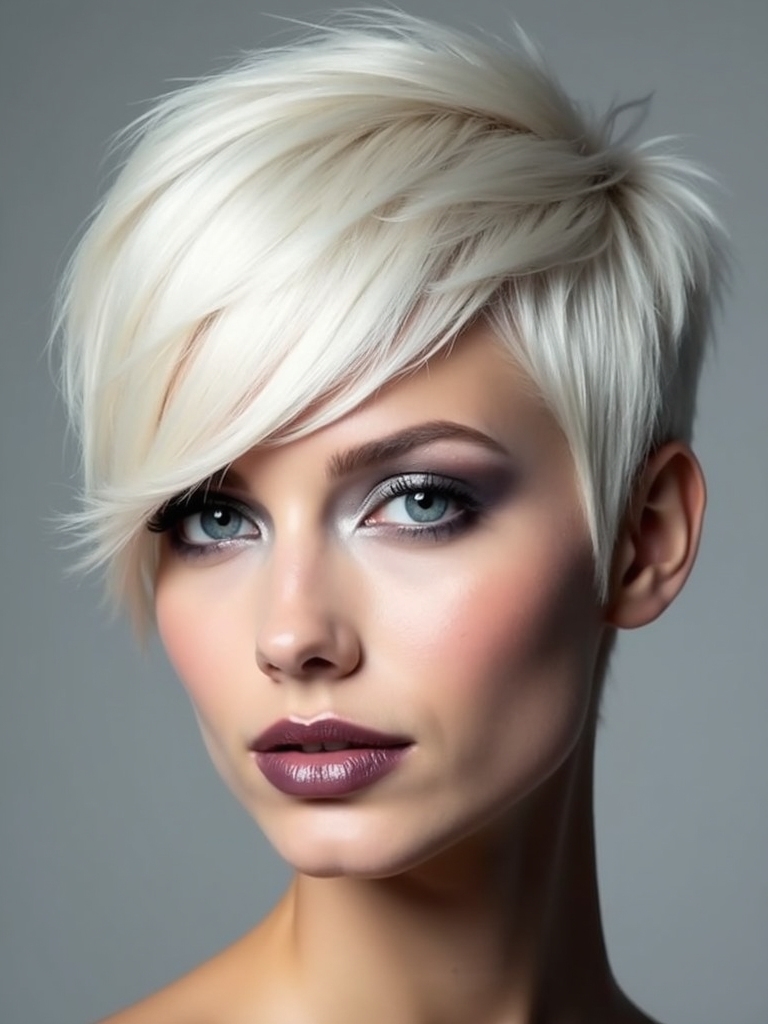
On straight hair, the pixie mullet reads sharp and graphic, with smooth texture showing off the contrast between the cropped top and longer nape in clean, defined lines that hold their shape from the first blow-dry through the last day before a trim.
- Smooth texture highlights the short-to-long contrast most clearly.
- A flat iron paired with a little serum keeps the lines crisp.
- This version comes across as the most precise, polished take on the shape.
Wavy Hair, Texture and Movement
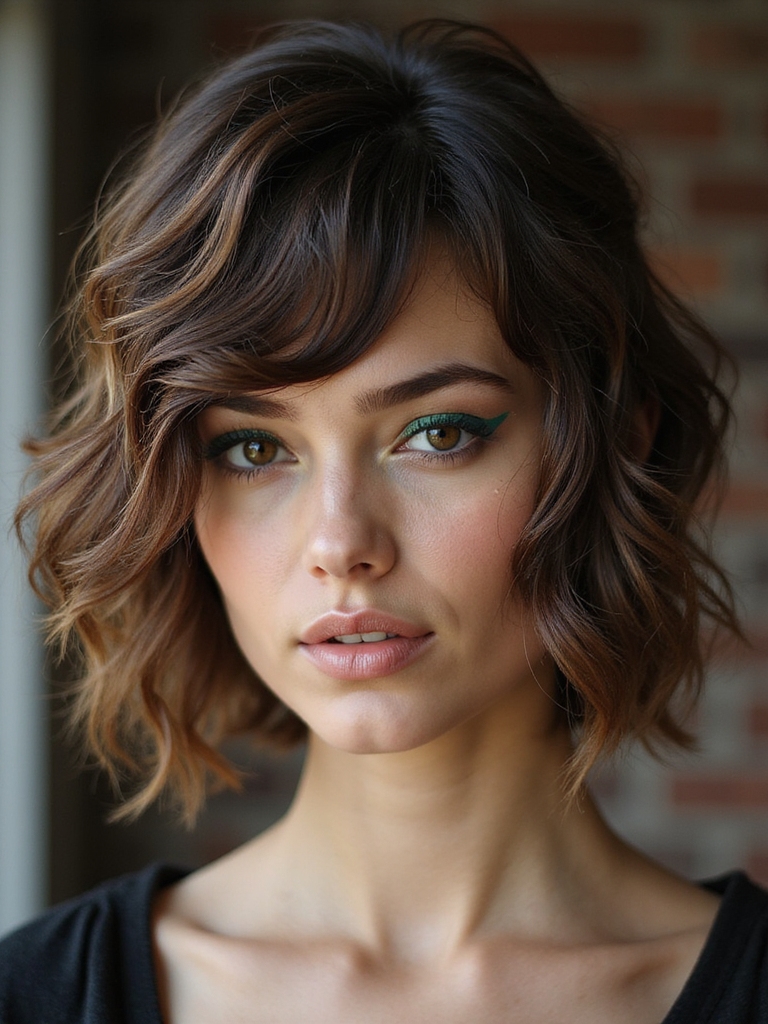
On wavy hair, the pixie mullet gains natural texture and movement, with the waves softening the shape and giving the layers an easy, broken-in bend.
Letting the Wave Do the Work
It looks relaxed rather than sharp, and the wave pattern handles much of the styling on its own, so this version asks for little beyond a scrunch of product on a rushed morning.
A sea-salt spray worked through damp hair brings the wave forward; fingers finish the shape from there. Almost none of the effort other versions demand applies here.
💡Getting the Line Crisp
By week three, the sharpest lines on a straight pixie mullet start softening at the crown as new growth comes in. A quick pass with a flat iron, plus a dot of serum, resets the definition without a full appointment.
Volume-Forward Curly Versions
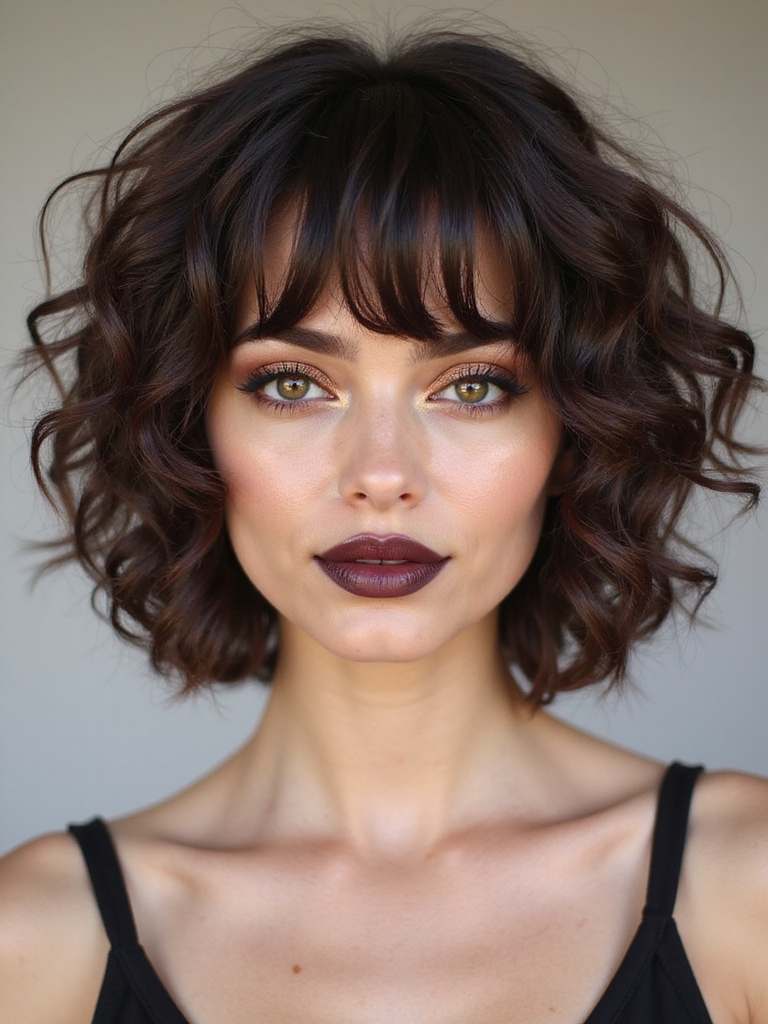
On curly and coily hair, the pixie mullet goes volume-forward, with curls springing up on top while the longer nape shows off the pattern underneath.
The layering gives curls room to lift and separate, so the shape looks big and intentional rather than just short. Cutting happens fully dry, in the hair’s natural state, so a stylist can shape around exactly how each curl falls.
A curl-defining cream on the top and nape, plus a satin bonnet at night, keeps the shape holding between visits.
Fringe Options From Baby to Bold
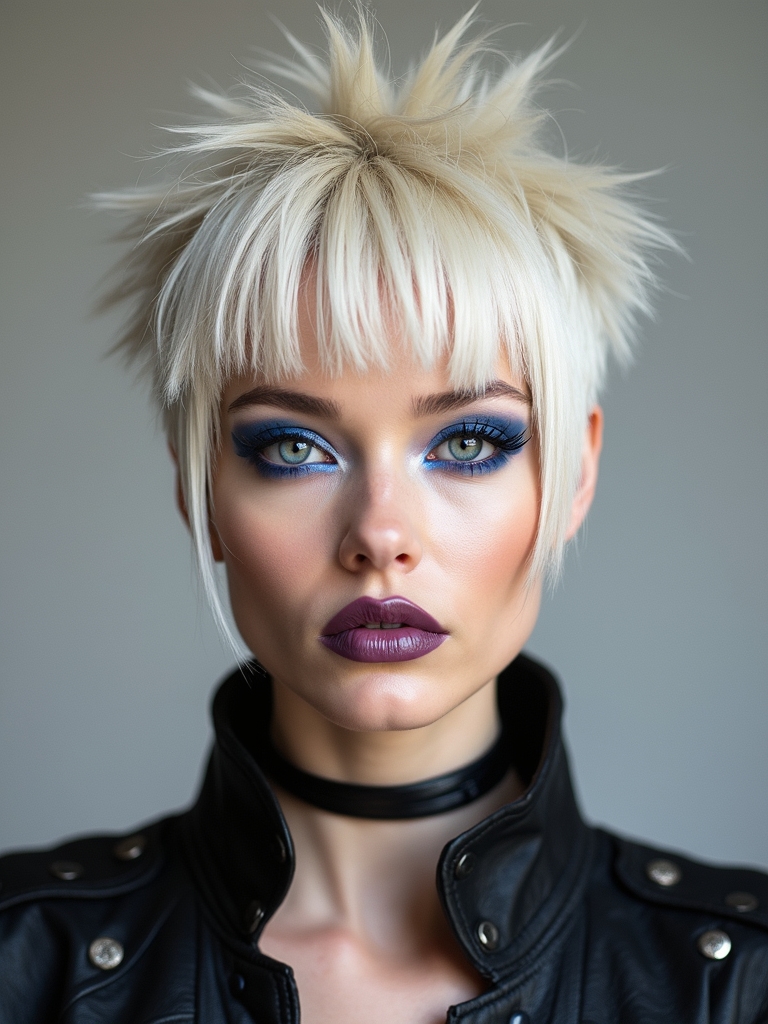
The fringe sets much of a pixie mullet’s mood, and there’s more than one way to go. The choice changes the entire personality of the cut.
Matching the Fringe to the Nerve
Baby bangs sit blunt and high for a bold, punk-leaning edge. Full, soft bangs frame the face for a gentler, more retro feel. Side-swept or piecey bangs read modern and suit the widest range of faces.
Starting softer is generally the safer call for anyone unsure, since going bolder at the next visit is always an option; reversing a baby-bang decision is not.
“Placement matters more on curls than almost anywhere else in this cut. A stylist who hasn’t worked extensively with textured hair before will often underestimate how much the mullet length needs to shift once shrinkage is accounted for.”
Razor and Scissor Cutting Techniques

How a pixie mullet gets cut changes its entire character, which makes this worth settling before a single tool touches the hair. A razor produces airy, piecey, lightweight texture, while scissors give precise, controlled, defined shapes.
- Razor work suits hair that’s straight to gently wavy and leans toward an undone finish.
- Scissor work is the safer, more controlled pick for curly and coily textures.
- The technique decides whether the finished cut lands soft and undone or sharp and graphic.
Color Play From Pops to Panels
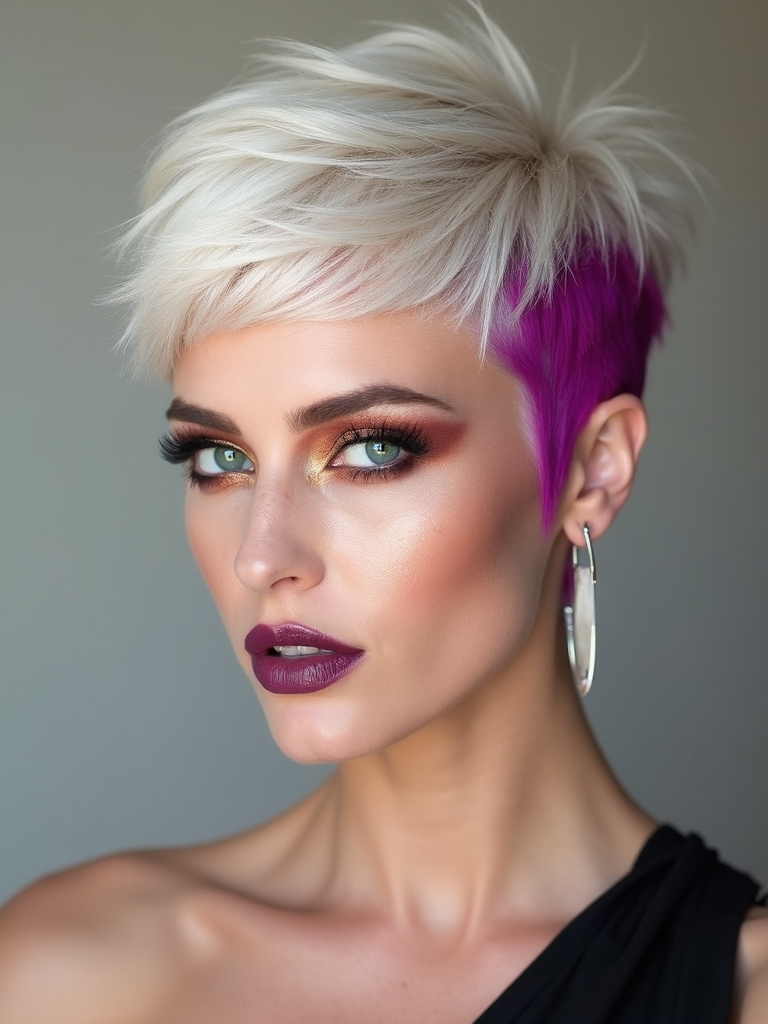
A pixie mullet works as a natural canvas for bold color, from bright pops at the nape to contrasting panels and graphic bleach lines.
Why the Shape Shows Color Off Cleanly
Because the shape already separates into clear zones, top and nape, placement gets easy, and the effect lands dramatic without demanding an all-over color job. A pop of color tucked at the nape peeks out only on purpose.
Subtler versions work just as well, with a soft money piece or dimensional highlights adding interest without the maintenance vivid color asks for. Refreshes for a bright nape land roughly every 5 to 6 weeks, closer to the schedule of the haircut itself than a separate color calendar.
Styling Staples That Earn Their Place
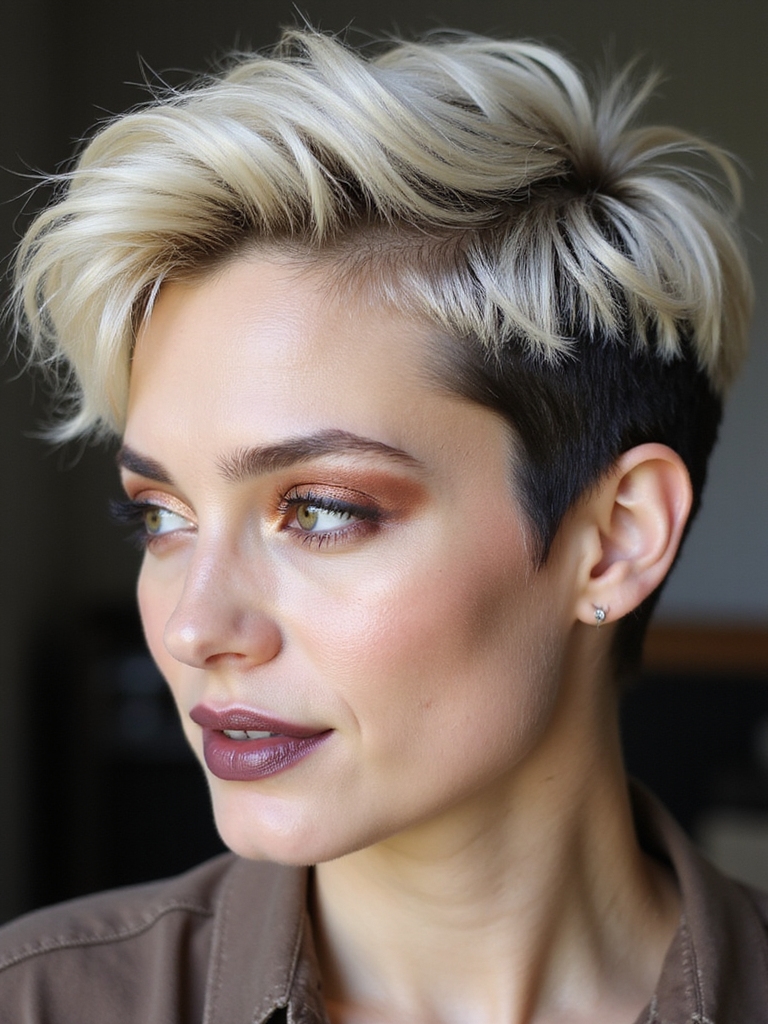
A pixie mullet needs surprisingly little product, but the handful it does need earn a permanent spot on the shelf.
The rule on short hair is restraint above everything else: building up gradually beats overloading the cut, which flattens the exact texture the cut was built to show off.
- A texture paste or clay for piecey separation and hold.
- A texturizing powder for instant root lift and a bit of grit.
- A light-hold hairspray to set the shape without stiffness.
Low-Maintenance Upkeep and Grow-Out
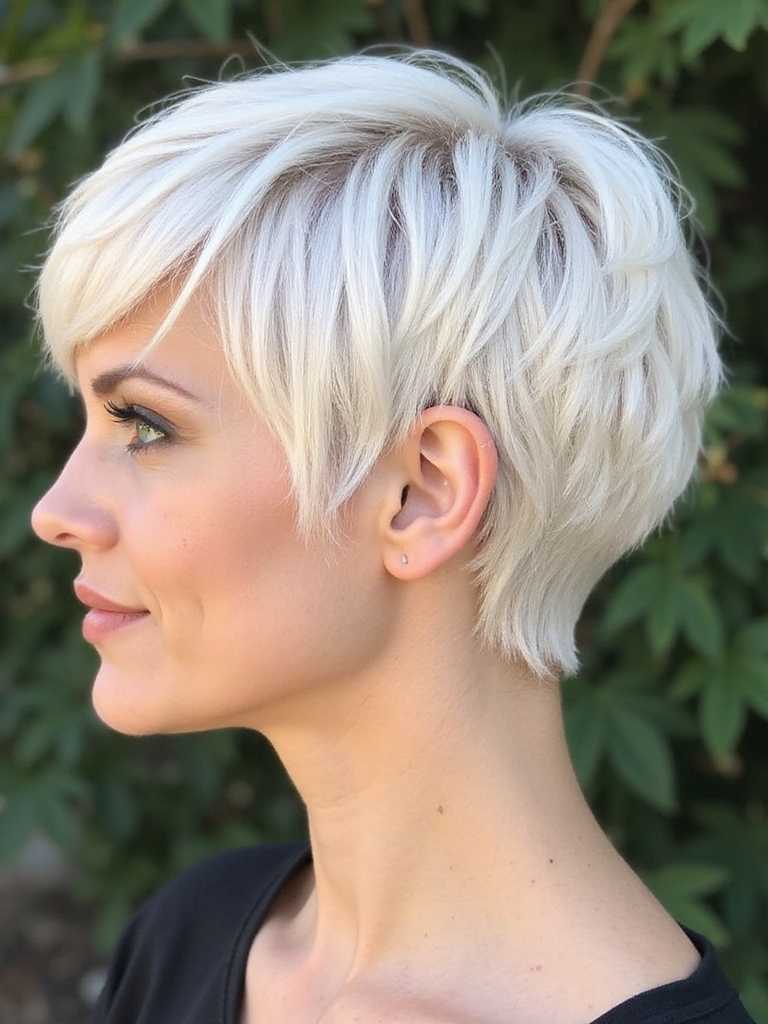
Day to day, a pixie mullet stays low-effort, since the textured finish is the entire goal rather than something styled around.
The upkeep lives almost entirely at the salon instead. The cropped top and its contrast with the nape soften as they grow, so a trip back in every month to six weeks keeps the line sharp. Growing it out stays painless too, since the longer nape and layered top blend naturally into a shaggy pixie shape over time.
Workplace-Ready or Night-Out Edgy
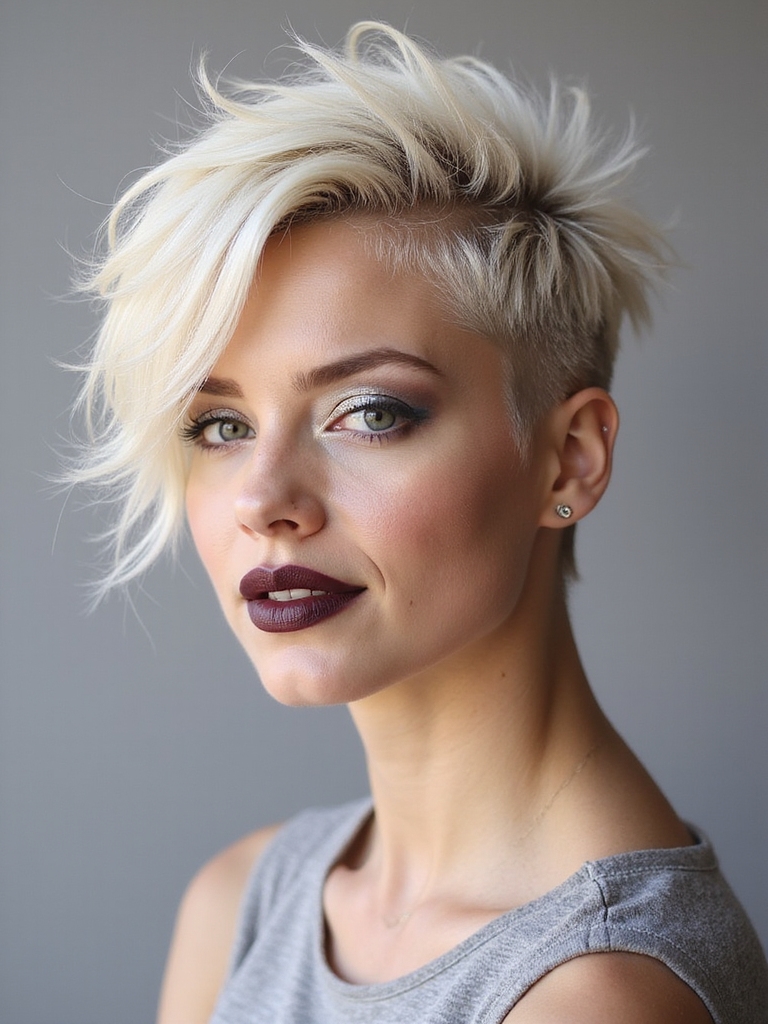
One cut, two completely different moods, is the detail that tends to seal the decision for most people. Smoothed down with the nape tucked and the top neat, a pixie mullet looks workplace-ready and polished.
- Smooth it down for a clean, professional read.
- Rough it up with texture paste and crown lift for evening edge.
- No second cut required, just a change of product and about ninety seconds.
👍What makes it easy to live with
- +Almost no daily styling once the cut is right
- +Grows out into a wearable shaggy pixie instead of an awkward stage
- +Works across straight, wavy, curly, and coily textures
👎What it actually demands
- –Reshapes on a tighter cycle than a one-length crop
- –Sharp lines need real precision from the stylist doing the cutting
- –Color pops need their own refresh schedule if kept vivid
From Punk Roots to Modern Minimalism
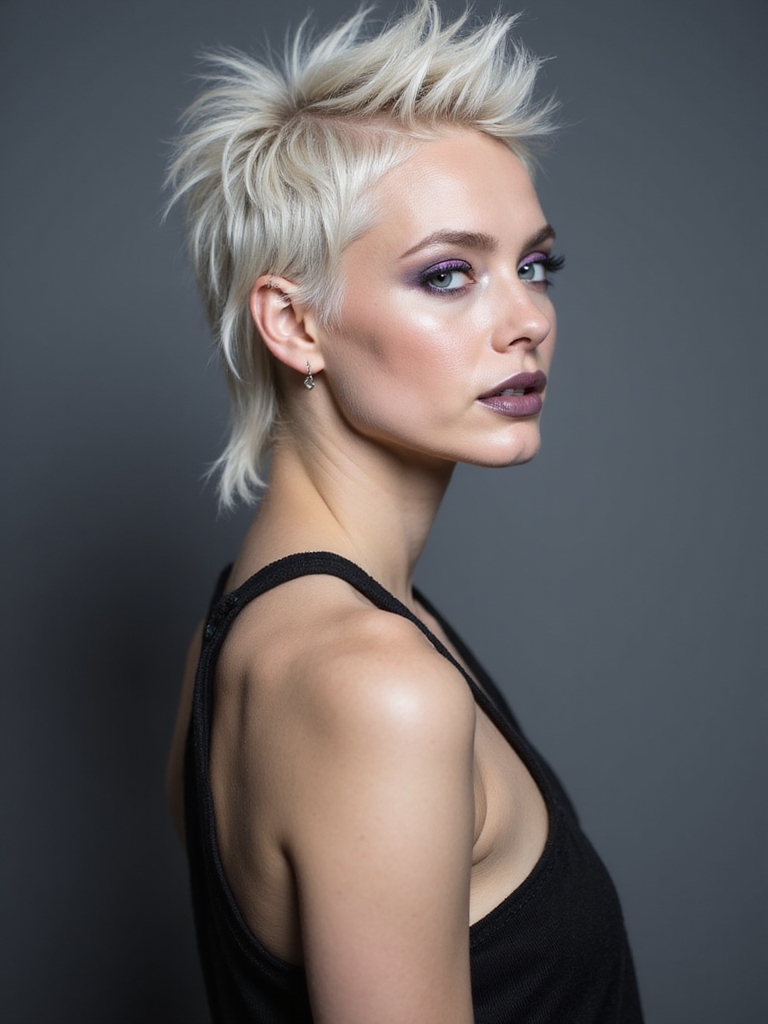
The pixie mullet carries real history, tracing back to punk and new-wave roots in the 70s and 80s, all spiky tops and rebellious napes, up through today’s cleaner, more minimal takes.
That heritage is part of the appeal, since it’s possible to borrow as much or as little of the retro edge as feels right, dialing from a full punk statement down to something quieter and more modern.
- Punk and new-wave origins: spiky, rebellious, loud.
- Modern takes: softer, cleaner, considerably more wearable day to day.
- The amount of retro attitude borrowed is entirely up to personal taste.
Accessorizing a Pixie Mullet
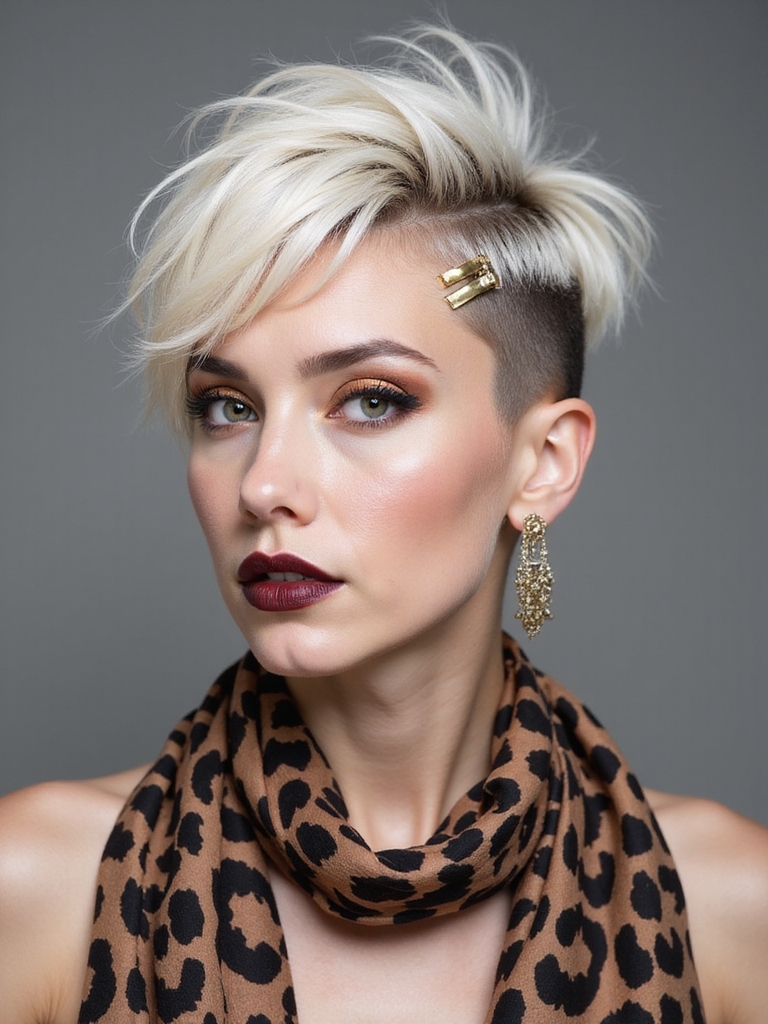
Accessories offer the easiest way to change a pixie mullet without touching the cut itself, and they earn their keep especially during grow-out.
Clips pin back longer pieces at the nape or dress them up for an occasion. A headband or scarf manages an awkward growing-out stage while adding its own retro touch.
- Clips pin back or dress up the longer nape pieces.
- A scarf or headband manages grow-out with a bit of retro flair.
- Hats sit cleanly over the cropped top without disturbing the shape.
A few terms worth knowing before describing the cut to a stylist.
📖Disconnection
A sharp break between the length of the top and the nape, with little to no blending between them.
📖Texturizing
Thinning or point-cutting that removes bulk and adds piecey movement without shortening the overall length.
📖Money piece
A face-framing section colored lighter than the rest, positioned to catch the eye without a full-head process.
Barber or Salon, Choosing the Right Pro
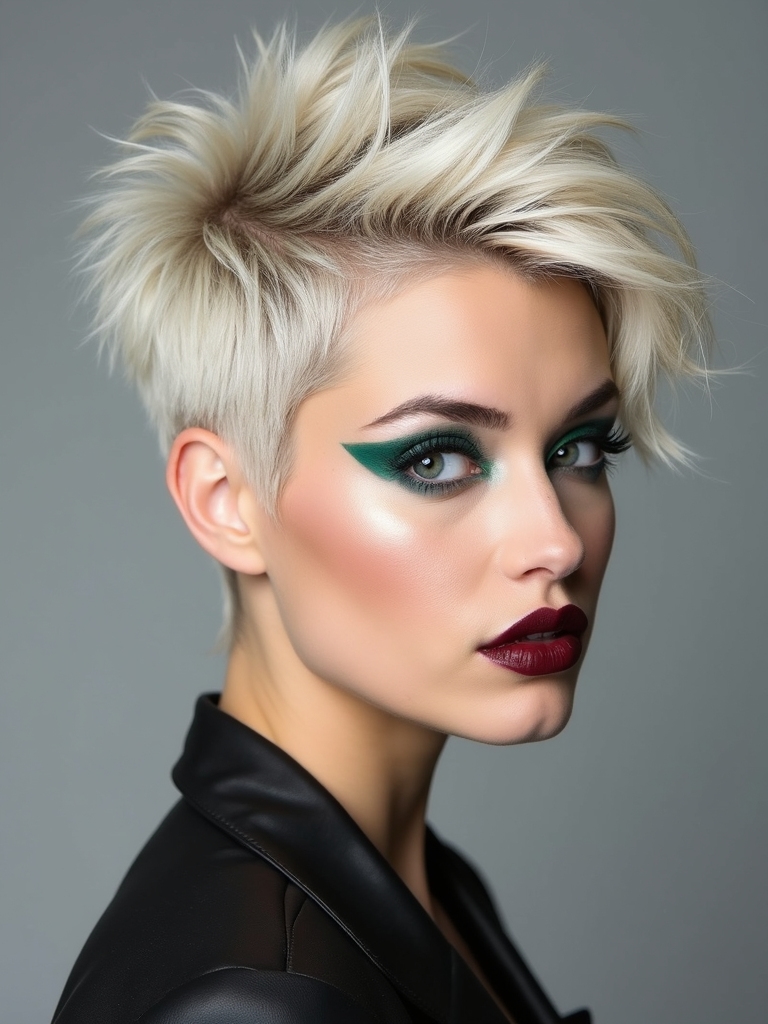
Choosing the right professional matters more with a pixie mullet than with most cuts, since it blends barbering precision with salon-level texture work.
Matching the Pro to the Version Wanted
A barber typically excels at the cropped, faded, sharp-lined elements, while a salon stylist often brings stronger layering, texturizing, and color skills to the table.
Either can deliver a strong result with the right experience behind them. What matters most is finding someone who can show real pixie mullet work, ideally on hair with a texture close to the one sitting in the chair.
At-Home Styling Routines
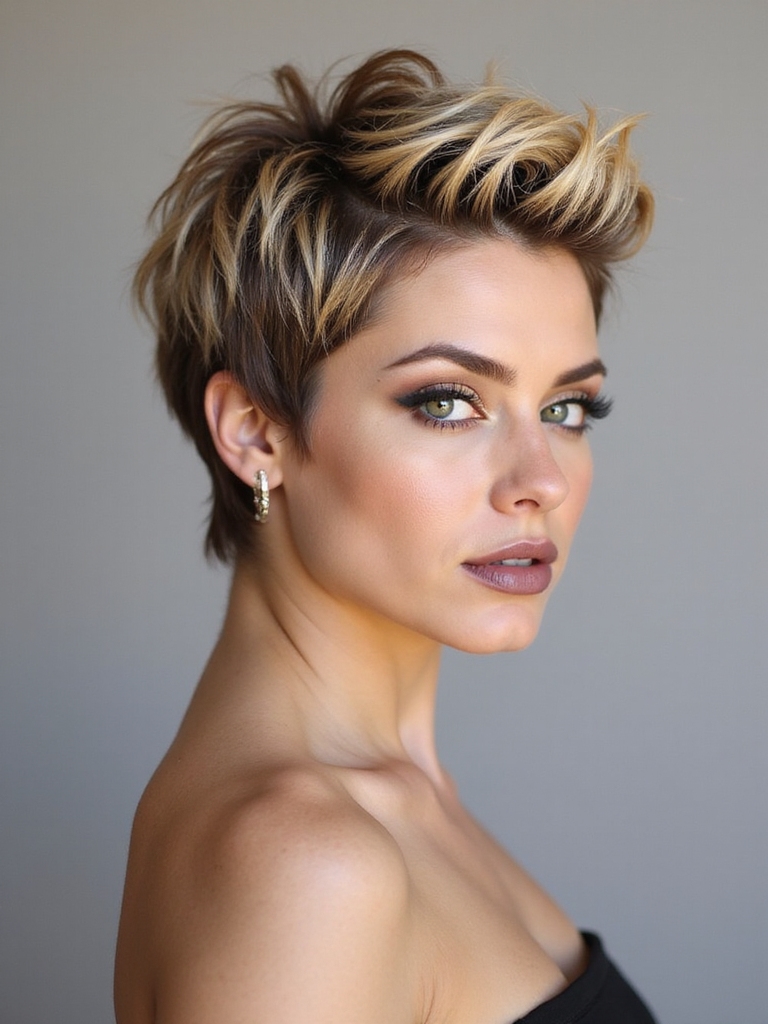
A pixie mullet turns out to be easy to style at home once the rhythm clicks, since the cut does most of the actual work. The goal stays texture and a little lift, never polish for its own sake.
- Everyday: work a little texture paste through dry or just-damp hair with fingertips, then leave it piecey.
- For more volume: add texturizing powder at the roots and flip the head while drying to lift the crown.
- To refresh rather than restart: a light mist of water plus a touch of paste revives yesterday’s shape without a full re-style.
Pixie Mullet Questions Answered
?What’s the difference between a pixie mullet and a mullet shag?
A pixie mullet keeps a truly cropped, pixie-short top and sides with a longer nape, so it sits much shorter overall. A mullet shag runs longer and shaggier throughout, with more length on top and heavier all-over layering.
?Does a pixie mullet suit curly hair?
Yes, and curls tend to wear it especially well, springing into volume on top while the longer nape shows the pattern off. It should be cut fully dry so the stylist can shape around the actual shrinkage.
?How do I ask for the right nape length without going too far?
Bringing two reference photos helps more than one: a favorite top and a favorite nape length, since the two rarely come from the same picture. A stylist can then blend the specific proportions rather than guessing at an average.
?Can this cut go back to a regular pixie later if it doesn’t work out?
Generally yes, and fairly easily. Trimming the nape back to match the top removes the mullet element entirely, leaving a standard pixie underneath the whole time.
?Is a pixie mullet appropriate for a conservative workplace?
Often, yes, when styled smooth with the nape tucked under. The same cut looks considerably more polished with minimal product than it does roughed up, and that range is exactly why the shape works for two very different settings.
Bold, but Built to Wear
The whole game with a pixie mullet comes down to balance. Keep the proportions in check and the texture soft, and the cut reads modern rather than costume. Push too far in either direction, and that’s really the only risk worth watching.
Worth saving for a consultation: how much punk edge actually feels right, paired with a stylist who has real, visible experience in the shape. Getting both right is what makes this cut hold up as one of the more adaptable short options going right now.
Related Reads