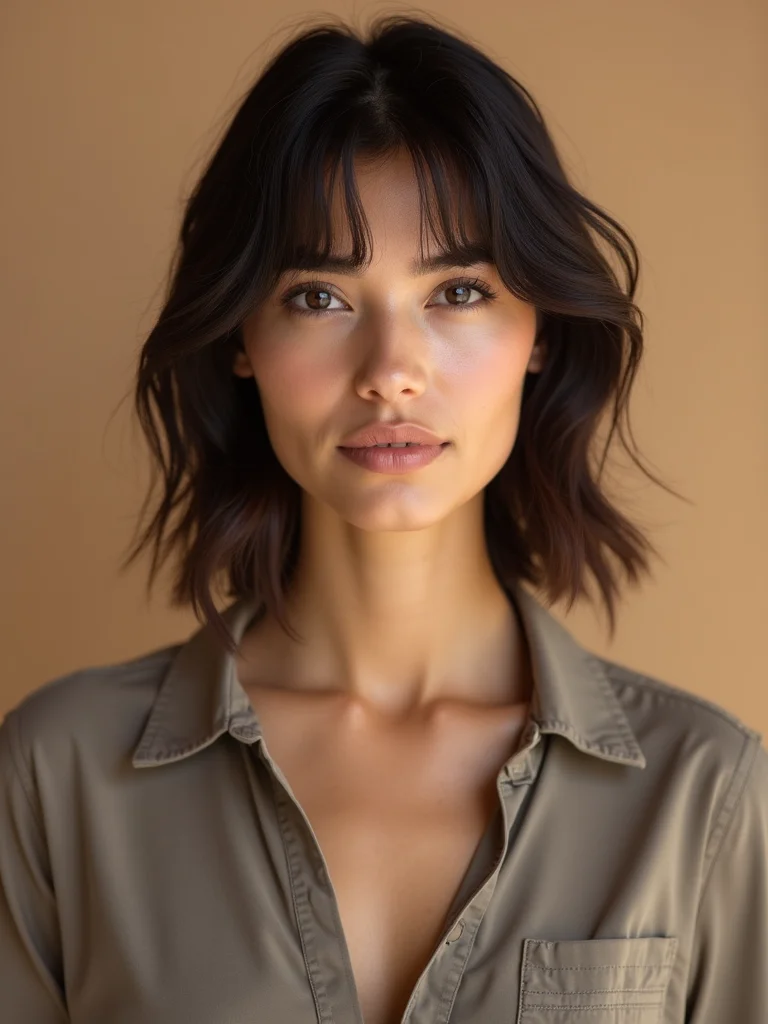
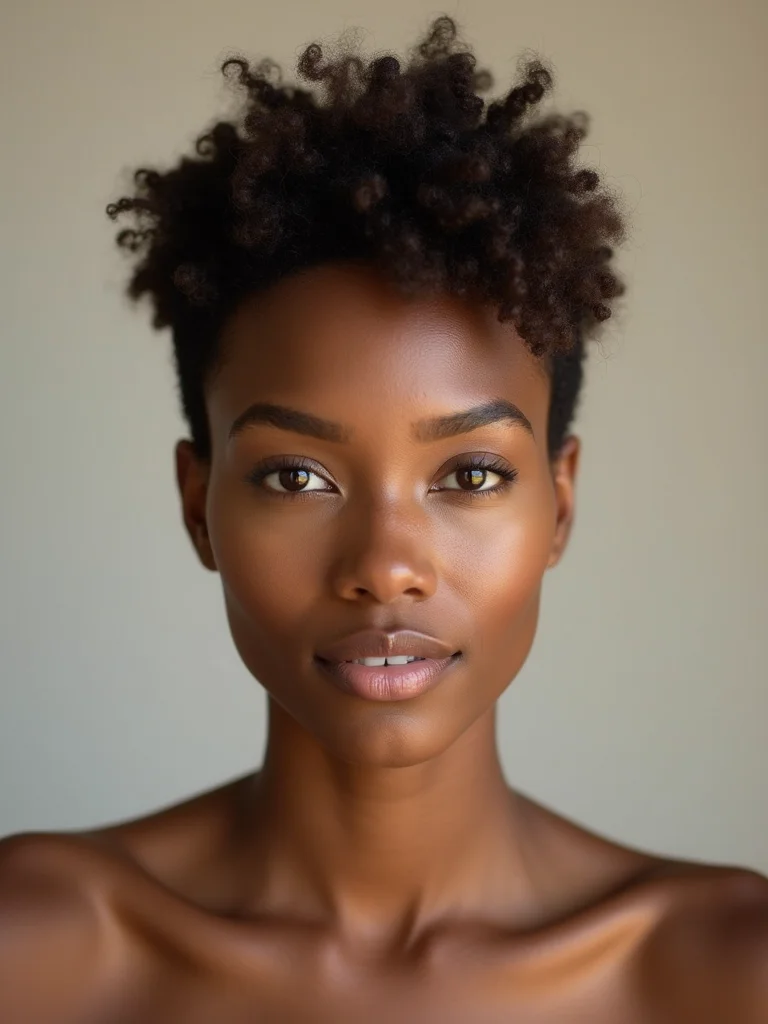
There is a sound a pixie makes that long hair never does, the quiet snip close to your ears, then the strange, light feeling of cool air on the back of your neck for the first time. I have watched hundreds of people meet that feeling in my chair. Most of them saved photos for months and hovered over the booking button before they sat down, and most walked out wondering why on earth they waited so long.
Here is what nobody tells you upfront. There is no single pixie haircut. There is a whole family of crops, from a soft feathered shape to a graphic faded one, and choosing well has less to do with one perfect photo than with knowing which shape fits your face, your hair, and your real mornings. Below are fifteen of them, and a clear way to pick.
Find Your Starting Point
| If you want | Ask for | Why it works |
|---|---|---|
| Your first short cut | A classic crop with side-swept bangs | Flatters widely, grows out kindly, styles in minutes |
| The lowest effort | A tousled or choppy pixie | Texture hides a rushed morning |
| Maximum drama | A sleek micro pixie or long-top fade | All shape and bone structure; frequent trims |
| A gentle way in | A pixie-bob hybrid | More length to tuck and an easy grow-out |
Classic Crop With Side-Swept Bangs

If you are talking your stylist through a first pixie, this is usually where the conversation settles. The classic crop pairs a short, rounded shape with soft, side-swept bangs that cross the forehead in a flattering diagonal. That fringe is the whole reason the cut never reads severe, and it is why I point most first-timers right here before anything bolder.
- Flatters nearly every face shape and hair type.
- Grows out kindly, with no harsh in-between stage.
- Styles in a minute or two with a little texture product.
Tousled Textured Pixie

If your honest answer to how much you will style this is almost never, a tousled textured pixie is your cut. A little mess is the entire look, so the days you do nothing tend to be the days it looks best.
Getting the texture right
The crop gets cut with piecey, separated ends, usually point-cut or razored, then finished by hand with a matte product. It forgives a rushed morning better than almost any short style I cut. I send my lowest-maintenance clients home with this one and a single jar of paste.
Keep a brush away from it, because brushing smooths the texture flat. Work a pea-sized bit of matte paste through dry hair with your fingers, scrunch, and you are done. For the broader idea, see our textured pixie cut.
ℹ️Good to Know
A pixie is not one haircut but a family of them. The variables are length, fringe, how much texture is cut in, and whether there is an undercut or fade. Combine those and a single word covers a soft feathered crop and a graphic faded one alike.
Sleek Micro Pixie

The sleek micro pixie strips the crop back to its boldest, the hair cut close and smoothed flat so the whole look is shape and bone structure. It is confident and modern, and it puts every bit of attention squarely on your face.
This one rewards balanced features and a willingness to be seen. It also asks for steady upkeep, trims twice a month or so at roughly $25 to $45, to stay crisp. The payoff is real impact paired with a near-zero styling routine.
Curly Pixie With Tapered Sides

A curly pixie with tapered sides is the go-to shape for natural texture, the coils left full on top while the sides taper close to frame them. One rule carries the whole cut: the stylist has to work dry, watching each individual coil settle before deciding where to cut. Cut wet, curls almost always spring up shorter than planned once they dry.
- Scrunch a curl cream into damp hair to define the coils.
- Air-dry or diffuse on low, and keep your hands off while it dries.
- Protect the shape at night with a satin bonnet; see our curly pixie ideas.
💡Stylist tip
Before you book, separate the cut from the styling in your head. The photo you saved was blow-dried and finished by a pro. Ask your stylist two things: how this shape looks air-dried, and how often it needs the salon.
Shaggy Pixie With Feathered Layers

A shaggy pixie with feathered layers brings volume and movement, the layers worn fuller and the ends feathered into airy, soft texture. It is one of the best shapes for fine hair, since the layering fakes a fullness the hair does not have on its own.
The shag influence keeps it cool and relaxed. A light texture spray fluffs the layers into shape, and you finish with your fingers in under a minute. It is a forgiving, low-commitment way to test short hair while keeping built-in body.
Pixie-Bob Hybrid

Want short hair without going all the way? The pixie-bob hybrid keeps the length a touch longer, bridging a true pixie and a short bob. It gives you more to style and a far easier grow-out, which makes it a popular first step or a gentle landing after a pixie.
It wears sleek, tousled, or tucked behind the ears, and it flatters most faces. You get much of the freedom of a pixie with a little more to work with on the mornings you feel like fussing. A trim every six weeks, around $45 to $70, keeps the shape honest.
“The most useful thing you can do before a pixie is decide how much you will actually do to it each morning. I would rather cut you a shape you will keep up than the boldest one in the photo.”
Undercut Pixie With Volume on Top

An undercut pixie pairs shaved or closely cropped sides with a full, lifted crown, balancing edge underneath against softness up top. The undercut removes a lot of weight, which is a gift for thick hair, while the volume adds flattering height where you want it.
Why it helps thick hair
I add this one constantly for clients whose density used to wing out at the sides and ruin every short cut they tried. The hidden undercut does the debulking, and the lifted top keeps the whole thing soft. Worn down, the shave barely shows; pushed back, it flashes a little edge.
A round brush and a little volume product build the lift in a few minutes. Those shaved sections want a buzz about every other week so they stay crisp. See our undercut pixie guide, or for the density angle, our thick-hair pixie.
Soft Pixie With a Wispy Fringe

A soft pixie with a wispy fringe is the gentlest shape here, the fringe thinned into airy, see-through wisps that barely skim the brows. It frames the face delicately and feels soft and romantic.
This is the one I reach for when someone loves the idea of short hair but fears a crop will feel harsh on them. The wispy fringe pairs naturally with feathered layers, and a drop of light serum keeps the wisps soft and separated.
- The thinned fringe shows the forehead, which softens the whole face.
- Pairs naturally with feathered layers for a soft crown.
- A drop of serum is the entire styling step.
Still deciding? Match where you are:
🎯This would be my first pixie
Start with a classic crop and side-swept bangs, or a pixie-bob hybrid. Both flatter widely and grow out kindly.
🎯I want maximum impact
Go for a sleek micro pixie or a long-top fade, and commit to trims every two to three weeks.
Asymmetrical Pixie Sweep

An asymmetrical pixie keeps one side longer than the other, sweeping the top across in a bold diagonal. The longer side frames the face while the shorter side stays close, drawing a line that lengthens and slims.
Best for round and square faces
It flatters rounder and squarer faces especially, because that diagonal adds a vertical pull the eye follows up and down. A deep part feeds the longer side, and a little product directs the sweep.
It is one of the simplest ways to make a plain crop feel current, with almost no extra styling. Sweep the long side toward your cheekbone for the most face-framing effect.
Choppy Pixie With Piecey Ends

A choppy pixie wears its texture louder than a soft crop, the layers cut at varied lengths so the ends break into distinct, piecey sections. It looks cool and modern, and it is the pick for anyone who wants visible movement over a smooth finish. The chop also doubles as debulking on thick hair and fakes body on fine hair, which is part of why it suits so many textures.
- A matte paste defines the piecey ends; skip shine.
- Work it through dry hair with your fingers for a relaxed finish.
- Want more grit? See our choppy pixie cut.
Long-Top Pixie With a Fade

A long-top pixie with a fade sets a fuller top over sides that graduate smoothly down to the skin, a sharp, high-contrast shape. The longer top hands you several looks in one cut, slicked back, swept over, or quiffed, while the fade keeps the sides immaculate. It is the most versatile of the bold pixies here.
- A fade is precise and grows out fast, so plan a touch-up twice a month or so.
- Style the top with paste or pomade depending on the finish you want.
- The styling range up top is the trade-off for that upkeep.
Retro Mod Pixie

A retro mod pixie nods to the sharp, graphic crops of the sixties, the shape clean and the lines a touch bolder than a soft modern pixie. It is a stylish pick for anyone who likes a vintage reference worn in a current way.
It pairs well with a blunt or side-swept fringe, and a sleek finish keeps it true to its mod roots. Smooth it with a little serum over a clean part. This is short hair with a clear point of view.
- Cleaner and more graphic than a feathered soft crop.
- Pairs with a blunt or side-swept fringe.
- A sleek, smoothed finish sells the retro reference.
Wavy Pixie With Root Lift

A wavy pixie with root lift works with natural wave, the crop cut to let the bend show and the roots lifted for body. It is a soft, easy shape full of movement, ideal for hair that already carries a little wave.
A sea-salt spray scrunched through brings the wave forward, and a quick lift at the roots with a round brush or your fingers keeps it from sitting flat. It is truly low-effort once your hair learns the shape.
- Best for hair with a natural bend already.
- Sea-salt spray plus a root lift is the whole routine.
- See our wavy pixie cut for shaping the bend.
Sculpted Pixie With Clean Edges

A sculpted pixie with clean edges is the most polished shape in the set, the crop smoothed and framed by a crisp, precise lineup. It looks sharp and put-together, ideal for a professional setting or anyone who likes a defined finish. The clean lineup is what sells it, and since it grows out fast, a two-week shape-up keeps the whole thing looking deliberate rather than fuzzy.
- A crisp lineup frames the crop and defines the look.
- Plan a shape-up about every two weeks so the edges stay sharp.
- A little shine serum keeps the surface smooth and polished.
Grown-Out Pixie With Curtain Bangs

As a pixie grows past its original shape, the front is usually the first part to feel shaggy, and curtain bangs are the elegant answer. Parted in the middle and swept softly to each side, they frame the face and make the longer length look deliberate.
This is less a haircut than a strategy, the shape to keep your stylist working toward as the crop grows out. Plan it with them from the very first grow-out trim, and the long road from pixie to bob stays chic at every stage instead of awkward. It buys you months of good hair days while you decide what is next.
Styling Tips
A few habits make any pixie easier to live with. First, less product, applied to dry hair: most pixies want a pea-sized bit of paste or a light mist of texture spray, worked through with fingers, never a brush. Heavy or wet-applied product drags a short crop flat by midday.
Second, respect the trim cycle. A pixie shows grow-out faster than any long cut, so most shapes want the salon on a four-to-six-week cycle, and faded or micro versions sooner still. Budget roughly $40 to $70 a visit. Finally, learn to air-dry your shape, because the cut that only looks good blow-dried is the cut you will quietly come to resent.
Pixie Haircut Questions People Ask
?What is the difference between all these pixie haircuts?
They share a short length but differ in shape, fringe, texture, and finish. The main variables are how short the crop is, what the fringe does, how much texture is cut in, and whether there is an undercut or fade. Mix those and you get everything from a soft feminine crop to a bold, graphic one.
?Which pixie is best for a first-timer?
A classic crop with soft, side-swept bangs, or a pixie-bob hybrid. Both flatter most faces, style in minutes, and grow out without an awkward stage, so they let you decide how you feel about short hair before going bolder.
?How often does a pixie need a trim?
Most pixies want the salon every four to six weeks, since the shape grows out fast at this length. Faded, micro, and sculpted versions need a touch-up every two to three weeks to stay crisp. Budget around $40 to $70 a visit.
?Can curly or thick hair pull off a pixie?
Absolutely. Curly hair is cut dry, coil by coil, so the shape works once the curls spring. Thick hair gets internal debulking plus a taper or undercut to remove weight. Both make a fuller, more striking pixie than fine hair can.
Choose the Shape, Not the Photo
The saved photo never shows the part that matters: a pixie is a relationship, not a single moment. The cut shifts through styling, upkeep, and the long arc of growing it out, so choosing well means thinking past the perfect blow-dry to how a shape lives air-dried and how often it pulls you back to the salon.
Use the table to find your starting point, the fifteen shapes to see the range, and a good stylist to translate it to your face and your routine. Get those three right, and the only real question left is why you waited so long.
More Ideas Here