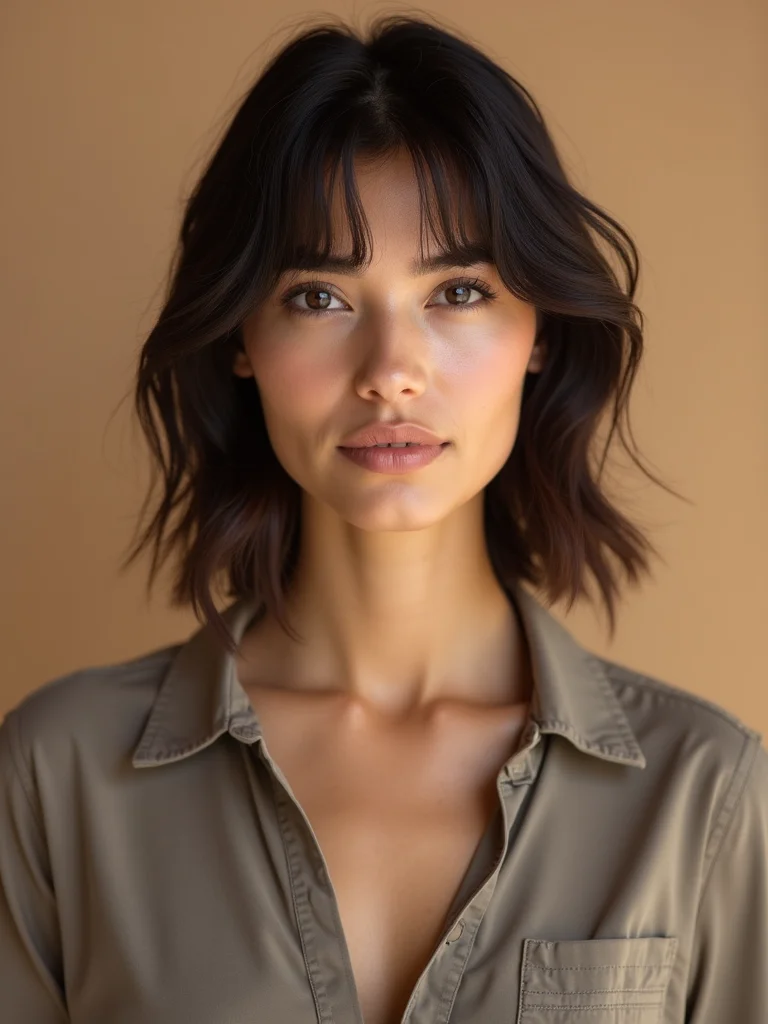
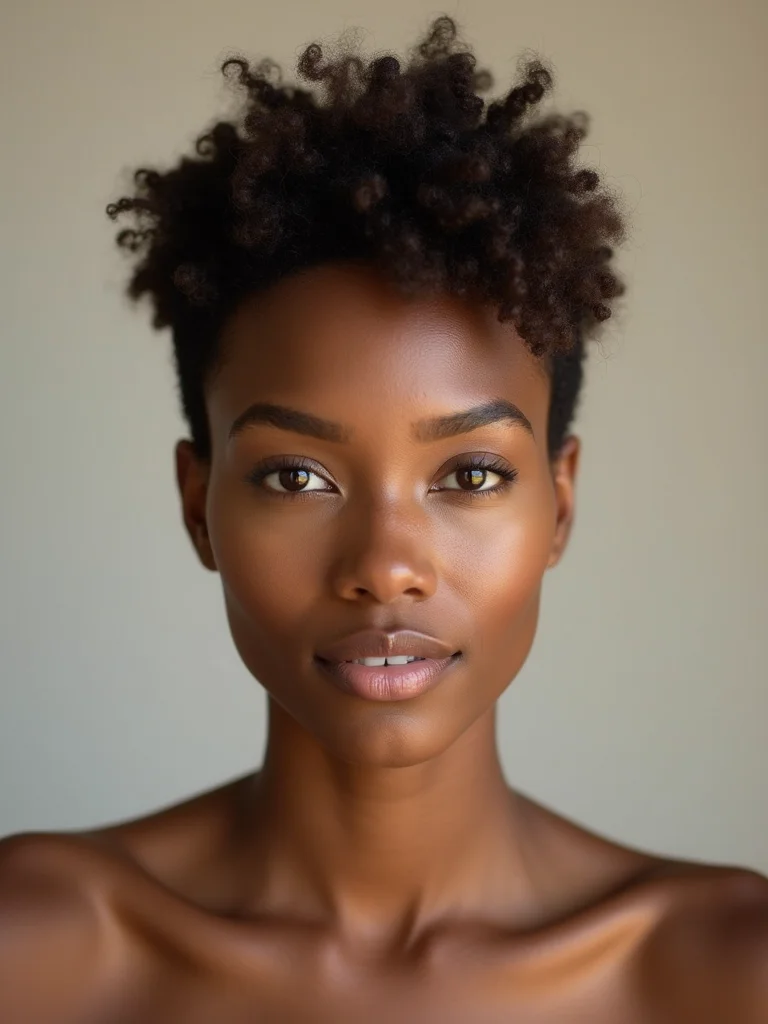
Short shag hairstyles have a reputation problem: people assume short hair locks you into one stiff shape until it grows out. This cut was built to prove that wrong. The same choppy layering technique that defines a shag bends to fit curly texture, fine strands, and thick hair, all while keeping what makes a shag a shag: movement that starts high at the crown and holds through the day.
Fifteen ways to wear it follow, running from a barely-there lob to a full crop, each built on the same shag haircut foundation with its own quirks around styling and upkeep. Match the version to how your hair actually behaves, not just the photo that caught your eye.
What Short Shags Have in Common
Every short shag relies on the same idea: stacked, choppy layers that begin above the shoulder and get lighter toward the ends, which is what gives fine hair the look of density and keeps thick hair from ballooning outward. Where the length actually lands, whether right at the ear or grazing the jaw, changes the personality of the cut far more than the technique underneath it does.
Shorter layers blur out of shape faster than long ones, so a cropped pixie shag typically needs a shape-up every 5 to 7 weeks and runs about $45 to $90 a visit, close to double the pace of the shoulder-grazing lob version below. Bangs of any kind add a separate trim schedule on top of whichever version you choose.
Classic Short Shag With Curtain Bangs

This version wins over the most skeptics because it keeps a soft edge even at a shorter length. Curtain bangs part down the center and sweep back toward the temples, softening the choppy layers underneath and putting the eyes front and center.
Who It Flatters
The length typically lands between the jaw and the collarbone, a range that suits a wide variety of face shapes easily. Styling stays minimal: rough-dry with your fingers, twist a little paste through the ends, and the shape mostly sets itself.
Curtain bangs flatter nearly every face shape, though they do the most for a longer or more angular jawline by breaking up the vertical line. The fringe needs its own upkeep, separate from everything else happening underneath, so ask your stylist how that fits your existing schedule before you commit.
Tousled Pixie Shag

When the goal is maximum edge with minimum length, the pixie shag delivers. It takes a classic pixie and shatters it with shaggy, piece-y layers, trading the sleek, fixed lines of a traditional crop for texture, real movement, and just enough controlled mess to look deliberately styled, the kind of effect plenty of people spend real time trying to fake.
The Trade-Off
There is almost nothing to do most mornings beyond scrunching in a dab of paste, which is exactly why so many clients switch to this version once they commit to going short. Wolf cut fans often land here too, since both cuts share that piece-y, undone finish.
The catch is frequency. Because the layers sit so short to begin with, a pixie shag loses its shape faster than almost any other version on this list, so plan on a shape-up well before it looks obviously grown-out. It suits strong features and anyone who has wanted to go short but worried about looking too severe.
Wavy Bob Shag

The wavy bob shag is the crowd-pleaser of the short range: a chin-to-collarbone cut worn with soft, beachy waves. The layers give each wave room to bend, which keeps a bob from turning heavy or helmet-like at the bottom.
It is the version handed to women who want a change but aren’t ready to give up tucking hair behind their ears or pulling the front back on a busy day. The bounce holds through a full workday. Work a texturizing spray through damp hair, scrunch, and skip the blow-dryer; the waves settle into shape on their own.
Curly Micro Shag

Tight coils and a micro shag are an underused pairing. Cropped short and cut dry, this version removes the bulk that makes short curly hair puff into a ball, letting each coil sit as its own defined piece.
Keeping Coils Healthy
Cutting dry is non-negotiable here. A stylist has to see exactly where each coil lands, because curls shrink dramatically once cut and a wet cut on short curly hair can go wrong fast. For a deeper look at the technique, the curly shag haircut covers cutting and styling coils at any length.
A light mist plus a small amount of leave-in brings day-two coils back to life; scrunch through and go. It is the lowest-effort way to wear short natural texture day to day, with no blow-dry step and no daily detangling.
Short Razored Shag With Piecey Ends

A razor turns a short shag piece-y and airy, slicing the ends into fine, broken points that separate and catch the light. It is the most texturized finish in the short range, and it makes thick hair feel noticeably lighter on the head.
Razored ends show damage faster than scissor-cut ones, especially at a short length, so this style leans on healthy hair and a stylist experienced with a blade.
- Best on healthy, straight-to-wavy hair; save it for hair that isn’t already fragile.
- Ask for piece-y, razored ends, not an all-over thin.
- A little wax separates the points nicely on second-day hair.
| Curl pattern | Best short-shag length | Cutting note |
|---|---|---|
| Loose waves (2A-2B) | Lob-length shag | Light layering so the waves keep their bend |
| Defined curls (3A-3B) | Chin-length micro shag | Cut dry, moderate internal thinning |
| Tight coils (3C-4C) | Cropped micro shag | Cut dry only, minimal thinning to protect shrinkage |
Shaggy Lob With Soft Layers

At the far end of what still counts as short sits the shaggy lob, a layered long-bob that grazes the collarbone with soft, low-commitment movement, closer to an evolution of your current length than a dramatic chop. It is the gateway version, the one recommended most to anyone nervous about losing length, since it keeps plenty of it while still introducing the shag’s signature texture.
- Still holds a low ponytail, which a true pixie shag can’t.
- This length holds its shape longer between visits than anything shorter in this lineup.
- For a touch more length, the shoulder-length shag picks up right where this one leaves off.
Short Airy Shag With a Side-Swept Fringe

Swap a center curtain bang for a side-swept fringe and a short shag turns softer and more diagonal. The fringe sweeps across the forehead at an angle, drawing a flattering line that works especially well on rounder and squarer faces.
Best Face Shapes
Paired with airy, lightly layered lengths, this is a gentle, romantic take on a short shag. The asymmetry adds interest and stays quick to style day to day.
Style the fringe with a small brush, drying it across and to the side so it lies flat and sweeps cleanly off the forehead. On humid days, a light hairspray at the root keeps the angle from collapsing by noon.
📋Questions to bring to a shaggy lob consult
- ✓How much internal weight are you removing, and will it change how the ends sit?
- ✓Where exactly does the shortest layer land, and how close to my face is that?
- ✓Will this length still tie back for workouts or humid days?
- ✓How will the shape change as it grows out between visits?
Short Shag With a Choppy Crown

A choppy crown is the engine of volume in a short shag. Short, stacked layers at the top lift the roots and build height, which is exactly what flat or fine hair needs to avoid looking pancaked by midday.
This version leans hard into texture, with visible separation and a slightly undone finish. The crown carries most of the volume, and it looks modern, photographing with real dimension even under flat studio lighting.
Build the crown with a root-lifting spray and your fingers, scrunching upward at the top as it dries. A pinch of dry shampoo worked into the roots on day two keeps the lift going for another day.
Short Shag for Fine Hair Fullness

Fine hair and short shags belong together in a way that surprises plenty of new clients, since cutting the length short removes the stringy weight that drags fine strands flat against the scalp, while the choppy layering underneath builds texture that mimics real density instead of just cutting hair away. The illusion holds up well under normal light. Most clients notice the difference by the second wash, once the layers settle into their true shape.
- Keep the length on the shorter side so the ends stay full and don’t thin out toward the tips.
- Work a lightweight volumizing product into damp roots before anything else.
- Skip oils and heavy creams, which flatten fine strands fast.
Short Shag With Debulked Layers for Thick Hair

Thick hair can absolutely go short, but only with the right layering underneath. Internal debulking removes weight from below the surface, so a short shag on thick hair stays light and mobile, with the shape sitting close at the crown and sides.
What to Ask For
Done wrong, short thick hair turns into a styling nightmare. The skill is entirely in where the weight comes out, from the interior, leaving the surface layer intact so the outline still looks clean.
Tell your stylist your hair tends to expand and ask specifically for internal debulking rather than all-over thinning shears. That distinction keeps the shape sleek and shortens the morning routine considerably.
Two ways to chase fullness on fine hair, split by morning effort.
🎯Fast mornings
A blunt-ish perimeter with a little internal texture, finished with a lightweight volumizing spray.
🎯Willing to style
Heavier layering through the crown, dried with a diffuser and a cool shot for lift.
Short Shag With Bold Micro Bangs

For anyone leaning fashion-forward, micro bangs take a short shag somewhere daring. The fringe sits high, well above the brow, blunt and short, turning the whole cut into the outfit’s obvious focal point.
- Works best on straight or fine hair, where the blunt micro line holds its shape.
- Commit to a bang trim on a noticeably tighter schedule to keep the length right.
- Balance the boldness with softer, piece-y layers below so the fringe sits easily with the rest of the shape.
Short Shaggy Wolf Cut Hybrid

The short wolf cut hybrid mashes a shag and a mullet into one cropped, high-energy shape. Heavy, choppy layers stack at the crown for volume, while the nape stays a touch longer for that signature wolf-cut contrast.
It is the loudest option here, equal parts retro and modern, and younger clients especially love how undone it looks for almost no daily effort. It never looks fussed over. Matte paste worked into the crown is close to the entire styling routine.
For anyone comparing lengths, the wolf cut guide covers the longer versions if you want to see how the same contrast plays out with more length to work with.
Short Shag With Face-Framing Layers

Sometimes the magic is just in the face-framing. This version carves soft, shorter pieces around the cheeks and jaw, sculpting features with no bangs involved at all.
It is the most flattering, low-drama option here, and a smart choice for anyone who wants shape around the face but would rather skip a fringe altogether. The framing does work a bang would, minus the extra trim schedule.
Wear the framing tucked behind the ears for a cleaner line, or let the pieces fall loose against the cheeks for something softer. A small round brush curls them inward on days that call for extra polish.
Building crown volume on a wolf cut hybrid in three moves.
1Rough-dry upside down
Flip your head forward and rough-dry the crown first to break the direction of growth.
2Scrunch in paste
Work a small amount of matte paste through damp roots, scrunching upward toward the crown.
3Finish with cool air
A blast of cool air locks the lift in place before you flip your head back over.
Low-Maintenance Air-Dry Short Shag

For anyone chasing close to zero morning effort, this is the cut. It’s built specifically for air-drying, with layers and texture placed so the shape settles on its own, no extra step required, and barely any product.
Where This Struggles
Wash, work through a little texture spray, scrunch, and go. It’s a realist’s short shag, built for busy mornings and anyone tired of fighting their hair before coffee.
Where this struggles is precision: an air-dry cut lives or dies on the cut itself, since the layers have to be placed exactly for the hair to fall into place on its own. Book someone whose air-dry work you have actually seen before you sit down.
Polished Short Shag With a Sleek Finish

Short shags can look just as polished as they can look undone. Blow one out smooth with a little serum for a sleek version suited to the office or a night out, with all the underlying texture still there but lying clean against the head.
- Blow-dry with a boar-bristle round brush for a smooth, controlled finish.
- Add a drop of serum to the mid-lengths, kept off the roots to avoid flatness.
- A flat iron smooths any stubborn piece-y bits before an event.
Styling Tips
Across every version here, the product list stays short: a texturizing paste or spray for definition, a root-lifting mousse for fine hair, and a light serum for anyone chasing shine over texture. Layering more than two or three products into short hair usually just weighs it down.
The other constant is the trim schedule. Book visits more often than you’d guess, since a short cut grows past its cleanest lines long before the ends look ragged, and treat any fringe as its own separate appointment. The short shag guide has more on reading when a shape needs a refresh.
Fifteen Lengths, One Idea
Every cut in this list works from the same core idea: layers cut short enough to move on their own, whether that’s a lob that barely counts as short or a fully shattered pixie. Morning effort ends up the real deciding factor, more so than the photo saved to your phone.
Bring a photo to your next appointment, but be ready for your stylist to adjust it for your texture and density. A short shag rewards a little trust in that process, and it tends to look better with each grow-out than it did the day you walked out of the salon.
Related Reads