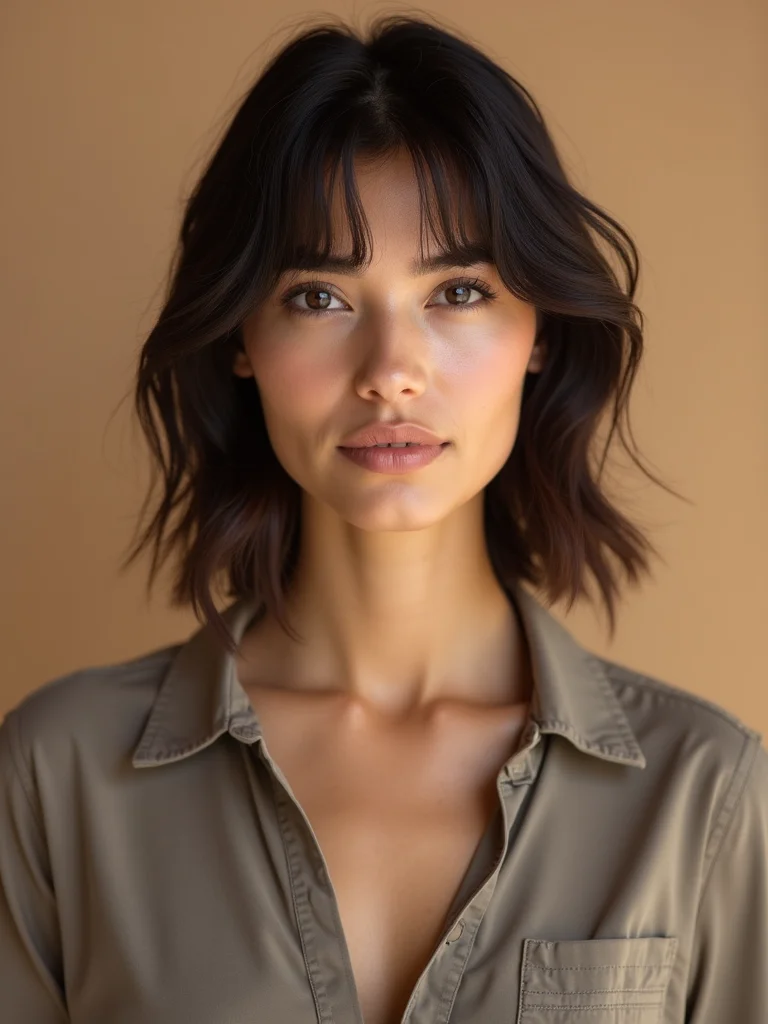
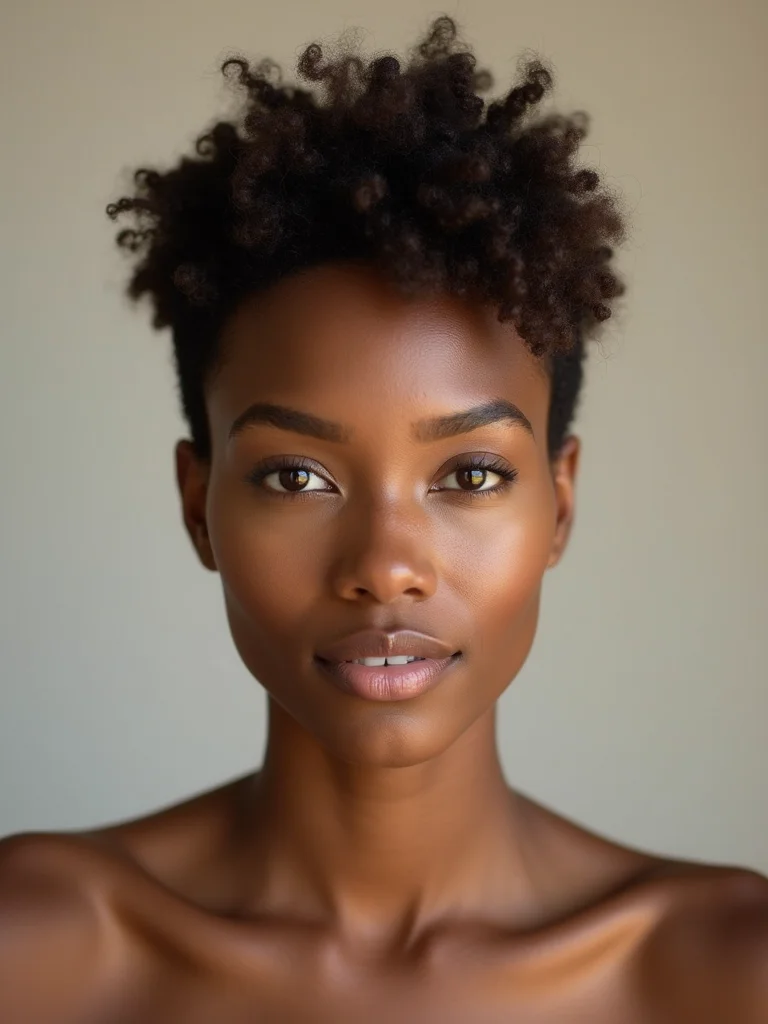
Layered mid-length hair reveals its build the moment a blow-dryer clicks off. Fine strands either lift at the root or fall flat again, thick sections either move or hold stiff like a helmet, and curls either spring into shape or collapse under their own weight.
None of that comes down to length alone. Mid-length runs anywhere from the chin to just past the collarbone, sometimes called medium-length, and nearly any texture can wear it. What decides the outcome is where the layers land and how deep they cut.
Fifteen versions of this length follow below, each built around a specific hair type or face shape, so the shears already know where to go before the appointment starts.
What Changes by Texture
- Layer placement decides the outcome far more than length does: straight, fine, wavy, thick, curly, and coily hair each need a different plan.
- Straight and fine hair call for high, precise layering; thick and curly hair call for weight removed from underneath, closer to the scalp.
- Face shape adjusts the placement again: a deep side part slims a round face, and a center part softens a square jaw.
Soft Face-Framing Layers for Straight Hair
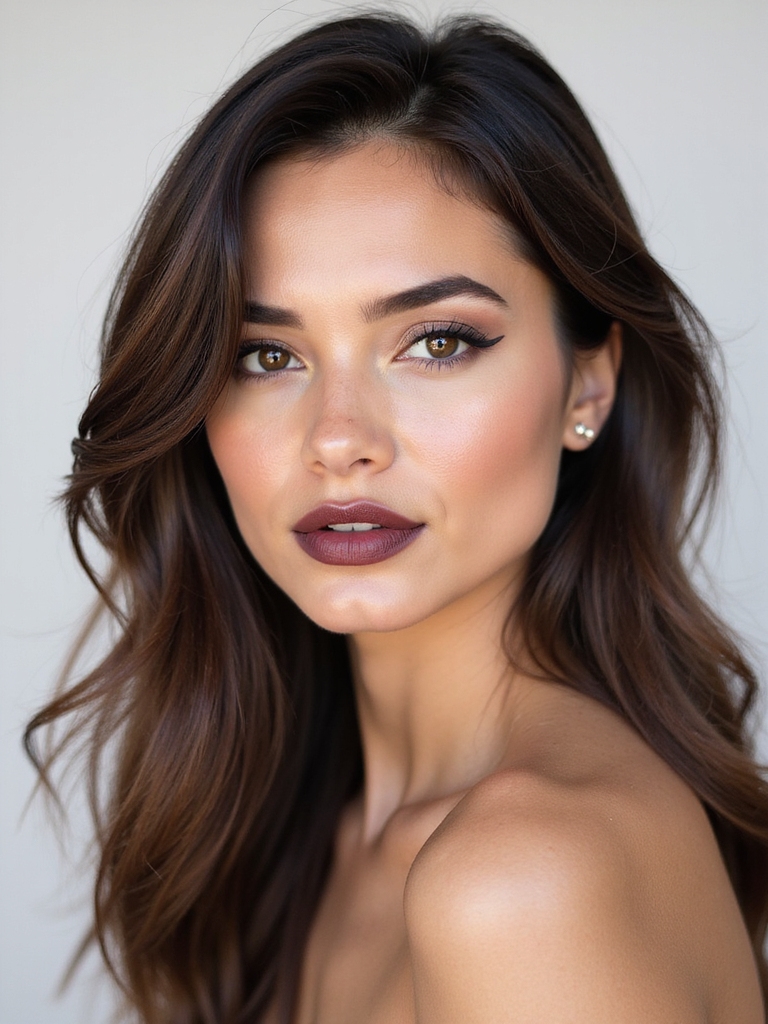
Straight mid-length hair shows every layer cut into it within days. There’s no hiding a mistake. Soft, face-framing layers outperform heavy layering here, since a clean, gradual line comes across as movement while an uneven one looks like steps.
Why Precision Matters More on Smooth Hair
The shortest pieces usually start around the cheekbone and blend into the jaw, opening up the front while the back stays fuller and less broken apart. On hair this smooth, that contrast keeps the cut from looking sparse.
Soft face-framing layers hold their shape best when cut on damp hair and rechecked once it’s fully dry, since straight strands drop the moment the blow-dryer turns off. A large round brush during drying locks the bend in place. The same idea carries over to longer lengths, and layered haircuts for straight hair covers the full range.
Fine Hair Gets Lift From High, Light Layers
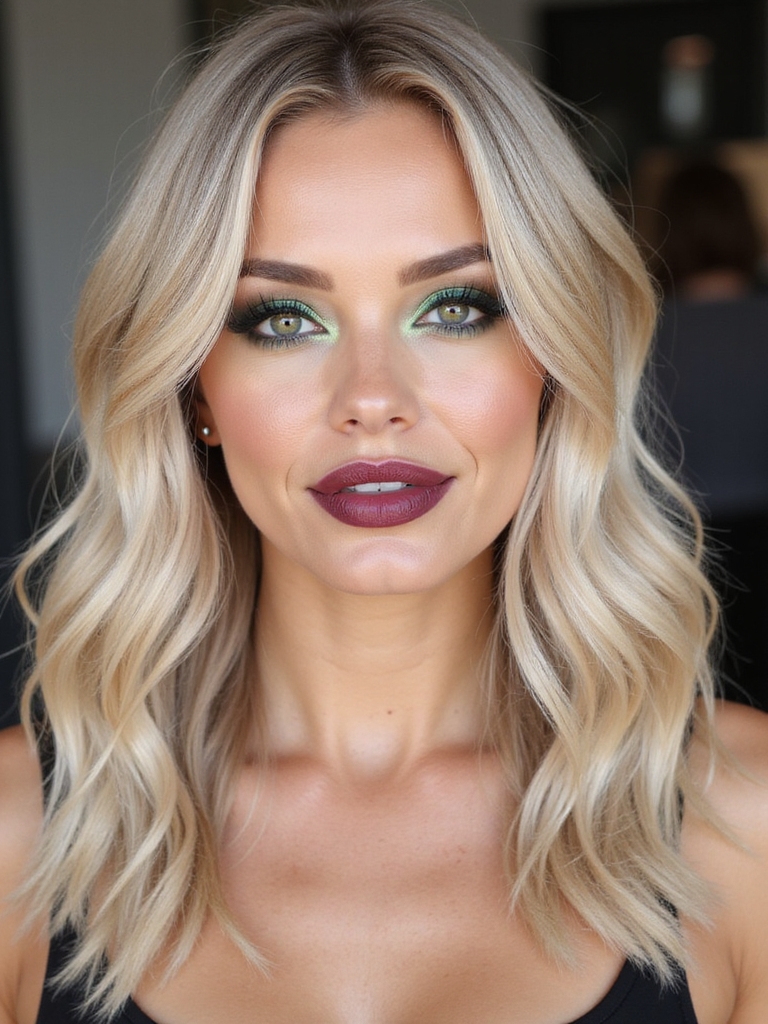
Fine mid-length hair carries only so much natural body, so the layers that work here sit high and stay light, adding lift at the crown without stripping the little thickness the hair already has.
Cut too heavy, that same layering removes the one thing fine hair can’t spare, its density, and the ends thin into wisps. Kept minimal and placed mostly near the top, the layers build the appearance of volume the length can’t produce on its own.
- Ask for the layers to start above the ears, not at the ends, so the perimeter stays full.
- A root-lift spray applied before blow-drying does more for fine hair than heavier layering would.
- Skip rich oils and creams on this texture. They weigh fine strands flat within hours.
| Texture | Where the Layers Go | The Payoff |
|---|---|---|
| Straight | Soft face-framing, cut damp | Movement without visible steps |
| Fine | High, lightweight layers | Lift at the root, no thinning |
| Wavy | Heavy layering through mid-lengths | Waves spring into a looser shape |
| Thick | Internal layers, hidden from view | Less bulk without losing length |
| Curly / Coily | Cut dry, in the natural pattern | Rounded volume that follows the curl |
Wavy Hair Gets Texture From a Soft Shag
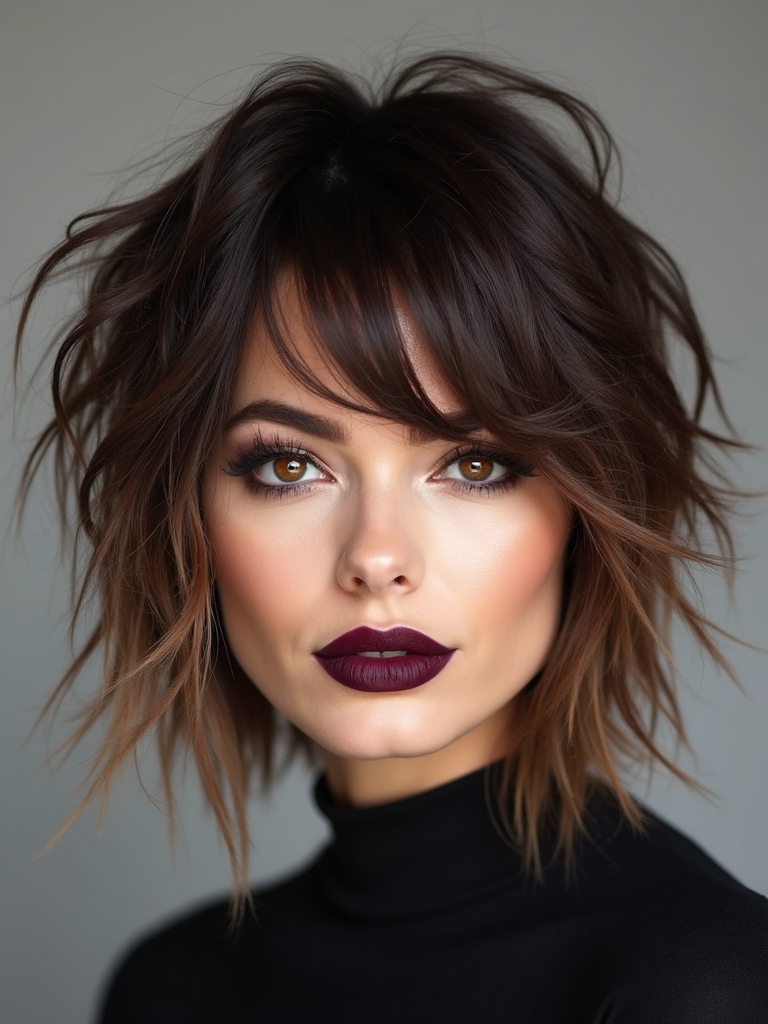
A soft shag is built almost entirely around what wavy hair already wants to do: bend. Heavier layering through the mid-lengths gives each wave room to move on its own, breaking the shape into loose, separated pieces.
The finish looks undone by design, and wavy hair rewards that looseness — the messier it looks, the more natural the texture comes across. For a stronger, choppier take on the same idea, wolf cut hair pushes it further.
- Scrunch a salt or texture spray into damp hair, then let it air-dry.
- Skip the round brush on this cut. Smoothing tools fight the texture the shag is built for.
- A light curl cream on the ends controls flyaways without flattening the wave pattern.
Thick Hair Loses Bulk From the Inside Out
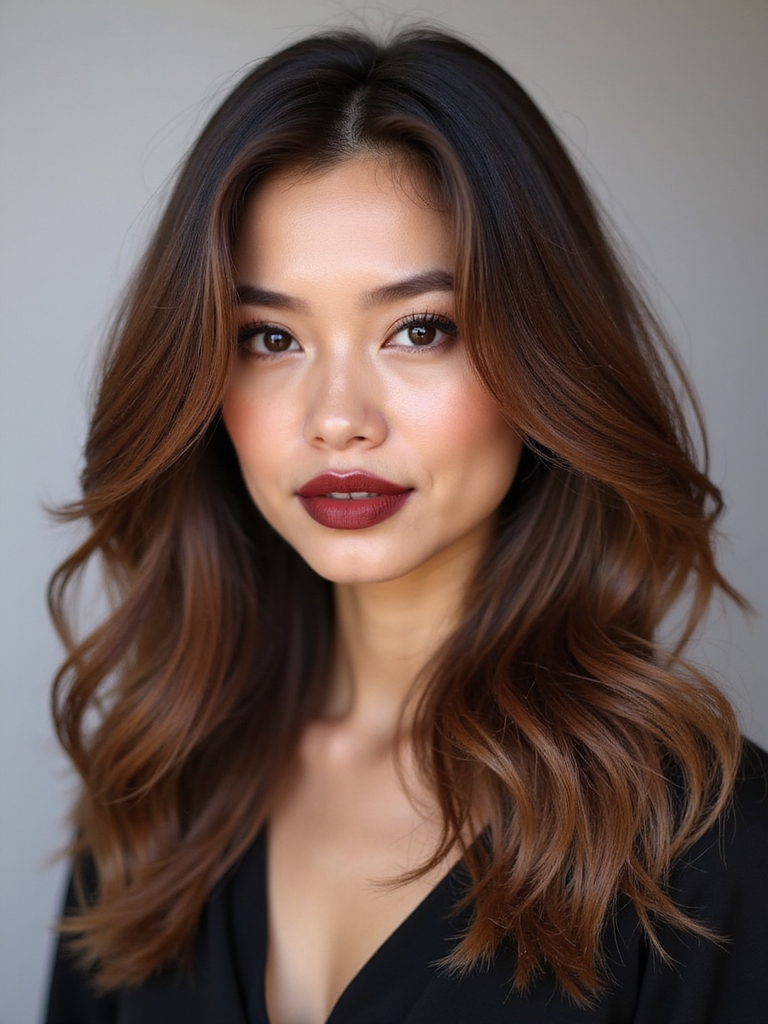
Thick mid-length hair holds its shape whether it wants to or not. Weight is the enemy here. Internal layering is the fix: hidden cuts placed underneath the surface remove weight without shortening or thinning the visible length.
The top layer stays intact, so the hair still looks dense from the outside. Underneath, the removed weight lets it fall and swing, keeping it from holding a wide, triangular shape at the sides. Most people notice the difference the first time it air-dries in half the usual time.
Crown Layers for Curly Volume
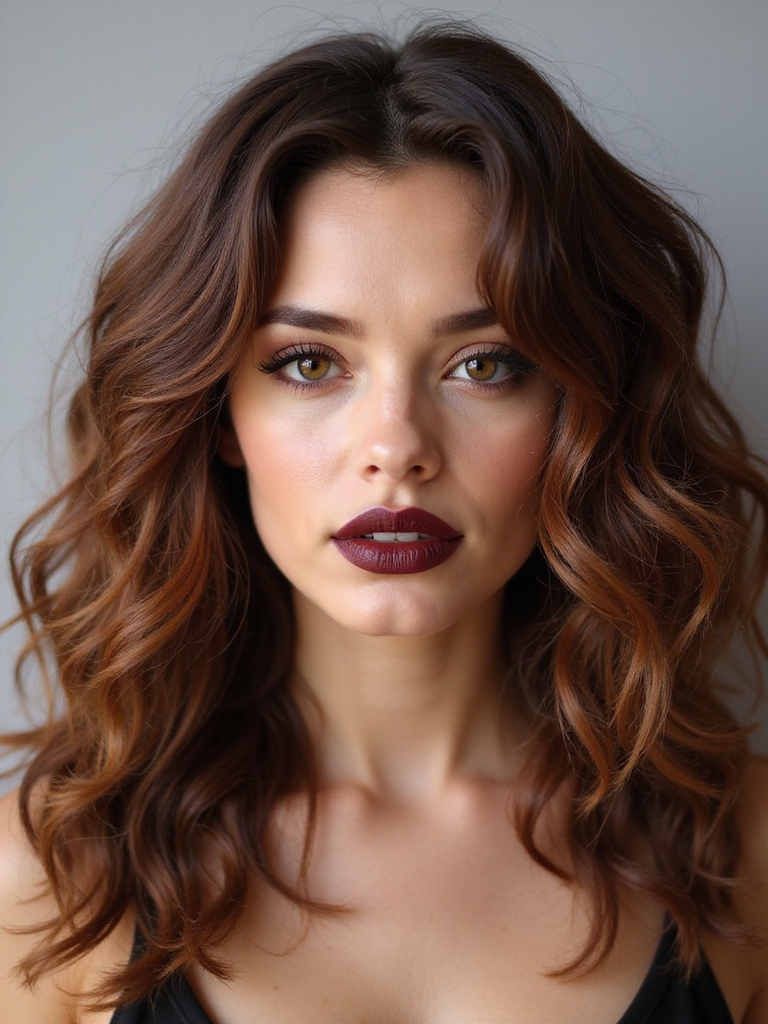
Curly mid-length hair sits flatter on top and wider at the sides without layers cut into the crown, since one length of curl simply stacks and settles low. Crown layering opens that space up and rounds the whole shape out.
The cut has to follow the curl pattern to work, which means dry hair, not wet. Curls shrink as they dry, and a stylist cutting to a wet length has no way of knowing where the shortest layer will actually land once it springs back.
Common Slip-Up
A wet cut on curly hair often ends up shorter and choppier than planned once it dries and the pattern pulls up. Confirming the stylist works dry-cutting into curl services ahead of time avoids the surprise.
A Full-Looking Lob With Hidden Layers
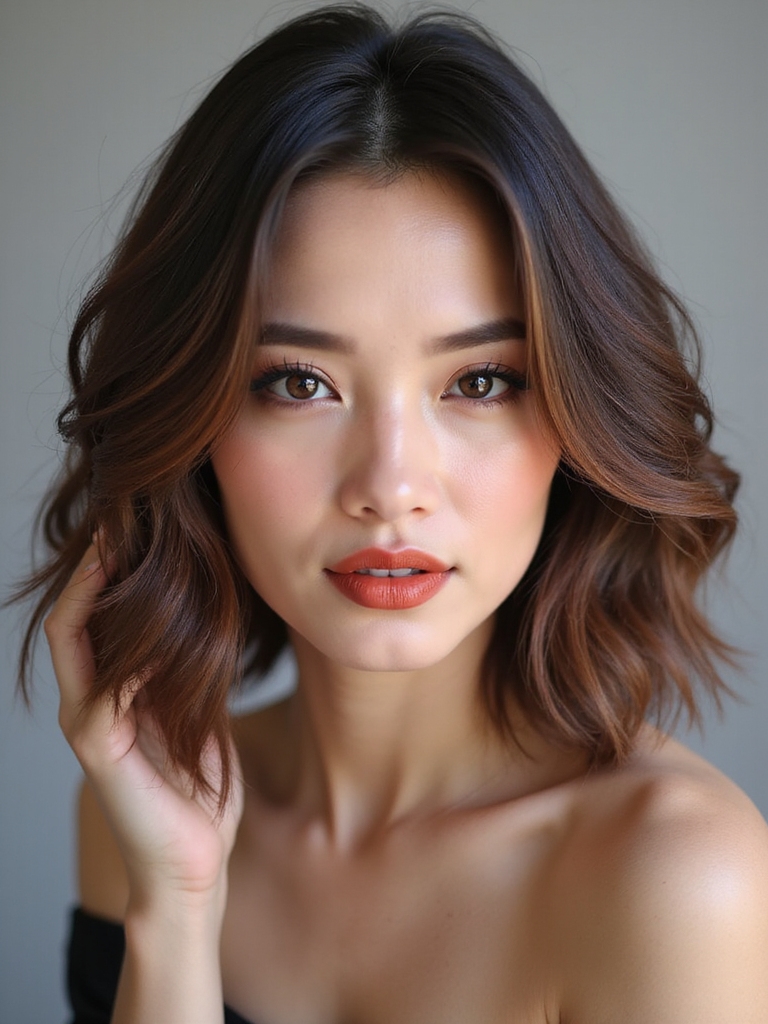
A wavy lob built with hidden interior layers keeps the silhouette dense while letting movement happen underneath, where no visible line gives it away. That’s the appeal for anyone who wants a thick, blunt-looking lob that still swings when it moves.
- The layers are cut from underneath, out of sight, so the perimeter reads as one solid line.
- Waves move more freely through the mid-lengths without losing the lob’s overall fullness.
- An air-dry with a light salt spray brings out soft texture without disturbing the shape.
A Wolf Cut for Bold Texture
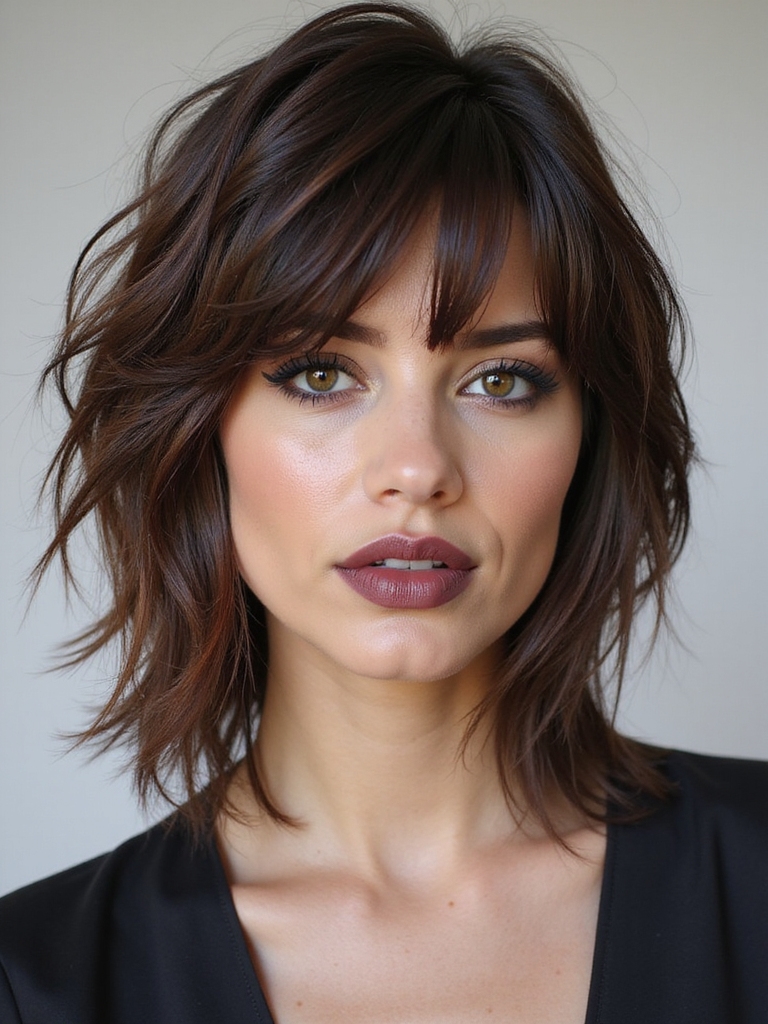
A wolf cut stacks short, choppy layers into the crown and tapers them out into shaggy, undone ends. The volume comes first. This is mid-length hair with far more edge than a standard layered cut delivers.
Built to Look Undone on Purpose
This is the boldest option in the lineup, and it grows out more forgivingly than most heavy layering, since the built-in choppiness keeps camouflaging the growing-out phase on its own.
A texture spray scrunched through damp hair is usually all the styling this cut needs, which works well for anyone without the patience for a long morning routine. The full range of versions lives at wolf cut hair.
Layers for Coily Hair Definition
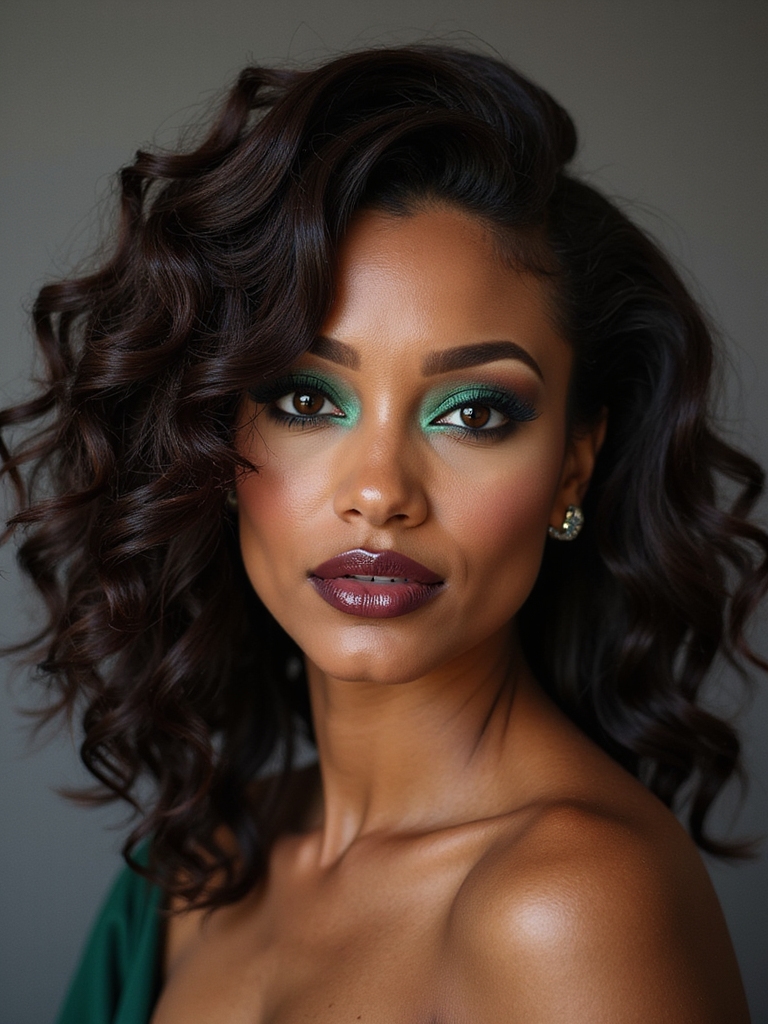
Coily mid-length hair carries its own natural lift, but without layers cut into the crown, the shape tends to sit wide at the sides and flat on top. Layering removes enough bulk there for the coil pattern to take over the silhouette.
- The cut happens dry, worked into the natural pattern, so the stylist can see exactly where each coil will land.
- Crown layers lift the roots and round out the shape from every angle.
- A leave-in followed by a curl custard holds definition; satin at night keeps it intact until the next wash day.
Fine Hair Keeps Density With Hidden Interior Layers
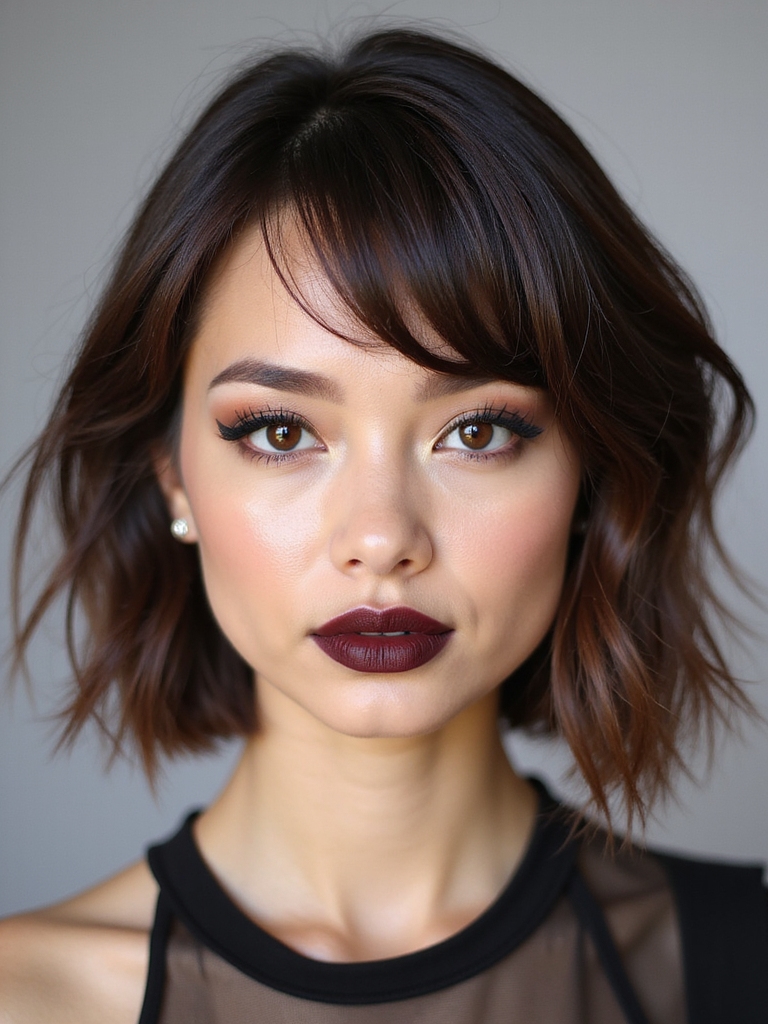
A blunt perimeter paired with interior layers solves the one problem fine hair runs into with layering: losing density. The outer edge stays thick and unbroken while interior layers add movement from underneath, out of sight.
It looks full from the front and looser than a one-length cut everywhere else, a combination most people with fine hair assume isn’t possible until they see it done.
- The interior layers start well above the visible hemline, which keeps the blunt line fully intact.
- This cut holds its shape longer between salon visits than heavily layered fine-hair styles do.
- A mousse at the root does more for the finished look than a flat iron ever will on this texture.
“Ask for the interior layers to begin at least two inches above the hairline, keeping the blunt perimeter reading dense from the front while all the movement stays hidden underneath.”
A Deep Side Part Slims a Round Face
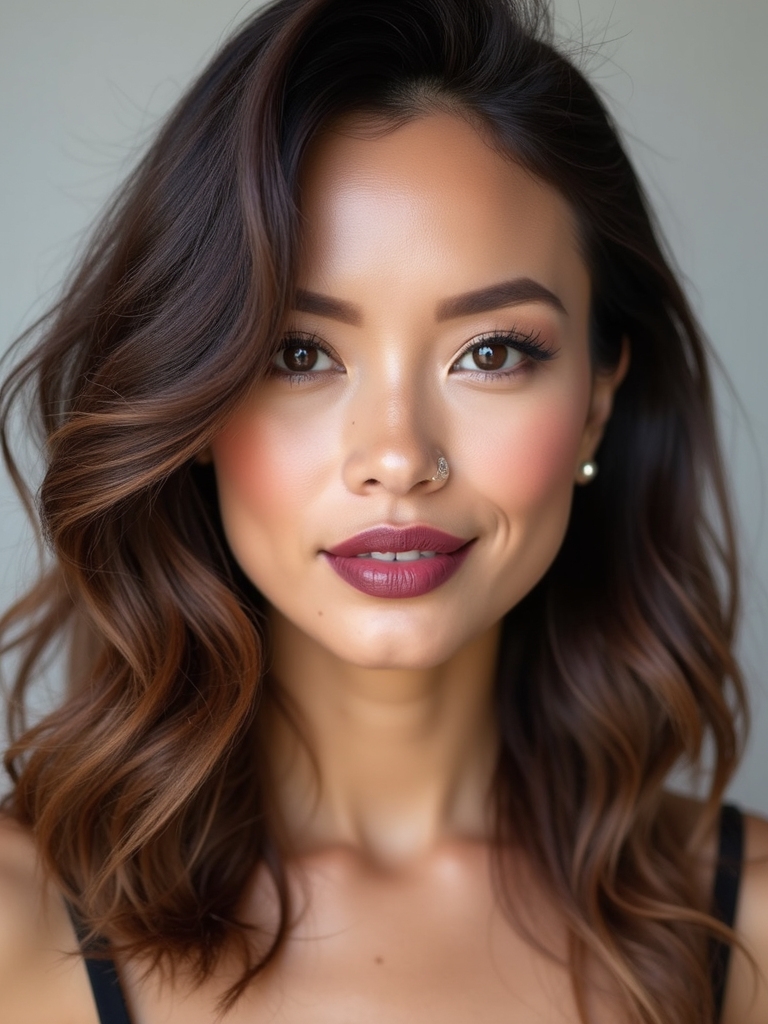
A deep side part combined with longer layers around the face draws a diagonal line down a round face, which does more to slim the look of the cheeks than layering alone ever could.
- Keep the shortest layer at or below the chin. Anything higher widens the face instead of lengthening it.
- A side part deeper than a typical part exaggerates the slimming diagonal even further.
- Layers that stop right at the cheekbone tend to work against a round face.
A Center Part Softens a Square Jaw
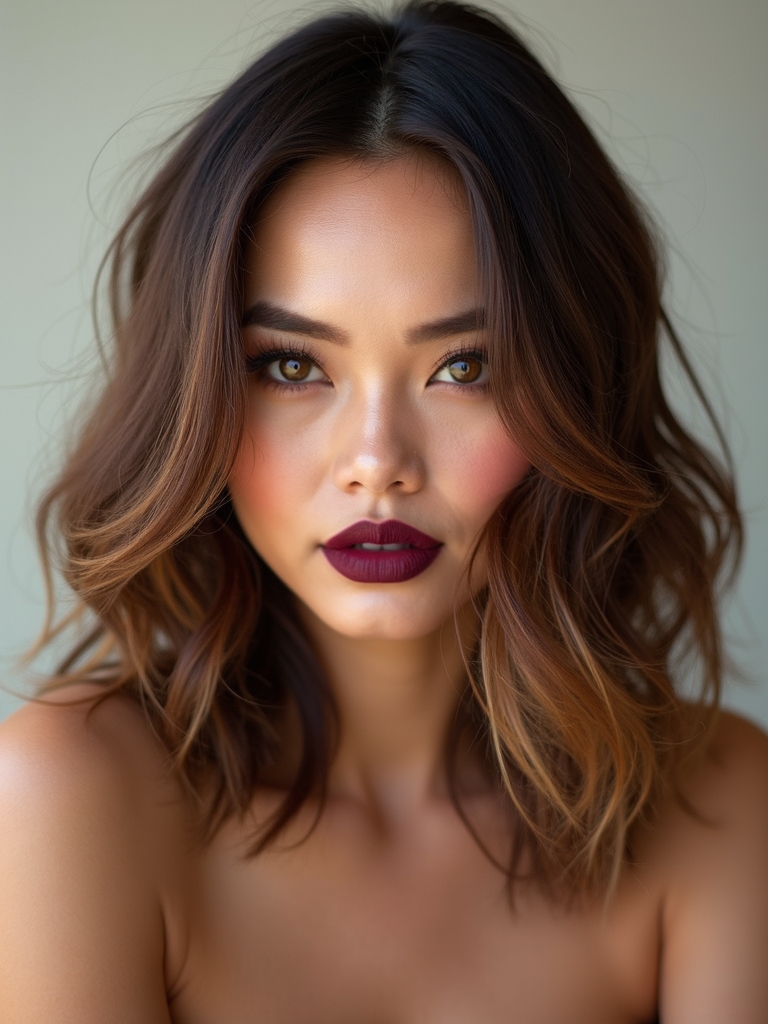
A center part paired with soft, symmetrical layers takes the sharp corners out of a square jaw. The part itself draws a straight vertical line, while the layers falling around it add movement that blurs the angle underneath.
Piecey, soft ends work better here than a single blunt line, since a hard edge would only echo the jaw it’s meant to soften. A little natural wave through the lengths adds even more of that effect.
This shape flatters most textures once the layering is placed correctly, and it needs very little daily styling to hold its softness: a rare combination for a mid-length cut this structured.
👍Why It Works for a Square Jaw
- +Softens strong angles with a straight, symmetrical part
- +Holds its shape across straight, wavy, or loosely curled texture
- +Needs very little daily styling once it’s cut in
👎Where It Can Fall Short
- –A dead-center part can look severe on a very long face shape
- –Needs enough layering, or the cut falls flat like a curtain
- –Less effective alone on a narrow forehead without added width up top
Curtain Bangs Layered Into the Front
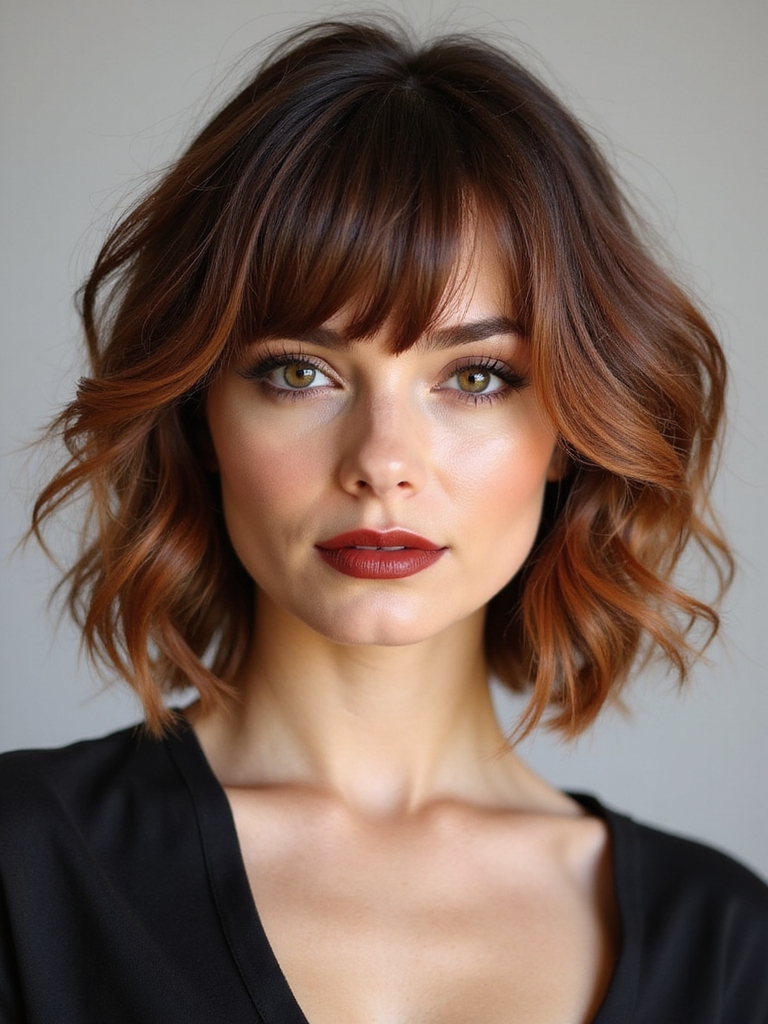
Curtain bangs cut into a mid-length layered shape frame the face without becoming their own separate styling project. The center-parted fringe sweeps to each side and blends straight into the surrounding face-framing layers.
It’s about as low-commitment as a fringe gets. There’s no harsh line to maintain, and the growing-out phase folds quietly into the rest of the layers. More on the fringe alone lives at curtain bangs.
- A quick pass with a round brush sweeps the pieces back into place after washing.
- The fringe blends into almost any face-framing layer cut at mid-length or longer.
- It grows out into the surrounding layers with no separate bang-trim required for months.
A U-Shaped Hemline With Feathered Ends
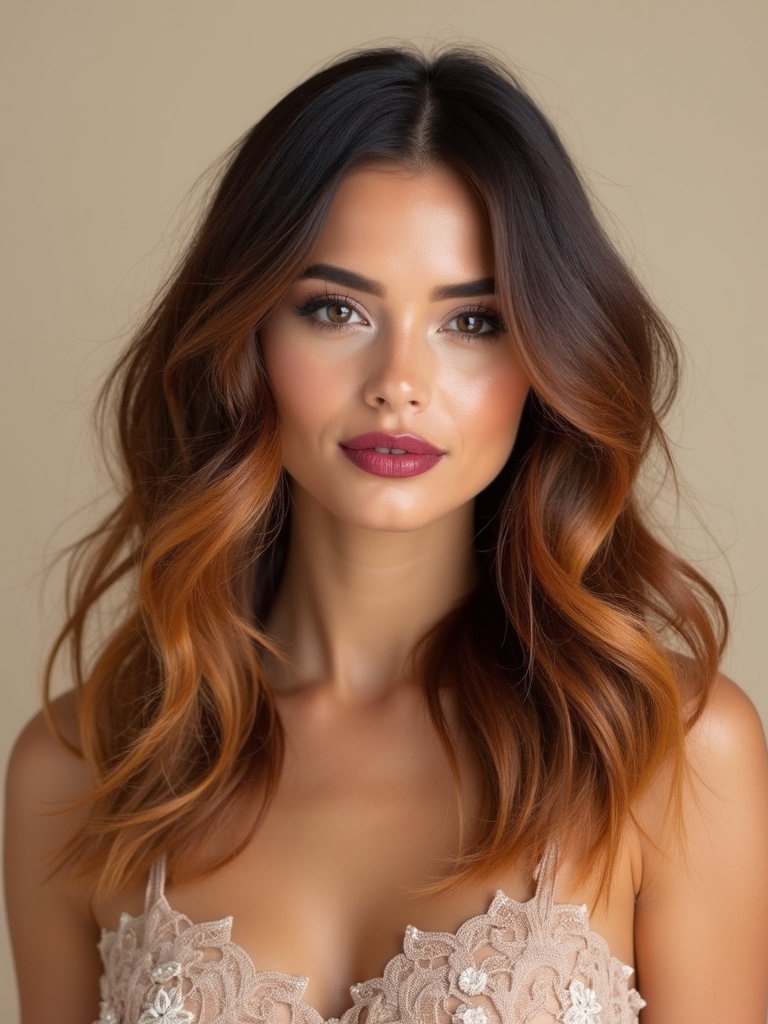
A U-shaped hemline, cut longest in the center and curving up toward the sides, keeps mid-length hair looking full and rounded at the bottom, avoiding the blunt straight-across line a one-length cut would leave.
Feathered ends add lightness to that shape without breaking it up the way choppy layering would, so the cut looks dense but still moves. It air-dries into a soft curve with just a little cream worked through the ends.
Choppy Layers for Straight, Flat Hair
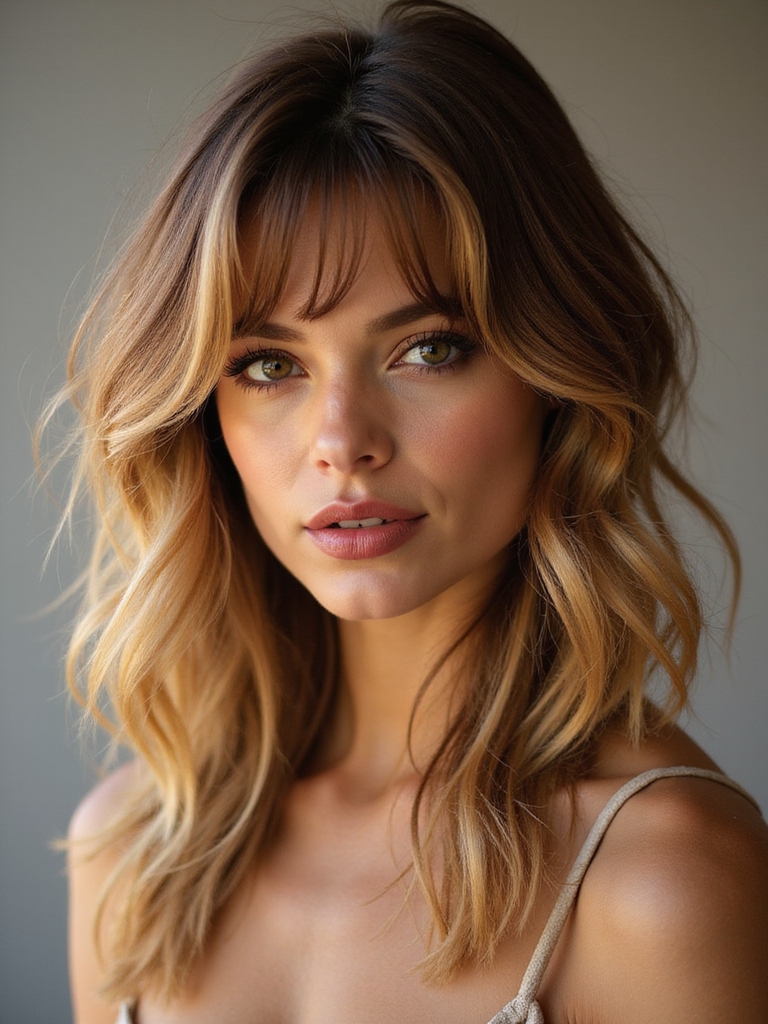
Flat, straight mid-length hair takes on the look of texture it doesn’t have naturally once choppy, point-cut layers go in. The visible separation between pieces breaks up an otherwise smooth, single-sheet fall.
It works well for hair that’s grown tired of hanging the same way every day. A texture paste worked through dry ends keeps the pieces defined, and the finished look comes across as current and a little edgy.
Defined Layers for Loose Curls
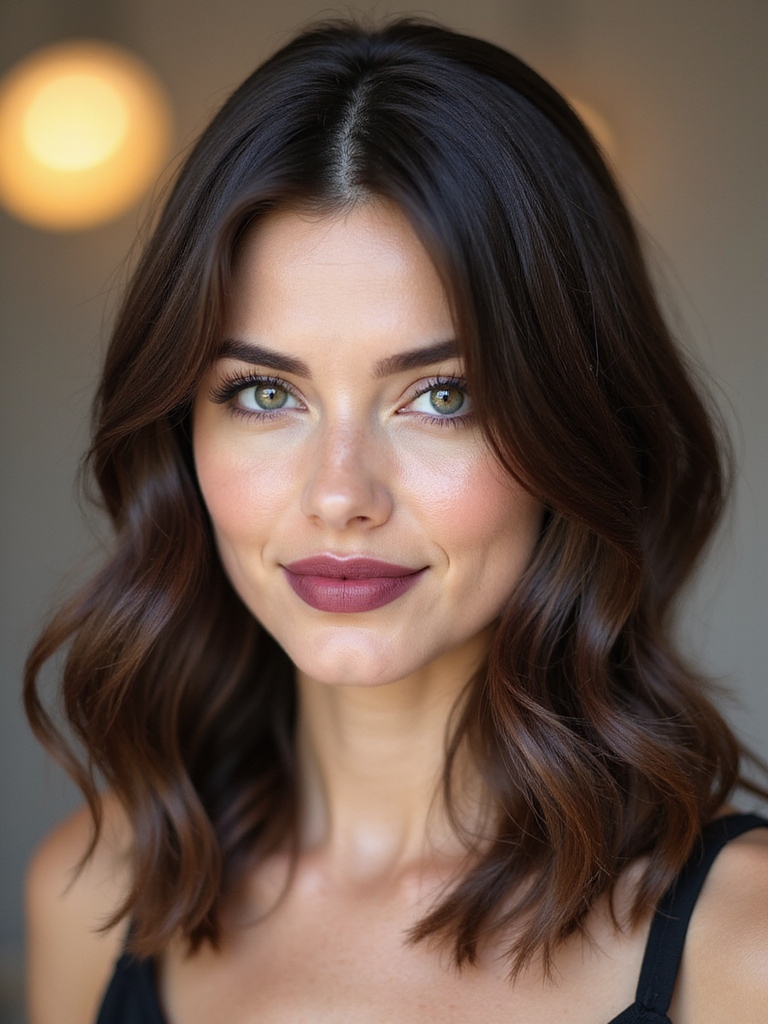
Loose mid-length curls hold their pattern better once some weight comes out through layering, which frees each curl to spring instead of stretching straight under its own density.
- Cut dry, in the curl’s resting pattern, so the layers land exactly where the curls actually fall.
- A light curl cream on wet hair keeps definition soft without turning crunchy once it dries.
- A satin pillowcase or a loose overnight wrap protects the shape from flattening while sleeping.
Styling Tips
The clearest sign that mid-length layers were placed correctly shows up weeks after the appointment, not in the chair. Fine hair should still hold some lift at the root without a fresh blowout. Thick hair should still move freely, without holding a stiff, helmet-like shape. Curls should bounce back into shape by the second or third day without help.
When none of that happens, length is rarely the problem; placement usually is. Layer placement built for the wrong texture barely changes how the hair actually falls.
Bringing reference photos and a plain description of hair type to the next appointment solves it far more often than assuming the cut simply failed. Most reshapes like these run around $65, well under a full color service at the same salon, so the fix folds easily into an existing appointment.
Layered Mid-Length Hair, Answered
?Can one layered mid-length cut work for every hair type, or does the technique really have to change?
The technique changes more than the length does. The same haircut name covers very different cutting methods — precise, damp-cut slicing for straight hair versus a dry, pattern-following cut for curls. Asking for ‘mid-length layers’ without naming a texture usually gets the wrong version.
?How is a wolf cut different from a regular layered mid-length cut?
A wolf cut pushes the shortest layers much higher, near the crown, and leaves the ends deliberately choppy and undone. A standard layered mid-length cut keeps the shortest layer closer to the cheekbone or chin, with a smoother transition into the rest of the length.
?Does layering make mid-length hair harder to grow out?
Less than people expect. Soft, blended layers grow into a slightly longer version of the same shape with almost no awkward stage, since there’s no single blunt line to reveal itself. Heavier styles, like the wolf cut, show the transition more and usually need reshaping sooner.
?What’s the best way to tell a stylist which version to cut?
Bring a photo of hair with a similar starting texture along with the finished look, since the same layering plan lands differently on fine, thick, or curly strands. Naming a face shape alongside the texture narrows it down even further.
Start With the Texture, Not the Trend
This season’s face-framing cuts trend softer than the razor-heavy versions popular a few years back, but the underlying rule hasn’t moved: the cut still has to answer to the texture underneath it more than to any saved photo.
Anyone unsure which version applies should start with the one built for their actual hair type first, then adjust from there once a stylist has seen how it falls. The full range of layered options, sorted by length, lives at layered hairstyles.
More to Browse