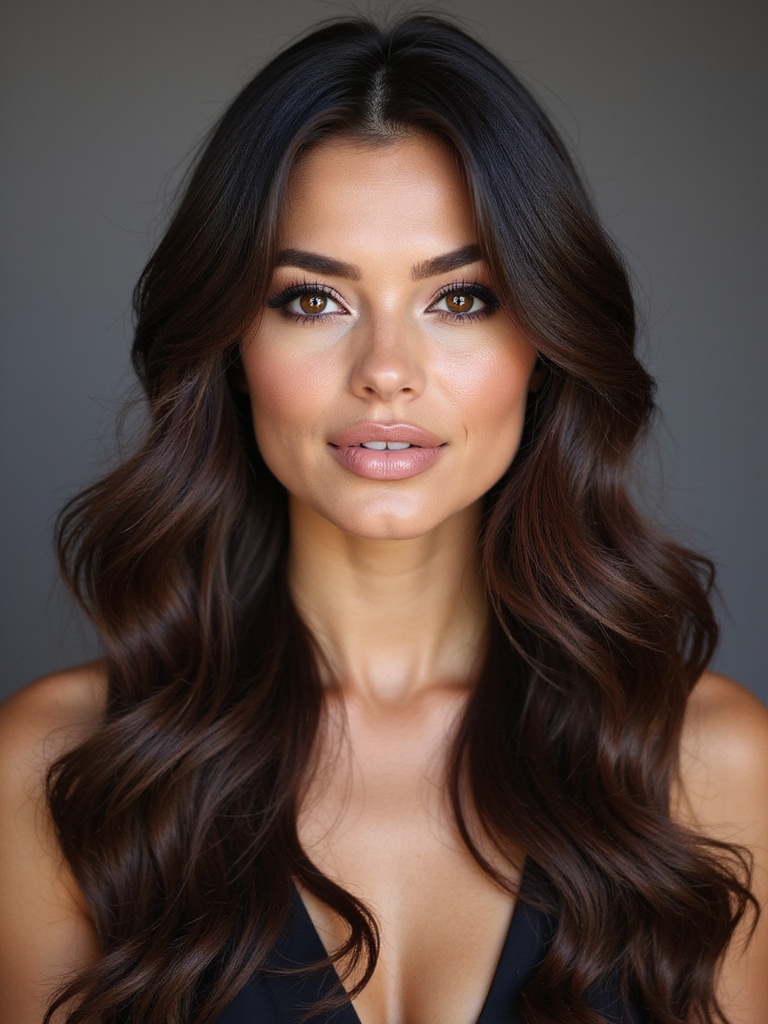
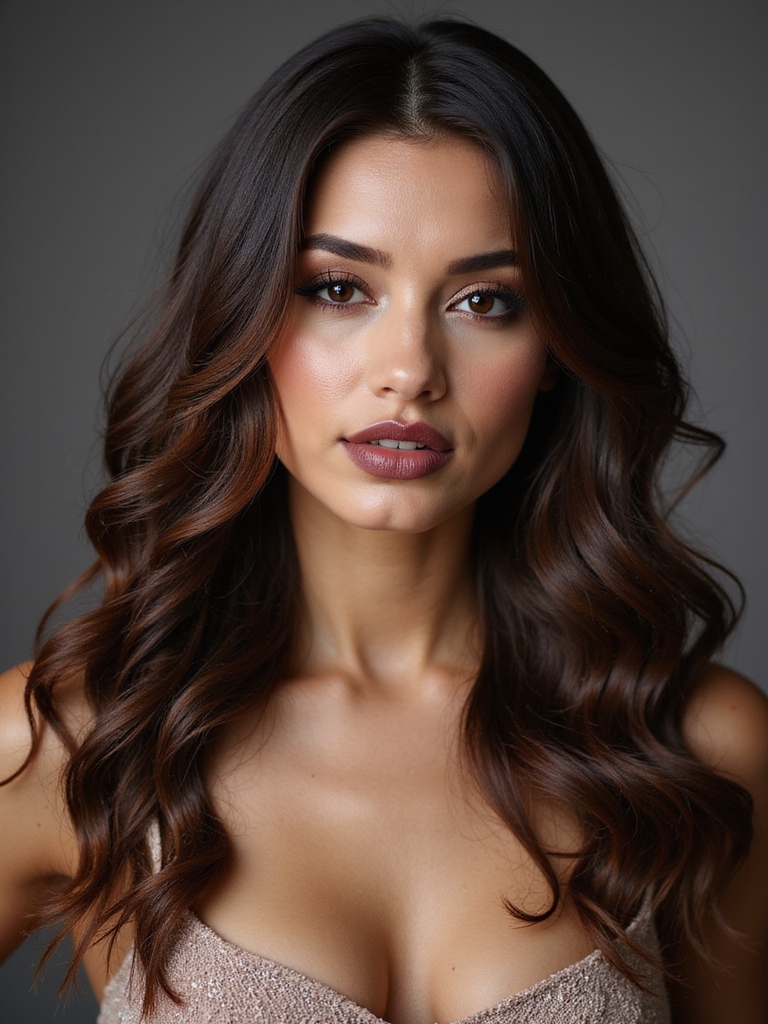
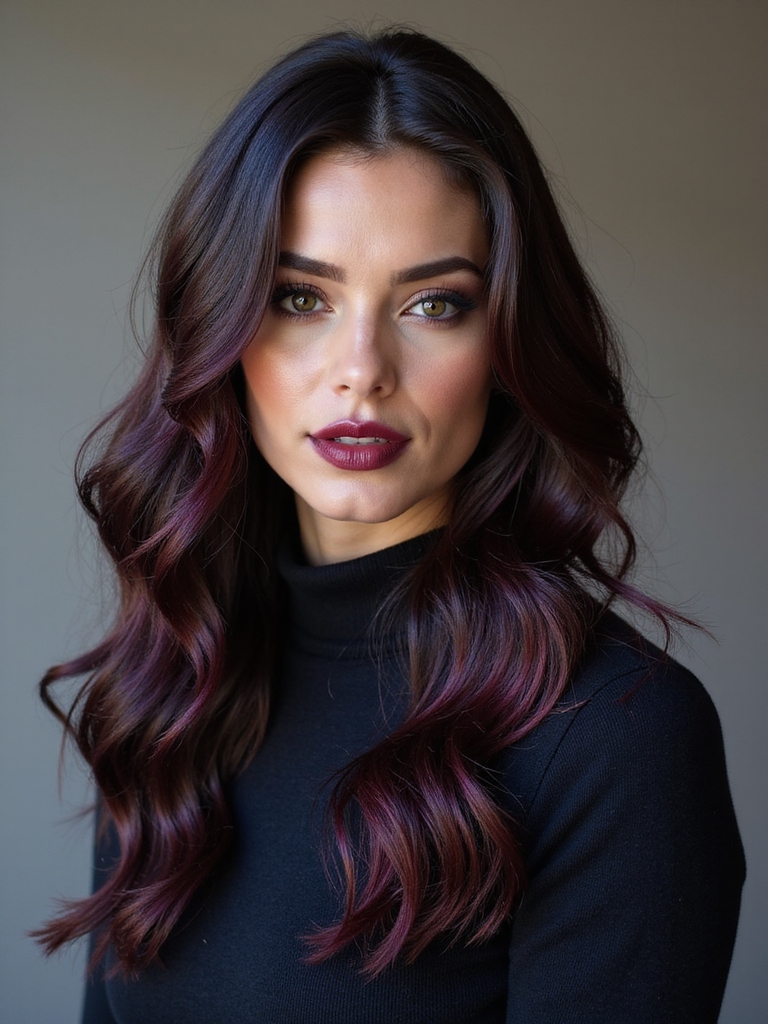
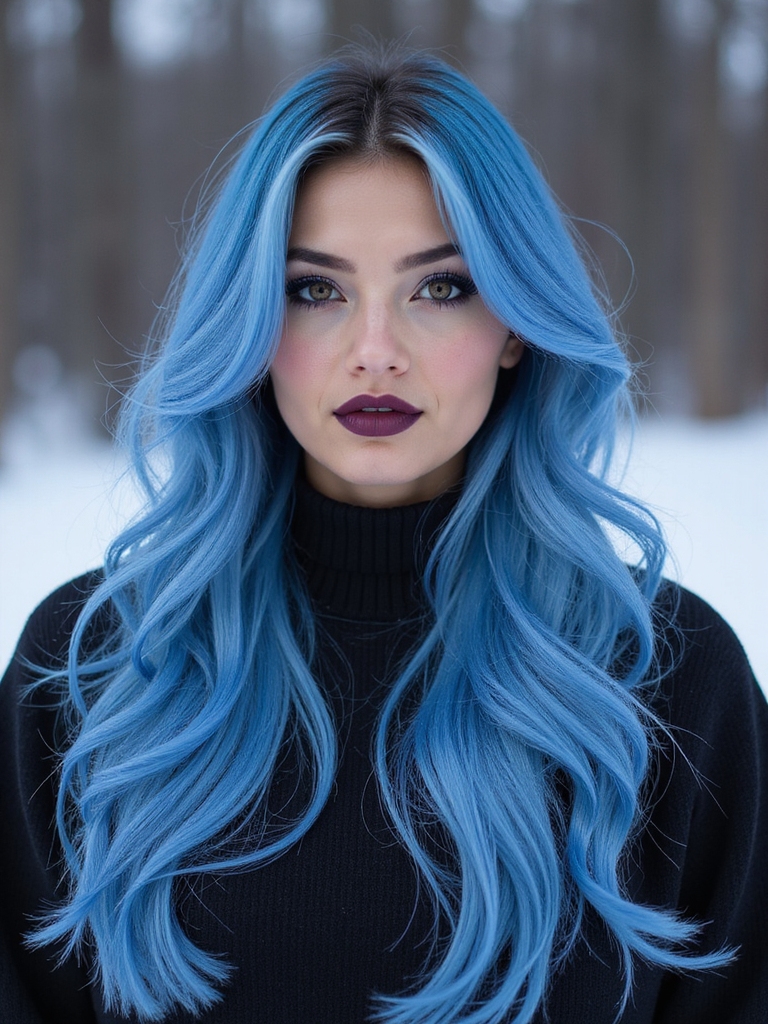
Brunettes get told two lies about winter. The first is that dark hair is boring, that going deep means giving up dimension. The second is that to look interesting you have to go lighter. I spend half my winter proving both wrong, because deep brunette color holds more dimension than people expect—the contrast between a rich base and a fine highlight is exactly where the eye goes.
So these deep winter hair color ideas for brunettes are built around technique as much as shade. Balayage, glazes, lowlights, babylights, ribbons, root melts—the same brown looks completely different depending on how the color is placed. I’ll show you what each method does and which winter look it builds.
The Short Version
The secret to deep brunette that doesn’t fall flat isn’t a different shade—it’s placement. Lowlights add depth with zero lift, glazes add shine and tone, balayage paints soft dimension, and babylights mimic the way hair lightens on its own. Match the method to how much upkeep you want, and the shade almost picks itself.
Most of these are low-maintenance by design. A deep base hides regrowth, painted color grows out softly, and a gloss every 6 to 8 weeks keeps any of them looking expensive. Budget $30 to $60 for a gloss and $150 to $250 for a balayage, and you’ve covered the upkeep for nearly everything here.
Chocolate Brown With Caramel Balayage

Chocolate brown with a caramel balayage is the deep brunette that proves dark hair can have serious movement. The painted caramel catches light through a rich chocolate base, so it looks dimensional with no regrowth line to manage. It’s the one I start most nervous color clients on, since the painted caramel hides any unevenness. The chocolate brown hair with highlights looks show how far you can push the contrast.
- Balayage paints color freehand, so it melts out of your roots without a stripe.
- Keep the caramel warm and soft so it looks sun-kissed, not striped.
- A gloss over the top ties the caramel into the chocolate base.
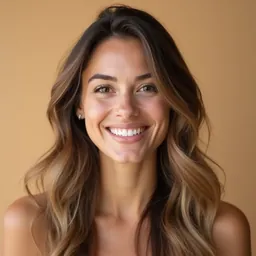
Deep Espresso Under a Cool Ash Veil

An ash veil is a sheer cool toner laid over deep espresso, and it’s how you keep deep brown from looking warm when you don’t want it to. The veil pulls out any red and leaves a sleek espresso that photographs cool and expensive.
- A toning glaze adds the cool veil without lifting a single strand.
- Best on cool and neutral skin that warm browns tend to wash out.
- Refresh the toner every month or so as the warmth creeps back.
The placement terms you’ll hear at the salon:
📖Balayage
Freehand-painted highlights that grow out without a hard line.
📖Glaze / gloss
A sheer, semi-permanent layer that adds shine and tweaks tone, with no lift.
📖Babylights
Ultra-fine highlights that copy the way hair naturally lightens.
📖Root melt
Blending your natural root into the color so regrowth stays soft.
Rich Chestnut With Copper Highlights

Chestnut with copper highlights is the warm-up move—proof you can warm up deep brown while staying well short of full red. Fine copper pieces through a chestnut base glow when the light hits and stay quiet when it doesn’t.
- Highlights here mean fine woven copper, not chunky panels.
- Warm and olive undertones glow; copper can fight very cool skin.
- A copper-depositing mask keeps the warmth from fading dull.
Mahogany Brown With Berry Undertones

Mahogany with a berry undertone is where deep brown borrows a little from red while staying brown at heart. The berry lives underneath the brown, so it looks like richness in flat light and wakes up to a soft wine when the sun finds it.
This is a tone you feel more than see, which is the whole point. It warms your complexion and adds a depth a plain brown can’t reach. A mahogany with a custom berry tone runs $90 to $150, and a berry-depositing conditioner keeps it from fading to flat brown.
It suits warm, olive, and neutral skin. The chocolate brown hair base is a good place to start if you want to ease into this rather than commit all at once.
How to keep a fade-prone tone (berry, copper, rose) alive:
1Wash cool, wash less
Hot water and frequent washing strip red and berry tones first.
2Deposit between visits
A tone-matched conditioner once a week refreshes the color without a salon trip.
Smoky Brunette With Beige Lowlights

Here’s a myth worth killing: lowlights are as powerful as highlights, and far gentler. A smoky brunette with soft beige lowlights gains a cool, hazy depth with no lightening at all, which means no damage and almost no upkeep.
- Lowlights only deepen, so there’s no lightening and no breakage risk.
- Beige tones keep the smoke cool and clean.
- Ideal when you want dimension with the lowest maintenance possible.
Velvet Brown With Chocolate Babylights

Babylights are the finest highlights there are, and through a velvet brown they add a glow so subtle you can’t quite tell where it starts. This is dimension for the people who swear they don’t want highlights.
Because the pieces are hair-thin, they grow out invisibly and you book them rarely. It’s the lowest-commitment way to break up a solid deep brown. A babylight service runs $120 to $180 and lasts months.
- Hair-thin pieces look like natural light, never stripes.
- Keep them within a shade or two of the base for a velvet melt.
- Grows out so softly you can skip a few months between visits.
ℹ️Good to Know
Adding darker lowlights to deep brown can actually make it look shinier. The contrast tricks the eye into reading more light bouncing off the lighter pieces, so dimension reads as shine.
Iced Mocha Face-Framing

Iced mocha pieces around the face are the fastest way to brighten deep brown without touching the rest of your head. A cool, milky-brown frame lifts your features where the light hits and leaves your length rich and dark.
Because only the front is lightened, the damage and upkeep stay tiny. It’s the move I suggest for anyone nervous about color who still wants a visible change. A face-frame runs $60 to $120 and refreshes a couple of times a year.
- Keep the mocha cool so it brightens without going brassy.
- Front-only placement means minimal lift and minimal upkeep.
- Gloss the rest of your hair to blend the frame into your base.
Rosewood-Infused Brown for Soft Warmth

Rosewood infuses deep brown with a dusty, rose-pink warmth that’s quietly become my favorite winter request. The rose lives inside the brown, showing as soft warmth in good light and reading as rich brunette the rest of the time.
A custom rosewood tone runs $90 to $160. Like all pink-leaning tones it fades, so a rose-depositing conditioner is part of the deal. It suits cool and neutral undertones best, and it’s worth finding a colorist who has mixed it before.
- The rose shows most in natural light, woven through mid-lengths and ends.
- A rose-depositing conditioner keeps it from fading to plain brown.
- Cool and neutral skin wear the dusty warmth most easily.
💡Hold Onto the Rose
Dusty and rose tones are the first to wash out of dark hair. Make your last rinse cool, add a rose- or pink-depositing conditioner once a week, and you’ll double the time before the warmth fades to plain brown.
Warm Walnut With a Honey Glaze

Walnut is a deep neutral brown, and a honey glaze laid over it adds warmth and shine in one step—no foils, no lift, just a richer, glowier version of your own brown. This is the case for glazes: they do a lot for a little.
A glaze is semi-permanent, so it fades gently and stays line-free as it goes, which is exactly why it suits anyone who dreads the grown-out look that all-over color leaves behind. It’s the cheapest, fastest way to warm up and shine up deep brown. A glaze runs $40 to $70 and lasts about 4 to 6 weeks.
- Glazes add tone and shine while staying gentle on the strand.
- Honey warms a cool walnut just enough without tipping brassy.
- Quick and affordable, so it’s easy to keep up in or out of the salon.
Deep Brunette With Sienna Underlights

Underlights work upside down: warm sienna pieces go in the under-layers so they peek out when you move. From above it’s a deep solid brunette; underneath, it glows.
I put a client in sienna underlights last winter who asked for nothing anyone would notice, and she spent the whole appointment flipping her hair to show it off. It’s a subtle drama, since people catch the warmth without spotting an obvious highlight. Sienna’s terracotta warmth suits deep brown beautifully and stays hidden enough to keep it work-appropriate.
Because the color lives underneath, it’s low-commitment and easy to grow out. The brown hair balayage technique places color much the same way, just higher up the strand.
Soft Black-Brown With a Dimensional Gloss

Soft black-brown is the deepest shade here that still isn’t true black, and a dimensional gloss is what keeps it from going flat. The gloss lays tonal depth and a mirror shine over the dark base, so it catches light instead of swallowing it.
Why Gloss Beats Flat Dye
A flat black-brown box dye looks heavy and matte. A dimensional gloss works subtle warm and cool tones into the dark, so it moves and shines. A salon gloss runs $40 to $70, and it’s the single best thing you can do for any deep shade.
It suits nearly everyone, since you can tune the gloss warm or cool. This is the deep brunette I’d recommend to someone who wants drama with the least possible damage.
Coffee Brown With Toffee Balayage

Coffee brown with a toffee balayage carries autumn’s warmth into winter—a rich brown lit with golden-brown painted pieces. It’s warmer than a caramel balayage and deeper than a honey one, which lands it squarely in cozy-season territory.
Getting the Toffee Right
Toffee is a warm, golden-brown that sits only a few shades up from the base, so it glows like depth rather than highlights. A balayage like this runs $150 to $250 and grows out for months. A gloss every few weeks keeps it from going brassy.
Warm and neutral undertones glow in it. The brown hair with blonde highlights looks push the same idea brighter if you want more contrast.
Rich Brunette With Espresso Ribbon Highlights

Ribbon highlights are wider, glossier pieces than babylights—think bold ribbons of espresso-dark and lighter brown woven together for a high-shine, dimensional brunette. It’s the technique for people who want their dark hair to read obviously layered.
The contrast between the ribbon tones is what makes it shine. Placed well, it looks like expensive, professionally lit hair. It’s a touch more upkeep than babylights since the pieces are visible, but still gentle next to all-over lightening.
It suits anyone who wants a deep brown that clearly has movement. A gloss keeps the ribbons from separating into stripes as they grow.
Cinnamon-Kissed Brown With Copper Highlights

Cinnamon-kissed brown is the warmest deep brunette on the list—a brown with a true spice-warm glow, lifted by fine copper highlights. It busts the idea that warm-toned brunettes look dated; done with careful placement, it looks current and rich.
Keeping Warm From Going Brassy
The line between warm-and-rich and brassy-and-cheap is all in the toner. Ask for a glossed, sealed copper, and skip the clarifying shampoo that strips it. A copper-depositing mask every couple of weeks holds the spice in place.
Warm and olive undertones were made for this one. It’s the shade I point clients to when they want warmth that still looks expensive.
Dark Chocolate Base With a Warm Root Melt

A root melt is the move for color that never shows a harsh regrowth line—your natural root blends softly into a dark chocolate base, so it grows out invisibly. It’s the most low-maintenance technique here, full stop.
- A root melt blurs the line between your roots and the color.
- It lets you go 10-plus weeks between touch-ups with no obvious grow-out.
- Pairs with any deep brown to make it lower-maintenance.
Styling Tips to Show Off Deep Brunette
Deep brunette earns its richness from how you finish it. Shine is everything—a few drops of lightweight oil or a shine spray on dry hair makes any of these shades look more expensive in seconds. Skip heavy waxes and pastes that go matte and dull, since deep color needs light bouncing off it to show its depth.
Texture shows dimension. Soft waves and curls reveal the painted pieces and ribbons that a poker-straight style hides, so even a quick bend with a flat iron pays off. And do your color a favor in winter: a satin pillowcase and a weekly gloss or shine treatment keep the cold, dry air from dulling all that depth. For more cold-season shade inspiration, browse the hair color ideas for winter roundup.
Deep Brunette, A Few More Questions
?Does deep brown really hold dimension, or does it just look flat?
It holds plenty, but only with placement. A solid block of dark dye does look flat. Add lowlights, a few painted pieces, or a dimensional gloss and the same depth suddenly reads rich and layered.
?Which technique is the most low-maintenance for dark hair?
A root melt or a deep gloss. The melt blends your regrowth so there’s no line to chase, and a gloss refreshes tone and shine with no lift. Both stretch the time between salon visits the furthest.
?How do I keep warm deep tones from turning brassy?
Cool water, a sulfate-free wash, and a gloss to seal the tone. Skip clarifying shampoos, which strip warmth fast, and use a tone-matched depositing conditioner between visits to hold copper, toffee, or cinnamon true.
?Can I add dimension to dark hair without damaging it?
Yes. Lowlights, glazes, and babylights add depth with little or no lift, so they’re gentle on the strand. Lean on those before all-over lightening, and keep any painted pieces off your roots to protect new growth.
Go Deep, and Don’t Look Back
If you’ve ever been talked out of dark hair because someone called it boring, this list is your permission slip. Deep brunette is the richest, most forgiving color there is, and the technique you choose—balayage, glaze, lowlights, ribbons, a root melt—decides how much movement and how little upkeep you get.
So pick the method that fits your life, screenshot the shade you love, and book a consultation before you commit. Tell your colorist which look here pulled you in and let them tune it to your skin. Try the deep end this winter; the light up here is better than it looks from the shallows.
Next Up