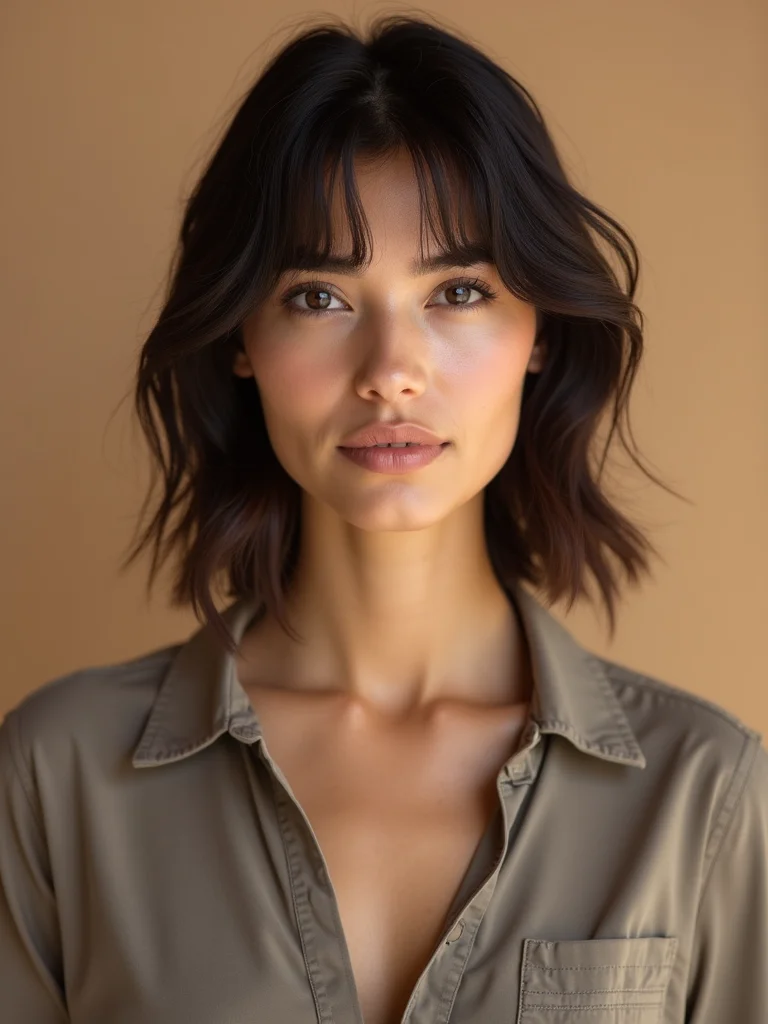
What actually makes long hair easy to live with: the length, or the cut underneath it? Hair cut in one solid line fights back every morning, hanging heavy until movement gets forced into it by hand. Layered long hair solves that at the root, since the weight comes out before styling ever starts, letting the hair fall into shape and dry into something wearable without much intervention.
Sixteen layered long hair ideas follow, each noted for how it actually behaves on an ordinary, rushed morning.
Layers Matched to the Problem
| Hair Concern | Best Pick | What It Solves |
|---|---|---|
| Flat, heavy length | Feathered ends or invisible layers | Removes bulk without losing length |
| Fine, thin-looking hair | High-placed volume layers | Builds the look of density at the crown |
| Thick, hard-to-dry hair | Internal weight removal | Cuts drying time, adds movement |
| Growing hair out | Subtle grow-out-friendly layers | No awkward stage, fewer trims needed |
Soft Face-Framing Layers on Long Hair

Face-framing layers are the smallest change long hair can make for the biggest visible payoff, touching only the pieces nearest the face and leaving everything below it alone.
Why This Is the First Upgrade Most Stylists Suggest
On a rushed morning, those framing pieces fall into a flattering sweep whether the rest air-dries or gets blow-dried, adding shape at the face with no real change to the routine underneath. Nothing else has to move.
Plan on around $70 as part of a full cut when layers get added specifically for face-framing; folded into an existing layered cut, it typically costs nothing extra.
Airy Feathered Ends for Weightless Movement

Feathered ends taper the very bottom of long hair into fine, airy pieces, taking the heaviness off so the length swings and moves on its own. The technique works with a razor or point-cutting shears, whichever a stylist prefers for the texture involved.
- Lighter ends mean less product and faster drying time overall.
- A weekly deep conditioner through the tapered tips keeps them from drying out.
- Best on medium-to-thick hair that currently feels heavy at the ends.
Long Blended Layers for Subtle Shape

Blended layers melt into the length with no visible line, adding quiet movement while keeping long hair looking thick and close to all-one-length from the outside. The change shows up in how it moves day to day, far more than in any visible line.
It’s the choice for anyone who wants more life in the hair without anyone being able to point to an actual cut, and it works on nearly any density.
- The shape stays invisible. No obvious step or line to manage.
- Long hair keeps its full, dense look at the ends.
- Styling routines don’t need to change at all.
Curtain Bangs Paired With Cascading Length

Curtain bangs give long hair a quick refresh at the front without cutting into the length at all, the center-parted fringe framing the face and flowing straight into everything behind it.
The Most Forgiving Fringe There Is
A curtain fringe sweeps back with one round-brush pass on a styled day, and on a lazy day it just falls to the sides and still looks deliberate. More on the fringe itself lives at curtain bangs.
It suits nearly any face shape, since the center part keeps it from boxing in either side.
A U-Shaped Cut With Light Interior Layering

A U-shaped cut keeps the ends full and rounded while light layers underneath add movement without thinning the perimeter.
Full Ends, Real Movement
The curved shape looks healthy and dense at the bottom, avoiding the thin, stringy look a straight-across cut can develop over time on very long hair.
It air-dries into a soft curve on its own, and a quick round-brush pass polishes the shape further for anyone who wants a smoother, more finished version for the day.
Two assumptions about layering long hair worth checking:
❌ Myth: Layers always mean losing significant length.
✅ Reality: Interior layering can add movement while barely touching the visible length at all; the shortest layer decides how much shows, not how many layers there are.
❌ Myth: A layered cut looks messier than a blunt one.
✅ Reality: A U-shaped or gently curved perimeter with soft interior layers can look just as clean and structured as a blunt cut, just with more give.
A V-Cut Back for Dramatic Flow

A V-cut back tapers to a sharp point, making long hair look even longer by drawing the eye straight down to that point.
More Drama, Same Easy Routine
It’s bolder than a U-shape, but no harder to maintain day to day; the point falls into place on its own when the hair air-dries. No extra tools needed.
Denser hair fills out the V best; thinner hair can look a little sparse right at the point unless layers stay minimal there.
Invisible Layers to Enhance Natural Texture

Invisible layers get cut inside the hair rather than at the visible perimeter, removing weight from underneath so texture the hair already has can show through more freely.
Where the Work Actually Happens
Wavy hair waves more; straight hair moves more, all while the surface looks barely touched. It’s a technical cut that depends heavily on the stylist doing it.
Asking specifically for internal or invisible layering by name matters here, since it’s a distinct technique from standard visible layering.
📋Before Asking for This Cut
- ✓Mention any natural wave or texture upfront, since the whole point is enhancing what’s already there.
- ✓Ask whether the stylist regularly does internal layering versus only visible layers.
- ✓Expect the biggest difference in movement, not in the shape immediately after the appointment.
A Layered Cut for Fine Hair Volume

Fine long hair goes flat and stringy without help, and a light layered cut gives it body it doesn’t have on its own. Soft layers placed high lift the crown while a fuller perimeter keeps the ends from wisping out and looking see-through by the end of the day.
The volume holds past breakfast, which is the real test for fine hair, since most volumizing tricks fade within an hour or two of getting dressed.
- Working a lifting product into the roots, then drying the crown upside down for a minute, sets the volume for the day.
- Layers stay soft and placed high, protecting the ends and building lift right at the crown.
- Heavy oils and creams flatten fine hair fast; lighter, spray-based products work better here.
Shaped Layers for Thick Hair

Thick long hair carries the most weight of any texture on this list, and shaped layers lighten it from underneath so daily styling stops being a chore.
Removing internal weight lets the hair fall and move, and drying time often drops noticeably once the bulk comes out.
Pointing out the specific spot that feels heaviest, often low toward the back, helps a stylist concentrate the thinning exactly there. A deeper breakdown of the technique is at long layered haircuts for thick hair.
A quick way to figure out how much layering thick hair actually needs:
1Does the hair take more than fifteen minutes to blow-dry?
That usually points to significant internal weight; heavier layering through the interior will cut drying time the most.
2Does the hair hold its shape, or does it just get heavy and flat?
If it holds shape but feels heavy, lighter layering focused only at the very ends may be enough.
A Long Shag With Piecey Texture
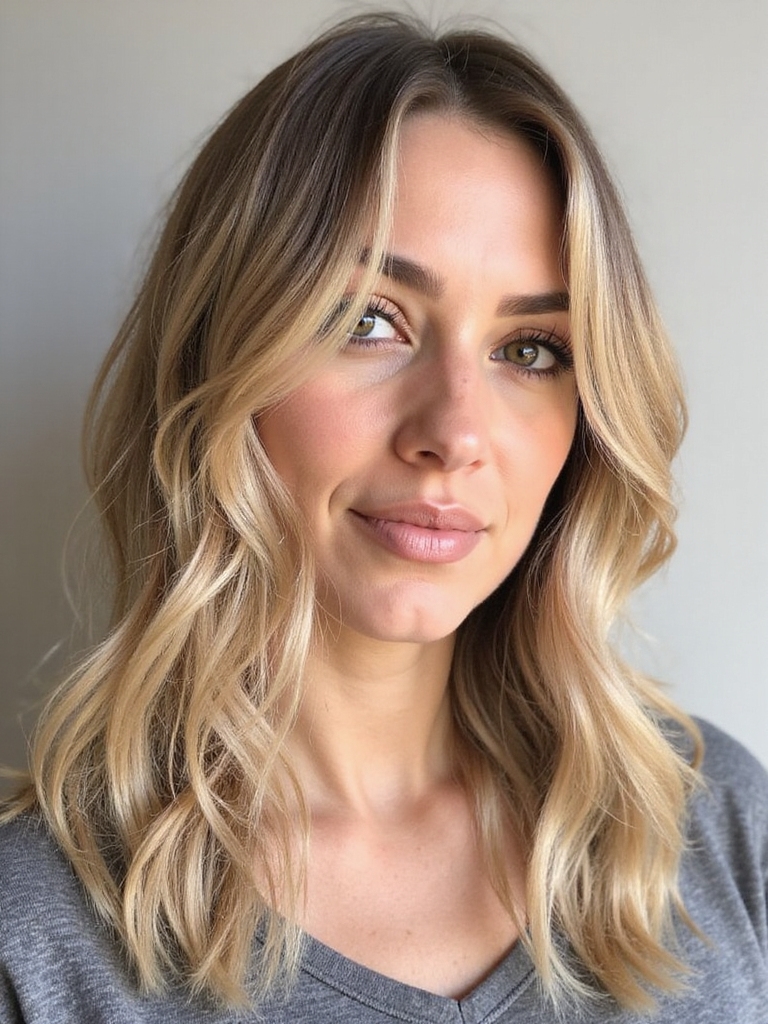
A long shag brings heavy layering and deliberately piecey texture to long hair, built for movement rather than a clean, blended line. Texture is the whole idea.
It looks better undone, so skipping the blow-dry on a given day actually improves the shape.
A texturizing spray scrunched through damp or dry hair is close to the entire routine most days, and reshaping visits can stretch out further than a blunt cut allows since the uneven ends hide the regrowth line. For the shorter, choppier cousin of this cut, see the wolf cut.
Beachy Layers for Easy Waves

Beachy layers taper long hair to fall into soft, loose waves with very little effort, giving the ends room to bend and catch air as they dry. The layering is what separates a real beachy texture from hair that just looks limp and undone.
- A salt spray worked through damp hair, then left to air-dry, is close to the whole routine.
- Works best with at least some natural wave or bend already in the hair.
- Scrunching once and leaving it alone usually beats restyling throughout the day.
Curly Layers That Define Without Bulk

Curly long hair needs layering to keep the length from piling into one heavy triangle, and the right layers work with the curl pattern on purpose. Without them, the weight at the bottom pulls every curl straight down into one dense shape.
- Cutting happens dry, in the curl’s resting pattern, so layers land where each curl actually settles.
- Long curls cascade in defined, springy sections all the way down.
- More on the approach lives at layered curly hair.
Layered Ends With a Glossy, Sleek Finish

This version keeps long hair smooth and shiny with only subtle layering worked in for movement, a polished take built for anyone who wants healthy-looking length with a little life at the ends.
A smoothing blow-dry finishes the look in a few extra minutes over a plain air-dry, landing somewhere between salon-polished and everyday-easy.
Regular trims and a weekly conditioning treatment keep the glossy ends from splitting, since shine shows up best on hair that’s actually healthy. For a shorter take on the same polish, see long layered bob.
Face-Framing Layers With a Side Part

A deep side part paired with face-framing layers adds instant asymmetry and root volume to long hair, the part itself sweeping the front pieces across on a flattering diagonal. It’s a quick, no-cut way to change up an existing layered style from one day to the next.
- The layers carry that diagonal line down through the rest of the length.
- Switching to a center part on other days gives an entirely different look from the same cut.
- The deep part alone adds noticeable volume at the roots without any product.
Getting the side-swept frame to sit right takes about two minutes:
1Find the natural part first
Run a comb straight back from the forehead to locate where hair naturally splits before forcing a deeper part elsewhere.
2Deepen the part gradually
Move the part an inch or so past the natural line before trying anything more extreme.
3Direct the framing pieces forward while drying
Aim a blow-dryer or diffuser toward the face to train the front layers into the sweep.
Mid-to-Long Layers for Ponytail Flair

A good ponytail is its own kind of everyday luxury, and mid-to-long layers are what keep a pulled-back tail looking full and thick.
What Actually Makes a Ponytail Look Intentional
The layers add body throughout the tail, plus loose framing pieces around the face once everything else gets pulled back.
Leaving the shortest framing pieces out when tying it up softens the whole look and hides the elastic at the same time, turning a plain, tight ponytail into something that looks considered rather than rushed.
Subtle Layering for a Grow-Out-Friendly Style

For anyone trying to grow long hair even longer, soft, minimal layering keeps the shape looking intentional without setting the length back.
The layers blend into the length as it keeps growing, so there’s no awkward in-between stage and no real pressure to book a trim on a strict schedule.
- Soft layers lengthen right along with everything else growing out.
- Trims can stretch out much further than with a more defined cut.
- Ideal specifically for anyone still chasing more length before worrying about shape.
Styling Tips
Matching a layer style to an actual morning routine matters more than picking whatever looks best in a single photo. Anyone who air-dries most days should lean toward feathered ends, invisible layers, or a shag; anyone who blow-dries daily has more room for face-framing pieces or a glossy, sleek finish.
Across nearly every version here, layered long hair holds its shape for roughly two to three months before the ends need reshaping, longer than most people expect from a cut this detailed.
The Cut Does the Work the Length Can’t
Long hair’s real luxury isn’t the length itself, it’s long hair that behaves: falls into shape, holds a ponytail, dries into something wearable without a fight. Layers are what remove the weight causing that fight in the first place, leaving the movement that makes the length worth keeping.
The right version here depends on texture and how much time actually gets spent styling each morning, not on whichever look photographs best.
Favorites to Revisit