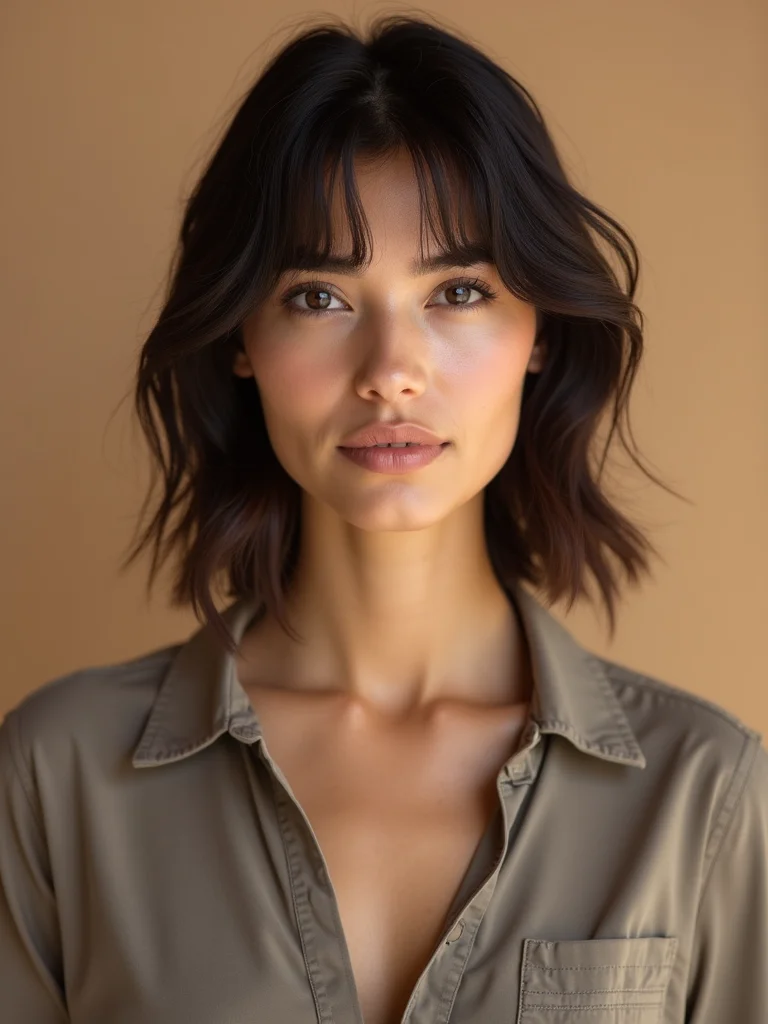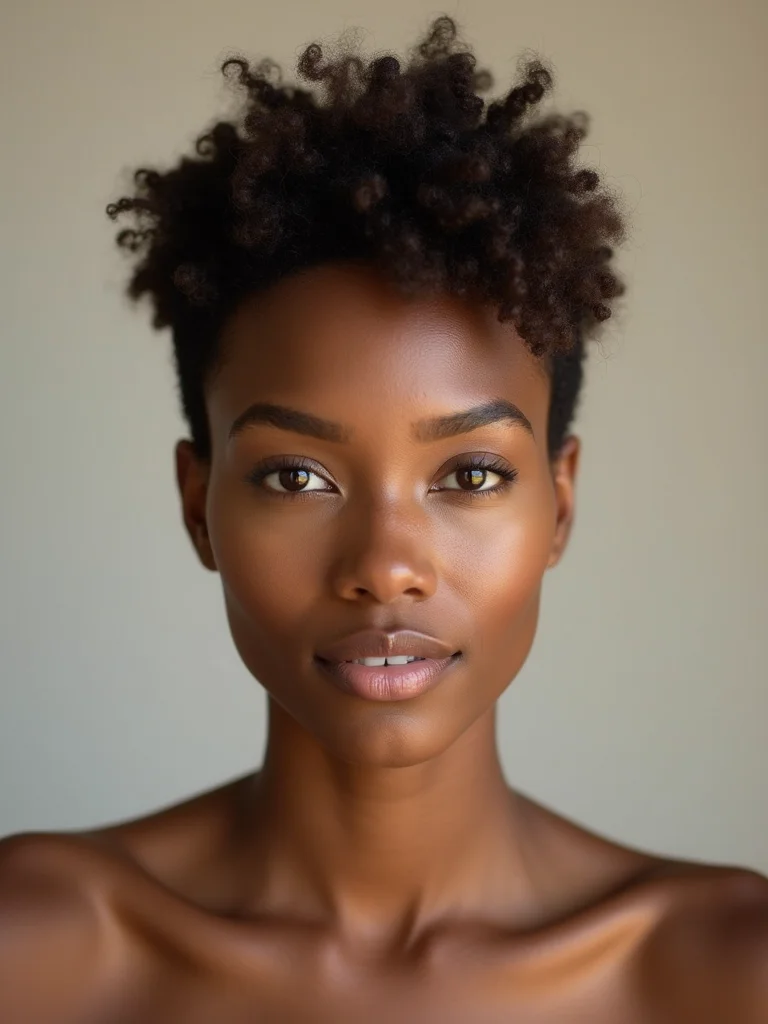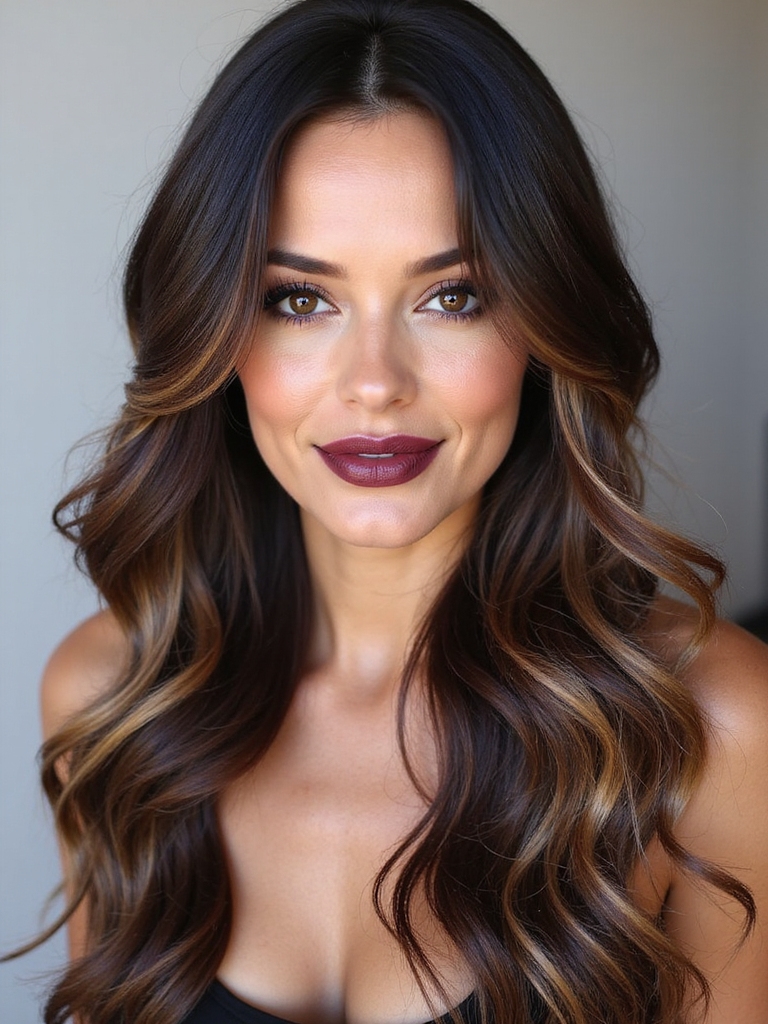
Fine hair spends its life chasing the impression of volume. Thick hair has the opposite problem: it already carries more density than it knows what to do with, and length just piles further weight on until the ends sit like a heavy shelf that refuses to move.
Long layered haircuts for thick hair fix that by taking bulk out from the inside, where it actually counts, instead of thinning the ends into stringy wisps. The fifteen cuts below range from gentle reshaping to dramatic weight loss, so the length and ends stay full no matter which one you pick.
Weight Loss at a Glance
| Approach | Weight Removed | Everyday Upkeep |
|---|---|---|
| V-cut + interior debulking | Most | Regular re-debulking as hair grows |
| Slide-cutting or texturizing | Moderate | Low; blends back in naturally |
| U-shaped cascading layers | Least | Minimal, shape more than thinning |
Slimming Face-Framing Layers
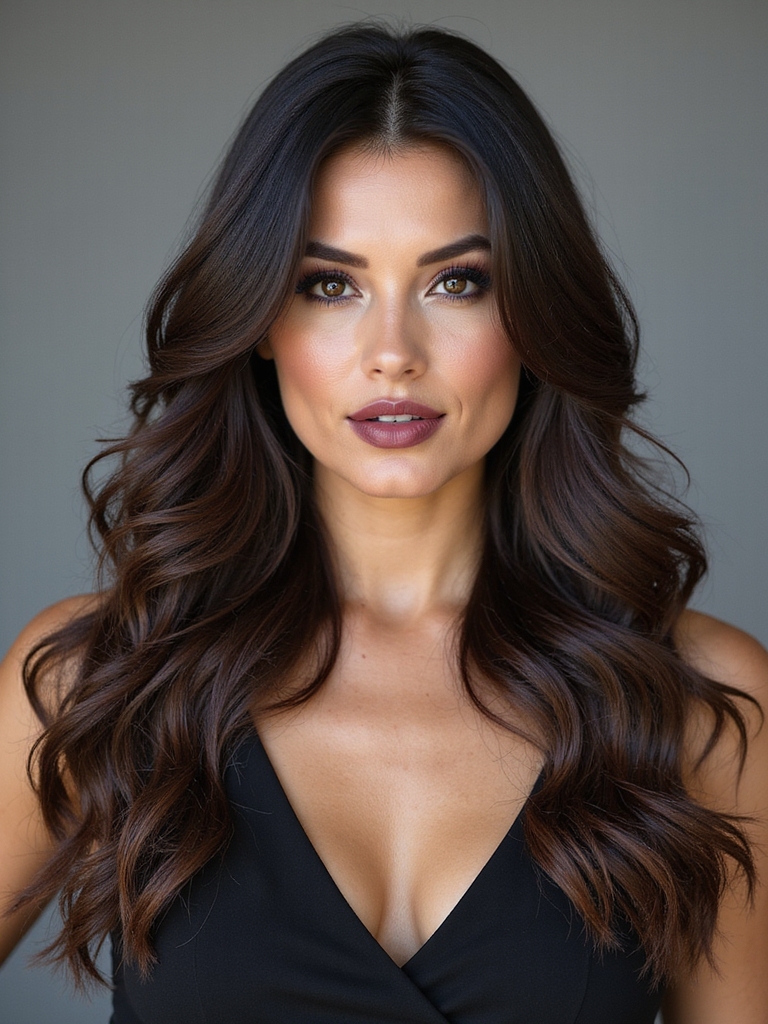
Face-framing layers pull double duty on thick hair: they flatter your features and cut the visual weight sitting right beside them. The shortest, lightest pieces land at the cheekbone and jaw, breaking up the solid curtain that thick hair otherwise hangs in, so the sides taper in toward your face for a softer line.
Where the Slimming Effect Comes From
I tell clients the framing pieces are the last part of the cut to relax as everything else grows out, since they’re cut shortest and hold their shape longest. That makes this an easy layer to live with between visits.
A round brush curves the pieces toward your face for a polished finish; left to air-dry, most textures do something similar on their own. For more on how framing layers shift with length, layered cut runs through the shorter versions too.
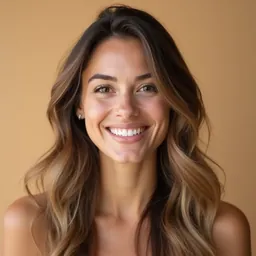
Round Layers for Balanced Movement
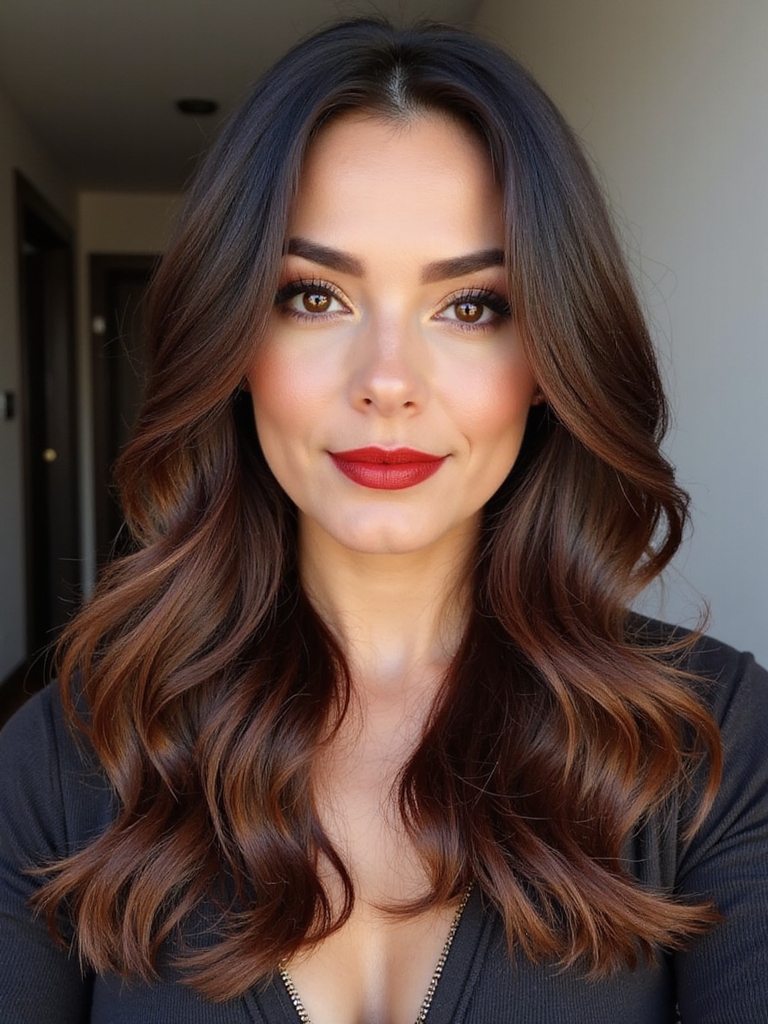
Round layers spread thick hair’s weight evenly, in place of letting it pool at the bottom. The layers step down in soft, rounded stages through the whole head, so bulk that would sit low and wide gets distributed, and the hair moves together at every level.
It’s a classic pick for thick hair that wants motion without anything dramatic: no steep angles, no heavy texturizing, just an even, rounded shape that swings when you turn your head.
- Works on any length once hair passes the shoulders.
- A round brush brings out the bounce fastest.
- Pairs well with a soft, all-over wave.
Not sure where to start? Match your priority to the cut.
🎯I want dramatic swing
Go with a V-cut and interior debulking. It removes the most weight.
🎯I want to keep all my length
Ask for round layers or invisible interior layers instead.
🎯I want texture, not just less weight
A shag or texturized cut turns bulk into deliberate movement.
Invisible Interior Layers to Remove Density
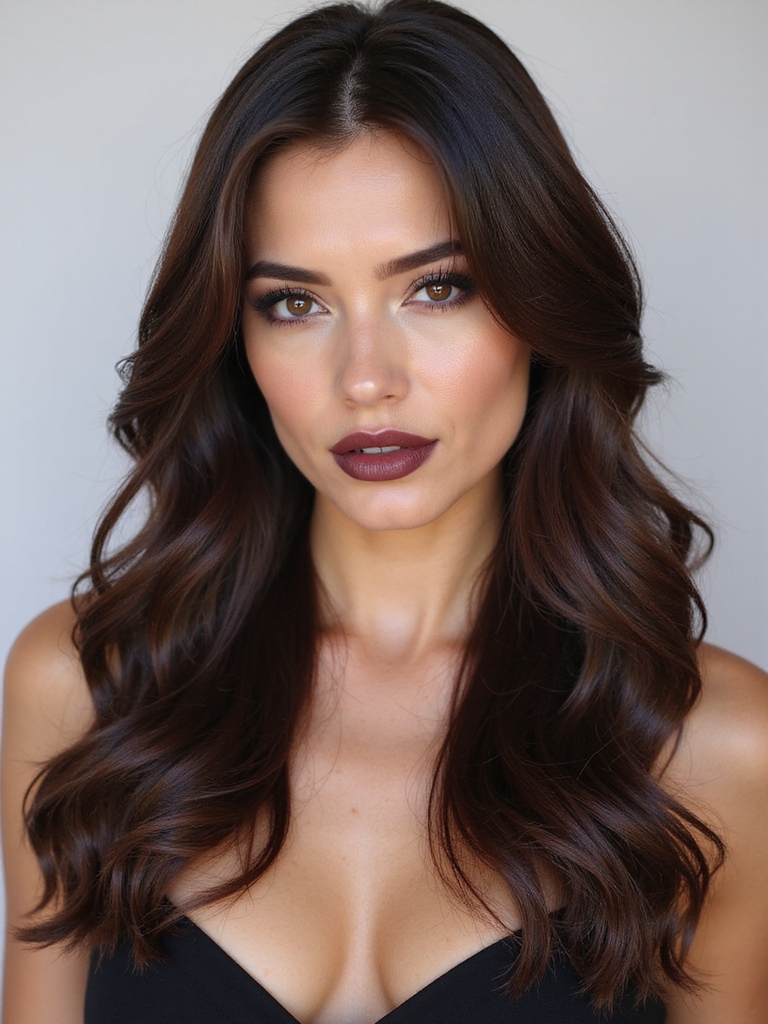
When you want thick hair to feel lighter without changing how it looks, hidden interior layers do the work. The stylist removes density well beneath the surface layer, so the outline and length stay exactly the same while several ounces of weight quietly disappear.
Nobody can spot the layering from the outside, which is the whole appeal for anyone who loves the shape of their hair and just wants it to weigh less. The payoff shows up in how the hair dries: faster, with far less product needed to control it.
Feathered Ends for an Airy Finish
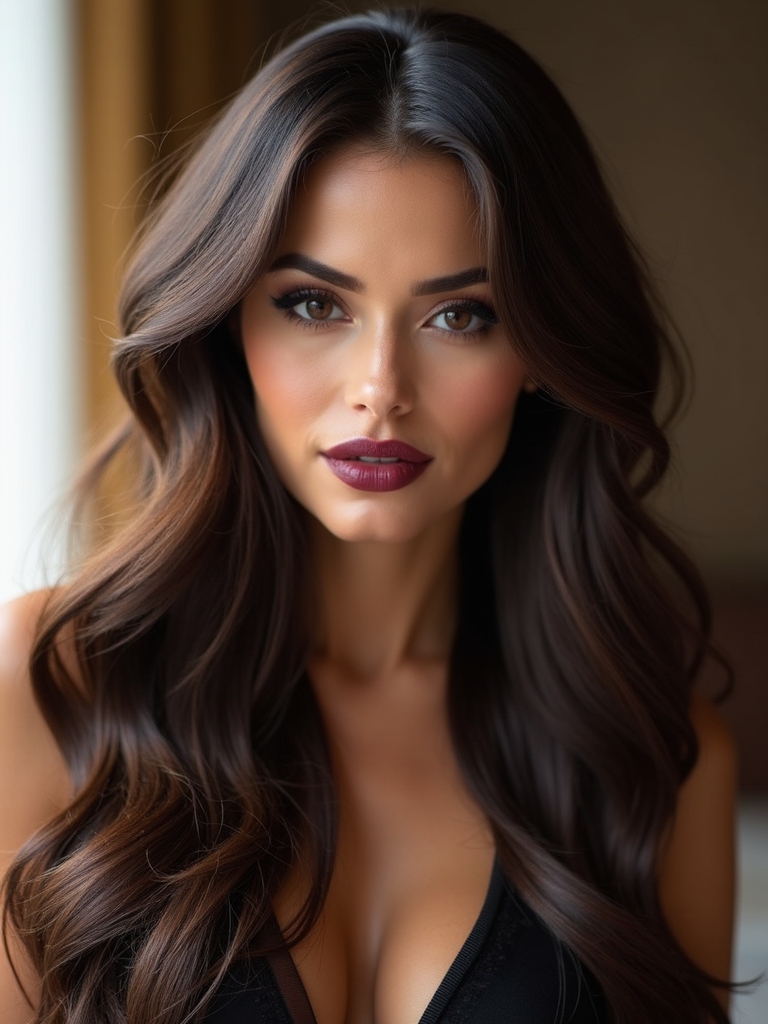
Feathering targets thick hair’s weight exactly where it collects: the bottom few inches. The tips are tapered into soft points, so the ends flutter and separate into soft, floating points.
It’s a targeted fix more than a full rework. The interior and length stay untouched; only the ends get lighter, which makes this the gentlest option here for hair that’s mostly happy but stiff at the tips.
A texture cream on damp ends emphasizes the feathering without weighing the tips back down.
U-Shaped Cut With Cascading Layers
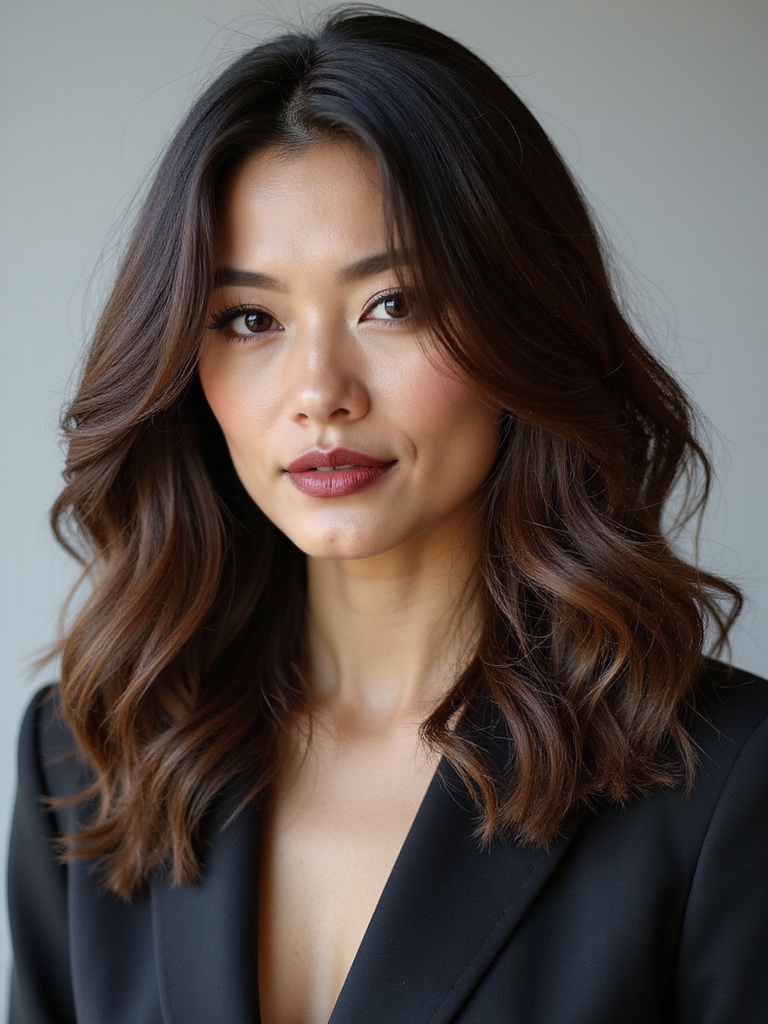
A U-shaped cut suits thick hair you don’t want thinned much at all. The hem rounds into the base of a U, keeping the back long and full, while cascading layers add soft, tumbling movement without stripping out the density.
This is the gentlest shape-first option on the list, more rounding than removing, built for anyone whose thick hair is a point of pride and just needs somewhere for the movement to happen. A soft wave brings out the cascade beautifully.
ℹ️The Gentlest Option
A U-shaped cut is about the lightest weight-loss move you can make on thick hair: most of what changes is shape, not volume. If you’ve been layered before and hated how thin the ends felt afterward, this is the correction cut.
V-Cut Length With Smooth Debulking
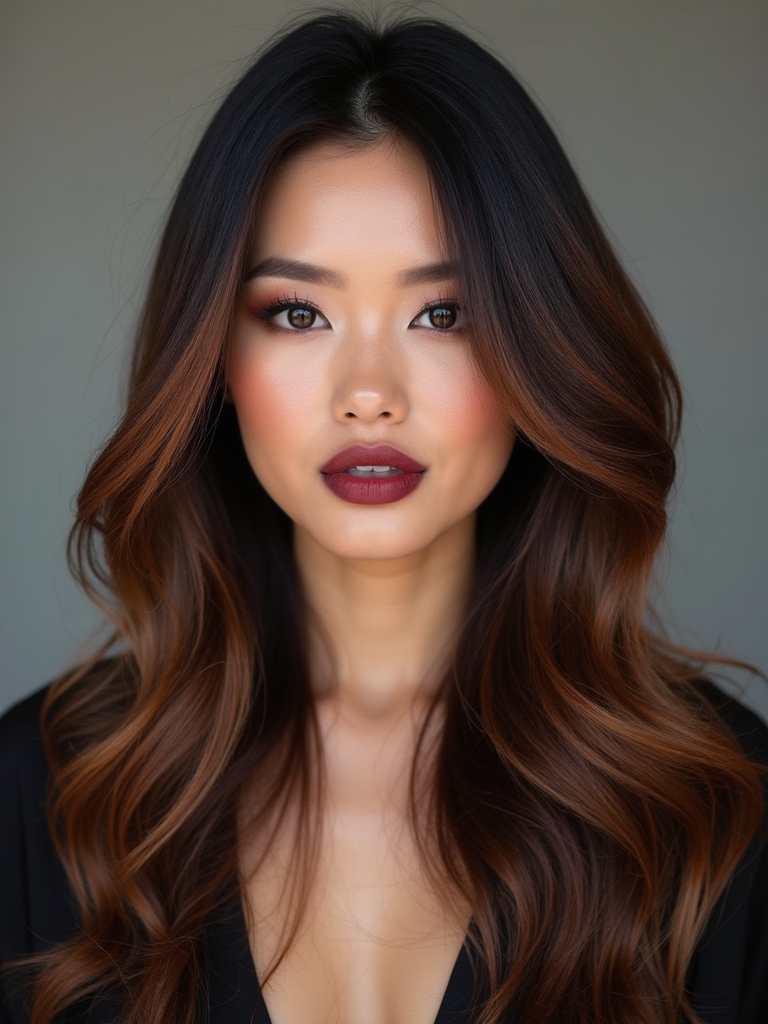
When thick hair calls for real drama, a V-cut delivers it. The hem drops to a point at the center back, and the layers fall in steep steps that pull the bulk down and out, letting the length finally swing and separate.
Paired with interior debulking, it sheds the most weight of anything on this list while keeping the ends clean and full. It’s the cut for hair that’s always felt like more than you know what to do with.
- The most dramatic weight loss of any cut here.
- Works best with a stylist who specifically offers interior debulking.
- Holds its shape well between visits.
Slide-Cut Layers for Smooth Flow
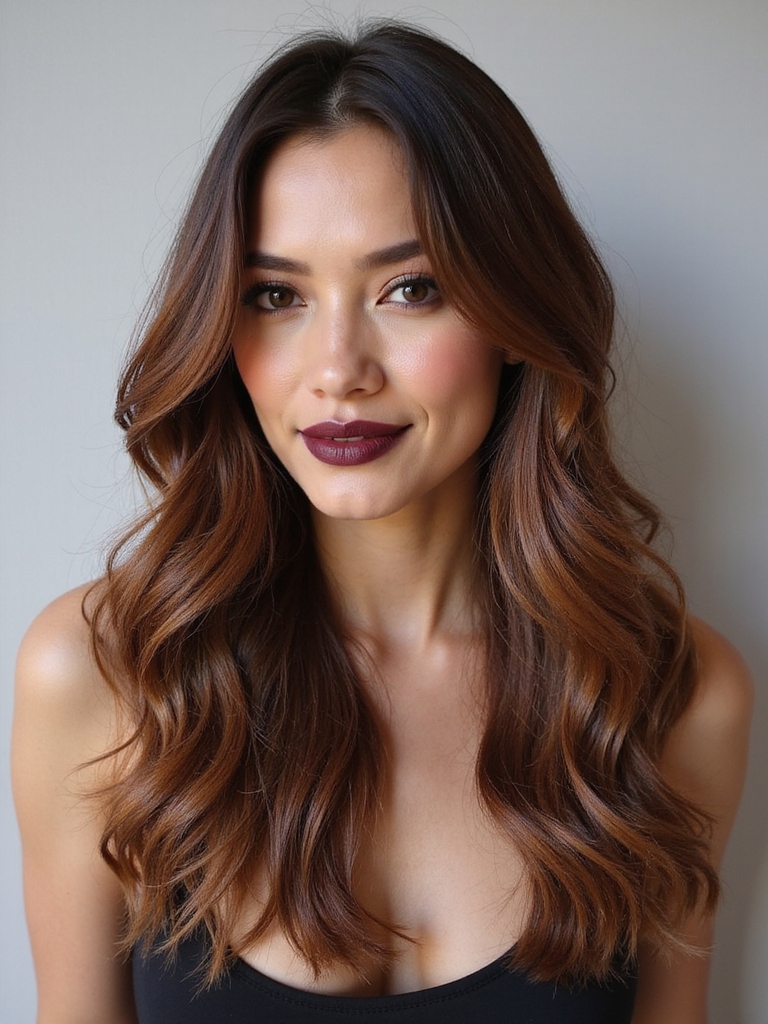
Slide-cutting is a stylist’s quieter tool against thick hair. The scissors glide down the shaft, carving weight out in long strokes, so the bulk leaves gradually and the lengths flow into each other with no hard lines.
Why Slide-Cutting Feels Different
The result stays smoother than most layering techniques, since nothing is cut in a single, visible step. Hair that’s shed weight this way tends to stay sleek and smooth throughout.
I always ask new clients to check whether their stylist specifically offers slide-cutting, since training on the technique varies a lot from salon to salon.
Shag Layers for Worn-In Texture
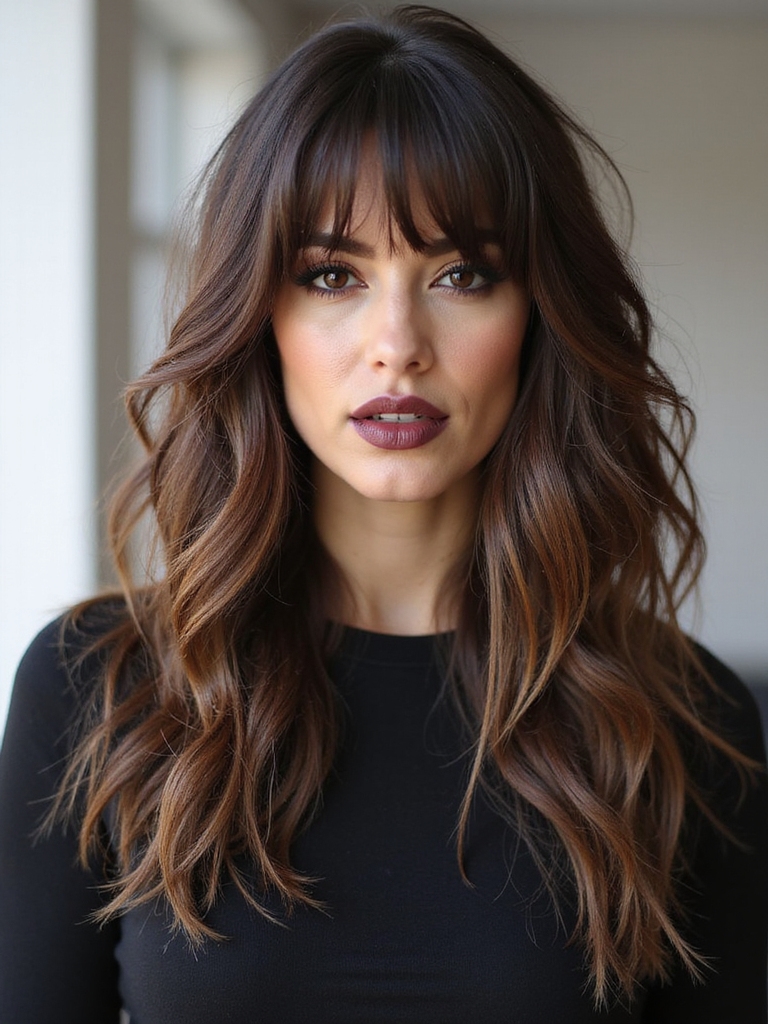
A shag turns thick hair’s biggest challenge, its sheer bulk, into its best feature. Choppy layers run through the whole head, breaking the density into deliberate, piecey movement, so the volume becomes deliberate, piecey texture.
Thick hair holds a shag’s shape longer than most other textures, since there’s enough density underneath to keep the choppy pieces separated all day.
- A rough air-dry and a texture spray are the whole routine.
- Grows out into a softer, shaggier version with no awkward stage.
- Best on hair with at least some natural wave or texture.
🅰️Choppy & Textured (Shag)
Weight breaks into visible, piecey texture; more attitude, more daily styling to keep it looking undone.
🅱️Smooth & Flowing (Slide-Cut)
Weight melts out gradually with no visible steps; sleeker finish, less daily effort to look intentional.
Curtain Bangs With Extended Layers
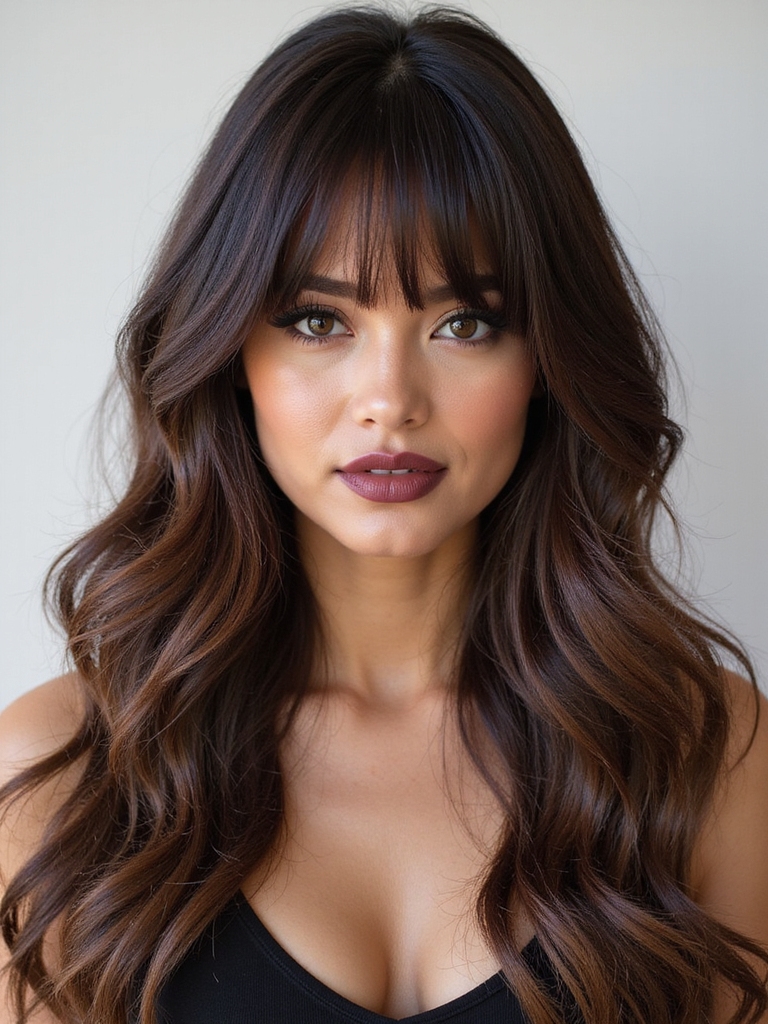
Curtain bangs lighten thick hair right where the weight crowds the face. The middle-parted fringe opens things up and is thinned enough to sweep, while extended layers carry that same lightness back into the lengths.
The trick on thick hair is thinning the fringe enough that it actually moves. Left full, a curtain fringe reads bulky on dense hair; a point-cut, thinned version is what keeps it swept and light.
Find more fringe-only detail in our curtain bangs guide.
Texturized Layers for Natural Body
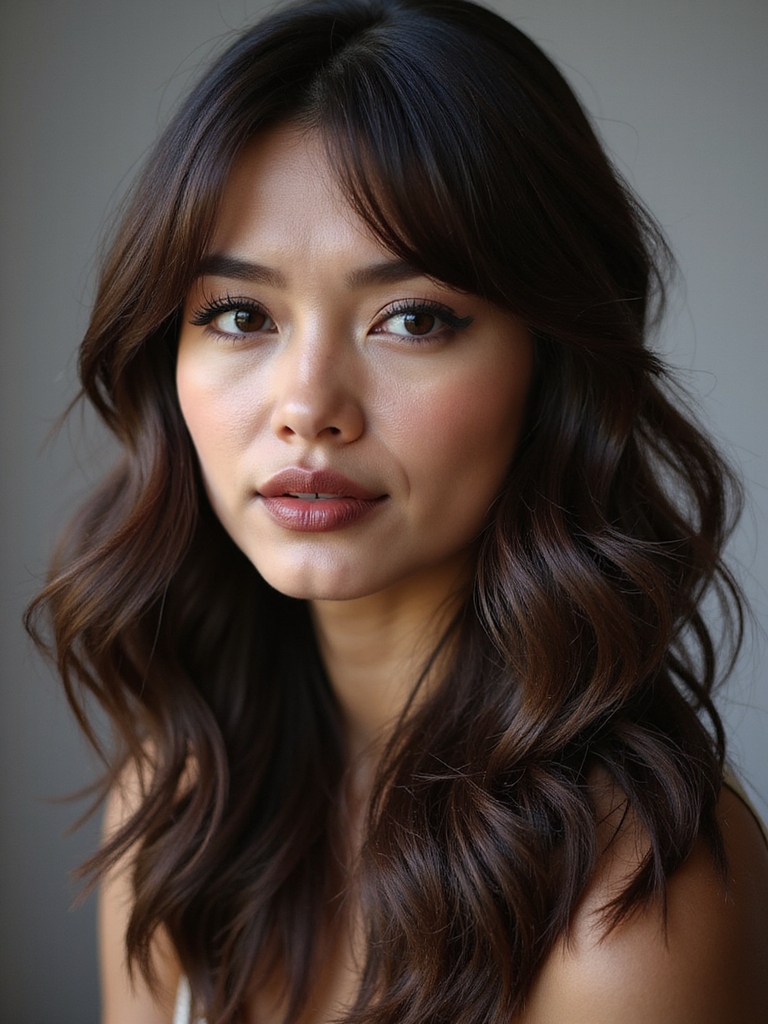
Texturizing removes weight while leaving body behind, and on thick hair it turns dense bulk into controlled, natural-looking fullness. The interior gets thinned and broken up in small, scattered sections, keeping the volume but losing the solid, heavy quality.
The difference shows up the moment you try to style it. Texturized thick hair holds a curl and moves the way the same hair, left dense, simply wouldn’t.
A texture spray on damp hair plays up the natural body the cut already built in.
Blunt Perimeter With Soft Internal Layers
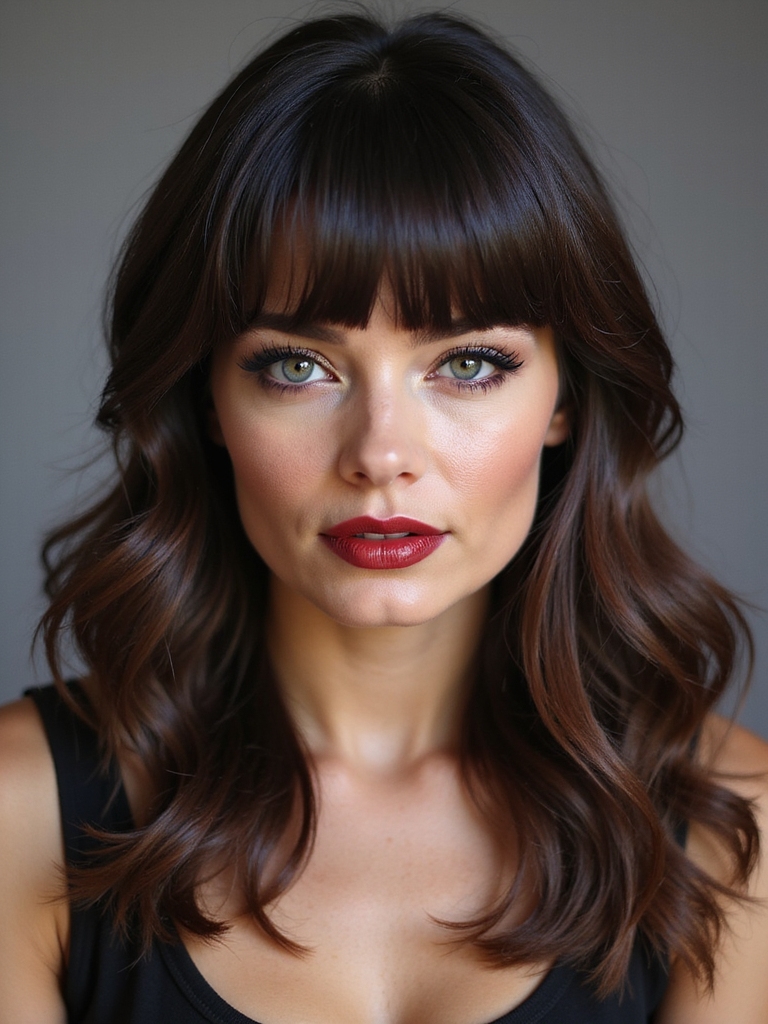
Thick hair can keep a crisp, blunt perimeter and still feel light, as long as the actual work happens on the inside. The outline stays sharp for a polished, healthy line, while soft internal layers quietly remove bulk underneath.
It suits anyone drawn to a strong blunt finish who’s wary of the weight a true one-length cut puts on thick hair. The blunt edge stays the visible statement; the hidden layers are what make it wearable day to day.
- Keep the blunt edge crisp with regular trims.
- A flat iron shows off the clean line best.
- Interior layers should stay hidden under the outline.
Layered Blowout for Polished Volume
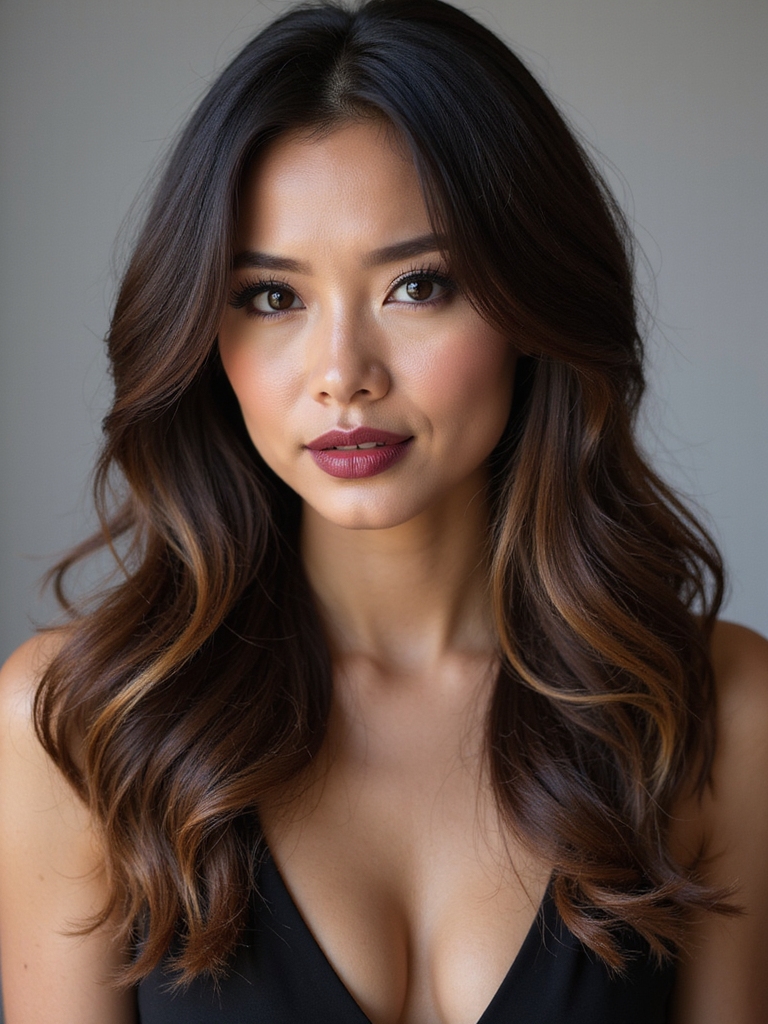
Thick hair was built for a great blowout, and layers cut for one turn all that density into glossy, controlled volume. The layers are placed to roll and curve under a round brush, giving the blowout real movement.
The layers give the brush something to grip, which is what lets thick hair bend and bounce. Once it’s done, this is the full, swingy result that finer hair can only borrow with extensions.
- A large round brush and a blast of cool air lock in the shape.
- Holds through a full day better than on finer hair.
- A light shine serum finishes without weighing it down.
Razored Layers for Frizz-Free Lightness
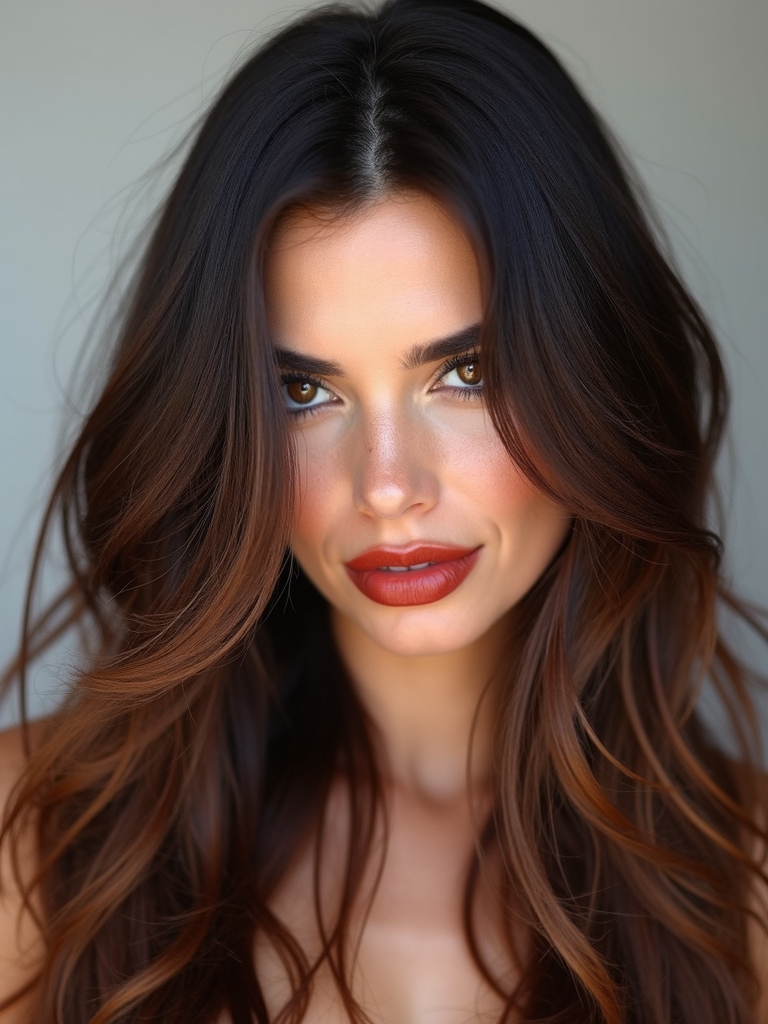
A razor lightens thick hair fast, slicing weight out of the layers and ends for an airy, feathered finish that scissors alone struggle to match. On healthy, resilient thick hair, it works beautifully in a single pass.
When to Skip the Razor
The catch is frizz. A razor roughs up the cuticle slightly, so it suits hair that’s already in good condition; color-treated, dry, or frizz-prone thick hair can fray under the blade rather than feathering cleanly.
Ask your stylist to check your hair’s condition before reaching for the razor, since the same cut looks completely different on damaged versus healthy strands.
| Technique | Best For | Skip If |
|---|---|---|
| Razor | Fast, feathered lightness on healthy, resilient hair | Hair is color-damaged or frizz-prone |
| Slide-cutting | Smooth, gradual weight loss with no visible lines | You want dramatic, fast results |
| Traditional scissor layering | Precise, controlled shape on any hair condition | You want the softest possible finish |
Curl-Friendly Layers for Thick Coils
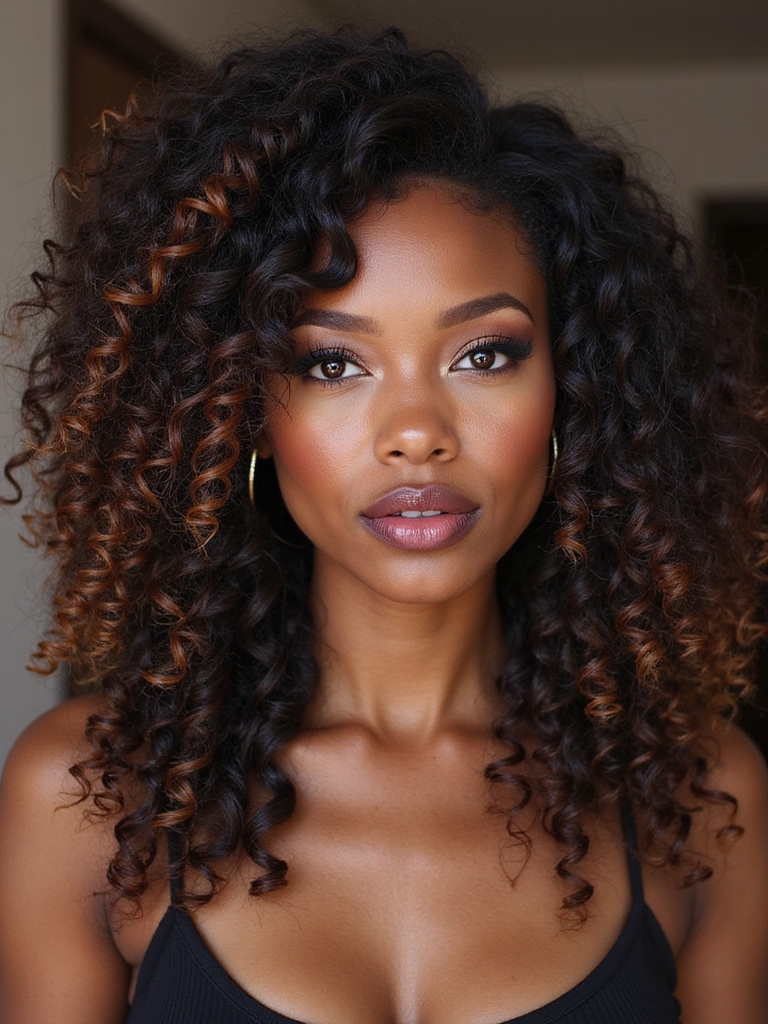
Thick, curly hair carries more volume than any other texture, and layers are what keep it from swelling into one dense, heavy shape. Cut to follow the curl pattern, the layers let thick coils stack into definition with lift up top and spring through the lengths.
The cut has to happen dry, since a thick coil sliced wet contracts shorter than it looks in the moment. A stylist who works with the curl pattern is non-negotiable here; this is the least forgiving texture to cut blind.
Heatless Waves for Thick Layered Hair
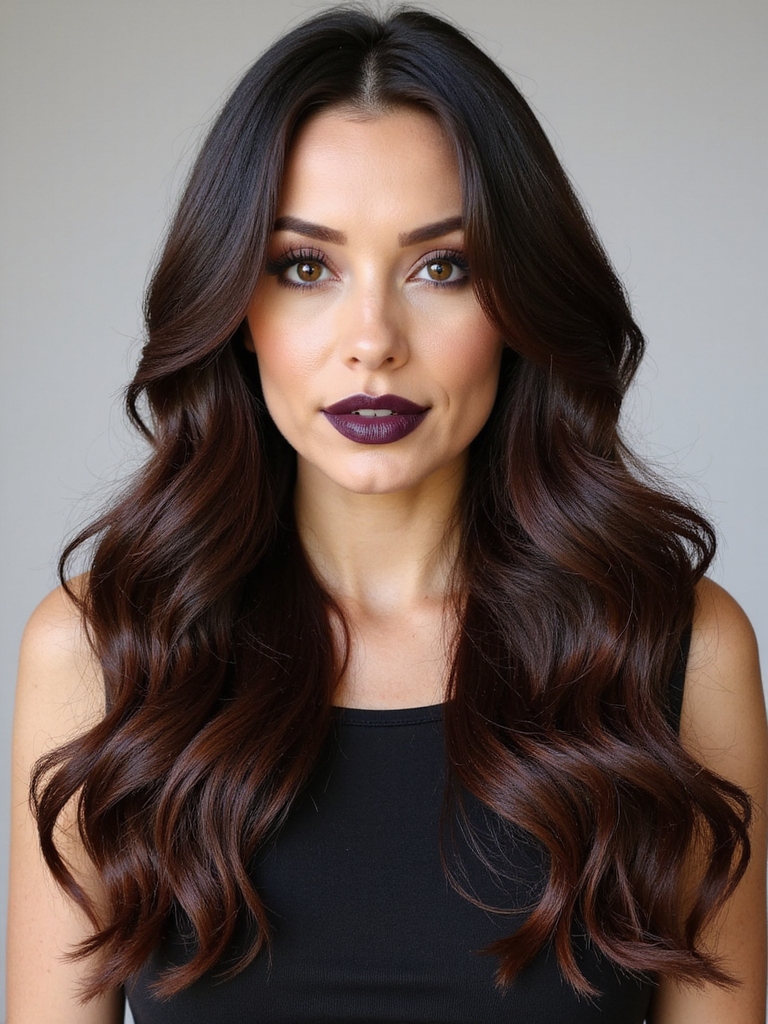
Thick hair holds a heatless wave better than almost any other texture, and layered thick hair holds it with real shape and separation once the layers give the wave somewhere to move.
- Work a leave-in through damp hair before braiding or wrapping it on fabric rollers overnight.
- Unravel gently in the morning; brushing flattens the wave pattern out.
- Finish with a light texture spray so the wave holds without falling flat by evening.
Maintenance & Care
Debulking isn’t a one-time fix. As thick hair grows, the interior weight you removed grows back in, so most of these cuts need a re-visit every ten to twelve weeks, or the shape starts creeping back toward heavy.
A layered cut on thick hair usually runs longer in the chair than a basic trim, and the price reflects it: expect somewhere around $60 to $150 depending on length and how much interior debulking it takes. Tell your stylist you want weight removed from the interior, thinned from the ends only as a last resort, and that single instruction is what keeps a thick-hair layer cut from turning stringy.
Long Layered Haircuts for Thick Hair, Answered
?Will layers make my thick hair look thin instead of just lighter?
Not if the weight comes out of the interior. Removing bulk from inside the cut lightens thick hair without thinning the actual strands, so it still reads full, just less heavy. Thinning shears at the ends are what create a thin, stringy look.
?How do I avoid ending up with a poofy, mullet-shaped mess?
Ask for layers that start low, closer to the length you want to keep. Layers cut too short up near the crown are the usual cause of an unintentional poof on thick hair.
?Can I still wear heavily layered thick hair in an updo?
Yes, though shorter face-framing pieces may need a few bobby pins to stay put. The interior layers that removed weight don’t affect how well the length gathers into a bun or ponytail.
?Does thick, curly hair need a different layering approach than thick straight hair?
Yes. Curly layers have to be cut dry, in the hair’s natural pattern, since curls contract once they dry and spring up shorter than they look wet. Straight thick hair can usually be cut wet or dry.
?How long should I wait to color my hair after getting it layered?
A week or two is plenty for the cut itself, but if you’re also planning heavy lightening, check with your colorist first. Hair headed for a big lightening job is more prone to breakage right after a lot of cutting and styling stress.
Thick Hair Just Needs the Right Edit
Thick hair is a gift that mostly needs better editing. Take the weight out from the inside, leave the length and ends full, and all that density turns into whatever you’re after: movement, texture, or volume.
Pick the level of change you actually want, from a U-cut’s gentle reshaping to a V-cut’s dramatic swing, and bring a photo to the appointment. Ask for debulking, not thinning, and a thick-hair layer cut stops being a daily fight and turns into hair other people wish they had this much of.
Where to Next