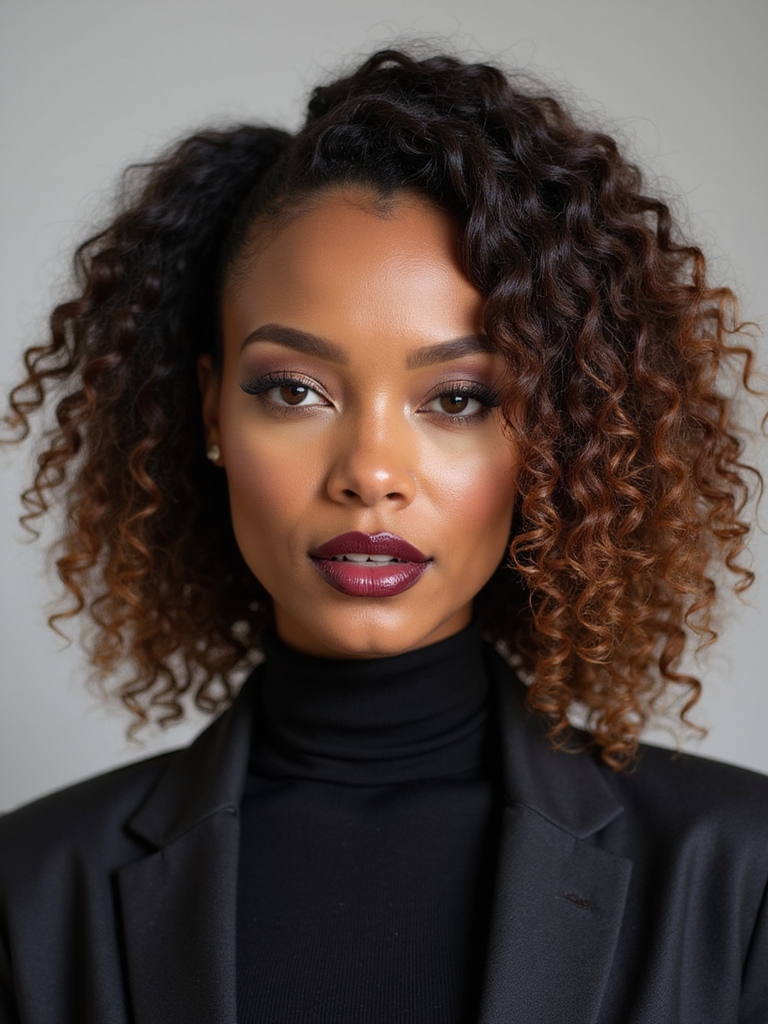
There are two kinds of winter hat people: the ones who accept flat, creased, frizzy hair as the price of staying warm, and the ones who walk in from the cold, pull off a beanie, and look like they styled their hair five minutes ago. The difference isn’t luck or hair type. It’s knowing what to do before the hat goes on and how to fix it after.
This is the full hat-hair playbook—the styles that survive a beanie, the prep that prevents creases, and the thirty-second fixes that revive flat, squashed hair the second you take your hat off. These winter hat hairstyles are about never having to choose between warm and good-looking again.
The Hat-Hair Rules
- Hat hair is preventable: style your hair before the hat (set it, never trap it damp), wear low or tucked styles a hat can’t crush, and keep dry shampoo handy for after.
- The worst culprits are damp hair under a hat, which dries creased, and crown volume, which a beanie flattens—avoid both.
- After the hat, a flip-over, a hit of dry shampoo, and a finger-comb revive most styles in under a minute.
- When all else fails, accessories—a headband, a clip, a scarf—hide flat, squashed hair instantly.
Beanie-Friendly Hairstyles for Short Hair
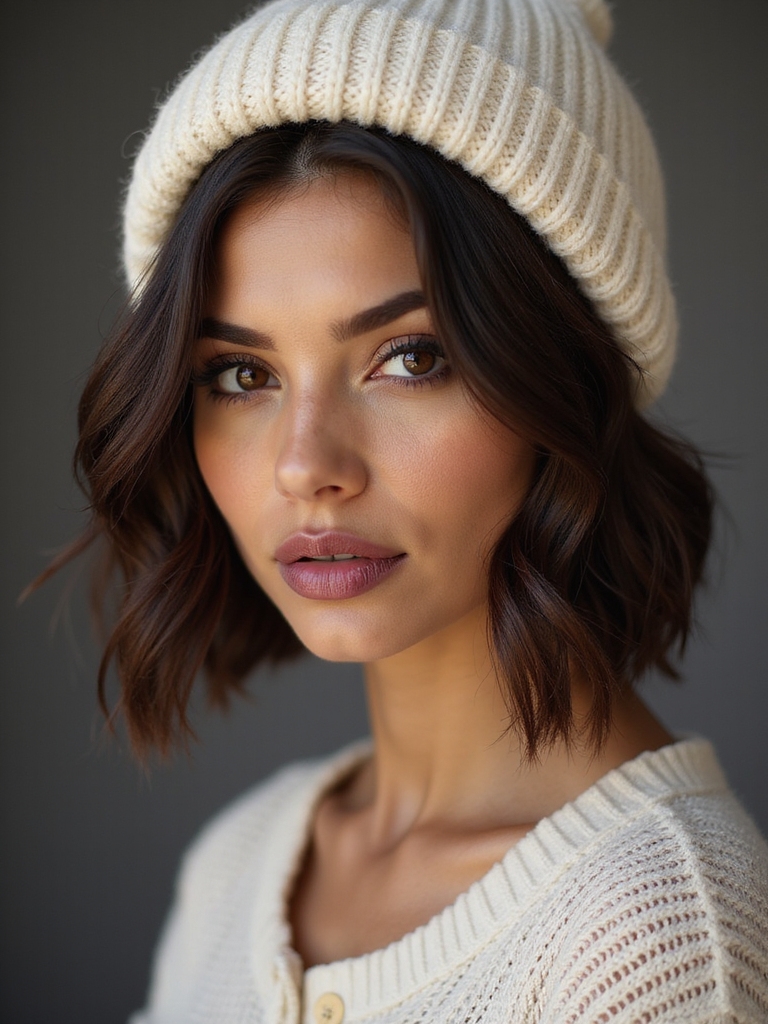
Short hair is the most beanie-friendly there is—there’s barely anything for a hat to crush, and what does flatten revives with a finger-comb in seconds. The trick with short hair is texture: style a pixie or crop with a matte paste before the beanie goes on, and when you take it off, a quick rough-up brings it right back.
A texture paste is the only product you need. Pixies, crops, and short shags all shrug off a slouchy beanie, since the cut does the work. The winter hairstyles for short hair guide covers more short looks built for the cold.
- Short cuts barely flatten and revive with a finger-comb.
- Texture paste before the hat means it bounces back after.
- Pixies, crops, and shags all shrug off a beanie.
Low Ponytail Tricks to Prevent Hat Creases
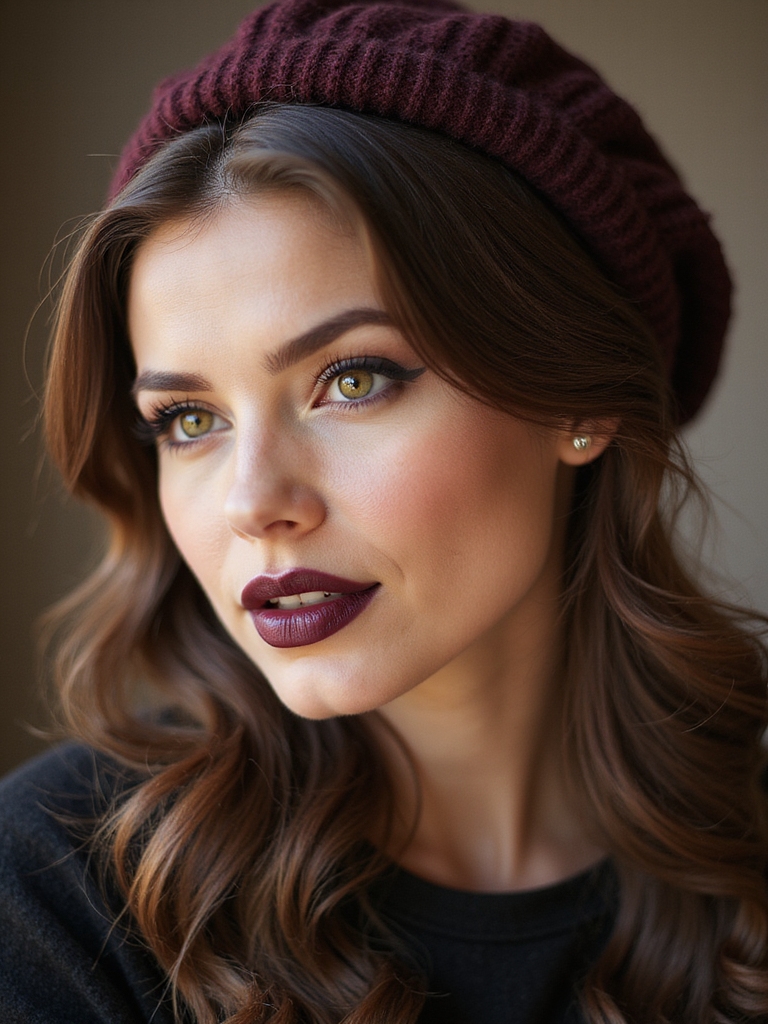
A low ponytail is hat-proof by nature—it sits at the nape, below where a beanie hits, so there’s no crown to crush and no crease line across your head. Tie it low and loose, wrap a section to hide the elastic, and a hat goes on and off without disturbing it.
The one trick: don’t tie it so tight that the elastic itself leaves a dent. A loose, low pony with a wrapped base looks polished indoors and survives any hat. It’s the lowest-maintenance hat hairstyle there is, and it works on every length past your shoulders.
- A low pony sits below where a hat creases your hair.
- Tie loose so the elastic itself doesn’t leave a dent.
- Wrap the base and it looks polished the second you’re indoors.
💡The Big One
The number one hat-hair mistake is pulling a beanie over damp hair—it dries pressed flat with a crease you can’t brush out. Always let your hair dry and set before the hat. If you must leave with wet hair, throw it in a bun first.
Sleek Styles That Fit Under a Beret
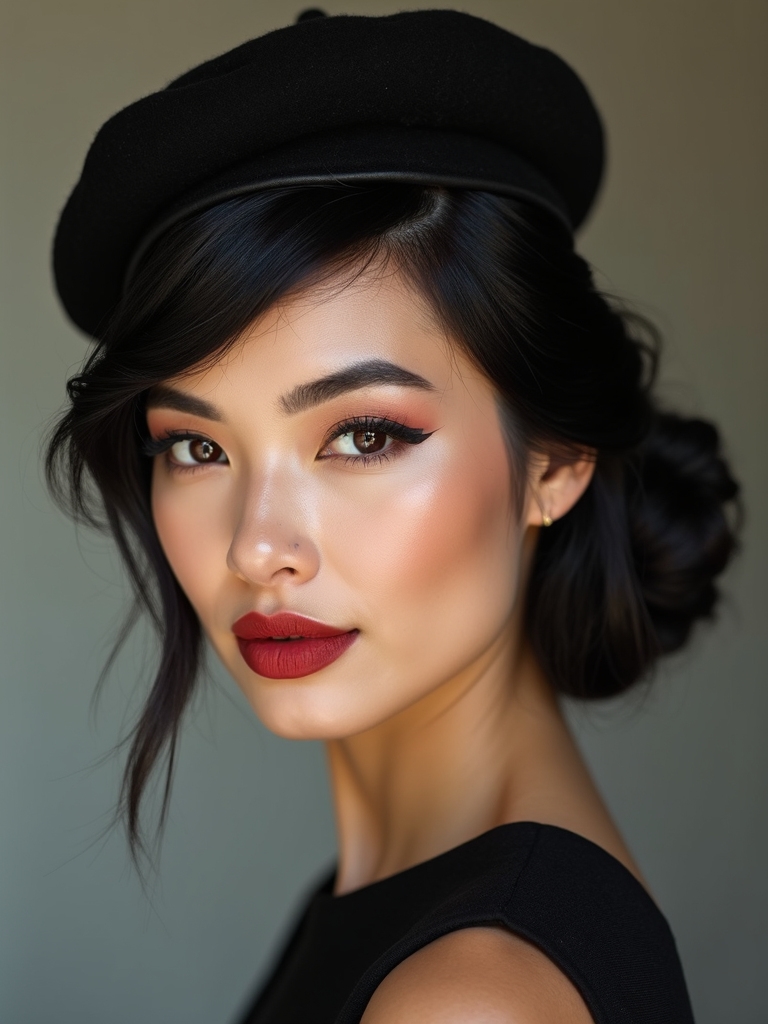
A beret is the chicest winter hat, and it asks for a different strategy than a beanie—it sits on the side or back of your head, so your front and crown stay visible and need to look styled. Sleek hair is the move: a low chignon, a smooth pony, or straight hair tucked behind one ear.
Because a beret doesn’t cover everything, you can wear your hair down and styled with it. Smooth the front with a drop of serum so it looks intentional next to the hat, and let the beret be the accent.
It’s the most fashionable hat-hair combination there is, and the sleekest styles suit it best. Pair a beret with a low bun and a red lip for instant Parisian polish.
Heat-Free Waves That Survive a Knit Cap
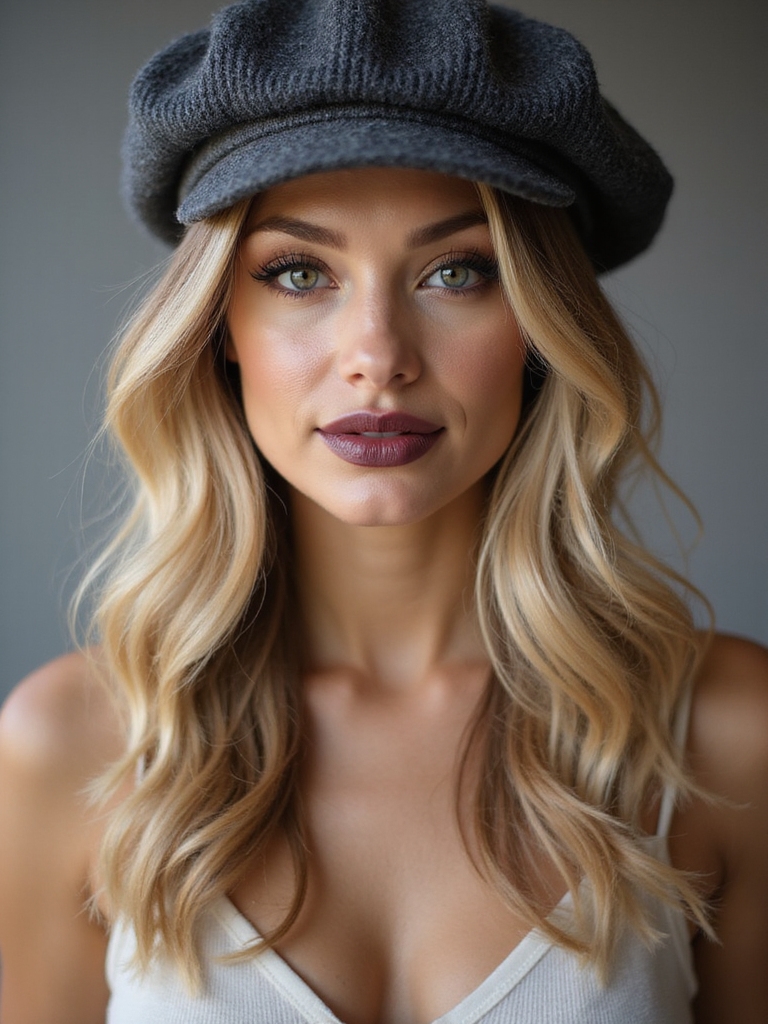
Waves are the trick to looking good in a knit cap, because texture survives a hat where a sleek style shows every dent. Heatless waves are the look I reach for myself on a hat day. Set overnight in braids or on rods, they’re perfect, since the soft, piecey texture just gets tousled by a beanie, not flattened.
Set the waves the night before, pull the cap on, and when you take it off, a scrunch of texture spray and a shake brings them right back. The undone, wavy finish is the most forgiving hat hair there is, and skipping the heat keeps your hair healthy in dry winter air.
The people who look good in hats aren’t avoiding hat hair. They just style for the hat, not against it.
Braided Styles That Stay Tidy After the Hat
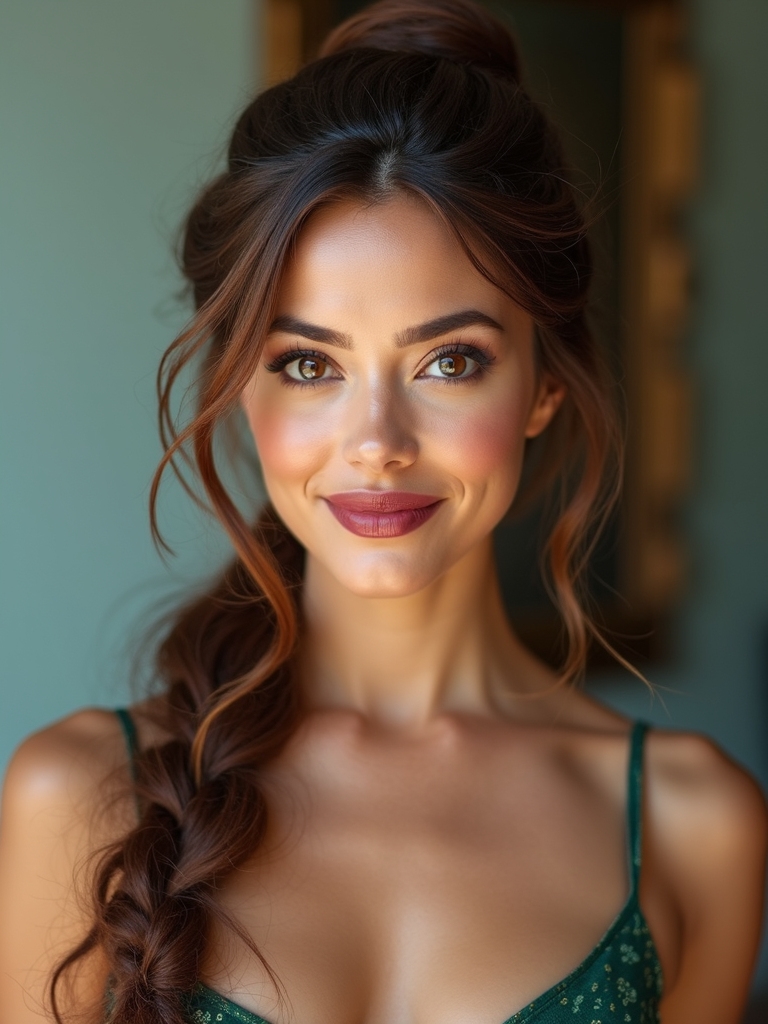
Braids are the tidiest hat hairstyle, because they hold their shape no matter what a hat does to them—a braid that goes under a beanie comes out exactly as neat as it went in. Dutch braids, a low braid, or a braided crown all stay put through a hat, with nothing to flatten or frizz. The winter hair braid ideas roundup has more cold-weather braids.
- Braids hold their shape under a hat and come out neat.
- Nothing to flatten or frizz, so they look the same after.
- Dutch braids and low braids are the most hat-proof.
Top Knot Variations That Don’t Flatten
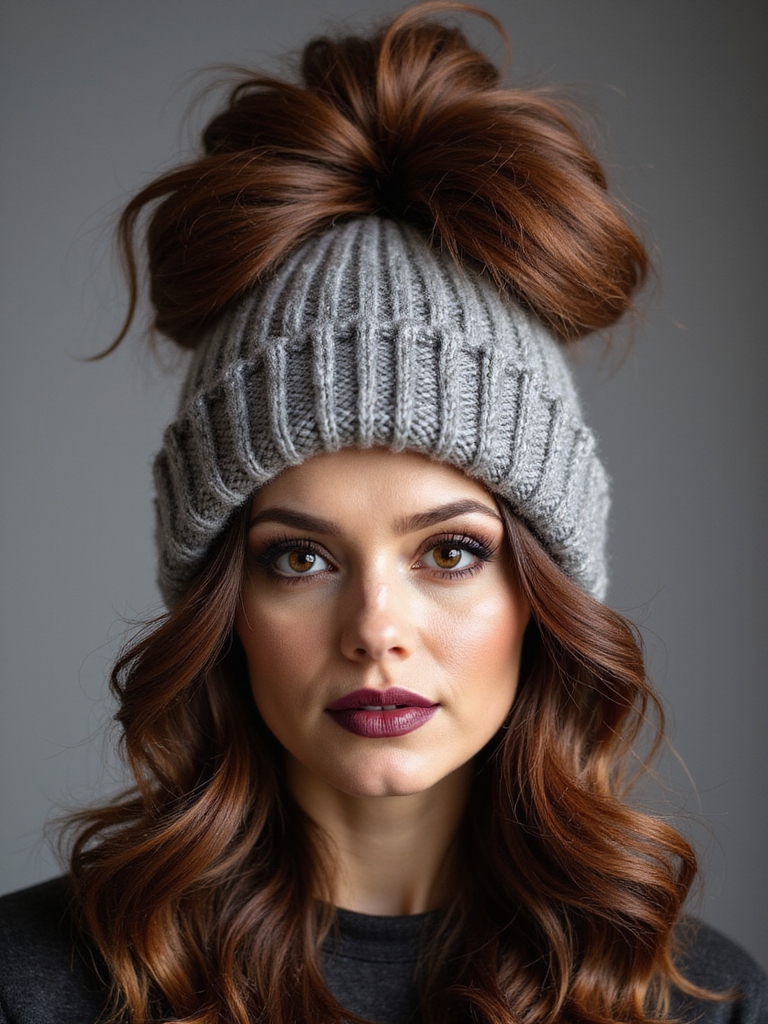
A top knot solves hat hair by putting your hair up and out of the hat’s reach—but the placement matters in winter. A knot at the very top of your head won’t fit under a beanie, so go for a slightly lower, looser knot that sits where the hat ends and your hair begins.
Worn this way, the knot stays full while the hat covers the rest, and nothing gets crushed. A messy, textured knot hides any flatness better than a sleek one. A texture spray gives the knot grip so it survives the hat going on and off.
- Place the knot lower so it fits under a beanie’s edge.
- A messy, textured knot hides flatness better than a sleek one.
- Texture spray keeps the knot from sliding loose.
| Style | Before the hat | After the hat |
|---|---|---|
| Low bun or pony | Set it sleek and low | Looks identical, no fix |
| Waves | Set heatless overnight | Scrunch texture spray |
Targeted Crown Lift for Hat Hair
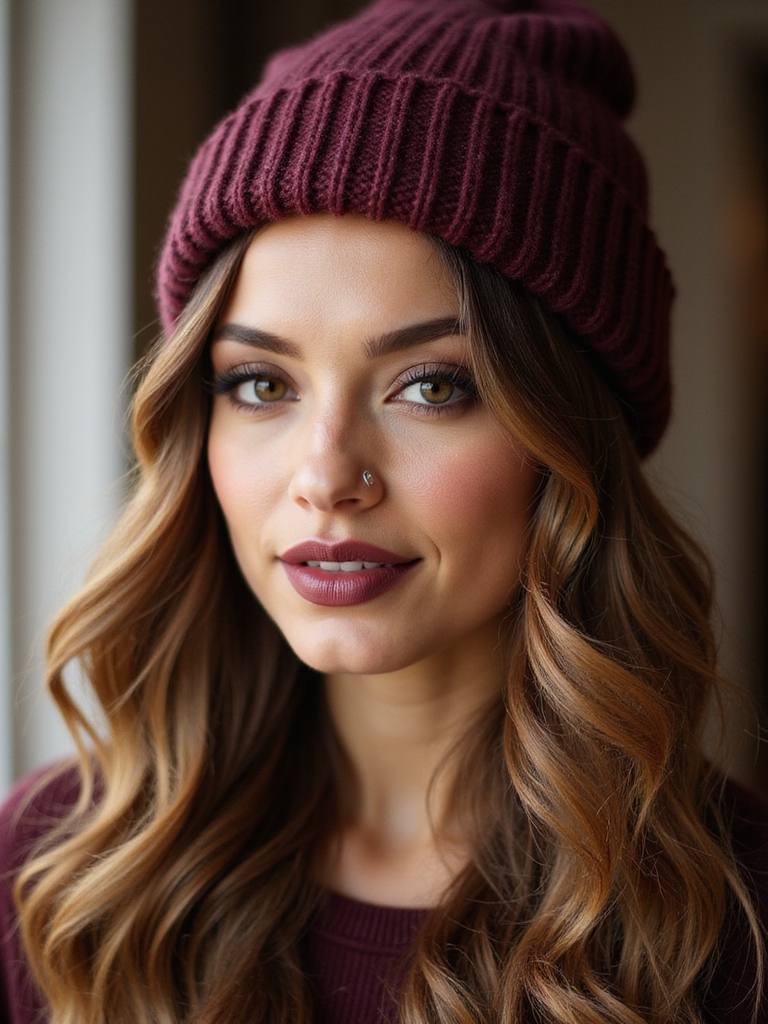
The single biggest hat-hair problem is the crushed crown, and a little targeted lift fixes it faster than anything. Before the hat, mist dry shampoo or root spray just at the crown and tease it lightly—that built-in height resists the flattening a beanie causes. It’s the crown trick I give every client who complains about hat hair.
After the hat, the same trick revives it: flip your head over, hit the crown roots with dry shampoo, and shake. The volume comes right back. Treating the crown as its own small project, separate from the rest, is the secret to hat hair that doesn’t look hat-flattened.
Half-Up Styles That Look Polished Indoors
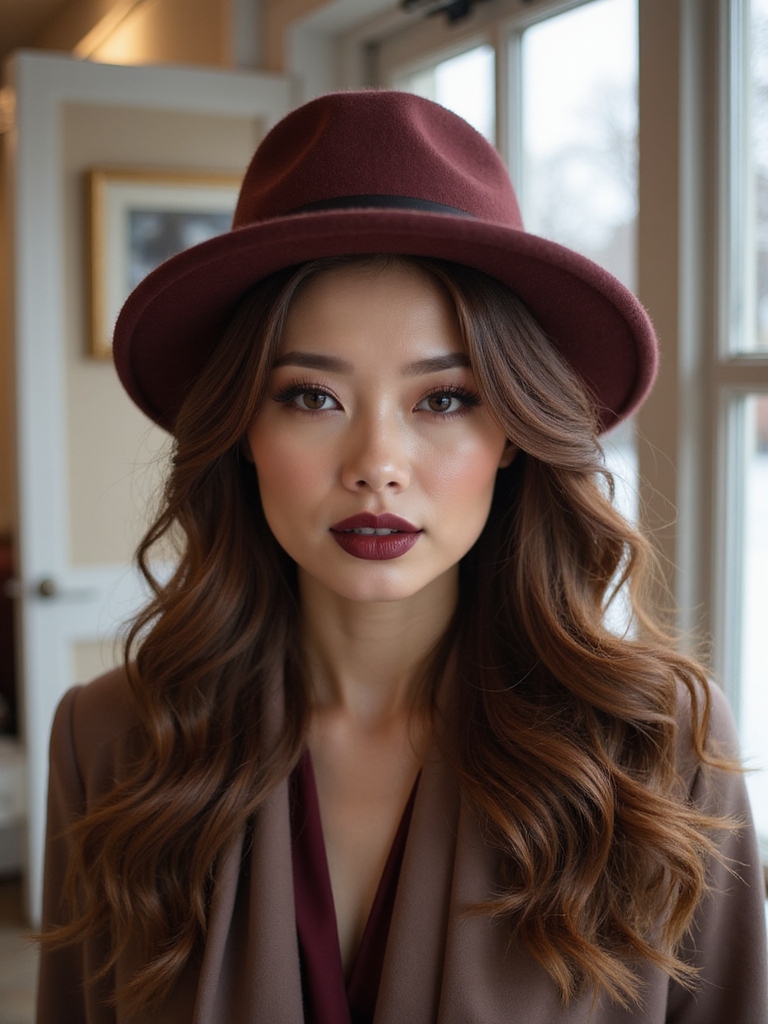
A half-up style is the best of both worlds for hat weather—it keeps your length down and showing while securing the top, so you look polished indoors even after a hat. The secured crown means a beanie has less to flatten, and what it does crush is held in place.
Pull the top sections back into a clip, twist, or small knot before the hat, and the half-up survives underneath. Take the hat off and the secured part still looks done, even if you finger-comb the loose length.
It’s the style that transitions best from cold outdoors to a warm room. The aesthetic winter hairstyles looks lean into this kind of soft, secured texture.
🅰️Beanie
Covers everything—wear low, tucked, or textured styles underneath.
🅱️Beret
Covers only part—keep your front and crown sleek and styled.
Moisture-Preserving Tucked Styles for Curly Hair
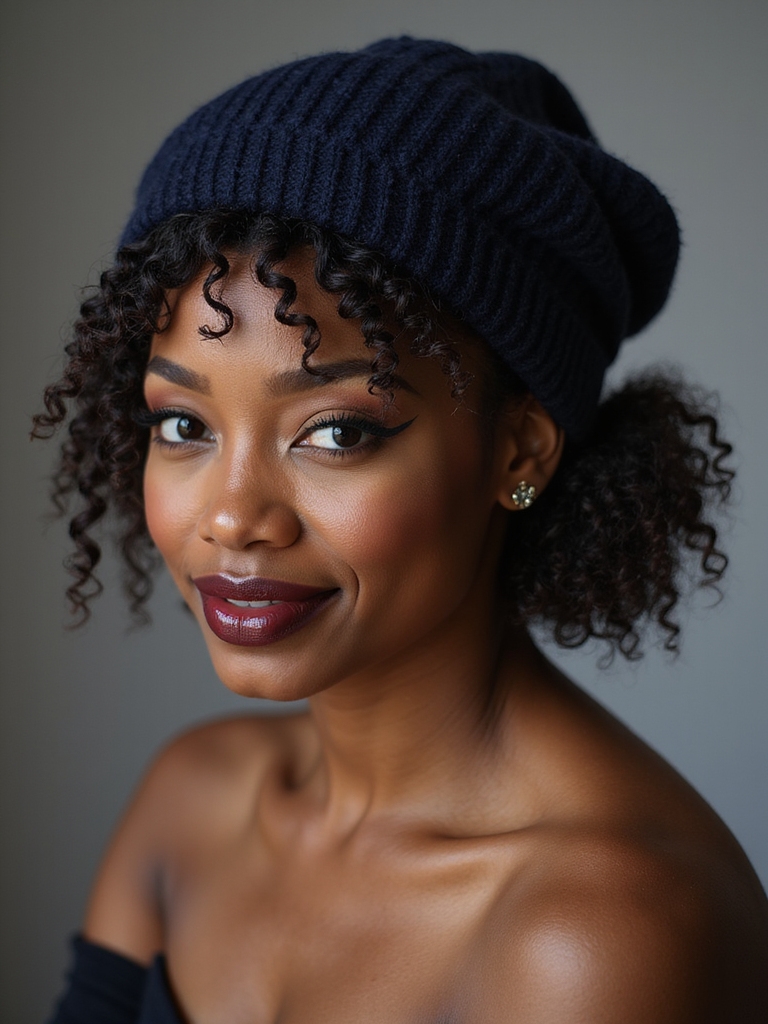
Curly hair and hats have a complicated relationship—a beanie can flatten curls and cause friction-frizz—so the move is a tucked, moisture-sealed style that protects your curl pattern. Tuck your curls into a low bun, puff, or protective style before the hat, and they stay defined underneath.
Protecting Curls Under a Hat
A satin-lined beanie is the real fix here—it stops the friction that frizzes curls and pulls out moisture. Failing that, seal your curls with a cream before the hat and wear them in a protective tuck.
After the hat, refresh with a little water and leave-in scrunched through. The winter hairstyles for black women guide covers protecting textured hair under hats in depth.
Quick Touch-Ups to Fix Hat Frizz
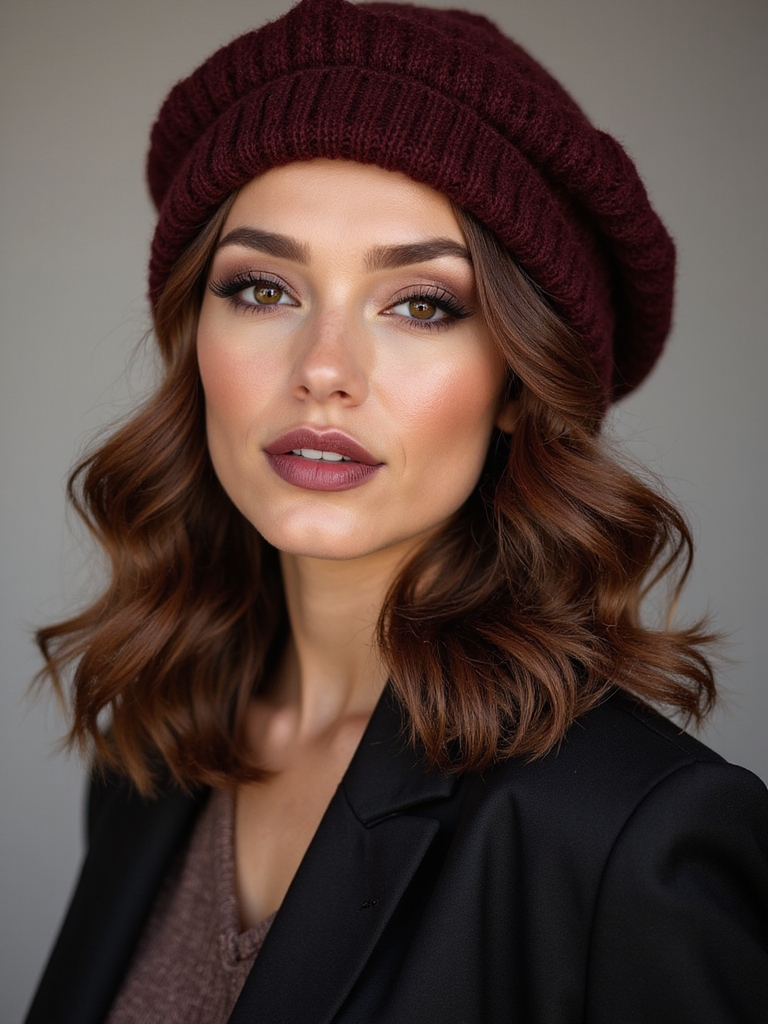
Hat frizz is the static and flyaways a beanie leaves behind, and the fix takes ten seconds. Smooth a tiny drop of oil or a hand cream over the surface to flatten the frizz, or run a dryer sheet lightly over your hair to kill the static charge.
A drop of oil on your palms, smoothed over the top layer, is the fastest fix there is. Keep a travel-size oil or a dryer sheet in your bag, and hat frizz is never more than a few seconds from gone. The drier your hair, the worse the frizz, so a leave-in or a weekly mask helps prevent it in the first place.
- A drop of oil or hand cream smooths frizz in seconds.
- A dryer sheet over the surface kills static instantly.
- Drier hair frizzes more, so condition to prevent it.
Sleek Low Buns for a Neat Office Look
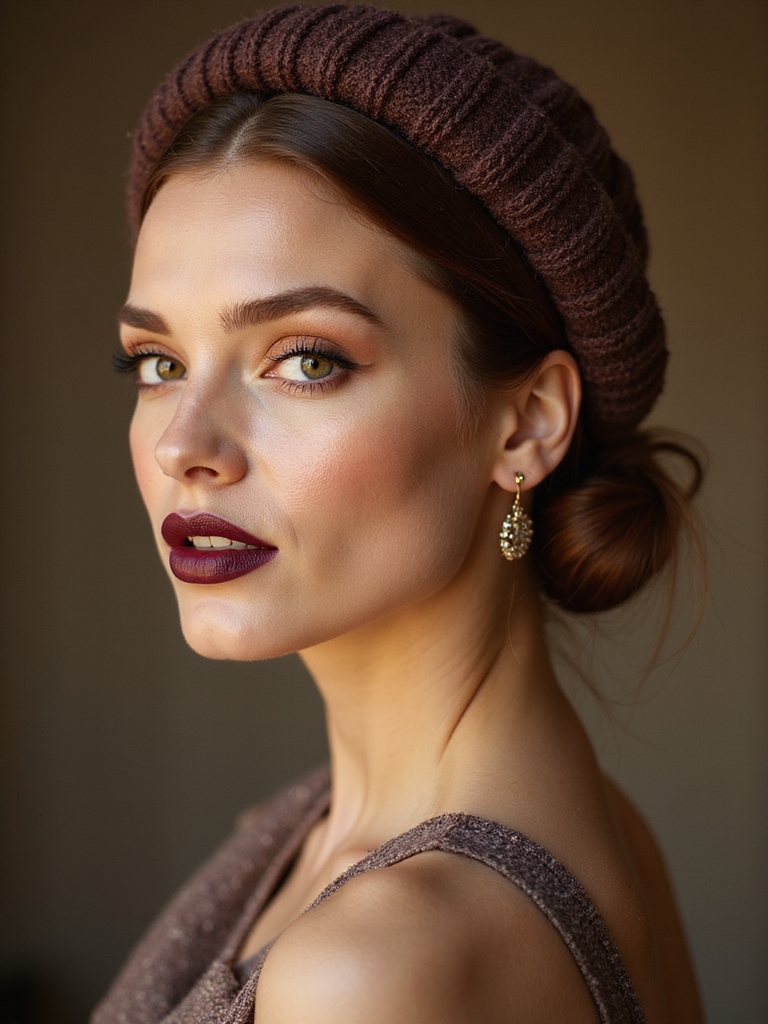
For the office, a sleek low bun is the most reliable hat hairstyle—it goes under a hat without a trace and looks completely professional the second you take it off. Smooth your hair back with a little gel or serum, coil it into a low knot, and pin it. A beanie sits right over it, and there’s no crown to crush or frizz to fight.
A smooth low bun is the one style that looks identical before and after a hat, which is exactly what you want for work. Add a clip or a slim headband and it reads even more polished. The low bun hairstyles guide has more office-ready variations.
- A sleek low bun survives a hat without a trace.
- Looks identical and professional before and after.
- Add a clip or headband to dress it up for work.
Headbands and Scarves to Replace Hats Indoors
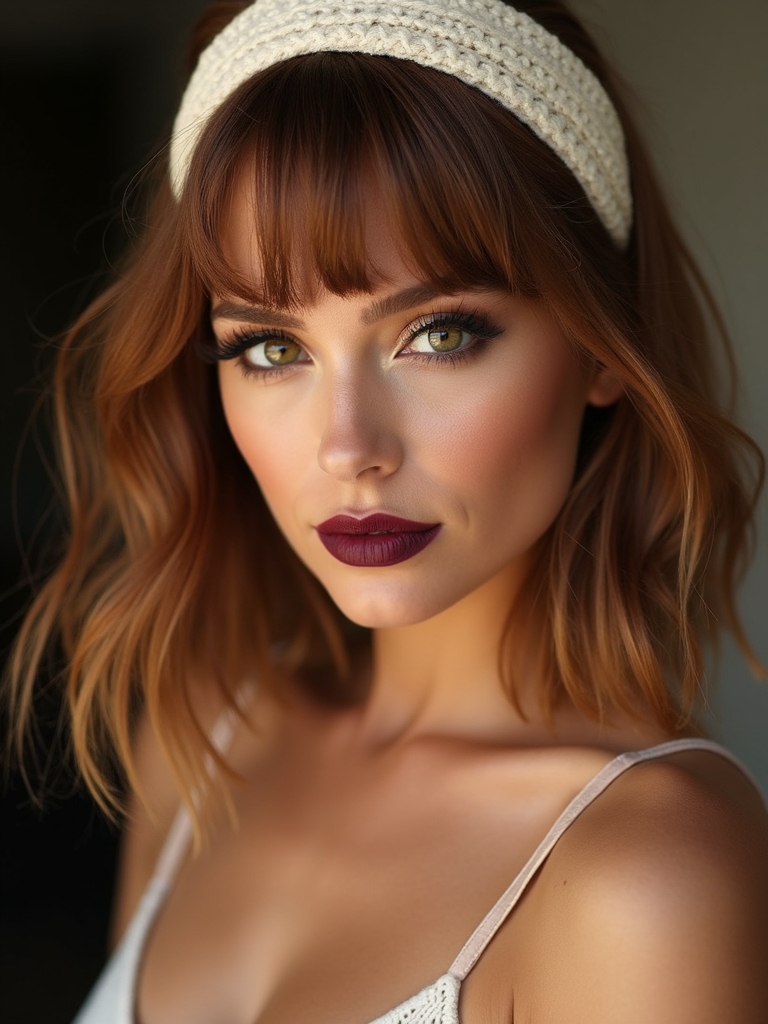
The smartest hat-hair trick is to swap the hat for an accessory the moment you’re indoors—a structured headband or a silk scarf hides flat, creased hair while looking deliberate. You get the warmth of a hat outside and the polish of an accessory in. I keep a headband in my own bag all winter for exactly this.
From Hat to Headband
Keep a headband or a folded scarf with you, and when you take off your beanie, slip it on to push back flattened front pieces and disguise the dent. It instantly turns hat hair into a styled look.
A silk scarf doubles as a hair protector too, since silk doesn’t pull moisture out the way wool does. It’s the fastest way to look done after a hat, with zero restyling.
Styling Short Bangs When Wearing a Cap
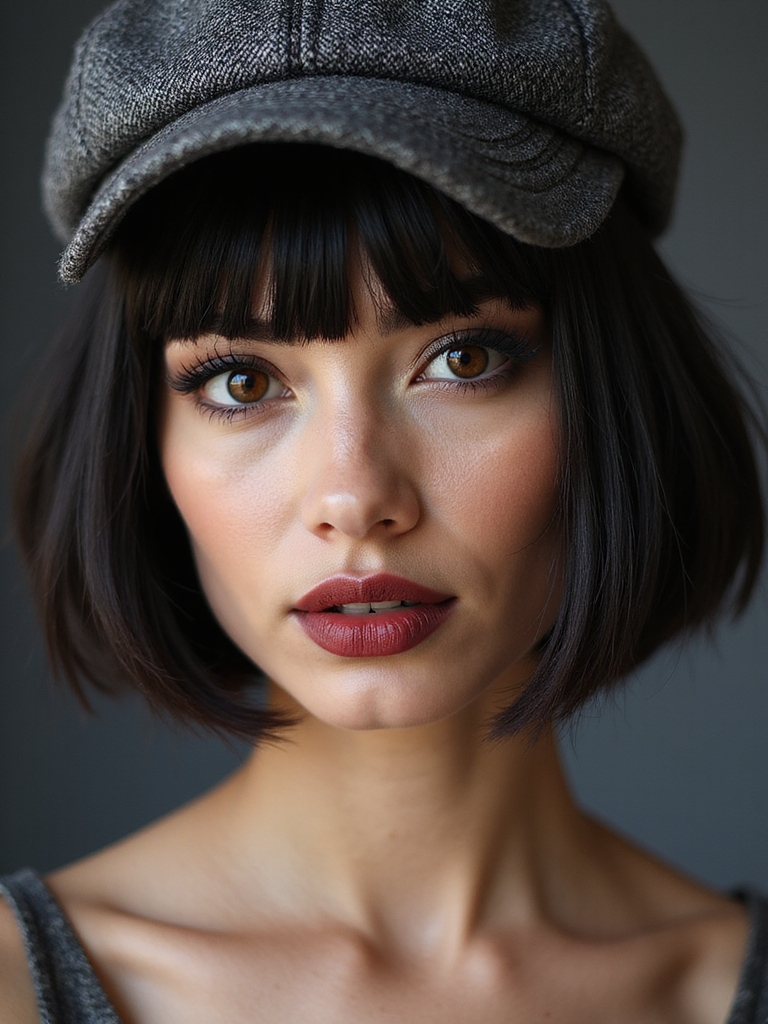
Bangs and caps are a tricky pair, because a cap presses your fringe flat against your forehead—so the trick is to style and set your bangs before the cap, then keep them out from under the edge. Round-brush your bangs dry and let them set, and wear the cap pushed back enough that your fringe sits free.
If your bangs do get capped flat, a mist of water and a quick round-brush blast revives them, and dry shampoo at the roots adds the lift a cap crushes. Never pull a cap over damp bangs—they dry creased and flat with no fixing them until you re-wet.
Heat-Free Ways to Restore Shape After a Hat
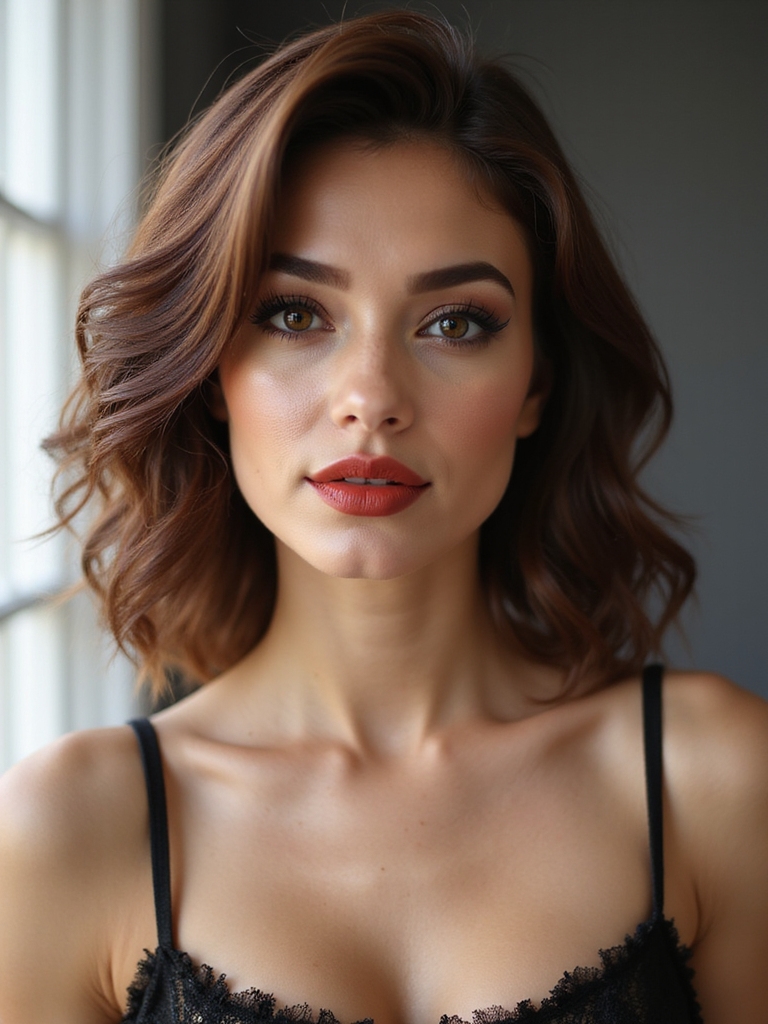
The best way to fix hat hair is also the gentlest—no hot tools required. A flip of your head and a shake re-distributes volume, a scrunch of texture spray revives waves, and a spritz of water plus finger-styling brings curls and bends back to life.
Skipping heat matters in winter, when your hair is already dry and fragile. Most hat hair just needs its texture re-activated, a job heat can’t do better than your fingers. Texture spray and a quick scrunch revive more styles than a flat iron ever could, and in a fraction of the time.
- A flip and a shake re-distribute flattened volume.
- Texture spray revives waves with no heat needed.
- Water plus finger-styling brings curls back to life.
Accessories That Hide Squashed Hat Hair
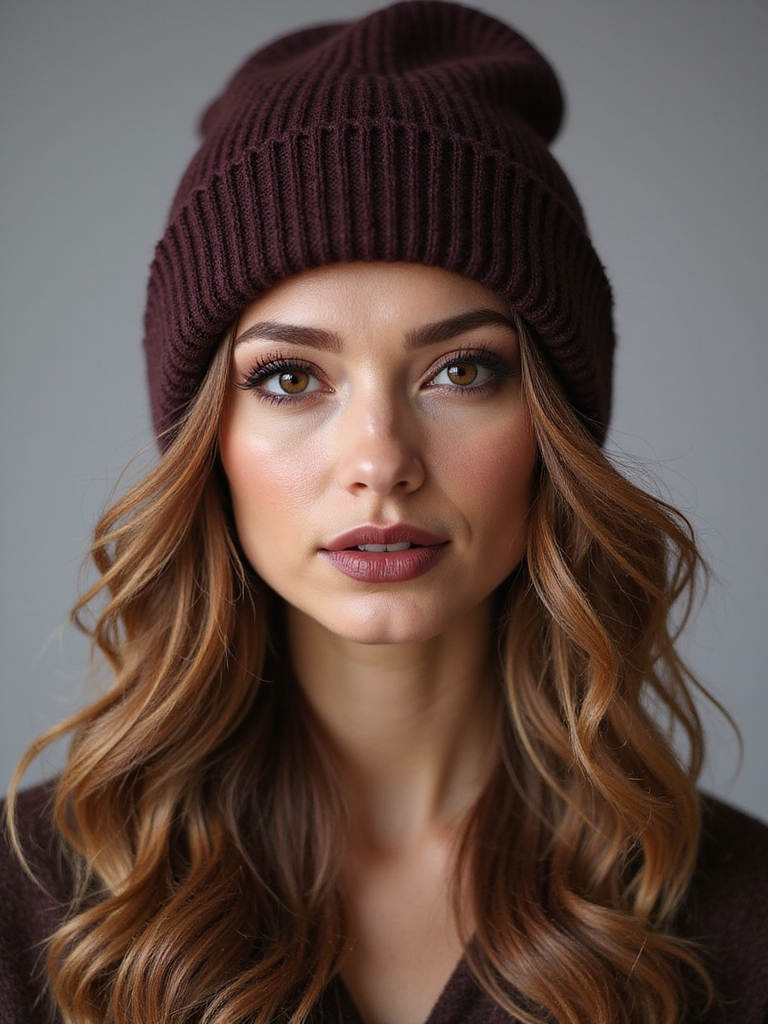
When your hair is truly squashed and you have no time, accessories are the rescue—a wide headband, a couple of clips, or a scarf hide flat, sleepy hat hair in seconds and look intentional doing it. They cover the crushed crown and add the polish your flattened hair lost.
A structured headband pushes back flat front pieces, clips pin up the worst of it, and a scarf wraps the whole thing into a deliberate style. It’s the no-restyle fix for the days a hat truly wins. For a dressier accessory moment, the winter formal hairstyles guide has pinned and embellished looks.
Who It Suits Best
Hat-hair strategy depends a little on your hair. If you wear it down, lean on texture—waves and piecey, undone styles survive a hat where sleek, flat ones show every crease. If you prefer it up, low and tucked beats high and full: a low bun, pony, or chignon sits below where a beanie crushes, while a top knot needs to go lower than usual to fit. Curly hair does best tucked and sealed, ideally under a satin-lined hat that won’t frizz it.
And whatever your hair, the universal rules hold: never trap damp hair under a hat, keep a dry shampoo and a drop of oil in your bag, and treat accessories as your everyday backup, ready in your bag. The people who always look good in winter aren’t avoiding hats—they’ve learned to work with them. A little prep before and a thirty-second fix after, and warm and styled stop being a trade-off.
Warm and Styled, Not One or the Other
Hat hair feels inevitable, but it isn’t—it’s a problem most people never learned to solve. Style your hair before the hat instead of trapping it damp, choose low and textured over high and sleek, and keep a dry shampoo and a drop of oil within reach for the fix after. Do that, and you’ll never again have to choose between staying warm and looking like you tried.
So before the next cold snap, try one thing from here: set a low bun before your beanie, stash a headband in your bag, or swap your wool hat for a satin-lined one. Pick the trick that fits your hair, build it into your routine, and walk into every warm room this winter looking like the hat was never even on. The cold doesn’t have to win your hair.
More Styles to Try