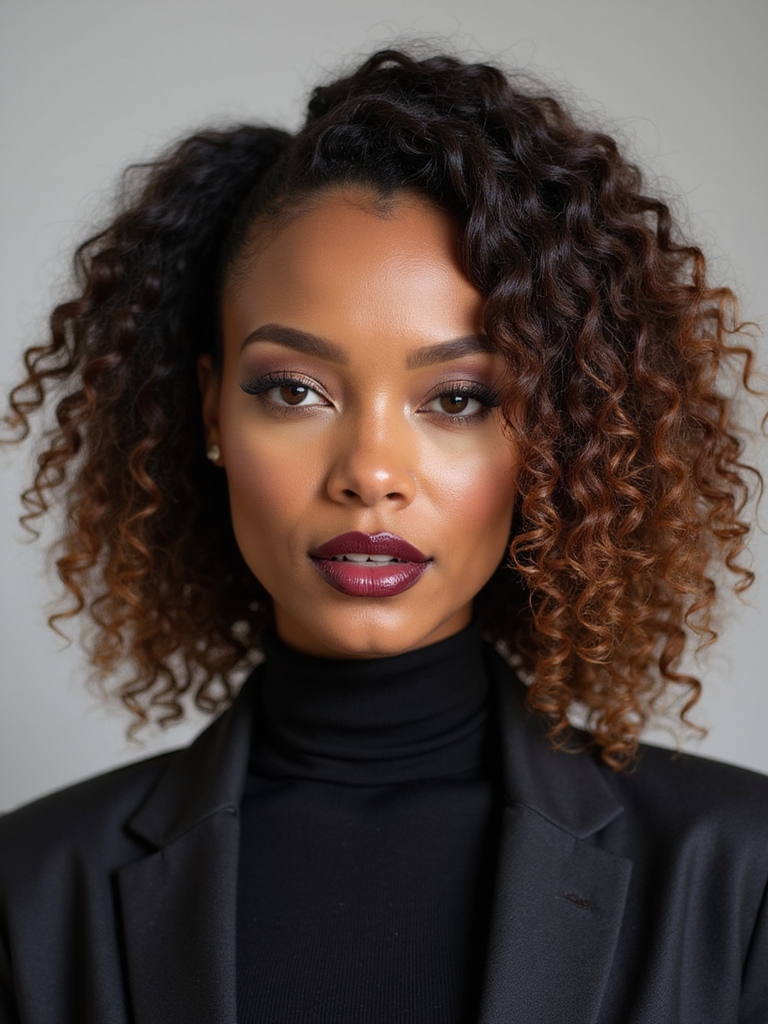
Winter is the hardest season for 4C hair, and it is not your imagination. The dry, cold air outside and the heated, equally dry air inside pull moisture from tightly coiled hair faster than any other texture, because the coils make it hard for your scalp’s natural oils to ever reach your ends.
Left unprotected, that means brittleness, breakage, and a long season of fighting dryness. The good news is that winter is also when protective styling and a solid moisture routine pay off most. Here are fifteen winter-friendly 4C styles and care strategies that keep your coils hydrated, tucked away, and thriving through the cold.
The Short Version
- 4C hair loses moisture fastest in winter, so hydration and sealing are the foundation of every style.
- Low-manipulation protective styles, twists, braids, bantu knots, and updos, tuck away your ends and retain length through the cold.
- Keep protective styles comfortably loose to protect your edges, and refresh moisture every few days.
Preparing 4C Hair for Winter Styling
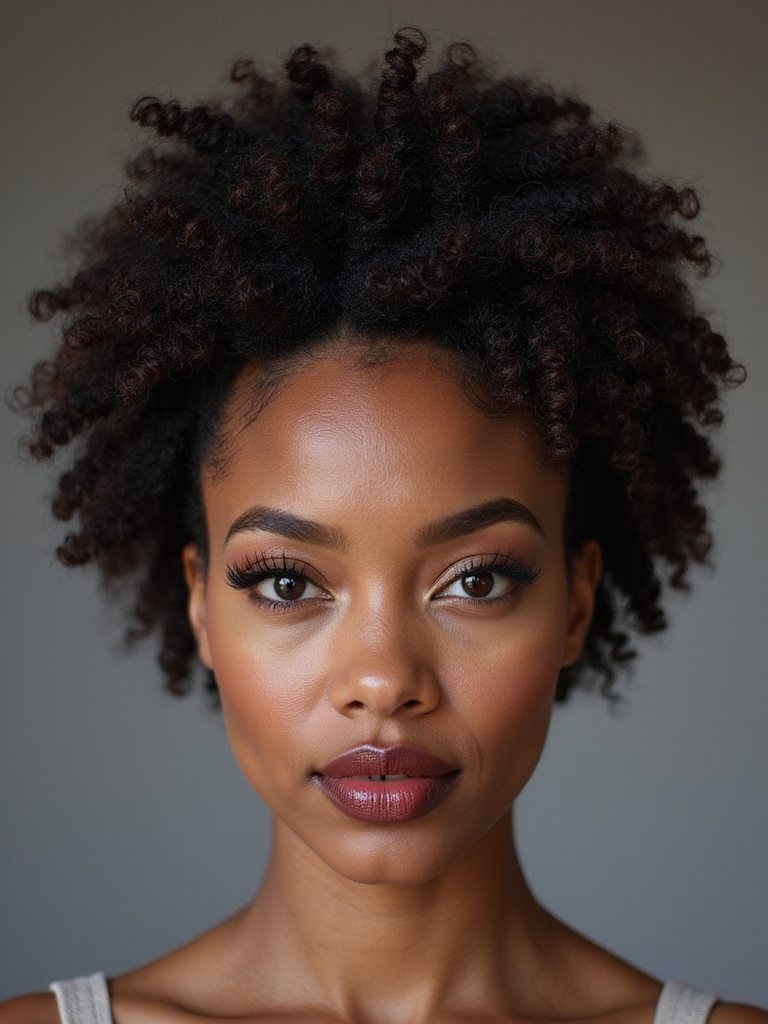
Before any winter style goes in, the prep determines whether it lasts. I always start with a clarifying wash to remove buildup, then a deep conditioning treatment, because 4C hair needs to go into the cold season fully hydrated.
Start With a Deep Condition
A protein treatment every few weeks strengthens the strands against winter breakage, balanced with moisture so the hair does not get stiff. Detangle gently on damp, conditioned hair with a wide-tooth comb or your fingers, working from the ends up.
Clean, deeply moisturized hair going into a style outperforms almost any product used to fix problems after the fact, all winter long.

A Daily Moisture and Seal Routine

The cornerstone of winter 4C care is a daily, or every-other-day, moisture routine. The most reliable method is the LOC method: liquid, oil, cream, layered in that order to add water and then lock it in.
I start with a water-based spritz or leave-in to hydrate, follow with an oil to seal, and finish with a cream or butter to hold the moisture in. The order matters, since the oil traps the water against the strand.
In the driest weeks, I do this every day, focusing on the ends, which are the oldest and most fragile part of the hair.
👍Winter Protective Styling: Pros
- +Tucks ends away from cold and friction
- +Locks in moisture for days or weeks
- +Retains length through the season
👎Cons
- –Too-tight styles strain the hairline
- –Scalp still needs regular cleansing
- –Left in too long, can cause buildup
Best Oils and Butters for Sealing in Hydration

Sealing is where winter 4C care is won or lost, and the right oils and butters make all the difference. Lighter oils penetrate the strand while heavier butters create a protective barrier. Here are the ones I keep on hand.
- Lightweight oils like jojoba and grapeseed to penetrate the strand.
- Richer butters like shea and mango to seal in a barrier.
- Castor oil on the edges and ends, where moisture escapes fastest.
Low-Manipulation Protective Styles for Winter
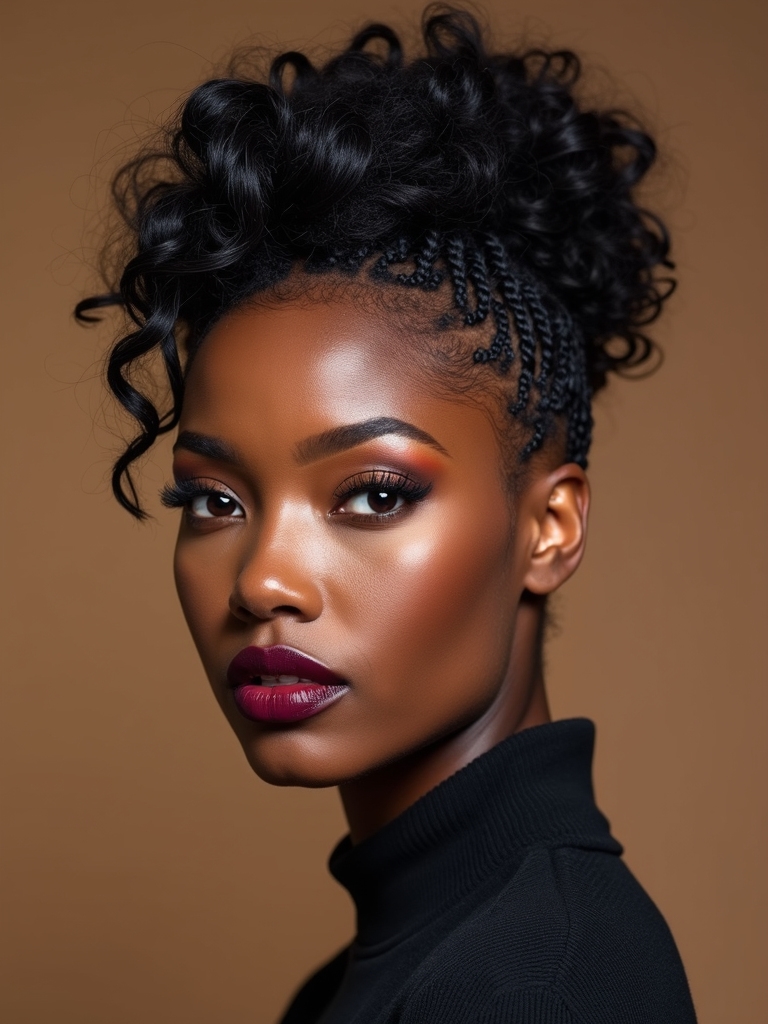
Winter is the season to lean into low-manipulation protective styles, the ones that tuck your ends away and let you leave your hair alone for days at a time. Less daily handling means less breakage, and tucked-away ends are shielded from cold air and scarf friction.
Twists, braids, bantu knots, and updos all qualify. The rule that matters most is to keep them comfortably loose. A style that pulls at your edges or hurts going in can cause tension damage over time, so it should never feel tight at the hairline. The braids for textured hair guide has more protective options.
- Tuck the ends away from cold and friction
- Less manipulation means less breakage
- Keep every style loose at the edges
Which winter 4C style fits you?
1Want weeks of low effort?
Box braids, faux locs, or knotless braids.
2Want a weekly style you control?
Two-strand twists, flat twists, or bantu knots.
Two-Strand Twists With Added Moisture

Two-strand twists are my go-to winter protective style because they are gentle, versatile, and lock in moisture beautifully. Twisting the hair in two-strand sections tucks the ends and keeps each coil hydrated under the twist.
Twists That Double as a Style
I moisturize and seal each section before twisting, so the moisture is held inside for the days the style lasts. Worn up or down, the twists are a finished look on their own, or you can unravel them for a twist-out.
They last one to two weeks with a satin bonnet at night, which makes them low-effort all winter.
Bantu Knots That Preserve Curl Definition

Bantu knots, small coiled buns sectioned across the head, are both a protective style and a curl-setting method. Worn as knots, they are a bold, sculptural look; unraveled, they leave springy, defined curls.
For winter, I moisturize well before knotting so the hair stays hydrated under the style. Keep the knots snug but never tight at the base, and protect them with a satin scarf at night to preserve the definition.
Protect Your Edges
No protective style is worth your hairline. If a braid, twist, or loc pulls, stings, or raises little bumps along your edges, it is too tight, and over time that tension can thin your edges. Ask your stylist to loosen the tension at the hairline, and never let any style hurt going in. Snug is fine; painful is a warning.
Layered Protective Updos for Work and Events

When you need to look polished for work or a winter event, a protective updo dresses up tucked-away hair. Twisted or braided sections pinned into an updo keep your ends protected while looking elegant and intentional.
I build these on twisted or braided bases so the style protects and styles at once. A few accessories, a cuff, a pin, a wrapped scarf, take it from everyday to event-ready.
- Twisted or braided sections pinned up
- Protects the ends while looking polished
- Accessories dress it up for events
Flat Twists for Scalp Access and Warmth
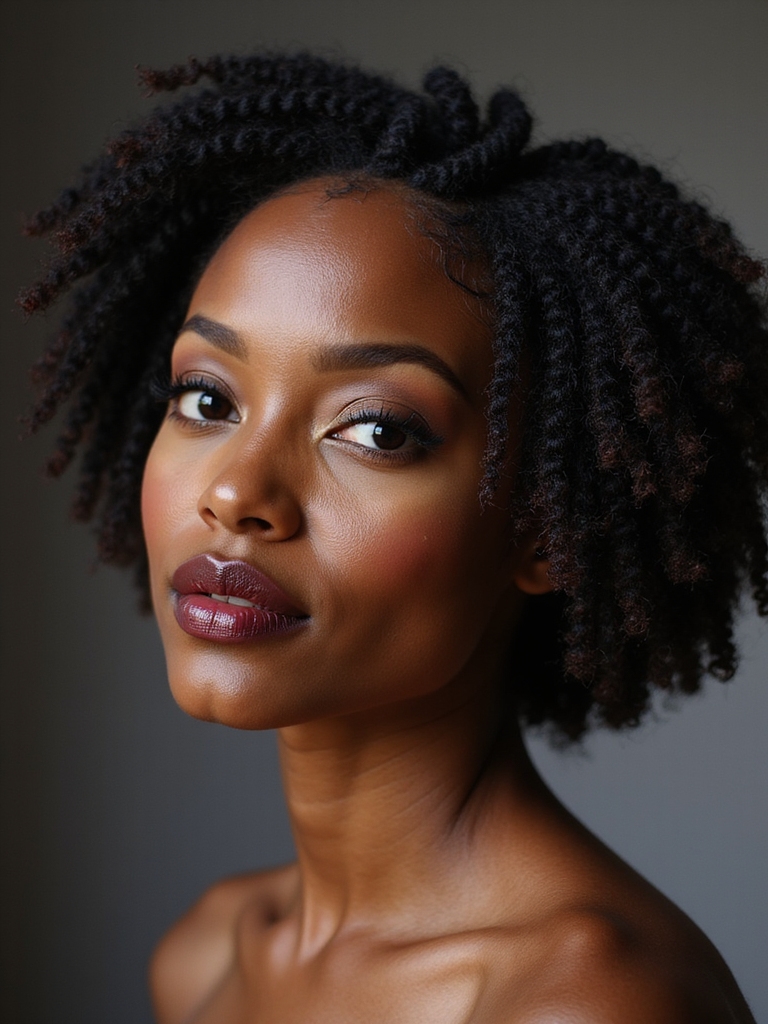
Flat twists, twisted close to the scalp like cornrows but with two strands, are a smart winter style because they keep the scalp accessible. You can oil and massage your scalp without taking the style down, which matters when winter dryness reaches your skin too.
They also sit close to the head, so they fit easily under a hat or hood without getting crushed. I moisturize the scalp and hair before twisting and refresh with a light oil every few days.
Worn for a week or so, flat twists are practical, warm, and protective all at once.
| Style | Lasts | Best For |
|---|---|---|
| Two-strand twists | 1-2 weeks | Moisture and versatility |
| Flat twists | About a week | Scalp access and hats |
| Box or knotless braids | 4-8 weeks | Low effort, length retention |
| Faux locs | 6-8 weeks | Maximum protection |
Pineapple and Nighttime Strategies to Prevent Dryness

What you do at night protects your hair as much as your daytime routine. The pineapple method, loosely gathering your hair into a high, soft puff before bed, preserves volume and definition without crushing your coils against the pillow.
Always sleep on satin or silk, whether a bonnet, scarf, or pillowcase, since cotton wicks moisture away and creates friction. A light spritz and a seal before bed keeps the hair hydrated overnight.
- Pineapple your hair to preserve volume overnight
- Sleep on satin or silk, never cotton
- A light spritz and seal before bed
Braided Styles That Lock in Moisture

Braids are a winter staple for 4C hair, from a few simple braids to longer-term box braids and cornrows. The braided structure locks moisture into each section and protects the hair for weeks at a time.
Choosing the Right Braid Size
For longer-lasting braids, I moisturize thoroughly first and choose a size that is not too small or too tight, since very tight braids strain the hairline. Maintain them with a light oil on the scalp and a satin bonnet at night.
Box braids and knotless braids both shine in winter. The knotless braid bob guide has style ideas, and the layered braids guide covers more options.
Faux Locs and Temporary Length Retention

Faux locs deliver a loc silhouette without the permanent commitment, and they hold up especially well as a winter protective style. Real hair stays wrapped completely out of sight inside each loc, shielded from cold air and dryness for weeks at a stretch, which supports real length retention through the season.
- Choose a size and weight that does not strain your roots
- Moisturize your real hair and scalp before installing
- A professional install typically runs $150 or more depending on length and size
- Plan to take them out around the two-month mark to avoid buildup
Styling With Heat-Free Stretching Methods

Winter is the worst time to reach for a blow-dryer or flat iron, since heat on already-dry hair invites breakage. Heat-free stretching gives you elongated styles without the damage. These are the methods I recommend.
- Banding: wrap small elastics down each section to stretch it as it dries.
- African threading: wrap thread around sections for a smooth stretch.
- Twist-outs and braid-outs: take down twists or braids for stretched definition.
Scalp Care and Massage to Promote Circulation
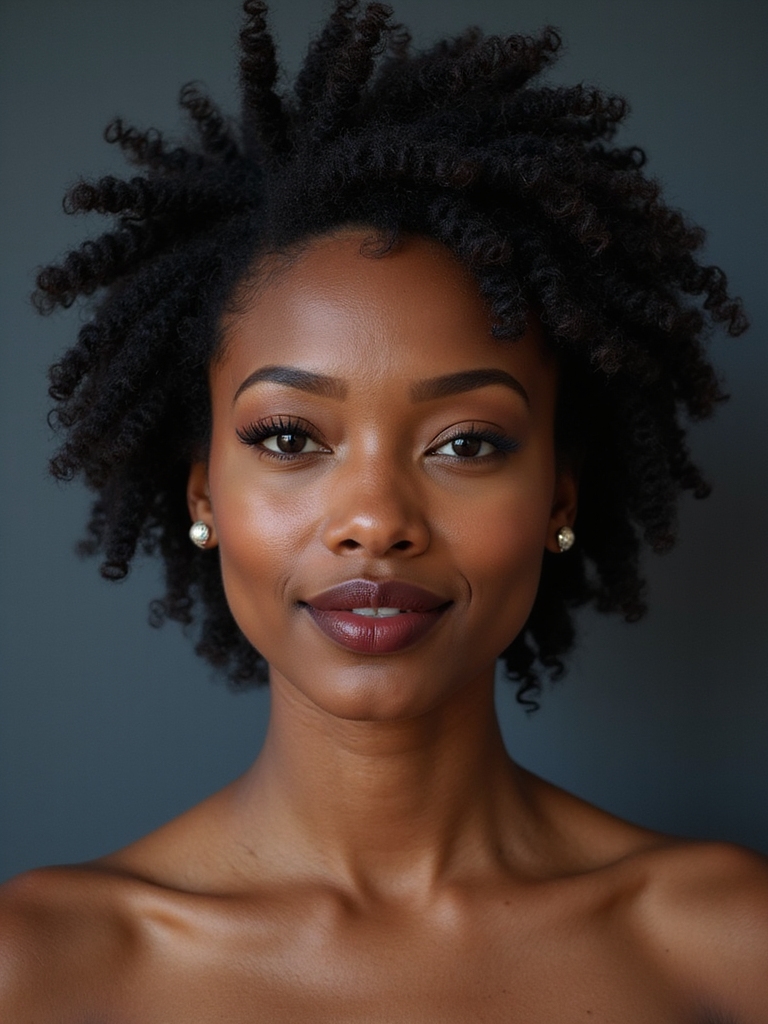
Winter dryness reaches your scalp as much as your strands, so scalp care is part of any 4C winter routine. A flaky, tight, or itchy scalp is common in the cold, and a little attention goes a long way.
A Five-Minute Scalp Massage
I do a gentle five-minute scalp massage with a light oil like jojoba a couple of times a week, which moisturizes the skin and feels wonderful after a day in the cold. Work in small circles with your fingertips, never your nails.
Keep the oil light so it does not build up, and cleanse the scalp regularly even when the rest of your hair is in a protective style.
Reviving Braid-Outs Between Wash Days
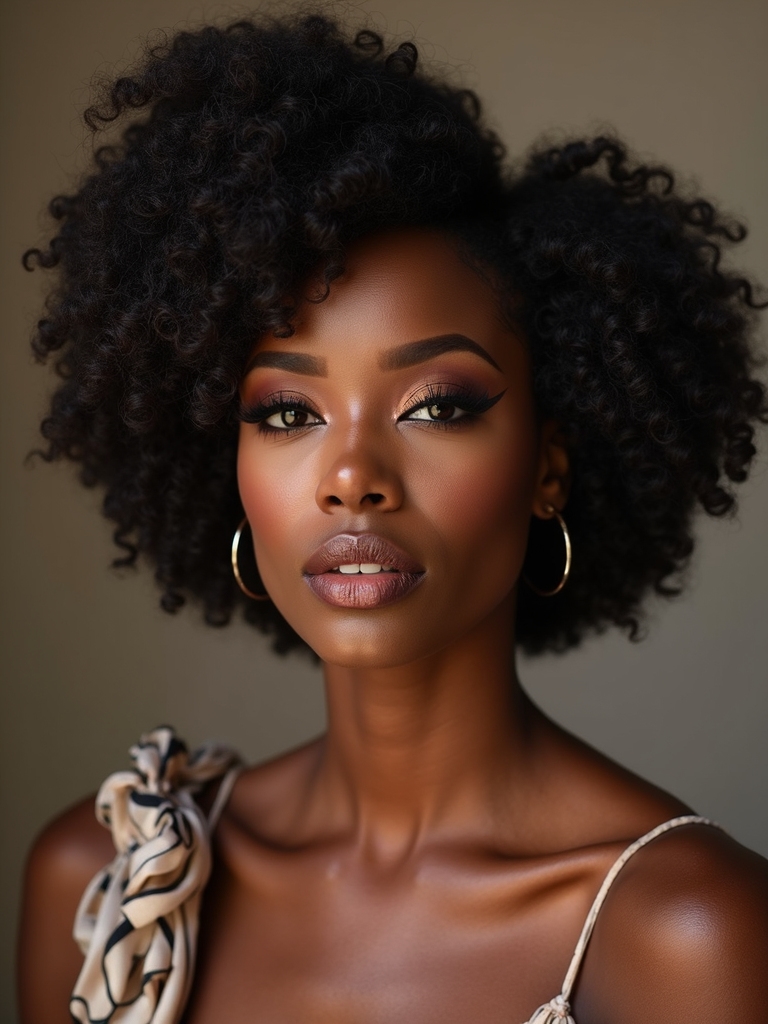
Stretching the time between wash days protects 4C hair, but your style needs refreshing in between. A braid-out or twist-out can be revived for several extra days with the right touch-up.
I lightly spritz with a water-and-leave-in mix, smooth a tiny bit of oil over the surface, and re-twist or re-braid a few front sections at night. In the morning, it looks freshly done.
This refresh routine lets one wash-day style carry you through most of the week, which is exactly what busy winter mornings call for.
Layered Styles for Indoor-Outdoor Temperature Changes

Winter means constant swings between cold outdoor air and dry indoor heat, and both pull moisture from your hair. Styles that hold up to those swings save you daily frustration. Here is how to dress your hair for the temperature roller coaster.
- Choose longer-lasting protective styles that do not need daily restyling.
- Keep a satin-lined hat or hood to guard against cold and friction.
- Carry a small spritz to re-hydrate when indoor heat dries you out.
Common Mistakes to Avoid
The most damaging winter mistake with 4C hair is letting it go dry. Skipping the moisture routine, even for a few days, leads to brittle strands and breakage that the cold only makes worse. The second mistake is wearing protective styles too tight: a braid or twist that pulls at your edges is straining your hairline, so it should never feel tight or painful.
The third is leaving protective styles in past the point they’re doing any good. Once a style has been in around two months, hair underneath tends to tangle, matte, and build up product residue, which ends up causing more breakage than the style ever prevented.
And do not forget your scalp: even when your hair is tucked away, it still needs cleansing and moisture through the dry months. For more cold-weather styling, the simple winter styles guide has quick options.
Winter 4C Hair Questions, Answered
?Why is 4C hair so dry in winter?
It starts with the coil shape itself, which slows your scalp’s natural oils from ever reaching the ends, so the hair runs drier year-round. Winter then turns up the dial: heated rooms and freezing air both act like a sponge on whatever moisture is left. That double hit is why sealing matters more now than in any other season.
?What is the best protective style for winter?
There is no single best, only the best for your routine. If you want to set it and forget it for weeks, look at box braids, knotless braids, or faux locs. If you would rather restyle weekly and keep your hands in your hair, twists and bantu knots give you that control. Every one of them shields your ends, which is the whole point in winter.
?How often should I moisturize 4C hair in winter?
Most people need it every day or two once the cold sets in, with the ends as the priority since they dry out first. The simplest gauge is touch: if the hair feels rough or stiff, it is thirsty. Layering a water-based product, an oil, and a cream traps the hydration far longer than water on its own.
?Can protective styles damage my hair?
Only when they are too tight or left in too long. Constant pull at the hairline is the main culprit, which is why nothing should ever sting or pinch going in. The other risk is leaving a style past its welcome, where tangling and buildup set in. Loose and removed on time, a protective style is one of the kindest things you can do for your hair.
?Do I still need to wash my hair in a protective style?
Yes. Your scalp still produces oil and collects product and dead skin, especially in winter. Cleanse it gently every week or two, even in braids or twists, with a diluted shampoo or a cleansing spray, and keep it lightly moisturized.
Coils That Thrive Through the Cold
Winter does not have to be a season of damage for 4C hair. Once you understand that everything comes back to moisture, hydrating, sealing, and tucking your ends away in low-tension protective styles, the cold months become a time when your hair actually gains length and health. The styles here are not just pretty; they are working hard to keep your coils protected.
Build your routine around deep conditioning, a daily seal, and a protective style that never pulls at your edges, and your 4C hair will come out of winter stronger than it went in. Treat it gently, keep it moisturized, and let the cold season work in your favor.
Keep Reading