What makes a hair color feel like winter? It is rarely the shade alone. A warm caramel and an icy platinum could not be more different, yet both read as winter when they are deep, glossy, and finished with a clean, cool clarity. Winter color is about richness and shine more than any single hue, which is why the season suits such a wide range of looks.
These sixteen ideas run the full spectrum, from cozy chocolate brown and auburn to frosty silver and platinum, with red, copper, and even soft fashion tones in between. For each one I have noted whether it leans warm or cool, who it flatters, and the upkeep it asks for through the harshest months your color will ever face.
How to Choose a Winter Color
- Winter color is less about one shade and more about depth and a clean finish; even warm tones lean richer and glossier this time of year.
- Match the shade to your undertone first, then to your upkeep: bright cool blondes and fashion tones are high-maintenance, while deep brunettes and warm shades forgive.
- Winter air is brutal on color, so hydration and the right toning matter more this season than any other.
Chocolate Brown

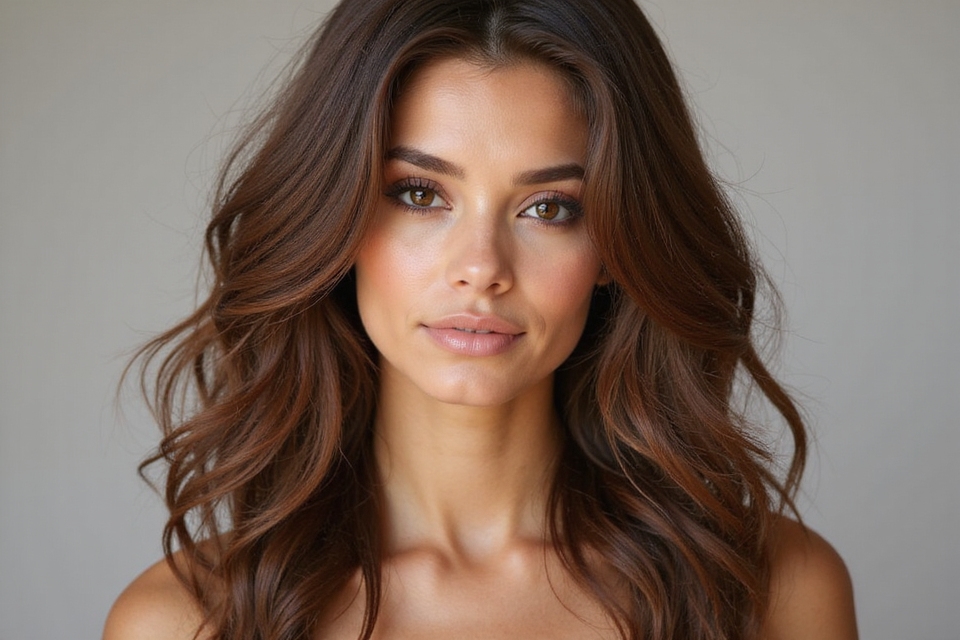
Chocolate brown is the quintessential winter brunette, a deep, glossy, edible-looking brown with warm undertones that glow against the season’s gray light. It is rich without being heavy, and it makes hair look healthy and expensive, which is exactly the winter mood. This is the shade I recommend most to brunettes who want depth without a big change.
What makes chocolate brown so wearable is how forgiving it is: the depth hides regrowth, it needs no lifting on most hair, and it fades gently. A gloss every couple of months keeps it shiny and rich. It flatters warm and neutral skin especially, where the brown warmth complements the complexion.
It is the lowest-stress color on this list and a wonderful winter default. Our brunette bob looks show it on shorter cuts.

Platinum Blonde

At the opposite pole, platinum blonde is winter at its iciest and most dramatic, a near-white, cool blonde that looks otherworldly against bare branches and snow. It is bold, high-fashion, and unmistakable, the color for someone who wants to be the brightest thing in the room.
This is the highest-commitment shade here. Reaching platinum takes serious lifting, so it belongs in a colorist’s hands, and a blue-violet toner is essential to keep the yellow at bay between washes. Bond-building treatments keep heavily processed hair from snapping in the dry cold.
Platinum flatters cool and fair skin best, where the icy tone harmonizes. If your complexion runs warm, a shadowed root softens the contrast. For the full blonde range, see our winter blonde hair guide.
📋Before a winter color change, ask yourself
- ✓How much upkeep can I realistically commit to through a busy, cold season?
- ✓Does my undertone lean warm or cool? It decides which shades flatter most.
- ✓Is my hair healthy enough to lift, or should I deep-condition first?
Mulled Wine Red

Mulled wine red is the coziest red of the season, a deep, warm, spiced red the color of a holiday drink. It has more warmth than a cool burgundy, glowing with reddish-brown depth that feels seasonal and rich. It is a beautiful way to wear red without going bright or stark.
Red of any kind fades faster than other colors, so this shade asks for a color-depositing conditioner and cool, infrequent washing to hold its depth. The warm, brownish base does fade more kindly than a bright red, though, making mulled wine one of the easier reds to live with. It flatters warm and neutral skin and shows beautifully on dark hair. See our wine red hair guide for more red shades.
Caramel Highlights

Caramel highlights bring warmth and light to a brunette base without committing to all-over color, which makes them a smart winter choice. Golden-caramel pieces woven through dark hair add dimension and a sun-warmed glow, fighting the flatness that brunette can fall into during the gray months.
Why caramel suits a winter brunette
Because the highlights sit against a darker base, the grow-out is gentle and the upkeep is far lower than a full blonde. No purple toning is needed here; the warmth is the point, so hydration and an occasional gloss are all it takes. The caramel catches what little winter light there is and lifts the whole complexion.
Caramel highlights flatter warm and neutral skin beautifully, and they are an easy, low-risk way for a brunette to brighten up for the season.
A couple of winter color myths worth clearing up.
❌ Myth: You have to go dark for winter.
✅ Reality: Not true. Winter is peak season for icy platinum and silver as much as for cozy brunette. The cold light flatters both ends, so go where your skin and your patience take you.
❌ Myth: You should not lighten in winter because of the dryness.
✅ Reality: You can, you just have to earn it with care. Bond-building treatments and weekly deep conditioning offset the season’s harshness, so lifting is fine with the right routine.
Rich Auburn

Auburn is the perfect winter red-brown, a rich reddish-brown that bridges brunette and red for warmth without a full commitment to either. It glows with copper-red depth in the low winter light and looks especially striking against cold-weather wardrobes of camel, cream, and forest green. Here is who it suits and how to keep it rich.
- A red-brown that brings warmth without going full red.
- Use a color-depositing conditioner to hold the red tones, which fade first.
- Flatters warm, neutral, and fair skin with freckles especially well.
Ash Brown

Ash brown is the cool brunette of winter, a smoky, neutral-to-cool brown with no warmth, like bark in frost. It is modern and sophisticated, the choice for a brunette who wants depth with a clean, contemporary coolness rather than golden warmth. The ashy undertone gives it an expensive, editorial quality.
Maintaining ash means fighting the warmth that wants to return, so a regular toning treatment keeps the smoky finish from going brassy or orange. It is more upkeep than a warm chocolate brown but far less than a cool blonde, which is exactly why I send so many brunettes who think they want platinum toward an ash brown instead. Ash brown flatters cool and neutral skin best, where the smoky tone reads chic.
🅰️Warm and cozy
Chocolate, caramel, honey, chestnut, mulled wine, and copper glow against warm and neutral skin and ask far less in upkeep. The low-stress, snug end of winter color.
🅱️Cool and icy
Platinum, silver, ash, burgundy, and blue-black flatter cool skin and make a sharp, dramatic statement, but commit you to toning and care.
Chestnut Balayage

Chestnut is a warm, glossy medium brown with red undertones, and painted as a balayage it builds beautiful dimension. The hand-painted technique blends soft chestnut tones through the lengths for a natural, sun-touched depth that catches winter light. It is rich, warm, and wonderfully wearable.
Why balayage eases the upkeep
Balayage placement keeps the maintenance gentle, since the color concentrates in the lengths and grows out softly with no harsh line. The warm chestnut tone needs no purple toning, only hydration and the occasional gloss to keep it glossy. It is a low-stress way to add warmth and movement.
Chestnut flatters warm and neutral skin, and the dimension makes it especially flattering, since the variation catches light from every angle.
Smoky Lavender

For the adventurous, smoky lavender is a soft, muted purple-gray that feels fashion-forward yet wintry, like frost with a violet cast. It is a fashion color toned down into something wearable, dusty and cool rather than bright, which keeps it sophisticated. It is unexpected and quietly striking.
What a pastel color really demands
This is a high-maintenance shade, since any pastel or fashion tone sits on pre-lightened hair and fades with every wash. It needs a near-platinum base first, then a toning regimen to refresh the lavender as it washes out. Expect to top it up often and to use color-safe, sulfate-free products religiously.
Smoky lavender flatters cool and fair skin, where the violet-gray harmonizes. It is a commitment, but a beautifully modern one for someone who wants something different.
“When a client asks for a pastel or fashion color in winter, the first thing I check is the health of their hair, not the shade. Lavender, rose gold, and the like all sit on heavily lightened hair, and lifting fragile winter hair is how breakage happens. Sometimes the kindest answer is to strengthen the hair first and book the fun color for a few weeks later.”
Honey Blonde

Honey blonde brings golden warmth to the cold months, a soft, warm blonde the color of its namesake that glows like captured sunlight against winter gray. It is cozy and flattering, a warm blonde that asks far less than the icy shades and lifts the whole complexion with its golden tone.
- A warm, golden blonde that brings cozy light to winter.
- No purple shampoo needed; it would only dull the gold.
- Flatters warm and neutral skin. More in our warm blonde hair guide.
Blue-Black

Blue-black is winter drama at its most polished, a deep black with a cool, blue-tinged sheen that looks glassy and rich. It is bold and high-shine, the darkest, most striking shade here, and it makes hair look impossibly glossy and healthy. Against pale winter skin its contrast is striking.
Blue-black is naturally low-maintenance on tone, since black holds far better than lighter colors, though the blue sheen can fade and may want a refreshing gloss now and then. Its real demand is shine, since the depth only looks rich on healthy, glossy hair, so a glossing treatment and good conditioning are key. It flatters cool skin most and looks especially striking on naturally dark hair, where it deepens what is already there.
Silver Gray

Silver gray is a deliberate, polished metallic gray that suits winter perfectly, all frost and shine. Unlike natural gray, this is an intentional, toned shade with real luminosity, the kind of color that looks like liquid metal in the cold light. It is bold, modern, and fashion-forward.
Like any cool, lifted shade, silver requires heavy lightening and constant toning to hold its metallic finish without yellowing, so it is a serious commitment. Hydration keeps the lifted hair from looking dull rather than shiny. It is a labor of love that rewards you with a truly striking winter color.
Silver flatters cool skin most, and it is a beautiful, intentional choice for anyone embracing gray or wanting a metallic statement for the season.
Mocha Ombre

A mocha ombre fades from a deep brown root into warmer, lighter mocha ends, giving brunette hair dimension with minimal upkeep. The dark root needs no maintenance as it grows, while the coffee-toned ends add warmth and movement right where they brighten your face. It is dimensional, cozy, and forgiving through a busy winter.
The ombre placement is the whole advantage, concentrating the lighter color in the ends so there is no root line to chase between salon visits. The warm mocha tone needs no purple toning, just hydration and a gloss to keep it glowing. It is a practical, beautiful choice for a low-maintenance winter.
- Fades from a deep root into warm, coffee-toned ends.
- The dark root means a gentle, low-upkeep grow-out.
- Warm mocha needs hydration and gloss, no purple toning.
Deep Burgundy

Burgundy is the cool, sophisticated red of winter, a deep wine red with a blue-purple undertone that reads rich and a little moody. It is bolder than auburn but more refined than a bright red, the kind of jewel-toned color that looks luxurious against winter clothes. It is a confident, elegant choice for the season.
- A deep, cool wine red with blue-purple depth.
- Red fades fast, so commit to color-safe, cool washing.
- Flatters cool and neutral skin; see our wine red hair guide for the full range.
Golden Copper

Golden copper is the warmest, most glowing red-orange of winter, a bright, sunny copper that brings real heat to the cold. It is bright and joyful, a warm shade that lights up gray days and flatters with its golden-red glow. It is the antidote to winter dullness for anyone who loves a true warm color. Here is who it suits and how to keep it bright.
- A bright, warm copper that brings glowing heat to winter.
- Copper fades fast like all reds; a copper-tinted conditioner refreshes it.
- Flatters warm skin and fair skin with freckles especially.
Midnight Blue

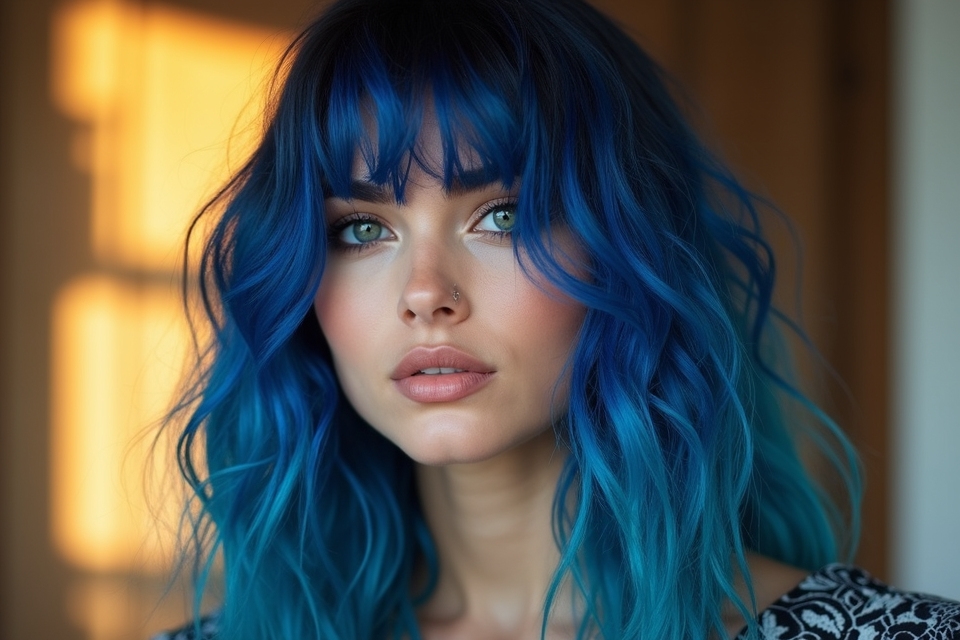
Midnight blue is a bold fashion color made wearable, a deep, dark blue that looks almost black until the light reveals the blue within. It is dramatic and modern, a statement color that still keeps the depth and richness winter loves. It is unexpected without being loud, since the darkness grounds it.
As a deep fashion color, midnight blue holds better than a bright one but still fades, especially the blue tone, so a blue-depositing conditioner helps maintain it. On dark hair it can often be achieved with less lifting than a pastel, which makes it more accessible than you might expect. It flatters cool skin and makes a striking, original winter statement.
- A deep blue that looks near-black until the light catches it.
- Holds better than bright fashion colors but still needs refreshing.
- Often achievable on dark hair with little lifting.
Rose Gold

Rose gold ends the list on a soft, playful note, a delicate blend of pink and gold that is romantic and modern at once. It is a fashion color with broad appeal, gentler than a bright pink and warmer than a cool pastel, which keeps it flattering and wearable. It brings a soft, rosy glow to the season.
Like all pinkish tones, rose gold sits on lightened hair and fades with washing, so it needs a pre-lightened base and regular refreshing to keep the blush alive. The warmer, golden side of the blend fades a touch more kindly than a cool pink. Expect to top it up and to baby it with color-safe products.
Rose gold flatters fair, cool, and neutral skin, echoing a natural flush. It is the most lighthearted winter color here, perfect for someone who wants a little romance and a soft pop of color.
Maintenance & Care
Winter is the hardest season your color will face, so the care matters as much as the shade. Cold, dry air and indoor heating pull moisture from hair, and processed color, especially anything lifted, shows that dryness as dullness fast.
The foundation is hydration: deep condition weekly, add a bond-building treatment if your color is lifted, turn the shower temperature down, and never skip a heat protectant. A dry color of any shade looks flat, while a well-hydrated one glows even in the worst winter light. I tell every client that a weekly mask does more for winter color than any toner.
Beyond moisture, match your toning to your tone, because this is where most people go wrong. Cool shades, the platinums, silvers, and ashy browns, need a blue or purple toner to fight the brass that creeps back. Warm shades, the honeys, caramels, and chocolates, should skip purple entirely, since it only mutes their warmth; they want hydration and a clear or warm gloss instead.
Reds and fashion colors of every kind fade the fastest, so a color-depositing conditioner in your tone and cool, less frequent washing are non-negotiable. Get the care right, and any winter color holds its richness until spring.
Winter Hair Color Questions, Answered
?What is the most low-maintenance winter hair color?
Deep, warm shades win on upkeep. Chocolate brown, chestnut, mocha, and caramel highlights all hide regrowth, need no purple toning, and fade gently. A dark-rooted ombre is also forgiving, since the grow-out is built into the look.
?Can I get a bright or pastel color in winter?
Yes, but only with the right care. Fashion shades like lavender, rose gold, and silver sit on lightened hair and fade fast, so they need a healthy, pre-lightened base, frequent toning, and a strict color-safe routine. Strengthen fragile hair before lifting.
?How do I keep my color from fading in winter?
Wash less often and in cooler water, since heat and frequent washing strip color. Use color-safe, sulfate-free products and a color-depositing conditioner in your tone. Most importantly, keep hair deeply hydrated, because dry color of any shade looks dull and faded.
Color for the Cold Season
The beauty of winter color is its range. The season flatters the coziest warm brunette and the iciest platinum equally, because what reads as winter is depth, gloss, and a clean finish, not any one hue. So the real question is not which color is most wintry, but which one fits your undertone, your wardrobe, and the upkeep you can give it through the cold.
Whichever way you lean, frosty or warm, color that survives winter comes down to the same two things: keep it deeply hydrated and tone it correctly for its temperature. Do that, and whether you choose chocolate, copper, or silver, your color will be the one warm, glowing thing about the whole gray season. Which one are you tempted to try?
More Hair Inspiration