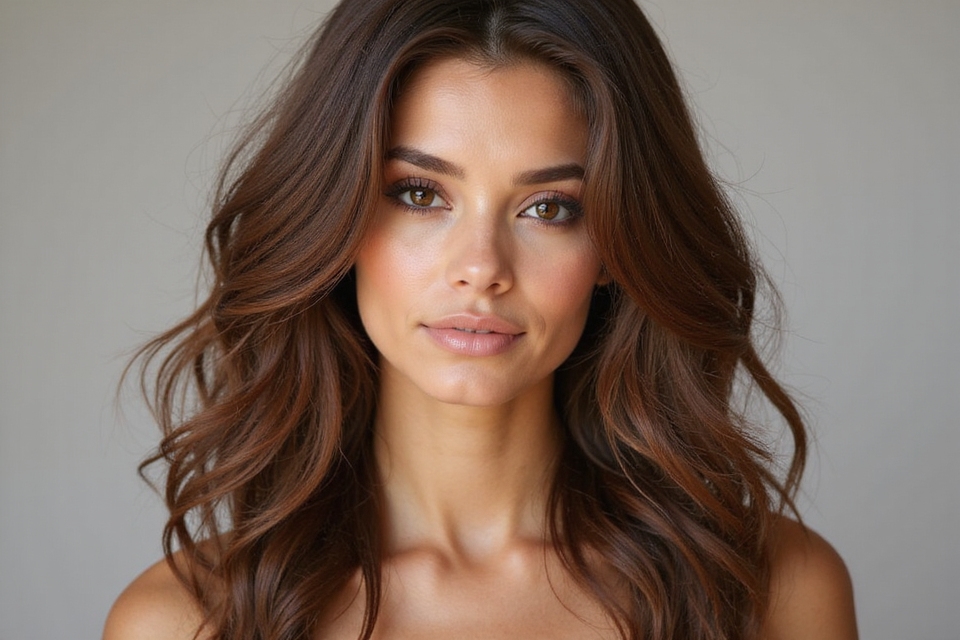
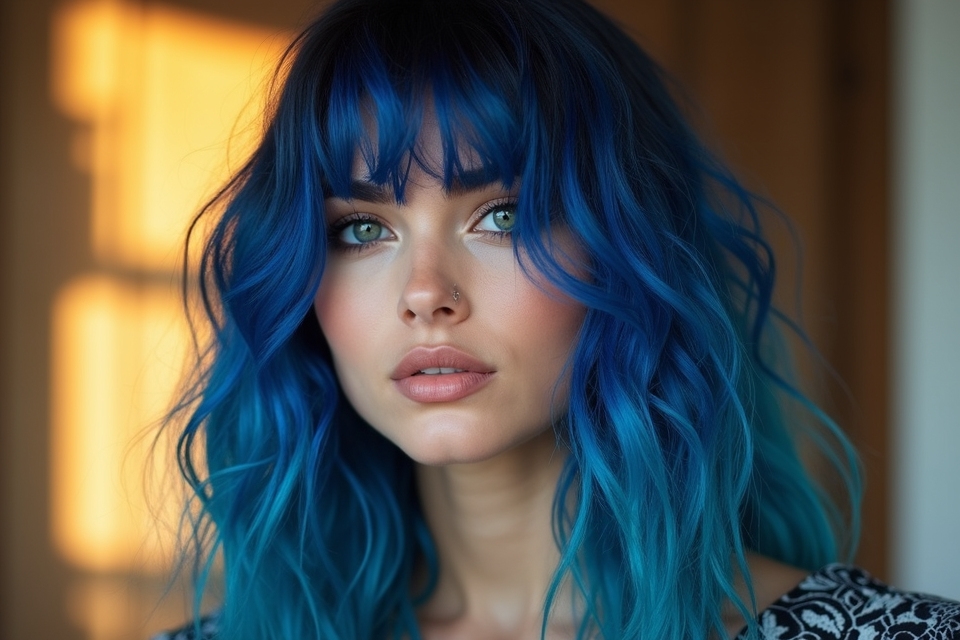
Wine red carries genuine risk alongside its payoff: it flatters an unusually wide range of complexions, and it fades faster than almost any other color on the shelf. Red dye molecules run larger than most other pigments and sit closer to the hair’s surface, which is exactly why they rinse out so quickly.
Twenty shades sit ahead, arranged by how much color-chair time each one realistically costs, from a merlot that barely needs upkeep to a cherry that demands a strict routine to stay vivid.
What Wine Red Actually Asks Of You
Wine covers the whole blue-and-purple-leaning side of red: burgundy, merlot, plum, cherry, and cabernet all belong to the family, unified by depth rather than the orange warmth of true copper. Darker shades often need little to no lifting on already-dark hair, while brighter ones usually call for some lightening first.
The catch that applies across all twenty: red fades faster than any other color category, so wine red is as much a maintenance decision as a color choice. Cooler washes, less frequent shampooing, and color-safe products slow the fade; skipping them speeds it up considerably.
Classic Wine Red

Classic wine red is where most people start: a true, deep red with just enough blue undertone to keep it from tipping orange. It’s the benchmark every other shade on this list gets measured against.
Where to Start if You’re New to Wine
Most colorists steer first-timers here specifically, since it flatters a wider range of complexions than the brighter wines and asks a little less upkeep in return. A full single-process application typically starts around $120, more once any pre-lightening gets added in.
Cool and neutral undertones tend to pull the most out of the blue base; anyone with a warmer undertone can still wear it well, just expect the red to lean slightly less blue against the skin.
Bordeaux Highlights

For anyone not ready for all-over color, bordeaux highlights are the lower-commitment entry point: deep, wine-toned pieces woven through a darker base add richness without touching the whole head.
Because the highlights sit against an untouched base, the grow-out is forgiving and the upkeep is noticeably lighter than a solid wine color.
- Works well on brunettes who want a hint of wine without the full commitment
- The winter hair color ideas for brunettes page has more painted-highlight options
- Regrowth is barely noticeable for the first couple of months
How a bordeaux highlight service typically goes:
1Assess the starting level
A colorist checks how much natural lift the hair needs before wine tones will show true.
2Foil or hand-paint the placement
Sections get woven selectively through the base.
3Deposit the wine tone
The color processes, then rinses to reveal dimension against the untouched base.
Deep Merlot

Merlot sits at the richest, darkest end of the wine family, a brooding red-brown that looks almost black until light catches it and reveals the color underneath.
The depth is what makes it forgiving: merlot fades more slowly than the brighter wines simply because there’s more pigment to lose before it starts looking flat. It’s often achievable on dark hair with little to no lifting required first, and a color-depositing conditioner once a week stretches the depth even further between salon visits. Anyone drawn more to true red than this blue-leaning depth can compare options in the red hair roundup instead.
Cherry Wine Balayage

Cherry wine is brighter and juicier than merlot, and hand-painted as a balayage it builds soft, dimensional movement across the whole head.
- A colorist needs to see the natural base color in person before quoting a price, since darker starting hair sometimes needs an extra lightening pass first
- The brightness catches light best against loose waves or curls
- Very fine hair can show the contrast as patchy, so ask specifically for a soft, feathered edge
- A gloss applied right after the balayage seals the cuticle and boosts initial shine
Plum Wine Ombre

Plum wine pushes the purple undertone forward, giving red a cooler, jewel-toned edge. Worn as an ombre, it fades from a darker root into brighter plum ends for a gradient that’s bold without being uniform.
Why the Gradient Eases the Upkeep
Because the color concentrates where it shows most, at the ends, the upkeep is gentler than an all-over version of the same shade.
The transition point is where most ombre attempts go wrong, so it’s worth asking specifically where the shift from root to plum will land; set too high, it can read like an accident instead of a deliberate gradient.
Burgundy Ends

Dipping just the ends in burgundy is an easy way to wear wine red: the deepest color concentrates on the lower lengths, leaving natural color untouched up top.
- Works on almost any starting shade, since only the last inch or two needs any lifting at all
- Easy to trim away entirely if the look doesn’t stick
- A practical way to test wine red before committing to a full head
- A color-safe conditioner on just the dipped ends keeps that section from drying out faster than the rest
Mahogany Wine Blend

Mahogany blends wine red with warm brown for a softer, more everyday version of the shade. The brown grounds the red, so fading shows up as a shift toward deep brunette rather than a dull, flat red.
Warm undertones pull the most warmth out of this blend, though it wears well broadly since the brown base does most of the softening work. Anyone who wants something closer to brown than red might prefer the auburn hair shades instead.
- Reads as a rich, expensive brunette under most indoor lighting
- A frequent recommendation for anyone nervous about a first red
- Pairs especially well with a blowout, since the brown base holds shine longer than a pure red does
Red Wine Ombre
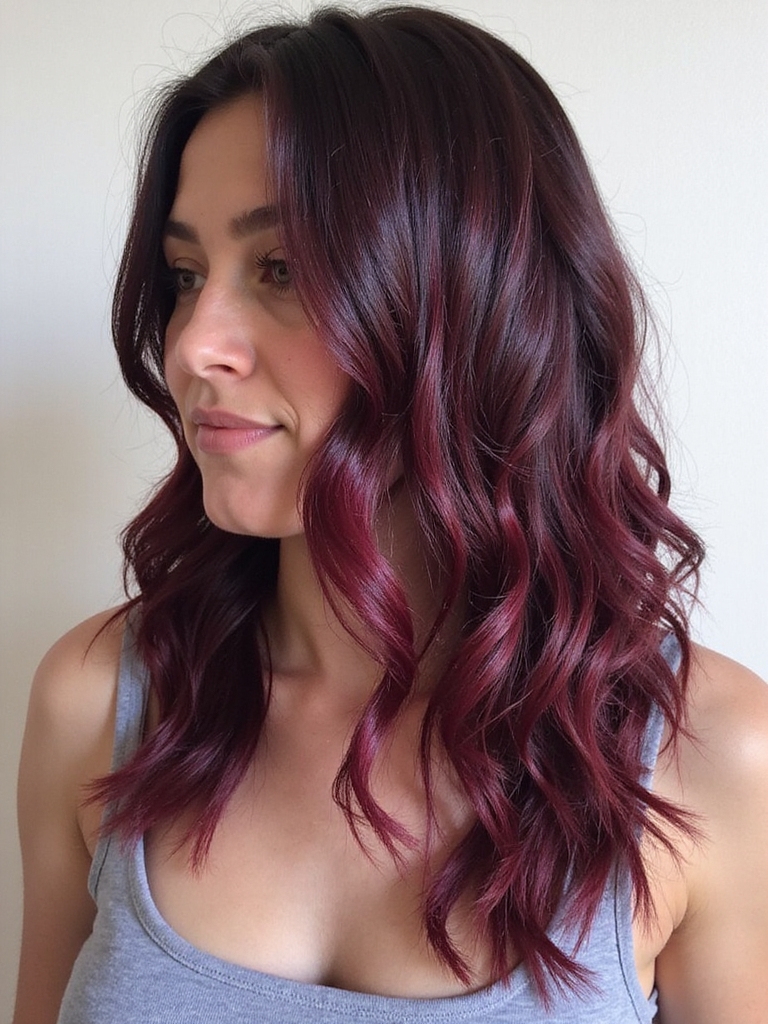
A red wine ombre fades from a deeper root into bright, true red-wine ends, the color of a glass held up to candlelight. The gradient runs bolder and warmer than a plum ombre, with none of the purple undertone pulling it cooler.
It photographs best with some movement in the hair; loose waves or a curling-iron set let the transition from dark to bright actually show, where poker-straight hair can flatten the gradient into two blocks of color instead of a blend.
- Reads most dramatic against loose waves that let the gradient move
- The brown hair balayage guide covers more painting techniques
- A gloss between full appointments keeps the red end vivid
Sangria Streaks

Sangria streaks mix bright wine pieces with warmer undertones for a fruity, multi-tonal effect, placed as distinct pieces through the hair rather than blended into one uniform tone.
- Face-framing placement draws the most attention to the color
- Scattered placement gives a subtler, more casual result
- Works well for anyone who wants boldness without full saturation
- A texture spray on the streaked sections helps them catch light unevenly, which reads more playful
Deciding how much commitment feels right:
🎯Want to test wine red without a big change?
Sangria streaks or burgundy ends both wash away or grow out easily.
🎯Ready for a full transformation?
Classic wine red or a plum ombre commit to the shade head to toe.
Cranberry Wine Waves

Cranberry sits between cherry and burgundy, a bright, slightly tart red that comes alive specifically in waved hair, where the movement lets the tone shift between brighter and deeper as it catches light.
Why Brighter Wines Need Stricter Care
This is one of the brighter wines, which means the trade-off is real: it fades faster than the deep shades, so the color-safe routine matters more here than almost anywhere else on this list.
A wash schedule stretched to every third day, dry shampoo filling the gaps in between, keeps this shade from sliding toward faded rust weeks sooner than it should.
Cabernet Curls

Cabernet is a deep, refined wine red, and on curls it’s truly striking, since the coils catch light from multiple angles and reveal facets a flat style never shows.
- Curl definition amplifies the natural dimension already built into the color
- Color-safe, hydrating products matter double here, since both color and curl pattern want moisture
- A color-depositing conditioner between full appointments keeps the tone from dulling
- A leave-in conditioner before styling protects curls from the extra dryness that comes with color-treated hair
📋Before booking a curl-friendly wine color
- ✓Confirm the colorist has experience working with curl or coil patterns
- ✓Ask specifically about moisture-focused developers built for textured hair
- ✓Bring a photo showing the curl definition you actually want to keep
Port Undertones

Port works as a barely-there wine undertone woven into a dark base, so hair sits close to black until direct light catches the color hiding underneath.
It’s the most understated way to wear wine red on this whole list, often needing no lifting at all on naturally dark hair, and it fades so gently that the shift is barely noticeable month to month. A single gloss appointment every couple of months is usually the entire maintenance routine it asks for.
Scarlet Wine Lowlights

Scarlet wine lowlights weave bright red pieces underneath the surface, adding pops of color that flash into view with movement without ever announcing themselves outright.
Because the color sits lower in the hair, it only fully shows when hair lifts or moves, which makes it a workplace-friendly way to wear red without it reading as an obvious color change.
- A subtle way to bring wine into an otherwise unchanged brunette base
- Shows best in hair with at least shoulder-length movement, where the lowlights can peek through as it swings
- Best requested specifically as lowlights, not highlights, at the consultation
Garnet Wine Layers

Garnet carries a touch of brown warmth alongside its jewel-toned depth, and worn on layered hair, the layers let the color shift between shades as the hair moves, faceted like the gemstone it’s named for. Anyone wanting more brown-adjacent depth without the red can browse the dark hair color ideas roundup instead.
- The brown warmth keeps it wearable for everyday settings
- Layers do most of the work showing off the color’s depth
- Suits medium to long hair best, where there’s enough movement for the layers to catch light
- A glossing treatment every few weeks keeps the jewel-tone finish from turning flat
Mulberry Wine Accents

Mulberry is a cool, purple-leaning wine red, and used as face-framing accents it brightens the complexion right where the eye naturally lands. Because the undertone runs cool, it also happens to be one of the more photo-friendly wine tones under indoor lighting, since it doesn’t shift orange the way warmer reds sometimes can.
- Placement matters more than saturation for this one
- A fashion-forward way to wear a cooler wine tone without touching the rest of the head
- Pairs well with an otherwise untouched natural base
Zinfandel Red

Zinfandel is a bold, vivid wine red carrying real warmth and energy, brighter and more spirited than the deep, brooding shades earlier on this list.
What Zinfandel Actually Costs in Upkeep
The trade-off is upkeep: without a strict color-safe routine and a gloss booked roughly every three to four weeks, zinfandel’s vividness slides toward a duller, brick-like red faster than almost any shade on this list.
Worn full and flowing, the warmth comes across as confident and energetic, which is the appeal for anyone drawn to it in the first place.
Rosé Wine Highlights

Rosé sits at the softest, prettiest end of the wine family: a delicate, pinkish-red woven as highlights through a lighter base for a gentle, blush-toned glow.
Why This Shade Wants a Lighter Base
This shade needs a paler canvas to show true, which is why it works best on lighter or pre-lightened hair. I’ve steered plenty of clients who love rosé but still have too much natural depth toward a preliminary lightening session first, since the shade simply won’t hold true otherwise.
Ask a colorist to hold a swatch against bare skin in daylight before the appointment; the pink can shift noticeably compared with warm salon lighting.
Velvet Wine Dimension

Velvet wine layers deep and bright wine tones together for a plush, multi-dimensional finish, built by a colorist combining a darker base with brighter highlights and lowlights in the same visit.
This is a more involved, custom color that belongs in experienced hands, built up in stages rather than a single flat application.
- The layered highlights and lowlights keep the color from ever reading as one flat tone
- Costs more per visit than a single-process color, since it’s really two or three techniques layered into one appointment
- Worth budgeting extra chair time for the layering process itself
Marsala Melt

Marsala is a warm, brownish wine red, and styled as a color melt it blends smoothly from a darker root into warmer marsala lengths with no visible line of demarcation.
The technique itself is the real draw here: a proper melt takes a practiced hand to blend without any visible banding, so it’s worth asking specifically for a colorist who does melts regularly rather than balayage or foils.
- Works especially well transitioning out of a warm brunette base that’s already grown out some
- Reads as an autumnal take on wine red that actually wears year-round
- A good option for anyone who wants richness without a hard maintenance schedule
Marsala on Already-Colored Hair
Marsala’s melt technique blends most smoothly on hair that hasn’t been heavily color-treated already; over-processed strands can grab the warm tone unevenly, leaving blotchy patches instead of a soft gradient. A strand test is worth the extra ten minutes if the hair has a color history.
Barolo Wine Gloss

A barolo gloss is the finishing step that takes any wine red from good to truly glowing: a sheer, glossy layer of deep wine tone applied between full color appointments to revive faded pigment.
- A salon gloss typically runs close to $45, and it’s a quick enough appointment to fit on a lunch break
- Refreshing it every few weeks keeps deep reds from sliding toward brown
- Tinted at-home glosses exist for maintenance between salon visits, though they’re gentler and shorter-lived
Common Mistakes to Avoid
The single biggest mistake is treating wine red like any other color and washing on the usual schedule with the usual products. Red fades fastest of all the color families, and hot water combined with sulfate shampoo strips it noticeably faster than cool water and a sulfate-free formula ever would.
The second most common misstep is skipping the color-depositing conditioner between full salon visits. That single product does more to stretch the time between appointments than any washing habit alone, and going without it usually means the color turns muddy weeks before it needs to. I’ve watched more than one rich wine red slide toward flat brown within a month simply because that one product got skipped.
Wine Red Hair Questions Worth Asking First
?Why does wine red fade faster than other hair colors?
Every red shade shares one trait: the dye molecule itself is bigger than the ones behind blue, green, or violet tones, giving it an easier path back out of the hair shaft with every wash. That holds true no matter which technique put the color there, whether it’s a full single-process application, a hand-painted balayage, or just a gloss layered over existing color.
?Can wine red be achieved on dark hair without bleaching first?
Often, yes, for the deeper shades specifically. Merlot, mahogany, garnet, and port undertones can show up on naturally dark hair with little to no lifting. Brighter shades like cherry, cranberry, or rosé usually need some lightening to show true.
?How long does a wine red color typically last before it needs a refresh?
A full color usually holds its depth for four to six weeks before a gloss or touch-up becomes worth booking, though brighter shades often need attention sooner and deeper, brown-based ones can stretch longer.
?Is wine red hair harder to maintain than a natural brunette color?
Meaningfully, yes. Even with the basics covered, wine red still asks for a color-depositing conditioner in rotation and noticeably more frequent glosses than a natural brunette shade would ever need.
Choosing Your Shade of Wine
Every shade here runs on the same trade: real richness in exchange for real upkeep. A gloss booked on schedule, more than any single product, is what keeps any of these twenty looking deep and deliberate rather than faded and flat.
Which one actually matches the amount of maintenance realistically available, the brooding depth of a merlot or the high-effort brightness of a cherry?
More to Explore