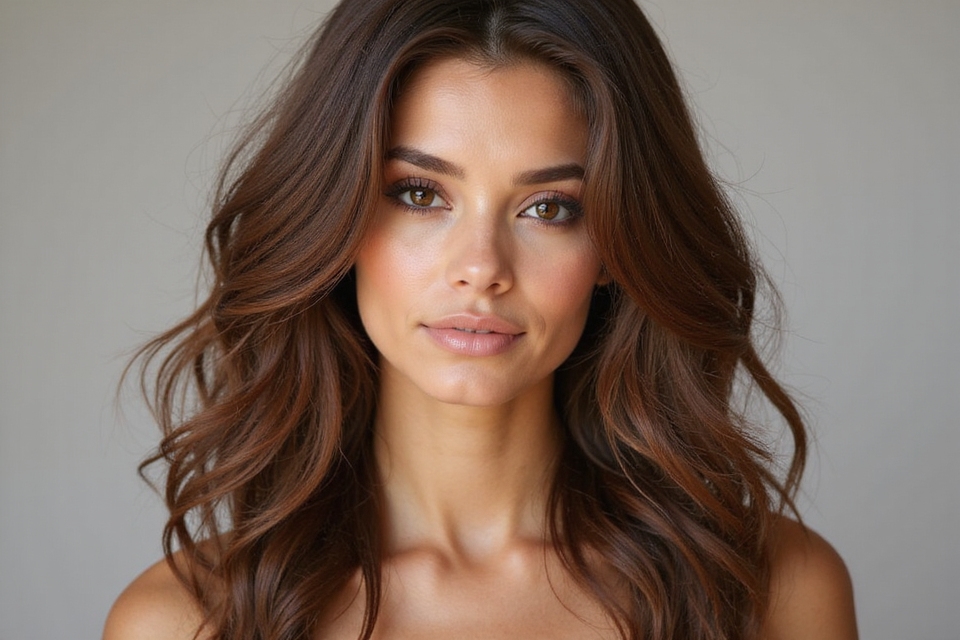
Ginger hair catches afternoon light in a way almost no other color does, glowing copper and gold at once, warm enough to stop someone mid-sentence on the street. It’s the boldest color most women will ever seriously consider, and handled well, one of the most flattering.
The fear is that it reads costume. The reality is that the right shade looks like it grew out of the person wearing it, not painted on top. This guide covers the honest version: which shades flatter which undertones, whether a salon or a box dye is the smarter call, what upkeep actually costs, and the specific habits that keep copper from fading to washed-out peach.
What Ginger Actually Asks of You
Ginger is the highest-maintenance color family in the red spectrum, since red pigment molecules are the largest and the first to wash out. Budget for color-safe products, a periodic gloss, and root work, not a single appointment.
The undertone match matters more than the exact shade name. A copper that glows on warm skin can look flat or clash entirely on a cooler complexion, so the consultation matters as much as the formula.
Why Ginger Is Having a Moment

Ginger has moved from the color people got teased for to the one they request by name at the chair, and the shift tracks with a broader swing back toward warmth after years of cool, ashy tones dominating. A few reasons it’s suddenly everywhere:
- Warm tones are trending across hair and beauty generally, and copper sits at the warmest end of that spectrum.
- It photographs unusually well, catching both daylight and warm indoor lighting in a way flatter colors don’t.
- It reads as individual and specific at a moment when a lot of people want color that feels like theirs, not a trend.

The Shades of Ginger, Explained

Ginger isn’t one color, and knowing the range is the first real step toward picking the right one. The family runs from soft and pale through rich and saturated, and where a shade lands changes both who it flatters and how loud it reads. The main stops, and for textured or coily hair specifically, the ginger on Black hair guide covers application in more depth:
- Strawberry ginger: the softest and palest, pink-gold warmth, the most naturally-occurring-looking of the three.
- Classic copper: the true middle of the family, rich orange-red, the shade most people picture when ginger comes up.
- Deep auburn: the darkest and most brown-leaning, also the lowest-maintenance and easiest to live with day to day.
Choosing the Right Tone for Your Skin

This is where ginger gets won or lost. The single biggest factor in whether a shade flatters is skin undertone, not personal preference or what looked good on someone else. The right ginger pulls warmth up into the complexion; the wrong one drains it out or clashes with pink or olive already present in the skin.
Why Undertone Decides Nearly Everything
Warm and golden undertones tend to glow with classic copper or golden ginger. Cooler complexions are usually better served by a softer strawberry or a deeper auburn, since those shades carry less orange intensity against cooler skin.
The catch is that undertone is hard to judge accurately on yourself under normal lighting, which is exactly why this conversation happens at the consultation, in person, before any color goes on.
A couple of terms come up often enough in this guide to define upfront:
📖Color-depositing conditioner
A conditioner formulated with a small amount of pigment that tops up faded color between salon visits, rather than lifting or lightening hair.
📖Gloss
A translucent, semi-permanent color treatment that refreshes tone and adds shine without the commitment or damage of a full color service.
Salon Versus At-Home Color

Ginger sits among the trickier colors to get right, and where it gets done matters more here than with most shades. A box dye can work for a subtle deepening on hair that’s already dark, but going bright, or lifting to a lighter base first, is salon territory.
Where this struggles most is at-home lifting: the wrong formula turns ginger brassy or muddy fast, and a correction afterward almost always costs more than getting it right the first time would have.
- A salon visit for lightening or a vivid copper typically runs $80 to $200 or more, depending on starting color.
- A box dye is reasonable only for deepening hair that’s already dark and close to the target shade.
- Ask specifically about starting color before booking either route; it determines nearly everything about cost and risk.
The Products Ginger Hair Actually Needs

Ginger fades faster than any other color family, so the right products aren’t optional extras; they’re the actual difference between rich copper and washed-out peach within a few weeks. The whole routine exists to protect color from what strips it: harsh cleansers, heat, even plain water.
Why Color-Depositing Products Earn Their Place
The short list covers a sulfate-free, color-safe shampoo, a color-depositing conditioner or mask in a warm copper tone, and a heat protectant used every time hot tools come out. The color-depositing product does real ongoing work, topping up red pigment between salon visits rather than just cleaning hair.
Where this gets tricky is clarifying shampoo, which should stay a rare, occasional tool rather than a regular habit, since it strips color fast along with buildup.
🅰️Salon Color
Higher upfront cost, but a colorist can correct the formula in real time and match undertone precisely.
🅱️Box Dye
Cheaper per box, but works reliably only for subtle deepening on already-dark hair; anything brighter risks an uneven, brassy result.
Care Habits That Keep Ginger Rich

Beyond products, a handful of daily habits decide how long ginger stays vivid, and none of them is complicated. Together they add real weeks of color life between appointments. Worth building in:
- Wash in cool water, since hot water opens the hair cuticle and lets pigment escape faster.
- Wash less often overall, leaning on dry shampoo to stretch the days between washes.
- Reach for a heat protectant every time, since heat fades red tones faster than almost any other.
Myths About Going Ginger

A few stubborn myths keep women from trying ginger who would otherwise love it. The biggest is that only fair, freckled skin can wear it, which simply isn’t accurate; nearly every complexion suits some shade of ginger once the tone is matched correctly to undertone.
Another myth holds that ginger always looks unnatural, when a well-chosen shade reads as though it grew in that way from the start. The maintenance concern has real substance behind it, though: ginger does fade quickly, and the right care manages that fade rather than eliminating the need for it.
Style Inspiration Worth Considering

Ginger reads differently depending on how it’s applied, so it helps to know the options before booking. From a subtle, sun-warmed effect to a full commitment, the application matters as much as the shade itself. A few directions:
- All-over copper delivers the boldest, most committed statement, and asks for the most upkeep in return.
- Ginger balayage gives a softer, sun-warmed effect that grows out gently with no hard line to maintain.
- Copper money-pieces around the face offer a lower-commitment way to test the warmth before going further.
“Going in clear-eyed about the upkeep, before the first appointment, is what separates women who love ginger for years from women who go back to their old color within a few months. Ask about the realistic maintenance schedule at the consultation, not after.”
Seasonal Adjustments for Ginger

Ginger faces different threats depending on the season, and a few small adjustments keep it rich all year round. Summer sun and chlorine do the most damage, while winter’s dry indoor heat dulls shine instead. Adjust like this:
- In summer, wear a hat or use a UV-protectant spray, since sun bleaches red pigment quickly.
- Rinse hair with clean water before and after swimming to keep chlorine from stripping color.
- In winter, add a weekly hydrating mask to counter the dullness dry indoor heat tends to cause.
Styling That Makes Ginger Glow

How ginger gets styled changes how the color actually reads, since copper shows off dimension and shine more than most shades manage. A few habits pull out the warmth. Worth trying:
- Finish with a shine spray or a drop of oil; gloss amplifies copper’s natural glow noticeably.
- Loose waves catch light and reveal dimension better than hair worn pin-straight.
- A center or deep side part frames the color directly around the face for the most visible impact.
Boosting Ginger Color Between Visits

Between salon appointments, a few gentle, low-cost habits keep ginger looking fresh without a full color service. None of these replace professional color, but they buy real time and brightness, which is exactly what fade-prone ginger needs most.
What Actually Moves the Needle Between Salon Visits
Of everything on this list, nothing moves the needle like swapping in a copper-toned conditioner once or twice a week, in place of the usual one. It works quietly in the background, replacing some of what the shower strips out and keeping the color from sliding toward flat, peachy dullness.
Some women swear by a henna gloss or a DIY tea or beet rinse for a subtle warmth boost. Where this struggles is consistency: results vary a lot by starting hair color and porosity, so treat these as a fun experiment, not a reliable fix.
ℹ️Light Changes Everything
Ginger looks noticeably different under warm indoor lighting versus daylight versus fluorescent office light. Worth checking a new color in more than one lighting setting before deciding it’s wrong.
Managing Root Growth

How visible roots become on ginger depends heavily on how far the color sits from natural base. Hair close to its natural shade regrows soft and forgiving at the roots; hair lifted dramatically, or covering gray, shows a sharper line much sooner.
A root touch-up on a roughly monthly rhythm keeps high-contrast ginger looking intentional rather than grown-out. A balayage or a softer, rooted application buys considerably more time between visits, since there’s no hard line to maintain in the first place, and that’s the smarter route for anyone whose schedule can’t accommodate frequent salon trips.
Protecting Ginger From Sun and Chlorine

Sun and water rank as ginger’s two most reliable enemies, and a little protection goes a remarkably long way. UV light bleaches red pigment faster than it affects almost any other color, so a single unprotected day at the beach or pool can visibly lighten ginger.
The fix is simple, if easy to skip: a hat or a spritzed UV-protectant leave-in before long sun exposure holds color noticeably better than doing nothing at all. It ranks as the single most effective piece of fade protection available in the warmer months.
Chlorine and salt water are nearly as harsh as direct sun, stripping and dulling color on contact. Rinsing hair thoroughly with clean water before swimming helps saturate the strand first, so it soaks up less of the pool or ocean water in the process.
Makeup That Complements Ginger

Going ginger shifts which makeup tones actually flatter, and a few small swaps pull the whole look together. Warm, earthy tones echo the copper in the hair, while very cool or frosty shades can sit oddly against that warmth and make the whole face read slightly disconnected.
Peach and coral blushes, warm bronzes and golds on the eyes, and brown or terracotta-toned lips all tend to complement ginger well. For anyone who color-matches their brows, softening toward a warm taupe rather than a cool gray keeps the whole face reading as one cohesive palette.
Transitioning to Ginger From Another Color

How anyone gets to ginger depends almost entirely on where they’re starting from, and some paths are considerably easier than others. Knowing what a starting color means for the process ahead of time saves real disappointment.
It also sets honest expectations for how many appointments the change will actually take, since some starting points reach a clean copper in a single sitting while others need a careful, multi-step build over weeks. For deeper reds specifically, the auburn hair guide and copper brown hair guide cover neighboring shades worth comparing.
- From brunette: usually the easiest path, often just a few shades of added warmth with minimal lift required.
- From blonde: ginger takes easily on pre-lightened hair, though that same porosity can grab pigment unevenly without care.
- From a dark box dye: frequently needs a corrective step first, since old color can block the new tone from taking evenly.
Fighting Fade: The Short List

Since fade is ginger’s defining challenge, it earns its own condensed list of the habits that matter most. Together, these can meaningfully extend how long color stays rich between salon visits. For anyone comparing across the wider red family, the red hair guide rounds out the picture:
- Wash less often, in cool water, using sulfate-free, color-safe products exclusively.
- Use a color-depositing copper conditioner weekly to keep topping up red pigment.
- Protect consistently from sun, chlorine, and heat styling, the three biggest color thieves.
Common Mistakes to Avoid
The most common mistake is choosing a shade based on a photo alone, without a real conversation about how it will read against a specific undertone in person. The second is underestimating maintenance going in, then feeling surprised and discouraged a few weeks later when the color has already started to soften.
A close third is over-washing early on, which strips fresh color faster than almost anything else in the first couple of weeks. Building color-safe habits from day one, rather than adjusting after the fade has already started, makes a meaningful difference in how long ginger actually lasts.
Ginger Hair Questions, Answered
?Does ginger hair suit every skin tone?
Some shade of it flatters almost everyone. Warm, golden skin tends to glow with classic copper, cooler complexions often suit a softer strawberry or deeper auburn, and deeper skin tones can look striking in saturated copper. Matching the specific shade to undertone matters more than avoiding the color family altogether.
?Why does ginger fade faster than other hair colors?
Red pigment molecules are the largest of any hair color, which means they sit closer to the surface of the strand and wash out with every shower. That’s the direct reason sulfate-free products and cool-water washing matter so much more for ginger than for cooler tones.
?Can ginger hair be achieved without bleaching?
It depends heavily on the starting color. Brunette hair usually needs only added warmth with minimal lift, while very dark or black hair typically requires some lightening to let true copper show rather than reading muddy or brown.
?Is ginger a good choice for fine or thin hair?
Yes, often more than expected. Copper and auburn tones can create the visual illusion of extra density and depth that flat, single-process colors don’t provide as effectively.
?How long does a color-depositing conditioner actually last?
Results are temporary by design, typically fading within a few washes, which is exactly the point: it’s meant to top up fading color regularly, not replace a professional service.
The Color That Rewards Going In Prepared
Ginger has shed its old reputation for good reason. Matched to the right undertone and cared for properly, it ranks among the most flattering, striking colors available, and copper glows in a way few other shades can match.
The real question worth sitting with isn’t whether ginger could work, since some shade of it flatters nearly everyone. It’s whether the upkeep it asks for actually fits the life it would be worn in.
You Might Also Like